The Heart Defect a Goldendoodle Gets From the Golden Line
It’s truly disheartening to think that the furry, joyful companion bouncing around your living room could be carrying a hidden health issue, especially one as serious as a heart condition. Many Goldendoodle owners, myself included, often hear about hip dysplasia or eye problems, but the idea of a congenital heart defect can be particularly alarming. This guide is here to shed light on one specific, and unfortunately common, heart defect that Goldendoodles can inherit from their Golden Retriever lineage: Subvalvular Aortic Stenosis (SAS), helping you understand what it is, how to spot it, and what responsible steps you can take.
Unpacking Heart Defects in Goldendoodles
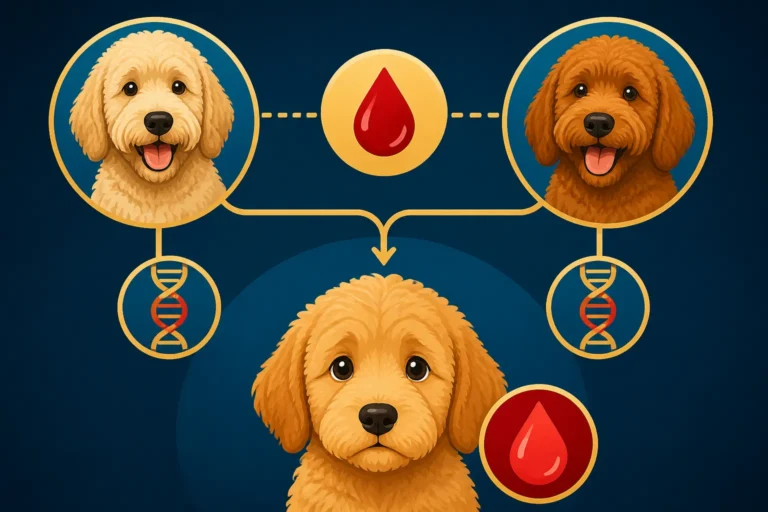
Bringing a Goldendoodle into your life means embracing a dog that carries the genetics of two distinct and beloved breeds: the Golden Retriever and the Poodle. While this cross often brings wonderful qualities, it also means your Goldendoodle can be susceptible to health conditions common in either parent breed. When it comes to heart health, the Golden Retriever side of the family brings with it a particular concern that every Goldendoodle owner needs to be aware of.
The Golden Retriever Connection to Heart Issues
Golden Retrievers are generally healthy dogs, but like many purebreds, they do have a predisposition to certain genetic conditions. One of the more significant heart conditions found in Golden Retrievers, and consequently in Goldendoodles, is Subvalvular Aortic Stenosis (SAS). This isn't just a minor murmur; it's a structural defect that can have serious implications for your dog's long-term health and even its lifespan. Understanding this connection is the first step in being a proactive and informed Goldendoodle parent. It's a reminder that even though Goldendoodles are often touted for their "hybrid vigor," they are not immune to inherited diseases, especially when both parent lines carry potential issues. Knowing what a Goldendoodle inherits from each parent breed is crucial for anticipating potential health challenges.
Why Early Detection Matters for Cardiac Health
The insidious thing about many heart conditions, including SAS, is that they can be present from birth but show very few, if any, outward signs in the early stages. Your Goldendoodle puppy might seem perfectly normal, full of energy, and eager to play, masking a problem that is slowly putting a strain on their heart. Early detection is paramount because it allows for timely intervention, whether that means medical management, lifestyle adjustments, or in some cases, surgical options. Catching these issues early can significantly impact the quality and length of your Goldendoodle's life. Regular vet check-ups are more than just shots; they are opportunities for your veterinarian to listen carefully to your dog's heart, potentially catching a subtle heart murmur that could be the first sign of a deeper issue. This is why paying attention during your Goldendoodle Puppy Vaccination and Puppy Health Checks is so important.
Subvalvular Aortic Stenosis SAS Explained
Subvalvular Aortic Stenosis, or SAS, is the most common congenital heart defect observed in Golden Retrievers, and by extension, in Goldendoodles. It's a condition that affects the heart's ability to pump blood effectively, and understanding its mechanics is key to grasping its severity. It's not just a fancy medical term; it describes a very real, tangible problem inside your dog's chest.
What is SAS?
At its core, SAS is a narrowing (stenosis) of the aorta, the body's main artery, located just below the aortic valve (subvalvular). Imagine a powerful garden hose that suddenly has a kink near the spigot. The water (blood) tries to rush through, but the narrowing creates turbulence and resistance. The heart, specifically the left ventricle, has to work much harder to push blood past this obstruction. Over time, this increased workload causes the muscle of the left ventricle to thicken (hypertrophy), trying to compensate for the extra effort. While this might sound like strengthening, it's actually detrimental, as the thickened muscle becomes less efficient at pumping blood and can even block the outflow further. This chronic strain can lead to heart failure, arrhythmias, and sadly, even sudden death.
Severity Levels and Their Impact
SAS isn't a one-size-fits-all condition; it exists on a spectrum of severity, from mild to severe. Veterinarians typically grade the severity based on the degree of narrowing and the pressure difference across the obstruction, often measured during an echocardiogram.
- Mild SAS: Dogs with mild SAS may show no clinical signs and can live a relatively normal lifespan. However, they still carry the genetic predisposition and should not be bred.
- Moderate SAS: Dogs with moderate SAS might start showing subtle signs as they age, such as reduced exercise tolerance or occasional coughing. The long-term strain on the heart is more pronounced, and life expectancy may be reduced.
- Severe SAS: This is the most concerning form. Dogs with severe SAS are at high risk for sudden cardiac death, often before two or three years of age, or they may develop congestive heart failure early in life. Their quality of life is significantly impacted, and medical intervention is usually necessary.
The presence of a heart murmur in a Goldendoodle puppy, especially if it's persistent and loud, can be the first indication of SAS. This is why hearing about Heart Murmurs Found in a Goldendoodle Puppy should prompt immediate further investigation.
How it's Diagnosed
The diagnostic journey for SAS typically begins with a veterinarian listening to your Goldendoodle's heart. A characteristic heart murmur, often heard over the left side of the chest, is the most common initial finding. However, not all murmurs indicate SAS, and not all SAS cases present with a loud murmur. If a murmur is detected, especially in a young Goldendoodle, the next crucial step is a consultation with a veterinary cardiologist.
Here's a breakdown of common diagnostic tools:
- Auscultation: The vet listens with a stethoscope. A specific type of ejection murmur is indicative of SAS.
- Radiographs (X-rays): Chest X-rays can show if the heart is enlarged or if there's fluid in the lungs, indicating potential heart failure.
- Electrocardiogram (ECG): An ECG measures the electrical activity of the heart and can detect arrhythmias (irregular heartbeats) or signs of ventricular hypertrophy.
- Echocardiogram (Cardiac Ultrasound): This is the definitive diagnostic tool. It uses sound waves to create real-time images of the heart's structure and function. A veterinary cardiologist can visualize the narrowing below the aortic valve, measure the pressure gradient across the obstruction, and assess the degree of left ventricular thickening. This test also helps rule out other heart conditions.
| Severity Level | Pressure Gradient (mmHg) | Common Clinical Signs (Early) | Prognosis (Untreated) |
|---|---|---|---|
| Mild | < 30 | Usually asymptomatic | Good, often normal lifespan |
| Moderate | 30-70 | Mild exercise intolerance, fatigue | Variable, reduced lifespan possible, risk of complications |
| Severe | > 70 | Sudden collapse, fainting, weakness | Poor, high risk of sudden death, early heart failure |
This table serves as a general guide. Individual dogs may vary, and a veterinary cardiologist is always the best resource for specific diagnosis and prognosis.
Recognizing the Signs of SAS
As a Goldendoodle owner, being observant of your dog's behavior and physical condition is your first line of defense against many health issues. While a definitive diagnosis of SAS requires veterinary expertise, knowing what signs to look for can help you seek help sooner rather than later.
Subtle Early Symptoms
The challenging aspect of SAS is that its early symptoms can be quite subtle and easily dismissed as normal puppy behavior or just a "lazy day." However, a keen eye can pick up on these cues.
- Exercise Intolerance: Your Goldendoodle might seem to tire more quickly than other puppies its age, or struggle to keep up during playtime that other dogs are enjoying without issue. They might prefer to lie down sooner during a walk or fetch session. This isn't just about being a couch potato; it's a noticeable decrease in their usual stamina.
- Fatigue or Lethargy: While all dogs nap, an unusual increase in sleeping or a general lack of enthusiasm for activities they usually love could be a sign. They might be less bouncy, less eager to greet you at the door, or simply seem "off."
- Occasional Coughing: A cough that isn't accompanied by other signs of respiratory illness (like nasal discharge) could be a sign of fluid accumulation in the lungs due to heart strain. This cough might be more noticeable after exercise or at night.
- Lack of Growth/Weight Gain: In severe cases, puppies might not grow as robustly as their littermates due to the immense energy drain on their system as the heart works harder. This might be hard to spot if you don't have littermates for comparison, but it's something your vet might pick up on during routine visits.
If you notice any of these, don't just brush them off. A quick call to your vet to discuss "Exercise Limits for a Goldendoodle With a Heart Murmur" or unusual fatigue is always warranted.
Emergency Warning Signs
While the early symptoms can be subtle, there are definitive emergency warning signs that indicate a critical cardiac event or severe disease progression. If you observe any of these, do not wait; seek immediate veterinary attention.
- Fainting or Collapse (Syncope): This is perhaps the most dramatic and alarming sign. Your Goldendoodle might suddenly fall over, become unresponsive, and then recover within a minute or two. This happens when the heart struggles so much that it cannot adequately supply blood to the brain. Even a single episode warrants an emergency vet visit.
- Difficulty Breathing (Dyspnea): This could manifest as rapid, shallow breathing, exaggerated belly breathing, or struggling to catch their breath. Their gums might appear pale or bluish. This is a sign of congestive heart failure, where fluid builds up in the lungs.
- Persistent Coughing with Foam: If the coughing becomes continuous, especially if it's productive and results in frothy, pink-tinged sputum, it's a clear sign of severe pulmonary edema, a life-threatening condition.
- Sudden Weakness or Paralysis: While less common, in severe cases of heart failure, poor circulation can affect muscle function, leading to profound weakness or even temporary paralysis.
These are not symptoms to monitor at home; they require immediate professional help. Remember, your Goldendoodle cannot tell you they're in pain or struggling, so it's up to us to recognize these critical indicators.
The Vet's Examination
When you bring your Goldendoodle to the vet with concerns about their heart, the veterinarian will perform a thorough physical examination, which is much more than just a quick listen to the chest.
- Auscultation: As mentioned, listening for heart murmurs is primary. The vet will listen to different areas of the chest to characterize the murmur's location, intensity, and timing.
- Palpation: The vet might feel for a "thrill" (a vibration caused by turbulent blood flow) over the heart, which can indicate a very loud murmur. They will also feel the pulse in the femoral artery (inner thigh) to assess its strength and rhythm, checking for irregularities or weakness.
- Mucous Membrane Color and Capillary Refill Time (CRT): Checking the color of the gums can indicate oxygenation and blood flow. Pink gums are good; pale, white, or bluish gums are concerning. CRT, the time it takes for color to return after pressing on the gums, should be under 2 seconds.
- Abdominal Palpation: In cases of heart failure, fluid can accumulate in the abdomen (ascites), which the vet might detect upon palpation.
- Respiratory Assessment: The vet will observe breathing patterns, rate, and effort, and listen to the lungs for abnormal sounds like crackles, which can indicate fluid buildup.
If the vet finds anything suspicious, they will likely recommend further diagnostics, which could include the X-rays, ECG, or echocardiogram discussed earlier. Don't be afraid to ask questions. Understanding "The Cardiac Exam a Goldendoodle Parent Should Pass" can help you advocate for your dog's health.
Managing and Living with Goldendoodle SAS
Receiving a diagnosis of SAS for your Goldendoodle can be incredibly stressful, but it's important to remember that a diagnosis is not the end of the road. Depending on the severity, there are various management strategies that can significantly improve your dog's quality of life and, in some cases, extend their lifespan.
Medical Management and Lifestyle Adjustments
For Goldendoodles with mild to moderate SAS, medical management, combined with careful lifestyle adjustments, is often the first course of action. The goal is to reduce the heart's workload, control symptoms, and prevent the progression of heart failure.
- Medication:
- Beta-blockers (e.g., atenolol, propranolol): These are commonly prescribed. They work by slowing the heart rate, decreasing the force of contraction, and reducing oxygen demand. This helps to reduce the turbulence across the narrowed aorta and minimize the risk of arrhythmias. They don't fix the narrowing but help the heart cope.
- Diuretics (e.g., furosemide): If fluid retention (congestive heart failure) is present, diuretics help remove excess fluid from the body, particularly from the lungs and abdomen, making breathing easier.
- ACE Inhibitors (e.g., enalapril, benazepril): These medications help dilate blood vessels, reducing the resistance the heart has to pump against, thereby lowering blood pressure and decreasing the heart's workload.
- Dietary Modifications: A low-sodium diet can be beneficial, especially if your Goldendoodle is showing signs of heart failure, as it helps reduce fluid retention. Your vet or a veterinary nutritionist can recommend appropriate commercial diets or advise on home-cooked options.
- Controlled Exercise: High-intensity exercise should be avoided, especially in dogs with moderate to severe SAS. Instead, focus on shorter, more frequent, low-impact activities like leisurely walks. Strenuous play, sudden bursts of energy, or activities that cause excessive panting or collapse must be strictly limited. This is a critical point when thinking about Goldendoodle weight and the load on its joints, as excess weight can further strain an already compromised heart.
- Stress Reduction: Minimize situations that cause your Goldendoodle anxiety or over-excitement, as these can increase heart rate and blood pressure, putting extra strain on the heart.
- Regular Monitoring: Lifelong follow-up appointments with your veterinary cardiologist are essential. This will involve regular echocardiograms to monitor the progression of the disease and adjustments to medication as needed.
It's important to note that these medications are typically long-term, and your Goldendoodle will likely be on them for the rest of their life. Organizations like Healthy Paws pet insurance can be a huge help here, as ongoing medication and specialist visits can add up quickly.
Surgical Interventions
While medical management is effective for many, in some cases of severe SAS, surgical intervention might be considered. However, it's crucial to understand that surgery for SAS in dogs is complex, carries significant risks, and is not a cure.
- Balloon Valvuloplasty: This is the most common procedure, though it's technically a sub-valvuloplasty for SAS. A catheter with a balloon is inserted into a blood vessel and guided to the narrowed area below the aortic valve. The balloon is then inflated to stretch and widen the narrowed tissue. While it can reduce the pressure gradient and improve blood flow, it typically doesn't eliminate the obstruction entirely, and restenosis (renarrowing) can occur. It's often reserved for severe cases where the risks of leaving the condition untreated outweigh the surgical risks.
- Open-Heart Surgery: In rare, highly specialized centers, open-heart surgery to remove or reduce the fibrous ring might be attempted, but this is an extremely invasive and high-risk procedure for dogs.
The decision for surgery is never taken lightly and involves extensive consultation with a veterinary cardiologist. It's a balance between potential benefits and very real risks, including anesthesia risk, which can be higher for dogs with heart conditions.
Prognosis and Quality of Life
The prognosis for Goldendoodles with SAS varies widely depending on the severity of the condition and how early it's diagnosed and managed.
- Mild SAS: Many dogs with mild SAS can lead a normal or near-normal lifespan with minimal to no clinical signs. They may require ongoing monitoring but often don't need extensive medication.
- Moderate SAS: With proper medical management and lifestyle adjustments, dogs with moderate SAS can often live fulfilling lives, though their lifespan may be somewhat shortened compared to unaffected dogs. Close monitoring for signs of progression is vital.
- Severe SAS: The prognosis for severe SAS is guarded to poor without intervention. The risk of sudden death is high, especially in young dogs. With aggressive medical treatment and potentially surgery, life expectancy can be extended, but they will likely require lifelong medication and careful management.
The key to maximizing quality of life, regardless of severity, is vigilant observation, strict adherence to veterinary recommendations, and a loving, supportive environment. Providing a comfortable home, a balanced diet, and appropriate low-impact exercise can make a world of difference for a Goldendoodle managing a heart condition.
Breeding Responsibly to Avoid SAS
For anyone considering bringing a Goldendoodle into their home, especially from a breeder, understanding the hereditary nature of SAS and the importance of responsible breeding practices is absolutely critical. This is where you, as a prospective owner, have the power to make informed choices that can help prevent the perpetuation of this serious condition.
OFA Cardiac Clearances
The Orthopedic Foundation for Animals (OFA) is a well-respected organization that tracks and certifies health clearances for various canine conditions, including heart disease. For Golden Retrievers, and thus for Goldendoodle parent dogs, an OFA cardiac clearance is a non-negotiable step for responsible breeding.
- What it Involves: An OFA cardiac clearance requires a physical examination by a board-certified veterinary cardiologist. This cardiologist will perform auscultation (listening to the heart) and often an echocardiogram. The cardiologist then submits their findings to the OFA.
- What You Look For: You want to see "Normal" or "Clear" results for both parent dogs of any Goldendoodle litter. Specifically, you should ask to see OFA certification that states the parents are free of SAS. A simple vet check-up is not enough; it needs to be an official evaluation by a specialist and registered with OFA. This rigorous process is essential because a regular vet might miss a subtle murmur, or a breeder might not disclose it. Always ask for verifiable documentation. If a breeder shows you only a general vet check, it's a red flag. Digging into OFA Clearances on a Goldendoodle Sire and Dam will empower you.
- Why it's Important: Since SAS is a genetic condition, breeding dogs that have tested clear greatly reduces the likelihood of passing the defect on to their offspring. This is the single most effective way to combat inherited diseases in any breed or crossbreed.
Understanding Breeding Implications
The genetics of SAS are complex, but it's understood to have an autosomal dominant mode of inheritance with incomplete penetrance, meaning that even if a dog inherits the gene, they might not always show severe signs, or any signs at all, but can still pass it on.
- Affected but Asymptomatic Carriers: A dog could carry the gene for SAS, even have a mild form, and appear healthy, yet still pass on the more severe form to its puppies. This is why a simple "my dog seems healthy" is insufficient for breeding stock.
- Avoiding Affected Dogs: No dog diagnosed with SAS, regardless of its severity, should ever be bred. Breeding such dogs knowingly propagates a serious, potentially fatal, condition.
- Ethical Breeding Practices: A truly responsible Goldendoodle breeder will be transparent about the health history of their breeding dogs, readily provide OFA cardiac certifications for both the sire and dam, and explain what those results mean. They won't make excuses or try to convince you that "hybrid vigor" makes health testing unnecessary. In fact, this is precisely why "Why Testing Beats the Word Hybrid on a Goldendoodle" is such a crucial concept.
The Role of Responsible Breeders
Responsible breeders are the cornerstone of healthy Goldendoodle lines. They understand their ethical obligation to produce healthy, well-adjusted puppies.
- Transparency: They will openly discuss health concerns, including SAS, and provide verifiable documentation for all health clearances (heart, hips, elbows, eyes) for both parent dogs. They should be proud to show you "The DNA Panel a Goldendoodle Breeder Should Run" and their OFA certifications.
- Health Guarantees: Reputable breeders often offer a health guarantee, typically for the first one to two years of a puppy's life, covering inherited conditions like severe SAS. This shows confidence in their breeding practices and a commitment to their puppies' long-term well-being.
- Lifelong Support: A good breeder will be a resource for you throughout your Goldendoodle's life, willing to answer questions and offer advice on health and care. They are invested in their puppies' future.
- Educating Buyers: They will take the time to educate prospective buyers about potential health issues and what to expect, rather than just focusing on the "designer dog" appeal.
When you're looking for a Goldendoodle puppy, ask pointed questions about heart health, specifically SAS. A breeder's willingness and ability to provide clear, verifiable answers speaks volumes about their commitment to the health of their dogs.
Other Potential Heart Concerns
While SAS is the most prominent congenital heart defect inherited from the Golden Retriever side, it's important to acknowledge that Goldendoodles can also be susceptible to other heart issues from either parent line or general canine predisposition. Being aware of these helps round out your understanding of Goldendoodle cardiac health.
Dilated Cardiomyopathy DCM from the Poodle Line
Standard Poodles, the other half of the Goldendoodle equation, have their own set of inherited health concerns, one of which is Dilated Cardiomyopathy (DCM). This is a different type of heart disease than SAS, affecting the heart muscle itself.
- What is DCM? DCM is a progressive disease in which the heart muscle becomes thin and weakened, leading to an enlarged heart and reduced pumping ability. Unlike SAS, which is a structural narrowing, DCM is a functional problem of the muscle. The heart can't effectively pump blood, leading to fluid buildup and eventual heart failure.
- Symptoms: Signs of DCM often include exercise intolerance, lethargy, coughing, difficulty breathing, and fainting. These symptoms can be similar to advanced SAS, emphasizing the need for proper veterinary diagnosis.
- Inheritance: DCM in Poodles is thought to have a genetic component, though the exact mode of inheritance is still being researched. Screening involves regular veterinary cardiology exams, including echocardiograms, for breeding stock.
- Goldendoodles and DCM: While less common than SAS from the Golden Retriever side, Goldendoodles can inherit a predisposition to DCM from their Poodle parent. Responsible Poodle breeders (and thus Goldendoodle breeders) should screen their dogs for DCM.
Pulmonic Stenosis and Other Congenital Defects
Beyond SAS and DCM, there are other congenital heart defects that can occur in any dog breed, including Goldendoodles, although they are less commonly discussed or specifically linked to the parent breeds in the same way SAS is to Golden Retrievers.
- Pulmonic Stenosis (PS): This is another type of narrowing, but it affects the pulmonic valve, which controls blood flow from the right ventricle to the pulmonary artery (leading to the lungs). Like SAS, it creates extra work for the heart, specifically the right ventricle. Symptoms and diagnosis are similar to SAS, involving a heart murmur and echocardiography.
- Patent Ductus Arteriosus (PDA): This is a relatively common congenital defect where a blood vessel that is open during fetal development fails to close after birth. This allows blood to bypass the lungs, putting strain on the heart. It usually produces a very distinctive "machinery-like" heart murmur and can lead to heart failure if not corrected.
- Ventricular Septal Defect (VSD) and Atrial Septal Defect (ASD): These are "holes" in the walls separating the heart's chambers (ventricles or atria), allowing blood to flow abnormally, leading to inefficiencies and increased workload for the heart.
While these other conditions might not be as directly linked to one parent breed for Goldendoodles, they underscore the importance of comprehensive cardiac screening for all breeding dogs and diligent veterinary care for your Goldendoodle puppy. Any persistent heart murmur, regardless of its suspected cause, warrants a thorough investigation by a veterinary cardiologist to ensure your beloved Goldendoodle has the best chance at a long, healthy life. Thinking about the Goldendoodle Lifespan and What a Cross Really Buys You, it's clear that diligent health management is key, not just relying on the "crossbreed" label.
Disclaimer
The information provided in this article is for general informational purposes only and does not constitute veterinary medical advice. Always consult with a qualified veterinarian or veterinary specialist for any health concerns or before making any decisions related to your Goldendoodle's health and treatment.