Von Willebrand Carried Down Both Goldendoodle Lines
It's incredibly worrying when you bring a beautiful Goldendoodle into your life, full of joy and energy, only to learn that there are hidden genetic health concerns lurking beneath the surface. Many prospective and current Goldendoodle owners face the uneasy feeling of not knowing what inherited conditions might affect their beloved companion, especially when both parent breeds bring their own set of potential genetic challenges. This comprehensive guide will shine a light on Von Willebrand Disease (vWD), a significant bleeding disorder that can, unfortunately, be carried down through both the Golden Retriever and Standard Poodle lines, equipping you with the knowledge to understand, test for, and manage this condition.
What Exactly is Von Willebrand Disease?
When your Goldendoodle gets a small cut, you expect it to stop bleeding after a few minutes, right? That's thanks to a complex, miraculous process called coagulation, or blood clotting. Von Willebrand Disease (vWD) disrupts this fundamental process, turning what should be a minor injury into a potentially serious health event. It’s the most common inherited bleeding disorder in dogs, and it's a topic every Goldendoodle owner should be familiar with, given the breed's lineage.
The Vital Role of Von Willebrand Factor in Clotting
At the heart of Von Willebrand Disease is a crucial protein known as the von Willebrand factor (vWF). Think of vWF as the sticky "glue" that helps platelets—tiny cells in the blood—clump together and stick to the walls of damaged blood vessels. When a blood vessel is injured, vWF rushes to the site, creating a plug that seals the wound and initiates the formation of a more stable blood clot. Without enough functional vWF, or with an abnormal vWF, this initial plug can't form properly, leading to prolonged or excessive bleeding. It’s like trying to patch a leaky hose with tape that just won’t stick; the system can’t do its job effectively.
The amount and quality of this vWF protein in a dog's blood directly impact their ability to clot. Dogs with insufficient vWF might experience continuous oozing from minor wounds, while those with severely deficient vWF could face life-threatening hemorrhages from even routine procedures. The impact of vWD can range from subtle to severe, making it a tricky condition to spot without proper awareness and testing.
Distinguishing Between the Types of vWD Affecting Goldendoodles
While there are three recognized types of Von Willebrand Disease (Type I, Type II, and Type III), Goldendoodles are predominantly affected by Type I. This is important because Type I vWD is generally considered the mildest form, though "mild" is certainly a relative term when it comes to uncontrolled bleeding. In Type I vWD, affected dogs produce reduced levels of otherwise normal von Willebrand factor. This means they have some vWF, just not enough to ensure optimal clotting.
The severity of bleeding in Type I vWD can vary greatly from dog to dog, even within the same litter. Some affected Goldendoodles might never experience a major bleeding incident, while others could have significant issues with nosebleeds, gum bleeding, or prolonged bleeding after surgery or an injury. Type II and Type III vWD are much rarer and typically more severe, involving either a dysfunctional vWF or a complete absence of it. Fortunately, these more severe types are not commonly associated with the Golden Retriever or Standard Poodle breeds, making Type I the primary concern for Goldendoodle enthusiasts. Understanding this distinction helps contextualize the risks and management strategies for your Goldendoodle.
How Von Willebrand Disease Travels Through Goldendoodle Family Trees
One of the biggest concerns for Goldendoodle owners is understanding the genetic lottery when it comes to health conditions. Von Willebrand Disease isn't something a dog "catches"; it's something they inherit, a trait passed down through generations. This makes knowing the genetic status of your Goldendoodle's parents absolutely crucial.
The Autosomal Recessive Inheritance Pattern
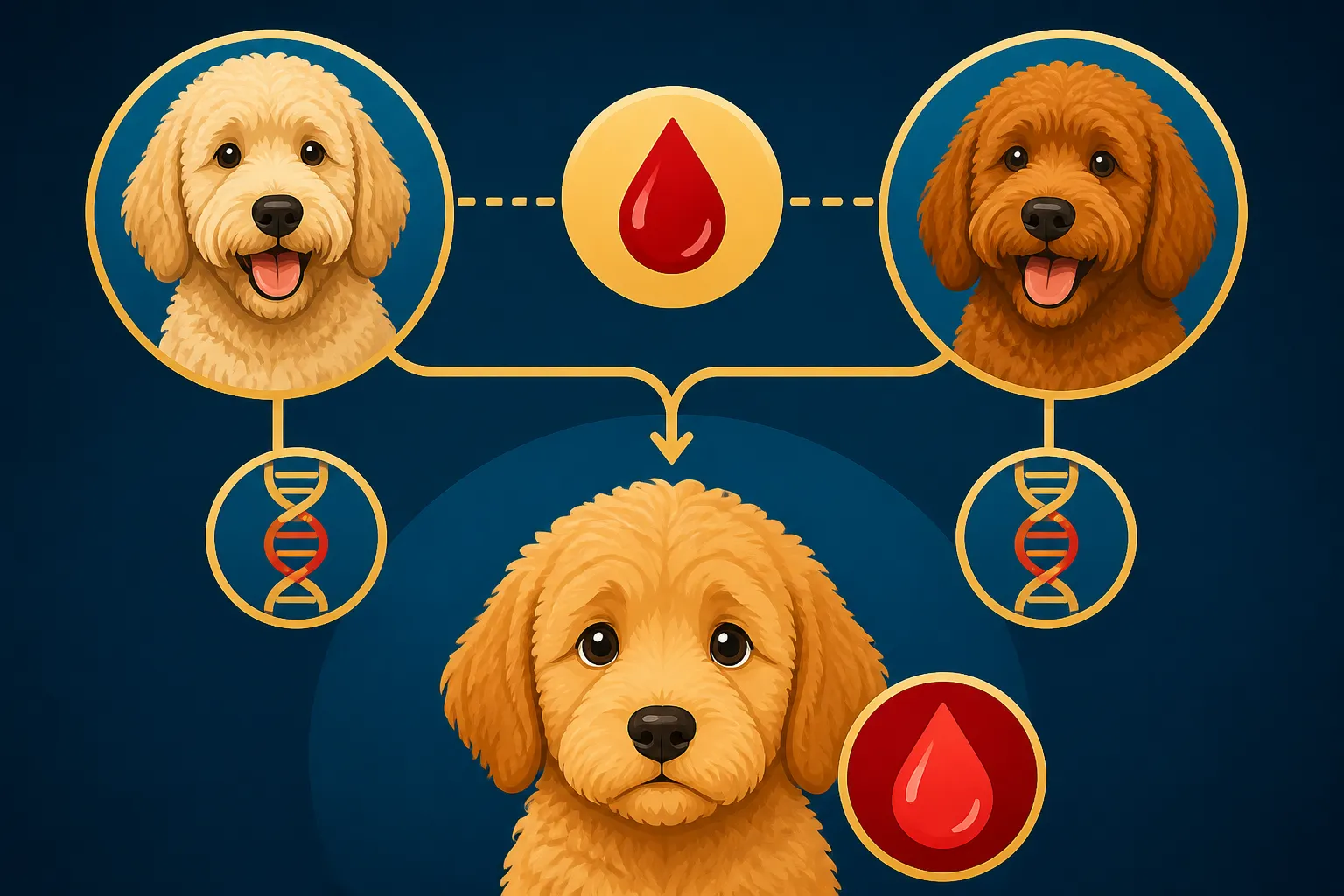
Von Willebrand Disease Type I follows an autosomal recessive inheritance pattern. If that sounds like complicated science, let's break it down simply. "Autosomal" means the gene responsible is not linked to sex (like X or Y chromosomes), so males and females are equally at risk. "Recessive" means that a dog needs to inherit two copies of the faulty gene—one from each parent—to actually develop the disease and show symptoms.
Here's how it works with Goldendoodles:
- Clear dogs: Have two normal copies of the gene. They won't get vWD and can't pass it on.
- Carrier dogs: Have one normal copy and one faulty copy of the gene. They usually do not show symptoms of vWD because the normal gene produces enough vWF for most situations. However, they can pass the faulty gene to their offspring.
- Affected dogs: Have two faulty copies of the gene. They will develop vWD and are at risk for bleeding episodes.
The crucial part for breeders and owners comes when two carriers are bred together. In this scenario, statistically, 25% of the puppies will be clear, 50% will be carriers, and 25% will be affected. This is why understanding the genetic status of both parent dogs is the cornerstone of preventing vWD in Goldendoodle puppies. Without proper testing, a seemingly healthy carrier parent can unknowingly produce puppies with this serious condition.
Tracing vWD Back to Golden Retrievers and Standard Poodles
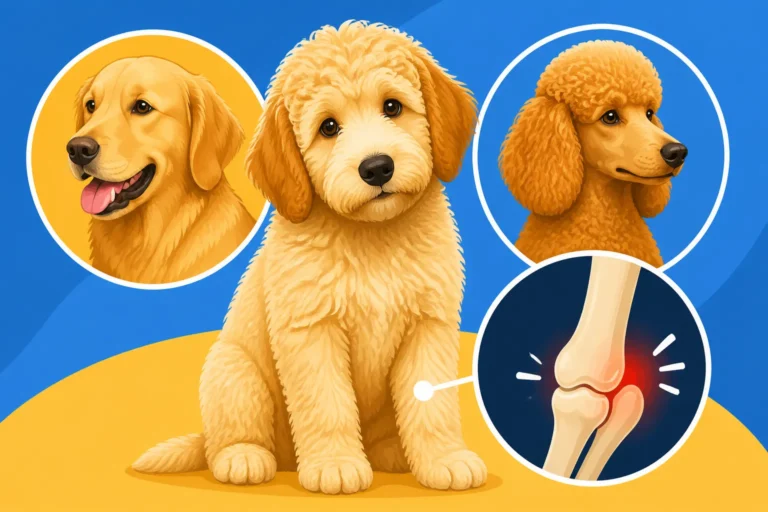
The reason Goldendoodles are at risk for Von Willebrand Disease Type I is because both of their parent breeds are known carriers of the condition. It’s not a rare disease that only pops up in one side of the family; it’s a documented concern for both Golden Retrievers and Standard Poodles. This is why understanding What a Goldendoodle Inherits From Each Parent Breed is so important for holistic health planning.
Golden Retrievers, particularly, have a well-established history with vWD Type I. Many Golden Retriever lines across the world carry the gene, and while most affected Goldens have manageable symptoms, serious bleeding events are always a possibility. The condition has been studied in Golden Retrievers for decades, making it one of the most recognized genetic health concerns for the breed. Standard Poodles also have a known prevalence of vWD Type I, though perhaps not as widely discussed as in Golden Retrievers. Because Poodles contribute their genetic material to the Goldendoodle, the risk is compounded. When breeders combine these two breeds, if they aren't diligent about genetic testing, they are essentially taking a gamble on whether the puppies will inherit the faulty gene from one, both, or neither parent. This dual-source risk means that simply looking at one parent's health history isn't enough; both sides of your Goldendoodle's lineage need to be thoroughly checked for vWD to give you true peace of mind.
| Parent 1 Genetic Status | Parent 2 Genetic Status | Offspring Probabilities (Approx.) |
|---|---|---|
| Clear | Clear | 100% Clear |
| Clear | Carrier | 50% Clear, 50% Carrier |
| Clear | Affected | 100% Carrier |
| Carrier | Carrier | 25% Clear, 50% Carrier, 25% Affected |
| Carrier | Affected | 50% Carrier, 50% Affected |
| Affected | Affected | 100% Affected |
The Critical Importance of Genetic Screening for vWD
If there's one takeaway from understanding Von Willebrand Disease, it's this: genetic testing is paramount. For Goldendoodles, where both parent breeds carry the risk, genetic screening isn't a luxury; it's a necessity for responsible breeding and informed ownership. Without it, you're essentially flying blind, hoping for the best but without any factual basis for that hope.
Demystifying DNA Tests for Von Willebrand Disease
Gone are the days when you had to rely solely on observations of a dog's bleeding history, which could be unreliable since some affected dogs bleed less frequently than others. Today, advancements in veterinary genetics mean we have highly accurate DNA tests for vWD Type I. These tests typically involve a simple cheek swab or blood sample, which is then sent to a specialized laboratory. The test specifically looks for the gene mutation responsible for Type I vWD. Leading companies like Embark, Optimal Selection, or Paw Print Genetics offer comprehensive The DNA Panel a Goldendoodle Breeder Should Run which often include vWD Type I testing.
The beauty of a DNA test is its definitive nature. It tells you exactly a dog's genetic status regardless of whether they've ever shown symptoms. This information is invaluable because it allows breeders to make informed pairing decisions to prevent producing affected puppies. For owners, it provides critical insight into their dog's potential health risks, enabling proactive care and precautions. This proactive approach is a significant step forward in canine health, allowing us to move beyond simply reacting to disease and instead, actively working to prevent its spread.
Understanding "Clear," "Carrier," and "Affected" Results
When you receive your Goldendoodle's vWD DNA test results, you'll see one of three designations:
- Clear (or "Normal"): This means your Goldendoodle has two normal copies of the vWD gene. They will not develop vWD and cannot pass the faulty gene to any offspring. You can breathe a sigh of relief on this front!
- Carrier (or "Affected/Normal"): This means your Goldendoodle has one normal copy and one faulty copy of the gene. As mentioned, carriers typically do not show clinical signs of vWD because their single normal gene usually produces enough vWF. However, they carry the potential to pass the faulty gene to 50% of their puppies. This result is crucial for breeders, as breeding a carrier to another carrier could result in affected puppies.
- Affected (or "Affected/Affected"): This means your Goldendoodle has two copies of the faulty gene. They will have vWD and are at a higher risk of experiencing bleeding complications throughout their life. The severity can still vary, but the genetic predisposition is unequivocally present.
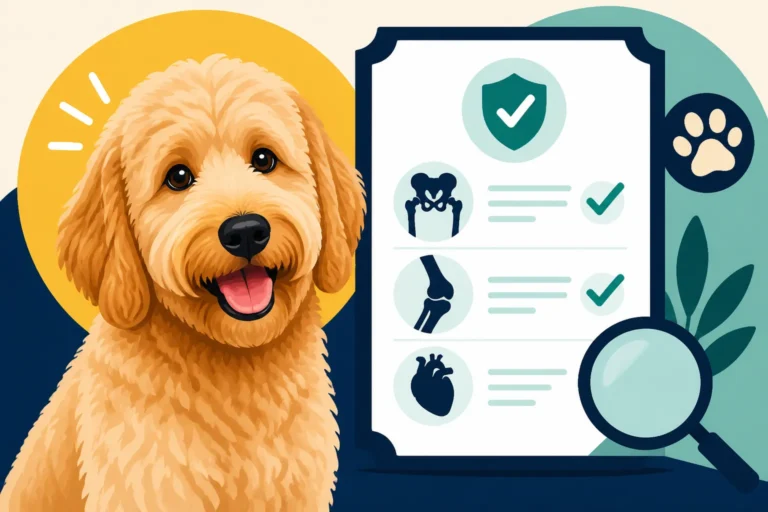
It's vital for prospective puppy buyers to understand these terms and demand to see clear documentation of parent test results. Don't settle for a breeder simply telling you the parents are "healthy." Knowing these results helps you understand the genetic health roadmap for your own Goldendoodle.
Why Responsible Breeders Prioritize vWD Testing
For ethical and responsible Goldendoodle breeders, genetic health testing for conditions like Von Willebrand Disease isn't an option—it's a fundamental obligation. A good breeder will invest in comprehensive health panels for both the sire and dam (the parent dogs) before any breeding takes place. They do this to ensure they are not knowingly producing puppies at risk for inherited diseases. This meticulous approach is what truly sets reputable breeders apart from backyard breeders or puppy mills.
When you're looking for a Goldendoodle puppy, always ask to see the vWD test results for both parents. A transparent breeder will happily provide these, often alongside OFA clearances for hips, elbows, and other health screenings. If a breeder hedges, says they "don't believe in testing," or claims "hybrid vigor" protects their dogs from all genetic issues, that should be a major red flag. While Why Testing Beats the Word Hybrid on a Goldendoodle can provide some advantages, it doesn't magically eliminate the risk of known, testable genetic diseases present in both parent breeds. Good breeders use this information to make informed decisions, ensuring that at least one parent is always clear for vWD when planning a litter, thereby guaranteeing no affected puppies are born. They understand that preventing suffering and ensuring healthy, long lives for their puppies is their top priority.
Recognizing the Signs and Managing an Affected Goldendoodle
Even with responsible breeding, sometimes an affected Goldendoodle can slip through, or perhaps you've adopted a dog whose genetic history is unknown. Knowing the signs of Von Willebrand Disease and understanding how to manage an affected Goldendoodle is critical for their safety and well-being. Living with a dog with a bleeding disorder can be nerve-wracking, but with proper awareness and proactive care, you can ensure they live a full and happy life.
Spotting the Subtle (and Not-So-Subtle) Bleeding Symptoms
The symptoms of vWD can be quite varied, making it a challenging condition to diagnose without genetic testing. Some Goldendoodles might live for years without a major incident, while others experience frequent problems. Common signs of vWD to watch out for include:
- Nosebleeds: Frequent or prolonged bleeding from the nostrils.
- Bleeding Gums: Gums that bleed easily when chewing or brushing teeth. This can be particularly noticeable with dental cleaning, but even vigorous play with chew toys might cause issues.
- Prolonged Bleeding: After a minor cut, nail trim, or losing a puppy tooth, bleeding that lasts much longer than expected.
- Bruising: Easy or unexplained bruising, often appearing as dark patches on the skin, which can sometimes be hard to spot under a thick Goldendoodle coat.
- Blood in Urine or Stool: Less common, but internal bleeding can manifest this way.
- Excessive Bleeding During/After Surgery: This is often when vWD is first discovered in previously undiagnosed dogs, as spays, neuters, or other procedures can trigger significant hemorrhage.
Because Goldendoodles have thick, often curly coats, some of these signs can be easily missed. A small cut might bleed and then dry, matting the fur, or a bruise might be hidden beneath layers of hair. Regular grooming, which for a Goldendoodle is a significant Goldendoodle Grooming as the Biggest Line in the Budget item, can help you notice these things, but it also presents its own risks if your dog has vWD. Being vigilant and attentive to any unusual bleeding, no matter how small it seems, is key.
Emergency Protocols for Bleeding Episodes
If your Goldendoodle is known to be affected by vWD, or if you suspect they might be and they experience a significant bleeding episode, quick action is vital.
- Stay Calm: Panicking won't help your dog.
- Apply Direct Pressure: For external wounds, apply firm, continuous pressure with a clean cloth or gauze for at least 5-10 minutes. Do not peek too early, as this can disrupt the forming clot.
- Contact Your Veterinarian Immediately: Even if the bleeding seems to stop, it's crucial to inform your vet. They may advise bringing your dog in for assessment.
- Emergency Vet: For severe or uncontrolled bleeding, head straight to the nearest emergency veterinary clinic.
At the vet, treatment for a bleeding episode might include:
- Desmopressin (DDAVP): This medication can temporarily increase the release of vWF from storage sites in the body, helping to improve clotting function. It’s often given intravenously.
- Blood Transfusions: For severe blood loss, a transfusion of whole blood or plasma (which contains vWF) may be necessary to stabilize your dog.
- Supportive Care: Depending on the type and severity of bleeding, other supportive treatments might be needed.
Dealing with an emergency can be incredibly stressful, and the costs can add up quickly. This is where having pet insurance like Healthy Paws can truly be a lifesaver. Their comprehensive plans can help cover a significant portion of unexpected emergency treatments and ongoing care for conditions like vWD, providing much-needed financial relief during a difficult time.
Proactive Care and Lifestyle Adjustments
For Goldendoodles diagnosed with vWD, daily life involves a mindful approach to minimize risks. The goal is to prevent injuries that could lead to bleeding, while still allowing your dog to live a happy, active life.
- Injury Prevention:
- Soft Toys: Opt for soft toys over hard, abrasive ones that could cause mouth injuries.
- Supervised Play: Always supervise play with other dogs to prevent roughhousing that could lead to accidental bites or bumps.
- Secure Environment: Ensure your home and yard are free of sharp objects or hazards.
- Gentle Nail Trims: Be extra cautious with nail trims to avoid cutting the quick, which can bleed profusely. Consider using a dremel tool for a smoother, less invasive trim.
- Medication Awareness:
- Avoid medications that can interfere with clotting, such as aspirin or NSAIDs, unless specifically prescribed by a vet who is aware of your dog's vWD status.
- Inform Everyone: Make sure every vet, vet tech, groomer, pet sitter, or anyone else caring for your Goldendoodle is fully aware of their vWD diagnosis. This information should be prominently noted in their veterinary records. For example, if your Goldendoodle needs a Testing a Goldendoodle Before Elective Surgery, their vWD status will be a crucial piece of information. Similarly, a groomer needs to know to be extra careful, especially with things like ear cleaning or trimming around sensitive areas.
By being proactive and creating a safe environment, you can significantly reduce the chances of your Goldendoodle experiencing a severe bleeding crisis.
Preparing for Procedures and Long-Term Health
Receiving a vWD diagnosis for your Goldendoodle means you'll need to approach routine veterinary care, especially surgical procedures, with extra caution and preparation. It's not about denying your dog necessary medical interventions, but rather ensuring those interventions are performed with the utmost care and planning to mitigate bleeding risks.
Surgical and Dental Care for Goldendoodles with vWD
Any procedure that involves cutting tissue, from a routine spay or neuter to an emergency surgery, carries a heightened risk for a Goldendoodle with vWD. This is why it's absolutely non-negotiable for your veterinarian to be fully aware of your dog's vWD status before any anesthetic or surgical procedure. If your dog hasn't been tested and there's any suspicion of vWD, your vet may recommend running a vWD DNA test or a buccal mucosal bleeding time (BMBT) test to assess clotting function prior to surgery. This is precisely the kind of crucial information covered in Testing a Goldendoodle Before Elective Surgery.
Vets have several strategies to manage surgical risks for vWD-affected dogs:
- DDAVP Pre-treatment: Administering desmopressin (DDAVP) before surgery can help temporarily boost vWF levels, reducing bleeding risk during the procedure.
- Availability of Blood Products: Ensuring that fresh frozen plasma or whole blood is on hand for transfusions, if needed, is a critical safety measure.
- Careful Surgical Technique: Surgeons will employ meticulous techniques to minimize tissue damage and bleeding.
Dental care also warrants special attention. Goldendoodles, especially smaller varieties, can be prone to Goldendoodle Dental Crowding in the Smaller Sizes, which increases the need for professional cleanings. These cleanings often involve scaling below the gum line and potentially extractions, both of which can cause bleeding. Always discuss your Goldendoodle's vWD status with your vet before any dental procedure, so they can take appropriate precautions.
The Role of Veterinary Partnership and Financial Planning
Living with a Goldendoodle affected by Von Willebrand Disease means forging a strong, ongoing partnership with your veterinarian. You need a vet who understands the intricacies of vWD and is committed to proactive management. Regular check-ups are important for monitoring your dog's overall health and for discussing any new symptoms or concerns. Your vet can help you tailor a lifestyle plan that reduces risks while ensuring a high quality of life for your furry friend.
It's also essential to consider the financial implications. While Type I vWD can sometimes be mild, severe bleeding episodes, emergency vet visits, blood transfusions, and specialized pre-surgical care can become very expensive, very quickly. This is where planning ahead with a robust pet insurance policy becomes invaluable. Policies from providers like Healthy Paws are particularly beneficial because they generally cover hereditary conditions as long as they aren't pre-existing before enrollment. Having pet insurance for a dog with no breed papers like a Goldendoodle can be incredibly reassuring, as it ensures you can make medical decisions based on what's best for your dog, not just what you can afford. This is a topic explored more deeply in Goldendoodle Pet Insurance for a Dog With No Breed Papers. Don't wait until an emergency strikes; investigate insurance options when your Goldendoodle is young and healthy.
Breeding Considerations and Preventing Further Spread
For Goldendoodle breeders, the knowledge of Von Willebrand Disease in both parent breeds carries a significant ethical responsibility. While an affected dog can still live a wonderful life with careful management, the goal of responsible breeding should always be to produce the healthiest puppies possible and to reduce the prevalence of inherited diseases. This means:
- Testing All Breeding Dogs: Every Goldendoodle intended for breeding should be DNA tested for vWD Type I.
- Strategic Pairings: Breeders should never breed two carriers together, as this carries a 25% chance of producing affected puppies. Ideally, at least one parent should be clear for vWD. While breeding a clear dog to a carrier will produce no affected puppies (only clear and carrier offspring), the most responsible approach is to breed clear to clear whenever possible to gradually reduce the number of carriers in the population.
- Transparency with Buyers: Reputable breeders will openly share the vWD test results of their breeding stock and clearly explain what these results mean for the puppies.
By adhering to these principles, Goldendoodle breeders can make a profound positive impact on the health and welfare of future generations. Owners, in turn, play their part by seeking out and supporting breeders who demonstrate this level of commitment to genetic health screening. Informed choices, from both sides, are the cornerstone of protecting the beloved Goldendoodle breed from preventable inherited diseases.
Disclaimer
Please remember that the information provided in this article is for educational and informational purposes only, and does not constitute veterinary medical advice. Always consult with a qualified veterinarian for any health concerns or before making any decisions about your Goldendoodle's care or treatment.