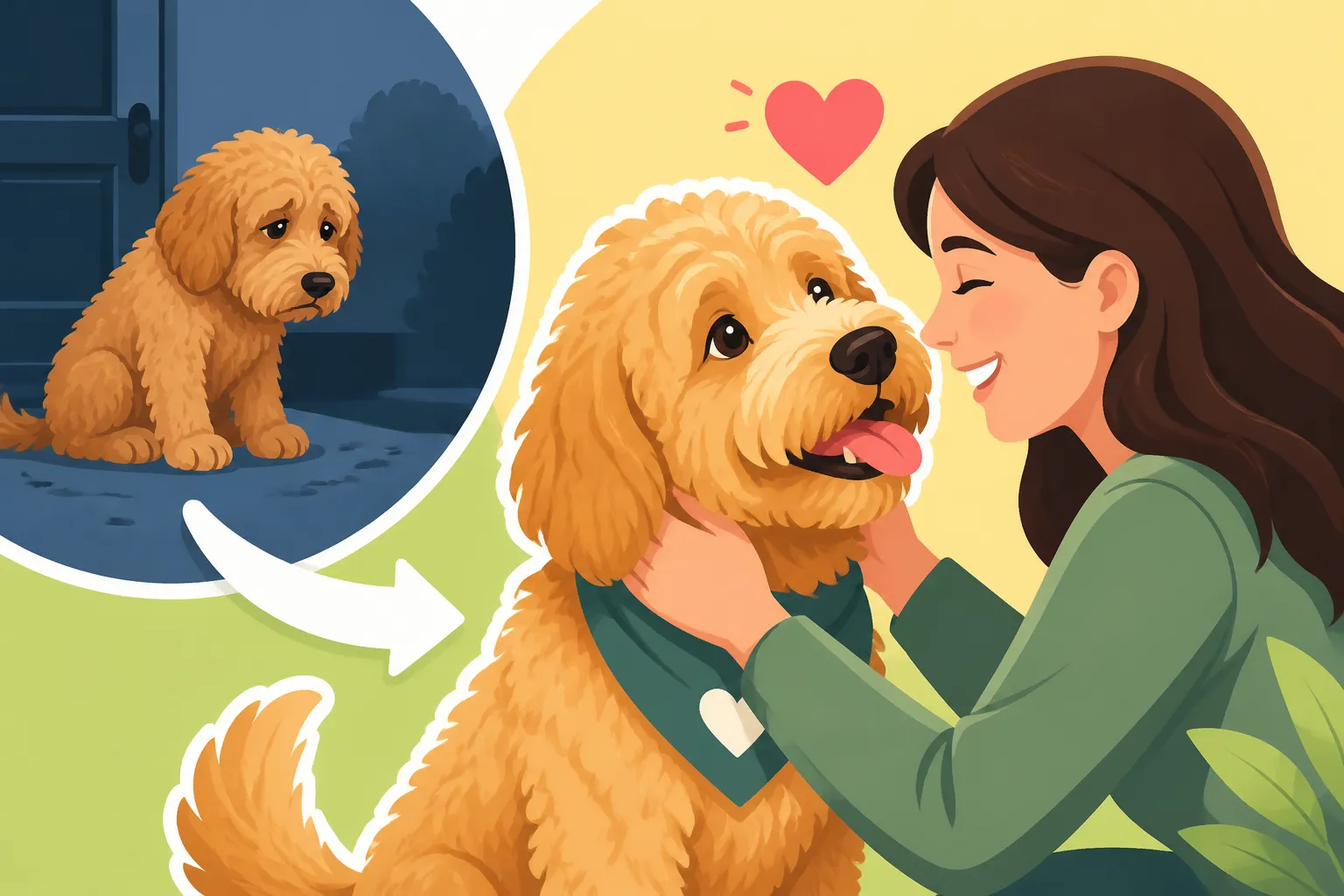
Adopting a Goldendoodle Given Up at Two
Bringing home a Goldendoodle puppy is often a dream come true for many families, filled with visions of fluffy cuddles and playful antics. But sometimes, life takes an unexpected turn, and you find yourself considering adopting a two-year-old Goldendoodle who, through no fault of their own, has been given up. It can be a bittersweet moment, feeling the pull to give a loving home to a dog in need, while also wondering what led to this situation. This guide is here to walk you through understanding why a Goldendoodle might be rehomed at this age and what to expect when you open your heart and home to a wonderful, albeit slightly older, doodle.
The Heartbreaking Reality of Goldendoodles in Rescue
It’s a sad truth that many dogs, even highly sought-after breeds and crosses like Goldendoodles, end up in shelters or rescues. While puppies get all the initial attention, older dogs often wait longer for their forever homes. For Goldendoodles specifically, their unique traits and the sometimes-unrealistic expectations of their first owners can lead to them needing a second chance around the age of two.
Why So Many Goldendoodles Reach Rescue at Two
The "terrible twos" aren't just for human toddlers; they can apply to dogs too, often coinciding with a critical period when underlying issues surface or when the initial novelty of puppyhood wears off. Many Goldendoodles find themselves needing a new home at this age for a variety of reasons that often boil down to mismatched expectations and life changes. Sometimes, families simply underestimated the long-term commitment. For a deeper dive into this phenomenon, you might find our article on Why So Many Goldendoodles Reach Rescue at Two insightful.
One common factor is the dramatic shift in grooming requirements. A Goldendoodle's soft puppy fluff transforms into a dense, adult coat, often between eight and twelve months, and many owners simply aren't prepared for the rigorous daily brushing and professional grooming appointments required to prevent painful matting. What started as an adorable, low-maintenance looking puppy quickly becomes a high-maintenance grooming commitment, and if not addressed, it can lead to neglect and discomfort for the dog.
Beyond grooming, adolescence brings out a whole new set of behaviors. The sweet, sleepy puppy might become a boisterous, energy-filled young adult with a penchant for jumping, counter-surfing, or even displaying signs of Goldendoodle Separation Anxiety From Both Parent Lines if not properly managed. When these behaviors aren't addressed with consistent training and sufficient mental and physical exercise, they can become overwhelming for owners who may lack the time, resources, or knowledge to handle them.
Unrealistic Expectations and the Doodle Dilemma
The popularity of Goldendoodles has soared, largely due to their charming looks and the widespread belief that they are "hypoallergenic" and universally easy-going. Unfortunately, these perceptions often lead to unrealistic expectations that set both dogs and owners up for failure. Many people purchase a Goldendoodle without fully understanding the genetic lottery involved in a crossbreed.
The "hypoallergenic" claim is perhaps the biggest misconception. While many Goldendoodles shed less than a Golden Retriever, no dog is truly hypoallergenic. They all produce dander, saliva, and urine, which carry the allergens. Families often bring a Goldendoodle home, only to discover that a family member still reacts, leading to the heartbreaking decision to rehome once the dog is past puppyhood. If you're wondering if a Goldendoodle is healthier than a purebred, it's worth exploring Whether a Goldendoodle Is Healthier Than a Purebred, as hybrid vigor can fade.
Another significant issue is the underestimation of their exercise and mental stimulation needs. Goldendoodles are intelligent, active dogs inheriting traits from both the intelligent Poodle and the energetic Golden Retriever. They thrive on activity and engagement. A two-year-old Goldendoodle who hasn't had proper outlets for their energy can develop destructive behaviors, excessive barking, or anxiety. Owners who expected a laid-back companion might find themselves overwhelmed by a dog that needs more than just a quick walk around the block.
What to Consider When Adopting a Two-Year-Old Goldendoodle
Adopting an adult dog, especially one from a rescue, is a profoundly rewarding experience. However, it also comes with its own set of considerations. You're bringing home a dog with a past, and understanding that past, as much as possible, will be key to a successful transition.
Assessing Their Past and Potential Behavioral Quirks
When you adopt a two-year-old Goldendoodle, you're not getting a blank slate. They've already formed habits, learned behaviors, and developed their personality. The rescue organization will be your best resource here, providing any known history about why the dog was surrendered. Was it a family relocation, an allergy issue, or perhaps behavioral challenges like excessive Goldendoodle Jumping and the Impulse Control Problem? Understanding the "why" can give you valuable insights.
Common issues in rehomed Goldendoodles often include anxiety, particularly separation anxiety if they were left alone for long periods, or jumping on people due to a lack of impulse control training. They might also have gaps in their basic obedience training, simply because their previous owners didn't prioritize it. A good rescue will have spent time with the dog, observing their temperament and behavior in various situations, and can provide a foster report detailing their personality, house-training status, and interactions with other dogs or children. This information is gold and can help you prepare for specific challenges or simply understand your new companion better.
It's crucial to remember that past behaviors don't define their future. With patience, consistency, and positive reinforcement, many of these quirks can be overcome or managed. The key is to be realistic about the work involved and committed to helping your Goldendoodle adjust and thrive in their new home.
Health Checks and the Importance of Veterinary Records
One of the most critical pieces of information when adopting a two-year-old Goldendoodle is their health history. A reputable rescue will have provided a full veterinary check-up, including vaccinations, deworming, and often spay/neuter surgery, before making the dog available for adoption. However, obtaining any previous vet records from the surrendering owner is invaluable. These records can shed light on any chronic conditions, past injuries, or dietary sensitivities.
Goldendoodles, inheriting genes from two large breeds, are prone to certain health issues. Even at two years old, conditions like Goldendoodle Hip Dysplasia at 15 to 20 Percent or Goldendoodle Ear Infections Under a Furnished Ear could already be a concern, or could develop later. Knowing if their parents had OFA clearances or if the dog has shown any signs of lameness or discomfort is vital. Look for any notations about chronic ear issues, skin allergies, or digestive sensitivities.
Upon adoption, schedule a "new dog" vet visit promptly. Your veterinarian can perform a thorough examination, discuss any known health history, and help you establish a preventative care plan. This is also a good time to consider pet insurance, as a two-year-old dog may already have pre-existing conditions that won't be covered, making it essential to enroll them before any new issues arise. Providers like Healthy Paws offer various plans, but understanding their waiting periods and exclusions, especially for conditions common in Goldendoodles, is crucial.
Grooming Realities You Can't Ignore
If a Goldendoodle has been surrendered at two years old, there's a significant chance their grooming needs were misunderstood or neglected. This often means they might arrive at the rescue, or eventually at your home, with a matted coat. If you're bringing home a dog in this condition, our article on Adopting a Goldendoodle With a Matted Coat offers helpful advice. Matting is not just cosmetic; it's painful and can lead to skin infections and discomfort.
A two-year-old Goldendoodle will have a fully developed adult coat, which can vary greatly from wavy to curly and dense. Regardless of the exact texture, all Goldendoodle coats require consistent maintenance. This means daily or every-other-day brushing down to the skin to prevent tangles from becoming mats. You'll also need professional grooming every 6-8 weeks, which is a significant financial and time commitment.
It's possible your adopted Goldendoodle might have negative associations with grooming if past experiences were painful or rushed. Patience and positive reinforcement will be key to helping them feel comfortable with brushing, bathing, and professional trims. Start slowly, use high-value treats, and make grooming a positive, calm experience. Finding a groomer experienced with Goldendoodles who uses gentle techniques will be invaluable in rebuilding their trust.
Here's a quick checklist of what to ask and consider when adopting a two-year-old Goldendoodle:
| Category | Questions to Ask the Rescue/Foster | What to Look For/Prepare For |
|---|---|---|
| Behavior | Why was the dog surrendered? Any known behavioral issues (anxiety, jumping, reactivity)? | Common "teenage" behaviors; potential for separation anxiety; need for consistent training. |
| Training | Is the dog house-trained? Crate-trained? Knows basic commands? Good with kids/other pets? | Gaps in training; need for positive reinforcement; careful introductions to existing family/pets. |
| Health | What vet care has been provided? Are past vet records available? Any known medical conditions? | Potential Goldendoodle-specific issues (hips, ears); importance of a "new dog" vet visit; pet insurance. |
| Grooming | What is their coat type? How often do they need grooming? Any history of matting? | Ongoing high-maintenance grooming; potential for fear of grooming; regular brushing regimen. |
| Temperament | What is their energy level? How do they react to strangers, loud noises, new environments? | Individual personality; "velcro dog" tendencies; adaptability to new routines. |
| Diet | What food were they eating? Any known allergies or sensitivities? | Gradual diet changes if needed; quality food options; potential for digestive upset during transition. |
Bringing Your Adopted Goldendoodle Home
The first few weeks with an adopted dog are a critical period of adjustment for everyone. It's a time for your Goldendoodle to decompress, learn the new rules, and start to feel safe and loved in their forever home.
Creating a Stable and Predictable Environment
Imagine being uprooted from everything you know and dropped into a new, unfamiliar place. That's what your adopted Goldendoodle is experiencing. To help them feel secure, the concept of a "two-week shutdown" is often recommended by rescues. This isn't a strict lockdown, but rather a period of low-key, predictable routine focused on decompressing and bonding without overwhelming them with new experiences, people, or places. Limit visitors, keep walks short and focused on potty breaks, and resist the urge to introduce them to every friend and family member right away.
Establishing a consistent routine is paramount. Feed them at the same times each day, take them out for potty breaks on a regular schedule, and create a designated quiet space, like a crate or a dog bed in a low-traffic area, where they can retreat and feel safe. If they aren't already crate trained, this is a great time to introduce it as a safe den, not a punishment. Companies like Chewy offer a wide range of crates and bedding options to create a comfortable space. Consistency in expectations and a predictable environment will help your two-year-old Goldendoodle understand their new world and gain confidence.
Remember, they've likely experienced some degree of stress or uncertainty, so a calm, quiet, and stable environment will be the most healing thing you can offer. Give them time and space to settle in, observing their cues and responding with gentle reassurance.
Rebuilding Trust and Addressing Training Gaps
Many adult rescue dogs come with some training gaps or learned behaviors that don't quite fit into your home. The good news is that Goldendoodles are generally highly intelligent and eager to please, making them very trainable, even at two years old. Focusing on Positive Reinforcement and Why It Suits a Goldendoodle will be your most effective strategy. Using treats, praise, and toys to reward desired behaviors will build a strong bond of trust and make learning enjoyable for your dog.
Start with the basics, even if the rescue said they know commands. "Sit," "stay," "come," and "leave it" are essential for safety and good manners. Practice these commands in short, fun sessions throughout the day. If they have specific issues, such as jumping, counter-surfing, or pulling on the leash, address them consistently and patiently. Don't punish unwanted behaviors; instead, redirect them and reward appropriate alternatives. For instance, if they jump, ask for a "sit" and reward them when all four paws are on the floor.
Consider enrolling in an obedience class or consulting with a certified professional dog trainer if you encounter challenges you're unsure how to handle. A professional can provide tailored guidance and help you and your Goldendoodle communicate more effectively. A high-quality diet, like those offered by Ollie, can also contribute to overall well-being, providing the energy and nutrients needed for learning and adapting.
Managing Socialization and New Experiences
While the initial "shutdown" period is important, you'll eventually need to reintroduce your Goldendoodle to the wider world and carefully manage new social interactions. Start with gentle introductions to immediate family members, ensuring everyone understands how to interact calmly and respectfully with the new dog. If you have other pets, especially other dogs, introduce them slowly and in a neutral territory, supervising all interactions carefully. Goldendoodles generally have a friendly nature, but understanding their individual Goldendoodle Play Style With Other Dogs is important to ensure harmonious interactions.
Gradual exposure to new environments, sounds, and people is also key. Start with short, quiet walks in your neighborhood, slowly expanding to more stimulating areas. Observe your Goldendoodle's body language closely. Are they comfortable and curious, or are they showing signs of stress like tail tucking, lip licking, or excessive panting? Push them too far too fast, and you risk overwhelming them and potentially creating negative associations.
Always advocate for your dog. If they seem uncomfortable, don't force them into interactions. A two-year-old Goldendoodle might have had limited positive socialization experiences in their past, so taking it slow and ensuring every new interaction is a positive one will build their confidence and help them become a well-adjusted member of your family and community.
The Long-Term Commitment and Rewards
Bringing a two-year-old Goldendoodle into your life is a long-term commitment, but one that offers incredible rewards. You're not just getting a pet; you're giving a deserving dog a second chance at a loving, stable home, and in return, you'll receive a lifetime of loyalty and affection.
Ongoing Care and Budgeting for a Goldendoodle
Even if the initial adoption fee is modest, remember that owning a Goldendoodle is a significant financial commitment over their lifespan. A two-year-old has many years ahead, and you'll need to budget for their ongoing care. Our article What a Goldendoodle Costs a Year With Grooming In gives a good overview of the annual expenses.
Key recurring costs include high-quality food (brands like Ollie offer nutritious options that can cater to their needs), regular veterinary check-ups, preventative medications for fleas, ticks, and heartworm, and of course, grooming. As mentioned before, Goldendoodle Grooming as the Biggest Line in the Budget for a reason; those luxurious coats need constant attention. Don't forget training supplies, toys, and potentially dog daycare or a pet sitter if your lifestyle requires it.
It’s also wise to set aside an emergency fund for unexpected health issues or consider pet insurance from providers like Healthy Paws. While pet insurance can be a lifesaver for major incidents, understand that most policies won't cover conditions diagnosed before enrollment. Being prepared for these expenses ensures you can provide the best possible care for your Goldendoodle throughout their life.
The Unconditional Love of a Rescued Goldendoodle
There’s something uniquely special about the bond formed with a rescued dog. They seem to understand that they've been given a second chance, and their gratitude can be truly palpable. A two-year-old Goldendoodle, past the chaotic puppy stage but still full of youthful energy, is often a wonderful age to adopt. They often settle into routines quickly and are eager to please their new family.
Witnessing your adopted Goldendoodle transform from a cautious, perhaps anxious, dog into a confident, joyful, and deeply loved family member is one of life's greatest pleasures. The patience and effort you put into their adjustment will be repaid tenfold in wet nose nudges, happy tail wags, and unwavering companionship. They quickly become a loyal shadow, following you from room to room, eager to be by your side. Providing a Goldendoodle given up at two with a loving, stable home isn't just an act of kindness; it's an invitation to experience one of the most fulfilling relationships you'll ever have.
Disclaimer
This article is for general informational purposes only and does not constitute professional advice. Laws, prices and regulations vary by location and change over time. Consult a qualified professional for guidance on your specific situation.