Multigen Goldendoodles and Why Breeders Prefer Them
Multigen Goldendoodles involve multiple generations of breeding, offering breeders more consistent coats and traits than early crosses.

Multigen Goldendoodles involve multiple generations of breeding, offering breeders more consistent coats and traits than early crosses.

F2 Goldendoodle coat genetics explain unexpected shedding and varying textures resulting from breeding two first-generation crosses.
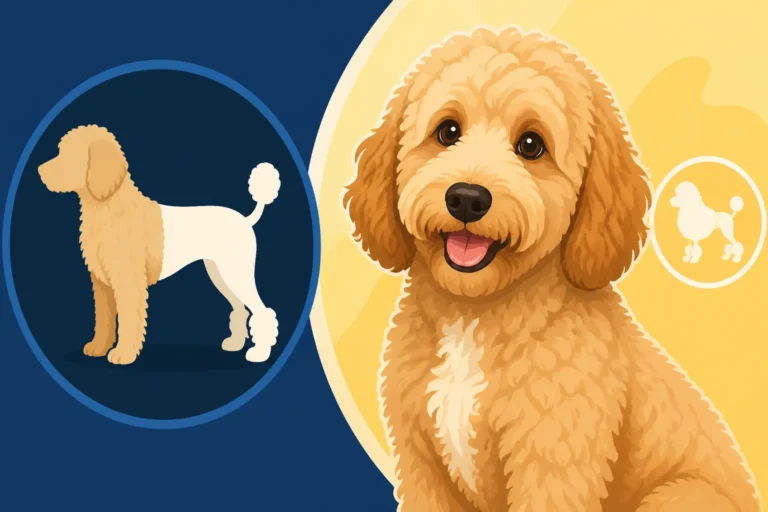
An F1b Goldendoodle inherits seventy-five percent Poodle genetics and twenty-five percent Golden Retriever genetics.

The F1 Goldendoodle explains a fifty fifty cross of Golden Retrievers and Poodles, detailing traits and generation differences.

The Goldendoodle Association of North America provides health testing standards and buyer guidance for prospective puppy owners.
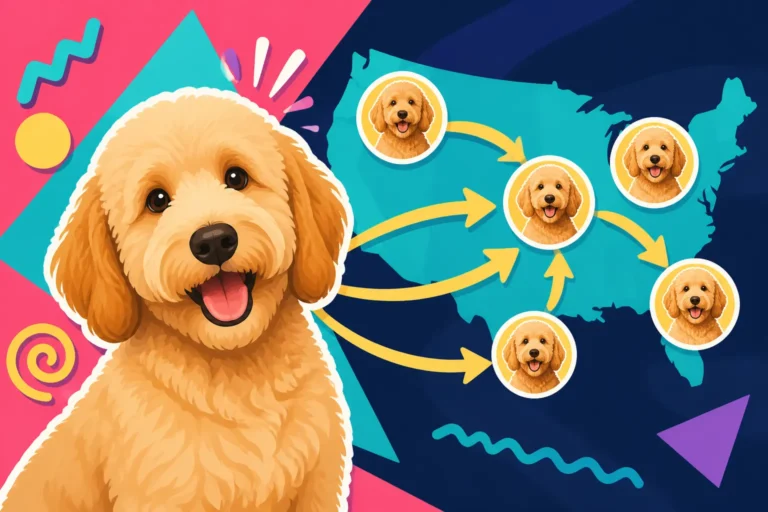
Goldendoodle popularity and the designer dog phenomenon through the 1990s, tracing early breedings, word-of-mouth experiments, and media buzz.

Wally Conron bred the first guide dog cross in 1989 to help a visually impaired woman whose husband had severe dog allergies.

The 1969 crossbreed history explains the serious need for hypoallergenic guide dogs for visually impaired individuals.

The true origins of the Goldendoodle trace the histories of Golden Retrievers, Poodles, and Wally Conron in 1989.

Goldendoodle ancestry explains why this crossbreed lacks the predictable genetic traits of recognized kennel club purebred dogs.