The F1b Goldendoodle at Three Quarters Poodle
One of the biggest mysteries for new Goldendoodle owners is navigating the alphabet soup of generations, especially when you hear terms like "F1b" thrown around. It can feel like you need a genetics degree just to understand what kind of pup you're getting! This guide will pull back the curtain on the F1b Goldendoodle, explaining exactly what it means to have a dog that's three-quarters Poodle, and how that genetic makeup influences everything from their coat to their charming personality.
Decoding Goldendoodle Generations: What is an F1b?
When you’re looking into getting a Goldendoodle, you quickly run into terms like F1, F1b, F2, and so on. It’s confusing, to say the least, and it’s completely normal to feel a bit lost trying to figure out what they all mean for your future furry family member. Understanding these designations is key to predicting traits like coat type, shedding, and even some aspects of temperament and health. The F1b, in particular, is one of the most popular generations, often sought after for specific qualities.
The Basic F1 Goldendoodle Foundation: 50/50
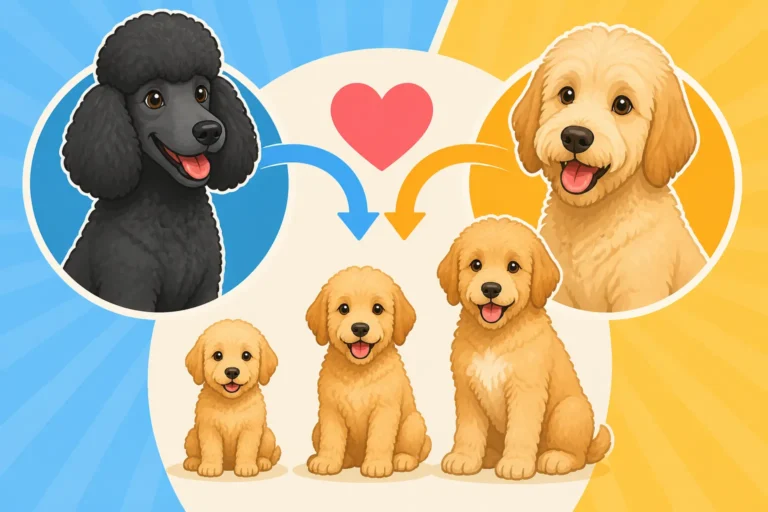
Let's start at the beginning, with the F1 Goldendoodle. This is the first-generation cross, created by breeding a purebred Golden Retriever with a purebred Poodle. The 'F' stands for filial, meaning offspring, and '1' denotes the first generation. Genetically, an F1 Goldendoodle is typically a 50% Golden Retriever and 50% Poodle mix. Think of it as a perfect split down the middle.
These F1 pups often exhibit what's called "hybrid vigor," a phenomenon where the offspring of two distinct purebred lines can be healthier and more robust than either parent breed due to increased genetic diversity. However, their coats can be quite varied. You might see anything from a straighter, wavier coat that sheds a bit more, to a shaggier, curlier coat that sheds less. The predictability isn't quite there with an F1, which can be a delightful surprise or a bit of a gamble depending on what you're looking for. If you're curious about the full spectrum, you can dive deeper into Goldendoodle Generations From F1 to Multigen and The F1 Goldendoodle at Fifty Fifty.
The Backcross: Breeding an F1 to a Poodle
Now, an F1b Goldendoodle, often called a "backcross," comes from a very specific pairing: an F1 Goldendoodle is bred back to a purebred Poodle. This is where the "b" comes from – it signifies that one parent is a purebred. The intent behind this particular cross is usually to enhance specific Poodle traits, primarily the low-shedding, allergy-friendlier coat, while still retaining the wonderful temperament of the Goldendoodle.
This intentional breeding strategy aims to create a dog that leans more heavily into the Poodle's genetic contributions. It's a calculated move by breeders to offer more consistency in certain desired characteristics. The idea is to double down on the Poodle's genetics while still keeping the beloved Goldendoodle essence intact. For a detailed look at this specific breeding process, check out How an F1b Goldendoodle Is Bred Back.
The "Three-Quarters Poodle" Genetic Reality
When an F1 Goldendoodle (50% Golden, 50% Poodle) is bred to a purebred Poodle (100% Poodle), the resulting F1b puppies inherit approximately 75% Poodle genetics and 25% Golden Retriever genetics. This "three-quarters Poodle" makeup is the defining characteristic of an F1b. It's not an exact science for every single puppy in a litter, as genetic inheritance is always a bit of a roll of the dice, but this is the general expectation.
This higher percentage of Poodle genetics is what gives the F1b generation its reputation for having more consistent, Poodle-like coats. It's a significant shift from the 50/50 F1 and means that many of the traits associated with Poodles—from their hair to their intelligence—are more likely to be expressed in an F1b. This is often seen as a benefit for families dealing with allergies or those who prefer a dog with a very specific coat type. It's a deliberate choice in breeding to emphasize particular characteristics.
Coat Characteristics of the F1b Goldendoodle
The coat is often the biggest deciding factor for families considering an F1b Goldendoodle. With their increased Poodle genetics, these dogs are highly sought after for their potential to be low-shedding and more suitable for individuals with allergies. However, it’s important to remember that even within the F1b generation, there’s still a degree of variation, and managing that beautiful coat will always be a commitment.
Increased Likelihood of the Curly, Low-Shedding Coat
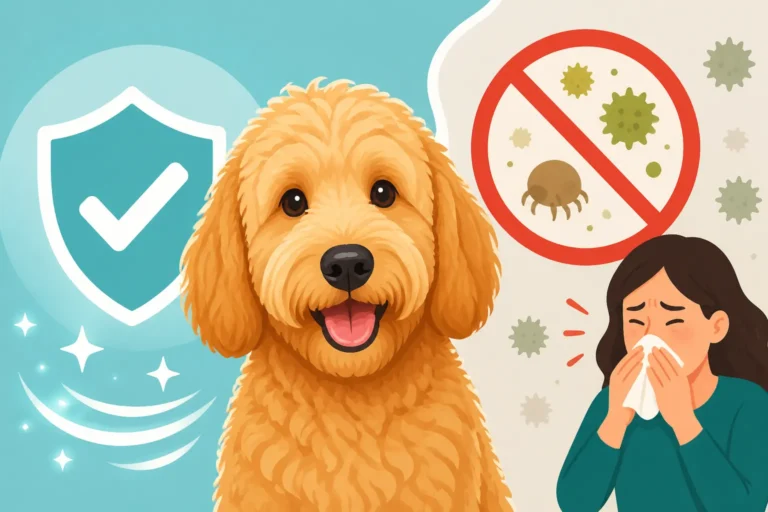
The "three-quarters Poodle" genetic makeup of the F1b Goldendoodle significantly increases the probability of them inheriting a curlier, more Poodle-like coat. Poodles are known for their dense, curly, non-shedding hair, and by backcrossing to a Poodle, breeders aim to amplify these traits. This often results in a coat that is wavy or curly, which traps loose hair rather than shedding it around the house. For many prospective owners, this is the primary appeal of an F1b – the dream of a Goldendoodle that won't leave tumbleweeds of fur in every corner.
This doesn't mean no shedding, but rather significantly less shedding compared to an F1 Goldendoodle, and certainly far less than a purebred Golden Retriever. It's important to set realistic expectations; no dog is 100% hypoallergenic, as allergens are also found in dander and saliva. However, the F1b typically provides the closest thing to a non-shedding Goldendoodle, making it a popular choice for those with mild to moderate allergies. This is often the generation people refer to when they ask Which Goldendoodle Generation Sheds Least.
Still a Spectrum: Why Not Every F1b is Identical
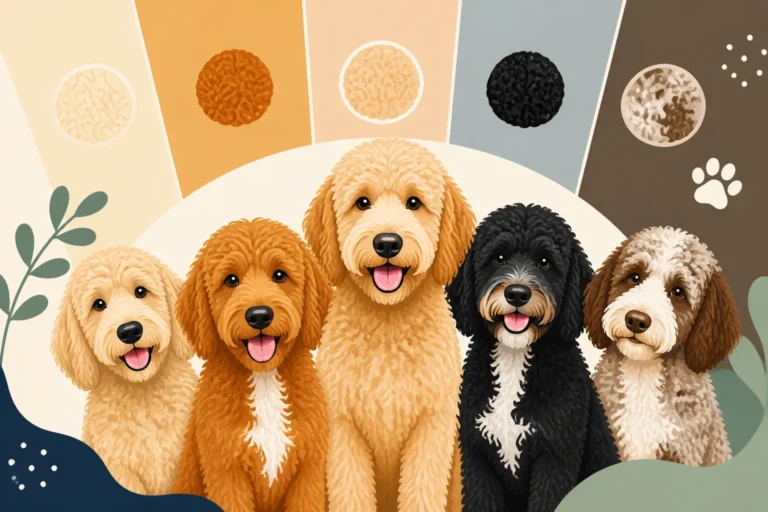
Despite the higher Poodle percentage, it’s a myth that every F1b Goldendoodle will have the exact same coat. Genetics are complex, and even with 75% Poodle influence, there's still that 25% Golden Retriever coming into play. You can find F1b Goldendoodles with loose, wavy "fleece" coats, sometimes called "shaggy," and others with very tight, dense "wool" coats, much like a Poodle. Some might even surprise you with a coat that leans a little straighter than anticipated, though this is less common than in the F1 generation.
This variability means that while the likelihood of a curly, low-shedding coat is high, it’s not an absolute guarantee. Factors like the specific genes passed down from the F1 parent (which itself had a mixed coat potential) and the individual Poodle parent can still lead to a range of textures. It’s why responsible breeders will often show you pictures of previous litters or even genetic testing results for coat traits if they have them, so you have a clearer idea of what to expect. Remember that Why a Goldendoodle Curl Gene Is Not a Shedding Gene is an important distinction, as curl is not always directly linked to allergen production.
Managing the F1b's Coat: Grooming Needs
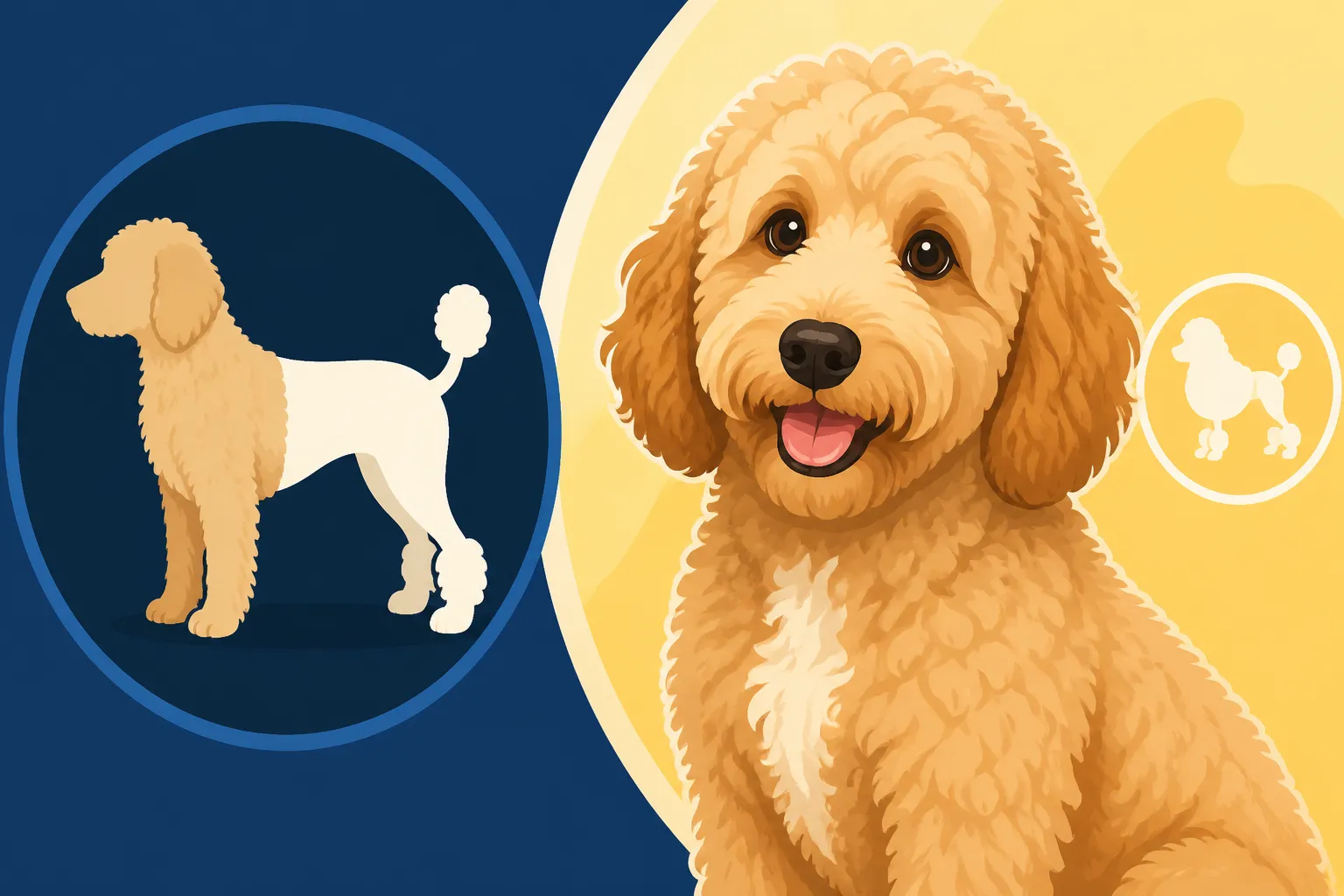
Regardless of whether your F1b has a loose wave or a tight curl, one thing is certain: their coat demands significant grooming. The very characteristic that makes them desirable—their low-shedding nature—also means that shed hairs get trapped in the coat, leading to mats and tangles if not regularly brushed out. This isn't a "set it and forget it" kind of coat.
You'll need a consistent routine of line brushing several times a week, if not daily, using a good slicker brush and a metal comb to get down to the skin. Professional grooming every six to eight weeks is also non-negotiable for most F1b Goldendoodles to keep their coat healthy, comfortable, and free of painful mats. This ongoing maintenance is a considerable expense and time commitment, making Goldendoodle Grooming as the Biggest Line in the Budget a crucial consideration for potential owners. You'll likely be looking at regular appointments with your groomer, with costs adding up over the year. Make sure you're ready for Goldendoodle Grooming Every Six Weeks Adds Up. Investing in quality grooming tools at home, perhaps from a brand like Chewy, will be essential for maintenance between professional visits.
Temperament Traits Influenced by the Poodle Dominance
Beyond the coat, the "three-quarters Poodle" genetics also have a notable impact on the F1b Goldendoodle's temperament. While they certainly retain the loving, eager-to-please nature of the Golden Retriever, the Poodle's intelligence and sensitivity often come to the forefront. This combination creates a highly trainable, devoted companion, but also one with specific needs regarding mental stimulation and social interaction.
The Poodle's Intelligence and Trainability
Poodles are renowned for their high intelligence and strong desire to please, making them exceptionally trainable dogs. With an F1b Goldendoodle leaning heavily on its Poodle genetics, you can expect a sharp, quick-witted canine partner who picks up commands and new tricks with impressive speed. This isn't just about obedience; it's about their capacity for learning and problem-solving, which can be both a blessing and a challenge.
Their intelligence means they thrive on mental stimulation. Simple walks might not be enough; they need puzzle toys, training sessions, and interactive games to keep their minds engaged. If not given enough "brain work," an F1b Goldendoodle can become bored, and a bored Goldendoodle can easily turn to mischievous behaviors like chewing, digging, or excessive barking. They genuinely enjoy learning and excel in activities like agility, obedience, and even scent work. This is a core part of What a Goldendoodle Takes From the Poodle.
Sensitivity and Energy Levels
The Poodle influence also contributes to a higher degree of sensitivity in many F1b Goldendoodles. They can be very attuned to their owner's emotions and respond best to positive reinforcement training methods. Harsh corrections or an inconsistent environment can be detrimental to their confidence and lead to anxiety. This sensitivity also often translates into a strong bond with their family, making them incredibly loyal companions who often prefer to be wherever you are.
In terms of energy, Poodles are active and agile dogs, and this vibrancy often shines through in the F1b. While they might not have the boundless, sometimes boisterous energy of a purebred Golden Retriever, they still require a good amount of daily exercise to be happy and well-behaved. This could be a brisk walk, a good game of fetch in the yard, or a trip to the dog park. Without adequate physical outlets, that energy can manifest as restlessness or destructive tendencies indoors.
Socialization Needs and Potential for "Velcro Dog" Tendencies
Like all Goldendoodles, F1bs thrive on social interaction. Their inherent friendliness, a trait inherited from both parent breeds, means they generally get along well with people and other animals. Early and consistent socialization is crucial to ensure they develop into well-adjusted adults, comfortable in various environments and around different types of individuals and pets. Exposing them to new sights, sounds, and experiences in a positive way during puppyhood will build their confidence.
However, the Poodle's tendency towards forming very strong attachments, combined with the Golden Retriever's desire for companionship, can sometimes lead to what owners affectionately call "Velcro dog" syndrome. F1b Goldendoodles often want to be close to their people, following them from room to room. While endearing, this can sometimes lead to separation anxiety if they aren't gradually taught to cope with being alone. Strategies like crate training and slowly increasing alone time are essential from a young age.
Health Considerations for a Poodle-Dominant Goldendoodle
Even with the promise of hybrid vigor, F1b Goldendoodles are still susceptible to certain health issues, drawing from both their Poodle and Golden Retriever lineage. Understanding these potential health concerns, especially those amplified by the higher Poodle percentage, is a critical part of responsible ownership. It underscores why choosing a reputable breeder who performs thorough health testing is non-negotiable.
Heightened Risk for Poodle-Specific Conditions
With 75% Poodle genetics, F1b Goldendoodles naturally carry an increased risk for health conditions commonly seen in the Poodle breed. These can include Addison's Disease, an endocrine disorder affecting the adrenal glands, which can be quite serious if not diagnosed and managed. Poodles are also prone to certain eye conditions like Progressive Retinal Atrophy (PRA), which can lead to blindness, and bloat (Gastric Dilatation-Volvulus), a life-threatening condition primarily affecting deep-chested breeds.
Patellar luxation (slipped kneecaps) and sebaceous adenitis (a skin condition) are also more common in Poodles. While the Golden Retriever side might offer some dilution of these risks compared to a purebred Poodle, the F1b still has a significant genetic predisposition. Owners should be vigilant for signs and symptoms related to these conditions and discuss them with their veterinarian, especially as their dog ages. Knowing about Addison's Disease a Goldendoodle Gets From the Poodle is particularly important.
Still Inheriting from the Golden Retriever Side
Despite the Poodle dominance, that 25% Golden Retriever influence is still there, meaning F1b Goldendoodles can still inherit conditions prevalent in Golden Retrievers. The most well-known are hip and elbow dysplasia, painful joint conditions that can severely impact mobility. Goldens are also predisposed to certain types of cancer, such as lymphoma and hemangiosarcoma, which are tragically common in the breed.
Eye conditions like pigmentary uveitis and some heart conditions, specifically subvalvular aortic stenosis (SAS), can also trace back to the Golden Retriever side. While the risk might be lower than in an F1 or purebred Golden, it's never zero. This is why a comprehensive understanding of both parent breeds' health issues is vital, regardless of the generation. It’s not just about what they gain from the Poodle, but what they retain from the Golden.
The Importance of Parent Health Testing
This brings us to the absolute most crucial factor for any Goldendoodle, and especially an F1b: responsible breeders will perform extensive health testing on both parent dogs before breeding. This isn't just a casual vet check-up; it involves specific certifications and clearances for genetic conditions common in Golden Retrievers and Poodles. These tests look for issues like hip and elbow dysplasia (OFA or PennHIP), eye diseases (CERF or OFA Eye), heart conditions (OFA Cardiac), and genetic diseases like Von Willebrand's Disease and Progressive Retinal Atrophy (DNA tests).
A breeder should be transparent and willing to show you the official results for both the F1 Goldendoodle parent and the purebred Poodle parent. This due diligence dramatically reduces the chances of your F1b Goldendoodle inheriting debilitating genetic conditions. Don't be shy about asking for proof of these clearances; it's the mark of a breeder committed to the health of their puppies. To understand the depth of testing required, refer to The DNA Panel a Goldendoodle Breeder Should Run.
Is an F1b Goldendoodle the Right Fit for You?
Deciding on the right Goldendoodle generation is a big deal, and the F1b often comes with a specific set of expectations and commitments. Before bringing one of these charming, Poodle-leaning pups into your home, it’s worth considering whether their unique blend of traits aligns with your lifestyle and family needs. They offer fantastic qualities but also require dedication in return.
Ideal for Allergy Sufferers Seeking a Goldendoodle
If you or a family member struggles with mild to moderate dog allergies, the F1b Goldendoodle often stands out as an excellent choice. Their higher Poodle percentage means they are significantly more likely to have that coveted curly or wavy coat that sheds minimally, thus releasing fewer dander-laden hairs into your environment. This is often the closest you can get to an "allergy-friendly" Goldendoodle without going for a purebred Poodle.
However, it’s critical to remember that no dog is truly 100% hypoallergenic. Allergens are not just in hair; they're also in saliva and dander. While the F1b's coat reduces the spread of allergens, a sensitive individual might still react. It’s always recommended to spend time with an F1b Goldendoodle before committing, if possible, to gauge any allergic response. Discussing Whether a Low-Shedding Goldendoodle Helps Allergies can provide further clarity on this topic. Many families find success with F1bs, but individual reactions can vary.
Commitment to Grooming and Mental Stimulation
The beautiful, low-shedding coat of an F1b Goldendoodle doesn't maintain itself. This generation requires a significant time commitment to regular grooming, both at home and with professional groomers. Without consistent brushing, especially with quality tools from retailers like Chewy, their coats will quickly mat, leading to discomfort for your dog and potentially costly dematting fees at the groomer, or even a full shave-down. Be prepared for a grooming routine that needs to be as consistent as their meal times.
Beyond their physical appearance, the F1b's intelligence and energy demand substantial mental stimulation and daily exercise. These aren't dogs content to be couch potatoes all day. They need engaging play, training sessions, and opportunities to use their clever brains. If you lead a busy life and can't commit to daily exercise and mental enrichment, an F1b Goldendoodle might develop undesirable behaviors out of boredom. They truly thrive when they feel like an active, contributing member of the family.
Understanding the Price and Availability
Because of their desirable low-shedding coats and generally consistent temperament, F1b Goldendoodles are often in high demand, and this can be reflected in their price. They frequently command a higher price point than an F1 Goldendoodle, largely due to the specific breeding required and the market's preference for their coat characteristics. Factors like breeder reputation, health testing, location, and even coat color can further influence the cost. If you're comparing costs, you might find Whether an F1b Goldendoodle Costs More Than an F1 insightful.
Availability can also be a factor, with reputable breeders often having waiting lists for F1b puppies. It’s important to be patient and avoid breeders who seem to have puppies readily available without proper screening or health testing, as this can be a red flag. While the initial investment for an F1b Goldendoodle might be higher, remember this is just the beginning of the financial commitment for a dog that will require ongoing grooming, quality food, vet care, and perhaps pet insurance for over a decade.
Disclaimer
This article is for general informational purposes only and does not constitute professional advice. Laws, prices and regulations vary by location and change over time. Consult a qualified professional for guidance on your specific situation.