Microchipping and Registering a Goldendoodle
One common point of confusion and even frustration for new Goldendoodle parents is navigating the world of identification and official "papers" for their beloved companion. Since Goldendoodles aren't recognized by traditional kennel clubs, many owners feel unsure about what steps they should take to ensure their dog is safely identified and properly registered. This guide will walk you through the crucial differences between microchipping, breed-specific registries, and essential local licensing, helping you understand each one's purpose and how to keep your Goldendoodle safe and accounted for throughout their life.
The Essential Role of Microchipping Your Goldendoodle
Let's be honest, the thought of your Goldendoodle getting lost is enough to send a chill down any dog parent's spine. Despite all our best efforts with secure fences, leashes, and watchful eyes, accidents happen. A gate might be left ajar, a leash could slip, or a sudden noise might send your otherwise well-behaved Goldendoodle on an unexpected adventure. This is where microchipping comes in as an absolute game-changer, offering a permanent layer of protection that collars and tags simply can't match.
Why Microchips are More Than Just a Good Idea
A microchip isn't some fancy GPS device – it's a tiny, passive radio-frequency identification (RFID) transponder, about the size of a grain of rice. It contains a unique identification number that links directly back to your contact information in a secure database. Think of it as your Goldendoodle's permanent ID card, embedded safely beneath their skin. Collars can break, tags can fall off, and even the most diligent owner can sometimes forget to put them on. A microchip, however, stays with your dog for life, providing an unalterable link back to you.
The peace of mind this offers is immense. Imagine the panic of realizing your Goldendoodle has slipped out. If they're found and taken to a vet clinic or animal shelter, the very first thing they do is scan for a microchip. This quick, painless scan can instantly bring up your contact details, allowing for a swift reunion. It’s not just about a dog getting lost, either. In emergencies, if your dog is injured and you're not immediately reachable, the microchip provides vital information to veterinarians, allowing them to make critical decisions while trying to contact you. It's a proactive step that every Goldendoodle owner should embrace, regardless of how secure they believe their home and yard to be.
The Microchipping Process: What to Expect at the Vet
The idea of a microchip might sound intimidating, but the actual procedure is incredibly quick and straightforward. Most Goldendoodle puppies are microchipped during one of their routine vet visits, often at the same time as their vaccinations or spay/neuter surgery. If your Goldendoodle wasn't chipped as a puppy, it's never too late to get it done!
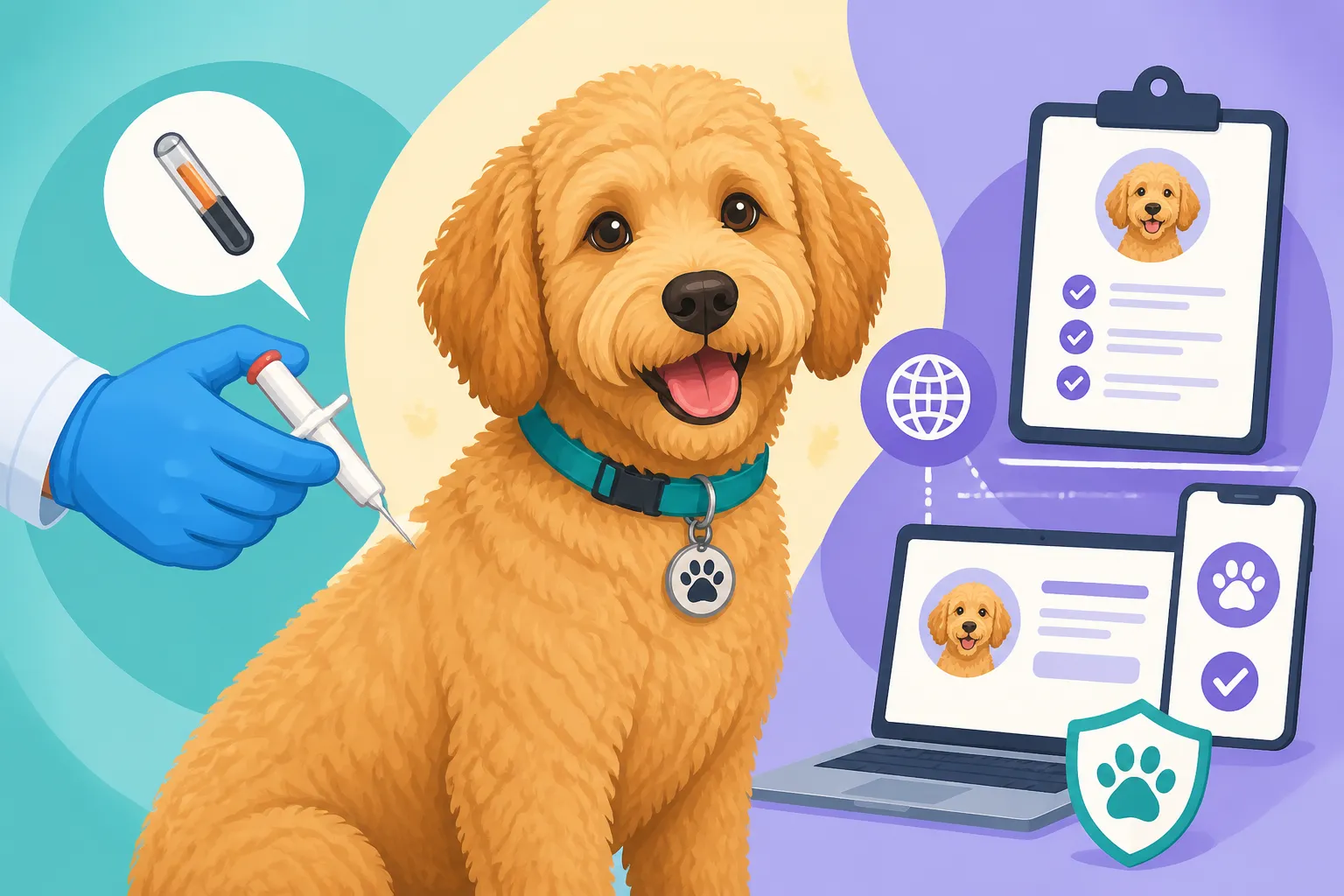
Your veterinarian will use a sterile, pre-loaded syringe to inject the tiny chip just under the skin, usually between the shoulder blades. The needle is slightly larger than a typical vaccination needle, but for most dogs, it's a momentary pinch that causes no lasting discomfort. Anesthesia isn't required, and many Goldendoodles don't even react much more than they would to a regular shot. After the injection, the vet or vet tech will typically scan the area to ensure the chip is in place and readable. The whole process takes mere seconds. There's no recovery time needed, and your Goldendoodle can resume their normal activities immediately. It's truly a small investment of time and minimal discomfort for a lifetime of security.
Registering Your Goldendoodle's Microchip Details
Here's the critical part: a microchip is utterly useless if its unique ID number isn't registered with your current contact information. I've heard countless heartbreaking stories of found dogs with chips that couldn't be traced because the registration was never completed or updated. Getting the chip inserted is only half the battle; registering it is the other, equally important half.
After your Goldendoodle is microchipped, you'll receive a form with the microchip number and instructions on how to register it. You'll need to provide your name, address, phone number, and often an email address. Most microchip companies offer online portals where you can easily enter and update this information. It's vital to choose a national registry and keep your details current. Did you move? Change your phone number? Get a new email address? Update your Goldendoodle's microchip registration immediately! Think of it like changing the address on your driver's license – it's something you simply must do. Some pet supply companies, like Chewy, might even offer services or reminders related to pet wellness that tie into ensuring your pet's identification is current. Don't let this crucial step fall by the wayside. Many vets will remind you, but ultimately, the responsibility falls to you, the diligent Goldendoodle parent.
Understanding Goldendoodle Registration and What It Means (and Doesn't Mean)
When people talk about "registering" a dog, it can mean a few different things, and for Goldendoodle owners, it often leads to confusion. Unlike purebred dogs, Goldendoodles occupy a unique space in the canine world, which affects their registration options significantly.
Why Traditional Kennel Club Registration Isn't an Option for Goldendoodles
One of the first questions many new Goldendoodle owners ask is, "Can I register my Goldendoodle with the AKC?" The simple answer is no, and it's a point of frustration for many who are used to the world of purebred dogs. The American Kennel Club (AKC) and other traditional kennel clubs around the world exist to register and preserve purebred dog breeds, maintaining strict pedigrees and breed standards. Since Goldendoodles are a crossbreed—a deliberate mix of two distinct purebreds, the Golden Retriever and the Poodle—they do not fit into these purebred registries.
This doesn't mean your Goldendoodle is any less of a wonderful dog, of course! It just means they don't have the same "papers" as an AKC-registered Golden Retriever or Standard Poodle. For many, this is a minor detail, but for some, particularly those coming from a purebred background, it can feel a bit odd. It's important to understand that this lack of traditional registration doesn't diminish your dog's value, health, or delightful personality. It simply reflects their status as a "designer dog." If you're interested in understanding more about this, you can explore why a Goldendoodle cannot be AKC registered.
Exploring Goldendoodle-Specific Registries and Associations
While traditional kennel clubs don't recognize Goldendoodles, various independent organizations and associations have emerged to serve the growing Goldendoodle community. The most prominent among these is the Goldendoodle Association of North America (GANA). These organizations were founded by breeders and enthusiasts with the aim of promoting responsible breeding practices, tracking lineages, and providing a sense of community for Goldendoodle owners.
What these registries typically offer is a platform for breeders to register their breeding dogs and litters, often based on adherence to certain health testing protocols and ethical guidelines. For prospective puppy buyers, seeing parents registered with an organization like GANA can indicate a breeder's commitment to transparency and health screening, but it's not a guarantee in itself. These registries can help track a Goldendoodle's family tree, often showing which generation your Goldendoodle belongs to (F1, F1B, Multigen, etc.). However, it's crucial to understand that these are not the same as AKC registration for purebreds; they don't imply the same level of standardized breed characteristics or show ring eligibility. To learn more about what a GANA Goldendoodle record actually holds and what it means for you, it's worth diving deeper into their specific offerings.
Here's a quick comparison to clarify the different types of "registration" you might encounter:
| Type of Registration | Purpose | Legal Requirement | Recognized by Kennel Clubs | Goldendoodle Specific? | Key Benefit |
|---|---|---|---|---|---|
| Microchip Registration | Links unique chip ID to owner's contact info. | No (Highly Recommended) | No | Any Dog | Permanent ID for lost/found pets. |
| Local Pet Licensing | Municipal identification, proof of rabies vaccine. | Yes (Often Local) | No | Any Dog | Legal compliance, community services access. |
| Goldendoodle Registries | Tracks lineage, promotes breeder standards. | No | No | Yes (e.g., GANA) | Breeder accountability, community connection. |
| Traditional Kennel Clubs | Registers purebred dogs, maintains breed standards. | No | Yes (e.g., AKC) | No | Breed preservation, show/event eligibility. |
The Importance of Local Pet Licensing and Rabies Registration
Separate from microchipping and breed-specific registries, there's a type of registration that is often legally mandated: local pet licensing. Most cities, counties, or municipalities require dog owners to register their pets annually or biennially. This isn't about breed status; it's about public health and safety, and it applies to all dogs, purebreds and crossbreeds alike.
The primary reason for local licensing is typically to ensure your dog is vaccinated against rabies, a deadly disease that can be transmitted to humans. When you license your Goldendoodle, you'll almost certainly need to provide proof of current rabies vaccination. In return, you'll receive a license tag to attach to your Goldendoodle's collar. This tag, along with your microchip, provides another layer of identification should your Goldendoodle ever get lost. Animal control officers can quickly look up the license number and contact you. Beyond rabies control, licensing fees often help fund local animal shelters, animal control services, and programs for stray and abandoned animals in your community. So, while it might feel like just another fee, it serves a vital purpose in supporting pet welfare in your area. Always check with your local city or county clerk's office for their specific requirements and fees.
Practical Steps for Keeping Your Goldendoodle's Records Up-to-Date
Managing a Goldendoodle involves more than just daily walks and cuddles; it means staying on top of their health, training, and identification records. Keeping everything organized is key to ensuring their safety and well-being throughout their lifespan. From their early days, ensuring they get all their Goldendoodle vaccination and puppy health checks, to their senior years, Goldendoodle care requires diligent record-keeping.
Creating a Comprehensive Digital and Physical Pet Profile
In our increasingly digital world, it’s easy to overlook the importance of having all your pet’s vital information easily accessible. A comprehensive pet profile should include everything from their microchip number and registration details to their vet records, vaccination history, and even a few clear, current photos. I recommend having both a digital and a physical copy of these records.
For your digital profile, consider using a cloud storage service or a dedicated pet management app where you can upload copies of all important documents. This way, if you’re traveling or in an emergency, you can access everything from your phone. For instance, a pet insurance provider like Healthy Paws might ask for records during a claim, and having them readily available can speed up the process. Include their microchip company's contact information, your vet's details, and any pet insurance policy numbers.
On the physical side, a dedicated binder or folder is invaluable. This is where you can keep original vaccination certificates, official microchip registration papers, adoption contracts or bills of sale (especially if your Goldendoodle puppies were sold with a health guarantee), and notes from vet visits. Even things like information on The DNA Panel a Goldendoodle Breeder Should Run, if your breeder provided those, should be kept safe. This dual approach ensures that no matter the situation, you have quick access to your Goldendoodle's essential information.
The Annual Check-Up: More Than Just Vaccinations
Your Goldendoodle’s annual vet visit is a perfect opportunity to review and update all their identification and health records. It’s not just about booster shots; it’s a holistic check-in on their well-being and administrative details.
During this appointment, ask your vet or vet tech to scan your Goldendoodle for their microchip. While microchip migration is rare, it can happen, and sometimes chips can become unreadable. A quick scan confirms it's still in place and functioning correctly. If you've moved or changed phone numbers since your last visit, make sure your vet clinic's records are updated too. This ensures they can reach you in an emergency. It's also a good time to confirm that their rabies tag is current and that you've completed any necessary local pet licensing for the year. This annual ritual acts as a failsafe, catching any outdated information before it becomes a problem. As Goldendoodles age, these regular check-ups become even more crucial, especially when you start thinking about Senior Goldendoodle care after the age of nine.
Planning for the Unexpected: Emergency Contacts and Caretakers
Life throws curveballs, and sometimes those curveballs mean you might not be able to care for your Goldendoodle for a short period, or even longer. Having a robust plan for the unexpected is a hallmark of responsible pet ownership. This isn't just about naming someone in your will; it's about practical, day-to-day preparedness.
Identify a trusted friend, family member, or professional pet sitter (like those you might hire for Goldendoodle pet sitters and overnight rates) who could step in to care for your Goldendoodle if you're unable to. Make sure this person knows where your Goldendoodle's records are kept, especially their microchip number and the contact information for the microchip registry. They should also have your vet's contact details and understand any specific dietary needs (some Goldendoodles might be on special diets from brands like Ollie) or medication schedules. Creating an "In Case of Emergency" card for your wallet with your Goldendoodle's microchip number and your emergency contact's details can also be incredibly helpful. This foresight ensures that even if you're incapacitated, your Goldendoodle's identity and well-being are protected, giving you one less thing to worry about during a stressful time.
Disclaimer
This article is for general informational purposes only and does not constitute professional advice. Laws, prices and regulations vary by location and change over time. Consult a qualified professional for guidance on your specific situation.