Dental Cleaning Costs for a Toy Goldendoodle
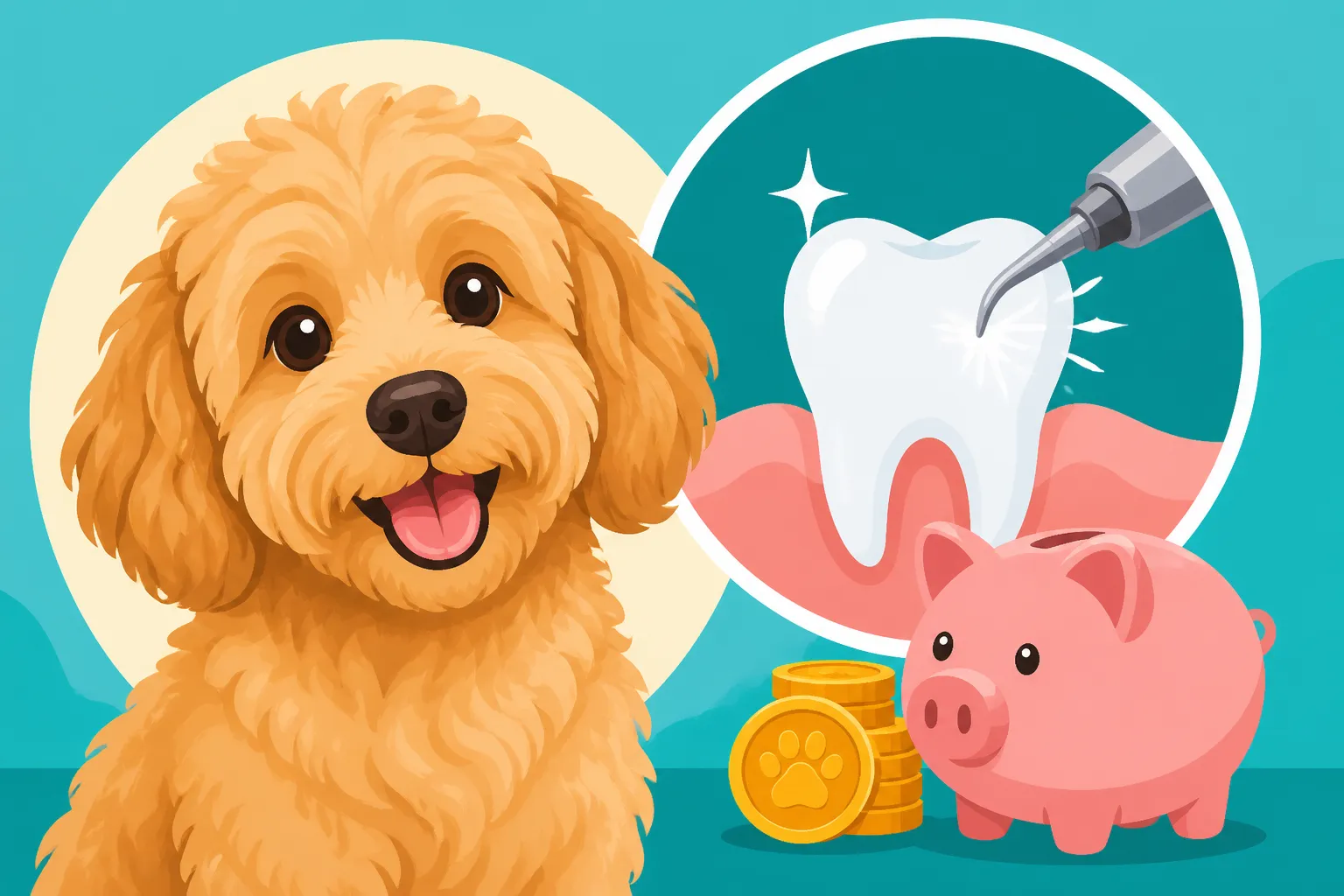
It's incredibly frustrating when you get that dental cleaning estimate from your vet, especially for a small dog like a Toy Goldendoodle. You just want the best for your furry family member, but the numbers can feel overwhelming. This guide is here to demystify those costs, break down what goes into a professional dental cleaning, and give you practical strategies to manage the expenses of keeping your Goldendoodle's smile healthy.
Understanding the Unique Dental Challenges of Toy Goldendoodles
Toy Goldendoodles might be small in stature, but their dental needs are anything but. Many owners are caught off guard by how quickly dental issues can escalate in smaller breeds, often leading to expensive interventions if not addressed proactively. It’s not just about bad breath; poor dental health can lead to serious systemic issues affecting your dog’s heart, kidneys, and liver.
Why Small Breeds Are Prone to Dental Issues
One of the biggest reasons smaller dogs like your Toy Goldendoodle face more dental woes is simply their anatomy. They have the same number of teeth as a large dog, but these teeth are packed into a much smaller jaw. This leads to what veterinarians call "dental crowding." When teeth are too close together, it creates snug spaces where food particles, plaque, and tartar can accumulate easily, making it incredibly difficult for home brushing (or even professional cleaning) to reach every nook and cranny. This constant accumulation accelerates the development of periodontal disease. You might even find that your tiny Goldendoodle has Dental Crowding in a Toy Goldendoodle Mouth, which makes it even harder to keep their teeth clean.
Furthermore, the structure of their smaller jaws can also mean less robust tooth roots and thinner jawbones, making them more susceptible to bone loss and tooth fractures as dental disease progresses. This isn't just an aesthetic problem; it’s a direct pathway to pain and infection. Another common issue, particularly in smaller breeds, is Retained Puppy Teeth in a Mini Goldendoodle. Sometimes, the baby teeth don't fall out when the adult teeth erupt, causing further crowding and creating more surfaces for plaque to stick to, ultimately leading to faster tartar buildup and gum inflammation right from puppyhood.
The Goldendoodle's Specific Predispositions
Your Toy Goldendoodle inherits dental characteristics from both the Poodle and the Golden Retriever lines. Poodles, being fine-boned and often having smaller mouths, are historically prone to dental issues. This predisposition carries over to Goldendoodles, especially the smaller varieties. The Goldendoodle's signature "furnishings"—that lovely beard and mustache—while adorable, can inadvertently contribute to dental problems. Food debris and moisture can easily get trapped in the long hair around their mouth, creating a warm, damp environment that is perfect for bacterial growth if not cleaned diligently. This can lead to Bad Breath From a Goldendoodle Beard, Not the Teeth, indicating a buildup around the mouth rather than necessarily from the teeth themselves, though both can be present.
It's crucial to understand that even with good home care, the unique structure of a Toy Goldendoodle's mouth means they often require professional intervention more frequently than larger breeds. Their smaller teeth and the tight spacing between them make them a prime target for rapid plaque mineralization into tartar, which can only be removed by a veterinary professional using specialized equipment under anesthesia. Ignoring these early signs, such as mild Goldendoodle Tartar and Gum Disease, will almost certainly lead to more advanced disease and much higher costs down the line.
Breaking Down the Cost of a Professional Dental Cleaning
When you're handed an estimate for your Goldendoodle's dental cleaning, it can feel like a lump sum that’s hard to decipher. However, understanding what each component covers helps you see the value in the services provided and why they are so crucial for your dog's health. It’s not just a quick brush-and-rinse; it’s a comprehensive medical procedure.
What a Standard Dental Cleaning Includes
A standard professional dental cleaning for your Toy Goldendoodle is much more involved than what we do for ourselves. It always begins with a thorough pre-anesthetic health check, which typically includes bloodwork to ensure your dog’s organs (especially liver and kidneys) are functioning well enough to process anesthesia safely. This initial screening is vital because Goldendoodles can inherit certain health conditions, and knowing their baseline health is paramount. The actual cleaning procedure is performed under general anesthesia, which is non-negotiable for a thorough and safe dental exam and cleaning. While the idea of anesthesia can be worrying for owners, it’s essential to prevent pain, fear, and injury during the process, allowing the vet to meticulously scale away plaque and tartar both above and below the gumline.
Once under anesthesia, the veterinary team will perform a full oral exam, probing for pockets around teeth and identifying any abnormalities. Specialized ultrasonic scalers are used to remove tartar, followed by hand-scaling for precision. Each tooth is then polished to create a smooth surface, making it harder for plaque to adhere quickly. Many clinics also apply a fluoride treatment to strengthen enamel. The cost for a "standard" cleaning, assuming no extractions or significant complications, can range widely depending on your location and clinic, typically from $500 to $1,000 for a Toy Goldendoodle. This range usually covers the pre-anesthetic bloodwork, the anesthesia itself, and the basic cleaning and polishing procedures.
Additional Procedures and Their Costs
Unfortunately, many dental cleanings reveal issues that go beyond simple scaling and polishing. The most common additional procedure is tooth extraction. The cost of extractions can vary significantly based on the tooth’s location, its condition, and whether it's a simple removal or a more complex surgical extraction requiring sutures. A single simple extraction might add $50 to $150 to your bill, while a more complex extraction, involving bone removal or multiple roots, could cost $200 to $500 or more per tooth. It's not uncommon for a dog with advanced periodontal disease to need several extractions, quickly escalating the total cost.
Dental X-rays are another critical component, often necessary but adding to the bill. Just like in human dentistry, X-rays allow the vet to see what's happening beneath the gumline, where over 60% of dental disease hides. They help identify bone loss, abscesses, unerupted teeth, or fractured roots that aren't visible to the naked eye. Most clinics will include full-mouth X-rays as part of their comprehensive dental package, adding anywhere from $150 to $300 to the cost. Finally, post-operative medications, such as pain relievers and antibiotics, are often prescribed, adding another $30 to $100 depending on the duration and type of medication. These additions can quickly push a dental bill from hundreds into thousands, making preventative care all the more important.
Factors That Influence Your Toy Goldendoodle's Dental Bill
It's natural to wonder why dental cleaning costs can swing so wildly between different veterinarians or even for the same dog at different times. Several key factors contribute to the final price tag, making it essential to understand these variables when budgeting for your Goldendoodle's oral health.
Geographical Location and Clinic Type
Just like real estate and human medical costs, veterinary services are heavily influenced by geography. You'll likely find that a dental cleaning for your Toy Goldendoodle in a major metropolitan area like San Francisco or New York City will be significantly higher than in a small town in rural Kansas. The overhead costs for veterinary clinics—rent, staff salaries, specialized equipment—are simply higher in urban centers. This phenomenon isn't exclusive to grooming, as you might observe when comparing Metro Goldendoodle Grooming Against Suburban Prices, but it certainly applies to veterinary care too.
Beyond location, the type of clinic also plays a role. A general practice veterinary office will typically charge less than a specialized veterinary dental clinic or a university veterinary hospital. Specialist dental vets often have advanced diagnostic tools, board-certified veterinary dentists, and more sophisticated equipment, which translates to higher costs but also potentially more specialized care for complex cases. While a routine cleaning might be fine at your family vet, if your Goldendoodle has severe periodontal disease, extensive bone loss, or complicated extractions needed, a referral to a specialist might be recommended, and that will undoubtedly come with a higher price tag.
Severity of Dental Disease and Age
The most significant variable affecting your Goldendoodle's dental bill is the extent of their dental disease. A dog with only mild plaque buildup and gingivitis will require less time under anesthesia and fewer, if any, additional procedures, thus incurring a lower cost. However, if your Goldendoodle has advanced periodontal disease, characterized by heavy tartar, deep gum pockets, receding gums, and bone loss, the cleaning becomes much more intensive. This stage often requires prolonged anesthesia, multiple extractions, root planing, and potentially even gum surgery, all of which add substantial time and cost.
Age is often intertwined with the severity of dental disease. Older dogs, particularly Senior Goldendoodle Vet Visits After Nine, tend to have more advanced dental problems simply due to years of accumulation. They also often require more extensive pre-anesthetic workups, including more comprehensive blood panels, chest X-rays, and possibly an ECG, to assess their overall health and anesthetic risk. Anesthesia protocols for senior dogs are typically more conservative, utilizing shorter-acting drugs and requiring more intensive monitoring, all of which contribute to a higher overall bill. It’s a common misconception that dental care isn’t as important for older dogs, but it’s arguably more important, as the systemic health risks from oral infections increase with age.
Anesthesia Monitoring and Safety Protocols
The quality and intensity of anesthesia monitoring during your Goldendoodle’s dental procedure are critical for their safety and a major component of the overall cost. Reputable veterinary clinics adhere to strict safety protocols, which include continuous monitoring of vital signs such as heart rate, respiratory rate, blood pressure, oxygen saturation, and body temperature. This monitoring is typically performed by a dedicated veterinary technician who is solely focused on your dog's anesthetic well-being, adjusting parameters as needed. Many clinics also utilize IV fluids during anesthesia to help maintain blood pressure and support organ function, especially important for small breeds like Toy Goldendoodles.
While some clinics might offer "cheaper" dental cleanings, it's crucial to investigate what their anesthesia protocol includes. Cutting corners on monitoring equipment, trained personnel, or pre-anesthetic testing significantly increases the risk to your pet. The extra cost for thorough, high-quality anesthesia monitoring is an investment in your Goldendoodle's safety and well-being, and it’s an area where you absolutely shouldn’t compromise. Always ask your vet for a detailed breakdown of their anesthetic procedures and monitoring practices.
Strategies for Managing Goldendoodle Dental Care Costs
The good news is that while professional dental cleanings are a necessary expense, there are proactive steps you can take to minimize their frequency and cost, as well as financial strategies to make them more manageable when they are needed.
Prioritizing Proactive Home Dental Care
The single most impactful thing you can do to reduce the long-term cost of your Toy Goldendoodle’s dental care is to establish a consistent and effective home dental routine. This starts with daily toothbrushing. Yes, daily! It sounds like a lot, but even a few minutes each day makes a world of difference in preventing plaque from hardening into tartar. Start slowly, make it a positive experience with lots of praise and treats, and use a dog-specific toothbrush and toothpaste. It might seem daunting at first, especially trying to manage Toothbrushing a Goldendoodle With a Beard in the Way, but persistence pays off. Think of it as investing time now to save significant money (and pain for your dog) later.
Beyond brushing, you can incorporate dental chews, water additives, and specialized dental diets, but it's important to remember these are supplements to brushing, not replacements. Look for products that have been awarded the Veterinary Oral Health Council (VOHC) seal of acceptance, which indicates they meet standards for plaque and/or tartar reduction. Brands like Greenies, Oravet, and Virbac CET chews are popular VOHC-accepted options that can help scrape away soft plaque. For dogs with thick beards, using a snood or carefully cleaning after meals can also help keep food from accumulating, as detailed in Cleaning a Goldendoodle Beard After Every Meal, which can contribute to overall oral hygiene.
The Role of Pet Insurance and Wellness Plans
When unexpected dental issues arise, such as a fractured tooth or advanced periodontal disease requiring multiple extractions, pet insurance can be a lifesaver. Most comprehensive pet insurance policies, including those from providers like Healthy Paws, typically cover dental illnesses and injuries that are not pre-existing conditions, which means they might cover the cost of extractions, root canals, or other therapeutic treatments for your Goldendoodle. However, it’s crucial to understand that routine dental cleanings (without pathology) are generally considered preventative care and are not covered by standard accident/illness policies. You need to read the fine print carefully. Understanding Goldendoodle Pet Insurance for a Dog With No Breed Papers is important, as insurers often classify crossbreeds differently.
This is where wellness plans come in. Many pet insurance providers or even large pet retailers like Chewy offer optional wellness plans that can be added to your pet insurance or purchased separately. These plans often cover a portion of routine preventative care, which can include annual dental cleanings. While they involve an additional monthly fee, they can help you budget for and offset the cost of that essential yearly or biennial cleaning, making it more predictable. It's an excellent way to ensure your Toy Goldendoodle gets the professional attention they need without unexpected budget shocks. Some fresh food delivery services like Ollie also sometimes offer dental-friendly options or advice, reinforcing the idea that diet and oral health are linked, though these are typically not direct cost-savers for professional cleanings.
Exploring Payment Options and Financial Assistance
Even with the best home care and a wellness plan, a serious dental issue can still result in a substantial bill. Don't be afraid to discuss payment options with your veterinary clinic. Many practices understand the financial burden of vet care and offer their own in-house payment plans, allowing you to pay the total amount over several weeks or months. This can significantly ease the immediate strain on your budget.
Another popular option is CareCredit, a credit card specifically designed for health and veterinary expenses. They often offer deferred interest plans if the balance is paid within a promotional period, which can be very helpful for larger bills. If you find yourself in a truly difficult financial situation, there are also various non-profit organizations and charities that offer financial assistance for veterinary care. Some organizations focus on specific conditions or senior pets, like those needing a The Senior Panel a Goldendoodle Should Have at Nine, while others offer broader support. Do some research in your area for local humane societies, breed-specific rescues (even doodle rescues), or national organizations like The Pet Fund or RedRover, which may be able to provide grants or aid for necessary treatments. Being proactive in exploring these options before an emergency arises can offer peace of mind.
| Procedure Component | Typical Cost Range (USD) | Notes |
|---|---|---|
| Pre-anesthetic Bloodwork | $100 – $250 | Essential for assessing organ function and anesthetic risk. |
| Anesthesia & Monitoring | $200 – $500 | Includes drugs, IV fluids, and technician monitoring during procedure. |
| Dental Scaling & Polishing | $200 – $400 | Basic cleaning of all teeth, above and below gumline. |
| Full-Mouth X-rays | $150 – $300 | Detects hidden disease below the gumline. Often mandatory. |
| Simple Tooth Extraction (per tooth) | $50 – $150 | For teeth with minimal bone involvement. |
| Complex Tooth Extraction (per tooth) | $200 – $500+ | For fractured, deeply rooted, or multi-rooted teeth. |
| Post-operative Medications | $30 – $100 | Pain relief, antibiotics. |
| Total (Basic Cleaning) | $500 – $1000 | Without extractions or major complications. |
| Total (With Extractions) | $800 – $2500+ | Varies widely based on number and complexity of extractions. |
Disclaimer
The information provided in this article is for general informational purposes only and does not constitute veterinary advice. Always consult with a qualified veterinarian for any health concerns or before making any decisions about your pet's medical care. Costs are estimates and can vary significantly by location, clinic, and individual circumstances.