The Foods and Plants to Keep From a Goldendoodle
Oh, those Goldendoodles! With their boundless energy, insatiable curiosity, and often, an unwavering desire to use their mouths to explore the world, they can inadvertently get into all sorts of mischief. As dog parents, one of our biggest anxieties often revolves around what they might sneakily ingest when we're not looking. Whether it's a dropped snack or a chew on a tempting houseplant, the potential for an innocent moment to turn into a veterinary emergency is a very real fear. This comprehensive guide is here to shed light on the common, and sometimes surprising, foods and plants that are toxic to your Goldendoodle, helping you prevent these dangerous encounters and know what to do if the worst happens.
Common Human Foods That Are Toxic to Goldendoodles
It's so tempting to share a bite of our meal with those big, soulful Goldendoodle eyes staring up at us. They're part of the family, right? And while a tiny piece of plain chicken or a carrot stick might be fine, many everyday human foods are surprisingly dangerous, even deadly, for our furry companions. Understanding these common culprits is the first step in creating a safe environment for your Goldendoodle.
Chocolate, Coffee, and Caffeine – The Methylxanthine Menace
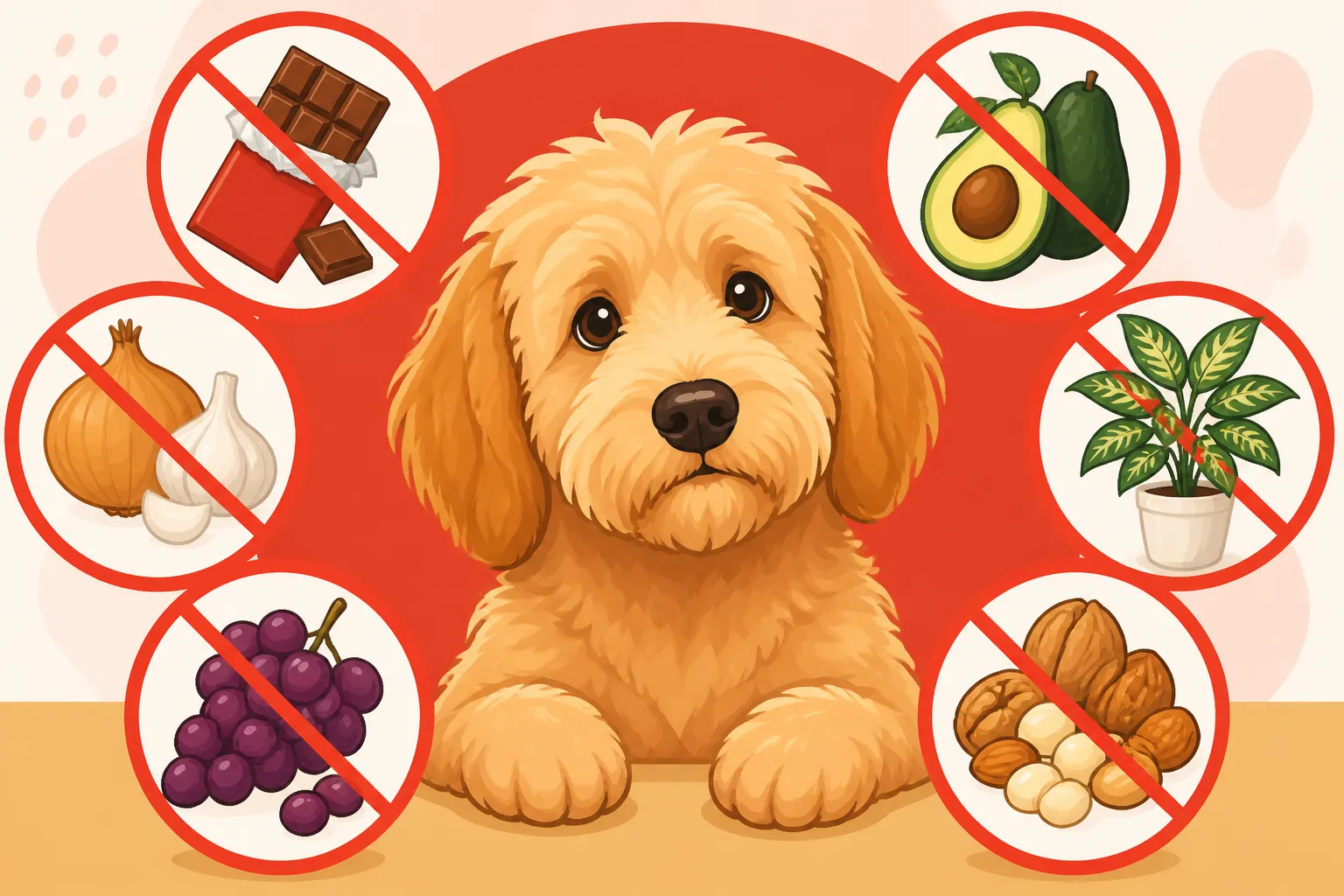
Few dog owners are unaware that chocolate is bad for dogs, but the why and the how bad often get lost in general warnings. The dangerous compounds in chocolate, coffee, and other caffeinated products are called methylxanthines, specifically theobromine and caffeine. Dogs metabolize these substances much slower than humans do, allowing them to build up to toxic levels in their system. The darker the chocolate, the higher the concentration of theobromine, meaning a small piece of dark baking chocolate can be far more dangerous than a larger piece of milk chocolate.
Symptoms can appear anywhere from 6 to 12 hours after ingestion and range from mild gastrointestinal upset (vomiting, diarrhea) to severe issues like hyperactivity, tremors, seizures, increased heart rate, and even death. Imagine your playful Goldendoodle, usually so calm after a good romp, suddenly pacing frantically, trembling, and unable to settle down – it's a distressing sight no one wants to witness. Holiday candy bowls, forgotten coffee cups on low tables, or even a discarded chocolate wrapper from a walk can all pose a significant risk. Always keep these items well out of paw's reach, preferably locked away in cupboards.
Even seemingly innocent coffee grounds or tea bags, if ingested, can lead to serious caffeine poisoning. We often have these items casually in our homes, perhaps in an open trash can or compost bin, but for a curious Goldendoodle, they can be a potent danger. If you suspect your Goldendoodle has eaten any amount of chocolate or caffeine, even if they seem fine, it's crucial to contact your veterinarian immediately for advice. The Human Foods That Poison a Goldendoodle delves deeper into specific food risks.
Grapes, Raisins, and Kidney Failure Risk
This one can be particularly heartbreaking because grapes and raisins seem so benign and healthy to us. Yet, for an unknown reason, these fruits can cause acute kidney failure in dogs. What makes this even more frustrating for owners and vets alike is that the toxic dose isn't consistent; some dogs can eat a few without issue, while others suffer severe consequences from just one grape. There's no way to predict which Goldendoodle will be affected or by how much. This uncertainty makes them exceptionally dangerous.
Symptoms often start with vomiting, lethargy, and diarrhea within a few hours of ingestion. As kidney damage progresses, you might notice increased thirst and urination, followed by a decrease in urine production if the kidneys start to shut down. This can escalate rapidly to complete kidney failure, which is often fatal. Think about those beautiful charcuterie boards, or a child's snack of raisins left on the coffee table – these are prime opportunities for a Goldendoodle to innocently gobble up something life-threatening.
Because the mechanism of toxicity is still poorly understood and the outcome so severe, grapes and raisins should be treated as absolute no-go foods. If your Goldendoodle so much as samples a single grape or raisin, immediate veterinary intervention is paramount. They may induce vomiting and administer activated charcoal to try and prevent absorption, followed by careful monitoring of kidney function. Early action truly makes a difference.
Xylitol – The Sweetener That's Deadly
Xylitol is a natural sugar alcohol commonly used as a sugar substitute in many "sugar-free" human products. It's found in chewing gum, mints, breath sprays, certain peanut butters, toothpastes, baked goods, sugar-free candies, and even some vitamins. While perfectly safe for humans, xylitol is incredibly toxic to dogs, causing a rapid and severe drop in blood sugar (hypoglycemia) and potential liver failure. Even a small amount can be deadly.
When a dog ingests xylitol, their pancreas mistakes it for real sugar and releases a massive amount of insulin. This surge of insulin quickly removes actual sugar from the bloodstream, leading to a precipitous drop in blood glucose levels. Symptoms of hypoglycemia can appear within 15-30 minutes, including weakness, lethargy, staggering, collapse, and seizures. In some cases, especially with larger doses, liver damage can occur, which might not manifest for several days but can be irreversible.
The insidious nature of xylitol is how pervasive it is in everyday items. That "sugar-free" peanut butter you spread in a Kong? Check the label! The gum in your purse that your Goldendoodle sniffs out? A major hazard. Always read ingredient labels carefully on any human food you consider sharing, and keep all xylitol-containing products locked away. If you even suspect your Goldendoodle has consumed xylitol, treat it as an immediate emergency and head to the vet.
Onions, Garlic, and Chives – The Allium Family
The entire Allium family – which includes onions, garlic, chives, and leeks – contains compounds called thiosulphates that are toxic to dogs. These substances can damage red blood cells, leading to a condition called hemolytic anemia. This means the dog's body starts destroying its own red blood cells, which are crucial for carrying oxygen throughout the body. While cooked onions and garlic are often less potent than raw, they still pose a risk, and cumulative exposure can also be problematic.
Symptoms might not appear immediately, sometimes taking several days after ingestion. Watch for lethargy, weakness, pale gums, rapid breathing, an elevated heart rate, and reddish-brown urine (due to the presence of damaged red blood cells). Imagine your usually robust Goldendoodle becoming noticeably tired after just a short walk or seeming breathless for no clear reason – these could be warning signs. Some dogs also experience gastrointestinal upset like vomiting and diarrhea.
It's not just whole onions or cloves of garlic that are the danger. These ingredients are frequently used in sauces, gravies, seasonings, and processed foods. Leftover pizza crusts, garlicky breadsticks, onion rings, or even baby food containing onion powder are all potential risks. Be extremely cautious with table scraps and ensure that your Goldendoodle can't raid the trash for discarded food items. When preparing meals, be mindful of dropped pieces that your clever Goldendoodle might swiftly vacuum up.
Alcohol and Yeast Dough – More Than Just a Buzz
Alcohol, in any form, is highly toxic to dogs. This includes alcoholic beverages, but also things like rubbing alcohol, mouthwash, and even raw yeast dough. Dogs are much more sensitive to the effects of alcohol than humans, and even small amounts can cause significant problems. The ethanol in alcohol is rapidly absorbed into their bloodstream, affecting their central nervous system, liver, and kidneys.
Ingestion of alcohol can lead to symptoms similar to human intoxication: vomiting, diarrhea, lack of coordination, disorientation, drowsiness, difficulty breathing, tremors, and a drop in body temperature. In severe cases, it can cause seizures, coma, and death. Think of a spilled cocktail at a party or an unattended glass of wine – a curious Goldendoodle might lap it up before you even notice.
Raw yeast dough is a double whammy of danger. First, the yeast in the dough ferments in the warm, moist environment of your Goldendoodle's stomach, producing alcohol. This can lead to alcohol poisoning as described above. Second, as the yeast ferments, the dough expands, causing gas and bloat in the stomach. This expansion can be incredibly painful and, in severe cases, can lead to gastric dilatation-volvulus (GDV), a life-threatening condition where the stomach twists. For a large Goldendoodle, which already carries some risk of bloat, this is an especially serious concern. Keeping fermenting dough well out of reach is non-negotiable.
Dangerous Fruits, Nuts, and Seeds for Your Goldendoodle
While many fruits and vegetables are perfectly safe and even healthy treats for Goldendoodles, there are a few notable exceptions that can cause serious harm. It’s not always obvious which items from the produce aisle or your pantry might be hazardous, but knowing the specifics can prevent a scary situation.
Avocados – A Cautionary Tale for Some Animals
Avocados contain a fungicidal toxin called persin. While generally considered to be low-risk for most dogs, especially in small quantities, some sources suggest that larger amounts or specific parts of the avocado (like the skin and pit) can cause mild stomach upset in some dogs. More importantly, the pit itself presents a significant choking hazard and can cause an obstruction if swallowed, particularly in smaller Goldendoodles or puppies.
The main concern with avocados for dogs really boils down to two things: first, the high fat content can lead to gastrointestinal upset, like vomiting or diarrhea, and in more sensitive dogs, potentially pancreatitis if consumed in large amounts. Second, the hard pit is a very real physical danger. A Goldendoodle, with its strong jaws and enthusiasm, could easily try to crunch on a whole avocado or swallow the pit without much thought.
Therefore, while a tiny taste of the flesh from a ripe avocado might not be immediately toxic for most dogs, it's generally safer to avoid sharing it altogether. Why take the chance when there are so many other truly dog-safe fruits and veggies? Always err on the side of caution and keep avocados, especially those with pits, completely out of your Goldendoodle's reach.
Macadamia Nuts – More Than Just a Stomach Ache
Macadamia nuts are highly toxic to dogs, causing a specific set of neurological and gastrointestinal symptoms. Even small amounts can lead to problems, though the exact toxic mechanism isn't fully understood. The good news is that they are rarely fatal, but they can certainly make your Goldendoodle feel incredibly miserable.
Symptoms typically appear within 12 hours of ingestion and can include weakness, especially in the hind legs, vomiting, ataxia (incoordination or staggering gait), tremors, and hyperthermia (elevated body temperature). Imagine your usually spry Goldendoodle suddenly struggling to walk, wobbling like they're on a boat, or experiencing uncontrollable shivering. It’s a very distressing presentation that often leads owners to fear much worse.
Macadamia nuts are often found in cookies, brownies, and other baked goods, making them a hidden hazard in many delicious human treats. They might also be in mixed nuts or trail mixes. Because Goldendoodles are often enthusiastic counter-surfers or skilled at finding dropped morsels, it’s vital to keep these nuts securely stored away. If your Goldendoodle consumes macadamia nuts, veterinary attention is needed to manage symptoms and ensure a full recovery.
Pits and Seeds – Choking Hazards and Cyanide
Many fruit pits and seeds contain varying amounts of cyanide, a highly poisonous substance. While the amount of cyanide in a single apple seed or cherry pit might be small, repeated ingestion or chewing on larger pits can release enough to be toxic. Beyond the chemical danger, the physical hazard of pits and large seeds is also significant.
The pits of fruits like cherries, peaches, plums, and apricots all contain cyanide compounds. When these pits are chewed or broken open, the cyanide can be released. While the fruit flesh itself is generally safe (in moderation and after removing pits), the seeds are the problem. Symptoms of cyanide poisoning can be severe and rapid, including difficulty breathing, bright red gums, dilated pupils, and shock.
Even without the cyanide concern, the pits of larger fruits like peaches and avocados, or even apple cores, are serious choking hazards. They can also cause intestinal obstructions, especially in a dog's digestive tract not designed to break down such hard objects. Imagine your Goldendoodle excitedly gulping down a peach pit, only for it to get lodged in their throat or intestine. These situations can quickly become life-threatening and require emergency surgery. Always remove pits and seeds before offering fruit to your Goldendoodle, or better yet, stick to pre-prepared dog-safe fruit snacks.
Household Plants and Garden Hazards
Our homes and gardens are often filled with beautiful foliage, but many common plants that are harmless to humans can be quite toxic to Goldendoodles. Their natural curiosity and tendency to mouth new objects mean that a seemingly innocent houseplant or garden bloom could be a trip to the emergency vet.
Common Indoor Plants That Pose a Threat
Many popular houseplants, while adding beauty to our living spaces, contain substances that can irritate or poison your Goldendoodle. For instance, plants like lilies (especially dangerous for cats, but also toxic to dogs), philodendrons, pothos, and diffenbachia all contain calcium oxalates, which can cause intense oral irritation, drooling, vomiting, and difficulty swallowing. It's like a painful burning sensation in their mouth, which can be very alarming.
Other common indoor plants with varying degrees of toxicity include sago palms, which are extremely dangerous and can cause liver failure; peace lilies and calla lilies, which cause oral irritation; and aloe vera, which can lead to vomiting and diarrhea. Even seemingly innocuous plants like poinsettias, while generally causing only mild irritation, can still make your Goldendoodle uncomfortable. Imagine a young Goldendoodle puppy, exploring its new home, taking a curious bite out of a leaf that now makes its mouth burn and stomach churn.
To keep your Goldendoodle safe, it’s wise to either choose only non-toxic houseplants or place any potentially toxic ones completely out of reach. High shelves, hanging baskets, or rooms that your Goldendoodle cannot access are good solutions. Before bringing any new plant into your home, do a quick search to ensure it’s pet-friendly. You can find comprehensive lists of pet-safe and toxic plants on sites like Chewy or by checking resources from the ASPCA.
Outdoor Plants and Garden Dangers
The garden, while a wonderful playground for many Goldendoodles, can also hide numerous botanical dangers. Spring bulbs like tulips, daffodils, and hyacinths are particularly risky, especially the bulbs themselves, which contain toxins that can cause severe gastrointestinal upset, cardiac arrhythmias, and respiratory distress. If your Goldendoodle digs up and chews on these, it can quickly become an emergency.
Other common garden plants that are toxic include azaleas and rhododendrons, which can cause vomiting, diarrhea, drooling, weakness, and central nervous system depression; oleander, highly poisonous and affecting the heart; and castor bean plants, which contain ricin, an incredibly potent toxin. Even the fruit pits from apple, cherry, and peach trees in your yard can be dangerous if your Goldendoodle eats them, as discussed earlier. Yard Plants That Are Toxic to a Goldendoodle has more details on specific outdoor hazards.
When your Goldendoodle is playing outside, always supervise them, especially if they are prone to munching on plants. Regularly inspect your garden and consider fencing off areas with particularly hazardous plants. Be aware of what your neighbors might be growing too, if your Goldendoodle has access to shared fences or open spaces. For those who enjoy gardening, selecting dog-friendly plants can provide peace of mind.
Fertilizers, Pesticides, and Lawn Care Products
Beyond the plants themselves, many of the products we use to maintain our gardens and lawns pose significant risks. Fertilizers, pesticides, herbicides, and even snail and slug baits can be highly toxic if ingested by your Goldendoodle. Many of these products are designed to be palatable to pests, which unfortunately often makes them appealing to curious dogs.
Fertilizers, whether granular or liquid, often contain nitrogen, phosphorus, and potassium, along with other ingredients like iron or insecticides. While many might only cause mild gastrointestinal upset, some can lead to more serious symptoms if ingested in large quantities, including muscle tremors or seizures depending on the specific ingredients. Pesticides and herbicides can contain a wide array of chemicals, some of which are neurotoxins or carcinogens, causing symptoms ranging from vomiting and diarrhea to seizures and respiratory failure. Snail and slug baits are particularly dangerous as they often contain metaldehyde, which is highly toxic and can cause severe, rapid-onset seizures.
Always store garden chemicals securely, in their original containers, and out of reach of your Goldendoodle. When applying any product to your lawn or garden, follow the instructions carefully regarding pet safety, and keep your Goldendoodle off the treated area for the recommended time. It’s also wise to rinse paws after outdoor excursions, especially if you've been in an area where chemicals might have been used.
Medications, Cleaning Products, and Other Home Hazards
Our homes are sanctuaries, but they are also full of items that can be incredibly dangerous to a curious Goldendoodle. From our own medicines to household cleaners, and even seemingly innocent objects, accidental ingestion is a common cause of veterinary emergencies.
Over-the-Counter and Prescription Medications
This is perhaps one of the most common and easily preventable sources of poisoning. Human medications, both over-the-counter (OTC) and prescription, are designed for human physiology, not canine. Even common drugs like ibuprofen (Advil, Motrin), acetaminophen (Tylenol), cold and flu medications, and antidepressants can be extremely toxic to Goldendoodles. A dropped pill, an open pill bottle on the nightstand, or a forgotten dose on the counter can be an irresistible target for a Goldendoodle's strong sense of smell.
Ibuprofen and naproxen (Aleve), for example, are NSAIDs (non-steroidal anti-inflammatory drugs) that can cause severe gastrointestinal ulceration, kidney failure, and liver damage in dogs. Acetaminophen can lead to liver damage and red blood cell damage, particularly in higher doses. Antidepressants, heart medications, and even thyroid hormones can have profound and dangerous effects on a Goldendoodle’s system, leading to seizures, cardiac issues, or extreme drops in blood pressure.
The best defense here is prevention. Keep all medications, human and pet, securely stored in closed cabinets or high shelves where your Goldendoodle absolutely cannot reach them. Never leave pills in open containers or loose in a purse that might be accessible. If you ever drop a pill, find it immediately and dispose of it properly, ensuring your Goldendoodle doesn't get there first. If you suspect any medication ingestion, contact your vet immediately. The First Call After a Goldendoodle Eats Something is a crucial read for these situations.
Household Cleaners and Chemicals
Our desire for a clean home can inadvertently create a dangerous environment for our Goldendoodles if we're not careful with cleaning products. Bleach, ammonia, drain cleaners, toilet bowl cleaners, laundry detergents, and even common spray cleaners can cause chemical burns, severe gastrointestinal irritation, or systemic poisoning. These products often have strong odors that might attract a curious Goldendoodle, or they might be left within reach during cleaning.
Ingestion of strong acids or alkalis (found in drain cleaners or oven cleaners) can cause corrosive burns to the mouth, esophagus, and stomach, leading to excruciating pain and permanent damage. Even milder cleaners can cause severe vomiting and diarrhea, and some can have systemic effects on organs. Laundry detergent pods are a particular concern due to their concentrated nature and often appealing appearance, leading to severe vomiting and respiratory distress if ruptured and ingested.
Always store all cleaning products in locked cabinets, preferably in areas inaccessible to pets. Never leave buckets of cleaning solutions unattended. Ensure that surfaces are dry and residues are wiped away before your Goldendoodle has access to them after cleaning. If your Goldendoodle ingests a cleaner, do not induce vomiting unless specifically instructed by a veterinarian or poison control center, as some chemicals can cause more damage coming back up. Instead, call for immediate professional guidance.
Heavy Metals, Batteries, and Other Curious Objects
Goldendoodles are often playful and can be prone to chewing on or investigating a wide range of non-food items. Unfortunately, some of these seemingly innocent objects can harbor hidden dangers, including heavy metals or corrosive chemicals. Batteries, for instance, are a significant concern. Both button and larger cylindrical batteries contain corrosive materials that can cause severe chemical burns to the mouth, esophagus, and stomach if chewed or swallowed.
Pennies (especially those minted after 1982, which are mostly zinc) are another unexpected hazard. If ingested, the zinc can be absorbed into the bloodstream, causing a severe form of anemia and kidney damage. This is a slow-burn toxicity that might not show immediate dramatic symptoms but can be life-threatening if not addressed. Other metals like lead (found in old paint chips, fishing weights, or some toys) can also cause serious neurological and gastrointestinal issues.
Small objects like magnets, even if non-toxic themselves, can be incredibly dangerous if more than one is swallowed. They can attract each other across intestinal walls, causing tissue necrosis and perforations that require emergency surgery. Christmas ornaments, small toys, and even some jewelry can also pose choking risks or obstruction hazards. Always supervise your Goldendoodle, especially puppies, and keep small or potentially hazardous objects out of their reach. Regular checks of their play area can prevent access to these hidden dangers. You can find many safe and engaging toys on platforms like Amazon to redirect their chewing habits.
What to Do If Your Goldendoodle Eats Something Toxic
Despite our best efforts, accidents can happen. A Goldendoodle's inquisitive nature means they might get into something harmful faster than you can react. Knowing what to do in those stressful moments can make all the difference in the outcome for your beloved companion.
Immediate Steps and Emergency Contact
The moment you suspect or confirm your Goldendoodle has ingested something toxic, time is of the essence. Don't panic, but act quickly and calmly. Your first and most critical step is to immediately contact your veterinarian or an emergency veterinary hospital. Have their number readily available, perhaps even programmed into your phone. If it's after hours, know where your nearest emergency veterinary clinic is located.
As you make the call, try to stay calm and clearly explain what happened. The veterinary team will need specific information to guide you on the best course of action. Do not try to induce vomiting unless explicitly instructed to do so by a professional. In some cases, inducing vomiting can cause more harm, especially if the ingested substance is corrosive or if your Goldendoodle is already showing severe symptoms like seizures or unconsciousness. They might recommend you rush to the clinic, or in certain situations, provide instructions for at-home care if the substance is low risk.
If your Goldendoodle is showing signs of distress – severe vomiting, collapse, seizures, extreme lethargy – don't wait for a phone consultation. Head straight to the emergency vet while calling them en route to let them know you're coming and what happened. Every minute counts in these acute emergencies.
Information to Gather for Your Vet
When speaking with your veterinarian or the poison control center, having precise information ready will greatly assist them in guiding you. The more details you can provide, the better they can assess the situation and recommend the appropriate treatment. This is where your calm approach really pays off.
Try to gather the following details:
- What was ingested? Be as specific as possible. If it was a food item, what kind (e.g., dark chocolate, milk chocolate, specific type of grape)? If it was a plant, can you identify it? If it was a medication, what is the name, dosage, and how many pills might be missing? If it was a cleaner, bring the container if possible.
- How much was ingested? Estimate as accurately as you can. A single grape is different from a whole bunch. A small crumb of chocolate is different from a full bar.
- When was it ingested? Give an approximate time. Knowing the timeframe helps the vet understand how much of the substance might have been absorbed into your Goldendoodle's system.
- What is your Goldendoodle's weight and age? This information is crucial for calculating toxic doses and appropriate treatment plans.
- What symptoms is your Goldendoodle currently showing? List everything you've observed, no matter how minor it seems (e.g., vomiting, diarrhea, lethargy, tremors, restlessness).
- Does your Goldendoodle have any underlying health conditions or is he on any medications? This can influence how they react to toxins.
Here's a quick reference table for common toxins and their immediate concerns:
| Toxin Category | Examples | Primary Concerns | Immediate Action |
|---|---|---|---|
| Methylxanthines | Chocolate, Coffee, Caffeine | Heart issues, tremors, seizures | Contact vet, gather info on type/amount |
| Grapes/Raisins | Grapes, Raisins (fresh or dried) | Acute kidney failure | Immediate vet visit, regardless of quantity |
| Xylitol | Sugar-free gum, peanut butter, baked goods | Severe hypoglycemia, liver failure | Immediate vet visit, emergency action required |
| Allium Family | Onions, Garlic, Chives, Leeks | Hemolytic anemia (red blood cell damage) | Contact vet, monitor for delayed symptoms |
| Alcohol/Yeast Dough | Alcoholic drinks, raw bread dough | Alcohol poisoning, bloat (yeast dough) | Immediate vet visit for alcohol, watch for bloat |
| Macadamia Nuts | Macadamia nuts (raw or in baked goods) | Weakness, vomiting, tremors | Contact vet, supportive care |
| Fruit Pits/Seeds | Cherry, peach, plum pits; apple seeds | Cyanide poisoning, choking, intestinal obstruction | Contact vet, assess size of pit and chewing |
| Toxic Houseplants | Sago Palm, Lilies, Pothos, Philodendron | Organ damage (Sago), oral irritation, GI upset (others) | Identify plant, contact vet |
| Garden Chemicals | Fertilizers, pesticides, snail bait | Systemic poisoning, GI distress, neurological issues | Contain chemical container, contact vet, avoid inducing vomit |
| Human Medications | Ibuprofen, Acetaminophen, Antidepressants | Organ damage, neurological effects, GI ulceration | Identify medication/dose, contact vet immediately |
| Household Cleaners | Bleach, drain cleaner, laundry pods | Chemical burns, GI upset, respiratory distress | Contain container, contact vet, avoid inducing vomit |
| Batteries/Heavy Metals | Button batteries, pennies (post-1982) | Chemical burns, organ damage, anemia | Immediate vet visit for batteries, contact vet for metals |
Prevention is Always Best
While knowing what to do in an emergency is crucial, the very best strategy for any Goldendoodle owner is prevention. By proactively eliminating or securing potential toxins in your home and yard, you can significantly reduce the risk of an accidental poisoning. This involves a little bit of foresight and consistently dog-proofing your environment.
Start by doing a thorough "Goldendoodle-level" sweep of your home. Get down on your hands and knees and look at your house from their perspective. What's on the coffee table? What's within reach on the kitchen counter? Are garbage cans securely lidded, or can a clever Goldendoodle nose their way in? Move all human foods, medications, supplements, and cleaning products to high, securely latched cabinets. Consider investing in child-proof locks for lower cabinets if your Goldendoodle is particularly adept at opening doors. For pet food and treats, many owners order from reputable sources like Ollie, which ensures dog-specific, safe nutrition delivered right to your door.
In the garden, identify any toxic plants and either remove them, fence them off, or replace them with dog-friendly alternatives. Always store gardening chemicals in locked sheds or garages. When out on walks or at the dog park, keep a close eye on your Goldendoodle to prevent them from sniffing out and ingesting discarded food, plants, or unknown substances. Early training, like teaching a strong "leave it" command, can be a lifesaver in these situations. A well-stocked pet first-aid kit, which you can easily assemble with items purchased from Amazon, is always a good idea to have on hand for minor incidents, but remember, serious poisoning requires professional veterinary care. Being proactive and vigilant is the most loving thing you can do for your curious, food-motivated Goldendoodle.
Disclaimer
This article is for general informational purposes only and does not constitute professional advice. Laws, prices and regulations vary by location and change over time. Consult a qualified professional for guidance on your specific situation.