Line Brushing a Goldendoodle Section by Section
You’ve brought home your adorable Goldendoodle, likely envisioning cuddles and joyful romps, only to discover that their glorious, fluffy coat is a magnet for mats. It’s a common frustration, feeling like you brush constantly but still find those stubborn tangles hidden deep down. This guide is here to walk you through the proper technique of line brushing, a method that ensures you get right to your Goldendoodle’s skin, preventing those painful mats before they even have a chance to take hold.
Understanding Why Line Brushing is Non-Negotiable for Goldendoodles
Let's be honest, those Goldendoodle curls and waves are what we fall in love with, but they also come with a unique grooming challenge. Many new Goldendoodle owners discover that what looks like a quick brush over the top of the coat isn't actually doing much to prevent mats. That's because Goldendoodle coats, especially the curlier types, have a density and texture that practically invite tangles to form close to the skin. If you're only skimming the surface, you're leaving a dense, felted layer beneath that is silently turning into a nightmare. This isn't just about aesthetics; mats can be incredibly painful, pulling on the skin, restricting movement, and even leading to skin infections.
The Anatomy of a Goldendoodle Mat
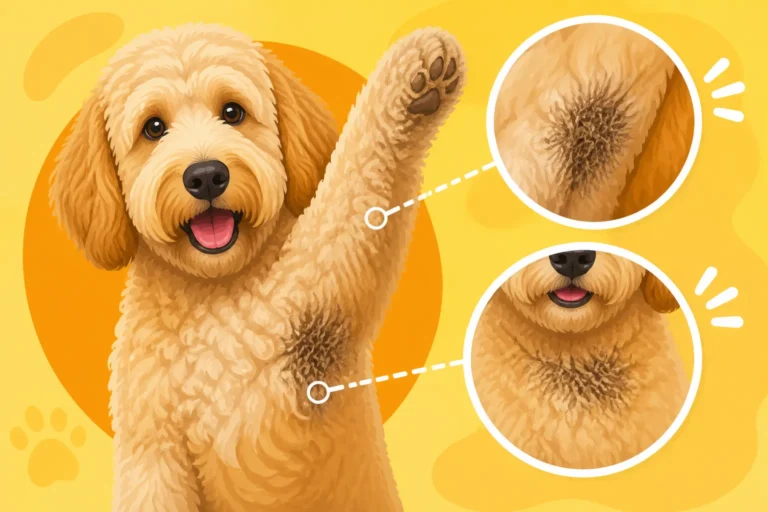
Imagine a Goldendoodle mat not as a simple knot, but as a tightly packed wad of felted hair. It starts innocently enough with a few loose hairs that get caught in the surrounding live coat. Because Goldendoodles don't shed their undercoat in the same way a Golden Retriever might, those dead hairs don't fall out readily. Instead, they migrate down towards the skin, weaving themselves into a tight mesh with the live hair. Friction from walking, playing, or even just lying down can accelerate this process, pulling the hair tighter and tighter. Before you know it, what was once a soft curl is a hard, impenetrable clump of hair fused to the skin. These mats can be found anywhere, but they especially love warm, damp areas or places with a lot of movement, such as behind the ears, in the armpits, or under the collar.
Why Regular Top Brushing Isn't Enough
The common mistake I see so many well-meaning Goldendoodle parents make is brushing only the top layer of hair. They use a slicker brush, it glides through, and they think, "Great, all brushed!" But if you haven't felt the skin of your Goldendoodle after brushing, you likely haven't done enough. When you only brush the superficial layer, you're essentially creating a smooth canopy over a tangled mess. The brush might feel like it's getting through, but it's really just skimming over the top of the emerging mats below. This is why you might brush your Goldendoodle daily and still end up with mats so severe a groomer has to shave them down. It's not for lack of effort, but for lack of the right technique. Line brushing is specifically designed to bypass this superficial trap, ensuring every inch of hair, from root to tip, is free of tangles. You can also dive deeper into Why Goldendoodle Matting Is Almost Always Preventable to understand the coat mechanics better.
Gathering Your Goldendoodle Grooming Arsenal
Before you even think about starting to brush, you need to have the right tools on hand. Trying to line brush with a flimsy brush or without a good comb is like trying to build a house with a spoon – frustrating and ineffective. Investing in quality grooming tools will make the process easier for both you and your Goldendoodle, and it’ll pay for itself quickly by reducing professional dematting fees.
Essential Tools for Effective Line Brushing
You'll need a few key items to get started:
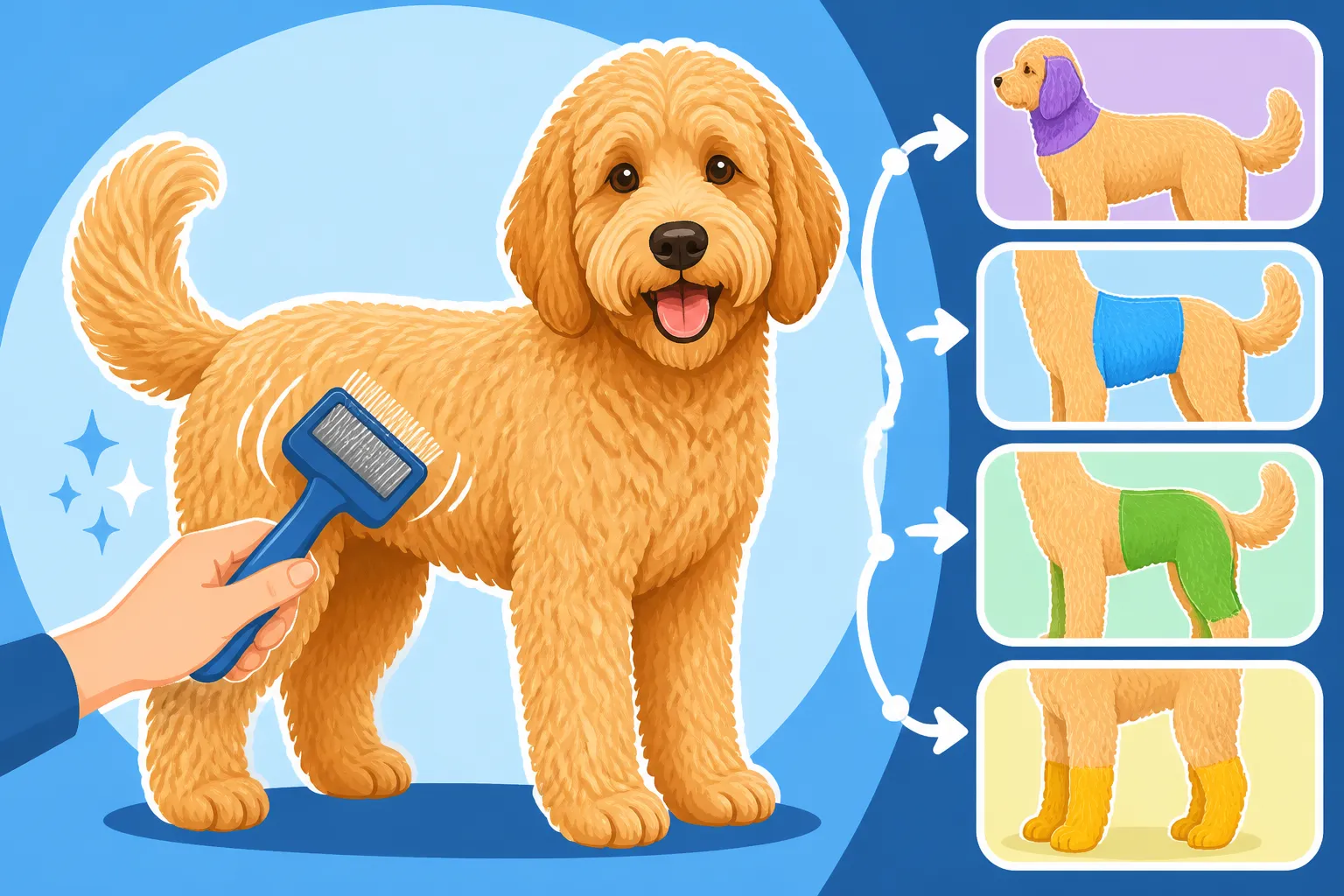
- High-Quality Slicker Brush: This is your primary tool. Look for one with firm, bent pins that are long enough to reach through your Goldendoodle's coat to the skin. Avoid brushes with little plastic balls on the tips, as these can snag and pull hair.
- Metal Greyhound Comb: This is non-negotiable. After using the slicker, you must follow up with a comb to verify that you’ve actually removed all tangles. A good comb has both wide-set and fine-set teeth. The wide-set teeth help with larger sections, and the fine-set teeth confirm thoroughness. If the comb doesn't glide easily through the brushed section, there's still a mat. To understand why, read Why a Comb Finds Goldendoodle Mats a Brush Misses.
- Detangling Spray: A good detangling spray helps lubricate the coat, making it easier for the brush and comb to glide through and minimizing breakage and static. You can find excellent options on Amazon or Chewy.
- Grooming Table (Optional but Recommended): For standard Goldendoodles, a grooming table can save your back and help keep your dog still. For smaller sizes, even a sturdy, elevated surface with a non-slip mat can make a world of difference.
- Small Scissors with Blunt Tips: Useful for carefully snipping out small, impossible mats or for trimming stray hairs around the eyes or paw pads. Always exercise extreme caution when using scissors near your dog.
- High-Value Treats: Positive reinforcement is key! Keep plenty of small, delicious treats on hand to reward cooperation.
| Tool Type | Primary Use | Why It's Essential for Goldendoodles |
|---|---|---|
| Slicker Brush | Loosening tangles, removing dead hair | Gets through dense, curly coats to the undercoat where mats form. |
| Metal Comb | Verifying mat removal, parting hair for line brushing | Confirms whether the brush has truly reached the skin and cleared all tangles. |
| Detangling Spray | Lubricating coat, reducing static, easing brushing | Prevents hair breakage, makes brushing smoother, and helps the brush glide through. |
| Blunt-Tip Scissors | Carefully cutting out tiny, stubborn knots | For precise removal of small, intractable mats without harming the skin. |
| High-Value Treats | Positive reinforcement, distraction | Rewards good behavior, creates a positive association with grooming, encourages stillness. |
Creating a Calm Grooming Environment
Your Goldendoodle needs to associate grooming with a positive, calm experience, not a wrestling match. Choose a quiet time when your dog isn't overly energetic or tired. Play some calming music, speak in a soothing voice, and avoid distractions. If your Goldendoodle is particularly antsy, a stuffed Kong or a lick mat smeared with peanut butter can be a great distraction. Start with short sessions, especially when they are puppies, building up their tolerance over time. The goal is for them to see grooming as a normal, even pleasant, part of their routine, rather than a scary ordeal. Make sure they’ve had a good potty break and a bit of exercise beforehand so they’re not bursting with energy. Patience is your biggest virtue here.
The Step-by-Step Guide to Line Brushing Your Goldendoodle
Now for the main event! Line brushing might sound intimidating, but it's simply a methodical way of ensuring you brush every single strand of hair. The principle is to part the hair, brush the section underneath, and then move on.
Starting with the Legs and Underside
These areas are often forgotten or rushed, yet they are prime real estate for mats. The armpits, in particular, are notorious for developing deep, painful tangles.
- Positioning: Have your Goldendoodle lie down on their side, or if you're using a grooming table, ensure they are comfortable and secure. Start with the leg furthest from you, as this can be less intimidating for them.
- Parting the Hair: Using your metal comb or even just your fingers, part a small section of hair horizontally, creating a "line" across the leg. Think of it like parting hair to put in a braid. Pin or hold the hair above this line out of the way, exposing the skin at the base of the section.
- Brushing the Section: Take your slicker brush and, starting at the very tips of the hair in the exposed section, brush down and out, moving towards the skin. Work in small strokes, gently teasing out any tangles. Once you've brushed from the tips all the way to the skin, run your comb through the same section. If the comb glides smoothly from root to tip without snagging, that section is mat-free. If it snags, go back with your slicker brush and work those tangles out more thoroughly.
- Repeat and Advance: Once the first line is completely brushed and combed, create a new line of hair just above it. Brush and comb this new section, overlapping slightly with the section you just finished. Continue this process, working your way up the leg, then move to the other legs, the belly, and the chest. Pay extra attention to the "friction zones" like the armpits and groin. These are critical areas where Armpit and Collar Mats on a Goldendoodle can become serious problems. Remember, consistency is key; you’re looking to make sure you brush down to the skin every time.
Moving to the Body and Back
Once the legs and underside are done, move to the main body. This is where you might find more expansive matting if not regularly brushed.
- Side Position: Keep your Goldendoodle lying on one side. This makes their flank and back easily accessible.
- Parting: Again, create a small horizontal line of hair, starting low on the flank, just above where you finished the leg/belly. Hold the upper hair out of the way.
- Brushing: Use your slicker brush, working in small sections, brushing down and out from tip to root. Always follow up with your metal comb to ensure you've removed all tangles. Be thorough, especially around the elbows and under the harness area, as these are common spots for Mats Under a Goldendoodle Harness Strap.
- Systematic Progress: Work your way up the flank, then along the back, then down the other side of the body. Take your time, making sure each section is completely tangle-free before moving to the next. The thicker the coat, the smaller your sections should be. Think of it as painting a wall – you want smooth, even coverage, not missed spots.
Tackling the Face, Ears, and Tail
These areas require a gentle touch and extra patience, but they are just as prone to matting.
- Face: The Goldendoodle's adorable beard and topknot can get incredibly matted. Use the same line brushing technique, but be extra careful around the eyes and mouth. Use your fingers to hold the skin taut. For their mustache and beard, brush downwards and outwards. You may need to use a smaller slicker brush for these delicate areas.
- Ears: Goldendoodle ears are a huge matting hotspot, often overlooked. The hair on and behind the ears is finer and mats very easily. Gently hold the ear flap, part a small section of hair, and carefully brush from the tip of the ear to the base, making sure to get behind the ear as well. Finish with your comb. Remember, Goldendoodle Ear Infections Under a Furnished Ear can be exacerbated by matting that prevents airflow, so keeping these areas tangle-free is also a health benefit.
- Tail: The tail can be surprisingly dense. Hold the tail firmly but gently at its base, and work your way from the tip of the tail up to the base, parting and brushing in lines. Be mindful of their sensitive tailbone.
Troubleshooting Common Line Brushing Challenges
Even with the best technique, you'll encounter challenges. Goldendoodle coats are complex, and sometimes mats seem to appear out of nowhere. Don't get discouraged!
Dealing with Stubborn Mats Safely
It happens to the best of us: you find a mat that just won't budge.
- Don't Pull! The absolute worst thing you can do is yank at a mat. This is painful for your dog and will make them hate grooming.
- Detangle Spray and Fingers: Saturate the mat with a good detangling spray. Then, use your fingers to try and gently pull the mat apart into smaller sections.
- "Pick" at the Mat: Use the very tips of your slicker brush or the wide teeth of your comb to pick at the edges of the mat, working from the outside in, never pulling directly. Think of it like unraveling a tight knot, rather than tearing it apart. This is where a product from Chewy designed for dematting can really help.
- Split the Mat: If the mat is wide and flat, you can try to carefully cut into the mat with your blunt-tip scissors, following the direction of the hair growth, creating 2-3 narrower strips. This breaks the mat into smaller, more manageable pieces you can then brush out. Never cut across the mat against the skin, as it's incredibly easy to cut your dog.
- Small, Unreachable Mats: For very small, tight mats close to the skin that you absolutely cannot brush out safely, it's sometimes best to carefully snip them out with your blunt-tip scissors. Again, hold the skin taut and slide a comb between the mat and the skin as a guard before cutting. But honestly, if you're struggling, don't risk it yourself. It's better to get professional help. For more detailed steps on this, see Working a Mat Out of a Goldendoodle Coat.
When to Call in a Professional Groomer
Knowing when to throw in the towel and call a pro is a sign of a responsible pet parent, not a failure!
- Extensive Matting: If your Goldendoodle has large, felted mats covering significant portions of their body, especially if they are tight against the skin, a professional groomer is your best bet. Trying to brush these out yourself will cause immense pain and discomfort to your dog.
- Behavioral Resistance: If your Goldendoodle is becoming aggressive, biting, or showing extreme fear and anxiety during brushing, it's time for professional intervention. A groomer has specialized tools, training, and experience to handle difficult dogs safely.
- Time Constraints: Life gets busy! If you simply don't have the several hours a week needed for thorough line brushing (especially during a coat change), regularly booking with a professional groomer is essential.
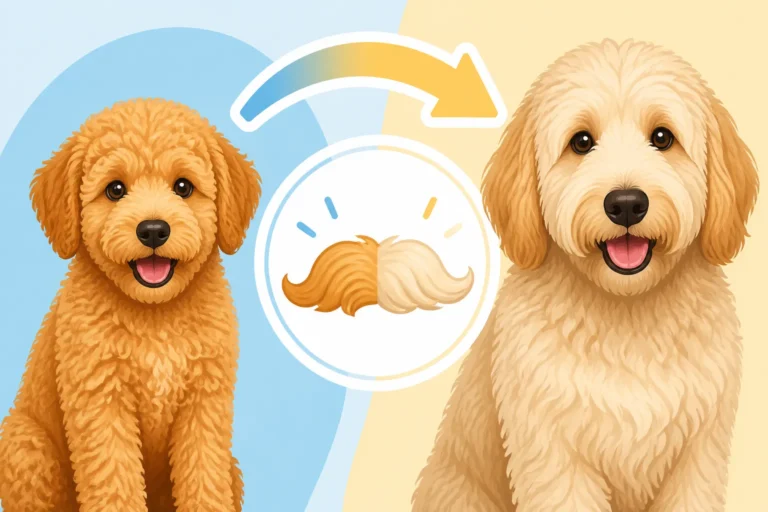
- Recurring Problem Areas: If you consistently struggle with mats in specific areas despite your best efforts, a groomer can offer advice, demonstrate techniques, and ensure those spots are properly cared for. They can also advise on The Goldendoodle Coat Change at Eight to Twelve Months, which is a notorious period for matting.
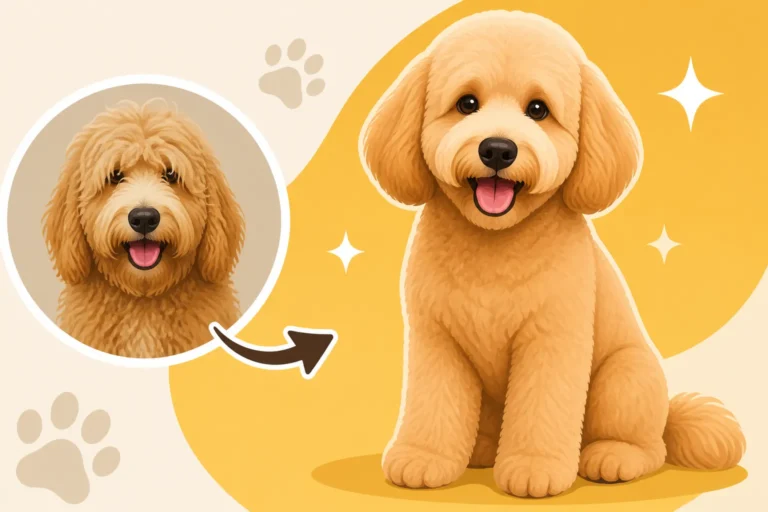
Remember, a professional groomer can get through a matted coat with less stress and pain for your Goldendoodle, even if it means a "shave down" to start fresh. This is often the kindest thing to do for a matted dog, as described in When a Goldendoodle Mat Has to Be Shaved. Establishing a regular grooming schedule with a professional, perhaps every 6-8 weeks, is a non-negotiable part of Goldendoodle ownership to keep their coat healthy and comfortable. You can usually book these well in advance on sites like Chewy or by calling your local groomer.
Disclaimer
This article is for general informational purposes only and does not constitute professional advice. Laws, prices and regulations vary by location and change over time. Consult a qualified professional for guidance on your specific situation.