The Goldendoodle Teddy Bear Cut
Achieving that adorable, rounded Goldendoodle look you see all over social media can feel like chasing a moving target. Many of us fall in love with the iconic "Teddy Bear Cut" but quickly realize that maintaining it requires more than just one trip to the groomer. This guide will walk you through what the Teddy Bear Cut really entails, why it's so sought after, and how you can work with your groomer and your own daily routine to keep your Goldendoodle looking picture-perfect and feeling comfortable.
What Exactly is the Goldendoodle Teddy Bear Cut?
When you envision a Goldendoodle, chances are you're picturing the Teddy Bear Cut. It's the quintessential style that highlights their charming, friendly features, making them look like a perpetually fluffy puppy. But what does that really mean in terms of clippers and scissors? It's not just one specific length or single technique; rather, it’s a style achieved through a combination of elements that give your dog a soft, rounded, and expressive appearance.
Defining the Signature Look
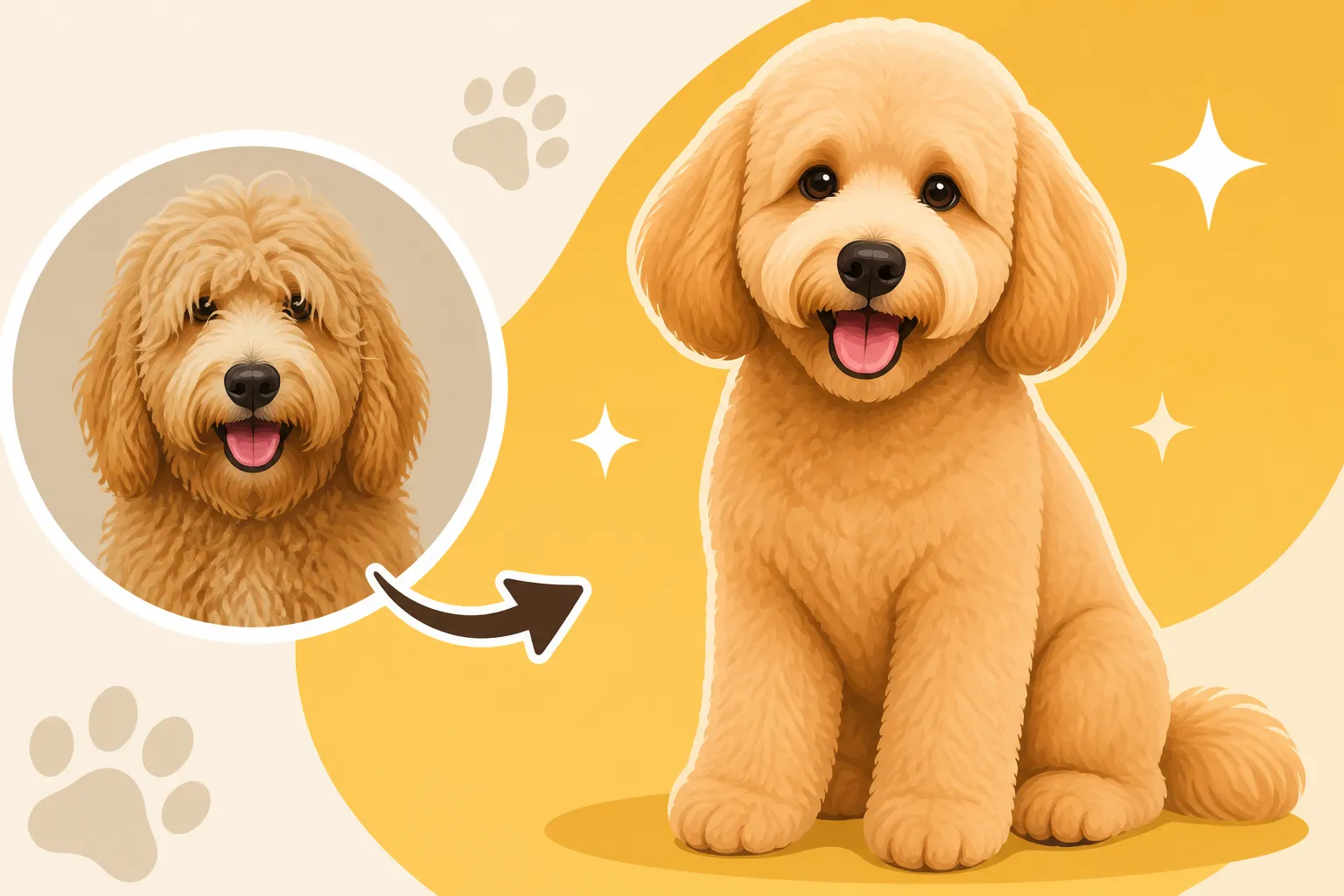
The Goldendoodle Teddy Bear Cut is all about softness and roundness, avoiding sharp angles or overly short sections. The key areas that define this look are the face, ears, and paws, alongside a moderately long body coat. On the face, the hair is usually left long enough to frame the eyes, often trimmed into a soft, rounded muzzle that gives the dog that characteristic "bear cub" expression. This isn't a shaved face like you might see on a traditional Poodle cut, but rather a carefully sculpted, fuller look.
The ears are typically blended to match the length of the face and body, often left full and feathery, allowing their natural drape to enhance the overall rounded silhouette. Paws are trimmed meticulously to maintain a neat, round "puffy" appearance, often referred to as "round feet" or "cat feet," rather than being shaved tight. The body coat is left at a uniform, medium length—usually anywhere from 1 to 2 inches, depending on the coat type and owner preference—to create that soft, plush texture. It’s long enough to be fluffy, but short enough to be manageable and prevent immediate matting, provided it's brushed regularly.
The Difference from Other Goldendoodle Cuts
You might wonder how the Teddy Bear Cut differs from other common Goldendoodle trims. Many other cuts often involve shorter lengths, different facial styles, or more pronounced shaping. For example, a "Kennel Cut" or "Summer Cut" usually means shaving the body much shorter, perhaps down to half an inch or less, for easier maintenance or during hot weather. While practical, this sacrifices the fluffy texture that defines the Teddy Bear look. The face might also be trimmed much tighter, losing some of that endearing roundness.
Then there are more stylized cuts that lean into the Poodle heritage, sometimes involving shaved areas or very specific, angular shaping that simply doesn't align with the soft, natural aesthetic of the Teddy Bear. Even within the Teddy Bear umbrella, there are variations—some owners prefer a slightly longer face, while others want the body a bit shorter. The crucial distinction is that the Teddy Bear Cut always aims for a soft, cohesive, rounded outline, with no abrupt changes in length and a focus on enhancing the Goldendoodle's inherent charm. It's truly about embracing their cuddly nature and making it visible.
Why the Teddy Bear Cut is So Popular (and Challenging)
It's no secret why the Goldendoodle Teddy Bear Cut has captured so many hearts. Who can resist that perpetually youthful, huggable appearance? But as many Goldendoodle owners quickly discover, what looks effortless on Instagram often requires a significant amount of diligent effort in real life. Understanding both the appeal and the practical challenges is key to deciding if this is the right look for your furry companion.
The Appeal of the Fluffy, Rounded Aesthetic
The primary draw of the Teddy Bear Cut is its irresistible cuteness. It emphasizes the Goldendoodle's soft features, making them look like a living, breathing plush toy. This rounded, fluffy aesthetic tends to soften their expression, giving them a gentle, approachable look that appeals to families and dog lovers alike. It avoids the sometimes severe lines of a shaved down coat or the more dramatic shaping of a traditional Poodle style. Instead, it offers a natural, endearing charm that aligns perfectly with the Goldendoodle's friendly and affectionate personality.
Beyond pure aesthetics, many owners appreciate that this cut allows for a certain amount of hair length without becoming overwhelmingly long or dramatic. It shows off the beautiful texture of their unique coats, whether wavy or curly, and provides that tactile softness that makes petting them such a joy. It really is about making your Goldendoodle look as cuddly as they feel, enhancing that joyful, companionable presence they bring into our homes.
The Realistic Grooming Commitment It Requires
Here’s where reality often diverges from expectation. While beautiful, the Teddy Bear Cut is far from a low-maintenance style. To truly maintain that fluffy, rounded look, the coat needs to be kept at a medium length, and that length is a magnet for tangles and mats. Why a Goldendoodle Mats in a Week Without Brushing is a common frustration for owners who underestimate the daily commitment. You can't just send your dog to the groomer every few months and expect them to emerge looking like a teddy bear if there hasn't been consistent care at home.
This cut demands regular, thorough brushing, often daily, especially in areas prone to matting like behind the ears, in the armpits, and under harnesses. Without this meticulous attention, the beautiful fluffy coat can quickly become a matted mess, which is not only unsightly but also uncomfortable and potentially painful for your dog. When matting occurs, the groomer often has no choice but to shave the dog shorter, entirely losing the Teddy Bear aesthetic you were aiming for. The commitment extends to professional grooming appointments too; they need to be frequent, typically every 6-8 weeks, to trim new growth and reshape the cut before it becomes unruly. This consistency is crucial for both the look and your Goldendoodle's comfort.
Managing Expectation vs. Reality with Your Groomer
One of the biggest hurdles many Goldendoodle owners face is effectively communicating their desired Teddy Bear Cut to their groomer. It's easy to say "Teddy Bear Cut," but what one person envisions, another groomer might interpret differently. This is why managing expectations and being explicit is so important. Your groomer isn't a mind reader, and they also have to work with the realities of your dog's specific coat type, temperament, and current condition.
It's helpful to bring photos—multiple photos, even—of Goldendoodles with the exact look you're hoping for. Discuss specific lengths for the body, face, ears, and paws. For instance, you might specify "1.5 inches all over the body, rounded face, and full, natural ears." A good groomer will also ask about your home grooming routine. If you admit you only brush once a week, they might gently advise a slightly shorter length to prevent severe matting between appointments, explaining that a longer Teddy Bear Cut simply isn't feasible without more frequent home care. Being open and honest about your capacity for home grooming will help your groomer create a realistic plan that keeps your Goldendoodle looking great and feeling good. Remember, Telling a Groomer What You Want on a Goldendoodle is a two-way conversation.
Preparing Your Goldendoodle for the Teddy Bear Cut
Before your Goldendoodle even steps paw into the grooming salon for that coveted Teddy Bear Cut, there's some vital groundwork to be done at home. A well-prepared Goldendoodle, and a well-informed owner, make all the difference in achieving the desired look and ensuring a positive experience for everyone involved.
Essential Home Grooming Before the Salon Visit
Think of home grooming between professional appointments as the foundation for any great haircut, especially one as detailed as the Teddy Bear Cut. If your Goldendoodle arrives at the groomer with a matted coat, achieving that fluffy, rounded look will be impossible. Groomers prioritize the dog's comfort and health above all else. If they encounter significant matting, their primary task becomes safely removing those mats, which often means a much shorter shave than planned. Goldendoodle Grooming as the Biggest Line in the Budget can get even higher if extensive dematting is required, or if the groomer has to spend extra time detangling.
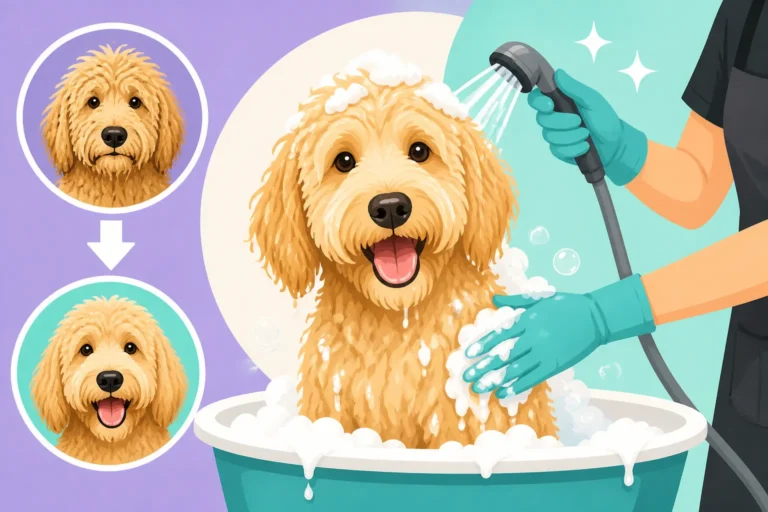
Therefore, regular brushing at home is non-negotiable. Aim for at least every other day, and ideally daily, if you want to maintain a longer, fluffier coat like the Teddy Bear Cut demands. This means not just superficial brushing, but thorough line brushing down to the skin, using a good slicker brush and a metal comb to ensure no tangles are hiding underneath the top layer. Focus on those tricky spots: behind the ears, armpits, inner thighs, and anywhere a harness rubs. A quick bath a day or two before the groomer, using a good quality dog shampoo and conditioner, can also help loosen any minor tangles and make the groomer's job easier, provided you completely dry and brush out the coat afterward. Tools are important, too: a good slicker brush and a wide-tooth metal comb, perhaps found on Chewy or Amazon, are absolute essentials for your grooming kit.
Finding a Groomer Who Understands the Goldendoodle Coat
Not all groomers are created equal, especially when it comes to the unique challenges of the Goldendoodle coat. A groomer who primarily works with short-haired breeds or even purebred Poodles might not instinctively understand the Goldendoodle's often unpredictable blend of curl and wave, and its tendency to mat. You need someone experienced with "doodle" coats. Booking a Goldendoodle Groom Every Six to Eight Weeks is also crucial, and finding a groomer with availability that matches this schedule is key.
Start by asking for recommendations from other Goldendoodle owners in your area or online groups. Look for groomers who specifically mention "doodle grooming" or have photos of Goldendoodles in various cuts on their website or social media. When you call to book, ask about their experience with Goldendoodles and their approach to the Teddy Bear Cut. A good groomer will be happy to discuss coat types, matting prevention, and how they achieve specific looks. It's often worth paying a bit more for a groomer who truly understands this specific breed mix and its grooming needs, as it will lead to better results and a happier dog.
Communicating Your Vision to Your Groomer
Once you've found a suitable groomer, clear communication is paramount. Don't just say "Teddy Bear Cut" and assume they know exactly what you mean. Different groomers have different interpretations, and there are many variations of the cut itself. This is your chance to Telling a Groomer What You Want on a Goldendoodle in detail.
Bring several photos of Goldendoodles with the exact Teddy Bear Cut you adore. Point out what you like about each photo: "I love how fluffy this one's head is," or "I want the body a little longer like this." Be specific about the desired length for the body, using measurements like "an inch and a half all over." Discuss the shaping of the face – do you want it very rounded, or slightly more natural? How long do you want the ears and tail? Don't forget the paws; specify if you want them rounded or neat and trimmed. Also, be honest about your home grooming routine; this helps the groomer advise on a realistic length that you can maintain. A collaborative approach will yield the best results for both you and your Goldendoodle.
Maintaining the Teddy Bear Cut at Home
Getting that perfect Goldendoodle Teddy Bear Cut at the salon is only half the battle. The real work, and the true secret to keeping your Goldendoodle looking like a perpetual teddy bear, happens right in your own home, every single day or at least every other day. Neglect between professional grooms will quickly undo all that lovely work, leading to mats and discomfort for your dog.
Daily Brushing and Line Brushing Techniques
Maintaining the fluffy, medium length of a Teddy Bear Cut absolutely hinges on consistent and correct brushing. "Brushing a Goldendoodle Often Enough to Stop Matting" usually means daily, or at the very least, every other day. It’s not just a quick run-through with a brush; it needs to be thorough, reaching all the way down to the skin. This is where the technique of "line brushing" comes in.
To line brush, you essentially part your Goldendoodle's coat, hold up the top section with one hand, and brush the undercoat from the skin outwards with a slicker brush. Once that section is tangle-free, you drop a bit more hair and repeat, working your way across their body in horizontal or vertical lines. After using the slicker, follow up with a metal comb to ensure you haven't missed any hidden knots. The comb should be able to glide smoothly through the coat without snagging. Pay extra attention to common matting zones like behind the ears, in the armpits, inner thighs, the tail, and under any collars or harnesses. These areas rub constantly, making them prime targets for mat formation. Remember, a comb finds small mats a brush often misses.
The Right Tools for At-Home Maintenance
Having the correct grooming tools is just as important as having the right technique. You wouldn't try to sculpt a masterpiece with dull, improper tools, and the same goes for your Goldendoodle's coat. A good set of tools will make your life easier and your dog's coat healthier. Many of these can be found readily on Amazon or Chewy, offering convenience and variety.
Here’s what you absolutely need:
- Slicker Brush: This is your primary tool for removing loose hair and working out tangles. Look for one with firm, bent wire bristles.
- Metal Comb: Essential for checking your work and finding small mats. A sturdy, stainless steel comb with both wide and fine teeth is ideal. Slicker Brushes and Combs a Goldendoodle Needs will become your best friend.
- Detangling Spray: A good quality detangling spray can help loosen knots and make brushing easier, reducing discomfort for your dog.
- Blunt-nosed Scissors: Useful for carefully trimming around the eyes and paw pads between professional grooms, but use with extreme caution.
- Nail Clippers or Grinder: Keeping nails trimmed prevents discomfort and helps maintain good posture.
- Ear Cleaner: Goldendoodles are prone to ear infections, so a vet-approved ear cleaner is important.
Always introduce these tools gently, making grooming a positive experience with treats and praise, especially if you have a puppy.
Keeping the Face, Paws, and Sanitary Areas Tidy
Even with a full Teddy Bear Cut, certain areas need more frequent attention to maintain hygiene and comfort. The face, paws, and sanitary areas are hotspots for issues that can quickly make your Goldendoodle uncomfortable or lead to health problems.
The Goldendoodle's adorable facial hair, a key component of the Teddy Bear Cut, can easily trap food, dirt, and moisture. After every meal, wipe your dog's beard clean to prevent staining and matting. Keep the hair around their eyes trimmed short enough so it doesn't poke their eyes or obstruct their vision, using blunt-nosed scissors with great care, or leaving this to your professional groomer. Matted hair around the eyes can also trap debris and cause irritation.
For the paws, hair growing between the pads can collect dirt, burrs, and ice, and can also make it difficult for your dog to get traction on smooth floors. Trimming this hair flush with the paw pads periodically is crucial. Also, ensure their nails are trimmed regularly to prevent them from getting too long, which can cause pain and lead to issues with their gait.
Finally, the sanitary area needs to be kept short and clean to prevent fecal matter from clinging to the fur. This is typically done with clippers by your groomer, but you might need to do a quick touch-up yourself between appointments if your dog's hair grows quickly. These targeted tidy-ups are vital for both the aesthetic of the Teddy Bear Cut and your Goldendoodle's overall health and well-being.
Goldendoodle Coat Types and How They Affect the Cut
The Goldendoodle isn't a "one coat fits all" breed. The beauty and challenge of this crossbreed lie in the variety of their coats, which can range from straight to wavy to curly. Understanding your Goldendoodle's specific coat type is fundamental to predicting how well the Teddy Bear Cut will look, how much maintenance it will require, and even how their coat will behave as they grow.
How Wavy, Curly, and Straight Coats Influence the Look
The Goldendoodle Teddy Bear Cut is most often associated with dogs displaying a wavy or curly coat, as these textures lend themselves naturally to the soft, rounded, fluffy appearance.
- Wavy (Fleece) Coat: This is perhaps the most sought-after coat type for the Teddy Bear Cut. It's soft, flowing, and has a gentle wave, often described as feeling like angora goat hair. This coat type typically holds the Teddy Bear shape beautifully, offering that plush, huggable look. While still prone to matting if not brushed, it tends to be slightly less dense and easier to manage than a very curly coat. The waves provide natural volume and softness.
- Curly (Wool) Coat: Similar to a Poodle's coat, this texture is dense and tightly curled. When grown out, it can create a very full, rounded Teddy Bear look, though it often requires more frequent grooming and brushing to prevent tight matting. The curls give it an incredible amount of volume, which can be sculpted into a very dramatic teddy bear shape. However, this coat type is the most prone to matting if neglected, with mats forming deep within the dense curls.
- Straight (Hair) Coat: While less common for a true Teddy Bear Cut, some Goldendoodles inherit a straighter coat, often referred to as an "unfurnished" coat (meaning they lack the longer facial hair that creates the "beard" and "brows"). This coat type is usually less dense and sheds more, and it won't achieve the same fluffy, rounded volume as a wavy or curly coat. A groomer can still apply a uniform length and rounded shaping, but the overall aesthetic will be different, leaning more towards a Golden Retriever appearance with a medium-length trim rather than the classic Teddy Bear fluff. The Three Goldendoodle Coat Types and How to Tell Them is essential reading for new owners.
The Goldendoodle Coat Change and the Teddy Bear Cut
Ah, the infamous "coat change"! This period, typically occurring between 8 and 12 months of age, can be a frustrating time for Goldendoodle owners trying to maintain a Teddy Bear Cut. During this time, your puppy's soft, easy-to-manage puppy fur begins to shed out and is replaced by their denser, more adult coat. This transition is a prime time for mats to form, sometimes seemingly overnight. The Goldendoodle Coat Change at Eight to Twelve Months is a universal experience for Goldendoodle owners.
The old puppy coat tangles with the new adult coat, creating a dense, felt-like layer that can be incredibly difficult to brush through. If you're committed to the Teddy Bear Cut's longer length, you'll need to double down on your brushing efforts during this phase. Daily, thorough line brushing becomes absolutely critical. Many owners find themselves visiting the groomer more frequently during this period, sometimes every 4-5 weeks, just to keep the coat manageable and prevent full-body shaving. It's a temporary but intense period of grooming, and being prepared for it mentally and practically will save you a lot of headaches and keep your Goldendoodle comfortable.
The Importance of Genetics for the 'Fluffy' Look
Ultimately, the ability of your Goldendoodle to achieve and maintain that truly fluffy Teddy Bear Cut comes down to genetics. Specifically, the "furnishings" gene (F locus) and the curl gene (Cu locus) play a massive role. The furnishings gene is what gives Goldendoodles their characteristic long facial hair, eyebrows, and beard – features that are absolutely essential for the rounded, expressive face of the Teddy Bear Cut. Without furnishings, a Goldendoodle will have a smoother face, resembling a Golden Retriever, regardless of body coat length. Why a Fluffy Goldendoodle Puppy May Shed as an Adult also delves into this.
The curl gene, of course, dictates how much wave or curl is in the coat. A dog with two copies of the curl gene will have a wooly, curly coat, while one with one copy will typically have a wavy (fleece) coat. Both wavy and curly coats lend themselves well to the Teddy Bear aesthetic because of their volume and texture. While a skilled groomer can certainly do wonders with any coat type, genetics set the stage for how easily that desired look can be achieved and maintained, and how much natural "fluff" your Goldendoodle will have. Understanding your Goldendoodle's genetic background, if possible through DNA testing, can give you a realistic expectation of their adult coat.
Troubleshooting Common Teddy Bear Cut Challenges
The Goldendoodle Teddy Bear Cut, while undeniably adorable, isn't without its unique set of challenges. From stubborn mats that appear out of nowhere to keeping that cute face pristine, owners often face specific hurdles. Knowing how to troubleshoot these common issues can save you frustration and keep your Goldendoodle looking their best.
Dealing with Matting in a Longer Coat
Matting is hands down the biggest adversary of the Teddy Bear Cut. Because the style requires a medium-to-longer coat length, it's inherently more susceptible to tangles turning into tight, painful mats. Why a Goldendoodle Mats in a Week Without Brushing isn't an exaggeration—it can happen that fast, especially in high-friction areas or during the coat change.
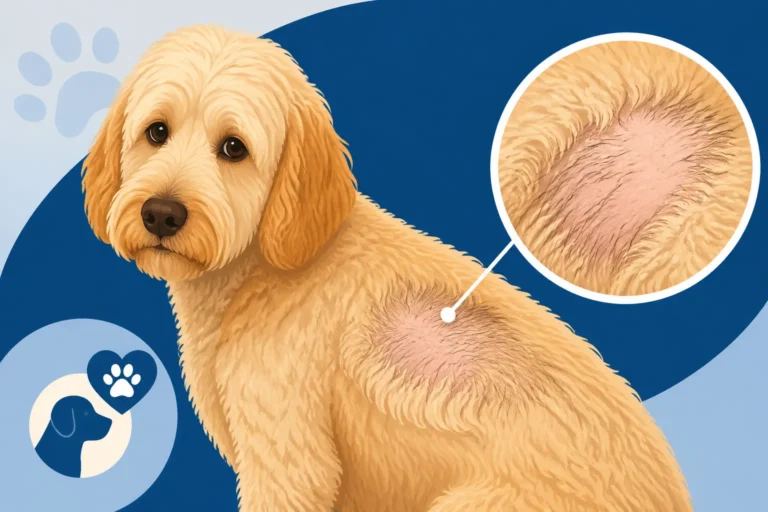
If you discover a mat, resist the urge to pull or cut it out with household scissors, which can be very dangerous. Instead, use a detangling spray generously on the mat, and then gently try to work it apart with your fingers or the wide teeth of a metal comb. Start from the ends of the hair and gradually work your way towards the skin, holding the base of the mat to minimize pulling on your dog's skin. A special mat splitter or dematting rake can also be useful, but again, use them carefully to avoid causing pain or skin irritation. If the mat is large, close to the skin, or your dog is sensitive, it's always best to take them to a professional groomer. They have specialized tools and techniques to remove mats safely, even if it means sacrificing some length in that area.
Keeping the Face Clean and Tangle-Free
That sweet, expressive Goldendoodle face, so central to the Teddy Bear Cut, also poses a daily challenge for cleanliness. The longer hair around the muzzle and eyes can quickly become stained, crusty, or matted with food, drool, or eye discharge.
To combat this, make cleaning your Goldendoodle's face a regular part of your routine. After every meal, gently wipe their beard and muzzle with a damp cloth to remove any food residue. For tear stains around the eyes, use a veterinarian-approved tear stain remover or just a clean, damp cloth daily. Keeping the hair around the eyes trimmed short enough to prevent it from rubbing against the cornea or getting matted is also crucial for eye health and comfort. You can carefully trim these tiny bits of hair with blunt-nosed scissors, pointing them away from the eye, or ask your groomer to do a "face trim" between full appointments. Using a raised food bowl can also help keep their beard cleaner during meals, preventing it from dragging in their food or water.
When to Adjust the Length for Health and Comfort
Sometimes, despite our best efforts, the ideal Teddy Bear Cut length just isn't working for our Goldendoodle or our lifestyle. It's important to be realistic and prioritize your dog's health and comfort over a specific aesthetic.
If your Goldendoodle is frequently getting matted, despite regular brushing, it might be a sign that the coat is simply too long for your dog's activity level or your grooming capacity. This is especially true for very active dogs who spend a lot of time outdoors, swimming, or rolling in dirt. For these dogs, a slightly shorter version of the Teddy Bear Cut—perhaps down to 1 inch instead of 2 inches on the body—might be a more practical and comfortable solution. During hot summer months, some owners opt for a slightly shorter cut to help their Goldendoodle stay cooler, though a thick, healthy coat also provides insulation against the sun. Similarly, if your Goldendoodle is sensitive to brushing or develops skin irritation due to persistent matting, a shorter, easier-to-maintain style will be much kinder to them. Don't be afraid to discuss these options with your groomer; they can help you find a happy medium that keeps your Goldendoodle both adorable and comfortable. Consider a trim to Blade Lengths for a Goldendoodle Haircut if matting becomes an issue.
Disclaimer
This article is for general informational purposes only and does not constitute professional advice. Laws, prices and regulations vary by location and change over time. Consult a qualified professional for guidance on your specific situation.