Health Testing Both Goldendoodle Parents Should Have
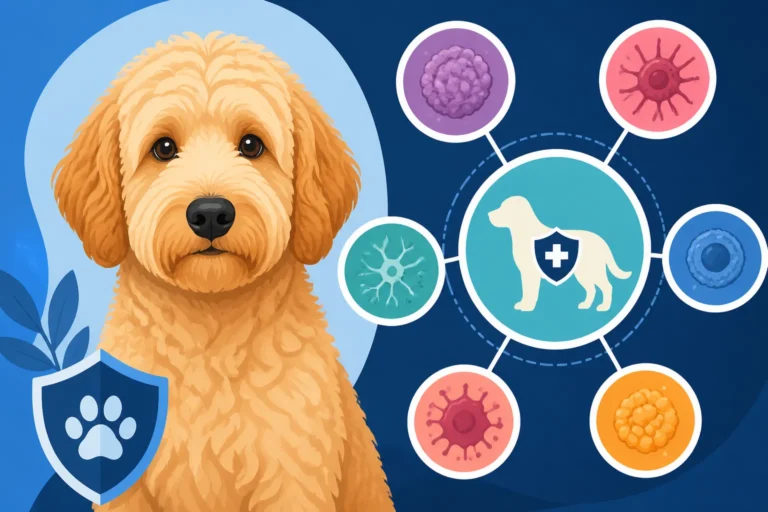
Bringing a Goldendoodle into your home is an exciting time, filled with dreams of fluffy cuddles and playful antics. But for many prospective owners, the joy is often shadowed by a nagging worry: how do you ensure you’re bringing home a truly healthy puppy? The truth is, without proper health testing of both parent dogs, you're essentially rolling the dice, and that can lead to heartbreaking and expensive health issues down the line. This guide will walk you through exactly what health tests Goldendoodle parents should undergo, why each one matters, and how to understand the results so you can make an informed decision and protect your future furry family member.
Why Health Testing is Non-Negotiable for Goldendoodle Parents
It’s easy to get swept up in the adorable pictures and charming personalities of Goldendoodle puppies, especially when you hear terms like "hybrid vigor" thrown around. Many assume that because a Goldendoodle is a crossbreed, it's inherently healthier than a purebred dog. I've heard this claim countless times from eager new puppy parents, and I wish it were always true. The reality, however, is far more nuanced. While a cross can sometimes reduce the risk of certain recessive genetic diseases if the parent breeds don't share those genes, it absolutely does not guarantee health, nor does it make health testing less important. In fact, in some ways, it makes it more critical.
Without a recognized breed club or formal registry overseeing Goldendoodles, there's no standardized health scheme that breeders are required to follow. This means the responsibility falls squarely on the individual breeder – and ultimately, on you, the buyer – to ensure due diligence. A reputable breeder understands that the health of their puppies directly reflects the health of their breeding stock. They invest in extensive testing not because they have to, but because they are committed to reducing the likelihood of passing on preventable genetic conditions to their puppies. To truly understand why testing matters, we need to look at what a Goldendoodle inherits from each parent breed, the Golden Retriever and the Poodle, and the specific predispositions each brings to the table. This is where the real work of finding a healthy puppy begins, and it's why you can't rely on the "hybrid" label alone.
The Illusion of "Hybrid Vigor" and Goldendoodle Health
The concept of "hybrid vigor" or heterosis, suggests that crossbred individuals are often healthier and more robust than their purebred parents due to increased genetic diversity. And yes, in some cases, it can offer a slight edge. For instance, if one parent carries a recessive gene for a disease and the other doesn't, the offspring will likely only be a carrier and won't develop the disease. This is where the notion that a Goldendoodle is somehow "healthier" than a purebred originates. However, this advantage is often misunderstood and, frankly, overstated, especially as Goldendoodle generations move beyond the initial F1 cross. The Goldendoodle Hybrid Vigor Claim and Where It Breaks outlines this in more detail.
The problem arises when both parent breeds share a common genetic predisposition, or when breeders are not rigorously screening for genetic conditions. Both Golden Retrievers and Poodles, for example, can be prone to hip dysplasia. If both parent dogs carry the genes for this condition, or if they both have structural issues, then crossing them doesn't magically make the puppies immune. Instead, you've simply doubled the potential for inherited problems. Furthermore, "hybrid vigor" doesn't protect against structural issues or multifactorial diseases that involve both genetics and environmental factors. It's a selective benefit, not a blanket health guarantee. A conscientious breeder understands these limitations and uses health testing to actively select against known risks, rather than passively hoping for "vigor."
Understanding the Lack of a Goldendoodle Breed Club
Unlike purebred Golden Retrievers, which are overseen by the Golden Retriever Club of America (GRCA), or Standard Poodles, managed by the Poodle Club of America (PCA), Goldendoodles do not have a recognized breed club or registry by organizations like the American Kennel Club (AKC). This is a critical point that often catches new owners off guard. While there are "designer dog" registries and organizations like GANA (Goldendoodle Association of North America), these operate differently from traditional kennel clubs. They can set standards for breeders, offer registration services, and even promote ethical breeding practices, but they lack the historical depth, established health protocols, and judicial power of the AKC or equivalent national kennel clubs.
The absence of a unified, universally accepted breed club means there's no single, mandatory set of health clearances that all Goldendoodle breeders must adhere to to register their puppies. This creates a wild west scenario where quality can vary dramatically. Some breeders are incredibly diligent, exceeding even purebred standards, while others do the bare minimum, or even nothing at all. This lack of centralized oversight is precisely why buyers must be hyper-vigilant and educate themselves on what constitutes responsible health testing. It's about empowering yourself to demand transparency and proof from any breeder you consider, because unfortunately, there's no overarching body doing it for you. We often delve into Why a Goldendoodle Has No Breed Club Health Scheme as a standalone topic because it's such a fundamental difference.
Orthopedic Health Screenings: A Foundation for Goldendoodle Longevity
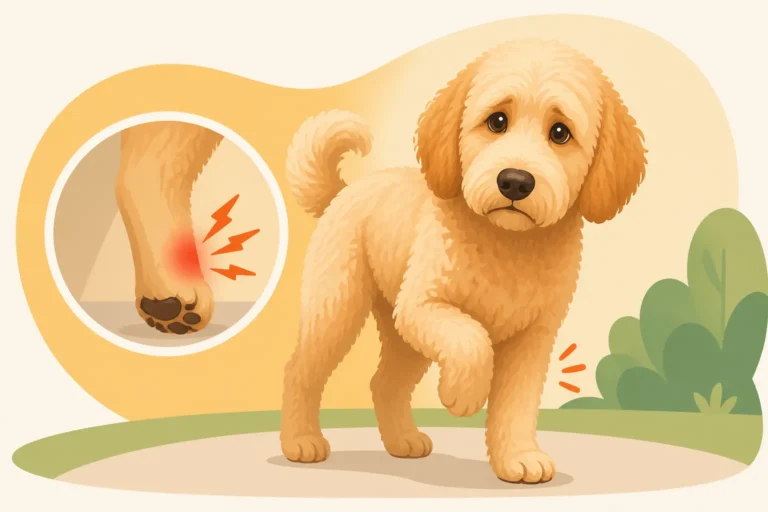
Orthopedic issues are a significant concern for Goldendoodles, stemming directly from their parent breeds. Both Golden Retrievers and Standard Poodles (and their smaller counterparts) can be prone to joint problems. These aren't just minor inconveniences; they can lead to chronic pain, expensive surgeries, and a reduced quality of life for your dog. Imagine the heartache of seeing your playful pup struggle to get up or limp after a walk, all because preventable issues weren't screened for. This is why orthopedic screenings are at the absolute top of the list for both Goldendoodle parents. The Orthopedic Foundation for Animals (OFA) is the primary organization providing these certifications in the United States, offering evaluations for hips, elbows, and patellas, among other things.
When a breeder tells you their dogs are "OFA certified," it means the parent dogs have undergone specific radiographic evaluations reviewed by a panel of veterinary radiologists. The results are then assigned a rating. It's not enough to simply say "OFA certified"; you need to know what the ratings are and that they are publicly verifiable on the OFA website. A responsible breeder will provide you with the OFA registration numbers for both the sire and dam (the father and mother of the litter), allowing you to look up their results yourself. This transparency is key to building trust and ensuring you're making a sound investment in your puppy's future health.
Hip Dysplasia Evaluations
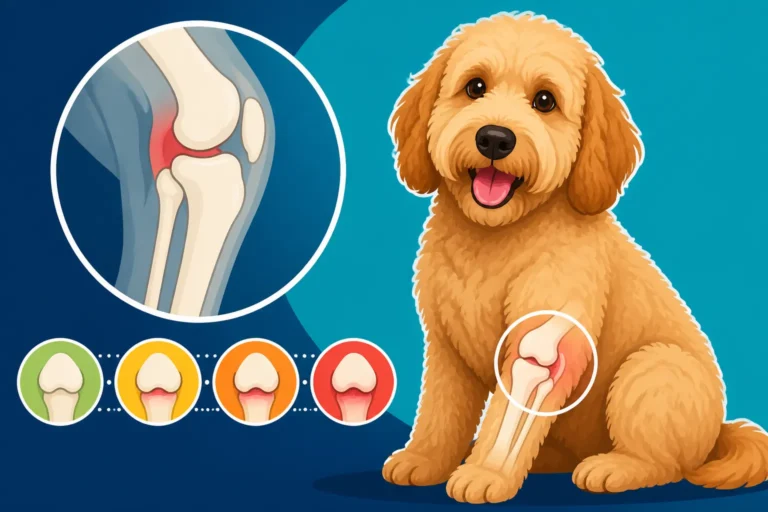
Hip dysplasia is a malformation of the hip joint where the ball and socket don't fit together properly, leading to grinding, pain, and eventually arthritis. It's a common inherited condition in larger breeds like Golden Retrievers, with a notable percentage of them affected. Even Poodles, particularly Standard Poodles, can carry genes for hip dysplasia, though at a lower rate than Goldens. This makes Goldendoodle Hip Dysplasia at 15 to 20 Percent a serious consideration for any prospective owner. The OFA provides ratings for hip joints ranging from Excellent, Good, Fair (all considered passing for breeding), to Borderline, Mild, Moderate, or Severe dysplasia (all failing).
A breeder committed to producing healthy puppies will only breed dogs with OFA ratings of Fair, Good, or Excellent. Anything less, and they are knowingly risking passing on this debilitating condition. It's crucial to understand that hip dysplasia is complex; it's not solely genetic but also influenced by factors like diet, exercise, and growth rate in puppies. However, genetics play a huge role, and choosing parents with excellent hip scores is the best way to reduce your puppy's risk. When reviewing a parent's OFA record, you'll want to see evidence that their hips were evaluated after they reached 24 months of age, as this is when the hip joints are fully formed and results are considered final. Look for clear documentation, not just a verbal assurance.
Elbow Dysplasia Screenings
Elbow dysplasia is another painful and common inherited condition affecting large and giant breed dogs, including both Golden Retrievers and Standard Poodles. This condition encompasses several developmental abnormalities of the elbow joint, leading to lameness, pain, and degenerative joint disease. Unlike hips, where there are passing grades, for elbows, there are only two outcomes from the OFA: normal or dysplastic. A dog is either certified clear of elbow dysplasia, or it has one of three grades of dysplasia (Grade I, II, or III), with Grade III being the most severe.
Just like with hips, both Goldendoodle parents should have passed their elbow clearances with "normal" ratings from the OFA. Again, these evaluations should ideally be performed after the dog reaches 24 months of age for final certification. The fact that Goldendoodle Elbow Dysplasia From Both Parent Breeds is a possibility underscores the need for thorough testing on both sides of the family tree. A responsible breeder will never breed a dog with any grade of elbow dysplasia, as it's a condition that causes significant suffering and greatly impacts a dog's mobility and quality of life. Always ask to see the official OFA certificates for elbow clearance.
Patellar Luxation Examinations
Patellar luxation, commonly known as "slipped kneecaps," is a condition where the patella (kneecap) moves out of its normal groove. While more prevalent in smaller breeds, both Standard Poodles and Golden Retrievers can also be affected, making it relevant for all Goldendoodle sizes, especially Mini and Toy Goldendoodles. Patellar luxation can range from mild (Grade 1) with occasional slipping that might not cause discomfort, to severe (Grade 4) where the kneecap is permanently dislocated, causing significant lameness and pain. This is why Patellar Luxation in a Mini Goldendoodle is a common concern.
The OFA offers patellar evaluations, and breeders should have their dogs screened. The examination is typically a hands-on physical exam performed by a veterinarian, not usually a radiograph. For breeding purposes, a Goldendoodle parent should receive a "normal" certification, indicating no evidence of patellar luxation. While the condition can be caused by trauma, it often has a strong genetic component, especially when it occurs bilaterally (in both knees). Ensuring both parents have clear patellar certifications helps reduce the risk for puppies, potentially saving future owners from costly surgeries and their dog from chronic discomfort.
Cardiac Health Clearances
Heart conditions can also affect Goldendoodles, as both Golden Retrievers and Poodles have some predispositions. Golden Retrievers can be prone to subvalvular aortic stenosis (SAS), a congenital heart defect, while Poodles can have issues like dilated cardiomyopathy or other murmurs. A breeder should have both parent dogs undergo a thorough cardiac examination by a board-certified veterinary cardiologist.
The OFA also registers these cardiac clearances. The examination usually involves an auscultation (listening to the heart with a stethoscope) to check for murmurs, and ideally, an echocardiogram for more definitive screening, especially for SAS in Golden Retrievers. A "normal" cardiac clearance from a cardiologist indicates that the dog does not show signs of significant congenital heart disease. While not all heart conditions are inherited in a straightforward manner, screening helps identify potential issues that could be passed down, reducing the risk of your Goldendoodle puppy developing a serious heart problem early in life.
Ocular Health: Protecting Your Goldendoodle's Vision
Eye health is another critical area for Goldendoodle parents, as several inherited eye conditions can lead to vision impairment or blindness. Both Golden Retrievers and Poodles carry specific ocular disease risks that can be passed on to their Goldendoodle offspring. The last thing any owner wants is to watch their beloved dog slowly lose its sight, especially when preventative testing could have identified the risk. This is why comprehensive eye examinations are absolutely essential for any breeding Goldendoodle.
The primary organization for these certifications is the Orthopedic Foundation for Animals (OFA), which registers eye examinations performed by board-certified veterinary ophthalmologists. These exams were previously known as CERF (Canine Eye Registration Foundation) exams. The ophthalmologist performs a thorough examination of the eyes to detect any signs of inherited eye diseases. These certifications need to be renewed annually because some conditions can develop later in life. Therefore, when checking a breeder's documentation, ensure that the eye clearances are current and up-to-date.
Progressive Retinal Atrophy PRA
Progressive Retinal Atrophy (PRA) is a group of degenerative eye diseases that affect the retina, eventually leading to blindness. Several forms of PRA exist, and heartbreakingly, they are carried by both Golden Retrievers and Poodles. This means that a Goldendoodle can inherit PRA from either parent breed, and if both parents are carriers of the same type of PRA, their puppies have a 25% chance of being affected. Progressive Retinal Atrophy Carried by Both Goldendoodle Lines is a very real threat. Signs often begin with night blindness and progress to complete blindness over months or years.
Fortunately, there are DNA tests available for several forms of PRA, such as prcd-PRA, GR-PRA1, and GR-PRA2. A responsible breeder will have both parents DNA tested for these specific types of PRA prevalent in their respective breeds. The results will typically show "Clear," "Carrier," or "Affected." A "Clear" dog does not carry the gene. A "Carrier" dog has one copy of the gene but will not develop the disease itself. An "Affected" dog has two copies of the gene and will develop the disease. A responsible breeder will only breed a "Carrier" to a "Clear" dog to ensure no "Affected" puppies are produced. They will never breed an "Affected" dog.
Congenital Cataracts and Other Eye Conditions
While PRA is a significant concern, it's not the only inherited eye condition. Cataracts, which are opacities of the lens of the eye, can also be inherited and lead to vision impairment. While some cataracts develop with age, congenital or juvenile cataracts can appear early in life and are often genetic. Persistent Pupillary Membranes (PPM) and Retinal Dysplasia are other conditions that can be identified during an eye examination.
The annual OFA eye exam (formerly CERF) by a board-certified veterinary ophthalmologist is designed to detect these and many other eye conditions. It's a comprehensive look at all parts of the eye. Because some conditions can manifest later, regular re-certification is crucial for breeding dogs. Always ask to see not just the current year's eye certificate, but also past certifications to ensure a consistent history of clear eye health for the breeding pair. This vigilance is a cornerstone of responsible breeding, offering peace of mind that your future Goldendoodle puppy will likely enjoy clear vision for a long, happy life.
Genetic DNA Panel Testing: Looking Beyond Structure and Sight
Beyond the structural and ocular certifications, modern veterinary medicine offers powerful DNA tests that can screen for a multitude of inherited diseases at the genetic level. This is where the true detective work begins for a Goldendoodle breeder, delving into the specific genetic blueprints of the Golden Retriever and Poodle parent lines. Many of these conditions might not show up on a physical exam or X-ray, making DNA testing the only way to identify carriers or affected dogs before they are bred.
A comprehensive DNA panel is incredibly important because it allows breeders to make informed breeding decisions, preventing the heartbreaking possibility of producing puppies affected by serious, often life-limiting, genetic diseases. These tests can identify whether a dog is "Clear" (meaning they don't carry the gene), a "Carrier" (meaning they carry one copy of the gene but won't typically develop the disease themselves, though they can pass it on), or "Affected" (meaning they have two copies of the gene and will develop the disease). Responsible breeders will never breed two carriers of the same gene, nor will they breed an affected dog. They will thoughtfully pair a carrier with a clear dog to ensure no affected puppies are born. The DNA Panel a Goldendoodle Breeder Should Run is an excellent resource for deeper exploration into this topic.
Von Willebrand's Disease (vWD)
Von Willebrand's Disease (vWD) is a common inherited bleeding disorder in dogs, similar to hemophilia in humans. It affects the blood's ability to clot properly, leading to excessive bleeding after injury, surgery, or even routine procedures like nail trims. Both Golden Retrievers and Poodles, particularly Standard Poodles, can be affected by vWD, specifically Type I. This means it's a condition that can be inherited by Goldendoodles from either side of their family tree.
Thankfully, a DNA test is readily available to screen for vWD Type I. Breeders should test both the Poodle and Golden Retriever parents. Knowing the vWD status (Clear, Carrier, or Affected) of both parents allows breeders to make educated decisions to prevent affected puppies. An affected puppy could face life-threatening bleeding episodes throughout its life, requiring careful management and potentially expensive veterinary care. This simple DNA test is a powerful tool to prevent such suffering.
Degenerative Myelopathy (DM)
Degenerative Myelopathy (DM) is a progressive neurological disease that affects the spinal cord, leading to weakness, loss of coordination, and eventually paralysis, typically in the hind limbs. It's a devastating disease that progresses relentlessly, usually appearing in older dogs, often mistaken for arthritis at first. Golden Retrievers can carry the gene for DM.
While DM is primarily associated with breeds like German Shepherds, the gene has been found in Golden Retrievers, making it a relevant test for Goldendoodle parentage. A DNA test can identify if a dog is Clear, Carrier, or Affected for DM. As with other recessive genetic conditions, a responsible breeder will ensure that if one parent is a carrier, the other parent is clear, guaranteeing that no puppies in the litter will be affected by DM. This foresight can prevent immense heartache for owners down the road.
Ichthyosis (ICT)
Ichthyosis (ICT) is a skin condition that affects Golden Retrievers, characterized by dry, flaky, and sometimes greasy skin. While not life-threatening, it can cause chronic discomfort and require ongoing dermatological care, which can be expensive and frustrating to manage. The skin becomes thickened and scaly, often resembling fish scales (hence the name "ichthyosis").
This condition is inherited in an autosomal recessive manner, meaning a dog must inherit two copies of the mutated gene to be affected. A DNA test is available for ICT, which Goldendoodle breeders should utilize for their Golden Retriever breeding stock. By testing both parents, breeders can ensure that no affected puppies are produced. If the Golden Retriever parent is a carrier, the Poodle parent should ideally be tested as well, even though it's not typically a Poodle condition, just to be absolutely certain of genetic compatibility and to avoid potential issues.
Neonatal Encephalopathy with Seizures (NEWS) and Other Poodle-Specific Tests
Poodles, especially Standard Poodles, carry their own set of genetic predispositions. One such condition is Neonatal Encephalopathy with Seizures (NEWS), a severe neurological disorder that affects puppies, leading to seizures, lack of coordination, and often death within the first few weeks of life. This is a truly heartbreaking condition for both puppies and breeders.
Fortunately, there's a DNA test for NEWS. Any Poodle used for breeding Goldendoodles should be tested. Other Poodle-specific conditions that reputable breeders will screen for via DNA include:
- Osteochondrodysplasia (OCD): A skeletal disorder affecting cartilage and bone development.
- GM2 Gangliosidosis: A lysosomal storage disease affecting the nervous system.
- Dilated Cardiomyopathy (DCM): A heart condition, though more complex and often screened via cardiac exams as well.
These specific Poodle tests are crucial because they target conditions that might not be found in Golden Retrievers, but can still be passed to Goldendoodle puppies if the Poodle parent carries the gene. Addison's Disease a Goldendoodle Gets From the Poodle is another important consideration, though it's not currently identifiable via a single DNA test and requires careful pedigree research and monitoring. A comprehensive DNA panel, often run through services like Embark or Paw Print Genetics, provides an invaluable overview of a dog's genetic health.
Endocrine and Other Health Concerns: Broader Considerations
While orthopedic, ocular, and specific genetic DNA tests cover many of the most prevalent inherited conditions, responsible Goldendoodle breeding also involves a broader awareness of other health concerns that may not always have a direct DNA test or OFA certification. These often involve endocrine (hormonal) issues or complex multifactorial diseases where genetics play a role, but environmental factors are also significant. A breeder's knowledge of their lines, careful observation of their dogs, and regular veterinary check-ups are paramount in these areas.
Understanding these broader health considerations means looking beyond just the immediate puppy and considering the long-term health and Goldendoodle Lifespan and What a Cross Really Buys You. It’s about building a picture of health that includes both parents and their ancestry. This is where pedigree research, breeder experience, and a willingness to be transparent about past health issues in a line become incredibly valuable.
Thyroid Disease
Hypothyroidism, an underactive thyroid gland, is a relatively common endocrine disorder in both Golden Retrievers and Poodles, making it a relevant concern for Goldendoodles. It can manifest in a variety of ways, including weight gain, lethargy, hair loss (often a dull, dry, or thinning coat), and skin issues. While not typically life-threatening, it requires lifelong medication to manage.
There isn't a single "thyroid test" that breeders obtain from OFA in the same way they do for hips or elbows, but OFA does offer a thyroid registry for breeding dogs. Breeders should have their breeding stock tested for thyroid function regularly, often annually, as part of their routine veterinary care. Abnormal results, particularly those indicating autoimmune thyroiditis, should prompt careful consideration before breeding. While not a black-and-white "pass/fail" like a DNA test, consistent monitoring and avoiding breeding dogs with confirmed autoimmune thyroid disease in their lines can help reduce the prevalence of this condition in Goldendoodle puppies. Thyroid Disease and a Goldendoodle Losing Coat is often a common issue for owners.
Cancer Risk
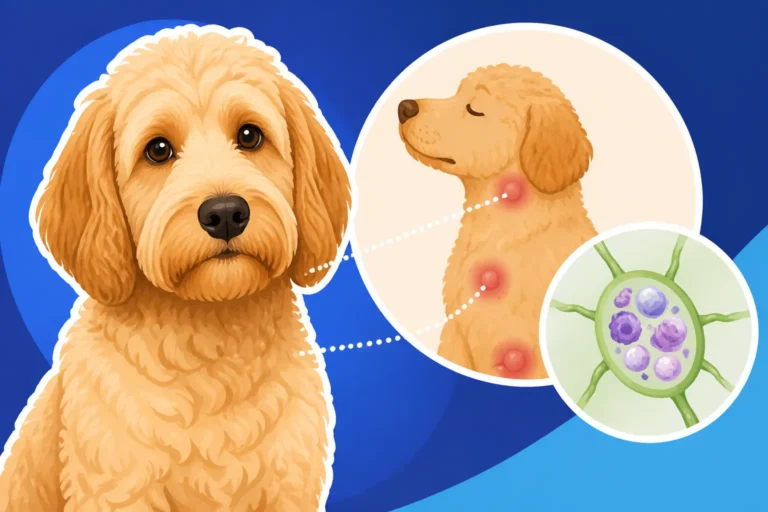
Sadly, cancer is a significant concern for Golden Retrievers, with a higher incidence of certain types of cancer compared to many other breeds. Lymphoma, hemangiosarcoma, and mast cell tumors are particularly prevalent in Golden Retrievers. While Poodles are generally a healthier breed regarding cancer risk, they are not immune. Therefore, the Cancer Risk a Goldendoodle Carries From the Golden Side is a very real factor.
While there are no direct "cancer DNA tests" in the same way as for vWD or PRA, a responsible breeder will be keenly aware of the cancer history in their breeding lines. They will openly discuss the longevity of their dogs' ancestors and the causes of death for older dogs in the pedigree. It's a difficult conversation, but an honest breeder won't shy away from it. While you can't guarantee a dog will never get cancer, selecting breeding stock from lines with a history of good longevity and fewer early-onset cancers is a critical aspect of ethical breeding. This demonstrates a long-term commitment to improving the health of the breed, not just avoiding immediate problems.
Asking the Right Questions and Interpreting Health Certifications
As a prospective Goldendoodle owner, your role is not just to passively accept information, but to actively seek out and verify the health testing performed on the parents of your potential puppy. This process can feel daunting, especially if you're new to the world of dog breeding, but it's an empowering step that protects both you and your future dog. Don't be afraid to ask direct questions and to request specific documentation. A reputable breeder will welcome your questions and be eager to share their health clearances.
Remember, seeing is believing. Verbal assurances are not enough. You need to see the actual certificates and be able to verify them. This due diligence is the best way to avoid falling victim to unethical breeders who cut corners, and it’s how you identify the truly dedicated individuals who are striving to produce healthy, well-adjusted Goldendoodle puppies. This level of transparency is exactly what makes a breeder trustworthy, especially when there's no official breed club overseeing things. The article OFA Clearances on a Goldendoodle Sire and Dam provides detailed guidance on this verification process.
Verifying OFA and DNA Results
When a breeder provides OFA certification numbers, go to the OFA website (offa.org) and search for the dog by its full registered name or OFA number. You should be able to see the public health records for that specific dog. Check for:
- Date of evaluation: Ensure hips and elbows were evaluated after 24 months of age for final certification. Eye exams should be current (within the last year).
- Results: Look for "Excellent," "Good," or "Fair" for hips; "Normal" for elbows and patellas; and "Normal" from a cardiologist for cardiac. Eye exams should show "Normal" and list no observed conditions.
- Identity: Make sure the name on the OFA certificate matches the registered name of the parent dog the breeder is telling you about.
For DNA tests, breeders should provide copies of the reports from reputable testing labs like Embark Veterinary, Paw Print Genetics, or Optimal Selection. These reports clearly state whether the dog is Clear, Carrier, or Affected for each genetic condition tested. Crucially, ask to see the results for both parents. If one parent is a carrier for a recessive disease, the other parent must be clear to ensure no affected puppies are produced. If the breeder can't provide verifiable results or becomes defensive, consider it a major red flag. There are also specific tests for Which DNA Tests Matter for a Goldendoodle Litter that you should familiarize yourself with.
| Health Test Category | Specific Tests | Recommended OFA/DNA Status for Breeding | Why It Matters for Goldendoodles |
|---|---|---|---|
| Orthopedic | Hip Dysplasia | OFA: Fair, Good, or Excellent | Common in both parent breeds; leads to arthritis and pain. |
| Elbow Dysplasia | OFA: Normal | Common in both parent breeds; leads to lameness and pain. | |
| Patellar Luxation | OFA: Normal | Important for all sizes, especially smaller Goldendoodles. | |
| Ocular | Eye Exam (OFA Eye) | Normal, Annually Certified | Screens for cataracts, retinal dysplasia, and other issues. |
| prcd-PRA DNA Test | Clear or Carrier (bred to Clear) | Common in both parent breeds; leads to blindness. | |
| GR-PRA1 & GR-PRA2 DNA Tests | Clear or Carrier (bred to Clear) | Specific to Golden Retrievers; leads to blindness. | |
| Genetic (DNA) | Von Willebrand's Disease (vWD Type I) | Clear or Carrier (bred to Clear) | Common bleeding disorder in Poodles and Goldens. |
| Degenerative Myelopathy (DM) | Clear or Carrier (bred to Clear) | Progressive neurological disease in older dogs. | |
| Ichthyosis (ICT) | Clear or Carrier (bred to Clear) | Skin condition common in Golden Retrievers. | |
| Neonatal Encephalopathy with Seizures (NEWS) | Clear or Carrier (bred to Clear) | Fatal neurological disorder in Poodles. | |
| Cardiac | Cardiac Exam by Cardiologist | Normal | Screens for congenital heart defects like SAS. |
| Endocrine | Thyroid Evaluation | Normal | Monitors for hypothyroidism, common in both breeds. |
The Value of a Health Guarantee
Many reputable Goldendoodle breeders will offer a health guarantee, often for one or two years, covering serious inherited conditions like hip or elbow dysplasia, or genetic diseases identified by DNA testing. This guarantee typically means that if your puppy develops one of these conditions within the specified timeframe, the breeder will offer a partial refund, a replacement puppy, or assistance with veterinary costs, depending on their specific contract.
A health guarantee is more than just financial protection; it’s a strong indicator of a breeder's confidence in their breeding program and their commitment to the health of their puppies. It shows they stand behind their dogs and the testing they've performed. However, always read the health guarantee thoroughly to understand its terms and limitations. Be wary of guarantees that are overly vague, require you to return the dog, or place unreasonable demands on the buyer. Even with the best health testing and a solid guarantee, owning a dog still comes with potential health costs. This is where considering pet insurance providers like Healthy Paws can be a smart move, as they can help cover unexpected veterinary bills, regardless of a dog's genetic background. While health testing significantly reduces risks, it doesn't eliminate them entirely, and a good insurance policy offers an extra layer of financial security.
Beyond the Certs: What Else to Look For in a Responsible Breeder
While health testing is foundational, it's just one piece of the puzzle when choosing a Goldendoodle breeder. A truly responsible breeder goes above and beyond the minimum requirements, demonstrating a holistic approach to breeding healthy, well-socialized puppies. They are passionate about their dogs and the Goldendoodle cross, not just in it for profit. You should be looking for a breeder who is as invested in the welfare of their puppies as you are, and who sees you as a partner in that puppy's long-term care.
This means considering the temperament of the parent dogs, the cleanliness and enrichment of the puppy's environment, and the breeder's dedication to proper socialization. A healthy puppy isn't just one free of genetic disease; it's also one that is confident, well-adjusted, and ready to thrive in its new home. Asking about the full spectrum of a breeder's practices will give you a much clearer picture of the quality of the puppies they produce.
Temperament and Socialization of Parent Dogs
The temperament of the parent dogs is arguably just as important as their physical health. Goldendoodles are known for their friendly, outgoing, and intelligent nature, traits inherited from the Golden Retriever and Poodle. You should have the opportunity to meet at least the mother (dam) of the puppies, and ideally the father (sire) as well, or at least see videos and detailed descriptions of his personality. Look for dogs that are calm, confident, friendly, and well-socialized. Any signs of shyness, aggression, or excessive nervousness in the parents should be a red flag.
A good breeder will also prioritize early socialization for their puppies. They'll expose puppies to a variety of sights, sounds, textures, and gentle human interactions from a very young age. This foundational work helps ensure the puppies develop into confident, resilient adult dogs. Ask about their socialization protocols and what experiences the puppies have had before coming home with you. This early exposure is critical for preventing behavioral issues down the line, regardless of how genetically healthy a puppy is.
Environment and Care of Breeding Dogs
Visit the breeder's facility if possible, or request detailed videos and photos. The breeding dogs should be kept in a clean, safe, and stimulating environment, not in isolated kennels. They should look healthy, well-groomed, and happy. Their living conditions should reflect the care and respect the breeder has for their animals.
Ask about their daily routine: how often the dogs are exercised, what their diet consists of, and how they interact with the family. A responsible breeder considers their breeding dogs cherished family members, not just production animals. They will also limit the number of litters a female dog has over her lifetime and ensure adequate breaks between litters. This commitment to the well-being of the adult dogs speaks volumes about their ethical standards. The decision to bring a Goldendoodle into your life is a big one, and selecting a breeder who prioritizes comprehensive health testing and responsible care is the best way to ensure a long, healthy, and happy journey together.
Disclaimer
Please note that this article provides general information and recommendations regarding Goldendoodle health testing. It is not a substitute for professional veterinary advice. Always consult with a qualified veterinarian for specific health concerns related to your dog. The mention of specific brands or organizations is for informational purposes and does not constitute an endorsement. Pet insurance, like that offered by Healthy Paws, can be a valuable tool to manage unexpected veterinary costs, but always research policies thoroughly to understand coverage and exclusions.