A Goldendoodle Limping on One Front Leg
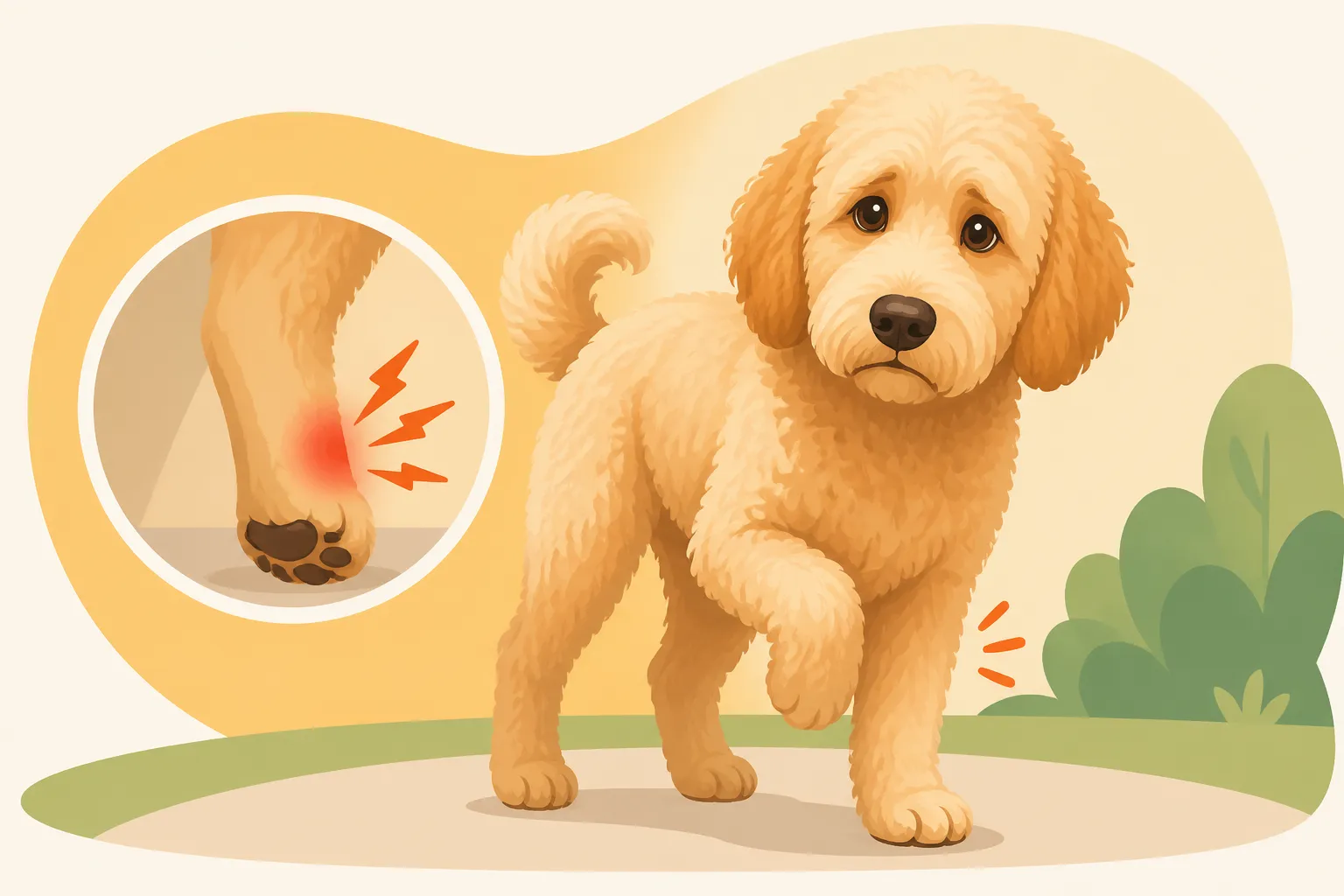
It's incredibly unsettling and frankly, heartbreaking, to watch your beloved Goldendoodle suddenly favoring a front leg or struggling to put weight down. Your heart sinks, imagining all the worst-case scenarios, and the immediate thought is always: "What did they do? Are they in pain?" This comprehensive guide will walk you through the common reasons why your Goldendoodle might be limping on one front leg, when you absolutely need to rush to the vet, and what you can expect in terms of diagnosis and recovery.
Immediate Steps When Your Goldendoodle Starts Limping
When you first notice your Goldendoodle limping, it's natural to panic, but staying calm is the best thing you can do for your furry friend. Your immediate actions can make a big difference in preventing further injury and helping your vet accurately diagnose the problem.
Observe and Assess the Situation Calmly
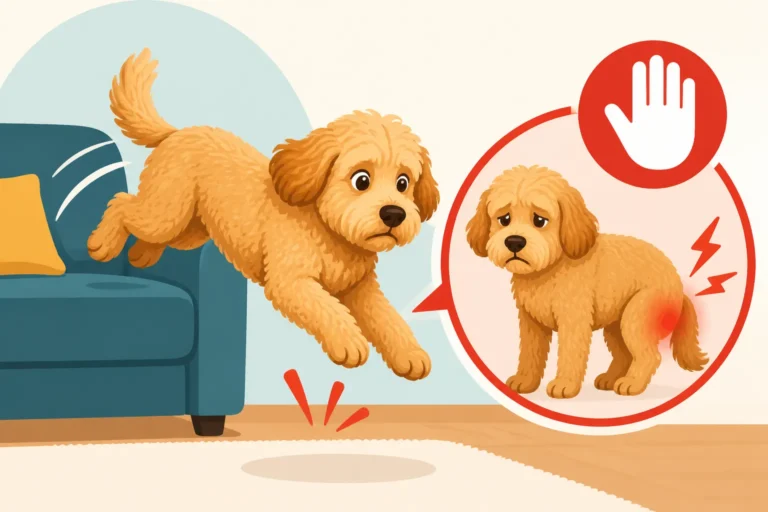
Before you even think about touching them, take a moment to simply observe your Goldendoodle. How are they holding the leg? Is it an occasional skip, or are they completely refusing to put weight on it? Did it happen suddenly after a specific activity, like jumping off the couch or a particularly enthusiastic game of fetch at the park? Or has it developed gradually over a few days? Noticing these details can provide invaluable clues for your veterinarian.
Once you’ve taken a moment to observe, gently approach your Goldendoodle. Start by visually inspecting the paw itself. Look between the paw pads for any foreign objects like thorns, burrs, small pieces of glass, or even a pebble stuck uncomfortably. Check for cuts, abrasions, or any signs of irritation or redness. Don't forget to examine each nail carefully; a broken or torn nail can be incredibly painful. Sometimes, it’s something as simple as a piece of ice wedged between their toes in winter, or a burr from a summer hike that's causing the discomfort. If you find something obvious and can safely remove it without causing more pain or stress, do so. But if your dog is showing signs of intense pain or aggression, or if you can't see an obvious cause, it's best to stop and proceed with caution.
Next, if your dog allows, gently feel their leg from the paw up to the shoulder. Compare it to the other front leg. Are there any noticeable areas of swelling, heat, or tenderness when you lightly touch different parts of the leg? Feel the joints – the wrist, elbow, and shoulder – for any warmth or unusual bumps. Keep an eye on your Goldendoodle's reaction; a yelp, flinch, or pull-away indicates pain, and that's your cue to stop the examination. Remember, you're not trying to diagnose them yourself, but rather gather information that will be helpful for the vet.
Restricting Activity and Providing Comfort
The most crucial immediate step, once you've done your initial observation, is to restrict your Goldendoodle's activity. Even if the limp seems mild, continued movement can exacerbate an existing injury or cause further damage. This means no running, no jumping, and ideally, strict leash walks only for potty breaks. For some Goldendoodles, especially those with high energy, this can feel like an impossible task, but it’s absolutely essential.
Crate rest is often recommended if you have a crate-trained Goldendoodle. This provides a safe, confined space where they can't overexert themselves. If they're not crate trained, a small, secure room where they can't jump on furniture or run around wildly will suffice. Make sure they have a comfortable, soft bed to lie on, perhaps even an orthopedic one, especially if they are already prone to joint stiffness. Many Goldendoodles are "Velcro dogs" and thrive on being close to their people, so try to set up their resting area in a place where they still feel connected to the family, not isolated.
Keep an eye on their overall demeanor. Are they still eating and drinking normally? Are they lethargic or unusually quiet? Any changes in appetite, energy levels, or bathroom habits should be noted, as these can be additional indicators of pain or a more serious underlying issue. Offering a warm, cozy spot to rest can provide comfort, and sometimes even a gentle, calming presence can help them relax through the discomfort. Just remember, this isn't a long-term solution, but a vital first step while you determine the next course of action.
Common Causes of Front Leg Limping in Goldendoodles
Goldendoodles are typically active, playful dogs, but their enthusiasm can sometimes lead to injuries. Plus, like their parent breeds, they can be predisposed to certain orthopedic conditions. Understanding the most common culprits behind a front leg limp can help you communicate better with your vet.
Acute Injuries and Soft Tissue Damage
More often than not, a sudden limp is due to a simple acute injury or soft tissue damage from everyday mishaps. These are usually the easiest to identify and often have the quickest recovery times.
- Paw Injuries: This is probably the most common cause. Think about what your Goldendoodle walks on every day. A sharp stone, a splinter, a thorn from a rose bush, or even stepping on a bee or wasp can cause immediate pain and a distinct limp. Cuts or abrasions on the paw pads can also be very painful, especially if they get infected. During winter, prolonged exposure to ice, rock salt, or chemical deicers can irritate or burn their sensitive paw pads. Always check their paws thoroughly after walks, especially if you live in an urban environment or hike in wooded areas. A broken or cracked nail, or one that's been torn back, is also excruciating and will often lead to holding the paw up completely.
- Muscle Strains and Sprains: Goldendoodles love to run, jump, and play with boundless energy. This means they are susceptible to pulling a muscle, spraining a ligament, or straining a tendon in their shoulder, elbow, or wrist. A sudden twist during a chase, landing awkwardly after a jump, or overexerting themselves during a long play session can all result in these types of injuries. You might notice a sudden onset of limping, often worse after rest and improving slightly with movement, though not fully resolving. The degree of lameness can vary from mild to severe, depending on the extent of the strain or sprain. These injuries are common across all sizes and ages but can be particularly prevalent in younger, more boisterous Goldendoodles.
Joint-Related Conditions and Developmental Issues
Beyond simple injuries, Goldendoodles, inheriting genes from both Golden Retrievers and Poodles, can be prone to certain joint conditions that manifest as front leg limping. These often require more detailed diagnosis and long-term management. To delve deeper into how these issues might affect your dog, consider learning more about Goldendoodle Joint Health by Size Category.
- Elbow Dysplasia: This is a particularly prevalent concern for larger Goldendoodles and their parent breeds. Goldendoodle Elbow Dysplasia From Both Parent Breeds explains that it’s a complex condition involving abnormal development of the elbow joint, leading to instability, pain, and eventually arthritis. It’s typically hereditary and can appear as early as 5-18 months of age, though symptoms can also surface later. Common signs include lameness that worsens after exercise, stiffness after rest, reluctance to play, and sometimes a visible outward turning of the paw. It can affect one or both elbows, and dogs might try to compensate by shifting weight, leading to limping on one side initially.
- Osteochondritis Dissecans (OCD): Another developmental orthopedic disease, OCD occurs when cartilage in a joint fails to mature properly, leading to a flap of cartilage that can detach and cause pain, inflammation, and limping. The shoulder joint is a common site for OCD in Goldendoodles, but it can also occur in the elbow. Like elbow dysplasia, it typically affects rapidly growing puppies between 6 and 12 months of age. You might notice a persistent lameness, swelling in the affected joint, and pain when the joint is flexed or extended.
- Panosteitis ("Growing Pains"): This condition is often seen in large breed puppies and young dogs, typically between 6 and 18 months old. It causes inflammation of the long bones (like those in the front legs) and can result in what's often described as "shifting leg lameness," where the limp might move from one leg to another, or even disappear and reappear. While it can be painful, panosteitis usually resolves on its own as the dog matures.
- Arthritis: While often associated with older dogs, Goldendoodle Arthritis After the Age of Eight can occur at any age as a result of previous injuries, chronic joint stress, or developmental conditions like elbow dysplasia. In older Goldendoodles, it’s a common cause of chronic, progressive lameness. The limp might be worse in the morning, after naps, or in cold, damp weather. They might be slower to get up, less enthusiastic about walks, or show general stiffness. Managing a Goldendoodle’s weight is crucial in preventing and easing the burden on arthritic joints, as discussed in Goldendoodle Weight and the Load on Its Joints.
Other Less Common But Serious Causes
While less frequent, some causes of front leg limping are more severe and require immediate veterinary attention.
- Bone Fractures: A broken bone can result from a traumatic event, like being hit by a car, falling from a height, or a hard impact during play. The limp will be severe, often with the dog unable to bear any weight on the leg, and there might be obvious swelling, deformity, or intense pain. This is an emergency situation.
- Neurological Issues: Sometimes, a limp isn't about the leg itself but a problem with the nerves that control it. A pinched nerve in the neck or upper spine can cause pain that radiates down the front leg, leading to lameness. You might notice your Goldendoodle holding their neck stiffly or crying out when their neck is touched.
- Tick-Borne Diseases: Conditions like Lyme disease, transmitted by ticks, can cause lameness in dogs. While it often presents as a "shifting leg lameness" that can affect any leg, it's worth considering, especially if your Goldendoodle spends time in wooded or grassy areas where ticks are prevalent. Other symptoms might include fever, lethargy, and swollen lymph nodes.
- Cancer: Unfortunately, certain types of cancer can manifest as lameness. Osteosarcoma, an aggressive bone cancer, is more common in larger breeds, including Golden Retrievers and, by extension, Goldendoodles. It typically affects the long bones of the limbs and presents as persistent, often progressively worsening, lameness, sometimes accompanied by swelling at the tumor site. This is a serious condition that requires urgent diagnosis. You can learn more about The Cancer Types a Goldendoodle Can Inherit to understand specific risks.
When to Seek Veterinary Care and What to Expect
It’s always better to err on the side of caution when it comes to your Goldendoodle’s health. While some minor limps might resolve with rest, knowing when to call the vet is critical.
Signs That Warrant an Immediate Vet Visit
While a slight, momentary limp might not always signal an emergency, certain signs demand immediate veterinary attention. Don't wait to see if it improves if you observe any of the following:
- Inability to Bear Weight: If your Goldendoodle cannot put any weight on the affected front leg, or is holding it up completely, it's a clear sign of significant pain or injury, potentially a fracture, severe sprain, or dislocation. This warrants an emergency visit.
- Severe Pain: Any vocalization of pain (yelping, whimpering), aggressive snapping when the leg is touched, excessive licking of the area, or panting and restlessness despite attempts to rest suggests intense discomfort.
- Obvious Deformity or Swelling: If the leg looks bent at an unnatural angle, or if there's significant, rapid swelling, heat, or bruising, especially around a joint or bone, it could indicate a fracture, severe soft tissue injury, or even an aggressive infection.
- Limping Lasting More Than 24 Hours or Worsening: A mild limp that doesn't improve after a day of strict rest, or one that gets progressively worse, needs professional evaluation. Don't assume it will just "go away."
- Accompanying Symptoms: If the limping is coupled with other concerning signs like fever, lethargy, loss of appetite, vomiting, diarrhea, or difficulty breathing, it suggests a systemic issue or a more serious underlying problem.
- Known Trauma: If you witnessed your Goldendoodle suffer a fall, get hit by a car, or have any other significant accident, even if the limping seems mild at first, a vet check is crucial to rule out internal injuries or fractures that might not be immediately visible.
Remember that Goldendoodle Surgery and Emergency Vet Costs can be substantial, so having pet insurance like Healthy Paws can provide immense peace of mind during these stressful times, allowing you to focus on your dog's care without financial worry.
The Diagnostic Process
When you arrive at the vet with a limping Goldendoodle, the diagnostic process will typically involve several steps to pinpoint the cause:
- Detailed History: Your vet will ask you a lot of questions about when the limping started, how it developed, any known incidents, your Goldendoodle's activity levels, and any other symptoms you’ve observed. This is why your initial observations are so important!
- Physical Examination: The vet will perform a thorough physical exam, paying special attention to the affected leg. This includes:
- Observation: Watching your Goldendoodle walk (or attempt to walk) to assess the gait and severity of the limp.
- Palpation: Gently feeling the muscles, bones, and joints of the leg, comparing it to the opposite leg, to identify areas of pain, swelling, heat, or muscle atrophy.
- Range of Motion: Carefully flexing and extending the joints (shoulder, elbow, wrist, toes) to check for pain, stiffness, or instability.
- Orthopedic Tests: The vet might perform specific orthopedic manipulations to check for ligament integrity, joint stability, and nerve function.
- Imaging:
- X-rays (Radiographs): These are often the first line of diagnostic imaging. They can reveal fractures, dislocations, signs of arthritis, bone tumors, and some developmental conditions like elbow dysplasia. Your Goldendoodle might need to be sedated to get clear, pain-free images, especially if they are in a lot of pain.
- Advanced Imaging: In cases where X-rays are inconclusive, or if soft tissue damage (like ligaments or tendons) or neurological issues are suspected, your vet might recommend more advanced imaging techniques such as an MRI (Magnetic Resonance Imaging) or CT (Computed Tomography) scan. These provide much more detailed images of soft tissues, nerves, and complex joint structures.
- Blood Tests: Blood work may be conducted to check for signs of inflammation, infection, or to screen for tick-borne diseases. In older dogs, a senior blood panel can provide an overall health picture and rule out other underlying conditions.
- Joint Fluid Analysis: In some cases, if infection or specific inflammatory conditions within the joint are suspected, a sample of joint fluid may be drawn and analyzed.
The array of diagnostic tests needed can sometimes be extensive and costly. This is where Goldendoodle Pet Insurance for a Dog With No Breed Papers really shines, as a good policy from providers like Healthy Paws can cover a significant portion of these diagnostic bills, making sure your Goldendoodle gets the care they need without you having to make tough financial choices.
Treatment Options and Prognosis
Once a diagnosis is made, your vet will discuss the appropriate treatment plan and prognosis, which will vary widely depending on the underlying cause.
- Rest and Medication: For minor strains, sprains, or soft tissue injuries, strict rest is paramount. Your vet will likely prescribe anti-inflammatory medications (NSAIDs) to reduce pain and swelling. They might also recommend cold or warm compresses, depending on the stage of the injury. Recovery time can range from a few days to several weeks.
- Physical Therapy: For many orthopedic conditions, especially post-surgical recovery or for managing chronic arthritis, physical therapy can be incredibly beneficial. This might include hydrotherapy (underwater treadmill), therapeutic exercises, massage, and even laser therapy. Physical Therapy After Goldendoodle Knee Surgery highlights how crucial this can be for rehabilitation, and the principles apply to other joint issues as well.
- Surgery: For more severe conditions like fractures, severe elbow dysplasia, certain types of OCD, or ligament tears (like a cruciate tear, which, though more common in hind legs, can require similar surgical considerations), surgery may be necessary. The type of surgery, recovery time, and prognosis will depend heavily on the specific condition.
- Pain Management: For chronic conditions like arthritis, lifelong pain management strategies are often implemented. This can involve a combination of medications, joint supplements, weight management, and environmental modifications to keep your Goldendoodle comfortable and mobile.
- Specialized Treatments: For conditions like cancer, treatment might involve chemotherapy, radiation, or more specialized surgical procedures.
The prognosis, or outlook for recovery, will depend on the diagnosis, the severity of the condition, your Goldendoodle's age and overall health, and how diligently you follow the treatment plan. Your vet will provide you with a realistic expectation for recovery and long-term management.
Long-Term Management and Prevention
Beyond addressing the immediate issue of limping, there are many steps you can take to support your Goldendoodle's joint health and potentially prevent future problems, especially given their breed predispositions.
Supporting Joint Health Through Diet and Exercise
One of the most impactful ways you can support your Goldendoodle's long-term joint health is through careful management of their diet and exercise routine.
- Maintaining a Healthy Weight: This cannot be stressed enough. Excess weight places enormous strain on all joints, including the elbows and shoulders. Even a few extra pounds can significantly worsen conditions like arthritis or put undue stress on healthy joints, increasing the risk of injury. It can be tricky to assess a Goldendoodle’s body condition under all that glorious fluff, but it's essential to regularly feel for their ribs and maintain a lean physique. Our guide on Goldendoodle Weight and the Load on Its Joints offers more insights into this critical aspect of care. Work with your vet to determine an ideal weight for your Goldendoodle and adjust their food intake accordingly.
- Appropriate Exercise: Goldendoodles are active, but "appropriate" doesn't always mean "limitless." High-impact activities like repetitive jumping, chasing frisbees where they twist and turn sharply, or long runs on hard surfaces can be hard on their joints. Instead, opt for lower-impact activities such as swimming (which is excellent for joint health as it provides resistance without impact), steady walks, and gentle hikes. Divide their daily exercise into shorter, more frequent sessions rather than one long, strenuous one. For puppies, it’s particularly important to avoid over-exercising while their growth plates are still open, as this can lead to developmental orthopedic issues.
- Joint Supplements: Many vets recommend joint supplements containing ingredients like glucosamine, chondroitin, and Omega-3 fatty acids for Goldendoodles, especially those with a history of joint issues or those in their senior years. These supplements are believed to support cartilage health, reduce inflammation, and improve joint lubrication. Brands like Nutramax Dasuquin or Cosequin are often veterinarian-recommended. Always discuss any supplements with your vet before introducing them to ensure they are appropriate and correctly dosed for your specific Goldendoodle's needs and size.
Regular Vet Check-ups and Proactive Care
Preventive care is your best friend when it comes to Goldendoodle joint health. Regular veterinary check-ups allow for early detection and intervention, which can significantly improve outcomes.
- Routine Examinations: Annual (or bi-annual for seniors) vet visits are crucial. Your vet can monitor your Goldendoodle's weight, assess their gait, and perform an orthopedic exam to catch subtle signs of developing joint issues before they become severe. Early detection of conditions like elbow dysplasia can allow for earlier intervention, potentially improving long-term comfort. For older Goldendoodles, comprehensive check-ups are especially important, as discussed in Senior Goldendoodle Care After the Age of Nine.
- Discussion of Genetic Predispositions: Be open with your vet about your Goldendoodle's lineage if you have that information. If there's a family history of elbow dysplasia or other orthopedic problems, your vet can create a proactive screening plan. While Goldendoodles don't have a breed club health scheme, reputable breeders will provide health clearances for parent dogs, which gives you valuable insight into potential inherited conditions.
- Consider Pet Insurance: Proactive care, diagnostic tests, and potential treatments can add up quickly. Having a robust pet insurance policy, such as one from Healthy Paws, can make a huge difference in your ability to afford the best care for your Goldendoodle throughout their life. It removes the stressful financial barrier, allowing you to say "yes" to necessary diagnostics and treatments without hesitation, ensuring they always get the care they deserve.
Home Environment Adjustments
Making small modifications to your home environment can significantly reduce the risk of injury and improve comfort for a Goldendoodle, especially one prone to joint issues or already recovering from an injury.
- Rugs on Slippery Floors: Hardwood, tile, or laminate floors can be like ice rinks for dogs, leading to slips, falls, and injuries, particularly in dogs with compromised joints or those with long hair between their paw pads. Placing runners or area rugs in high-traffic areas provides much-needed traction and stability, reducing the risk of strains and sprains.
- Ramps or Pet Stairs: If your Goldendoodle loves to jump on and off furniture or struggles to get into the car, providing ramps or pet stairs can prevent repetitive stress on their joints. This is especially beneficial for older Goldendoodles with developing arthritis or those recovering from surgery. It eliminates the impact of jumping and allows them to navigate elevated surfaces safely.
- Supportive Bedding: Invest in a high-quality orthopedic dog bed, particularly if your Goldendoodle is older or has joint issues. These beds provide excellent support, cushioning their joints and distributing weight evenly, which can significantly improve their comfort and reduce stiffness after rest. Ensure their sleeping area is warm and draft-free, as cold can exacerbate joint pain.
By combining attentive observation, professional veterinary care, and thoughtful long-term management, you can help your Goldendoodle lead a happy, comfortable, and active life, even if they've faced a limping episode.
Disclaimer
This article is intended for informational purposes only and does not constitute veterinary advice. Always consult with a qualified veterinarian for any health concerns or before making any decisions about your Goldendoodle's health or treatment plan.