Goldendoodle Vaccination and Puppy Health Checks
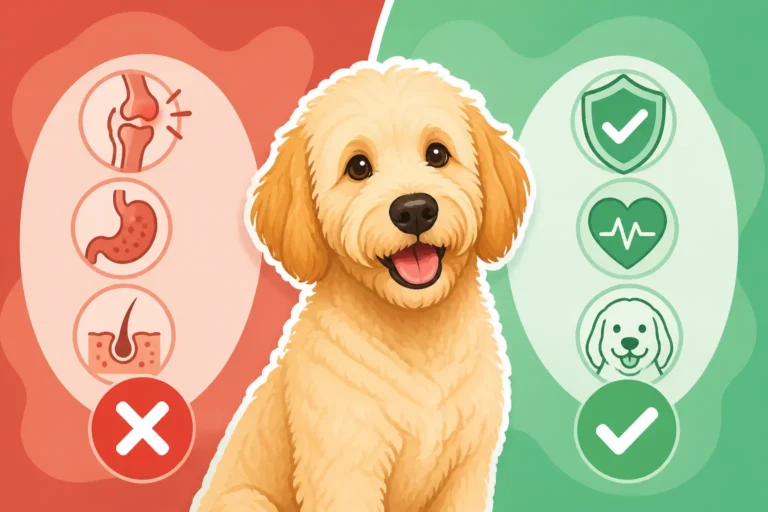
Bringing a new Goldendoodle puppy home is such an exciting time, but it also comes with a lot of questions and sometimes, a little anxiety about doing everything right for their health. You want to give them the very best start, and that often begins with understanding those crucial first vet visits, vaccinations, and all the health checks that ensure your furry friend grows into a happy, healthy adult. This guide will walk you through exactly what to expect and how to prepare for your Goldendoodle's essential early health care.
Understanding the Crucial First Vet Visits for Your Goldendoodle Puppy
That first trip to the vet with your wiggly, adorable Goldendoodle puppy can feel a bit overwhelming, especially if it’s your first puppy. You’re trying to keep them from peeing on the floor, meeting all the new smells, and then there’s the actual exam itself. But these early visits are absolutely vital for setting the stage for a lifetime of good health, catching any potential issues early, and making sure your puppy is protected from common, serious diseases. Think of it as their well-baby check, but for a four-legged friend who will soon be bounding through your life.
The Initial Puppy Health Check: What to Expect
When you first bring your Goldendoodle puppy home, ideally within the first few days, you'll schedule their inaugural "wellness check" with your veterinarian. This isn't just a quick peek; it's a comprehensive examination designed to ensure your puppy is developing normally and to identify any immediate concerns. Your vet will perform a nose-to-tail inspection, which includes listening to their heart and lungs, checking their eyes and ears – a particularly important area for Goldendoodles given their Goldendoodle Ear Infections Under a Furnished Ear predisposition – and examining their teeth and gums. They'll also feel their abdomen for any abnormalities and check their joints and gait. It’s also a great opportunity for you to ask all those burning questions that have popped up since bringing your puppy home, from feeding schedules to potty training.
Beyond the physical exam, your vet will discuss their history, including information from the breeder about parent health tests and any previous deworming or vaccinations they might have received. Don's be surprised if they also discuss future needs like spaying or neutering, microchipping, and behavior. This first visit establishes a baseline for your puppy's health and creates an essential relationship between you, your puppy, and your veterinary team. It's the first step in a proactive approach to their well-being, allowing your vet to become familiar with your Goldendoodle's unique personality and physical characteristics before any problems arise.
Why Early Vet Care Sets the Foundation for Life
These early veterinary visits are far more than just a formality; they lay the groundwork for your Goldendoodle's entire life. Catching health issues in puppyhood, such as congenital heart murmurs, umbilical hernias, or even minor structural abnormalities, can often lead to more effective and less invasive treatment options. For instance, addressing certain dental issues early, which can be common with Dental Crowding in a Toy Goldendoodle Mouth, prevents more severe problems down the line. Moreover, these visits are where the critical vaccination series begins, providing essential protection against highly contagious and potentially fatal diseases.
Beyond preventing illness, these initial vet appointments help your Goldendoodle associate the veterinary clinic with positive experiences. Early, gentle exposure to handling, examination, and the general environment of a vet's office can significantly reduce fear and anxiety in adulthood, making future visits much less stressful for everyone involved. Regular positive experiences can help your Goldendoodle grow into a dog that tolerates, or even enjoys, their vet visits, which is invaluable for consistent health monitoring throughout their lifespan. These early foundations are truly indispensable.
Navigating the Goldendoodle Puppy Vaccination Schedule
The vaccination schedule for Goldendoodle puppies can feel like a bit of a whirlwind with multiple appointments and different shots. It’s totally normal to feel a bit confused about what’s what and why they need so many jabs! The core idea behind a puppy vaccine series is to build up their immunity gradually, as the protection they receive from their mother's milk, called maternal antibodies, starts to wane. This means there's a window of vulnerability that we need to cover with a carefully timed series of vaccinations.
Core Vaccinations: Distemper, Adenovirus, Parvovirus, and Parainfluenza (DA2PP/DHPP)
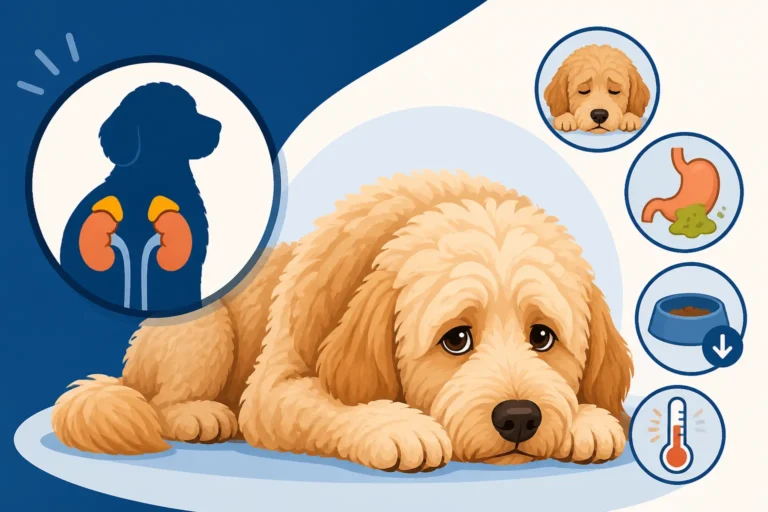
The DA2PP or DHPP vaccine is a cornerstone of puppy health, protecting your Goldendoodle from four major diseases that are unfortunately common and often severe. Distemper is a highly contagious viral disease affecting multiple body systems, including respiratory, gastrointestinal, and nervous systems. Adenovirus, often called hepatitis, can cause liver and kidney damage. Parvovirus is infamous for its severe gastrointestinal symptoms, leading to dehydration and death, particularly in young puppies. Parvo Risk Before a Goldendoodle Finishes Its Shots is a serious concern, which is why this vaccine is so critical. Finally, Parainfluenza contributes to kennel cough.
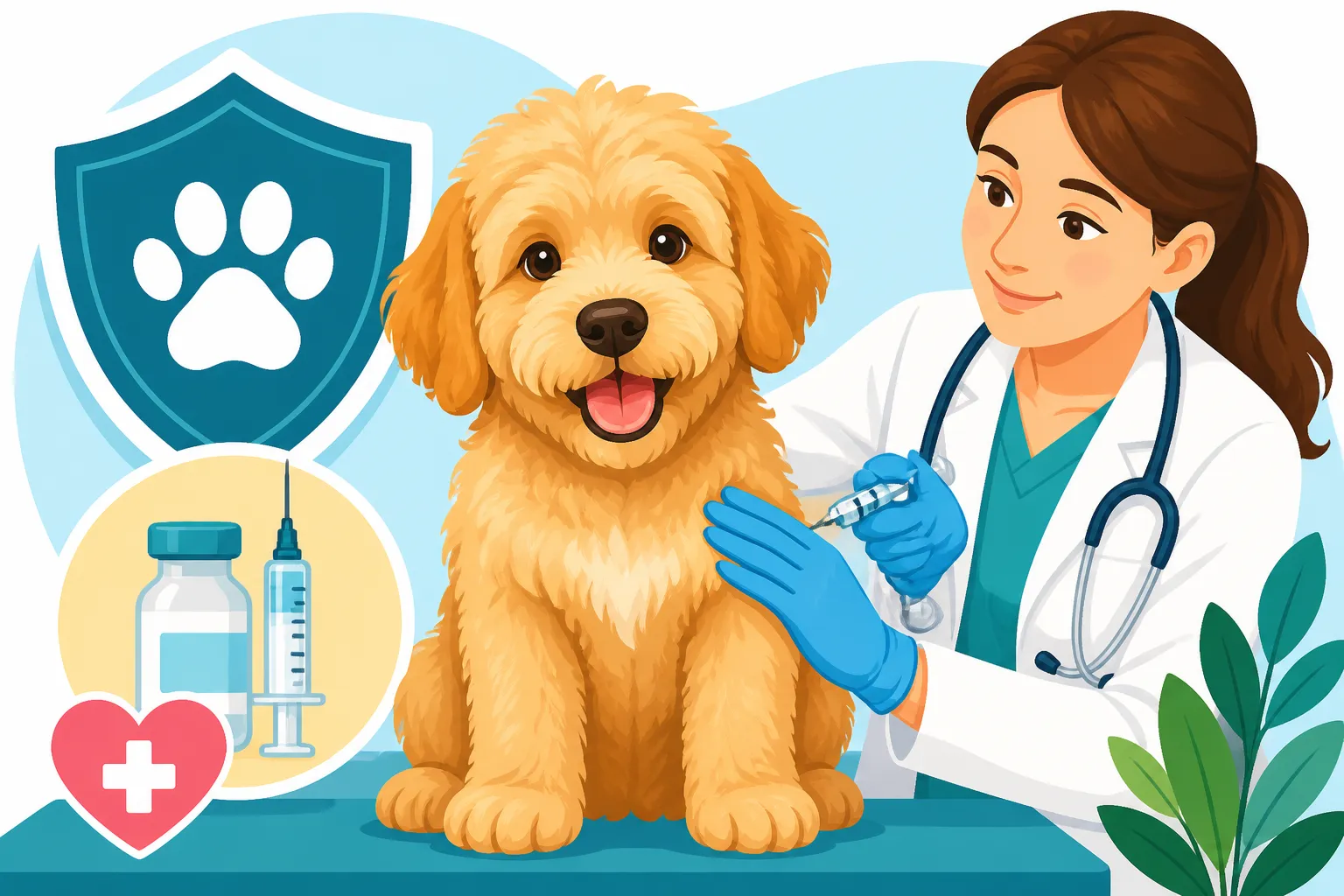
These core vaccines are typically given in a series, starting around 6-8 weeks of age, with boosters every 3-4 weeks until the puppy is 16 weeks old or older. The multiple doses are necessary because while maternal antibodies protect against disease, they can also interfere with the vaccine's effectiveness. By giving a series, we ensure that the puppy's immune system responds effectively once the maternal antibodies have declined. Your vet will outline the exact Goldendoodle Puppy Vaccination Timing based on your puppy's age and health history, ensuring they receive the full protection needed to safely explore the world.
Rabies Vaccination: Legal Requirements and Timing
Rabies is a deadly viral disease that affects the nervous system of mammals, including humans, and is almost always fatal once symptoms appear. Because of its severity and transmissibility to humans, rabies vaccination is not just a recommendation; it's a legal requirement in most parts of the United States and many other countries. The exact timing can vary slightly by local regulations, but typically, Goldendoodle puppies receive their first rabies vaccine at around 12-16 weeks of age, after their primary DA2PP series is well underway.
Following the initial rabies shot, a booster is usually required one year later, and then subsequent boosters are typically given every one to three years, depending on the vaccine type and local ordinances. This mandatory vaccination protects not only your Goldendoodle but also your family and community, by preventing the spread of this devastating disease. It’s crucial to keep your Goldendoodle's rabies vaccination up to date to comply with the law and for the safety of everyone around them.
Non-Core Vaccinations: Leptospirosis, Bordetella, and Lyme Disease
Beyond the core vaccines, your vet may recommend "non-core" vaccinations based on your Goldendoodle's lifestyle, environment, and geographical location. These vaccines protect against diseases that are more prevalent in certain areas or for dogs with specific exposure risks. Leptospirosis, for example, is a bacterial disease spread through contaminated water or soil, often from wildlife urine. If your Goldendoodle loves to explore puddles, hike in wet areas, or has access to stagnant water, your vet will likely recommend this vaccine. The initial series usually involves two doses, 3-4 weeks apart, followed by annual boosters.
Bordetella bronchiseptica, commonly known as kennel cough, is another non-core vaccine often recommended for Goldendoodles that frequently interact with other dogs in settings like dog parks, daycare, or boarding facilities. While usually not life-threatening, kennel cough can be quite uncomfortable. The vaccine comes in injectable, oral, or intranasal forms, with varying booster schedules. Lastly, Lyme disease, transmitted by ticks, is a concern in areas where deer ticks are prevalent. If you live in or visit such regions, a Lyme vaccine may be advised. It's always a discussion with your vet to weigh the risks and benefits of these non-core vaccinations for your individual Goldendoodle.
The Importance of Parasite Prevention and Deworming
Parasites, both internal and external, are a huge concern for puppies. They can range from mildly irritating to life-threatening, especially in young, developing Goldendoodles whose immune systems are still maturing. It’s not just about comfort; it's about preventing serious health complications and ensuring your puppy can absorb the nutrients they need to grow big and strong. A comprehensive parasite prevention plan is an absolute must-have from the moment you bring your Goldendoodle home.
Common Puppy Parasites and Their Risks
Goldendoodle puppies are susceptible to a variety of parasites. Internal parasites, or worms, are incredibly common. Roundworms and hookworms can cause stunted growth, vomiting, diarrhea, and a dull coat. Many puppies are born with them or contract them from their mother's milk, which is why regular deworming is standard practice. Whipworms can cause chronic diarrhea, while tapeworms are often transmitted through fleas. Coccidia and Giardia are microscopic parasites that can cause severe gastrointestinal upset, dehydration, and failure to thrive, particularly challenging in puppies due to their compromised immune systems. External parasites include fleas and ticks. Fleas can cause intense itching, skin infections, and transmit tapeworms, while ticks can transmit serious diseases like Lyme disease or Ehrlichiosis.
For instance, a tiny flea infestation might seem like a small problem, but it can quickly escalate, causing severe anemia in a small puppy or triggering intense allergic reactions. Likewise, untreated intestinal worms can lead to poor nutrient absorption, leaving your Goldendoodle vulnerable to other illnesses and affecting their overall development. Being vigilant about symptoms like a pot-bellied appearance, lethargy, poor appetite, or persistent diarrhea is key, but prevention is always the best medicine.
Tailoring a Parasite Prevention Plan
Creating an effective Parasite Prevention for a Goldendoodle plan involves more than just a single pill; it’s a multi-faceted approach. Your vet will typically deworm your Goldendoodle puppy several times during their initial vaccination series to address common intestinal worms. This is often done proactively because many puppies carry worms even if they don't show immediate symptoms. Furthermore, fecal tests are essential to identify specific types of worms or other microscopic parasites like Giardia or Coccidia, allowing for targeted treatment.
For ongoing prevention, your vet will recommend monthly broad-spectrum parasite prevention medications that typically cover heartworms (a severe, potentially fatal internal parasite transmitted by mosquitoes), fleas, and often several types of intestinal worms. Brands like Healthy Paws, while an insurance provider, often highlight the importance of preventative care, including parasite control, to minimize future health issues and associated costs. Depending on your region and your Goldendoodle's lifestyle, a tick preventative may also be incorporated, either as a separate product or combined with their monthly medication. Always discuss with your vet the best year-round plan for your specific environment and your Goldendoodle's activity level.
Beyond the Basics: Essential Health Screenings for Goldendoodles
While vaccinations and parasite prevention cover immediate threats, there's another layer of health care that's particularly important for Goldendoodles: screening for hereditary conditions. Because Goldendoodles are a cross between Golden Retrievers and Poodles, they can inherit health predispositions from both parent breeds. This means breeders should be doing their part, but as an owner, understanding what to look out for can make a huge difference in your Goldendoodle's long-term well-being.
Early Detection of Congenital Issues
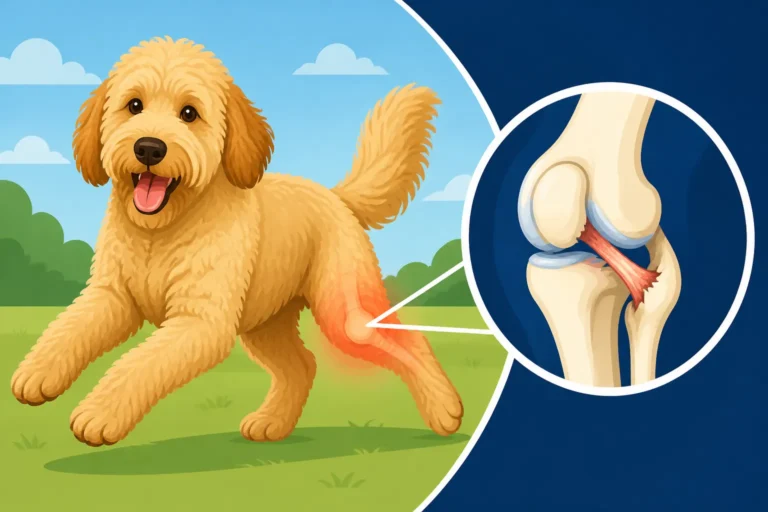
Some health issues are present from birth, or develop very early in a puppy's life, and are often referred to as congenital conditions. During those initial puppy health checks, your veterinarian is specifically looking for signs of these problems. This might include checking for heart murmurs, which could indicate a congenital heart defect, or examining the patellas (kneecaps) for signs of luxation, which is more common in smaller Goldendoodles, like a Mini Goldendoodle. They'll also check for proper alignment of teeth and jaws, and ensure that the eyes are clear and developing normally.
Early detection of these issues doesn't mean your puppy is "broken" or that you've made a bad choice; it means you have the opportunity to intervene early. For instance, some mild heart murmurs can resolve on their own, while others might require follow-up with a veterinary cardiologist. Identifying issues like Goldendoodle Hip Dysplasia at 15 to 20 Percent early, even if symptoms aren't yet visible, allows you to manage their exercise and diet to minimize progression as they grow. Knowing what you're dealing with early allows for informed decisions about potential treatments and long-term care, often leading to better outcomes and quality of life for your Goldendoodle.
Genetic Testing Considerations for Goldendoodle Puppies
For Goldendoodles, understanding the genetics behind them is incredibly important. Both Golden Retrievers and Poodles carry certain genetic predispositions, and these can be passed down to their Goldendoodle offspring. While a good breeder should have performed extensive genetic testing on the parent dogs, it's still beneficial for owners to understand what to look for and discuss with their vet. These tests aim to identify carriers or affected individuals for diseases that can be inherited, even if the puppy isn't showing symptoms.
Common genetic conditions to be aware of include Progressive Retinal Atrophy (PRA), Von Willebrand's Disease (a blood clotting disorder), and certain forms of Ichthyosis (a skin condition). A comprehensive The DNA Panel a Goldendoodle Breeder Should Run would screen for many of these. While you typically wouldn't run a full genetic panel on a puppy unless there's a specific concern or unknown parentage, understanding the results of the parents' tests is crucial. If your puppy's parents were cleared, your puppy's risk is significantly reduced. However, if there are carrier parents, your vet might recommend specific screenings or monitoring. This proactive genetic awareness is a powerful tool in ensuring a healthy future for your Goldendoodle.
| Type of Check/Vaccine | Purpose | Typical Age/Frequency | Importance for Goldendoodles |
|---|---|---|---|
| Initial Vet Exam | Full physical check-up, baseline health assessment, identify congenital issues. | 6-8 weeks (first week home) | Establishes baseline, catches early issues like murmurs or hernias. |
| DA2PP/DHPP Vaccine | Protects against Distemper, Adenovirus, Parvovirus, Parainfluenza. | Series starts 6-8 weeks, every 3-4 weeks until 16+ weeks | Essential to protect against highly contagious and often fatal puppy diseases. |
| Rabies Vaccine | Protects against Rabies (fatal, zoonotic). | 12-16 weeks, then 1-3 years | Legally mandated in most areas, crucial for public health and dog safety. |
| Non-Core Vaccines (e.g., Lepto, Bordetella, Lyme) | Protects against specific environmental/lifestyle risks. | Varies based on risk, often 2-dose series then annual boosters | Recommended based on local prevalence and your Goldendoodle's exposure (e.g., dog parks, hiking). |
| Deworming | Treats and prevents common intestinal parasites (roundworms, hookworms, etc.). | Starts 2 weeks, repeated every 2-4 weeks until 12-16 weeks, then monthly prevention | Critical for puppy growth and development; many puppies are born with worms. |
| Fecal Exam | Checks for specific internal parasites. | Annually, or if symptoms present | Identifies specific parasites for targeted treatment. |
| Heartworm Prevention | Protects against heartworm disease (transmitted by mosquitoes). | Monthly, year-round starting 8-12 weeks | Fatal if untreated, easily prevented with monthly medication. |
| Flea/Tick Prevention | Prevents external parasites and associated diseases. | Monthly, year-round | Essential for comfort and preventing diseases like Lyme. |
| Parent Genetic Screen Review | Understands inherited risks for conditions like PRA, vWD, Hip/Elbow Dysplasia. | Prior to puppy purchase | Informs long-term monitoring and preventative care for breed-specific conditions. |
Keeping Your Goldendoodle Puppy Safe Until Vaccinations Are Complete
It's a tough balance, isn't it? You want your Goldendoodle puppy to experience the world, meet new people and dogs, and generally be a well-adjusted companion. But at the same time, you're constantly reminded that they're not fully vaccinated yet, and there are scary diseases out there. This period, roughly until they're 16 weeks old and have completed their core vaccination series, requires careful management to ensure both their physical safety and their crucial social development.
Minimizing Exposure to Disease Risks
The primary goal during this vulnerable period is to protect your Goldendoodle puppy from exposure to diseases like parvovirus and distemper, which can live in the environment for extended periods. This means avoiding public places where many dogs frequent and where disease transmission is more likely. Think dog parks, pet stores, public walking trails, and even unfamiliar grassy areas outside your home. These places can harbor viral and bacterial pathogens from unvaccinated or ill dogs, posing a significant risk to your puppy whose immune system is still developing.
Instead, focus on safe, controlled environments for exercise and potty breaks. Your own yard, if not frequented by other unvaccinated dogs, is ideal. If you don't have a yard, consider using a designated potty area that you can keep clean and away from high-traffic dog zones. When you do take your Goldendoodle out, carry them in a carrier or hold them in your arms to prevent them from contacting potentially contaminated surfaces or unknown dogs. This might feel limiting, but it's a temporary precaution that can literally save your puppy's life. Remember, Parvo Risk Before a Goldendoodle Finishes Its Shots is very real and requires strict adherence to these safety measures.
Balancing Socialization with Safety Needs
This is where many Goldendoodle owners feel a real pinch: how do you socialize a puppy without exposing them to disease? The critical socialization window for puppies is typically between 8 and 16 weeks of age. During this time, they learn about the world, other dogs, and different people, and positive experiences are vital for preventing fear and behavioral issues later in life. However, this perfectly overlaps with the period when they are most vulnerable to infectious diseases.
The key is controlled socialization. This means carefully selecting interactions. Enroll your Goldendoodle in a reputable puppy class that requires all participants to be up-to-date on age-appropriate vaccinations and maintains a clean, sanitized environment. These classes are invaluable for safe, structured social interactions. Arrange playdates with adult dogs you know are healthy, fully vaccinated, and have good temperaments. Invite vaccinated friends and family over to meet your puppy. Focus on exposing them to different sights, sounds, surfaces, and gentle handling in safe settings. Don't feel you have to avoid all new experiences, but prioritize quality, safe interactions over quantity until your Goldendoodle has completed their full vaccination series. This thoughtful approach helps your Goldendoodle grow into a confident, well-adjusted dog without compromising their early health.
Long-Term Health Planning for Your Growing Goldendoodle
Once your Goldendoodle puppy has made it through those crucial early weeks, received all their vaccinations, and you've established good preventative care routines, the focus shifts to maintaining that excellent health throughout their life. This isn't a "set it and forget it" situation; Goldendoodles, like all breeds, have specific needs and potential predispositions that require ongoing vigilance and proactive care.
The Transition to Adult Wellness Exams
After the intensive puppy vaccination series, your Goldendoodle's vet visits will typically transition to annual wellness exams. These yearly check-ups are incredibly important, even if your dog seems perfectly healthy. During these appointments, your vet will perform another thorough physical examination, checking everything from teeth to tail, listening to their heart and lungs, and assessing their overall body condition. This annual baseline helps your vet detect subtle changes that might indicate an emerging health problem long before obvious symptoms appear.
Your vet will also discuss routine preventive care, such as annual booster vaccinations (rabies, DA2PP, and any recommended non-core vaccines), year-round parasite prevention, and appropriate nutrition for their age and activity level. This is also the time to bring up any changes you’ve noticed in your Goldendoodle’s behavior, appetite, or energy levels. Many common Goldendoodle issues, like Goldendoodle Allergies and Itchy Skin or the subtle onset of joint discomfort, can be much easier to manage if caught early. Consider discussing pet insurance providers like Healthy Paws with your vet or during your annual visits, as having a plan in place for unexpected illnesses or accidents can provide immense peace of mind and financial support for any future needs.
Preparing for Potential Breed-Specific Health Concerns
Being a hybrid breed, Goldendoodles can inherit a mix of health predispositions from both Golden Retrievers and Poodles. While not every Goldendoodle will face these issues, being aware of them allows you to be a more informed and proactive owner. For example, both parent breeds can be prone to certain cancers. Golden Retrievers are particularly susceptible to Cancer Risk a Goldendoodle Carries From the Golden Side like hemangiosarcoma and lymphoma, while Standard Poodles can also develop various cancers. This makes routine lump checks and careful monitoring of any changes in your Goldendoodle crucial as they age.
Joint issues are another area of concern, with Goldendoodle Hip Dysplasia and the OFA Numbers being a well-known risk, particularly in larger Goldendoodles. Regular, appropriate exercise, maintaining a healthy weight, and potentially joint supplements can help manage this risk. Other considerations include Addison's Disease a Goldendoodle Gets From the Poodle side, an endocrine disorder, and Progressive Retinal Atrophy Carried by Both Goldendoodle Lines, an eye disease. Discussions with your vet about these potential risks, knowing What a Goldendoodle Inherits From Each Parent Breed, and understanding the signs to watch for, are all part of responsible Goldendoodle ownership. Early diagnosis and intervention for many of these conditions can significantly impact your dog's quality of life and longevity. As your Goldendoodle enters their golden years, discussing Senior Goldendoodle Care After the Age of Nine with your vet will also become vital to help them age gracefully and comfortably.
Disclaimer
The information provided in this guide is for general informational purposes only and is not intended as a substitute for professional veterinary advice. Always consult with a qualified veterinarian regarding your Goldendoodle's specific health concerns, diagnosis, and treatment options.