How a Goldendoodle Coat Color Changes With Age
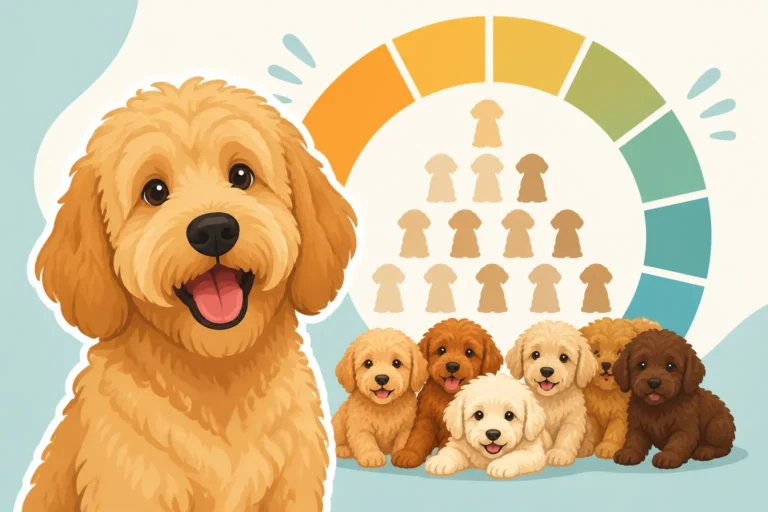
It's incredibly common for Goldendoodle owners to look at their sweet, fluffy puppy one day and then six months later wonder if they have a completely different dog! That vibrant apricot, rich red, or deep chocolate color you fell in love with often undergoes a noticeable transformation as they grow. This comprehensive guide will explore the fascinating reasons behind these shifts, what typical changes you might see, and how to embrace your Goldendoodle's evolving palette.
The Genesis of Goldendoodle Coat Color Changes
The dynamic nature of a Goldendoodle's coat color is deeply rooted in the genetics inherited from both the Golden Retriever and Poodle parent breeds. It's not just a superficial thing; it's a genetic blueprint unfolding right before your eyes. Understanding these underlying factors can help you anticipate and appreciate the changes.
The Puppy Coat vs. Adult Coat Transition
One of the most significant periods for coat color transformation occurs when your Goldendoodle sheds their soft, fluffy puppy coat and their denser, more mature adult coat emerges. This usually happens between 8 and 12 months of age, though it can start earlier or finish later. Think of it like a child losing their baby teeth; it's a natural developmental stage.
During this transition, the new adult hair shafts can have different pigmentation. A cream puppy might develop a richer, more golden hue, or a darker puppy might surprise you by lightening considerably. This "blowing the puppy coat" phase isn't just about texture; it's a prime time for color reveals. Many owners are genuinely surprised, expecting their puppy's color to simply intensify, only to find it takes a different path entirely. Don't be too surprised if your Goldendoodle's coat dramatically shifts during this time; it's a very common experience. You can read more about this in The Goldendoodle Coat Change at Eight to Twelve Months.
The Poodle's Fading Gene Influence
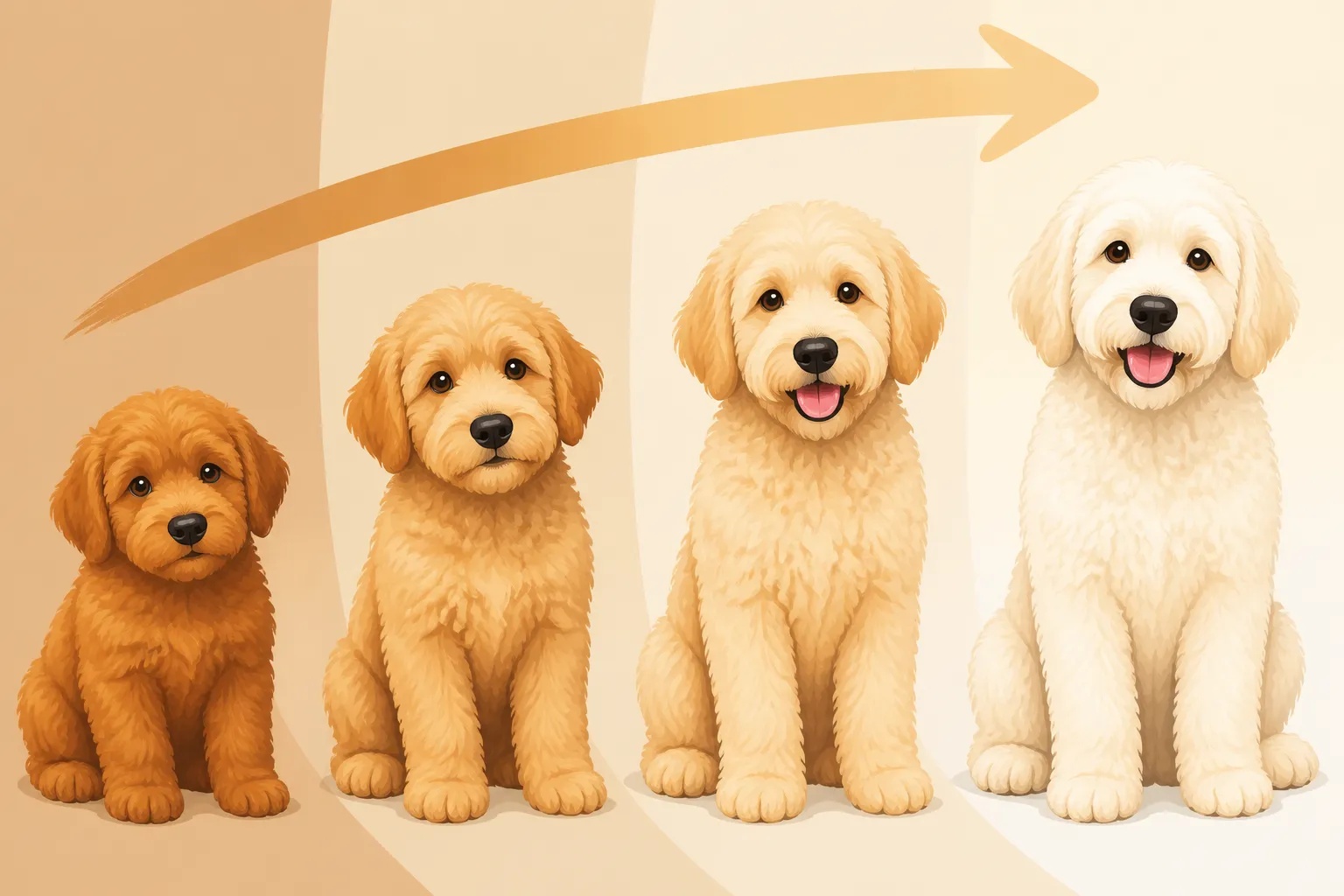
Perhaps the most well-known genetic factor influencing Goldendoodle coat color is the "fading gene" (also known as the "dilution gene" or "greying gene") that often comes from the Poodle side of their lineage. This gene can cause colors like black, brown, and red to fade or "clear" over time. A puppy born jet black might turn a charcoal grey, a rich chocolate can lighten to a cafe au lait, and a brilliant red often softens to an apricot or cream.
This fading isn't a sign of poor health; it's just how the genetics express themselves. It's a hallmark of many Poodle lines, and since Goldendoodles are a cross, they absolutely can inherit it. Some Goldendoodles have rapid fading, with noticeable changes by their first birthday, while others fade more gradually over several years. It means that the deep red puppy you adopted might become a lovely light apricot by the time they're three years old. This is a primary reason why Red Goldendoodles and Whether the Color Fades is such a common query among owners.
Common Goldendoodle Coat Color Transformations Observed
So, what kinds of color changes are you most likely to see? While every Goldendoodle is unique, there are some common patterns that emerge as they age. It's almost like they have their own little internal dye factory, constantly adjusting the shades.
Lightening and Fading: The Most Frequent Change
By far, the most common trajectory for Goldendoodle coat color is a gradual lightening or fading, especially for those born with rich red, apricot, or brown coats. A deep, fiery red puppy might mature into a soft apricot. A dark chocolate brown can become a creamy cafe au lait, or even a pale taupe. Black Goldendoodles, too, frequently "blue" or "silver" out, transitioning from true black to a lovely steel gray. This often happens symmetrically across their body, though some areas might lighten faster than others.
Owners might first notice this fading around their dog's muzzle, paws, or along their back. It's a natural process driven by those Poodle genetics. Don't worry if your Goldendoodle's color isn't as intense as it was when they were a pup; it’s a perfectly normal and expected part of their development. The final adult color can sometimes be quite different from their puppy shade, leading to delightful surprises!
Darkening or "Sooting": A Less Common, But Possible Shift
While fading is more common, some Goldendoodles can actually experience a subtle darkening or "sooting" of their coat as they mature. This isn't usually a dramatic shift from light to dark, but rather an intensification or addition of darker pigment. For example, a very light cream puppy might develop darker tips on their fur, giving them a more "toasted" look, or some goldens might deepen into a richer, more honeyed shade.
This can be influenced by certain genetic modifiers that affect how pigment is expressed. It's less predictable than the fading gene but can result in a beautiful, nuanced coat color that might not have been evident in puppyhood. If your Goldendoodle seems to be getting darker instead of lighter, you're not imagining things; it just means their unique genetic lottery played out a little differently.
Graying in Senior Years: The Distinguished Look
Just like humans, Goldendoodles start to show signs of aging, and one of the most visible indicators is the appearance of gray hairs. This typically begins around the muzzle, eyes, and sometimes across the paws or chest. The timing can vary, with some Goldendoodles showing wisps of gray by age five or six, while others might not start until they are eight or nine.
This type of graying is distinct from the genetic fading discussed earlier. It's a natural physiological process of aging, where pigment production in individual hair follicles slows down or stops. A Goldendoodle who was a solid apricot all their life might develop a charming salt-and-pepper muzzle, adding character and a distinguished look. It’s a gentle reminder that your beloved companion is growing older, and it's a process we all eventually share. Learning about Senior Goldendoodle Coat Thinning can also provide insights into later-life coat changes.
Understanding the Evolving Color Palette
To give you a clearer picture, here’s a table outlining common color changes:
| Puppy Coat Color | Most Common Adult Trajectory | Less Common/Senior Trajectory |
|---|---|---|
| Black | Fades to charcoal, blue, or silver grey | Darkens to a deeper black (rarely), muzzles gray in old age |
| Chocolate | Fades to cafe au lait, parchment, or pale brown | Darkens slightly (rarely), muzzles gray in old age |
| Red | Fades to apricot, cream, or light gold | Deepens to a richer red (rarely), muzzles gray in old age |
| Apricot | Fades to cream or very pale gold | Deepens to a richer apricot/light red (rarely), muzzles gray in old age |
| Cream | Stays cream, might develop golden undertones | Develops darker tips or "sooting" (rarely), muzzles gray in old age |
| Parti/Phantom | Base colors follow above patterns, markings often stay defined | Fading of base color more prominent than fading of markings |
External Factors Influencing Goldendoodle Coat Color
While genetics lay the primary foundation for your Goldendoodle's coat color changes, external elements can also play a subtle, or sometimes not-so-subtle, role in how that color expresses itself over time. It's like adding highlights or lowlights to their natural shade.
The Sun's Bleaching Effect
Just like human hair, a Goldendoodle's coat can be lightened by prolonged exposure to sunlight. UV rays can break down the pigments in the hair shaft, causing it to lighten or take on a reddish tint. This is particularly noticeable in darker-coated Goldendoodles. A black Goldendoodle who spends a lot of time outdoors in the summer might develop brownish or reddish highlights, especially along their back and shoulders.
This isn't necessarily a permanent change; new hair growth will come in with the dog's true genetic color. However, if your Goldendoodle is a sun-worshipper, you might notice these subtle, sun-kissed changes. It's a good reminder that while a little sun is great, too much can affect their coat and skin health, so always ensure they have shade and don't overheat, especially if they have a thick, curly coat. If you opt for a shorter cut in summer, be mindful of potential sunburn, and consider Asking for a Half Inch Goldendoodle Trim for some protection.
Nutrition and Overall Health
While diet won't fundamentally change your Goldendoodle's genetically determined coat color, a high-quality, balanced diet can absolutely contribute to the overall vibrancy, shine, and health of their coat. A well-nourished dog typically has a healthier, more lustrous coat, which can make their color appear richer and more defined. Conversely, poor nutrition can lead to a dull, dry coat, which might make colors seem muted or faded.
Look for dog foods rich in essential fatty acids, like omega-3 and omega-6, which are crucial for skin and coat health. Many brands available through reputable retailers like Chewy offer formulations specifically designed to support a healthy coat. Supplements such as fish oil or specific skin and coat supplements can also be beneficial. Remember that supplements are supplements, not substitutes for a good diet. If you're considering dietary changes or supplements, it's always wise to consult with your veterinarian. For more on dietary support, check out Omega Oils for a Goldendoodle Coat.
Medical Conditions and Medications
In some rare instances, certain medical conditions or medications can impact a Goldendoodle's coat color or texture. For example, thyroid imbalances can sometimes lead to dullness, thinning, or even changes in coat color. Some medications might also have side effects that affect coat quality. Hormonal fluctuations, allergies, or skin infections can also cause localized changes, dullness, or even hair loss, which can then alter the appearance of their color.
If you notice any sudden, patchy, or unusual changes in your Goldendoodle's coat color that aren't consistent with typical aging or genetic fading, especially if accompanied by skin irritation, itching, or changes in hair texture, it's always best to consult your veterinarian. They can rule out any underlying health issues and provide appropriate guidance. What a Goldendoodle Should Never Eat is also important for general health.
Embracing the Evolution and Maintaining Coat Health
The evolving coat color of your Goldendoodle is part of their charm and individuality. Rather than seeing it as a loss of their puppy hue, try to embrace the unique shades they develop as they mature.
Appreciating Your Goldendoodle's Unique Palette
Every Goldendoodle is a unique blend of their parent breeds, and their coat color journey is a testament to that genetic diversity. Whether your fiery red puppy becomes a mellow apricot, or your black dog turns a distinguished silver, these changes are a natural part of their life story. These shifts add character and often make your adult Goldendoodle even more distinctive. Instead of lamenting a lost puppy color, celebrate the beautiful, evolving palette your dog presents. It's a conversation starter and a reminder of their journey with you.
Essential Coat Care for Every Stage
Regardless of its color, maintaining a Goldendoodle's coat health is paramount. A healthy coat, no matter the shade, will always look its best. This means committing to a consistent grooming routine, which is arguably the biggest responsibility of Goldendoodle ownership.
- Regular Brushing: Daily brushing is key, especially for wavy or curly coats, to prevent matting and distribute natural oils. This also helps remove dead hair, making the coat appear fresher and brighter. A good slicker brush and metal comb, which you can find readily on Chewy, are indispensable. Learn more in Brushing a Goldendoodle Often Enough to Stop Matting.
- Professional Grooming: Plan for professional grooms every 6-8 weeks to keep their coat trimmed, tidy, and free of mats. This is especially important during the coat change period around 8-12 months when their puppy coat is 'blowing' and can mat easily.
- Bathing: Bathe your Goldendoodle as needed, using a dog-specific shampoo and conditioner to maintain skin and coat health without stripping natural oils.
- Sun Protection: If your dog spends a lot of time in the sun, especially if their coat has lightened, consider protective measures like shaded areas or even dog-safe sunscreen on exposed, light-colored skin areas, particularly around their nose.
- High-Quality Diet: As mentioned, a nutritious diet supports a healthy, vibrant coat. Ensure they're getting all the necessary vitamins and minerals.
When to Consider DNA Coat Testing
For those particularly curious about the genetic blueprint behind their Goldendoodle's coat color and potential future changes, DNA coat testing is an option. While it won't predict the exact shade, it can identify specific genes related to color dilution, fading, and coat types. This can offer a fascinating glimpse into the genetic factors at play. However, for most owners, observing the natural progression of their dog's coat is part of the joy of Goldendoodle ownership. You can explore DNA Coat Testing on a Goldendoodle for more details on what these tests reveal.
Remember, your Goldendoodle's beauty isn't just skin deep, and their evolving coat color is just one of the many wonderful ways they grow and change by your side.
Disclaimer
This article is for general informational purposes only and does not constitute professional advice. Laws, prices and regulations vary by location and change over time. Consult a qualified professional for guidance on your specific situation.