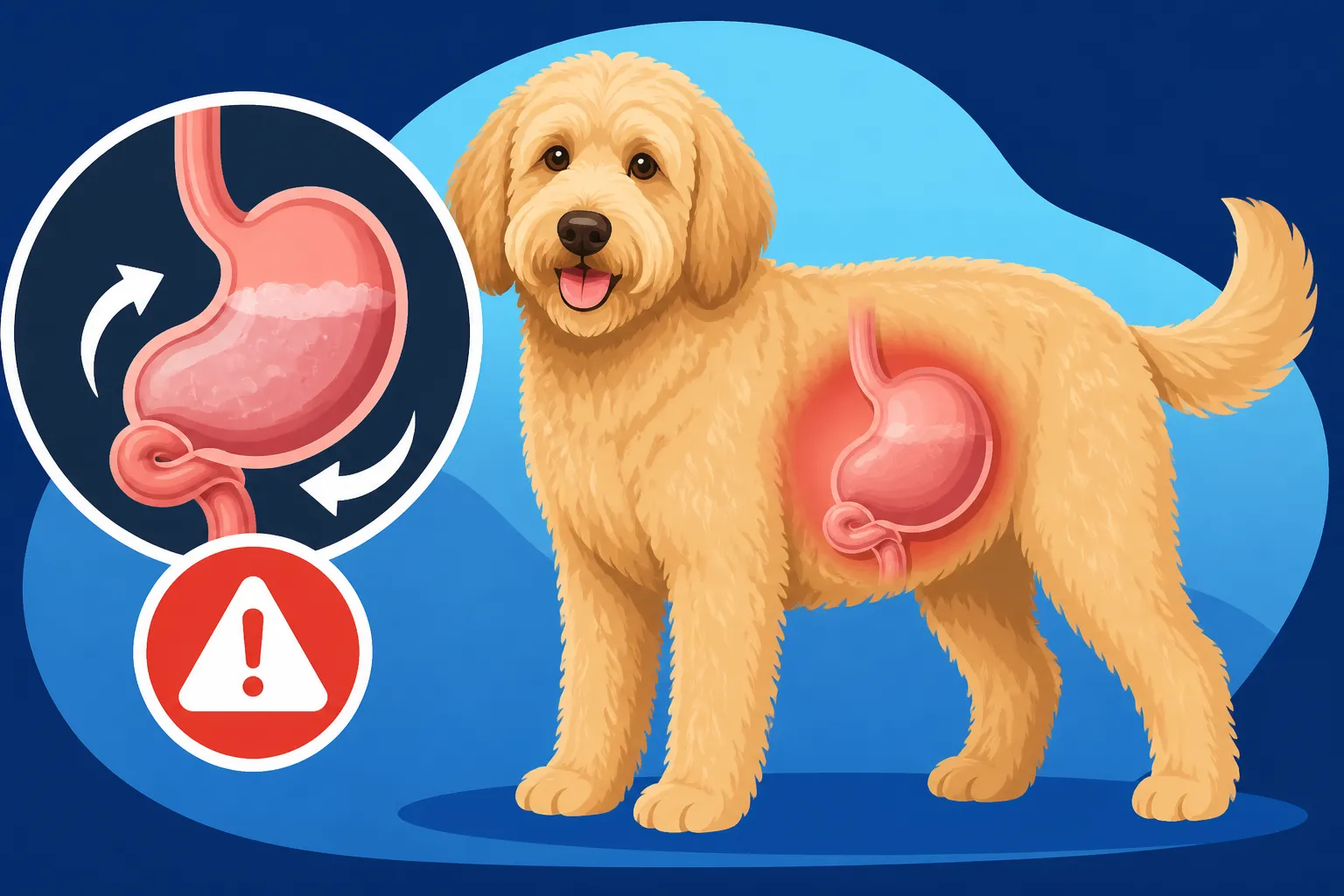
Bloat Risk in a Standard Goldendoodle
One of the most terrifying things a dog owner can face is the sudden onset of bloat, or Gastric Dilatation-Volvulus (GDV). It's a condition that strikes quickly and can be fatal in a matter of hours, leaving pet parents feeling helpless and unprepared. This guide is here to walk you through everything you need to know about bloat risk in a Standard Goldendoodle, from understanding its causes to recognizing urgent signs and, most importantly, how to prevent it and what steps to take if it happens.
What is Bloat GDV and Why It's So Dangerous for Large Dogs
Bloat, or Gastric Dilatation-Volvulus (GDV), isn't just a simple upset tummy. It's a life-threatening emergency where your dog's stomach fills with gas and then twists on itself, effectively cutting off its own blood supply and trapping the gas inside. For large, deep-chested breeds like the Standard Goldendoodle, this isn't just a possibility; it's a very real and frightening threat that every owner needs to understand.
Understanding Gastric Dilatation-Volvulus GDV
Imagine your dog's stomach as a balloon. In simple bloat, or gastric dilatation, this balloon fills with air or fluid, distending dangerously. This is painful and serious, but often treatable if caught early. The truly catastrophic event, however, is when this distended stomach then twists, a condition known as volvulus. This twist effectively pinches off both ends of the stomach – the esophagus (where food enters) and the duodenum (where digested food exits) – and often severs the blood supply to the stomach wall and other vital organs.
Once the stomach twists, the trapped gas and fluid cannot escape. The stomach tissue rapidly begins to die without blood flow, releasing toxins into the bloodstream. This impacts the heart, kidneys, and other organs, leading to shock and, if not treated immediately, death. It's a brutal, rapid process that gives you very little time to react, which is why understanding it is so crucial.
The Rapid Progression of Bloat
The speed at which GDV can progress from subtle discomfort to a life-threatening crisis is what makes it so terrifying. Many owners report their dog seeming fine one moment, perhaps just a bit restless, and within an hour or two, they are in severe distress, panting, retching, and collapsing. This rapid decline means that every minute counts. There's no "wait and see" when it comes to suspected bloat.
The internal damage begins almost immediately after the stomach twists. The pressure on surrounding organs, the loss of blood flow, and the release of toxins put an immense strain on your Goldendoodle's body. Even with swift veterinary intervention, the outcome can be uncertain due to the cascade of physiological events that occur. This is why vigilance and rapid response are your best weapons against this devastating condition.
Why Deep-Chested Breeds are More Susceptible
It’s an unfortunate anatomical truth that certain dogs are predisposed to bloat, and deep-chested breeds are at the top of that list. Think about breeds like Great Danes, Weimaraners, German Shepherds, and, yes, many Standard Goldendoodles. Their chest conformation creates a larger cavity for the stomach to swing and twist within. If you look at a deep-chested dog from the side, you’ll notice that their chest is often longer from spine to sternum than it is wide.
This anatomical layout, combined with factors like genetics, eating habits, and activity levels, significantly increases their risk. It's not just about size; it's about the shape of the body cavity. A Standard Poodle, one of the Goldendoodle's parent breeds, also carries a higher risk due to its deep chest, contributing to the overall risk for their Goldendoodle offspring. While a Mini Goldendoodle might have a lower risk due to its smaller size, for a Standard Goldendoodle, this predisposition is a serious consideration.
Goldendoodle-Specific Risk Factors for Bloat
While any dog can bloat, Goldendoodles, particularly the larger Standard size, inherit traits from their parent breeds that put them at a higher risk. It's not a guarantee that your Goldendoodle will ever experience bloat, but understanding these specific risk factors can help you be more prepared and proactive in prevention.
Size and Chest Conformation in Standard Goldendoodles
A major risk factor for bloat is a dog's size and body shape, particularly a deep and narrow chest. Standard Goldendoodles, which can weigh anywhere from 50 to 90 pounds, often inherit this deep-chested conformation from both their Golden Retriever and Standard Poodle lineage. The Poodle, especially, is known for its elegant, deep chest, and this trait is often passed down.
This chest structure provides ample space for the stomach to distend and rotate when filled with gas or fluid. Smaller Goldendoodles, like minis or toys, typically have a lower risk simply because their overall body cavity is smaller and their chest is less pronounced. However, for a fully grown Standard Goldendoodle, their physical build places them firmly in the "at-risk" category, making awareness paramount. It's a bit like a sailboat with a large sail area – it catches more wind, or in this case, more opportunity for the stomach to shift.
Genetic Predisposition from Parent Breeds
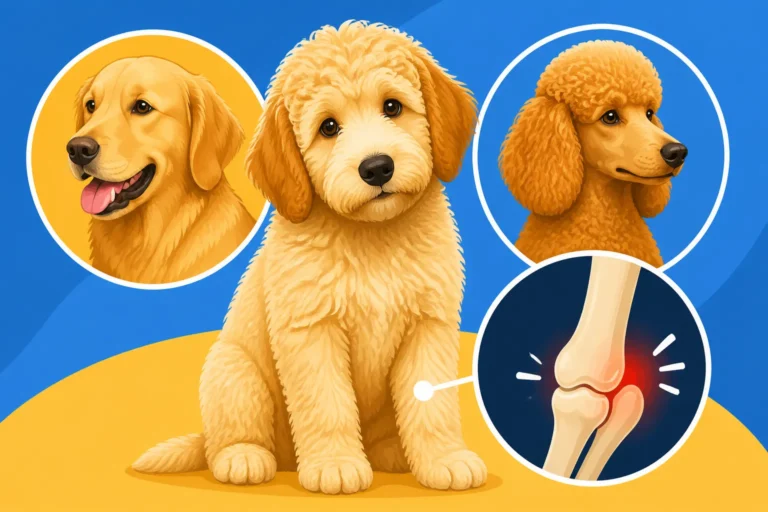
The genetic lottery plays a significant role in bloat risk. Both Golden Retrievers and Standard Poodles, the foundation breeds for Goldendoodles, are statistically more prone to GDV than many other breeds. This means that a Goldendoodle can inherit this increased susceptibility from either or both sides of its family tree.
If a Goldendoodle has parents or close relatives who have experienced bloat, their own risk is elevated. Unfortunately, unlike some other conditions where a specific gene can be tested for, there isn't a simple DNA test for bloat predisposition. This makes knowing your Goldendoodle's lineage and any family history of bloat incredibly important. While breeders focus on health testing for conditions like Goldendoodle Hip Dysplasia at 15 to 20 Percent, a comprehensive understanding of bloat risk often comes down to tracking family history and understanding breed predispositions.
Eating Habits and Environmental Triggers
Beyond genetics and conformation, certain eating habits and environmental factors can trigger bloat in susceptible Goldendoodles. Rapid eating is a huge culprit, as it often leads to swallowing excessive air. Think about it: a Goldendoodle that inhales its food in seconds is gulping down more than just kibble.
Other triggers include:
- One large meal a day: Spreading meals out into two or three smaller portions can reduce stomach distension.
- Exercising vigorously before or after eating: The jarring motion can cause the stomach to shift. It's crucial to allow a resting period of at least an hour before and after meals.
- Stress or anxiety: Some dogs are more prone to bloat during periods of high stress, such as boarding or changes in routine.
- Elevated food bowls: While once recommended, recent research suggests elevated bowls might increase risk in large breeds, possibly by encouraging faster eating or an awkward posture. Stick to floor-level bowls unless advised otherwise by your vet for specific medical reasons.
- Drinking large amounts of water quickly: Similar to eating, gulping water can lead to excessive air intake.
- Diet type: While controversial, some studies suggest certain diets, particularly those with a high-fat content or specific ingredients, might play a role, but more research is needed here. It's always best to discuss your Goldendoodle's Daily Calories for a Standard Goldendoodle and overall diet with your vet.
Understanding these triggers allows you to modify your Goldendoodle's routine and reduce their exposure to risk, giving you a greater sense of control over this frightening condition.
Recognizing the Urgent Signs of Bloat in Your Goldendoodle
The absolute most critical part of managing bloat risk is recognizing its signs immediately. Because time is of the essence, you can't afford to hesitate or second-guess yourself. Knowing what to look for can literally be the difference between life and death for your beloved Goldendoodle.
Early and Subtle Indicators
Bloat doesn't always start with dramatic symptoms. In its early stages, the signs can be subtle, easily mistaken for general discomfort or a mild stomach upset. This is why it’s so important to know your Goldendoodle's normal behavior patterns. Any deviation should raise a red flag, especially if they are a standard size.
Keep an eye out for:
- Restlessness and pacing: Your Goldendoodle might seem unable to get comfortable, constantly shifting positions or trying to lie down and immediately getting back up.
- Drooling: Excessive drooling, more than usual, can be an early sign of nausea and discomfort.
- Anxious or distressed expression: Their face might show signs of pain or worry, their eyes wide.
- Standing with an arched back: This can indicate abdominal pain.
- Repeated attempts to vomit without producing anything (retching): This is one of the most classic and urgent signs. Your Goldendoodle might gag and heave, but nothing comes up, or only a foamy liquid appears. This is a strong indicator that something is blocking the stomach outlet.
If you observe any of these signs, especially the retching, don't wait. It’s better to err on the side of caution and get your Goldendoodle to an emergency vet right away.
Advanced and Life-Threatening Symptoms
As bloat progresses, the symptoms become far more pronounced and indicate a severe emergency. At this stage, your Goldendoodle is likely in significant pain and may be going into shock. There is no time to spare; immediate veterinary care is imperative.
Look for:
- Obvious abdominal distension: Your Goldendoodle's belly will appear visibly swollen, especially on the left side, and feel hard and tight, like a drum. This can be harder to spot in very fluffy Goldendoodles, so feeling their abdomen is essential.
- Rapid, shallow breathing or difficulty breathing: The enlarged stomach puts pressure on the diaphragm, making it hard for them to expand their lungs.
- Weakness and collapse: Your Goldendoodle might be unable to stand, or appear wobbly and weak.
- Pale gums: A sign of shock and poor circulation.
- Increased heart rate: Their heart will race as their body tries to compensate for the lack of blood flow and oxygen.
- Collapse or unconsciousness: In the most severe cases, your Goldendoodle may become unresponsive.
These advanced signs mean your dog's life is hanging in the balance. Do not attempt home remedies or wait to see if it improves. Every second counts.
Distinguishing Bloat from Other Gastric Upset
This is tricky, because some early bloat signs can mimic other, less serious gastric upsets. A dog with an upset stomach might vomit, be restless, or have some abdominal discomfort. However, there are key differences to look for.
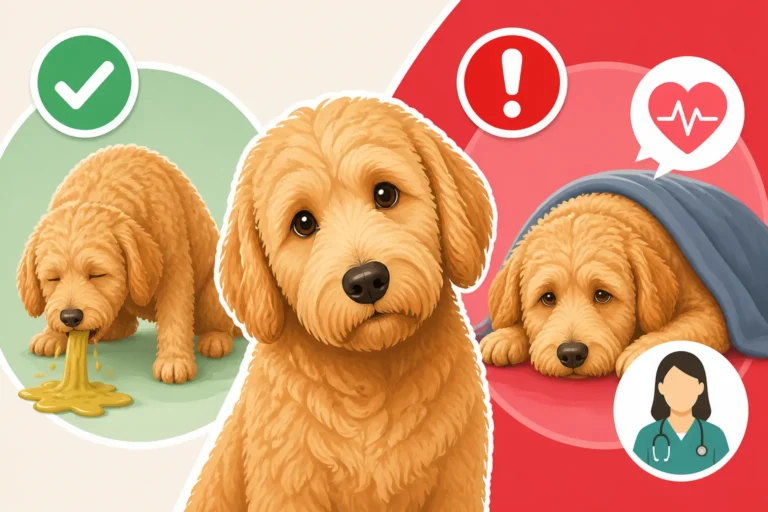
- Bloat vs. Vomiting: With regular vomiting, your dog usually produces actual vomit. With bloat, the characteristic is non-productive retching – they try to vomit, but nothing or very little comes up. If your Goldendoodle is actually bringing up bile or food, it's likely not bloat, but still warrants a vet visit if severe or prolonged.
- Abdominal distension: While a dog with gas might have a slightly bloated feeling, the rock-hard, drum-like distension of GDV is distinct. You might need to feel carefully under their fur.
- Rapid decline: Other gastric issues usually don't lead to such a rapid and severe deterioration in overall health. If your Goldendoodle goes from just "off" to gravely ill in an hour or two, think bloat.
When in doubt, always treat it as bloat, especially if you have a Standard Goldendoodle with known risk factors. A false alarm might cost you a vet visit fee, but missing bloat can cost you your dog's life. Consider enrolling your Goldendoodle in a reliable pet insurance plan like Healthy Paws to help manage the costs of such emergencies, giving you peace of mind to act quickly without financial hesitation.
Immediate Action and Emergency Care for Suspected Bloat
If you suspect your Goldendoodle has bloat, panic is a natural reaction, but you must fight it and act quickly and decisively. There's a very narrow window for effective intervention, and your swift actions can make all the difference.
The Critical Race Against Time
Once you observe suspicious symptoms, particularly the non-productive retching or abdominal distension, time immediately becomes your most precious commodity. Do not attempt to give your dog anything by mouth, try to massage their stomach, or administer any at-home remedies. These actions are not only ineffective but can delay critical veterinary care.
The very first thing you need to do is call your emergency veterinary clinic, ideally one that is equipped for urgent surgical procedures. Let them know you're on your way and that you suspect GDV in your Standard Goldendoodle. This allows them to prepare their team and equipment for your arrival, saving precious minutes. Have someone else drive if possible, so you can focus on your dog and keep them as calm as possible, though comfort will be minimal at this stage.
What to Expect at the Emergency Vet
When you arrive at the emergency clinic, your Goldendoodle will be triaged immediately. The veterinary team will confirm the diagnosis, often with a quick physical exam and an X-ray of the abdomen. The X-ray is crucial as it will show the characteristic "double bubble" or "Popeye arm" sign if the stomach has twisted.
Once GDV is confirmed, the veterinary team will stabilize your Goldendoodle. This typically involves:
- IV Fluids: To treat shock and maintain blood pressure.
- Pain medication: To alleviate their intense suffering.
- Decompression: If possible and safe, the vet may attempt to release some of the gas from the stomach using a tube passed down the esophagus or, in some cases, a needle directly through the abdominal wall. This can provide temporary relief but does not fix the twist.
- Blood tests: To assess organ function and overall health status.
This initial stabilization phase is crucial to prepare your Goldendoodle for surgery. The goal is to get them out of immediate life-threatening shock so they can withstand the procedure.
Surgical Intervention and Post-Op Care
The definitive treatment for GDV is emergency surgery. During this operation, the veterinary surgeon will carefully untwist the stomach and assess the damage to the stomach wall and surrounding organs. Any necrotic (dead) tissue will need to be removed, which can complicate the prognosis.
A critical part of the surgery for Goldendoodles at risk is a procedure called a gastropexy. This involves surgically tacking the stomach to the abdominal wall, preventing it from twisting again in the future. While a gastropexy doesn't prevent bloat (gas accumulation), it does prevent the life-threatening volvulus (twisting). This is a highly recommended preventive measure for all Goldendoodles at high risk, which we'll discuss more below.
Post-operative care is intensive. Your Goldendoodle will likely need to stay in the hospital for several days for monitoring, pain management, and continued fluid therapy. Complications such as cardiac arrhythmias, infections, or further stomach wall necrosis can still occur. Full recovery can take weeks, requiring restricted activity, a soft diet, and diligent wound care. The costs associated with emergency GDV surgery and extended hospital stays can be substantial, often running into several thousands of dollars. This is where pet insurance, like a plan from Healthy Paws, can be an absolute lifesaver, helping to cover a significant portion of these unexpected expenses. Without a plan, these costs can place an enormous financial burden on families, making difficult decisions even harder.
Proactive Prevention Strategies to Reduce Bloat Risk
While bloat can feel like an unpredictable nightmare, there are many proactive steps you can take to significantly reduce the risk for your Standard Goldendoodle. Implementing these strategies is an investment in your dog's long-term health and your own peace of mind.
Dietary Management and Feeding Practices
How and what your Goldendoodle eats plays a huge role in bloat prevention. Thoughtful mealtime routines can make a substantial difference.
- Multiple Small Meals: Instead of one large meal, feed your Standard Goldendoodle two or even three smaller meals throughout the day. This reduces the amount of food and air in the stomach at any one time, lessening distension. Consider their Goldendoodle Weight and the Load on Its Joints when determining appropriate portion sizes.
- Slow Down Eating: If your Goldendoodle is a "gulper," invest in a slow-feeder bowl or place a large, clean rock in their regular bowl to make them eat around it. Puzzle feeders can also slow them down and provide mental enrichment. Remember, the goal is to prevent them from swallowing excessive air with their food.
- Avoid Vigorous Exercise Around Meals: This is a golden rule for bloat prevention. Allow at least an hour of calm activity before meals and a minimum of one to two hours after eating before any strenuous play, running, or jumping. The jostling and increased breathing during exercise can destabilize a full stomach.
- Limit Large Water Ingestion: Avoid allowing your Goldendoodle to gulp down huge amounts of water immediately before or after meals, or after heavy exercise. Offer smaller amounts more frequently.
- Quality Diet: While no specific diet has been definitively proven to prevent bloat, a high-quality, easily digestible diet is always beneficial for overall gut health. Discuss your Goldendoodle's food with your veterinarian, especially regarding the protein and fat content. Measuring Goldendoodle Food by Weight ensures consistent and appropriate portions, preventing overfeeding. Be mindful of What a Goldendoodle Should Never Eat, as certain foods can cause severe gastrointestinal distress.
Exercise and Stress Reduction
Beyond eating habits, managing your Goldendoodle's activity levels and stress can further lower their bloat risk.
- Moderate and Consistent Exercise: Ensure your Goldendoodle gets regular, moderate exercise appropriate for their size and age. This promotes good digestion and overall health. However, as mentioned, avoid intense activity immediately before or after meals. For example, if your Goldendoodle typically enjoys strenuous play at the dog park, schedule it well before their morning meal or several hours after their evening meal.
- Reduce Stress: Stress can impact canine physiology, potentially contributing to bloat. Create a calm and predictable environment for your Goldendoodle. If your dog gets anxious during car rides, vet visits, or when left alone, explore ways to mitigate this stress. This might involve desensitization, counter-conditioning, or even calming supplements if recommended by your vet. A relaxed dog is generally a healthier dog.
- Regular, Controlled Activity: Instead of sporadic bursts of intense exercise, aim for consistent, controlled activity like leash walks or gentle playtime. This helps maintain good muscle tone and digestion without putting undue strain on their system.
The Role of Prophylactic Gastropexy
For high-risk Goldendoodles, especially Standard sizes, one of the most effective preventive measures is a prophylactic gastropexy. This elective surgical procedure permanently attaches the stomach to the abdominal wall, preventing it from twisting. It does not prevent the stomach from filling with gas (bloating), but it does prevent the deadly rotation (volvulus).
- When to Consider It: Many owners choose to have a gastropexy performed at the same time their Goldendoodle is spayed or neutered, especially if they are a Standard size and thus at higher risk. This combines two surgical events into one recovery period. It can also be done as a standalone procedure. Discuss this option thoroughly with your veterinarian. They can assess your Goldendoodle's individual risk factors, including family history, and help you make an informed decision.
- Procedure Details: Gastropexy can be performed traditionally (open surgery) or minimally invasively (laparoscopically), which often results in a faster recovery time. Both methods are highly effective at preventing stomach torsion.
- Peace of Mind: For many owners of deep-chested breeds, a prophylactic gastropexy offers immense peace of mind. While it's still essential to follow other preventive measures, knowing that the most deadly aspect of bloat has been mitigated is a huge relief. It’s an upfront investment that could save your Goldendoodle’s life and spare you from a devastating emergency.
Living with a Goldendoodle and Managing Bloat Anxiety
It's natural for owners of Standard Goldendoodles to feel a constant hum of anxiety about bloat, given its severity and sudden onset. However, by being informed and proactive, you can manage this anxiety and ensure your Goldendoodle lives a happy, healthy life.
Creating a Bloat-Aware Household
Making your home a bloat-aware environment is about educating everyone who cares for your Goldendoodle and implementing consistent routines.
- Educate the Family: Ensure everyone in the household, from adults to responsible older children, knows the signs of bloat and the immediate steps to take. Practice explaining the non-productive retching symptom until it's second nature.
- Emergency Contact List: Have a clear, accessible list of emergency veterinary clinics, their addresses, and phone numbers. Know the fastest route to each.
- Designated Bloat Monitor: If multiple people care for your dog, establish who is responsible for post-meal monitoring and ensuring exercise protocols are followed.
- Consistent Routines: Dogs thrive on routine. Stick to consistent feeding times, exercise schedules, and quiet periods after meals. This not only reduces bloat risk but also contributes to your Goldendoodle's overall well-being.
- Review Your Goldendoodle's Lifespan and What a Cross Really Buys You: Understanding general health risks and lifespan expectations can help you prioritize preventative care across the board.
By creating a household that is vigilant and prepared, you turn anxiety into actionable strategies, which is far more empowering.
Financial Planning for Emergency Care
Bloat surgery is not only terrifying but also expensive. The costs can range from $3,000 to $10,000 or more, depending on the severity, complications, and geographic location. This financial burden can add immense stress to an already horrific situation.
- Pet Insurance is Key: This is where pet insurance, such as a plan from Healthy Paws, becomes an invaluable tool. Comprehensive accident and illness policies typically cover emergency surgeries like GDV. Enrolling your Goldendoodle when they are young and healthy ensures pre-existing conditions won't be an issue, and you'll have coverage when you need it most. Review Goldendoodle Pet Insurance for a Dog With No Breed Papers to understand how policies work for crossbreeds. Checking Goldendoodle Insurance Premiums by Size can also help you budget effectively for your specific dog.
- Emergency Fund: If pet insurance isn't an option, consider setting up a dedicated emergency savings fund for your Goldendoodle. Even setting aside a small amount each month can grow into a substantial buffer for unexpected medical bills.
- Discuss Costs with Your Vet: Don't be afraid to have an open conversation with your veterinarian about potential costs for various scenarios, including prophylactic gastropexy. Understanding the financial landscape ahead of time allows you to plan. The information on Goldendoodle Surgery and Emergency Vet Costs can also give you a realistic picture of what to expect.
Having a financial plan in place allows you to focus solely on your Goldendoodle's health during a crisis, rather than being paralyzed by worry over bills.
Finding Support and Staying Vigilant
Living with a large, deep-chested breed like a Standard Goldendoodle means bloat will always be a background concern. However, you don't have to carry this burden alone.
- Connect with Other Goldendoodle Owners: Online forums, local Goldendoodle clubs, or breed-specific social media groups can be a great source of support and shared experiences. Swapping tips for slow-feeding bowls, trusted emergency vets, or simply having someone who understands your worries can be incredibly helpful.
- Ongoing Veterinary Relationship: Maintain a strong, open relationship with your primary veterinarian. They are your best resource for personalized advice, routine check-ups, and managing any health concerns as your Goldendoodle ages. Regular check-ups are also crucial for ensuring Goldendoodle Joint Health by Size Category and monitoring overall well-being.
- Trust Your Gut: You know your Goldendoodle better than anyone. If something seems "off," even if you can't pinpoint why, don't hesitate to contact your vet. It's always better to be overly cautious than to regret inaction. Vigilance combined with preparation is the best approach to ensuring your Goldendoodle lives a long, healthy, and happy life, free from the shadow of bloat.
| Symptom Category | Early Warning Signs | Severe Emergency Signs |
|---|---|---|
| Behavior | Restlessness, pacing, unable to get comfortable | Weakness, collapse, inability to stand, unresponsiveness |
| Gastrointestinal | Non-productive retching (trying to vomit but nothing comes up), excessive drooling | Obvious abdominal distension (swollen, hard belly) |
| Physical | Anxious or distressed expression, arched back | Rapid, shallow breathing, difficulty breathing, pale gums, increased heart rate |
| Action Required | Immediate call to emergency vet, head to clinic | IMMEDIATE transport to emergency vet |
Disclaimer
This article is intended for informational purposes only and does not constitute veterinary advice. Always consult with a qualified veterinarian for any health concerns or before making any decisions about your Goldendoodle's care or treatment. In case of a suspected emergency like bloat, seek immediate veterinary attention.