Goldendoodle Vomiting and When It Matters
It’s absolutely gut-wrenching when your beloved Goldendoodle starts vomiting. One minute they're romping around, the next they're looking miserable, retching up their last meal or just bile. As Goldendoodle parents, we know that pit-in-your-stomach feeling of not knowing if it’s just a fleeting upset stomach or something far more serious that requires an immediate dash to the emergency vet. This comprehensive guide is here to help you navigate those stressful moments, understand the nuances of Goldendoodle vomiting, and know exactly when to worry and when to simply monitor your furry family member.
Understanding Normal Goldendoodle Vomiting vs. Concern
Let's be real, dogs, especially Goldendoodles with their curious noses and sometimes indiscriminate appetites, tend to throw up now and then. It's often their body's way of clearing something out that didn't agree with them. But there’s a world of difference between a one-off puke and a genuinely concerning bout of illness. Learning to distinguish between the two is key to saving yourself unnecessary panic, and potentially, a costly emergency vet visit that wasn't strictly necessary.
The Occasional "Clear It Out" Vomit
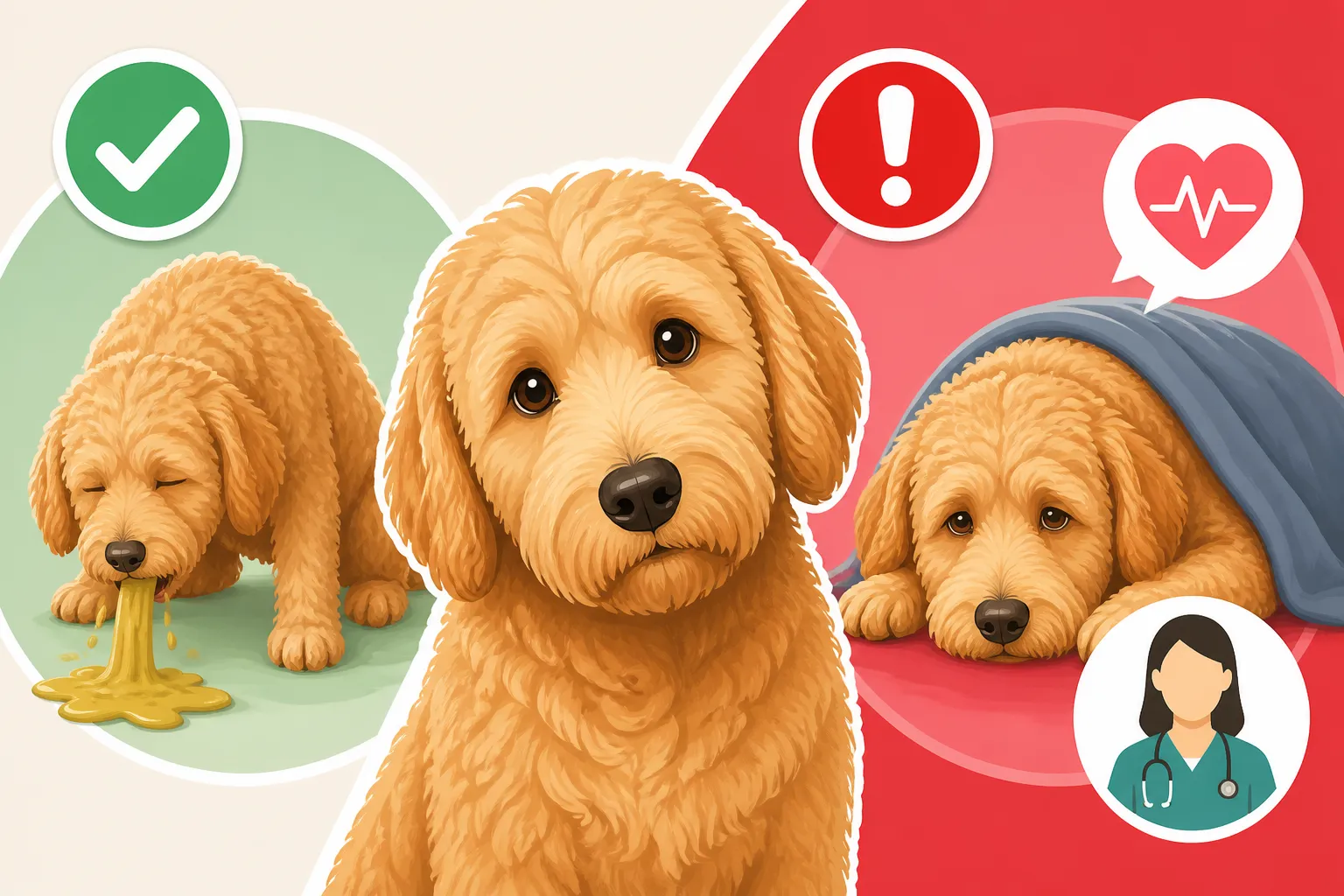
Think of it this way: sometimes, your Goldendoodle just needs to hit the reset button. They might have eaten their kibble too fast, inhaled a bit too much grass during their morning zoomies, or found a suspicious "treat" on your latest walk that their stomach promptly rejected. This kind of vomiting usually happens once or twice, your Goldendoodle might look a little sheepish afterward, but then they quickly perk up, wagging their tail and looking for their next adventure (or meal).
For instance, my Goldendoodle, Charlie, once decided to sample a few too many dandelions in the park. About twenty minutes later, he threw up a pile of green, undigested plant matter, looking utterly confused by the whole ordeal. After that, he was completely fine, back to sniffing every blade of grass. This is typically nothing to worry about. Their digestive system is just doing its job. Similarly, if they've had a sudden change in their food, even a small one, their stomach might protest. This is why when you're transitioning foods, it's always best to do it gradually over several days.
Distinguishing Vomit from Regurgitation
This is a really important distinction that often gets overlooked. While both involve bringing food back up, the process and implications are quite different.
Regurgitation is a passive process. It often happens shortly after eating, usually with little effort or warning. The food comes back up looking pretty much the same as it went down – undigested, often still in the shape of the esophagus, and without any bile mixed in. It's usually quiet, and your Goldendoodle won't have the heaving, abdominal contractions you see with vomiting. They might just swallow it back down if you're not quick enough to stop them! Regurgitation can sometimes be due to eating too quickly, excitement, or issues with the esophagus. If it's a frequent occurrence, especially if your Goldendoodle isn't thriving or is losing weight, it absolutely warrants a vet visit.
Vomiting, on the other hand, is an active process. You'll see those tell-tale heaves, retching sounds, and strong abdominal contractions as your Goldendoodle forces the contents of their stomach (and sometimes even the small intestine) out. The expelled material is often partially digested, mixed with stomach acid or bile, and has a distinct, usually unpleasant, odor. It’s much more forceful and clearly signals that something is irritating the stomach or digestive system.
Think of it like this: regurgitation is like pouring water out of a bottle; vomiting is like squeezing toothpaste out of a tube. The effort involved is the key indicator. If you're not sure, try to record your Goldendoodle during an episode (if safe and practical) to show your vet.
When Goldendoodle Vomiting Becomes a Red Flag
While a single instance of vomiting might just be a blip, there are definite signs that indicate it's time to take things much more seriously. Ignoring these red flags can lead to much bigger problems down the line, and sometimes, even minutes can make a difference.
Frequency, Volume, and Persistent Vomiting
One isolated vomit might be okay, but multiple episodes in a short period, or vomiting that just won't stop, is a huge concern. If your Goldendoodle vomits several times within a few hours, or if they continue to vomit over 24 hours even after you've withheld food and water, that's a signal their body isn't resolving the issue on its own. Persistent vomiting can quickly lead to dehydration, electrolyte imbalances, and severe discomfort.
Imagine your Goldendoodle vomiting every hour for a morning, even if it's just yellow bile after their stomach is empty. This isn't just a minor upset; this is their body struggling to contain something or deal with a significant irritant. Whether it's a massive volume of expelled contents or small, frequent retches, the sustained nature of the issue means it's time to call your vet. This is also where having pet insurance like Healthy Paws can really make a difference, easing the financial stress of urgent vet visits.
Accompanying Symptoms You Can't Ignore
Vomiting rarely happens in a vacuum when something serious is going on. Often, it's accompanied by a host of other symptoms that collectively paint a picture of distress. These are the signs that shout, "Emergency!"
- Diarrhea: If your Goldendoodle is experiencing both vomiting and diarrhea, especially if the diarrhea lasts for more than two days, dehydration becomes a rapid and severe risk. This combination often points to a gastrointestinal infection, parasites, or dietary issues. You can learn more about this in our guide on Goldendoodle Diarrhea Lasting More Than Two Days.
- Lethargy and Weakness: A Goldendoodle that's usually full of beans suddenly acting subdued, unresponsive, or struggling to stand is a major cause for concern. This isn't just tiredness; it indicates significant illness or pain.
- Abdominal Pain: If your Goldendoodle hunches, guards their belly, or cries out when you gently touch their abdomen, they're in pain. This can be a sign of something like pancreatitis, a foreign body, or bloat, which is a critical emergency, especially in larger Goldendoodles. Our article on Bloat Risk in a Standard Goldendoodle is essential reading for this.
- Fever: A dog's normal temperature is higher than a human's (around 101-102.5°F or 38.3-39.2°C). If your Goldendoodle feels unusually hot, or you can take their temperature rectally and it's elevated, it points to infection or inflammation.
- Pale Gums: Healthy gums should be pink and moist. If they're pale, white, or blue, it indicates poor circulation, shock, or severe anemia, which are all emergencies.
- Changes in Appetite/Thirst: Refusing food and water for more than 24 hours, or conversely, drinking excessively, can be worrisome.
- Distended or Bloated Abdomen: A swollen, hard belly combined with retching (often unproductive, meaning nothing comes up) is a classic, terrifying sign of bloat, a life-threatening condition.
- Collapse or Seizures: These are immediate, severe emergencies requiring urgent veterinary care.
- Difficulty Breathing: Labored breathing, gasping, or panting excessively points to systemic issues or potential aspiration if they've vomited and inhaled some contents.
Specific Types of Vomit and What They Might Indicate
The appearance of what your Goldendoodle vomits can also offer clues to your vet. Don't be shy about describing it in detail.
- Yellow Bile: If your Goldendoodle vomits yellow, foamy liquid, it usually means their stomach is empty, and they're bringing up bile from the small intestine. This can happen with prolonged vomiting or if they haven't eaten for a while (e.g., "hunger pukes" early in the morning). While often not immediately life-threatening on its own, persistent bile vomiting means their stomach is severely irritated.
- White Foam: This often indicates an irritated stomach or esophagus. It's common after dry heaving or when trying to bring something up. Again, if it's prolonged or combined with other symptoms, it's concerning.
- Undigested Food: If they bring up undigested food shortly after eating, it could be fast eating, excitement, or a sign of regurgitation rather than true vomiting. If it's hours after eating and still undigested, it might suggest food isn't moving through the digestive system properly.
- Mucus: Slimy mucus in the vomit often indicates inflammation or irritation in the stomach or intestines.
- Foreign Objects: If you see pieces of toys, socks, string, or anything that clearly shouldn't be ingested, it's a huge alarm bell. This could mean a partial or complete obstruction in their digestive tract, which requires immediate veterinary intervention.
- Blood: This is perhaps the most alarming sign.
- Bright Red Blood: Usually indicates fresh bleeding in the upper digestive tract (mouth, esophagus, stomach). This could be from an ulcer, a tear, or even an ingested sharp object.
- Coffee Ground-Like Vomit: This is digested blood, meaning it's been in the stomach for a while and partially broken down. It's often a sign of significant internal bleeding and is a serious emergency.
| Vomit Appearance | Potential Implication | Urgency Level |
|---|---|---|
| Undigested Food | Eating too fast, mild upset, regurgitation (if passive) | Low (monitor if one-off) to Medium (if frequent) |
| Yellow/White Bile/Foam | Empty stomach, stomach irritation, acid reflux | Low (if isolated) to Medium/High (if persistent) |
| Mucus | Inflammation or irritation of digestive lining | Medium |
| Foreign Object | Ingestion of non-food item, potential obstruction | High (immediate vet visit) |
| Bright Red Blood | Fresh bleeding in upper GI tract (esophagus, stomach tear, ulcer, sharp object) | High (immediate vet visit) |
| "Coffee Ground" Blood | Digested blood, significant internal bleeding | Critical (emergency vet immediately) |
| Fecal Matter | Obstruction or severe intestinal blockage (rare, but severe) | Critical (emergency vet immediately) |
Common Causes of Worrying Goldendoodle Vomiting
Once you've determined that your Goldendoodle's vomiting isn't just a minor blip, understanding the potential underlying causes can help you communicate effectively with your vet and prepare for diagnostics. The range of possibilities is quite broad, from simple dietary issues to life-threatening conditions.
Dietary Indiscretion and Sudden Food Changes
This is probably one of the most common reasons Goldendoodles (and many dogs) get an upset stomach. Goldendoodles, with their Golden Retriever heritage, tend to be very food motivated and, let's just say, not always discerning about what they put in their mouths.
- Scavenging: Eating garbage, spoiled food, dead animals, or even just too much rich human food (like leftover fatty bacon grease or too many scraps from the barbecue) can trigger severe gastroenteritis. Your Goldendoodle might pick up something toxic or simply overwhelm their digestive system. Our guide on What a Goldendoodle Should Never Eat highlights many common household dangers.
- Sudden Food Changes: Switching your Goldendoodle's kibble or wet food abruptly, without a gradual transition period, can easily lead to vomiting and diarrhea. Their digestive system needs time to adjust to new ingredients. Even a new type of treat or chew can sometimes cause an upset.
- Food Allergies or Sensitivities: While less common for acute vomiting, persistent vomiting, especially when combined with skin issues, could indicate a food allergy or sensitivity. If your Goldendoodle is also scratching excessively or has itchy skin, it might be worth exploring this with your vet. Our article on Goldendoodle Food Allergies Showing on the Skin delves deeper into this.
Gastrointestinal Issues and Infections
Sometimes, the problem lies within the digestive tract itself, whether it's an inflammation or an unwelcome guest.
- Gastritis/Enteritis: This is simply inflammation of the stomach (gastritis) or intestines (enteritis). It can be caused by anything from dietary indiscretion to bacterial or viral infections. Symptoms include vomiting, diarrhea, abdominal pain, and lethargy.
- Parasites: Intestinal parasites like roundworms, hookworms, whipworms, giardia, or coccidia can cause severe gastrointestinal upset, including vomiting, diarrhea, weight loss, and a dull coat. This is why regular deworming and fecal checks are so important, especially for puppies. Ensuring your Goldendoodle has proper Goldendoodle Heartworm Prevention Yearly and general parasite control is crucial.
- Bacterial/Viral Infections: Just like humans, dogs can get stomach bugs. Parvovirus is a particularly dangerous viral infection, especially for puppies who haven't completed their vaccination series. Ensuring your Goldendoodle has timely Goldendoodle Vaccination and Puppy Health Checks is vital. Other bacteria like Salmonella or E. coli can also cause severe vomiting and diarrhea.
- Pancreatitis: Inflammation of the pancreas is a serious condition, often triggered by a high-fat meal. Symptoms include severe vomiting, abdominal pain, lethargy, and sometimes fever. It requires immediate veterinary attention.
- Inflammatory Bowel Disease (IBD): This is a chronic condition where the gastrointestinal tract becomes chronically inflamed. It often manifests as intermittent vomiting, diarrhea, weight loss, and decreased appetite.
Serious Conditions and Obstructions
These are the causes that truly warrant immediate emergency care, as they can rapidly become life-threatening.
- Foreign Body Obstruction: Goldendoodles are notorious for ingesting things they shouldn't. If a foreign object (like a toy, sock, or part of a chew) gets stuck in their esophagus, stomach, or intestines, it can cause severe, persistent vomiting. They might retch constantly but produce nothing, or vomit undigested food. This is incredibly dangerous and often requires emergency surgery.
- Bloat (Gastric Dilatation-Volvulus or GDV): This is a true veterinary emergency, particularly in deep-chested breeds like the Standard Poodle and Golden Retriever, making Standard Goldendoodles susceptible. The stomach fills with gas and then twists, cutting off blood supply. Symptoms include a distended abdomen, unproductive retching, lethargy, drooling, and obvious discomfort. If you suspect bloat, get to an emergency vet immediately. Our article on Bloat Risk in a Standard Goldendoodle provides crucial details on this.
- Addison's Disease: Also known as hypoadrenocorticism, this is a hormonal disorder where the adrenal glands don't produce enough hormones. It can present with vague symptoms like intermittent vomiting, diarrhea, lethargy, and weakness, which can wax and wane. In severe cases, it can lead to an "Addisonian crisis" with sudden, severe collapse and vomiting. If your Goldendoodle has recurring, unexplained vomiting, it’s worth discussing Addison’s with your vet. You can learn more about this in our guide on Addison's Disease Signs in a Goldendoodle.
- Kidney or Liver Disease: As dogs age, organ function can decline. Vomiting can be a symptom of acute or chronic kidney failure or liver disease. Toxins build up in the body and cause nausea. This is why regular check-ups and a The Senior Panel a Goldendoodle Should Have at Nine are so important for older Goldendoodles.
- Certain Cancers: While less common for acute, sudden vomiting, certain abdominal cancers can cause chronic vomiting as they progress.
- Toxins and Poisons: Ingestion of household chemicals, certain plants, medications, or human foods toxic to dogs can lead to severe vomiting and other systemic signs.
What to Do When Your Goldendoodle Is Vomiting
When your Goldendoodle is vomiting, it’s natural to feel helpless. But there are important steps you can take at home, as well as clear indicators for when to seek professional help. Your swift action can sometimes make a significant difference.
Initial Steps at Home and Observation
If your Goldendoodle vomits once or twice but seems otherwise fine (alert, no other concerning symptoms), you can try some initial steps at home:
- Withhold Food: The first and most crucial step is to give their digestive system a break. Withhold all food for 12-24 hours. This allows the stomach to settle and reduces irritation. For puppies or very small Goldendoodles, check with your vet first, as they can dehydrate or become hypoglycemic more quickly.
- Offer Small Amounts of Water: After an hour or two without vomiting, offer tiny amounts of fresh water (a few tablespoons at a time, every 15-30 minutes). If they gulp it down too fast, they might just vomit again. You can also offer ice chips to lick, which helps rehydrate slowly. If they keep vomiting water, stop offering it and contact your vet.
- Monitor Closely: Keep a close eye on your Goldendoodle. Note the frequency of vomiting, the volume, and what the vomit looks like. Are there any other symptoms developing, like those listed above (lethargy, diarrhea, pain)?
- Bland Diet (After 12-24 Hours): If they haven't vomited for 12-24 hours and seem to be holding down water, you can gradually reintroduce a bland diet. This typically consists of boiled, plain chicken (no skin, no bones, no seasoning) and plain white rice in a 1:2 ratio (one part chicken to two parts rice). Offer very small portions (a spoonful or two) every few hours. If they keep it down, you can slowly increase the amount and frequency over the next day or two.
- Gradual Transition Back to Regular Food: Over several days, slowly mix their regular food into the bland diet, increasing the proportion of regular food until they're back to normal.
When to Head to the Emergency Vet
There are certain situations where home care is simply not enough, and delaying a vet visit can be dangerous, even life-threatening. Don't second-guess yourself if you observe any of these:
- Persistent Vomiting: If your Goldendoodle vomits more than 3-4 times in a few hours, or continuously for more than 8-12 hours, even if it's just bile or foam.
- Unproductive Retching/Heaving: This is especially critical for Standard Goldendoodles and points to potential bloat. If they're trying to vomit but nothing is coming up, seek emergency care immediately.
- Accompanying Severe Symptoms: Any combination of vomiting with severe lethargy, collapse, intense abdominal pain, fever, pale gums, difficulty breathing, or seizures.
- Bloody Vomit: Bright red blood or "coffee ground" vomit is always an emergency.
- Known Toxin Ingestion: If you know or suspect your Goldendoodle has eaten something poisonous (e.g., chocolate, medications, rat poison, certain plants).
- Foreign Body Ingestion: If you saw them eat a foreign object or suspect an obstruction.
- Puppies or Senior Dogs: Puppies and older Goldendoodles are more fragile and can dehydrate or decline much faster. If a puppy is vomiting frequently, they need immediate veterinary attention. Similarly, an older Goldendoodle may have underlying conditions that make vomiting more dangerous.
- Chronic Conditions: If your Goldendoodle has a known chronic illness (like kidney disease, diabetes, or Addison's disease), vomiting can be a sign of a crisis and requires immediate vet consultation.
- No Improvement: If your Goldendoodle doesn't show any signs of improvement after 12-24 hours of conservative home care, or if they worsen at any point.
In these emergency situations, the financial worry can be immense. Having pet insurance like Healthy Paws can provide much-needed peace of mind, allowing you to focus on getting your Goldendoodle the care they need without hesitation.
Diagnostic Tests and Treatment Options
Once you're at the vet, they'll perform a thorough physical examination, checking your Goldendoodle's temperature, heart rate, hydration status, and gently palpating their abdomen for pain or abnormalities. Based on their findings and your description of the symptoms, they might recommend several diagnostic tests:
- Blood Work (CBC and Chemistry Panel): This helps assess hydration, electrolyte balance, organ function (kidney, liver, pancreas), and look for signs of infection or inflammation. It can help rule out conditions like pancreatitis or Addison's disease.
- Fecal Examination: A stool sample can identify intestinal parasites, which are a common cause of vomiting and diarrhea.
- Abdominal X-rays: These can help identify foreign bodies, signs of obstruction, significant gas accumulation (like with bloat), or changes in organ size/shape.
- Abdominal Ultrasound: This provides a more detailed view of the abdominal organs, allowing the vet to examine the layers of the stomach and intestinal walls, look for tumors, assess blood flow, and identify smaller foreign bodies or pancreatitis.
- Urinalysis: Can help assess kidney function and hydration.
- Specific Tests: Depending on suspicions, specific tests might be run, such as a CPLI (Canine Pancreatic Lipase Immunoreactivity) for pancreatitis or an ACTH stimulation test for Addison's disease.
Treatment will vary widely depending on the diagnosis:
- Supportive Care: For mild cases, this might involve anti-nausea medications, fluids (subcutaneous or intravenous if dehydrated), and a bland diet.
- Medications: Antibiotics for bacterial infections, dewormers for parasites, anti-inflammatory drugs, or specific medications for conditions like Addison's.
- Fluid Therapy: Crucial for dehydrated dogs, administered intravenously in the clinic.
- Surgery: If there's a foreign body obstruction, bloat, or certain types of tumors, emergency surgery will be necessary to correct the problem. This is a significant undertaking, and costs can escalate quickly, which is another area where a robust plan like that offered by Healthy Paws can be invaluable.
- Dietary Management: For food sensitivities or IBD, a special prescription diet might be recommended long-term.
No Goldendoodle owner wants to see their furry friend in distress. By understanding the signs, knowing when to act, and being prepared, you can ensure your Goldendoodle gets the prompt and appropriate care they need to bounce back to their happy, healthy selves.
Disclaimer
The information provided in this article is for general informational purposes only and is not a substitute for professional veterinary advice, diagnosis, or treatment. Always seek the advice of your veterinarian or other qualified animal health provider with any questions you may have regarding a medical condition. Never disregard professional veterinary advice or delay in seeking it because of something you have read in this article.