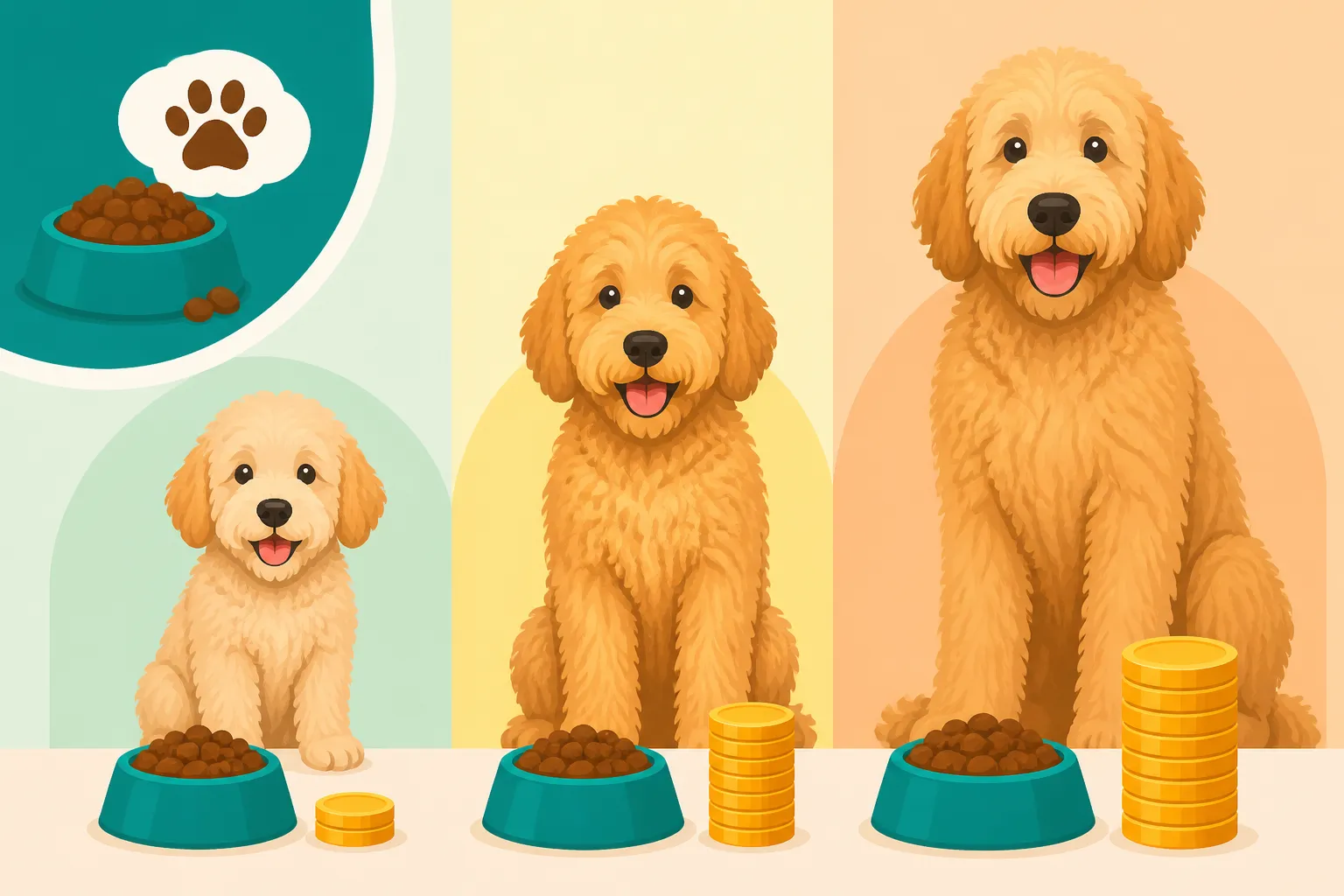
What Feeding a Goldendoodle Costs by Size
One of the biggest eye-openers for new Goldendoodle owners isn't just the initial puppy price, but the ongoing expenses that quickly add up – and feeding your furry family member is right at the top of that list. It's not just about tossing any kibble into a bowl; you want to ensure they thrive, but the sheer variety of food options and their wildly different price tags can be utterly overwhelming. This guide is here to break down what you can realistically expect to spend on your Goldendoodle's food, tailored specifically to their size, so you can budget wisely and keep that tail wagging without breaking the bank.
Understanding the Factors Influencing Goldendoodle Feeding Costs
Before we dive into specific dollar amounts, it's crucial to understand that Goldendoodle feeding costs aren't a one-size-fits-all equation. Several key factors can dramatically swing your monthly budget, and recognizing these variables is the first step toward making informed decisions for your pup.
Quality of Food Makes a Significant Difference
Just like with human food, dog food comes in a vast spectrum of quality, and price often reflects that. You'll find everything from budget-friendly grocery store brands to premium, vet-formulated options. While it might be tempting to opt for the cheapest bag, remember that higher-quality foods often use better ingredients, leading to better nutrient absorption and potentially fewer health issues down the line. This can mean fewer vet visits and a healthier, happier Goldendoodle in the long run. These foods typically contain fewer fillers like corn and soy, and instead focus on whole proteins, healthy fats, and complex carbohydrates. They're designed to provide complete and balanced nutrition, which is vital for a breed as active and intelligent as the Goldendoodle.
Diet Type: Kibble, Fresh, or Raw
The type of diet you choose for your Goldendoodle will be a primary determinant of your expenses. Traditional dry kibble is generally the most economical option, offering convenience and a long shelf life. However, the market has expanded considerably, with many owners now exploring fresh food or raw food diets. Fresh food, often gently cooked and delivered to your door, tends to be more expensive but offers perceived health benefits and improved palatability. Raw food diets, which typically consist of uncooked meat, bones, and organs, represent the highest end of the cost spectrum and require careful preparation to ensure nutritional completeness and safety. Each of these diet types has its proponents and its unique set of costs and considerations for your Goldendoodle.
Age and Activity Level Impact Calorie Needs
A Goldendoodle puppy, especially during its rapid growth phases, will have different nutritional needs and calorie requirements than an adult dog. Similarly, a highly active Goldendoodle who spends hours hiking or playing fetch will burn significantly more calories than a more sedate companion who prefers lounging on the couch. This means their food intake—and thus your cost—will fluctuate throughout their life and based on their lifestyle. Senior Goldendoodles, for instance, often need fewer calories but may benefit from specialized diets to support joint health or cognitive function. Always consult with your veterinarian to determine the appropriate calorie intake for your specific Goldendoodle, as overfeeding can lead to unwanted weight gain, while underfeeding can result in nutrient deficiencies. This is particularly important for Goldendoodle weight and the load on its joints.
Feeding a Standard Goldendoodle: The Biggest Appetite
Standard Goldendoodles are magnificent dogs, often weighing between 50 to 90 pounds or even more. Their impressive size means they require a substantial amount of food, and consequently, a larger portion of your budget will be dedicated to keeping their bowls full.
Estimating Daily Calorie Needs
A fully grown, active Standard Goldendoodle might need anywhere from 1,800 to 2,500 calories per day, sometimes even more if they are exceptionally active. This isn't a hard and fast rule, as factors like metabolism, neuter status, and environmental temperature also play a role. Puppies, despite their smaller size initially, often have a higher caloric need per pound of body weight due to their rapid growth. As your Goldendoodle reaches adulthood, these needs will stabilize, but maintaining a healthy body condition under a thick coat is crucial. Finding ribs through two inches of Goldendoodle hair can be tricky, so regular weight checks and veterinarian consultations are essential to prevent overfeeding or underfeeding.
Cost Breakdown for Premium Kibble
For a Standard Goldendoodle, purchasing high-quality kibble can cost anywhere from $60 to $100+ per month, depending on the brand, ingredients, and where you buy it. A 30-pound bag of premium kibble might cost $70-90 and last roughly 3-4 weeks for a 70-pound dog eating 3-4 cups a day. Brands like Taste of the Wild, Orijen, or Blue Buffalo are popular choices among owners who prioritize quality ingredients without venturing into fresh or raw diets. Opting for a brand specifically formulated for large breeds is also a wise choice, as these often contain appropriate nutrient ratios for joint health and slower growth in puppies. Buying in larger bags can sometimes offer a slight per-pound discount, but always check expiration dates and proper storage to maintain freshness.
Exploring Fresh and Raw Options
If you're considering a fresh food diet for your Standard Goldendoodle, prepare for a significant jump in cost. Services like Ollie, for example, could easily run $200 to $400+ per month for a large dog, depending on the specific plan and portion sizes. These services offer pre-portioned, human-grade meals delivered to your door, focusing on whole ingredients and minimal processing. The convenience is undeniable, but the price tag reflects that.
For raw feeding, the costs can be even higher, often ranging from $250 to $500+ per month, especially if you're sourcing high-quality, human-grade meats, organs, and bones from local butchers or specialty suppliers. While some owners prepare raw meals themselves, ensuring nutritional completeness requires extensive research and often consultation with a veterinary nutritionist to prevent deficiencies. The cost also includes dedicated freezer space and careful handling to minimize bacterial contamination risks. The raw feeding approach is a significant commitment in both time and money.
The Medium and Mini Goldendoodle: Balancing Portions and Price
Medium and Mini Goldendoodles offer a slightly more manageable scale when it comes to feeding costs, but they still require careful consideration to ensure they receive optimal nutrition. These sizes typically fall into the 25-50 pound range.
Calorie Requirements for Mid-Sized Doodles
A Medium Goldendoodle, generally weighing between 35-50 pounds, might need approximately 1,000 to 1,500 calories daily, while a Mini Goldendoodle (25-35 pounds) could need 800 to 1,200 calories. Again, these are averages, and individual activity levels, metabolism, and age will influence their specific needs. Adolescent doodles, particularly those nearing their adult size, may still have higher caloric requirements to support their remaining growth. It's easy to accidentally overfeed a Goldendoodle, especially if you're not carefully measuring portions, leading to unnecessary weight gain. Always follow the guidelines on the food packaging as a starting point, but adjust based on your dog's body condition and energy levels, ideally with veterinary guidance.
Budgeting for Quality Food
For a Medium or Mini Goldendoodle, a good quality dry kibble will likely set you back $40 to $70 per month. A 15-20 pound bag of kibble, priced around $40-60, could last about a month for a 30-pound Goldendoodle. Brands like Merrick, Nulo, or Purina Pro Plan are often recommended for their balanced nutrition and digestible ingredients. Many dog food brands also offer specific formulas for smaller breeds, which feature smaller kibble sizes that are easier for smaller mouths to chew. When switching foods, do so gradually over 7-10 days to avoid upsetting their digestive system.
If you're looking at fresh food for a Mini or Medium Goldendoodle, the monthly bill could range from $100 to $250+. Services like The Farmer's Dog or Nom Nom Now provide customized plans that are more affordable for smaller dogs compared to their larger counterparts, but still represent a premium option. These diets can be particularly appealing for owners of Goldendoodles with Goldendoodle allergies and itchy skin or sensitive stomachs, as the limited, whole ingredients may be easier to digest.
The Impact of Dental Health on Food Choices
Mini and Toy Goldendoodles, in particular, can be prone to dental crowding in a Goldendoodle mouth due to inheriting a Poodle's smaller jaw with a Golden Retriever's number of teeth. This crowding can lead to increased plaque and tartar buildup. While not directly a feeding cost, choosing certain types of food can impact dental health, potentially leading to future vet bills for dental cleanings. Hard kibble can sometimes help scrape plaque, though it's not a substitute for regular brushing. Some owners opt for dental chews, which become an additional expense. Discussing your Goldendoodle's dental health with your vet can help you choose the best feeding strategy and preventive care routine.
Nourishing the Toy Goldendoodle: Small Size, Specific Needs
Toy Goldendoodles are the smallest of the bunch, typically weighing under 25 pounds, and often closer to 10-20 pounds. While their overall food volume is much less, their feeding costs still require careful consideration due to their unique metabolic and dental needs.
Tiny Tummies and Metabolism
A Toy Goldendoodle might only need 300 to 700 calories per day, depending on their exact size and activity level. Despite their small stature, they can have surprisingly fast metabolisms, requiring nutrient-dense food. Their small stomachs mean they often do better with several small meals throughout the day rather than one or two large ones. It’s important to select food that is rich in quality ingredients and avoids unnecessary fillers, as every bite counts for these little guys. Overfeeding even slightly can quickly lead to weight gain, which puts undue stress on their delicate joints.
Specialty Foods and Higher Per-Pound Costs
For a Toy Goldendoodle, a premium dry kibble typically costs $30 to $50 per month. While a bag of food will last much longer than for a Standard Goldendoodle, the per-pound cost for specialty small-breed formulas can sometimes be higher. Brands like Royal Canin X-Small or Hill's Science Diet Small Paws offer formulations specifically designed for the unique needs of very small dogs, including appropriate kibble size and nutrient balance. A 5-7 pound bag, costing around $20-30, might last a month or more for a 15-pound Toy Goldendoodle.
Considering fresh food for a Toy Goldendoodle will likely put you in the $70 to $150 per month range. While still a significant investment, it's considerably less than for larger dogs. These services often cater well to the precise portioning needed for very small dogs, which can be beneficial in managing their weight and ensuring they receive exact nutrient amounts. Chewy and similar online retailers often offer subscription services for these fresh food brands, making it convenient to keep a steady supply.
Addressing Dental Crowding with Food
As mentioned with Mini Goldendoodles, Toy Goldendoodles are particularly susceptible to dental crowding due to their mixed heritage. This can make them more prone to plaque and tartar buildup, as well as retained puppy teeth in a Mini Goldendoodle. While diet alone cannot prevent all dental issues, choosing appropriate food and adding dental care into your routine is crucial. Some small kibble designs are marketed to help clean teeth, but the most effective approach remains regular brushing. You might also consider specific dental chews or water additives, but always consult with your vet to ensure these are safe and effective for your Goldendoodle.
Beyond the Bowl: Additional Feeding-Related Expenses
The cost of your Goldendoodle's primary meals is just one piece of the puzzle. There are several other expenses related to their diet that can add up over time, and it’s important to factor these into your overall budget.
The Cost of Treats and Training Rewards
Goldendoodles are intelligent and eager to please, making them fantastic candidates for positive reinforcement training. However, those training treats and everyday rewards can quickly become a significant expense. If you're using high-value treats for obedience classes, behavior modification, or just daily enrichment, you might spend $10 to $30 or more per month on treats alone. Look for treats sized for a mini Goldendoodle, as even a Standard Goldendoodle might benefit from smaller, more frequent rewards during training sessions. Many owners also find success using bits of their Goldendoodle's regular kibble or safe, plain human foods like boiled chicken or carrots as lower-cost, healthy alternatives. Remember, treats should make up no more than 10% of their daily caloric intake to prevent weight gain.
Supplements for Goldendoodle Health
Depending on your Goldendoodle's age, health, and breed predispositions, your veterinarian might recommend various supplements. Joint support for a Goldendoodle can be a common consideration, especially for larger Goldendoodles or as they age. Omega-3 fatty acids, glucosamine, and chondroitin are popular choices, which can cost $15 to $40 per month or more. Other supplements might include probiotics for gut health, especially for Goldendoodles with sensitive stomachs, or skin and coat supplements for those prone to Goldendoodle skin and coat disease. While not all Goldendoodles need supplements, they can be a valuable investment in their long-term health, particularly as they enter their senior years. Always discuss any potential supplements with your vet before introducing them to your dog's diet.
Navigating Food Allergies and Prescription Diets
Goldendoodles can be prone to food allergies, often manifesting as itchy skin, ear infections, or gastrointestinal upset. Diagnosing a food allergy often involves an elimination diet, which can be challenging and sometimes requires prescription hydrolyzed protein or novel protein diets. These specialized foods are significantly more expensive than standard kibble. For example, a prescription diet could cost $80 to $150+ per month, even for a smaller Goldendoodle. These costs can feel like an unexpected burden, but they are essential for managing your dog's health and comfort. If your Goldendoodle is chewing its paws or has chronic ear issues, a food trial might be in its future. Remember, pet insurance from providers like Healthy Paws might cover some of these veterinary costs associated with allergy diagnosis and management, depending on your plan and the specific condition.
Smart Strategies for Managing Goldendoodle Feeding Costs
Keeping your Goldendoodle well-fed doesn't have to break the bank, even with rising costs. There are several smart strategies you can employ to manage expenses without compromising on quality.
Buying in Bulk and Subscription Services
One of the easiest ways to save money on kibble, especially for Standard Goldendoodles, is to buy larger bags. The per-pound cost is almost always lower for a 30-40 pound bag compared to a 10-15 pound one. Just be sure you have appropriate storage that keeps the food fresh and pest-free. Airtight containers are key to preventing spoilage and maintaining nutritional value. Online retailers like Chewy often offer significant discounts for bulk purchases and auto-ship subscriptions, sometimes up to 10-15% off, plus the convenience of home delivery. This can be a game-changer for budgeting your Goldendoodle's food, ensuring you never run out and always get the best price. Many fresh food services also operate on a subscription model, which streamlines ordering and budgeting.
Home-Cooked Meals: A Closer Look
Some Goldendoodle owners explore home-cooked meals as a way to control ingredients and potentially save money, or address specific dietary needs. While cooking for a Goldendoodle can seem appealing, it's crucial to understand that it requires a significant time commitment and a deep understanding of canine nutrition to ensure the diet is complete and balanced. Simply feeding chicken and rice, for instance, is not enough for long-term health and can lead to serious nutrient deficiencies. A balanced home-cooked diet often involves specific ratios of protein, carbohydrates, fats, vitamins, and minerals, which usually means adding supplements formulated by a veterinary nutritionist. The cost of raw ingredients, especially human-grade meats, can quickly add up, sometimes making it comparable to, or even more expensive than, high-quality commercial fresh food. Before embarking on home-cooking, consult with your vet or a certified veterinary nutritionist to get appropriate recipes and guidance.
Avoiding Costly Pitfalls
There are a few common mistakes that Goldendoodle owners make that can inadvertently increase their feeding costs. First, resist the urge to constantly switch foods. Unless there's a medical reason, frequent changes can upset your dog's stomach and lead to costly vet visits. Second, be mindful of over-treating. Those extra calories add up, leading to weight gain and associated health issues, which means more food, specialized diets, and potentially higher vet bills down the line. Finally, always buy reputable brands of dog food. While budget brands might seem cheaper upfront, they often contain fillers that offer less nutritional value, meaning your dog eats more to feel satisfied, and their health may suffer. Investing in quality food upfront often pays dividends in long-term health and fewer medical expenses. This can also help avoid issues like Goldendoodle allergies and itchy skin that might stem from poor diet.
Here's a comparison table summarizing potential monthly feeding costs for Goldendoodles by size and diet type:
| Goldendoodle Size | Estimated Daily Calorie Needs | Premium Dry Kibble (Monthly) | Fresh Food (Monthly) | Raw Food (Monthly) |
|---|---|---|---|---|
| Toy (10-25 lbs) | 300-700 calories | $30 – $50 | $70 – $150 | $100 – $250 |
| Mini (25-35 lbs) | 800-1,200 calories | $40 – $60 | $100 – $200 | $150 – $350 |
| Medium (35-50 lbs) | 1,000-1,500 calories | $50 – $70 | $150 – $250 | $200 – $400 |
| Standard (50-90+ lbs) | 1,800-2,500+ calories | $60 – $100+ | $200 – $400+ | $250 – $500+ |
Note: These are estimated ranges. Actual costs may vary significantly based on brand, specific product, regional pricing, and your Goldendoodle's individual needs and activity level.
Final Thoughts on Your Goldendoodle's Diet Budget
Feeding your Goldendoodle is one of the most fundamental aspects of their care, directly impacting their health, energy levels, and overall well-being. While the costs can seem daunting, especially for larger Goldendoodles or those on specialized diets, understanding the variables and planning ahead can make all the difference. Remember to always prioritize quality over the absolute cheapest option, as good nutrition is a long-term investment in your beloved companion. Whether you choose premium kibble, a convenient fresh food subscription, or a carefully prepared raw diet, your Goldendoodle relies on you to make the best choices for their health. Don't forget that a Goldendoodle's overall health can also be influenced by factors like Goldendoodle vaccination and puppy health checks, which should be part of their early life care. Regular check-ups with your vet can help you adjust feeding plans as your Goldendoodle moves through different life stages, from puppyhood to senior Goldendoodle care after the age of nine.
Disclaimer
The information provided in this guide is for general informational purposes only and does not constitute veterinary advice. Always consult with a qualified veterinarian for any health concerns or before making any changes to your Goldendoodle's diet, exercise, or medical care plan. Individual nutritional needs can vary significantly based on age, size, activity level, and specific health conditions.