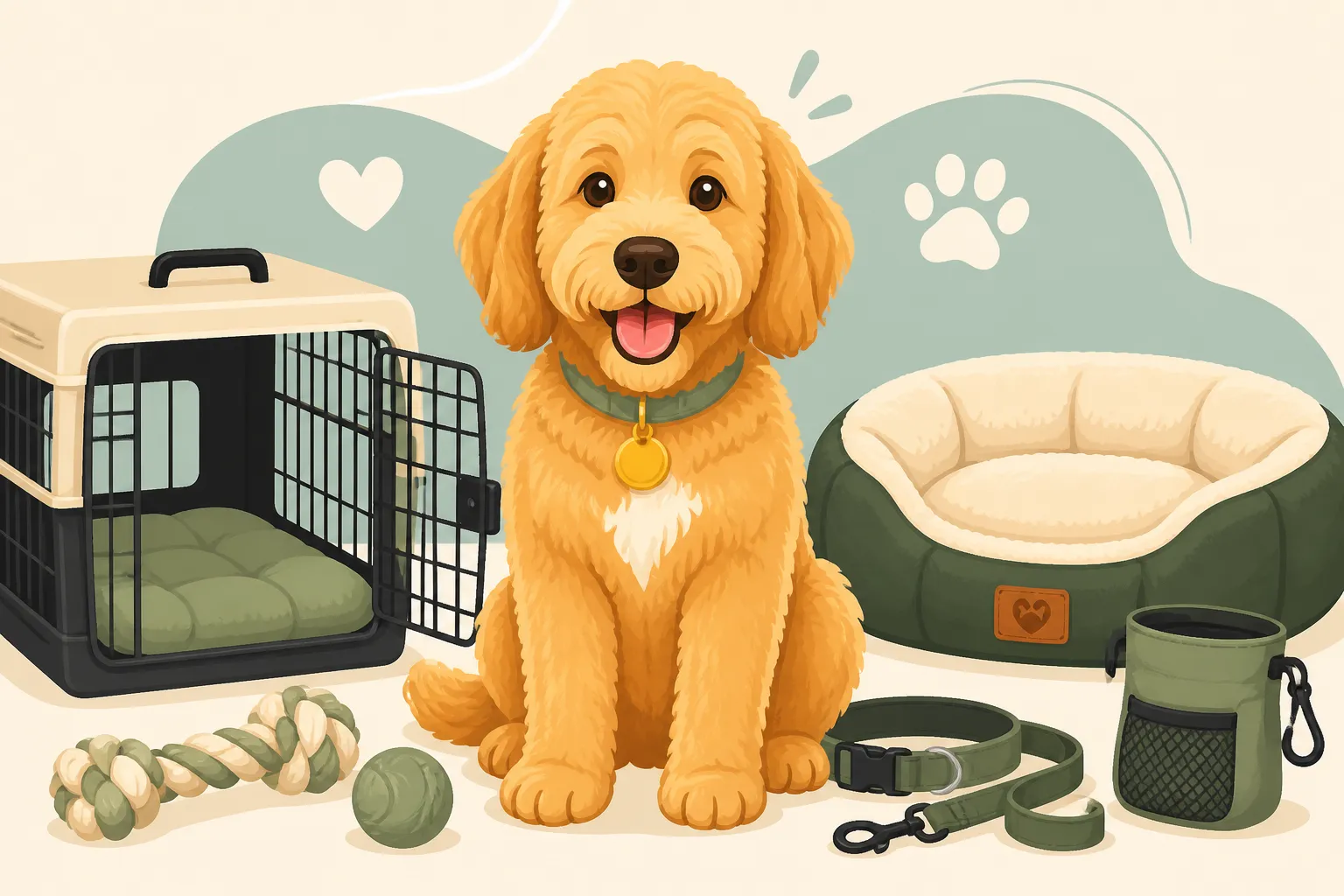
Goldendoodle Crates, Beds and Everyday Gear
Bringing a Goldendoodle home is an exciting time, but the sheer volume of gear options out there can feel incredibly overwhelming, leaving many new owners wondering what they really need and what's just clever marketing. From endless crate choices to a dizzying array of beds and accessories, it’s easy to feel lost and make impulsive purchases that don't quite fit your Goldendoodle’s unique needs. This comprehensive guide will cut through the noise, helping you understand the essential crates, beds, and everyday gear designed to keep your Goldendoodle happy, healthy, and comfortable from puppyhood through their golden years.
Choosing the Right Crate for Your Goldendoodle
A crate isn't just a cage; it's a vital tool for house training, creating a safe den, and managing your Goldendoodle's alone time. Selecting the right one is paramount for their comfort and your peace of mind. Getting it wrong can lead to accidents, anxiety, or even injury, so let's dig into how to pick the perfect fit.
Sizing Up for Comfort and Safety
One of the biggest mistakes new Goldendoodle owners make is buying a crate that's either too small or far too large. A crate should be just big enough for your Goldendoodle to stand up, turn around, and lie down comfortably. If it's too big, your puppy might use one end as a potty area, defeating the purpose of house training. If it's too small, they'll be uncomfortable and potentially stressed.
For Goldendoodle puppies, especially those growing into a Standard or Medium size, look for crates with a divider panel. This allows you to adjust the internal space as they grow, expanding it gradually so they always have enough room to be comfortable but not so much that they can mess in one corner and sleep in another. Remember, a Standard Goldendoodle can reach 50 to 90 pounds, while a Toy might stay under 15 pounds, so the scale of your crate needs to match your expected adult dog. You can learn more about how sizing is set in Crate Size Set by Goldendoodle Size Category. Imagine bringing home an 8-week-old Mini Goldendoodle puppy, no bigger than a shoe box. You might instinctively buy a tiny crate, but in just a few months, that little pup will be a sturdy adolescent needing much more space. Investing in a larger crate with a divider from the start is a far more economical and practical approach.
Types of Crates: Wire, Soft, and Furniture
The market offers various crate styles, each with its own advantages and disadvantages. Your lifestyle, your dog's temperament, and your home aesthetics will all play a role in your decision.
- Wire Crates: These are the most common and versatile. They offer excellent ventilation, are easy to clean, and often come with dividers. Most are foldable for easy transport or storage. The open design allows your Goldendoodle to see what's happening around them, which can be comforting for some, but overwhelming for others. For a Goldendoodle that might chew, a sturdy wire crate is often the best initial choice. You can drape a blanket over it to create a den-like feel, providing a sense of security.
- Soft-Sided Crates: Lightweight and portable, these are great for travel, dog shows, or temporary confinement for already crate-trained dogs. They're typically made of canvas or mesh over a collapsible frame. However, they offer less security and are easily damaged by chewers or escape artists. A soft crate would be unsuitable for a young Goldendoodle puppy prone to Goldendoodle Puppy Chewing Through Furniture. They’re best reserved for an adult Goldendoodle who views their crate as a safe, cozy retreat and isn't likely to try to chew their way out.
- Furniture Crates (Crate End Tables): These blend seamlessly into your home decor, often designed as attractive wooden end tables with a built-in crate. They're usually quite sturdy and aesthetically pleasing. The downside is they are often heavier, less portable, and typically more expensive. They are also usually fixed-size, so not ideal for growing puppies unless you plan to upgrade or have a dedicated puppy crate first. For an adult Goldendoodle, a furniture crate can be a wonderful, integrated piece of furniture that gives your dog a dedicated, stylish space.
Crate Placement and Training Tips
Where you place the crate and how you introduce it can make all the difference in whether your Goldendoodle accepts it as a safe haven or views it as a punishment. Initially, place the crate in a central, busy area of your home, like the living room, where your puppy can still feel like part of the family. This is especially crucial for Goldendoodles, who often develop Goldendoodle Separation Anxiety From Both Parent Lines if left completely isolated. Once they're comfortable, you can gradually move it to a quieter spot, like your bedroom, for overnight sleeping. Many owners choose to have one primary crate and a smaller, soft-sided one for travel or a secondary napping spot.
The key to successful crate training is positive association. Never use the crate for punishment. Instead, make it a positive experience by feeding meals inside, offering high-value treats, and placing favorite toys. Start with short periods and gradually increase the time, always praising and rewarding calm behavior. Imagine you're trying to get your Goldendoodle puppy, let’s call her Daisy, to love her new wire crate. Instead of just putting her in and closing the door, you toss a few delicious treats inside, let her go in and out freely, and praise her enthusiastically. Then, when she's comfortable, you close the door for just a minute while you're still in the room, slowly building up to longer periods. Consistency and patience are your best friends here.
| Crate Type | Pros | Cons | Best For |
|---|---|---|---|
| Wire | Excellent ventilation, easy to clean, durable, foldable, often includes dividers | Can look stark, some dogs prefer more enclosure | Puppies (with divider), chewers, general use, budget-conscious owners |
| Soft-Sided | Lightweight, portable, comfortable, cozy | Not for chewers/escape artists, less secure, harder to clean up accidents | Crate-trained adults, travel, temporary confinement |
| Furniture | Blends with decor, sturdy, provides an end table | Expensive, heavy, not portable, fixed size (less flexible for growth) | Adult Goldendoodles, owners prioritizing aesthetics, non-chewers |
Finding the Perfect Bed for Every Goldendoodle Stage
Just like us, Goldendoodles need a comfortable place to rest their heads. But their needs change as they grow, and a single bed might not cut it for their entire lifespan. Choosing the right bed isn't just about comfort; it's about supporting their joints, managing messes, and catering to their sleeping habits.
Puppy Beds: Durability and Washability
Goldendoodle puppies are notorious for their exuberance, which often translates into chewing, digging, and occasional potty accidents. Therefore, a puppy bed needs to be incredibly durable and, most importantly, easy to clean. Look for beds with removable, machine-washable covers that can withstand frequent laundering. Avoid anything with easily detachable parts, excessive stuffing that can be pulled out, or delicate fabrics.
Consider a simple, flat mat or a low-sided bolster bed made from tough, chew-resistant material. Brands like Kong or even basic sturdy options from Chewy often fit the bill. Some puppies benefit from a waterproof liner to protect the inner cushioning from accidents. Remember, the goal here is functionality over luxury. Daisy, our energetic Goldendoodle puppy, went through three different beds in her first six months! One was too plush and got shredded, another was too big and became a potty spot, but the flat, canvas-covered mat with a washable cover held up beautifully against her teething and occasional spills. Prioritizing washability is key when managing puppy messes and keeping odors at bay.
Adult Beds: Support and Style
Once your Goldendoodle outgrows their destructive puppy phase, typically around 1-2 years old, you can invest in a more substantial bed. At this stage, joint support becomes a significant factor, especially for Standard Goldendoodles who are prone to conditions like Goldendoodle Hip Dysplasia at 15 to 20 Percent or Goldendoodle Elbow Dysplasia From Both Parent Breeds.
- Orthopedic Beds: These are a fantastic investment. Made with memory foam or supportive poly-fill, they cushion joints and relieve pressure points. They come in various styles: bolster beds (with raised edges for head resting), flat mats, or even cave-style beds for those who love to burrow. Brands like Big Barker or Casper Dog Bed are popular for their orthopedic support.
- Waterproof/Water-Resistant Beds: Even adult Goldendoodles can have accidents or come in from a rainy walk. A bed with a water-resistant liner or cover is always a smart choice for easy cleanup.
- Elevated Beds: Also known as cot beds, these keep your Goldendoodle off the cold or hot floor, promoting air circulation and preventing pressure sores. They are particularly great for warmer climates or for outdoor use.
When choosing, observe how your Goldendoodle sleeps. Do they stretch out like a superhero, curl into a tight ball, or lean against something? This will help you decide between a bolster, a flat mat, or an extra-large donut bed. My Goldendoodle, Charlie, loves to sprawl, so a large, flat orthopedic mat by a sunny window is his absolute favorite spot.
Specialty Beds for Older Goldendoodles
As your Goldendoodle enters their senior years, typically around age nine, their needs shift again. Comfort and ease of access become paramount. A senior Goldendoodle might struggle with mobility, experiencing arthritis or other joint pain, making getting in and out of a high-sided bed difficult.
- Low-Profile Orthopedic Beds: These beds offer maximum support with minimal height, making it easier for an arthritic dog to step on and off. Look for extra thick memory foam to provide superior cushioning for aging joints. You can learn more about how to keep them comfortable in Senior Goldendoodle Mobility and Arthritis.
- Heated or Cooling Beds: Some senior dogs benefit from gentle warmth to soothe aching joints, especially in colder months. Heated beds with controlled temperatures can provide immense relief. Conversely, in hot climates, a cooling gel mat or elevated bed can help prevent overheating, particularly under their thick coats.
- Accident-Proof Beds: As dogs age, bladder control can sometimes wane. A fully waterproof bed, or one with an easily replaceable and washable cover, will be a godsend for managing any incontinence.
Think about your senior Goldendoodle's comfort above all else. A plush, easy-to-access bed can significantly improve their quality of life, offering a soft refuge for their tired bodies. It's a small way to show them immense love and care in their twilight years, ensuring they have a peaceful and pain-free place to rest.
Essential Everyday Gear for Goldendoodle Living
Beyond the foundational crates and beds, there's a whole host of everyday items that make living with a Goldendoodle smoother and safer. These are the tools that facilitate training, feeding, and travel, directly impacting their well-being and your daily routine.
Leashes, Collars, and Harnesses: Navigating Walks
Walking a Goldendoodle can be a joy, but it requires the right equipment to ensure safety and control, especially given their strength and enthusiasm.
- Collars: A flat buckle collar made of nylon or leather is suitable for carrying identification tags and for basic leash attachment for well-trained dogs. Ensure it fits snugly enough that you can only get two fingers under it, but not so tight it chokes. For Goldendoodles, particularly those with thicker neck furnishings, a wider collar can sometimes be more comfortable, spreading pressure more evenly.
- Leashes: A standard 6-foot nylon or leather leash is a versatile choice for everyday walks. Avoid retractable leashes, as they offer less control and can be dangerous, especially with a strong Goldendoodle that might suddenly bolt or lunge. For training, particularly for managing a Goldendoodle that tends to pull, a longer training lead can be useful for practicing recall in a safe, open area.
- Harnesses: These are often recommended for Goldendoodles, especially puppies or those prone to pulling, as they distribute pressure across the chest rather than the throat. However, be mindful of their coat. Traditional harnesses can cause matting, especially in the armpit area or across the chest, where the straps rub against their fur. Look for harnesses with wider straps, soft padding, or those specifically designed to minimize rubbing. A front-clip harness can be particularly effective for redirecting a pulling Goldendoodle, as it turns them to the side when they try to forge ahead. If your Goldendoodle is a persistent jumper, a good harness combined with training can help reinforce Four Paws on the Floor for a Goldendoodle. Regularly check for matting under the harness and adjust grooming accordingly.
Food and Water Bowls: Practicality and Health
Feeding time is a big part of your Goldendoodle's day, and the right bowls contribute to their health and hygiene.
- Material Matters: Stainless steel bowls are generally the best choice. They are durable, easy to clean, non-porous (so they don't harbor bacteria), and resist chewing. Ceramic bowls can be heavy and attractive, but they can chip or break, creating sharp edges, and porous glazes can trap bacteria. Plastic bowls are usually inexpensive but can scratch easily, trapping bacteria, and some dogs can develop contact allergies to plastic, leading to acne around their muzzle.
- Slow Feeder Bowls: Many Goldendoodles, inheriting traits from their Golden Retriever side, can be enthusiastic eaters. If your Goldendoodle wolfs down their food too quickly, a slow feeder bowl is a must-have. These bowls have ridges or obstacles that make them eat more slowly, which can aid digestion and reduce the risk of bloat, a serious condition, especially in larger Standard Goldendoodles. For more about preventing bloat, consider reading about Bloat Risk in a Standard Goldendoodle.
- Elevated Bowls: For larger Goldendoodles, some owners prefer elevated bowls, arguing they can improve posture and reduce strain on the neck and joints, although scientific evidence on their benefit for bloat prevention is mixed. If you opt for elevated bowls, ensure they are at a comfortable height for your dog to eat without stooping excessively or reaching too high. Brands like Chewy offer a wide selection of all these bowl types, making it easy to find what you need.
Travel Essentials: Keeping Them Safe on the Go
Whether it's a short trip to the vet or a long road trip, having the right travel gear ensures your Goldendoodle's safety and comfort.
- Car Restraints/Crates: Never allow your Goldendoodle to ride unrestrained in a vehicle. In an accident, they can become a projectile, injuring themselves and other passengers. A sturdy, crash-tested car crate or a seatbelt harness designed for dogs is essential. For larger Goldendoodles, a securely anchored travel crate in the cargo area of an SUV is often the safest option. For smaller ones, a car seat or booster seat can provide comfort and prevent motion sickness.
- Portable Water Bowls: Staying hydrated is crucial, especially during travel. Collapsible silicone bowls or bottles with built-in water dispensers are perfect for on-the-go hydration.
- Travel Beds/Blankets: Bring a familiar blanket or a dedicated travel bed to help your Goldendoodle feel secure in new environments. This familiar scent can be incredibly reassuring during stressful trips or stays in unfamiliar places.
- Waste Bags: Always carry plenty of waste bags. Being a responsible dog owner means cleaning up after your Goldendoodle wherever you go.
- First-Aid Kit: A basic pet first-aid kit with bandages, antiseptic wipes, and tweezers can be a lifesaver for minor injuries while adventuring. You never know when a paw pad might get cut on a hike.
Specialty Gear for Goldendoodle Grooming and Play
Goldendoodles are known for their beautiful, often low-shedding coats, but this comes with a trade-off: intensive grooming needs. Beyond that, their intelligent and active nature demands engaging play. The right specialty gear makes both tasks easier and more enjoyable.
Grooming Tools: Brushes, Combs, and Nail Care
The Goldendoodle coat, whether wavy, curly, or straight, is prone to matting without diligent care. Investing in quality grooming tools is non-negotiable. Many owners underestimate the Goldendoodle Grooming as the Biggest Line in the Budget, but home care can significantly reduce salon visits.
- Slicker Brush: This is your primary weapon against mats. Look for one with fine, angled wire pins. You'll need to line brush your Goldendoodle down to the skin several times a week, especially in high-friction areas like behind the ears, armpits, and under the collar. For more details, see Brushing a Goldendoodle Often Enough to Stop Matting.
- Metal Comb: A good quality, stainless steel comb with both wide and narrow teeth is essential for checking your work after brushing and for tackling smaller mats. If the comb cannot glide easily through the coat, you haven't brushed thoroughly enough.
- Detangling Spray: These sprays can make brushing easier, especially when working through tangles or static. They help protect the hair from breakage.
- Nail Clippers or Grinder: Goldendoodle nails grow quickly and need regular trimming to prevent discomfort and potential paw problems. Start early with a puppy to desensitize them. Many prefer a Dremel-style grinder for a smoother finish and less risk of cutting the quick. You'll want to be comfortable with Trimming Goldendoodle Nails Between Salon Visits to maintain paw health.
- Ear Cleaner and Cotton Balls: Goldendoodles, with their floppy, furnished ears, are prone to ear infections. Regular cleaning is crucial. Use a vet-approved ear cleaning solution and cotton balls, gently wiping the visible parts of the ear canal. For deeper insight into preventative care, check out Cleaning a Goldendoodle Ear Before It Gets Infected.
Remember, consistency is key. A few minutes of daily brushing is far more effective and less painful than trying to demat a severely matted coat once a month.
Interactive Toys and Chews: Mental and Physical Stimulation
Goldendoodles are intelligent and active dogs that thrive on mental and physical engagement. Without appropriate outlets, they can become bored, leading to destructive behaviors like Goldendoodle Puppy Chewing Through Furniture or excessive barking.
- Durable Chew Toys: Goldendoodles love to chew, and providing appropriate chew toys is vital. Look for durable rubber toys (like Kongs), Nylabones, or benebones that can stand up to their strong jaws. Always supervise new chew toys to ensure they are safe and won't splinter or be ingested.
- Puzzle Feeders/Enrichment Toys: These toys require your Goldendoodle to "work" for their food or treats, providing mental stimulation and slowing down fast eaters. LickiMats, snuffle mats, and various treat-dispensing toys are excellent for engaging their problem-solving skills and preventing boredom, especially on rainy days when outdoor exercise is limited. Ollie, known for their fresh dog food, also often suggests enrichment toys that complement a healthy feeding routine.
- Fetch Toys: Inheriting strong retrieving instincts from the Golden Retriever side, many Goldendoodles adore playing fetch. Durable balls, frisbees, or retrieving dummies are perfect for burning off energy in the yard or at the park. Just be mindful of their joints, especially with vigorous jumping. For an active dog, these toys are essential for providing The Hour or Two a Goldendoodle Needs Each Day.
- Rope Toys: Great for supervised tug-of-war, which can be a fantastic way to bond and provide a physical outlet. Always ensure they are sturdy and don't fray easily, as ingested strings can cause serious issues.
Rotate toys regularly to keep them interesting, and always choose toys appropriate for your Goldendoodle's size and chewing intensity.
Weather-Specific Apparel and Protection
Depending on where you live and your Goldendoodle's specific coat type, you might need some extra gear to protect them from the elements.
- Winter Coats/Sweaters: While Goldendoodles have thick coats, very cold temperatures, especially for smaller or older dogs, can still pose a risk. A well-fitting winter coat can protect them from wind, snow, and ice, making walks more comfortable. Consider their size; a Toy Goldendoodle will need more protection than a Standard in freezing weather.
- Paw Protection (Boots/Balm): In winter, paw pads can suffer from ice, snow, salt, and de-icing chemicals. Dog boots can offer excellent protection. In summer, hot pavements can burn pads, making boots or paw balm essential. Even without extreme weather, a good paw balm can keep pads moisturized and prevent cracking.
- Cooling Vests/Mats: In hot weather, especially for Goldendoodles with very dense, curly coats, overheating can be a concern. Cooling vests, bandanas, or mats can help regulate their body temperature during walks or outdoor activities. Always provide plenty of fresh water and shade.
- Rain Gear: A lightweight raincoat can keep your Goldendoodle's coat drier during wet walks, reducing the effort needed for drying and preventing the dreaded "wet dog" smell.
These specialized items might not be on everyone's initial shopping list, but they can significantly enhance your Goldendoodle's comfort and safety throughout the year, allowing them to enjoy outdoor activities regardless of the forecast.
Budgeting for Goldendoodle Gear: What Really Matters
The initial excitement of bringing a Goldendoodle puppy home can quickly turn into sticker shock when you start pricing out all the necessary gear. It’s easy to get carried away with cute accessories, but a pragmatic approach to budgeting ensures you cover the essentials without breaking the bank. Understanding Goldendoodle Puppy Prices From $2,000 to $5,000 is just the beginning; the ongoing costs add up quickly.
Prioritizing Needs vs. Wants
When you first bring your Goldendoodle home, there are a few absolute non-negotiables, and then there are items that can wait or be upgraded later.
Immediate Needs:
- Crate: Essential for house training, safety, and creating a den. As discussed, a wire crate with a divider is a smart, versatile choice.
- Food and Water Bowls: Stainless steel is the way to go.
- Appropriate Food: Consult your breeder or vet for recommendations on quality puppy food tailored to their size.
- Leash and Collar/Harness: For safe walks and identification.
- Identification Tags: Microchipping is vital, but a physical tag with your contact info is an immediate first line of defense.
- Basic Grooming Tools: A slicker brush and metal comb are paramount from day one to prevent matting.
- Chew Toys: To redirect puppy nipping and chewing onto appropriate items.
- Waste Bags: For responsible clean-up.
Can Wait/Upgrade Later:
- Fancy Beds: A simple, washable mat is fine for a puppy. Upgrade to an orthopedic bed when they're older.
- Extensive Wardrobe: One functional winter coat or rain jacket might be necessary, but multiple outfits can wait.
- Expensive Electronic Toys: Start with basic puzzle toys.
- Designer Accessories: A cute collar is fun, but functionality comes first.
Think about the first 6-12 months. Your puppy will grow rapidly, and their chewing habits might evolve. Investing heavily in very expensive items they might outgrow or destroy isn't always practical. My Goldendoodle puppy, Lucy, chewed through her first "luxury" bed in about three weeks. I quickly learned that durable, affordable basics were the way to go until her adult personality and habits settled in.
Finding Quality Gear That Lasts
While it's tempting to opt for the cheapest option, especially when budgeting, sometimes paying a bit more upfront for quality can save you money in the long run. Cheap leashes can snap, flimsy beds get shredded, and poorly made grooming tools are ineffective and frustrating.
- Research Reviews: Before buying, look at reviews from other Goldendoodle owners. Their experiences can highlight durability issues or unexpected benefits.
- Material and Construction: Examine the materials. Is the fabric rip-resistant? Are seams reinforced? Is the hardware on leashes and collars sturdy? For instance, a durable, well-made stainless steel food bowl will last a lifetime, whereas a cheap plastic one will need frequent replacement.
- Warranty: Some higher-end products, like orthopedic beds or certain brands of harnesses, come with warranties, which can be a good indicator of quality and the manufacturer's confidence in their product.
Investing in a sturdy, well-made wire crate or a high-quality slicker brush might cost a bit more initially, but these items will withstand years of use, saving you from having to replace cheaper alternatives multiple times. This approach helps manage Goldendoodle Costs Across a Full Lifetime more effectively.
Where to Shop and Save on Goldendoodle Supplies
There are many avenues for purchasing Goldendoodle gear, each with its own advantages.
- Online Retailers: Sites like Chewy, Amazon, or Petco's online store offer a vast selection, competitive prices, and often free shipping for larger orders. They are excellent for comparing products and reading reviews. You can often find deals on bulk items or during sales events. For instance, Chewy is a fantastic resource for everything from large bags of kibble to specialized grooming tools and durable toys.
- Pet Supply Stores (Brick-and-Mortar): Visiting stores like PetSmart or local independent pet boutiques allows you to physically inspect items, gauge sizes, and get immediate advice from staff. This can be particularly helpful for things like harness fitting or selecting the right brush for your Goldendoodle's specific coat type.
- Discount Retailers/Warehouse Clubs: Stores like TJ Maxx, HomeGoods, or Costco often have surprisingly good deals on beds, toys, and sometimes even food, though selection can be inconsistent.
- Secondhand/Donated Gear: For items like crates (ensure they are clean and in good repair) or even gently used beds (sanitize thoroughly!), checking local online marketplaces or rescue groups can yield significant savings. Just be cautious with items like collars or harnesses, ensuring they are not worn or damaged in a way that compromises safety.
Also, don't forget to factor in other costs like pet insurance from providers like Healthy Paws. While not "gear," it's a critical part of your overall budget, protecting you from unexpected vet bills, which can be substantial for a Goldendoodle. Looking for sales, signing up for loyalty programs, and buying certain non-perishable items in bulk can help manage the ongoing expenses of Goldendoodle ownership.
Disclaimer
The information provided in this guide is for general informational purposes only and does not constitute professional veterinary advice. Always consult with a qualified veterinarian or professional dog trainer regarding any specific health concerns, training issues, or before making any changes to your Goldendoodle's diet, exercise, or care routine.