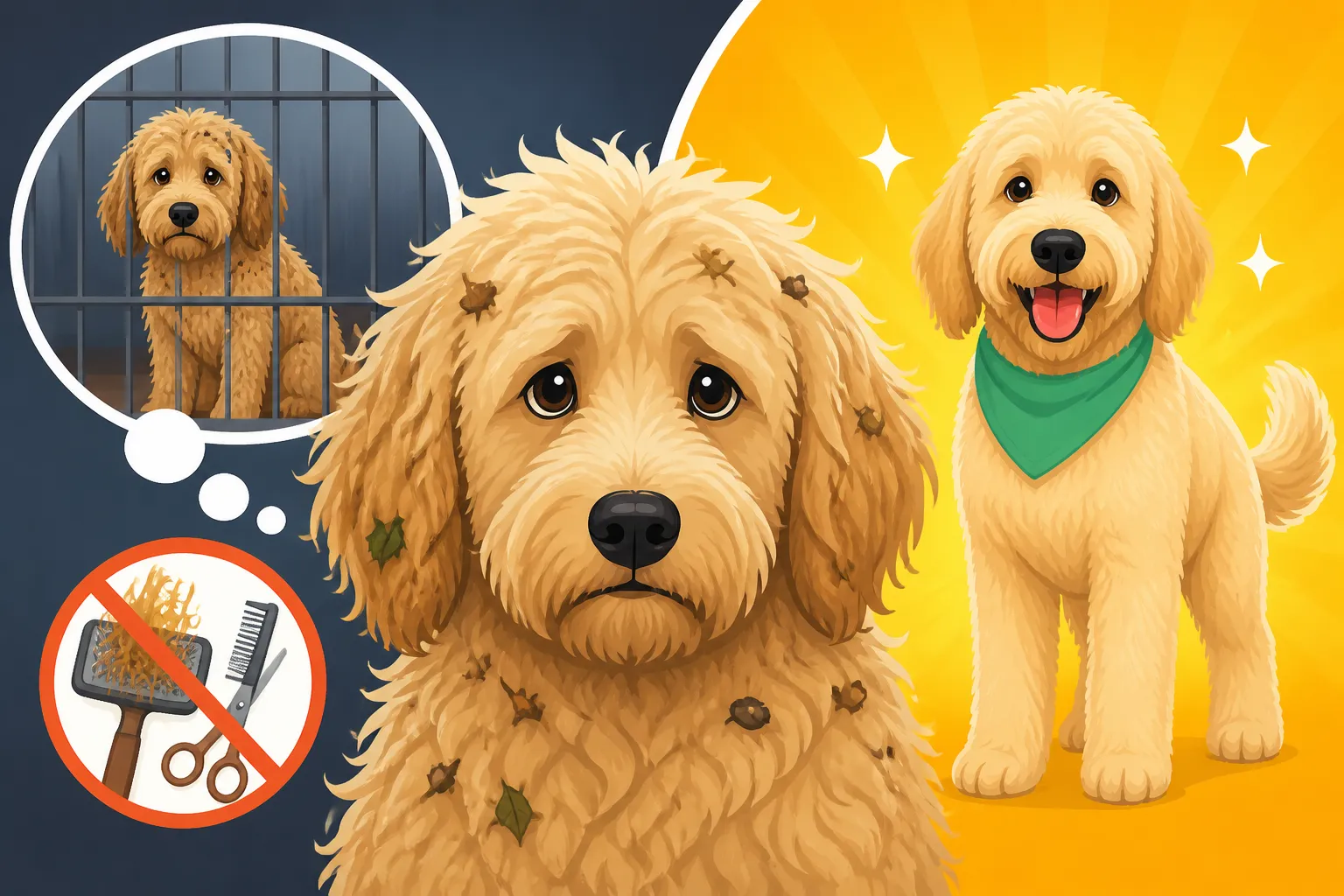
The Coat Care That Sends Goldendoodles to Rescue
Falling in love with a Goldendoodle puppy is incredibly easy. Their charming eyes, wagging tails, and that irresistible fluffy coat draw so many of us in, promising a wonderful, low-shedding companion. But what many new owners don't fully grasp is the intense, often overwhelming, commitment required for that beautiful coat's maintenance. This guide will shine a light on the surprising reality of Goldendoodle coat care, exploring how neglected grooming can quickly spiral into severe health issues, significant financial strain, and tragically, sometimes even lead beloved dogs to be surrendered to rescue organizations when owners can no longer cope.
The Misunderstood Marvel: Why Goldendoodle Coats Demand So Much Attention
Goldendoodles are a unique blend, inheriting traits from both the Golden Retriever and the Poodle, and their coats are no exception. This genetic mash-up is precisely why their grooming needs are so distinctive and, frankly, often underestimated. Many come into Goldendoodle ownership expecting a wash-and-go dog, only to be met with a challenging, high-maintenance reality. It's not about being a bad owner; it's often about not being fully prepared for what this particular crossbreed’s coat entails.
The Genetic Lottery: Understanding Coat Types
One of the biggest surprises for new Goldendoodle owners is the sheer variety in coat types. You might see adorable pictures of perfectly wavy, non-shedding Doodles, and assume yours will be the same. The reality is far more diverse. Goldendoodles can have straight, wavy, or curly coats, and each comes with its own set of grooming challenges. A straight or 'flat' coat, often seen in F1 generations, might shed more, but ironically, it can also be less prone to severe matting if brushed regularly. However, the true matting nightmares often begin with the wavy or curly "fleece" and "wool" coats, which are highly prized for their low-shedding qualities but are also incredibly efficient at tangling.
It's a common misconception that a non-shedding coat means less grooming. In fact, the opposite is often true. Hair that doesn't fall out naturally stays on the dog, intertwining with other strands, picking up debris, and creating dense knots and mats, sometimes right down to the skin. Understanding the particular coat type your Goldendoodle has is the first step in winning the battle against mats. This distinction is crucial, as the wrong approach to grooming based on a misunderstanding of their coat can exacerbate problems rather than solve them. For a deeper dive, check out our article on The Three Goldendoodle Coat Types and How to Tell Them.
The Infamous Goldendoodle Coat Change
Just when you think you've got a handle on your puppy's soft, easy-to-manage fur, a phenomenon known as the "coat change" hits. Typically occurring between 8 and 12 months of age, this is when the soft puppy fur gives way to the denser, adult coat. It’s like a human teenager suddenly hitting puberty with a whole new head of hair. During this period, the puppy coat and the incoming adult coat intertwine, creating a perfect storm for matting. It can feel like every day brings new, stubborn knots, even if you’ve been brushing diligently. This is a critical time when many owners, even those with good intentions, start to fall behind.
Imagine trying to comb through cotton candy and wool fibers that are determined to stick to each other – that's what the Goldendoodle coat change can feel like. What was once a quick brush-through becomes a lengthy, frustrating session filled with snags and protests from your pup. Many owners describe this period as the most challenging grooming phase, where a once-manageable routine becomes a daily struggle. Neglecting regular, thorough brushing during this transition is a fast track to severe matting, setting the stage for bigger problems down the line. Our guide on The Goldendoodle Coat Change at Eight to Twelve Months offers more insights into navigating this tricky period.
The Furnishings Factor and Face Care
Another defining characteristic of many Goldendoodles is their "furnishings" – the longer hair on their face, eyebrows, and beard. This gives them that adorable, teddy bear-like appearance that so many people adore. However, these furnishings, particularly the beard, are prime targets for matting and a host of other issues. Food, water, slobber, and even playtime debris can get trapped in the long facial hair, leading to crusts, staining, and eventually, dense mats around the mouth and chin. These aren’t just unsightly; they can pull at the skin, become painful, and even interfere with eating and drinking.
Owners often struggle with how to manage this specific area. Trimming too short might remove the beloved "Doodle look," but leaving it long without proper care is an open invitation for problems. This requires daily cleaning, careful drying, and specific brushing techniques to keep food particles and moisture from turning the beard into a matted, smelly mess. Neglecting the face can lead to eye irritation from hair rubbing against the cornea, or skin infections developing in damp, matted areas around the mouth. It’s a small area, but it can lead to significant discomfort and expensive veterinary visits if overlooked.
The Downward Spiral: When Minor Mats Become Major Health Crises
What starts as a few seemingly innocuous tangles can rapidly escalate into a severe health problem for a Goldendoodle. Mats aren't just cosmetic imperfections; they are living, breathing incubators for skin issues, parasites, and pain. Many owners simply don't realize the extent of the damage that matting can cause until it's too late, and the dog is in distress. This is a major reason why rescue organizations see Goldendoodles arrive in such dire states.
Mats: More Than Just an Aesthetic Problem
A mat is not just a knot; it's a dense, tightly woven mass of hair that pulls at the skin with every movement. Imagine having your hair constantly tugged. Now imagine that pulling happening over large sections of your body, constantly. That's what a matted dog experiences. These mats restrict blood flow, prevent air circulation, and can become incredibly painful. They act like a tight cast on the dog's body, preventing natural movement and causing irritation. The areas most prone to severe matting – behind the ears, in the armpits, on the belly, and around the tail and legs – are also highly sensitive.
Furthermore, mats can hide a multitude of problems beneath their surface. Fleas, ticks, and other parasites can thrive in the protective cover of a mat, unnoticed until the infestation is severe. Small cuts, abrasions, or hot spots can develop, becoming infected and festering because they are covered and cannot breathe. By the time an owner notices something is wrong, the underlying issue is often advanced and much harder, and more painful, to treat. This is why our article, Why Goldendoodle Matting Is Almost Always Preventable, emphasizes proactive care.
Hidden Skin Ailments and Infections
The lack of air circulation under mats creates a warm, moist environment – a perfect breeding ground for bacteria and yeast. This often leads to painful skin infections (pyoderma) or fungal infections (yeast dermatitis), which manifest as redness, inflammation, itching, and a distinctive foul odor. Owners might only notice the smell or excessive scratching when the infection is already widespread under the matted coat. When these infections take hold, they require veterinary intervention, often involving antibiotics, antifungals, medicated shampoos, and a complete shave-down of the coat.
Beyond infections, mats can also cause painful hot spots. These are acute moist dermatitis lesions, where the dog compulsively licks, chews, or scratches an area, creating an open, weeping wound that quickly becomes infected. The dense matting traps moisture, exacerbating the problem and making it difficult for the skin to heal. The cycle of itching, scratching, and matting can be relentless, turning a once happy dog into one that is miserable and uncomfortable. Many of these issues are preventable with diligent care, but once established, they are a nightmare to resolve.
Impaired Mobility and Chronic Discomfort
Severe matting can become so extensive that it physically restricts a Goldendoodle’s movement. Mats around the joints, armpits, and groin area can make walking, running, and even lying down excruciatingly painful. The dog might develop an altered gait, struggle to climb stairs, or avoid playing because every motion pulls at their skin. This immobility can lead to secondary problems, such as muscle atrophy or joint stiffness, further compounding their discomfort. Imagine wearing clothes that are several sizes too small and constantly constricting you – that’s the reality for a severely matted Goldendoodle.
In extreme cases, mats can even cut off circulation to extremities, leading to nerve damage or skin necrosis. This is particularly concerning around the ears and tail. A Goldendoodle's natural desire to play and move is severely compromised, leading to a decline in their overall quality of life and potentially behavioral changes due to chronic pain and frustration. This level of discomfort is often what pushes owners to seek emergency help or, sadly, to realize they are in too deep.
The Financial and Emotional Fallout of Neglected Grooming
The financial implications of neglecting a Goldendoodle's coat are often a rude awakening for owners. What might seem like a way to save a few dollars on grooming can quickly spiral into far more significant and unexpected expenses, compounded by the emotional toll it takes on everyone involved. This cycle of financial and emotional stress is a primary driver behind Goldendoodles entering rescue.
The Staggering Cost of Emergency Dematting
When a Goldendoodle arrives at a professional groomer severely matted, it's not a standard appointment. Dematting is an incredibly labor-intensive, time-consuming, and often painful process. Most reputable groomers will not attempt to brush out severe matting, as it causes immense pain and distress to the dog and risks injury. Instead, they will insist on a complete shave-down, often referred to as a "pelt removal," where the entire coat is shaved close to the skin. This procedure takes specialized blades, extra time, and considerable skill to avoid cutting the skin, which is often paper-thin and inflamed under the mats.
Consequently, the cost for such an emergency service is significantly higher than a regular groom. Dematting surcharges can add anywhere from $20 to $60 on top of an already pricey Goldendoodle groom. For a full pelt removal, the cost can easily be double or triple the price of a maintenance groom, sometimes ranging from $150 to $300 or more, depending on the size of the dog and the severity of the matting. This unexpected bill, often coming alongside a distressed dog who now looks drastically different, can be a major source of financial shock for owners who thought they were saving money by skipping regular appointments. Our post on Dematting Surcharges on a Goldendoodle details these costs.
Escalating Vet Bills for Mat-Related Health Issues
The costs don't stop at the groomer's table. As discussed, severe matting often leads to underlying skin infections, hot spots, and even parasite infestations. These conditions require immediate veterinary attention. A vet visit for inflamed skin, prescribing antibiotics or antifungals, and potentially pain medication can quickly run into hundreds of dollars. If the skin condition is severe, follow-up visits, specialized medicated shampoos, and long-term treatment plans become necessary. For instance, chronic ear infections, often exacerbated by matted ear hair trapping moisture, are a common issue for Goldendoodles, leading to recurring vet bills. For more on this, see Goldendoodle Ear Infections as a Recurring Claim.
Consider a scenario where a Goldendoodle develops severe pyoderma across its belly due to matting. The initial vet consultation, skin scraping, cytology, antibiotics, and a specialized shampoo might cost $200-$400. If the infection is stubborn and requires a second round of medication or a different treatment, those costs quickly multiply. Many owners, already stretched thin by the unexpected grooming bill, find these subsequent vet bills overwhelming. This financial strain is where services like Healthy Paws pet insurance could potentially offer some relief, though many policies have waiting periods or might scrutinize conditions clearly arising from neglect. Good quality food that supports skin health, like some offerings from Ollie or Chewy, can help maintain overall wellness, but won't fix neglect.
The Unseen Emotional Burden on Owners and Dogs
Beyond the financial hit, the emotional toll of coat neglect is immense for both the Goldendoodle and their human family. Owners often feel a deep sense of guilt, shame, and frustration when they see their beloved pet in pain, particularly when they realize their lack of knowledge or time directly contributed to it. The process of getting a severely matted dog shaved down can be traumatizing for the dog, requiring sedation in some cases, and it's heartbreaking for owners to witness.
For the Goldendoodle, the experience is profoundly distressing. The pain of the mats, the discomfort of the underlying skin issues, and then the invasive, sometimes painful, shaving process can lead to fear of grooming tools and even distrust of their owners or groomers. A once happy, outgoing dog might become withdrawn, anxious, or even snappy when approached with a brush. This cycle of pain and fear can damage the human-animal bond, making future grooming attempts even more challenging. It's this spiral of financial burden, emotional guilt, and a dog that is clearly suffering that ultimately pushes some owners to make the agonizing decision to surrender their Goldendoodle to a rescue, believing it's the only way their dog can receive the care it needs.
Building a Proactive Defense: Essential Goldendoodle Coat Care Strategies
Preventing coat care from becoming a crisis requires a proactive and consistent approach. It’s not just about aesthetics; it's about maintaining your Goldendoodle’s health, comfort, and well-being. Thinking of grooming as an optional luxury is a dangerous misconception; for a Goldendoodle, it’s a non-negotiable health necessity.
Mastering the Art of Daily Brushing
The single most effective defense against matting is daily, thorough brushing. This isn't just a quick once-over; it's a dedicated session involving specific tools and techniques to ensure you're reaching down to the skin. "Line brushing" is key: you section off the coat, hold the hair up, and brush downwards in small sections, ensuring your brush reaches all the way to the skin. A good slicker brush and a metal comb are your best friends here. The slicker brush untangles, and the comb follows to check for any missed knots. If the comb can't pass through easily, there's still a tangle.
Consistency is crucial. Just a few missed days can allow minor tangles to tighten into stubborn mats, especially in high-friction areas like behind the ears, armpits, and under the collar. Establishing a positive brushing routine from puppyhood, with lots of treats and praise, can make it a much more pleasant experience for both of you. This routine helps prevent debris accumulation, stimulates circulation, and allows you to catch any skin issues early. For a detailed guide on this essential technique, read Line Brushing a Goldendoodle Down to the Skin. Brands like Chewy offer a wide array of high-quality slicker brushes and combs suitable for Goldendoodle coats.
Professional Grooming: A Non-Negotiable Investment
Even with diligent home brushing, professional grooming is essential for most Goldendoodles. Think of your groomer as a partner in your dog's health care. They have specialized tools, training, and experience to manage complex coats, perform sanitary trims, clean ears properly, and identify potential issues you might miss. Most Goldendoodles require professional grooming every 6 to 8 weeks, without fail. Skipping appointments, even just one, can lead to matting that takes weeks to correct and significantly increases the cost of the next visit.
Booking appointments far in advance is often necessary, especially with popular groomers who specialize in doodles. This regular schedule helps maintain a manageable coat length, prevents mats from forming deep down, and keeps your dog comfortable. It's an investment, but it's one that pays dividends in your dog's health and your peace of mind. Many Goldendoodle owners underestimate this recurring cost, but it's truly a foundational aspect of their care, as highlighted in Goldendoodle Grooming as the Biggest Line in the Budget. If you're concerned about finding a professional, check out our guide on Booking a Goldendoodle Groom Every Six to Eight Weeks.
The Right Tools for the Job
Having the correct grooming tools at home is just as important as the technique. Skimping on tools often leads to ineffective brushing and frustration. Here’s what every Goldendoodle owner should have:
- Slicker Brush: A high-quality slicker brush with fine, bent wire bristles is crucial for detangling and removing loose hair without damaging the coat. Look for one that's comfortable to hold and has a large enough head for efficient brushing.
- Metal Comb: A sturdy metal comb with both wide and fine teeth is indispensable for checking your work after brushing and for tackling smaller tangles. It's the ultimate "mat detector."
- Detangling Spray: A good quality detangling spray can make brushing easier and prevent static, especially on dry coats. Apply sparingly before brushing.
- Nail Clippers or Grinder: Keeping nails trimmed prevents discomfort and potential injury.
- Ear Cleaner: A vet-approved ear cleaning solution for routine maintenance, particularly for Goldendoodles prone to ear infections.
- High-Velocity Dryer: For those who bathe their Goldendoodles at home, a high-velocity dryer is essential to thoroughly dry the dense undercoat and prevent mats from forming after a bath. Air drying a Goldendoodle almost guarantees matting.
These tools, available from retailers like Chewy, are an initial investment that will save you considerable money and heartache down the line. Using the right tools correctly ensures effective grooming and a happy, healthy Goldendoodle. Our article The Slicker Brush and Comb a Goldendoodle Needs provides more specifics.
Here’s a quick overview of Goldendoodle coat types and their typical grooming requirements:
| Coat Type | Characteristics | Grooming Frequency (Home) | Professional Grooming Frequency | Common Issues |
|---|---|---|---|---|
| Straight | Flat, wavy, often sheds more (less Poodle genetics) | 2-3 times/week | Every 8-10 weeks | Shedding, some tangles |
| Wavy | Loose, flowing waves (most common) | Daily or every other day | Every 6-8 weeks | Matting, coat change |
| Curly | Tight, dense curls (more Poodle genetics) | Daily | Every 4-6 weeks | Severe matting, skin issues |
Life After Neglect: Goldendoodles in Rescue Due to Coat Care
It’s a heartbreaking reality, but Goldendoodles, beloved as they are, frequently end up in rescue shelters specifically because their owners could not manage their coats. These dogs arrive in states ranging from moderately matted to severely "pelted," requiring immediate and intensive care. This is a testament to how profoundly misunderstood their grooming needs are.
The Initial Shock: Assessment and Rehabilitation
When a Goldendoodle enters a reputable doodle rescue, the first order of business is usually a full veterinary assessment and a professional groom. This initial grooming session is often the most critical and can be incredibly difficult for the dog. Rescues will prioritize the dog's comfort and well-being, often requiring sedated grooming if the mats are extensive and painful. The cost for this initial medical and grooming intervention can be substantial, easily running into hundreds, if not thousands, of dollars. Rescues absorb these costs through donations and adoption fees, but it's a heavy burden. For perspective, understanding What a Goldendoodle Rescue Charges for a Goldendoodle highlights the financial strain involved.
Beyond the physical transformation, these dogs often need emotional rehabilitation. Having lived with constant pain and discomfort, and likely having had stressful or painful grooming experiences, they can be fearful, anxious, or even reactive to touch. Rescue volunteers work patiently to rebuild trust, introduce positive reinforcement for handling, and help the dog adjust to a life free from chronic pain. This period of healing can take weeks or even months, depending on the severity of the neglect.
The Journey to a New Beginning
After the initial medical and grooming needs are met, and the dog begins to physically recover, the focus shifts to emotional and behavioral rehabilitation. Many Goldendoodles who come into rescue due to coat neglect also have behavioral issues stemming from their discomfort. They might be wary of brushes, clippers, or even being touched in certain areas. Rescues dedicate significant resources to gentle desensitization, positive reinforcement training, and socialization to help these dogs overcome their past traumas. This involves teaching them that grooming can be a positive, comfortable experience.
The goal is always to prepare these Goldendoodles for a forever home where their specific grooming needs will be understood and met. This often means carefully vetting potential adopters, ensuring they are fully aware of the commitment required and have the resources to provide consistent, quality care. Rescues are very open about the challenges of adopting a Goldendoodle with a history of neglect, ensuring that the next home is truly equipped for the journey. Our piece on Adopting a Goldendoodle With a Matted Coat provides crucial insights for those considering this path.
Lessons Learned from Rescue Goldendoodles
The sheer number of Goldendoodles entering rescue due to coat care issues serves as a stark warning to prospective and current owners. It underscores the vital importance of thoroughly researching a breed's needs before bringing a puppy home. Many assume that "designer breeds" are inherently healthier or easier to care for, when in fact, they often combine the high-maintenance aspects of both parent breeds.
These rescue stories highlight that owning a Goldendoodle is a commitment not just to love and companionship, but to a rigorous grooming schedule and budget. It teaches us that responsible pet ownership means understanding and providing for all of a dog's needs – and for a Goldendoodle, that includes their unique, demanding coat. By learning from these experiences, we can better educate ourselves and ensure that fewer Goldendoodles face the pain and abandonment caused by neglected grooming.
Disclaimer
Please note that the information provided in this article is for educational purposes only and should not be considered a substitute for professional veterinary advice. Always consult with a qualified veterinarian or professional groomer for any concerns regarding your Goldendoodle's health or specific care needs.