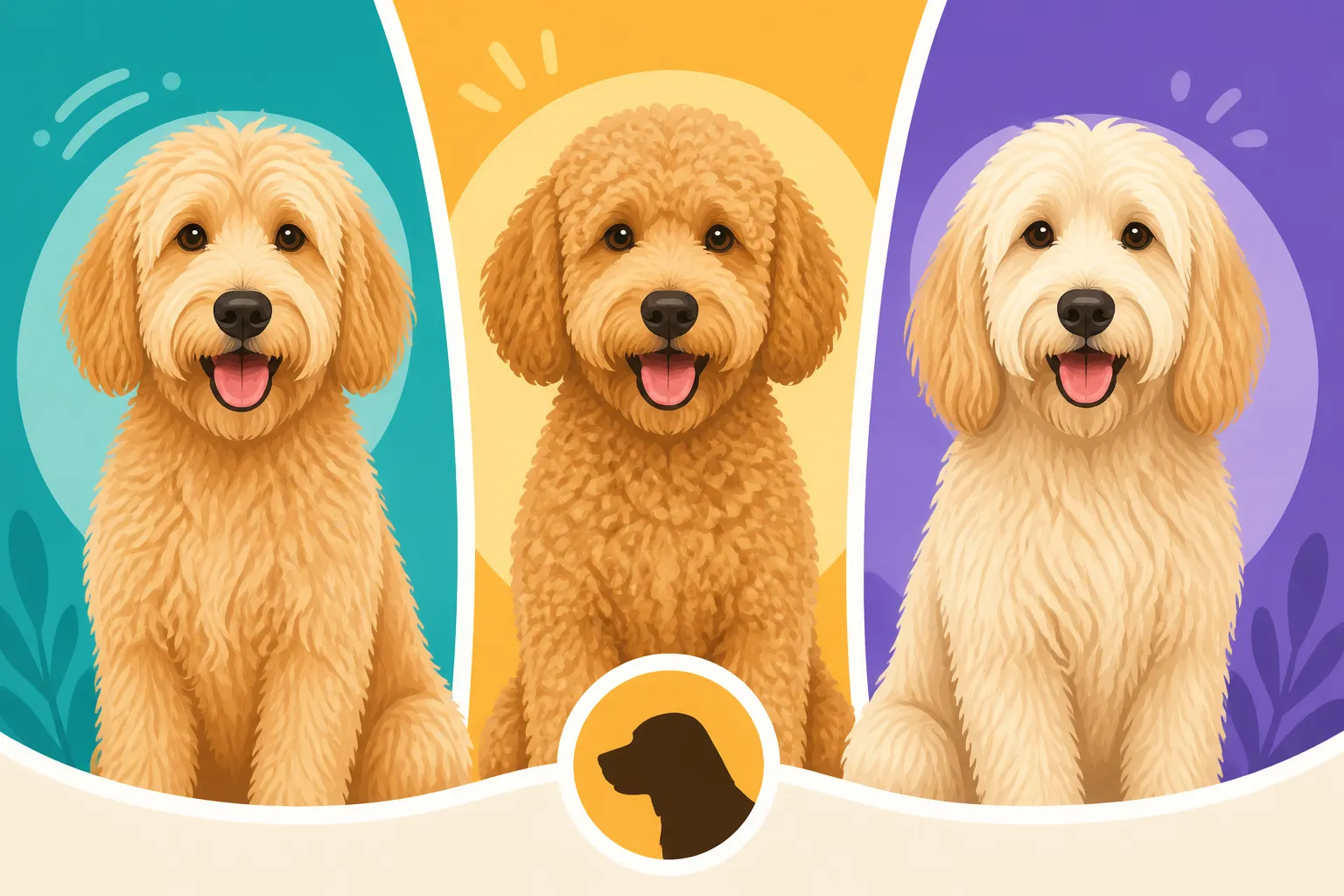
The Three Goldendoodle Coat Types and How to Tell Them
When you first fall in love with the idea of a Goldendoodle, chances are you’re picturing that iconic fluffy, teddy bear look. You see images of dogs with soft, wavy coats and expressive, shaggy faces, and you imagine running your fingers through that luxurious fur. But here’s the thing many prospective Goldendoodle owners don't realize until it's too late: not all Goldendoodles look the same, and understanding the three primary coat types is absolutely crucial to preparing for their unique grooming needs. This guide is here to walk you through each one, help you identify what you might have or what to expect, and most importantly, equip you with the knowledge to keep that beautiful coat healthy and mat-free.
Understanding the Goldendoodle Coat Spectrum
The Goldendoodle's charm lies in its heritage, a wonderful blend of the Golden Retriever and the Poodle. But this blend also means a fascinating and sometimes surprising genetic lottery when it comes to their coats. It’s not just one standard "doodle" coat; it's a spectrum.
Why Goldendoodles Don't All Look Alike
Think about it: you're mixing two very distinct breeds. On one side, you have the Golden Retriever, famous for its long, flowing, feathered double coat that sheds quite a bit. On the other, the Poodle, with its tightly curled, dense, single coat that grows continuously and barely sheds. When you combine these two, you don't get a perfect 50/50 split in every single puppy. Genetics are a wild ride, and each puppy inherits a unique combination of genes from both parents. This means one puppy in a litter could lean heavily towards its Poodle ancestry in terms of coat, while another could be a dead ringer for a Golden Retriever, and a third could be a lovely mix of both. This genetic variability is precisely why predicting a Goldendoodle’s adult coat from its puppy fuzz can be such a guessing game.
The Myth of the Uniform Goldendoodle Coat
It’s easy to fall prey to the marketing images that almost exclusively showcase the adorable wavy, shaggy Goldendoodle. This creates a widespread expectation that every Goldendoodle will have that specific look. The reality, however, is far more diverse. Many owners have shared stories of bringing home a fluffy puppy, only to watch its coat transform into something quite different as it matures. This can be a source of genuine disappointment if you had your heart set on a specific aesthetic. It’s a common frustration, especially when the perception of "hypoallergenic" is also tied to that specific coat type. Understanding this early can help manage expectations and appreciate the unique beauty of whatever coat your Goldendoodle develops, even if it wasn't the exact "teddy bear" you envisioned.
The Flat Coat: More Retriever Than Poodle
Sometimes called "improper coats" by those looking specifically for the Poodle-like traits, the flat coat Goldendoodle is a beautiful dog that simply inherited more of its Golden Retriever parent's genes. This isn't a "fault" or a sign of a bad dog; it's just one end of the genetic spectrum.
Characteristics of a Flat Goldendoodle Coat
A flat coat Goldendoodle will have hair that is noticeably straighter and often shorter, especially on the body, compared to its wavy or curly counterparts. You might notice less "furnishings" – that distinctive facial hair that gives Goldendoodles their shaggy beard and eyebrows. Instead, their face might appear smoother, much like a Golden Retriever's. The coat itself can range from being quite soft to a slightly coarser texture, often with feathering on the legs, tail, and sometimes the chest, again mirroring the Golden Retriever.
The biggest characteristic to be aware of with a flat coat is shedding. While Poodles are famous for being low-shedding, the Golden Retriever is definitely not. A flat coat Goldendoodle typically sheds more than the other coat types, and sometimes as much as a purebred Golden Retriever. This can come as a surprise to owners who were expecting a "hypoallergenic" dog. It's a prime example of An Unfurnished Goldendoodle With a Smooth Face and why relying solely on the "doodle" label can be misleading for allergy sufferers.
Grooming Needs for the Flat Coat Goldendoodle
Don't let the word "flat" fool you into thinking grooming is nonexistent! While a flat coat Goldendoodle is generally less prone to severe matting than a curly or wavy one, it still requires regular attention. The shedding means that regular brushing is essential to keep loose hair at bay, reduce dander around the house, and prevent minor tangles, especially in areas with longer feathering. A good slicker brush and comb will be your best friends here.
You might find that professional grooming isn't needed as frequently as for other coat types. However, occasional trims to neaten up feathering, maintain hygiene around the sanitary areas, and keep them looking tidy are still a good idea. Think of it more akin to grooming a Golden Retriever, where the focus is on managing shedding and maintaining the health and cleanliness of the coat rather than preventing tight knots and mats.
The Wavy Fleece Coat: The Classic "Doodle Look"
Ah, the wavy fleece coat! This is the look that most people associate with Goldendoodles, the one that probably captured your heart when you first started dreaming of bringing one home. It’s undeniably charming and gives off that friendly, approachable "teddy bear" vibe.
Defining the Wavy Fleece Appearance
The wavy fleece coat is characterized by soft, flowing waves, not tight curls. Imagine a gentle ripple rather than a springy coil. It's truly a delight to touch, often described as feeling like soft fleece or cashmere. These Goldendoodles typically have excellent furnishings, meaning they have that endearing beard, prominent eyebrows, and longer hair on their legs and tail that gives them their distinctive "doodle" silhouette. Their hair still grows long, giving them a perpetually shaggy, cuddly appearance.
In terms of shedding, the wavy fleece coat usually falls into the low to moderate shedding category. Many individuals with this coat type are considered low-shedding and can be suitable for some people with mild allergies, though it's important to remember Why No Goldendoodle Is Truly Hypoallergenic. It’s a good balance for many families, offering the classic Goldendoodle look without the extreme grooming demands of a tightly curled wool coat or the higher shedding of a flat coat.
Maintenance for a Wavy Goldendoodle Coat
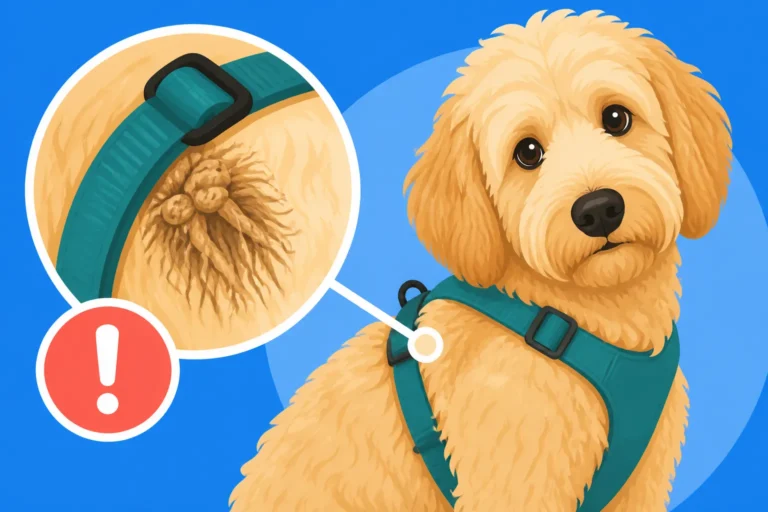
While a wavy fleece coat is gorgeous, it's also a magnet for tangles and mats if not properly cared for. The waves create friction points where hairs can knot together, especially behind the ears, in the armpits, and under harnesses. This is where regular, consistent brushing becomes absolutely vital. Aim for brushing every other day, if not daily, especially if your Goldendoodle loves to play outdoors or gets wet frequently. You need to ensure you're brushing all the way down to the skin, not just skimming the top layers. The Slicker Brush and Comb a Goldendoodle Needs are essential tools for this.
Professional grooming is a non-negotiable part of owning a wavy fleece Goldendoodle. Most owners find a schedule of professional grooming every 6-8 weeks works best to keep their dog tidy, mat-free, and comfortable. During these sessions, the groomer can trim the body to a manageable length, neaten the face, paws, and sanitary areas, and ensure any forming mats are addressed before they become problematic. This regular routine helps prevent the dreaded "shave-down" that can occur if matting gets out of control. Booking a Goldendoodle Groom Every Six to Eight Weeks is a smart habit to get into.
The Curly Wool Coat: Most Poodle-Like, Most Maintenance
For those seeking the lowest-shedding Goldendoodle, the curly wool coat is often the answer. However, with this advantage comes the most intensive grooming commitment. This coat type truly showcases the Poodle side of the Goldendoodle's lineage.
Traits of the Curly Wool Goldendoodle Coat
A curly wool coat Goldendoodle will have tight, dense curls that are very similar in appearance and texture to a purebred Poodle's coat. The curls are springy and compact, often growing quite thick. These dogs typically have abundant furnishings, with a full, luxurious beard and expressive, shaggy eyebrows that frame their face beautifully. The texture is usually soft, like lamb's wool, but it's the density and curl that really stand out.
This coat type is widely considered the most "hypoallergenic" among Goldendoodles because it sheds minimally, if at all. The loose hairs tend to get caught within the dense curls rather than falling out onto furniture or clothes. While no dog is truly 100% hypoallergenic, individuals with mild pet allergies often find they can coexist comfortably with a curly wool Goldendoodle. But remember, "minimal shedding" doesn't mean "no grooming." In fact, it's quite the opposite.
The Intense Grooming Schedule for Wool Coats
Let's be blunt: if you have a curly wool Goldendoodle, you must commit to daily grooming. This coat type is highly prone to matting, and it can happen incredibly quickly. The tight curls act like Velcro, easily snagging debris, moisture, and shed hairs, rapidly forming dense mats that can pull at the skin and become painful. It's not an exaggeration to say that without daily attention, a curly wool Goldendoodle can become severely matted in a matter of days or a week. This is why many professional groomers will tell you Why a Goldendoodle Mats in a Week Without Brushing is preventable with the right tools and routine.
The technique for brushing a curly wool coat is also more involved. You can't just run a brush over the top. You need to "line brush" meticulously, section by section, getting all the way down to the skin to ensure no mats are forming at the base of the hair shaft. Line Brushing a Goldendoodle Down to the Skin is a fundamental skill for owners of this coat type. Professional grooming for a curly wool Goldendoodle should be scheduled even more frequently than for a wavy fleece coat, typically every 4-6 weeks, to maintain a healthy length and prevent matting from becoming unmanageable. Many owners opt for shorter cuts to simplify daily care.
Unpacking the Genetics: How Coat Types Emerge
Understanding the science behind these coats can really help demystify why your Goldendoodle looks the way it does, and why some puppies in the same litter can be so different. It all comes down to a few key genes inherited from their Golden Retriever and Poodle parents.
The Furnishings Gene and the Goldendoodle Beard
The single most defining feature of the "doodle" look – that shaggy beard, expressive eyebrows, and longer hair on the muzzle and legs – comes from a gene often referred to as the "furnishings" gene (scientifically, the R-spondin 2 or RSPO2 gene, with alleles F and f). This gene essentially tells the hair follicles to keep growing longer, particularly on the face.
- F/F (Homozygous Furnished): A dog with two copies of the dominant "F" allele will have prominent furnishings, a full beard, and shaggy eyebrows. This is common in Poodles.
- F/f (Heterozygous Furnished): A dog with one copy of "F" and one of "f" will also have furnishings, often very similar to an F/F dog.
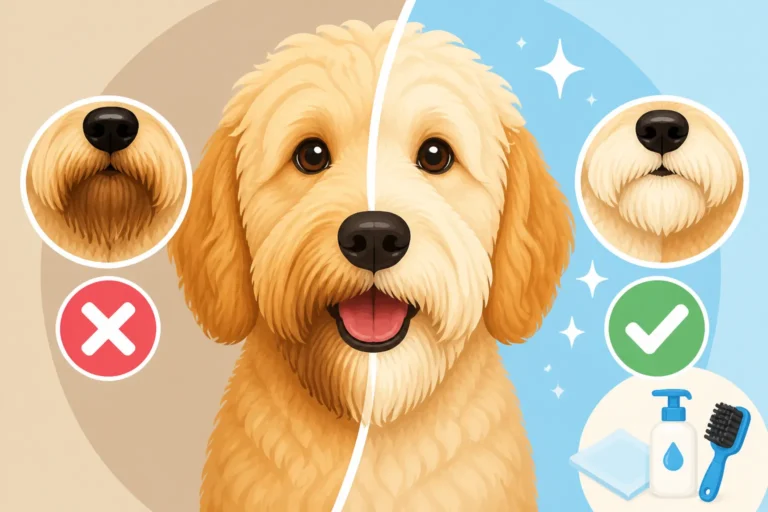
- f/f (Unfurnished): A dog with two copies of the recessive "f" allele will have a smooth face, much like a Golden Retriever. These are the Goldendoodles that often look more like a Golden Retriever, lacking the classic "doodle" beard. An Unfurnished Goldendoodle With a Smooth Face is a direct result of inheriting this combination.
The presence of furnishings is also strongly linked to low shedding. It's not the curl itself, but the furnishings gene, that typically indicates whether a dog will have a low-shedding coat.
The Curl Gene and Its Impact on Texture
Beyond furnishings, the actual texture of the coat – whether it's flat, wavy, or curly – is largely determined by another set of genes, specifically the KRT71 gene (with alleles C, c^d, and c). This gene dictates how much curl develops in the hair shaft.
- C/C (Homozygous Curly): Dogs with two copies of the dominant "C" allele will have tight, dense curls, much like a Poodle. These are your curly wool Goldendoodles.
- C/c (Heterozygous Curly): Dogs with one copy of "C" and one of "c" or c^d will typically have a wavy coat. These are your wavy fleece Goldendoodles.
- c/c (Homozygous Straight): Dogs with two copies of the recessive "c" allele will have a flat or straight coat. These are your flat coat Goldendoodles.
A good breeder will use DNA Coat Testing on a Goldendoodle parents to understand which coat types their puppies are likely to inherit, offering more predictability for prospective owners, especially concerning furnishings and curl.
The Goldendoodle Coat Change: Puppy to Adult Transition
One of the biggest surprises for new Goldendoodle owners is "the coat change." What starts as soft, fluffy puppy hair transforms into a denser, adult coat, and this transition period can be incredibly challenging for owners and their groomers.
When the Puppy Coat Starts to Transform
Goldendoodle puppies are universally adorable with their soft, wispy coats. However, this puppy coat is not what they will have as adults, and it's notoriously misleading. Many new owners mistakenly believe their puppy's fluffy, manageable coat will stay that way forever. Unfortunately, it won't.
The coat change typically begins between 8 and 12 months of age, though it can start earlier or later depending on the individual dog. During this period, the thicker, more adult hair begins to grow in, pushing out the softer, finer puppy coat. It's not a sudden process; it's a gradual shift where both types of hair are present simultaneously. This mixture of old and new hair creates a perfect storm for tangles and mats. Why a Goldendoodle Coat Turns at Nine Months is a crucial piece of knowledge for any Goldendoodle owner, as it’s the point where grooming vigilance must skyrocket.
Navigating the Challenging "Blizzard of Mats"
This transition period is often dubbed the "blizzard of mats" or the "velcro coat phase" by seasoned Goldendoodle owners and groomers for a very good reason. The combination of shedding puppy hair and incoming adult hair creates an almost impossible tangle if not managed meticulously. The puppy hair, being finer, gets woven into the stronger adult hair, forming dense, painful mats right down to the skin. This isn't just cosmetic; severe matting can restrict movement, hide skin infections, and be incredibly uncomfortable for your dog.
To survive this phase, daily, thorough line brushing is non-negotiable, regardless of your Goldendoodle's expected adult coat type. If you were brushing every other day before, you'll need to step it up to daily, and ensure every inch of your dog is combed through. Many groomers recommend shorter haircuts during this time to make the coat more manageable for both the dog and the owner. Don't be afraid to ask your groomer for advice or a shorter "puppy cut" to get through this period. Surviving the Goldendoodle Coat Change really does become a full-time job for a few months, but it's essential for your dog's comfort and coat health.
Living with Each Coat Type: Grooming and Care Considerations
Regardless of your Goldendoodle's specific coat type, one thing is certain: they all require consistent grooming. The level of commitment varies, but the principle remains the same – regular care is key to a happy, healthy doodle.
Essential Grooming Tools for Every Goldendoodle
Investing in the right tools from day one is critical, even before the coat change hits. Think of them as extensions of your love and care for your furry family member. Here’s a basic toolkit every Goldendoodle owner should have:
- Slicker Brush: This is your primary weapon against mats. Look for one with fine, bent wire bristles. It's excellent for removing tangles and loose hair.
- Metal Comb: A sturdy metal comb with both wide and fine teeth is indispensable. After using the slicker brush, run the comb through the coat to ensure you've removed all tangles, especially down to the skin. If the comb snags, you've found a mat the slicker brush missed.
- Detangling Spray: A good quality detangling spray can make brushing much easier, especially on wavy or curly coats. It helps lubricate the hair, allowing tangles to loosen without pulling. You can find excellent options on Chewy or Amazon.
- Nail Clippers or Grinder: Regular nail trims are crucial for your dog's comfort and joint health. Start early to get your puppy used to the process.
- Ear Cleaner and Cotton Balls: Goldendoodles are prone to ear infections due to their floppy, furnished ears. Regular cleaning is a must.
- Blunt-Nosed Scissors: Useful for carefully trimming hair around the eyes (if it's growing into their vision) and paws.
Having these tools at hand makes daily or weekly grooming sessions much more effective and less stressful for both you and your Goldendoodle.
Beyond Brushing: Bathing and Professional Care
While daily brushing is foundational, it's only one piece of the grooming puzzle. Proper bathing and regular professional grooming are equally important, particularly for wavy and curly coats.
When bathing your Goldendoodle at home, use a high-quality dog shampoo and conditioner. Work the shampoo through the coat thoroughly, making sure to rinse completely. Crucially, never let your Goldendoodle air dry after a bath, especially if they have a wavy or curly coat. Allowing the coat to air dry can cause it to mat severely as it contracts and twists. You need to thoroughly blow-dry the coat, using a pet-specific force dryer if possible, while brushing it to ensure it dries straight and completely. Drying a Goldendoodle Coat Properly is vital to prevent immediate matting after a bath.
Professional grooming becomes more of a partnership with your groomer. They are experts in managing doodle coats and can address issues you might miss. Don't just drop off your dog and say "do whatever." Communicate clearly about the length you prefer, any specific concerns you have, and if you're battling mats. Bringing photos of desired haircuts can be helpful. Telling a Groomer What You Want on a Goldendoodle ensures you both have the same vision. Whether you prefer a shorter cut for easier maintenance or a longer, shaggier look, a good groomer can advise on what's realistic for your dog's coat type and lifestyle, and how often they recommend appointments. Many owners set up recurring appointments well in advance, often through online booking systems or by simply calling their preferred groomer.
Managing Expectations and Finding Your Match
Bringing a Goldendoodle into your life is a joyful experience, but it’s one that comes with a commitment to their specific needs. Managing your expectations around their coat type and being prepared for the reality of their grooming regimen will ensure a happier life for both you and your furry companion.
How to Predict a Goldendoodle's Adult Coat
While there's no crystal ball, you can do your best to predict an adult Goldendoodle's coat type. The most reliable method is to look at the parents' coats and, even better, their genetic health and coat testing results. A reputable breeder should be transparent about the genetic makeup of their breeding dogs, specifically regarding the furnishings and curl genes. If both parents have strong furnishings (F/F) and curly coats (C/C), you have a higher chance of getting a curly wool puppy. If one parent has a straight coat (f/f or c/c), then the chances of a flat or wavy coated puppy increase dramatically.
Beware of breeders who promise a "hypoallergenic" or "non-shedding" coat solely based on generation (like F1b). While F1bs (75% Poodle, 25% Golden Retriever) are more likely to have curlier, low-shedding coats, genetics are complex. It's truly impossible to guarantee any specific outcome 100% of the time. Also, be wary of relying on a puppy's appearance at eight weeks. Why a Fluffy Goldendoodle Puppy May Shed as an Adult is a common scenario, as puppy coats are often misleadingly soft and easy to manage. The puppy coat can give a false sense of security, only for the owner to be surprised by the adult coat's texture and grooming demands. This variability is particularly pronounced in F2 Goldendoodles, where coats can range wildly even within the same litter. Why F2 Goldendoodle Litters Vary So Much is a testament to the unpredictable nature of second-generation crosses.
Embracing the Goldendoodle You Get
Ultimately, the most important thing is to embrace the Goldendoodle you get, regardless of its coat type. While a specific look might be appealing, a dog's health, temperament, and compatibility with your lifestyle are far more crucial. If you find yourself with a Goldendoodle whose coat isn't what you expected, don't despair!
The key is adaptability. If your dog has a flat coat and sheds more than you anticipated, adjust your cleaning routine and invest in a good deshedding tool. If you have a curly wool Goldendoodle that mats easily, commit to daily brushing and work with a groomer to find a functional, comfortable cut. Companies like Ollie and Chewy offer a wide range of grooming supplies that cater to various coat types, making it easier to find what works best for your specific dog.
A Goldendoodle, in all its coat variations, is a loving, intelligent companion. Your commitment to their care, including regular grooming that is appropriate for their specific coat, will foster a strong bond and ensure they live a happy, comfortable life by your side. Focus on the joy they bring, and learn to love every wave, curl, or straight strand of their unique coat.
| Coat Type | Appearance | Shedding Level | Matting Risk | Brushing Frequency | Professional Grooming | Poodle Influence |
|---|---|---|---|---|---|---|
| Flat Coat | Straighter, shorter, less facial furnishings | Moderate to High | Low to Moderate | 2-3 times/week | Every 8-12+ weeks | Lower |
| Wavy Fleece | Soft, flowing waves, prominent furnishings | Low to Moderate | Moderate to High | Every other day | Every 6-8 weeks | Moderate |
| Curly Wool | Tight, dense curls, strong furnishings | Minimal to Non-shedding | Very High | Daily | Every 4-6 weeks | Higher |
Disclaimer
This article is for general informational purposes only and does not constitute professional advice. Laws, prices and regulations vary by location and change over time. Consult a qualified professional for guidance on your specific situation.