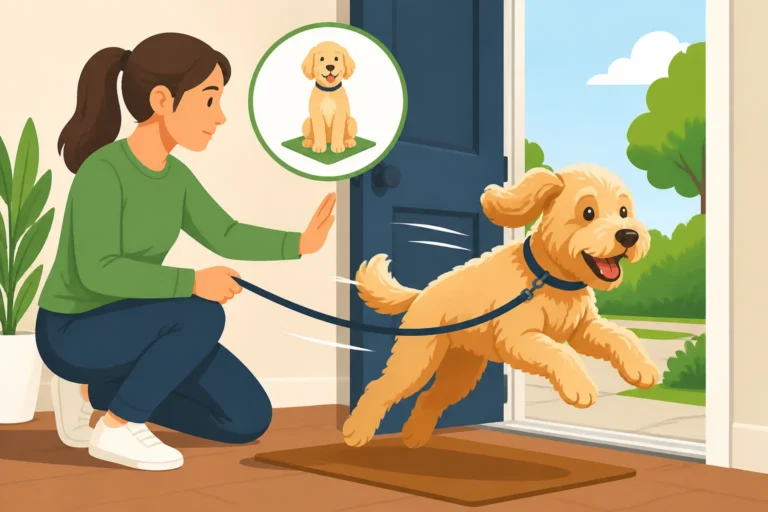
Poodle Brains and Retriever Eagerness in One Goldendoodle
Bringing a Goldendoodle home is often a dream come true, but many new owners quickly discover that behind that adorable, fluffy face lies a surprisingly complex and energetic brain. It's easy to get overwhelmed trying to understand the best way to channel their enthusiasm and intelligence. This guide will walk you through the unique blend of traits Goldendoodles inherit from their Poodle and Golden Retriever parents, helping you create an effective and joyful training journey for your furry family member.
The Genetic Blend: Poodle Intelligence Meets Retriever Drive
Understanding what makes your Goldendoodle tick means diving into their heritage. They aren't just a random mix; they're a carefully selected combination of two highly intelligent and biddable working breeds. This blend gives them a unique set of cognitive and behavioral traits that, when understood, can be harnessed for incredible results.
The Poodle's Sharp Intellect
Poodles, regardless of their size, are renowned for their exceptional intelligence. They consistently rank among the smartest dog breeds, known for their ability to learn complex commands, problem-solve, and adapt quickly to new situations. This sharp mind is a huge asset in a Goldendoodle, making them generally eager and capable students.
This high intelligence means your Goldendoodle is often quick to pick up new cues and routines. They thrive on mental stimulation, and if they don't get enough, that clever brain can easily turn towards inventing its own "work," which often translates into behaviors we find less desirable, like counter-surfing or excessive chewing. Engaging their Poodle brain early and consistently is crucial for a well-adjusted companion. This is also why many owners report that Why a Goldendoodle Learns Faster Than Most Crosses.
The Golden Retriever's Eagerness to Please
On the other side of the family tree, we have the Golden Retriever, a breed famous for its friendly disposition, patience, and strong desire to please its human companions. Goldens were bred to work closely with people, retrieving game, and their innate biddability makes them incredibly cooperative. This trait is invaluable in a Goldendoodle.
This inherent "people-pleaser" quality means your Goldendoodle often genuinely wants to do what you ask, even if they sometimes get a little too excited about it. They form strong bonds with their families and thrive on interaction and positive feedback. This eagerness makes them highly motivated in training, provided you tap into that desire to work with you, rather than just for you.
How These Traits Combine in a Goldendoodle
So, what happens when you mix a Poodle's sharp intellect with a Golden Retriever's intense desire to please? You get a Goldendoodle that is often incredibly smart, highly trainable, and wonderfully responsive. They are often quick studies, picking up new commands with remarkable speed, and they genuinely enjoy the process of learning and engaging with their families.
However, this combination isn't without its challenges. That intelligence, combined with boundless energy, can lead to mischievousness if not properly directed. Their eagerness can sometimes manifest as over-excitement, such as jumping on visitors or pulling on the leash out of sheer enthusiasm. Understanding this dual nature is the first step in successful Goldendoodle training. They want to be good, but they need clear guidance and plenty of appropriate outlets for both their bodies and their brains.
Harnessing That Eagerness: Positive Reinforcement is Key
Given the Goldendoodle's genetic makeup, positive reinforcement isn't just a good idea; it's practically tailor-made for them. They respond beautifully to methods that build trust, reward good choices, and keep them engaged without resorting to harsh corrections.
Why Positive Reinforcement Works Wonders
Goldendoodles are inherently sensitive and deeply bonded to their people. This means that punitive or fear-based training methods can easily backfire, leading to a Goldendoodle that is shut down, anxious, or even resistant to training. Positive reinforcement, on the other hand, strengthens your bond, builds confidence, and makes learning a fun game for both of you.
When you reward desirable behaviors, your Goldendoodle is much more likely to repeat them. They learn what you want them to do, rather than simply what not to do. This approach fosters a joyful learner, one who enthusiastically participates in training sessions because they associate them with good things – tasty treats, praise, or a favorite toy. This aligns perfectly with Positive Reinforcement and Why It Suits a Goldendoodle.
The Role of High-Value Rewards
Because Goldendoodles are so motivated, especially when they're young, using high-value rewards is crucial for capturing and holding their attention. While a simple "good dog!" might work for some behaviors once they're established, for new or challenging commands, you'll want to pull out the big guns.
Think small pieces of cooked chicken, cheese, or specialized training treats. The higher the value your Goldendoodle places on the reward, the harder they'll work to earn it. Experiment to find out what truly motivates your individual dog. Some Goldendoodles are crazy for squeaky toys, others for a quick game of fetch, while many are simply driven by food. Varying your rewards keeps them guessing and engaged, making training sessions exciting.
Keeping Training Sessions Short and Sweet
Given their intelligence and enthusiasm, it's easy to want to push your Goldendoodle to learn more and more. However, just like human children, puppies and even adult dogs have limited attention spans. Overly long or repetitive training sessions can lead to boredom, frustration, and a decrease in engagement.
Aim for short, frequent training sessions – perhaps 5-10 minutes a few times a day – especially when they are puppies. This keeps the learning fresh and fun, ending on a high note before your Goldendoodle gets tired or distracted. These brief bursts of focused attention are far more effective than one long, drawn-out session. Consistency across multiple short sessions is key for solidifying new behaviors, which is detailed further in Goldendoodle Training Sessions and How Long to Run Them.
Channeling the Energy: Mental Stimulation and Physical Exercise
Goldendoodles are not just pretty faces; they're working dogs at heart. Both Poodles and Golden Retrievers are active breeds, and their Goldendoodle offspring often inherit a significant amount of energy that needs to be properly channeled. Ignoring this can lead to destructive behaviors, not because they are "bad," but because they are bored and under-stimulated.
The Importance of Daily Physical Activity
A Goldendoodle needs regular physical exercise to stay healthy, happy, and well-behaved. The exact amount will vary based on their size, age, and individual energy level, but typically, an adult Goldendoodle will benefit from 30-60 minutes of vigorous exercise daily, often split into a couple of sessions.
This isn't just a casual stroll around the block. We're talking about opportunities to run, fetch, play, and explore. Leash walks are great for mental engagement with new smells, but off-leash play in a secure area, games of fetch, or even swimming (many Goldendoodles love water!) can burn off pent-up energy more effectively. A tired Goldendoodle is a good Goldendoodle, much less likely to invent their own entertainment by chewing your furniture.
Mental Exercise: The Brain Workout They Crave
Physical exercise alone is rarely enough for a Goldendoodle. Their intelligent Poodle brains need to be challenged just as much as their retriever bodies need to run. Mental stimulation is crucial for preventing boredom and fostering a well-rounded companion.
Think puzzle toys where they have to work for their food, interactive games, or even scent work activities like "find the treat." Training new tricks, practicing obedience commands in different environments, or even enrolling in dog sports like agility or rally can provide excellent mental workouts. These activities are critical for The Thinking Work That Actually Tires a Goldendoodle. You can find a vast array of puzzle feeders and durable chew toys on Amazon that are perfect for keeping a Goldendoodle's brain engaged. Goldendoodle Puzzle Feeders and Scent Games offers even more ideas for enriching their day.
Structure and Routine for a Balanced Life
Dogs thrive on predictability, and Goldendoodles are no exception. Establishing a consistent daily routine for feeding, potty breaks, exercise, and training sessions can significantly reduce anxiety and help your Goldendoodle understand what's expected of them.
A routine doesn't have to be rigid down to the minute, but having a general framework helps them feel secure and understand the flow of their day. For example, knowing that morning involves a potty break, then breakfast, followed by a walk or play session, gives them a sense of control and reduces uncertainty. This structure helps them relax during downtime, knowing that their needs will be met consistently.
Here's a sample daily routine that balances a Goldendoodle's needs:
| Time Slot | Activity Type | Example Activities |
|---|---|---|
| Morning (7-9 AM) | Potty, Breakfast, Exercise, Training | Potty break, Breakfast, 30 min brisk walk/fetch, 10 min training session, Solo chew/puzzle |
| Mid-day (12-2 PM) | Potty, Mental/Low-impact Exercise | Potty break, Puzzle toy/KONG, Short leash walk, Quiet cuddle time |
| Afternoon (4-6 PM) | Potty, Exercise, Training | Potty break, 30 min dog park/playdate, 10 min training, Grooming practice |
| Evening (7-9 PM) | Potty, Wind-down, Last Potty | Potty break, Cuddle/quiet play, Last potty before bed, Settle in crate |
This table provides a general idea, and you can adjust times and specific activities to fit your lifestyle and your Goldendoodle's individual needs.
Common Goldendoodle Behavioral Quirks and How to Address Them
While Goldendoodles are generally wonderful companions, their unique blend of traits can sometimes manifest in common behavioral quirks that can be frustrating for owners. Recognizing these and knowing how to address them with patience and consistency is key.
The "Velcro Dog" Tendency and Separation Anxiety
Many Goldendoodles earn the nickname "Velcro dogs" due to their strong desire to be close to their families. This intense bond, while endearing, can sometimes tip into separation anxiety if not managed from puppyhood. They crave companionship, which is great, but they also need to learn how to be confident and comfortable when left alone.
Gradually desensitizing your Goldendoodle to your departures, starting with very short periods and slowly increasing duration, is vital. Crate training can be a huge help, providing them with a safe, den-like space where they feel secure. Providing engaging chew toys or puzzle feeders before you leave can also create a positive association with your absence. Never make a big fuss when you leave or return, as this can heighten their anxiety.
Managing That Enthusiastic Jumping
Goldendoodles are often incredibly friendly and eager to greet everyone they meet. Unfortunately, this enthusiasm often translates into jumping up on people – an adorable behavior from a small puppy, but a potentially dangerous one from a full-grown Standard Goldendoodle. Their intelligence means they learn quickly that jumping gets attention, even if it's negative attention.
The key to stopping jumping is consistency from everyone who interacts with your dog. When your Goldendoodle jumps, turn your back, ignore them completely, and only give attention when all four paws are on the floor. You can also redirect the jumping to a more appropriate greeting, like sitting. Teaching a "place" command, where they go to a designated mat when guests arrive, can also be very effective. This requires patience, but it works.
Leash Pulling Born from Excitement
Given their retriever instincts and boundless energy, leash pulling is another common Goldendoodle challenge. They want to explore, sniff, and greet, and they often pull with all their might to get where they want to go faster. This isn't defiance; it's simply a lack of understanding about polite leash manners combined with overwhelming enthusiasm.
Loose-leash walking requires consistent practice. Start in a low-distraction environment, rewarding your Goldendoodle heavily for walking nicely beside you. When they pull, stop walking immediately. Only resume once the leash is slack. It's a "stop-and-go" method that teaches them that pulling gets them nowhere, while a loose leash means forward momentum. Using a front-clip harness can also help reduce pulling pressure and give you more control without causing discomfort.
The Goldendoodle's Social Nature: Navigating the World
Goldendoodles are typically outgoing, friendly dogs who thrive on social interaction. This makes them wonderful family pets, but it also means that proper socialization is crucial to ensure they develop into well-adjusted adults who can navigate a variety of situations calmly and confidently.
Early Socialization is Non-Negotiable
The "critical socialization window" for puppies is generally considered to be up to 16 weeks of age. During this time, it's vital to expose your Goldendoodle puppy to a wide variety of sights, sounds, people, and other dogs in a positive and controlled way. This helps them learn that the world is a safe and interesting place, rather than something to be feared.
Think beyond just meeting other dogs. Introduce them to different surfaces (grass, pavement, carpet), various noises (vacuums, doorbells, traffic), people of all ages and appearances, and even other friendly animals if possible. Make every new experience positive with treats and praise. This critical early exposure helps prevent fear-based reactivity later on. This is extensively covered in What a Goldendoodle Puppy Must Meet Before Sixteen Weeks.
Managing Over-Friendliness and Leash Reactivity
While Goldendoodles are generally friendly, sometimes that friendliness can become overwhelming, especially for other dogs or people who aren't comfortable with an exuberant greeting. An over-socialized Goldendoodle might rush every dog they see, which can be perceived as rude or even threatening by more reserved canines.
Teaching your Goldendoodle impulse control and polite greetings is important. This means teaching them to "look" at you when another dog or person approaches, rewarding them for calm behavior, and only allowing greetings when both dogs (and owners) are comfortable. It's about teaching them that not every creature needs to be greeted, and when greetings do happen, they should be calm and respectful. This can prevent issues like A Friendly Goldendoodle That Turns Reactive on Leash.
Socialization Beyond Puppyhood
Socialization isn't a one-and-done event; it's an ongoing process throughout your Goldendoodle's life. While the puppy window is critical, continuing to expose your adult Goldendoodle to new experiences, people, and well-behaved dogs helps maintain their confidence and adaptability.
Regular trips to dog-friendly stores, quiet parks, or organized group classes can keep their social skills sharp. Always ensure interactions are positive and supervised. A Goldendoodle who continues to learn and explore with their owner will be a more resilient and enjoyable companion for years to come.
Choosing the Right Training Approach for Your Goldendoodle
With so many training methods and resources available, it can feel overwhelming to decide what's best for your Goldendoodle. The good news is that their intelligence and biddability make them adaptable to many positive, modern training techniques.
Group Classes Versus Private Training
Both group classes and private training sessions offer distinct advantages, and the best choice often depends on your Goldendoodle's specific needs and your own learning style. Many Goldendoodle owners find a combination of both to be most beneficial.
Group classes, like those offered at local pet stores or community centers, are fantastic for structured socialization. Your Goldendoodle gets to practice cues around distractions, learn polite manners from other dogs, and you get to meet other dog owners. They are generally more affordable and great for basic obedience. Group Class Against Private Goldendoodle Training dives deeper into this comparison.
Private training, on the other hand, offers individualized attention. A trainer can come to your home, observe your Goldendoodle in their natural environment, and tailor a program specifically to address any unique challenges or goals you have. This is particularly helpful for specific behavioral issues like separation anxiety or advanced skills. Many certified professional dog trainers are available for personalized guidance.
Online Resources and Programs
In our modern world, a wealth of online resources and programs can supplement or even serve as your primary training method. Websites, video tutorials, and online courses offer flexibility and access to expert advice from anywhere. Brands like BAXTER & Bella offer comprehensive online puppy training programs that guide you step-by-step through socialization, obedience, and addressing common puppy behaviors.
These platforms can be incredibly helpful for busy owners or those in areas without many local training options. Just be sure to choose reputable sources with positive, science-based training methodologies. Look for trainers who emphasize positive reinforcement and understand Goldendoodle specific traits. Online Programs That Suit a Goldendoodle can help you discern quality online content.
Consistency: The Underrated Superpower
No matter which method you choose, the single most important factor in successful Goldendoodle training is consistency. Dogs don't generalize well; they need to learn that "sit" means "sit" whether they are in the living room, at the park, or at the vet's office.
Consistency means everyone in the household uses the same cues, the same hand signals, and the same rules. It means practicing regularly, not just when you feel like it. It means being patient and fair, even on days when your Goldendoodle seems to have forgotten everything. Every interaction is a training opportunity, and by being consistent, you create a clear, predictable world where your intelligent and eager-to-please Goldendoodle can truly thrive.
Disclaimer
This article is for general informational purposes only and does not constitute professional advice. Laws, prices and regulations vary by location and change over time. Consult a qualified professional for guidance on your specific situation.