Splitting a Goldendoodle Walk Across the Day
It’s a common frustration for Goldendoodle owners: you know your furry friend needs a good amount of exercise, but life just keeps getting in the way of that long, uninterrupted walk. Between work, errands, family commitments, and just trying to keep your own head above water, finding an hour or more to dedicate to a single, extended stroll can feel downright impossible. This guide is here to tell you that it's not only okay but often beneficial to break up your Goldendoodle's daily exercise into smaller, more manageable segments throughout the day. We'll explore how to make this work, ensuring your Goldendoodle stays happy, healthy, and well-behaved, even on your busiest days.
The Reality: Why One Long Walk Often Isn't Enough (Or Possible)
Let’s be honest, the image of a perfectly calm dog lounging after a single, epic walk is often a myth, especially for an active and intelligent breed like the Goldendoodle. Their unique blend of Golden Retriever enthusiasm and Poodle smarts means they thrive on consistent engagement. Pushing all that activity into one block can be tough on both ends of the leash.
The Goldendoodle's Innate Drive for Activity
Goldendoodles are typically high-energy dogs. They inherit the retrieving drive and boundless stamina from their Golden Retriever lineage, combined with the active, intelligent nature of the Poodle. This isn't a couch potato breed that's content with a quick trot around the block once a day. They need outlets for their physical energy and, just as importantly, their keen minds. When that energy isn't channeled appropriately, you often see it manifest as unwanted behaviors at home – think incessant barking, chewing on furniture, or even digging in the yard. It's not because they're "bad" dogs; it's because they're bored and under-stimulated. Trying to cram all their needs into one exhausting burst can sometimes lead to an over-tired, over-stimulated dog rather than a calm one.
The Modern Owner's Jam-Packed Schedule
Who among us has truly unlimited free time? Most Goldendoodle owners are juggling jobs, families, social lives, and all the unexpected twists and turns life throws their way. It's simply unrealistic to expect every day to offer a perfect 60-90 minute window for a leisurely dog walk. Maybe you have an early morning meeting, or you're stuck late at the office, or the kids have after-school activities. Suddenly, that ideal long walk becomes a source of guilt and stress rather than an enjoyable routine. The pressure to provide that "perfect" walk can actually diminish the joy of dog ownership. We want to do right by our dogs, but we also need practical solutions that fit into our very real lives.
Different Life Stages, Different Needs
Consider your Goldendoodle's age and physical condition. A young Goldendoodle puppy, for instance, has delicate growth plates and simply shouldn't be engaging in long, strenuous walks. Their exercise should be short, frequent bursts of play and exploration. On the other end of the spectrum, a Senior Goldendoodle Mobility and Arthritis might find a long trek painful or overly fatiguing, even if they still have the spirit for adventure. Dogs recovering from injury or managing chronic health conditions also benefit greatly from shorter, more frequent bouts of gentle activity rather than one long, taxing session. Splitting walks allows you to tailor the activity level to what your individual dog needs right now, without compromising their overall daily exercise goal.
Crafting a Split Walking Routine That Works
The beauty of splitting walks is its flexibility. It's not about rigid adherence to a schedule, but about weaving movement and mental stimulation into the natural rhythms of your day. Think of it as creating several "mini-adventures" rather than one grand expedition.
The Essential Morning Kickstart
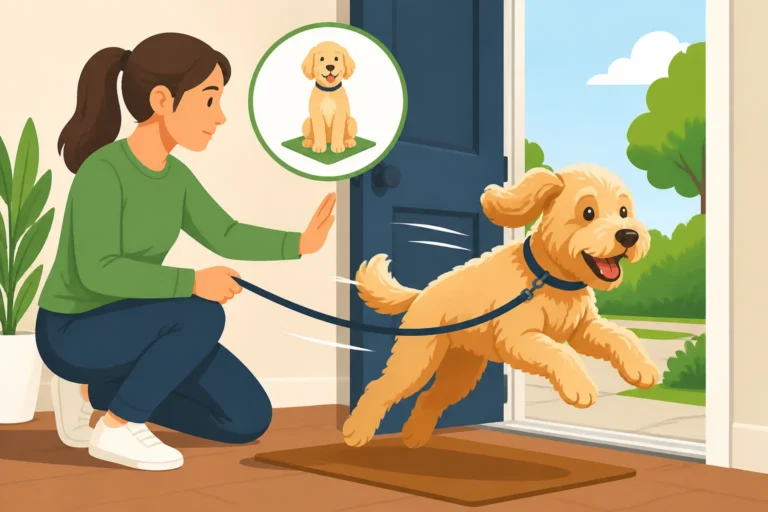
This is often the most critical walk for many Goldendoodles. A brisk 15-20 minute walk first thing in the morning can do wonders for setting a positive tone for the day. This isn't just about potty breaks; it's about waking up their senses, getting their heart rate up, and giving them a chance to sniff and explore before the household gets fully underway. Even if it's just around the block, let them sniff. Sniffing is incredibly mentally stimulating for dogs, and it helps tire them out in a different way than just physical exertion. Focus on a good pace, a few moments of training cues like "sit" or "stay," and plenty of positive reinforcement. This initial burst of activity helps drain some of that overnight energy, making them more likely to settle down while you get ready for work or tackle morning tasks.
Midday Movement or Mental Break
If you work from home, this is your golden opportunity. A 20-30 minute walk during your lunch break can be a lifesaver. It breaks up your day, clears your head, and gives your Goldendoodle a much-needed stretch and sniff session. If you’re not home, consider a dog walker or a trusted friend/neighbor. Even a quick 10-15 minute potty break in the yard, combined with a vigorous game of fetch or a quick training session, can make a huge difference. For those really tight on time, simply letting them out for a bathroom break and then engaging in 5-10 minutes of indoor mental games with a puzzle toy you picked up on Amazon, or a quick practice session with cues learned from a program like BAXTER & Bella, can be incredibly beneficial. The Thinking Work That Actually Tires a Goldendoodle
The Evening Decompression Walk
This is often the longest and most leisurely walk of the day, a chance for both of you to unwind. It could be 30-45 minutes, focusing on exploring new routes, taking in different smells, and engaging with the environment. This is a great time to work on Goldendoodle Leash Manners by Size, practicing loose-leash walking in a more relaxed setting. For an energetic Goldendoodle, this walk can be a real opportunity for decompression and enrichment. Let them meander, sniff all the interesting lampposts, and generally enjoy being a dog. The goal here is to help them burn off any remaining energy and settle down for a restful evening with the family. If you have a yard, you can extend this with some off-leash play (if safe and fenced) or a round of fetch before coming inside.
Here’s a look at how a typical day might compare:
| Activity | Single Long Walk Scenario | Split Walk Scenario |
|---|---|---|
| Morning (7-8 AM) | 10 min quick potty break | 20-30 min walk: Brisk, sniffing, potty |
| Midday (12-2 PM) | None (dog home alone) | 20-30 min walk/play: Dog walker, fetch, puzzle toy |
| Afternoon/Evening (5-7 PM) | 60-90 min long walk: Only significant exercise | 30-45 min walk: Decompression, exploration, light training |
| Late Evening (9-10 PM) | 10 min quick potty break | 10 min quick potty break |
| Total Active Time | 80-110 minutes | 80-115 minutes |
As you can see, the total active time can be quite similar, but the split walk distributes that activity in a way that is often more sustainable for owners and more beneficial for the Goldendoodle.
The Advantages of a Distributed Exercise Approach
Embracing a split walking schedule isn't just a compromise; it offers distinct advantages for both you and your Goldendoodle, leading to a happier, healthier, and more harmonious household.
A Calmer, Better-Behaved Goldendoodle
One of the most immediate and noticeable benefits of splitting walks is a significant improvement in your Goldendoodle's behavior. When a Goldendoodle has consistent outlets for their energy and intelligence throughout the day, they are far less likely to resort to destructive behaviors born out of boredom or pent-up energy. That means fewer chewed shoes, less frantic greeting when you walk through the door, and a generally more relaxed demeanor. Think about it: a dog that's had a good morning walk and a stimulating midday break is much more likely to nap peacefully than one who's been waiting all day for their one chance to explode with energy. This proactive approach to exercise can head off many common Goldendoodle Behavior Problems That Start in Puppyhood.
Enhanced Physical Health and Stamina
Just like humans, dogs benefit from consistent movement rather than sporadic bursts of intense activity. Splitting walks helps maintain muscle tone, supports healthy joints, and improves cardiovascular health. For puppies, it prevents overexertion during crucial growth periods. For senior dogs, it allows them to stay active without pushing them past their comfortable limits. Regular, moderate exercise throughout the day can also help manage weight, which is crucial for preventing conditions like Goldendoodle Weight Gain and the Strain on Joints. By keeping them consistently active, you're not just burning calories; you're also building their overall endurance and resilience. This consistent conditioning is far more beneficial than pushing them to their limits in one long, exhausting session.
Boosting Mental Well-being and Enrichment
Walks aren't just about physical activity; they are a primary source of mental enrichment for dogs. Every walk offers new sights, sounds, and, most importantly, smells. By splitting walks, you're providing more opportunities for your Goldendoodle to engage with their environment and use their incredible sense of smell. These "sniffaris" are profoundly enriching and can be just as tiring as physical exercise. A shorter walk focused on sniffing every bush and tree can satisfy their primal instincts and provide a mental workout that a long, forced march simply can't. Nose Games to Play With a Goldendoodle Indoors can also be integrated into these shorter outings. More opportunities for novel experiences help prevent boredom and keep their minds sharp and engaged, which is especially important for intelligent breeds like the Goldendoodle.
Navigating the Practicalities of a Split Schedule
Adopting a new routine always comes with its challenges, but with a little planning and creativity, you can make split walks a seamless part of your Goldendoodle's day.
Mastering Time Management
The biggest hurdle for many is simply finding the time. Start small. Even adding a 10-minute leash walk in the middle of the day can make a difference. Look for pockets of time you might be wasting scrolling on your phone or doing a less urgent task.
- Set Alarms: Use your phone to set reminders for walk times.
- Batch Tasks: Can you run an errand that involves a quick stop at a park for a 20-minute walk?
- Delegate: If you have family members, assign different walk slots. Kids might love taking a Goldendoodle for a short, supervised stroll.
- Utilize Lunch Breaks: If you work from home, step away from your desk for a proper midday break with your dog. Even 15 minutes of dedicated time is valuable.
Remember, perfection is the enemy of good. Some days might be easier than others, and that’s perfectly fine. The goal is consistency over intensity.
Adapting to Weather and Environmental Factors
Mother Nature doesn't always cooperate with our walking plans. Extreme heat, freezing temperatures, or torrential rain can make outdoor walks impractical or even unsafe. But that doesn't mean your Goldendoodle's exercise needs vanish.
- Indoor Alternatives: On bad weather days, turn to indoor games. Fetch in a long hallway, hide-and-seek with treats, or a session with a favorite chew toy. Rainy Day Enrichment for a Goldendoodle is all about getting creative indoors.
- Weather-Appropriate Gear: Invest in a good rain slicker for your Goldendoodle, or some paw protection for hot pavement or icy sidewalks. A waterproof coat can make a huge difference for those damp, chilly walks.
- Short and Sweet: When weather is extreme, make outdoor potty breaks very quick and focused. The goal is relief, not exercise. Save the exercise for indoors or when conditions improve.
Addressing Goldendoodle Resistance
Sometimes, your Goldendoodle might seem less enthusiastic about a short walk, especially if they're used to longer outings. They might pull towards a certain direction, or simply plop down.
- Make it Exciting: Bring high-value treats. Vary your routes for even short walks. Use a happy, encouraging tone.
- Focus on Sniffing: Allow plenty of sniff breaks. As mentioned, sniffing is incredibly mentally stimulating and satisfying for dogs. Let them lead with their nose for a few minutes.
- Play a Game: Incorporate a mini-game into the walk, like "find it" with treats hidden in grass patches, or a quick recall game if you're in a safe, enclosed area.
- Consistency is Key: The more consistent you are with the split routine, the more your Goldendoodle will learn to anticipate and enjoy these shorter, frequent outings. They'll come to understand that another opportunity for outdoor fun is always just around the corner.
Disclaimer
This article is for general informational purposes only and does not constitute professional advice. Laws, prices and regulations vary by location and change over time. Consult a qualified professional for guidance on your specific situation.