Saving for the Goldendoodle Bills Nobody Budgets
Bringing a Goldendoodle home is an absolute joy, a whirlwind of fluffy cuddles and playful antics. But let's be real: beyond the initial purchase price, these wonderful dogs come with a host of expenses that can easily sneak up on you. Many new owners, myself included once upon a time, find themselves caught off guard by the regular and sometimes surprising bills. This guide is all about shining a light on those often-overlooked Goldendoodle costs so you can plan ahead and avoid that financial stress.
Veterinary Bills You Don't See Coming
We all budget for annual check-ups and vaccines, right? But the reality of Goldendoodle ownership, especially with their unique genetic predispositions, means you need to prepare for much more than just routine visits. The unexpected vet bill can hit hard, and it's almost always when you least expect it.
Emergency Visits and Diagnostics
Picture this: it’s Saturday night, your Goldendoodle suddenly starts vomiting uncontrollably, or perhaps they've eaten something they absolutely shouldn't have. Your heart races, and you're off to the emergency vet clinic. These visits aren't cheap. A simple after-hours consultation can cost hundreds of dollars before any diagnostics even begin. If your dog needs X-rays, blood work, or an ultrasound, you're quickly looking at a bill well into the thousands. Things like a sudden bout of pancreatitis from sneaking fatty human food, or a twisted gut – known as bloat risk in a standard Goldendoodle – require immediate, expensive intervention. It's a scary thought, but being prepared, even mentally, can make a huge difference in those moments.
Chronic Conditions and Ongoing Management
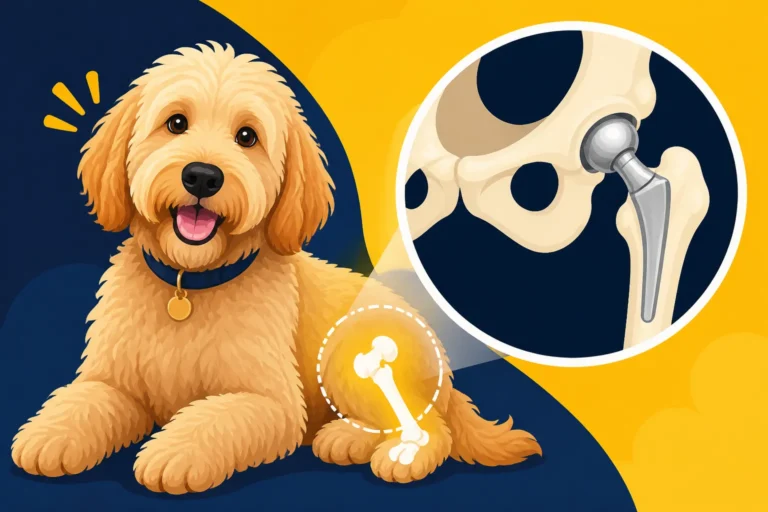
Goldendoodles, like all breeds, can be prone to certain health issues that might not be emergencies but require long-term, expensive management. Take, for instance, Goldendoodle allergies and itchy skin. Many Goldendoodles develop environmental or food allergies that manifest as incessant itching, ear infections, or skin problems. Diagnosing these can involve costly allergy testing and then ongoing management with special diets, medications, or even immunotherapy shots. Similarly, joint issues such as Goldendoodle hip dysplasia or patellar luxation can lead to long-term pain management, specialized food, and potentially costly surgeries down the line. These aren't one-time fixes; they're commitments that can easily add hundreds of dollars to your monthly budget.
Preventive Care Beyond Basic Vaccinations
While annual shots are a given, there's a world of preventive care that often gets overlooked in budgeting but is crucial for your Goldendoodle's long-term health. Consider dental care; Goldendoodle dental crowding in the smaller sizes can lead to plaque buildup and gum disease surprisingly quickly. Regular dental cleanings under anesthesia can run several hundred dollars each year. Then there's parasite prevention – year-round heartworm, flea, and tick medication. These aren't just about comfort; they're vital for preventing serious diseases that are far more expensive to treat. Investing in these preventive measures, even if they seem like a lot up front, often saves you from much larger bills later on. Don't forget that as your Goldendoodle ages, their preventative care needs will also change, often involving more frequent screenings as part of their senior Goldendoodle vet visits after nine.
The True Cost of Goldendoodle Grooming
Ah, the Goldendoodle coat. It's one of their most charming features, that soft, wavy, or curly fur that just begs to be petted. But it's also, without a doubt, one of the biggest budgetbusters that many owners underestimate. Goldendoodle grooming as the biggest line in the budget is a common refrain among doodle parents for a very good reason.
Dematting Surcharges and Matted Coats
The fluffy Goldendoodle coat, while beautiful, is a magnet for mats. If you don't brush your Goldendoodle often enough to stop matting, even a few days can turn a soft coat into a tangled mess. When you take your Goldendoodle to a professional groomer, and they find significant matting, you're not just looking at the regular grooming fee. Groomers often charge substantial dematting surcharges on a Goldendoodle, sometimes adding an extra $20 to $60 or even more to the bill, depending on the severity and time involved. In worst-case scenarios, a severely matted Goldendoodle might even need to be shaved down completely, which can be an emotional shock and still carries a high cost due to the difficulty and time involved for the groomer. This is why consistent home brushing is non-negotiable, not just for aesthetics but for your wallet.
Specialty Products and Home Care Tools
To combat matting and keep your Goldendoodle looking sharp between professional grooms, you'll need a serious arsenal of tools and products. This isn't just a basic comb and brush. You'll need a high-quality slicker brush, a sturdy metal comb that reaches the skin, detangling sprays, and a good shampoo and conditioner formulated for their specific coat type. Many owners find themselves buying clippers to groom a Goldendoodle at home to save money, but quality clippers and blades are an investment themselves, often hundreds of dollars. And don't forget products specifically for Goldendoodle ear care under all that hair, or dental hygiene products like dog toothbrushes and enzymatic toothpaste. These aren't one-off purchases; they're ongoing expenses that add up over time. You might find great deals on these essentials at retailers like Chewy, making it a bit easier on your wallet, but the need for them doesn't disappear.
Unexpected Groomer Refusals
It's a distressing scenario, but it happens: you take your beloved Goldendoodle to the groomer, only to be told they can't finish the groom or even start it because of aggression, severe anxiety, or extreme matting. This isn't just frustrating; it can be costly. You might still be charged for the time the groomer spent attempting the service, or a cancellation fee. Then you're back to square one, needing to find a specialized groomer who handles difficult dogs, which often comes with a higher price tag. Or, you might have to invest in extensive behavioral training to help your dog tolerate grooming, such as teaching a Goldendoodle to stand still for grooming. This highlights the importance of early socialization and training your Goldendoodle puppy for the grooming table from a young age to make these experiences less stressful and costly down the line.
Food and Supplies: Beyond the Basics
Feeding your Goldendoodle isn't just about filling a bowl. Their size, activity level, and potential sensitivities can significantly impact your grocery budget. And beyond food, there's a whole world of supplies that you might not initially factor into your long-term costs.
Dietary Needs and Allergy-Friendly Foods
Goldendoodles come in a wide range of sizes, from Toy to Standard, and their caloric needs vary wildly. Feeding a Goldendoodle by size category means a Standard Goldendoodle will eat significantly more than a Mini, leading to higher monthly food bills. Beyond quantity, quality matters. Many Goldendoodles develop sensitivities or allergies, requiring specialized diets. If your Goldendoodle is showing signs of food allergies showing on the skin, your vet might recommend an elimination diet or a prescription food, which can be considerably more expensive than standard kibble. Brands like Ollie, known for their fresh food options, can be a fantastic choice for dogs with sensitive stomachs or picky eaters, but they often come with a premium price point compared to traditional dry kibble. Budgeting for these potential dietary changes is smart, as investing in the right food can prevent other health issues and vet visits.
Gear Upgrades and Replacements
Your Goldendoodle will go through more than one set of gear in its lifetime, and some items are surprisingly expensive to replace. Think about crates: you might buy one large crate when they're a puppy, expecting it to last, but if they chew through the pan or bend the wires during an adolescent phase, you'll be replacing it. Beds, especially large, orthopedic ones for adult or senior Goldendoodles, can easily cost over $100 and will need replacing as they wear out or get chewed. Leashes, collars, harnesses, and toys also have a finite lifespan, particularly with a strong chewer. It's not just the initial purchase; it's the ongoing cycle of wear and tear, and upgrading as your dog grows and their needs change. For instance, a durable, well-fitting harness is crucial for leash training, but you might need to buy a larger size as they grow.
Pet Sitting and Boarding Costs
Life happens! You'll want to go on vacation, or maybe you'll have a work trip. That's when you discover the cost of reliable Goldendoodle care. Boarding facilities, especially reputable ones with good staff-to-dog ratios and outdoor play areas, can run $40 to $80 per night, sometimes more in metropolitan areas. For a week-long trip, that's hundreds of dollars. Pet sitters who come to your home can be even more expensive, though they offer the benefit of keeping your dog in their familiar environment. And if your Goldendoodle suffers from Goldendoodle separation anxiety from both parent lines, finding a sitter or facility equipped to handle their specific needs might narrow your options and increase the cost. These services are essential for responsible pet ownership, but they are definitely a line item that many people forget to budget for until the last minute.
Training and Behavioral Support
Goldendoodles are smart, eager to please, and generally wonderful family dogs. However, they're not born knowing polite manners, and like all dogs, they can develop behavioral quirks or challenges that require professional intervention. Skipping this part of the budget can lead to much bigger problems down the road.
Behavioral Consultations and Classes
Puppy classes are a fantastic start, helping with basic obedience and socialization. These typically cost a couple of hundred dollars for a several-week session. But sometimes, basic classes aren't enough. If your Goldendoodle develops issues like excessive barking, resource guarding, or reactivity towards other dogs or people, you might need private training sessions or a certified canine behaviorist. These professionals offer tailored advice and can be invaluable, but their hourly rates can range from $100 to $250 or more per session, with several sessions often required. Investing in these services early can prevent problems from escalating into more serious and difficult-to-manage behaviors that impact your daily life and your dog's well-being.
Separation Anxiety Interventions
The "Velcro dog" reputation of Goldendoodles is charming until it turns into full-blown separation anxiety. If your Goldendoodle panics when you leave, chewing furniture, barking incessantly, or having accidents indoors, it's a serious problem that demands attention. Managing Goldendoodle separation anxiety often involves a multi-pronged approach: professional training, enrichment toys (which need to be continuously replenished), potentially doggy daycare, or even medication prescribed by a vet. Daycare can be $30-$60 per day, and if needed several times a week, that adds up quickly. Medications, if necessary, are another ongoing monthly cost. Addressing this early and thoroughly can save your home, your relationships with neighbors, and most importantly, alleviate your dog's distress.
Dealing with Destructive Chewing
Those adorable Goldendoodle puppies love to explore with their mouths, but if not properly managed, this can escalate into destructive chewing. Poodles, being intelligent and sometimes prone to oral fixation, can pass this trait to their Goldendoodle offspring. Suddenly, your expensive furniture, shoes, or even doorframes become targets. Preventing this means a steady supply of appropriate chew toys, which can range from durable rubber options to long-lasting dental chews. While seemingly small purchases, they add up. Furthermore, if the chewing is linked to anxiety or boredom, it might require extra exercise, puzzle toys that occupy a Goldendoodle for an hour, or professional training to redirect the behavior. The cost of replacing chewed items alone can quickly overshadow the price of preventive measures.
Planning for Senior Goldendoodle Care
It's hard to imagine your bouncy, playful Goldendoodle as a senior citizen, but those years will fly by. When they do, their needs change significantly, and so do the costs associated with their care. Preparing for a senior Goldendoodle care after the age of nine is a compassionate and financially responsible decision.
Mobility Aids and Adaptations
As Goldendoodles age, joint issues like arthritis or worsening hip dysplasia can become more pronounced. This often means needing mobility aids. Orthopedic beds become essential for comfort, sometimes costing hundreds. Ramps for cars or furniture can prevent painful jumping and make daily life easier, but these are another investment. For dogs with severe mobility challenges, slings or even custom-fit dog wheelchairs might be necessary, carrying price tags from a few hundred to over a thousand dollars. These aren't luxuries; they're vital for maintaining your senior Goldendoodle's quality of life and preventing further injury.
Increased Vet Visits and Diagnostic Tests
Senior Goldendoodles typically need more frequent vet check-ups, often twice a year instead of annually. These visits focus on early detection of age-related diseases. This might include regular blood work to check organ function, urinalysis, and potentially more specialized diagnostics like X-rays to monitor joint health or ultrasounds if internal issues are suspected. Conditions like thyroid disease and a Goldendoodle losing coat are common in older dogs, requiring regular blood tests and lifelong medication. The costs for these tests and managing chronic conditions can quickly add up, easily reaching several hundred to a thousand dollars annually, even for seemingly minor issues.
End-of-Life Planning
This is the hardest part to think about, but it's a reality for all pet owners. When your Goldendoodle's quality of life diminishes, difficult decisions have to be made. Goldendoodle end-of-life planning includes costs for palliative care to keep them comfortable, which can involve pain medications, supplements, or even acupuncture. When the time comes for euthanasia, you'll need to consider the vet's fee for the procedure, which can range from $100-$300, and memorial options like cremation or burial, which can add another several hundred dollars. While emotionally difficult, having a financial plan for these eventualities can ease some of the burden during an incredibly sad time.
The Value of a Goldendoodle Emergency Fund
Reading through all these potential costs might feel overwhelming, almost like trying to put a budget around a moving target. That's precisely why an emergency fund, separate from your regular savings, is so incredibly valuable for Goldendoodle owners. It's the safety net that catches those bills nobody budgets.
Calculating a Realistic Savings Goal
So, how much should you set aside? It's tough to give an exact number because every dog and situation is different. However, a good starting point for a Goldendoodle emergency fund is often suggested to be anywhere from $2,000 to $5,000. This might seem like a lot, but consider the costs we've discussed: an emergency surgery for bloat or an accident could easily run $3,000 to $8,000. A course of immunotherapy for severe allergies could be $1,000-$2,000 in the first year alone. Even recurring ear infections or dental issues add up over time. Aiming for at least $2,000-$3,000 provides a solid buffer against most common unexpected issues. Start small if you need to, putting away $50-$100 a month until you reach your goal.
Insurance as a Complement to Savings
Pet insurance is not a replacement for an emergency fund, but it can be a powerful complement. Many owners opt for Goldendoodle pet insurance for a dog with no breed papers, as it helps cover a significant portion of unexpected veterinary costs. Plans vary widely, but generally cover accidents, illnesses, and sometimes even chronic conditions or emergency visits. However, most policies come with a deductible, a reimbursement percentage (e.g., 70-90%), and annual limits. They also typically don't cover pre-existing conditions. This is where your emergency fund comes in: it covers your deductible, the portion of the bill not reimbursed by insurance, and any costs that might fall outside your policy's coverage. Providers like Healthy Paws are popular for their comprehensive accident and illness plans, but it’s crucial to understand their terms, waiting periods for conditions like Goldendoodle hip dysplasia, and what they consider a pre-existing condition.
Here's a quick look at how an emergency fund and insurance might work together for a common Goldendoodle issue:
| Scenario | Total Vet Bill Estimate | Pet Insurance Covers (Example 80% after $500 deductible) | Out-of-Pocket Cost (with insurance) | Out-of-Pocket Cost (no insurance, from emergency fund) |
|---|---|---|---|---|
| ACL Tear Surgery | $4,000 | $2,800 | $1,200 (deductible + 20%) | $4,000 |
| Emergency Bloat Surgery | $6,500 | $4,800 | $1,700 (deductible + 20%) | $6,500 |
| Allergy Testing & Meds | $1,500 | $800 | $700 (deductible + 20%) | $1,500 |
| Chronic Ear Infections | $800 (yearly) | $240 (after $500 deductible) | $560 (deductible + 20%) | $800 |
Note: These are estimates and vary greatly by location, vet, and specific insurance policy.
Strategies for Building Your Fund
Building an emergency fund takes discipline, but it’s absolutely doable.
- Automate Savings: Set up an automatic transfer from your checking account to a separate savings account specifically for your Goldendoodle's emergencies. Even $25 or $50 a week adds up quickly.
- Windfalls and Bonuses: Direct tax refunds, work bonuses, or unexpected gifts straight into this fund. It's money you weren't counting on, making it easier to save.
- Cut Discretionary Spending: Look for areas in your own budget where you can trim. Maybe one less takeout meal a week, or skipping that daily coffee, can free up funds for your Goldendoodle.
- Side Gigs or Selling Unused Items: If you have extra time or items you no longer need, consider a temporary side gig or selling things online to jumpstart your fund.
- Utilize High-Yield Savings Accounts: While not a massive difference, putting your emergency fund in a high-yield savings account ensures your money is at least earning a little interest while it waits.
Remember, the goal is peace of mind. Knowing you have a financial buffer for your Goldendoodle's health and well-being will allow you to make decisions based on what’s best for your furry family member, not just what you can afford at that very moment. It really is one of the best investments you can make for your dog's future, preventing the dreaded "Goldendoodle bill owners never see coming."
Disclaimer
Please remember that this article provides general information and guidance. Every Goldendoodle is an individual, and their specific health, behavioral, and care needs may vary. Always consult with a qualified veterinarian, professional groomer, or certified dog trainer for personalized advice regarding your Goldendoodle's care. Financial estimates are approximations and can differ based on location, service provider, and individual circumstances.