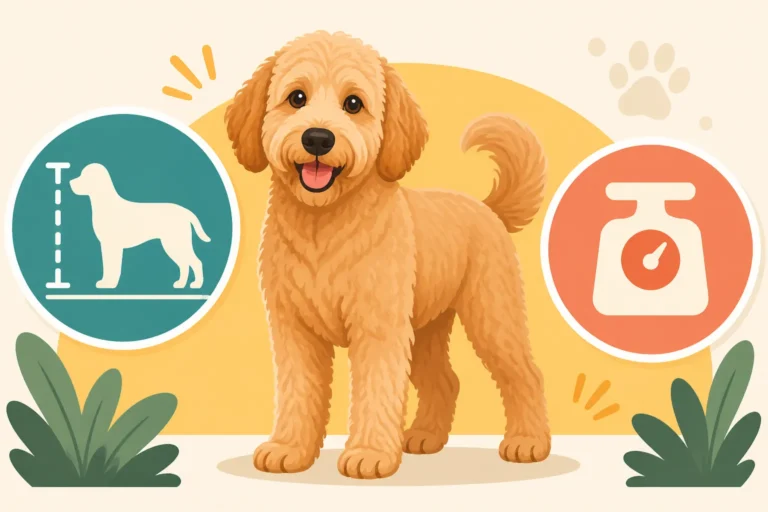
The Standard Goldendoodle at Fifty to Ninety Pounds
One of the biggest questions I hear from prospective Goldendoodle owners, and even those who've brought a fluffy puppy home, is about size. It's truly a lottery sometimes, isn't it? You might envision a comfortable medium-sized dog, only to find yourself with a gentle giant who practically looks you in the eye when they stand on their hind legs! This guide is here to demystify what it means to bring a standard Goldendoodle into your life, specifically those magnificent pups that mature anywhere from fifty to ninety pounds, giving you a realistic picture of what to expect.
Defining the Standard Goldendoodle Size Category
When you delve into the world of Goldendoodles, you quickly realize there isn't a single, universally recognized standard like there is for purebreds. This can be a real headache for families trying to plan, especially when trying to figure out if a Goldendoodle will be a lap dog or a couch hog! However, most reputable breeders and enthusiasts have broadly agreed-upon categories to help classify these wonderful crossbreeds, and the "standard" is definitely the big one.
More Than Just a "Large Dog" Label
Calling a Goldendoodle "large" almost feels like an understatement sometimes. These aren't just big dogs; they're often really big dogs, packing a lot of personality and presence into their substantial frames. It’s easy to dismiss a simple "large" description, but when you're talking about a dog that can weigh as much as a small adult, the practical implications are significant. Think about the space they’ll need, the amount of food they’ll eat, and even the force behind their excited greetings. A standard Goldendoodle isn't just a category; it's a lifestyle adjustment.
It’s crucial to understand that within this "standard" label, there’s still quite a bit of variability. One standard Goldendoodle might clock in at a lean 55 pounds, while another could easily hit 85 or 90 pounds, both considered within the standard range. This means you need to be prepared for the higher end of that spectrum, just in case your puppy decides to outgrow all expectations! It’s better to be pleasantly surprised by a slightly smaller dog than to be caught off guard by a true giant.
The Weight Range That Matters
The defining characteristic of a standard Goldendoodle is typically its adult weight, which falls into that substantial 50 to 90-pound bracket. This isn't just a number; it dictates everything from the size of their crate to the amount of exercise they need. If you've previously owned smaller dogs, prepare for a significant increase in physical presence. These are dogs that can easily lean into you with enough force to shift you, jump up to counter-surf without even trying, and take up a surprising amount of space on your sofa.
The range itself can be influenced by the parentage. A Goldendoodle whose Golden Retriever parent was on the larger end of the spectrum and whose Standard Poodle parent was also robust might trend towards the higher end of the 90-pound mark. Conversely, if both parents were on the leaner, smaller side of their respective purebred standards, you might find your Goldendoodle settling in closer to 50 or 60 pounds. It’s a genetic lottery, but knowing the parents’ sizes can give you a better educated guess. What a Goldendoodle Inherits From Each Parent Breed really sheds light on this genetic blend.
Height at the Withers Explained
Beyond weight, height is another critical factor in classifying a standard Goldendoodle. Their height is usually measured at the withers – that's the highest point of their shoulder blades, directly above the front legs. For a standard Goldendoodle, you're generally looking at a height range of around 21 to 24 inches or even taller. This measurement gives you a good sense of their overall stature and how much vertical space they'll occupy.
Imagine your kitchen counters or tabletops; a tall Goldendoodle can easily reach them with minimal effort, especially if they're particularly food-motivated. This height also impacts how they interact with children and smaller pets. A dog this tall might accidentally knock over a small child with an enthusiastic wag of their tail, or simply be intimidating to smaller animals due to their sheer size. Understanding their height helps you prepare your home and manage their interactions effectively.
How Genetics Influence Standard Goldendoodle Size
Understanding the genetic blueprint behind your Goldendoodle's size is fascinating, yet also a source of much hand-wringing for hopeful owners. It’s not just about adding the parents' weights together and dividing by two. The way genes express themselves, especially in a crossbreed, can lead to some surprising variations even within the same litter. This is where the magic, and sometimes the mystery, of Goldendoodle genetics truly comes into play.
The Golden Retriever's Role in Size
The Golden Retriever parent brings a significant portion of the "standard" size to the Goldendoodle equation. Golden Retrievers are naturally medium to large-sized dogs, with males typically weighing between 65-75 pounds and females 55-65 pounds. They also stand quite tall, usually 23-24 inches for males and 21.5-22.5 inches for females. This strong foundation of size means that even when bred with a Standard Poodle, the Goldendoodle pup is almost certainly going to be a substantial dog.
The Golden Retriever's sturdy build and bone structure contribute to the Goldendoodle's overall robust frame. While Poodles are known for their elegant, sometimes slender build, the Golden tends to add a more solid, muscular presence. If your Goldendoodle puppy has a Golden Retriever parent or grandparent that was particularly large, there’s a good chance your puppy will inherit that predisposition for impressive size, potentially pushing them towards the upper end of the standard weight range.
The Standard Poodle's Genetic Contribution
The Standard Poodle, often overlooked in the size conversation because of the breed's association with smaller varieties, is actually a substantial dog in its own right. Standard Poodles typically stand over 15 inches at the shoulder (often much taller, up to 24-27 inches) and weigh between 45-70 pounds. They might not have the broad, stocky build of a Golden Retriever, but their height and lean muscle mass contribute significantly to the Goldendoodle's potential for impressive stature.
When a Standard Poodle is used in a Goldendoodle cross, especially in an F1 (first generation) pairing, their genetics combine with the Golden's to produce that large "standard" size. In F1b (backcross) generations, where a Goldendoodle is bred back to a Standard Poodle, the Poodle's influence on height and leaner build can become even more pronounced, though they still retain that Goldendoodle "look" that everyone loves. The blending of these two intelligent and active breeds creates a dog that is not only big but also full of energy and eager to please.
Why Breeding Pair Size Isn't Everything
You might think that if you see the parents and they're both on the smaller side of the standard range, your puppy will definitely be smaller too. And while looking at the parents' size is certainly helpful for Predicting a Goldendoodle Puppy's Adult Size, it's not a foolproof guarantee. Genetics are complicated, and recessive genes from previous generations can sometimes resurface. This means a puppy could inherit genes from a larger grandparent, for example, and end up bigger than both of its immediate parents.
Reputable breeders will often provide a rough estimate for the adult weight and height of a litter based on the parents and their pedigrees, but they’ll also be honest about the inherent unpredictability of a crossbreed. It's truly like a genetic lottery, with various traits from both sides having the potential to be dominant or recessive. This is why even within the same litter, you might have some puppies that lean towards the Golden Retriever's build and others that are more Poodle-like, both in coat and in overall frame. This fascinating mix is part of the appeal, but also part of the challenge in setting exact expectations.
Growth and Development of a Standard Goldendoodle
Watching a Goldendoodle puppy grow is like watching a time-lapse video in fast forward. One day they're a tiny fluff ball, and the next they're practically a teenager. For standard Goldendoodles, this growth phase is particularly dramatic, and it's essential to understand the different stages to ensure they're developing healthily and to manage your expectations about their eventual size. It can be a bit overwhelming, feeling like you're constantly upgrading their gear!
Puppy Growth Spurts and Milestones
Standard Goldendoodle puppies experience incredible growth spurts, especially during their first six to eight months. You'll literally feel like they're growing overnight, sometimes adding pounds in a single week. During this rapid development, it's not uncommon for them to look a little gangly or disproportionate, with long legs and big paws that they haven't quite grown into yet. This awkward "teenager" phase is completely normal and often quite endearing, as they trip over their own feet trying to keep up.
Monitoring their weight and size during these early months is important, but don't obsess over daily numbers. Focus on consistent, healthy growth. Puppy weight charts can offer a general idea, but remember they are just estimates. Each puppy is an individual. A common rule of thumb is that many Goldendoodles will reach about half their adult weight by four to five months of age, though this can vary. Consistent nutrition and appropriate exercise are key during these demanding periods. For more on this, check out Goldendoodle Puppy Growth Plates by Size Category.
When a Standard Goldendoodle Reaches Full Size
While the most dramatic growth happens in the first year, a standard Goldendoodle typically isn't considered fully mature until they are between 18 and 24 months old. They might reach their full height around 12-15 months, but their frame will continue to fill out, gaining muscle mass and reaching their final adult weight over the next several months. This means that even if they look tall and lanky at a year old, they still have some filling out to do.
It's common for owners to misjudge their dog's final size because they stop growing taller, but then continue to broaden. Patience is truly a virtue when it comes to Goldendoodle growth. If you're planning for things like large crates, beds, or even car travel arrangements, it's wise to plan for their maximum potential size rather than assuming they're done growing just because they hit their first birthday. They're like teenagers who suddenly stop growing taller but still need to fill out their frame.
Monitoring Weight and Growth Healthily
Monitoring your standard Goldendoodle's weight and growth healthily means focusing on body condition rather than just the number on the scale. While a scale can give you a general idea, feeling their ribs, spine, and hip bones is more indicative of whether they are at a healthy weight. You should be able to easily feel their ribs with slight pressure, but not see them protruding. Their waist should tuck in slightly when viewed from above, and from the side, they should have an abdominal tuck.
Overfeeding a rapidly growing large breed puppy can actually be detrimental, putting extra strain on their developing joints. It's a common mistake born out of love, thinking a bigger puppy is a healthier one. However, controlled growth is far more important for long-term joint health. Work closely with your veterinarian to establish appropriate feeding guidelines and monitor their physical condition. If you're concerned about Goldendoodle Weight Gain and the Strain on Joints, discussing it with your vet early on is crucial.
Living with a Large Goldendoodle
Bringing a standard Goldendoodle into your home means making some adjustments, not just to your routine but to your living space itself. These big, friendly dogs have specific needs that differ from their smaller Goldendoodle cousins, and being prepared for them will make for a much happier household for everyone. It's not just about their size, but the impact that size has on everything you do.
Space Requirements for a Standard Goldendoodle
One of the first things people consider is space. A standard Goldendoodle, typically weighing 50-90 pounds, is going to need ample room to stretch out, play, and simply exist without constantly bumping into furniture or family members. While they are often described as "velcro dogs" who love to be near you, they still need their own designated areas. This means a large dog bed, a substantial crate if you're crate training, and clear pathways through your home.
If you live in a smaller apartment or a home without a yard, it doesn't necessarily rule out a standard Goldendoodle, but it does mean you need to be exceptionally committed to providing outdoor exercise and mental stimulation. These dogs thrive on activity, and confining them to a small space without adequate outlets can lead to destructive behaviors or excessive energy. Consider if Whether a Standard Goldendoodle Fits an Apartment aligns with your lifestyle; it's possible, but requires diligence.
Exercise Needs for a Big Dog
Standard Goldendoodles are active dogs that inherit a love for movement from both the Golden Retriever and Standard Poodle sides. They need a good amount of exercise every single day to be happy, healthy, and well-behaved companions. We're talking about brisk walks, games of fetch, runs in a secure dog park, or even swimming – they often adore water! This isn't just about physical exertion; it's also about mental engagement.
Under-exercised standard Goldendoodles can become restless, destructive, and even prone to anxiety. They might chew on furniture, bark excessively, or jump on guests out of sheer pent-up energy. Incorporating both physical activity and mental challenges, like puzzle toys or training sessions, is vital. Remember, a tired Goldendoodle is usually a well-behaved Goldendoodle. For ideas on keeping them active throughout their life, refer to Goldendoodle Exercise at Every Life Stage.
Practicalities of Owning a Standard Size
Beyond space and exercise, there are numerous practical aspects to consider when owning a standard Goldendoodle. Their size means everything costs a bit more – larger food portions, bigger beds, more robust toys, and potentially higher grooming costs. Even things like vet visits can be more expensive simply due to the amount of medication (like anesthesia) required for larger animals, or the need for two vet techs to assist with handling.
Transportation is another big one. Do you have a vehicle large enough to comfortably and safely transport a 90-pound dog? Will they fit in their crate in your car? Think about the logistics of travel, boarding, and even navigating crowded public spaces. Training is also paramount; a large, untrained dog can be a handful, whereas a well-trained standard Goldendoodle is a joy to be around, despite their size. Investing in good training early on pays dividends.
Health Considerations for Standard Goldendoodles
While Goldendoodles are generally considered healthy dogs, their size brings certain health considerations that owners should be aware of. Being proactive and informed about these potential issues can make a huge difference in your standard Goldendoodle's long-term health and quality of life. After all, a healthy dog is a happy dog, and we want them around for as long as possible! Goldendoodle Lifespan and What a Cross Really Buys You can give you a broader perspective on their general health.
Joint Health in Larger Goldendoodles
Larger breeds, including standard Goldendoodles, are inherently more prone to joint issues like hip and elbow dysplasia. This is because their rapid growth and the sheer weight they carry put significant stress on their developing joints. Both Golden Retrievers and Standard Poodles can carry genes for these conditions, meaning a Goldendoodle has a double risk if not carefully bred. This isn't meant to scare you, but to inform you of the importance of good breeding practices and early preventative care.
Choosing a puppy from parents who have had comprehensive health clearances for hips and elbows (like OFA or PennHIP) is absolutely crucial. Even with clear parents, maintaining a healthy weight for your standard Goldendoodle and avoiding excessive, high-impact exercise during their puppyhood can help protect their joints. If issues do arise, understanding Goldendoodle Hip Dysplasia and the OFA Numbers can help you navigate treatment options, which can be expensive and involve long recovery times.
Managing Bloat Risk
Gastric Dilatation-Volvulus (GDV), commonly known as bloat, is a life-threatening condition that primarily affects large, deep-chested breeds – a description that fits many standard Goldendoodles perfectly. Bloat occurs when the stomach fills with gas and twists, trapping the gas and cutting off blood supply. It can rapidly become fatal if not treated immediately. This is one of those emergencies you truly hope you never face, but need to be prepared for.
Symptoms include a swollen abdomen, retching without vomiting, pacing, restlessness, and signs of pain. Knowing these signs and having an emergency vet plan in place is critical. Some owners opt for a prophylactic gastropexy, a surgical procedure where the stomach is tacked to the abdominal wall to prevent it from twisting, often performed during spay/neuter surgery. Discussing preventative measures and emergency protocols with your vet is vital for any standard Goldendoodle owner. More information can be found under Bloat Risk in a Standard Goldendoodle.
Weight Management for Longevity
It might seem obvious, but maintaining a healthy weight for your standard Goldendoodle is one of the single most impactful things you can do for their long-term health. Excess weight puts immense strain on their joints, exacerbates conditions like arthritis, and can contribute to a host of other health problems, including diabetes and heart disease. With their thick, fluffy coats, it can be deceptively easy for a Goldendoodle to pack on extra pounds without an owner realizing it.
Regularly assessing their body condition, not just their weight, is key. Feeling for their ribs and checking for that abdominal tuck helps you stay on top of their physique. Adjusting their food intake and exercise levels as they age or if their activity changes is essential. Even a few extra pounds on a 70-pound dog can make a big difference in their mobility and overall health over a lifespan that can reach into the early teens. Proper weight management supports their Goldendoodle Joint Health by Size Category and overall wellbeing.
Nutrition and Feeding a Standard Goldendoodle
Feeding a standard Goldendoodle isn't just about pouring kibble into a bowl; it's about providing the right fuel for their large, active bodies. Given their size, their nutritional needs are substantial, and making informed choices about their diet can support their growth, energy levels, and long-term health. It can also feel like you're constantly refilling the food bin, which is why thinking ahead is so important.
Choosing the Right Food for Growth and Maintenance
For standard Goldendoodle puppies, choosing a high-quality large breed puppy food is paramount. These specialized formulas are designed to support controlled growth, preventing the rapid growth spurts that can stress developing joints. They typically have carefully balanced calcium and phosphorus levels and appropriate protein content. Brands like Chewy often have a wide selection of these specialized foods, making it easier to find one that fits your vet's recommendations and your budget.
Once your Goldendoodle reaches adulthood, usually around 12-18 months, transitioning to a high-quality adult formula is important. Look for foods with real meat as the first ingredient, and avoid excessive fillers. The specific caloric needs will depend on their age, activity level, and individual metabolism. Discussing food choices with your veterinarian can help you select the best option, whether it's dry kibble, wet food, or a combination.
Portion Control and Preventing Overfeeding
Given their size and often enthusiastic appetites, portion control is critical for standard Goldendoodles. It's incredibly easy to overfeed a large dog, especially if they give you those adorable puppy-dog eyes. However, as we discussed, excess weight is detrimental to their health. Follow the feeding guidelines on your chosen dog food, but always adjust based on your dog's individual body condition and activity level. If your dog is getting a lot of treats during training or extra snacks, reduce their meal portions accordingly.
Using measuring cups, or even better, a kitchen scale to portion out their food accurately can make a big difference. Divide their daily caloric intake into two or three meals to help with digestion and prevent them from eating too quickly, which can be a factor in bloat. If you're wondering about specifics, Daily Calories for a Standard Goldendoodle can provide some helpful benchmarks for their nutritional needs.
Specialized Diets and Supplements
Some standard Goldendoodles might benefit from specialized diets due to allergies, sensitivities, or specific health conditions. For example, if your Goldendoodle experiences skin issues or digestive upset, your vet might recommend a limited ingredient diet or a novel protein source. Again, Chewy offers many options for specialized diets, making it convenient to find what your vet prescribes. Never switch to a specialized diet without veterinary guidance, as nutritional imbalances can occur.
Supplements, particularly joint supplements like glucosamine and chondroitin, are often considered for larger breeds, especially as they age or if they show signs of joint stiffness. Omega-3 fatty acids can also support joint health and a healthy coat. While these can be beneficial, they should always be discussed with your vet to ensure they are appropriate for your individual dog and won't interact negatively with other medications or conditions. Remember, supplements are meant to supplement a complete and balanced diet, not replace it.
The Standard Goldendoodle in Your Life
Beyond their size and health needs, a standard Goldendoodle brings a unique blend of personality and energy to your home. They are often described as intelligent, affectionate, and eager to please, making them wonderful family companions. However, their physical presence means their behavior, good or bad, is amplified.
Temperament and Training Considerations
The temperament of a standard Goldendoodle is typically a delightful mix of the Golden Retriever's friendly, biddable nature and the Standard Poodle's intelligence and athleticism. This often results in a highly trainable dog who thrives on positive reinforcement and mental stimulation. However, their size means that training, especially obedience and leash manners, is not just a suggestion but a necessity. An untrained 80-pound dog pulling on a leash can be a real challenge for even the strongest owner.
Early socialization is crucial to help them grow into well-adjusted adults, comfortable with new people, places, and other dogs. Puppy classes are an excellent investment, offering both training fundamentals and exposure opportunities. What It Costs to Train a Goldendoodle Out of Jumping is a great resource if you're dealing with common large-dog challenges. With their intelligence, standard Goldendoodles often excel in activities like agility, obedience, and even scent work, providing excellent outlets for their energy and brains.
Grooming a Large, Furnished Coat
Grooming a standard Goldendoodle, especially one with a full, furnished coat, is a significant undertaking. Their size means there's simply more coat to manage, and their dense, often curly or wavy hair is prone to matting. Without diligent, regular brushing – often several times a week – those adorable curls can quickly turn into painful mats that require professional dematting or even a full shave-down. This is a common challenge for many Goldendoodle owners.
Many owners opt for professional grooming every 6-8 weeks, which for a standard size Goldendoodle can be a substantial recurring cost. Between grooms, you'll need to commit to thorough line brushing, ensuring you get down to the skin to prevent mats from forming. Neglecting grooming is not only uncomfortable for your dog but can also lead to skin issues. Getting a quality slicker brush, a metal comb, and a good detangling spray (Chewy has great options) is non-negotiable for a standard Goldendoodle owner.
Considering the Long-Term Commitment
Bringing a standard Goldendoodle into your life is a long-term commitment, potentially lasting 10 to 15 years. This isn't just about their puppy cuteness; it's about planning for their entire life journey, from energetic adolescent to mellow senior. Their size means they have a bigger impact on your budget, your schedule, and your home, so thoughtful consideration is essential.
Think about how their needs will change as they age. A senior standard Goldendoodle might need joint support, slower walks, and more frequent vet visits. Senior Goldendoodle Care After the Age of Nine provides invaluable guidance for this stage of life. The joy and companionship they bring are immense, but it's a relationship built on realistic expectations and a willingness to meet their unique needs, especially those that come with being a wonderful, big Goldendoodle.
| Goldendoodle Size Category | Typical Adult Weight (lbs) | Typical Adult Height (at withers, inches) | Considerations for Ownership |
|---|---|---|---|
| Standard | 50 – 90 | 21 – 24+ | Requires ample space & exercise, higher food/grooming costs, joint health focus, bloat risk. |
| Medium | 36 – 50 | 17 – 20 | Manageable size for many homes, still active, good for families. |
| Mini | 26 – 35 | 14 – 17 | More adaptable to smaller spaces, often easier to travel with, less intense exercise needs. |
| Toy | 10 – 25 | Under 14 | Smallest size, delicate, less demanding exercise, dental crowding common. |
Disclaimer
This article is for general informational purposes only and does not constitute professional advice. Laws, prices and regulations vary by location and change over time. Consult a qualified professional for guidance on your specific situation.