Whether Grain-Free Helps a Goldendoodle’s Itching
Oh, the infamous Goldendoodle itch! If you're reading this, you've probably spent countless hours watching your beloved fluffy companion scratch, chew, and rub themselves raw, and you're at your wit's end trying to figure out if switching to a grain-free diet is the magic bullet. It’s a common frustration, and one often misunderstood. This guide will dive deep into why your Goldendoodle might be itching, whether grains are truly the culprit, and how to get to the bottom of their discomfort with real, actionable steps.
The Mystery of the Goldendoodle Itch: More Than Just Food
It’s completely understandable to immediately jump to food when your Goldendoodle is itching. After all, we hear so much about food sensitivities in dogs these days, and "grain-free" has been marketed as the solution to all sorts of canine ailments. But the truth is, the world of dog itching is far more complex than a simple ingredient swap. For Goldendoodle parents, this can be particularly frustrating because their luscious coats can hide a lot of skin irritation until it’s quite advanced.
Common Causes of Itching Beyond the Food Bowl
Before we even talk about grains, let's acknowledge that your Goldendoodle's itching could be caused by a whole host of other things. Think of it like a detective story, and food is just one suspect in a lineup of many. Pinpointing the actual cause requires a methodical approach, and often, ruling out the more common culprits first makes the most sense.
Environmental allergies are incredibly prevalent in Goldendoodles. Just like people, dogs can react to pollen, dust mites, mold, and grasses. These allergies, often called atopy, tend to be seasonal, but they can also be year-round depending on what your dog is allergic to. You might notice your Goldendoodle chewing their paws after a walk in certain types of grass, or developing red, irritated skin during spring or fall when pollen counts are high. This isn't something a change in diet will fix, as the trigger is external.
Parasites are another huge one, and frankly, often the easiest to rule out or treat. Fleas, mites, and even some internal parasites can cause intense itching. Even if you don't see fleas, just one bite can send a highly sensitive dog into a scratching frenzy. Regular, reliable flea and tick prevention is non-negotiable for any Goldendoodle, especially given their thick, inviting coats. It's truly shocking how often a persistent itch turns out to be a sneaky flea infestation that simply wasn't obvious at first glance.
Skin Issues Unique to Goldendoodles
Beyond environmental allergies and parasites, Goldendoodles can be prone to certain skin conditions that cause itching. Their Poodle heritage, in particular, can bring some specific sensitivities to the table. Yeast infections are incredibly common, especially in warm, damp areas like the ears, paw pads, and skin folds. The furnished ears of a Goldendoodle, with hair growing down into the ear canal, create a perfect breeding ground for yeast and bacteria, leading to persistent ear infections that can be intensely itchy. For more on this, check out Goldendoodle Ear Infections Under a Furnished Ear.
Furthermore, Goldendoodles can develop dry skin, which can lead to flakiness and irritation. Sometimes it’s simply due to bathing too often, using the wrong shampoo, or not drying the coat properly, leaving residual dampness that encourages bacterial growth. Goldendoodle Skin and Coat Disease covers a lot of these concerns. And let's not forget hot spots – those angry, red, weeping lesions that appear almost overnight when a dog obsessively licks or chews a particular area. These are often secondary to an underlying itch, but they become a significant problem in themselves and require immediate attention.
Demystifying Grain-Free: The Hype Versus the Science
The allure of grain-free diets for itchy dogs is powerful. The narrative often goes something like this: grains are "unnatural" for dogs, they cause inflammation, and removing them will solve all allergy problems. While it sounds logical on the surface, the science tells a different story.
The True Culprits in Food Allergies
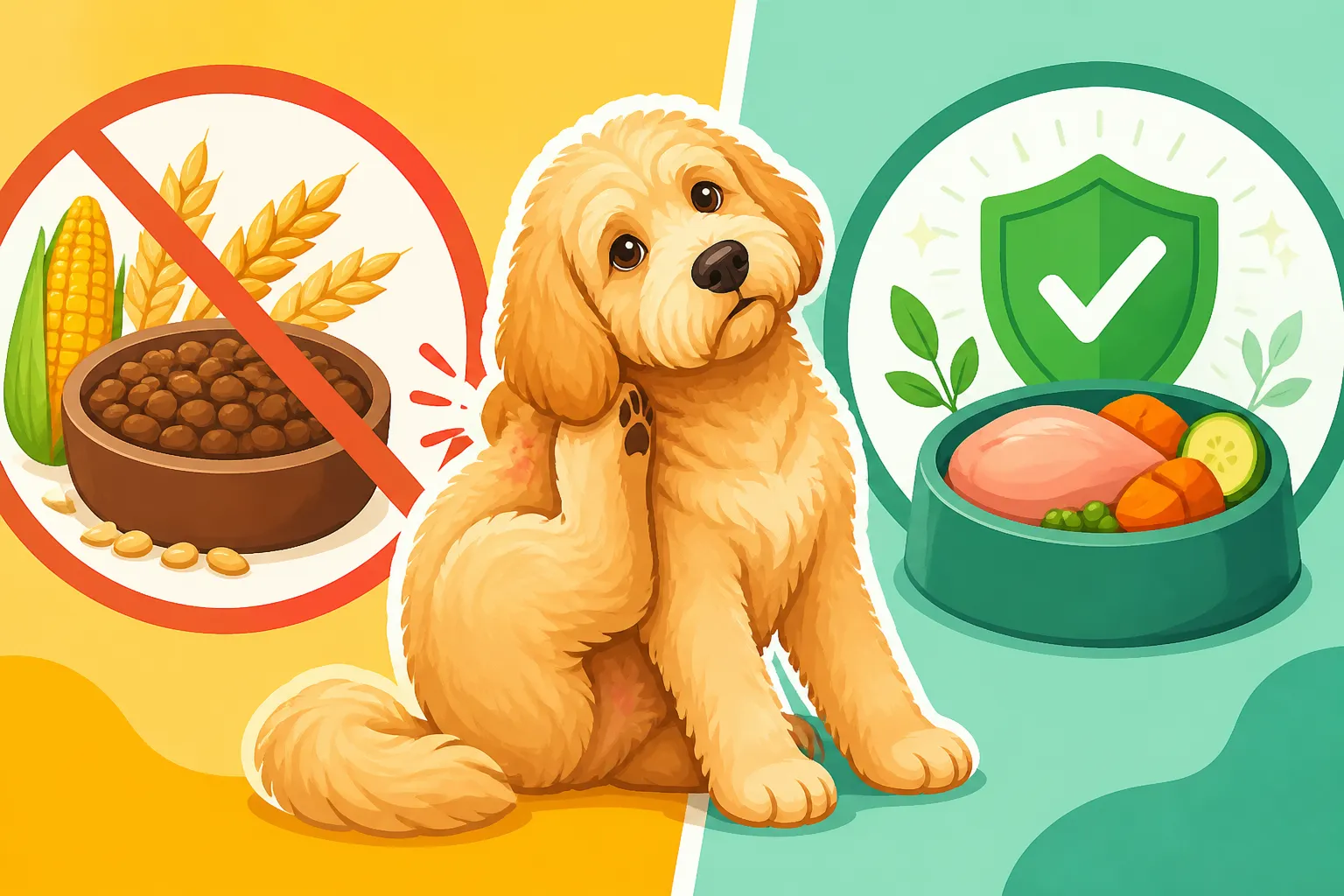
Here’s the big secret: true food allergies in dogs are almost never caused by grains. When a dog has a food allergy, it's usually an immune response to a protein source, not a carbohydrate. The most common food allergens for dogs are proteins like beef, dairy, chicken, lamb, fish, chicken eggs, wheat, and soy. Notice "wheat" is on that list, but it's far less common than beef or dairy.
The reason grain-free diets often seem to help is not because they remove grains, but because they often coincidentally remove a common protein allergen (like chicken, which is a popular ingredient in many kibbles and often replaced with a "novel protein" in grain-free options). So, if your Goldendoodle improved on a grain-free diet, it's more likely that a protein source that happened to be removed along with the grains was the actual trigger, rather than the grains themselves.
The Grain-Free Trend and DCM Concerns
The grain-free movement took off for various reasons, including mimicking ancestral diets and the general human trend towards avoiding grains. However, it's important to be aware that the veterinary community has raised significant concerns about a potential link between certain grain-free, legume-heavy diets and Dilated Cardiomyopathy (DCM) in dogs. This is a serious heart condition that can be life-threatening.
While research is ongoing and the exact mechanisms are still being studied, many veterinarians now advise caution with grain-free diets, especially those that rely heavily on peas, lentils, and potatoes as primary carbohydrate sources, often listed high up in the ingredient panel. This doesn't mean all grain-free diets are bad, but it underscores the point that "grain-free" isn't inherently healthier and can, in some cases, introduce other health risks. Always discuss your dog's diet with your veterinarian, as they can provide the most current, evidence-based advice.
How to Properly Diagnose a Goldendoodle Food Allergy
If you suspect your Goldendoodle has a food allergy, simply switching to a grain-free diet might offer temporary relief (if it removes the actual allergen by chance), but it's not a reliable diagnostic method. The gold standard for diagnosing food allergies is an "elimination diet" or "food trial." This is a rigorous process, but it's the most accurate way to figure out what's truly causing your Goldendoodle's discomfort.
The Elimination Diet: Your Best Bet
An elimination diet involves feeding your Goldendoodle a "novel protein" and "novel carbohydrate" source for a strict period, typically 8-12 weeks. A novel protein is one your dog has never eaten before – think duck, venison, rabbit, kangaroo, or even alligator. Similarly, a novel carbohydrate might be sweet potato, cassava, or quinoa. The key is strict adherence. No treats, no table scraps, no flavored medications, no sneaking bits of their old food. Everyone in the household needs to be on board.
During this period, you are essentially "resetting" their immune system and giving their body a chance to clear out any previous allergens. If their itching resolves or significantly improves during this time, it's a strong indicator that a food allergy was indeed at play. This is where you might look for specialized veterinary diets, or even fresh food options like Ollie, which can offer limited ingredients for such trials. Many popular online pet supply retailers like Chewy and Amazon also carry a range of hydrolyzed protein diets and novel protein kibbles designed for elimination trials. For detailed steps, consult What a Goldendoodle Elimination Trial Involves.
The Rechallenge Phase: Pinpointing the Culprit
Once the elimination diet period is over and (hopefully) your Goldendoodle's itching has subsided, you move to the "rechallenge" phase. This is the crucial step where you reintroduce single ingredients, one at a time, from their old diet. For example, you might add a small amount of chicken back into their novel diet for a week. If the itching returns within a few hours or days, you've found your culprit! You then remove that ingredient and wait for the symptoms to clear again before trying another.
This meticulous process can be tedious, but it provides undeniable evidence of which specific ingredients your Goldendoodle is allergic to. Without the rechallenge phase, you might know they have a food allergy, but you won't know what they're allergic to, making it difficult to select appropriate foods and treats long-term.
Managing Your Goldendoodle's Itching: A Holistic Approach
Whether or not grains prove to be an issue for your Goldendoodle (which, as we've discussed, is unlikely), managing their itching often requires a multifaceted approach. It's about combining proper diagnostics with consistent care and symptom management.
Working Closely with Your Veterinarian
This cannot be stressed enough: do not try to diagnose and treat chronic itching on your own. Your veterinarian is your best partner in this journey. They can perform diagnostic tests to rule out parasites, suggest appropriate medications to manage immediate symptoms (like anti-itch medications or antibiotics for secondary infections), and guide you through an elimination diet. They might also refer you to a veterinary dermatologist, who specializes in skin conditions and can perform more advanced testing.
A vet can also help you interpret different diet options. If you're considering a particular brand or type of food, bring the ingredient list to your vet. They can help you identify potential allergens or discuss the appropriateness of a grain-free diet in light of current research. The Skin Disease a Goldendoodle Gets From the Poodle Line is another excellent read that could prompt discussions with your vet about specific predispositions.
Beyond Diet: Environmental Control and Grooming
Even if you successfully identify and manage a food allergy, environmental factors will always play a role. Consistent grooming is paramount for Goldendoodles. Their unique coats can trap allergens, moisture, and debris, exacerbating any underlying skin issues. Regular brushing, at least every other day, helps remove loose hair and dander and allows you to inspect their skin for any redness, bumps, or hot spots.
Regular bathing with appropriate shampoos (often medicated or soothing shampoos recommended by your vet) can also help. Make sure to thoroughly dry their coat down to the skin after bathing, especially in those dense areas, to prevent moisture-related skin problems. For more on coat care, check out Brushing a Goldendoodle Often Enough to Stop Matting. Consider air purifiers in your home, regular vacuuming (especially if dust mites are an issue), and washing your Goldendoodle's bedding frequently to reduce environmental allergens.
Nutritional Support and Supplements
Once you've nailed down the cause of the itching, certain supplements can provide additional support for skin and coat health. Omega-3 fatty acids, for instance, are fantastic for reducing inflammation and improving skin barrier function. Look for supplements with EPA and DHA, often derived from fish oil. Probiotics can also be beneficial, as gut health plays a significant role in overall immune function and can impact skin health.
Always discuss any supplements with your vet to ensure they are appropriate for your Goldendoodle and won't interfere with any medications or existing conditions. While supplements can be helpful, they are rarely a standalone solution for severe itching; they work best in conjunction with addressing the root cause. Supplements That Actually Help a Goldendoodle Coat provides more insights into beneficial additions to your Goldendoodle's regimen.
| Cause of Itching | Common Symptoms | Grain-Free Diet Help? | Primary Solution |
|---|---|---|---|
| Environmental Allergies | Paw licking, ear infections, generalized itch, seasonal | No | Antihistamines, allergy shots, environmental control, soothing baths |
| Parasites (Fleas/Mites) | Intense, sudden itching, "flea dirt", localized irritation | No | Consistent flea/tick prevention, specific mite treatments |
| Food Allergy | Chronic ear infections, paw licking, skin rashes, GI upset | Possibly (if protein-related) | Strict elimination diet and rechallenge with vet guidance |
| Yeast/Bacterial Infection | Redness, odor, greasy skin, hair loss, dark discharge (ears) | No | Medicated shampoos, topical treatments, oral antibiotics/antifungals from vet |
| Dry Skin | Flakiness, dull coat, mild itching | Possibly (if diet improves overall skin health) | Humidifiers, omega-3 supplements, proper grooming, gentle shampoos |
| Contact Dermatitis | Redness/itching where skin touches irritant (e.g., cleaner, plant) | No | Identify and remove irritant, barrier creams, avoidance |
Navigating your Goldendoodle's itching can feel like a maze, but remember you're not alone. The journey from persistent scratching to a happy, comfortable pup often involves patience, collaboration with your vet, and a willingness to explore all the possibilities beyond just the food bowl. Focus on identifying the true cause through proper diagnostic methods, and you'll be well on your way to giving your Goldendoodle the relief they deserve.
Disclaimer
This article is for general informational purposes only and does not constitute professional advice. Laws, prices and regulations vary by location and change over time. Consult a qualified professional for guidance on your specific situation.