Cleaning a Goldendoodle Beard After Every Meal
The Goldendoodle beard, while undeniably charming, can quickly transform from a fluffy accessory into a sticky, crusty nightmare after every single meal. If you've ever found yourself scrubbing dried kibble from your dog's chin or wondering how that last drop of gravy managed to cling on, you know the struggle is real. This guide is here to walk you through practical, empathetic steps to keep your Goldendoodle's beard clean, healthy, and a joy to behold, not a chore to manage.
Why Your Goldendoodle's Beard Becomes a Magnet for Mess
It’s not just you; Goldendoodle beards are practically designed to collect every crumb and droplet. Understanding why this happens is the first step toward effective management. It’s a combination of their unique coat, their eating style, and even the simple act of drinking water.
The Anatomy of a Goldendoodle Beard
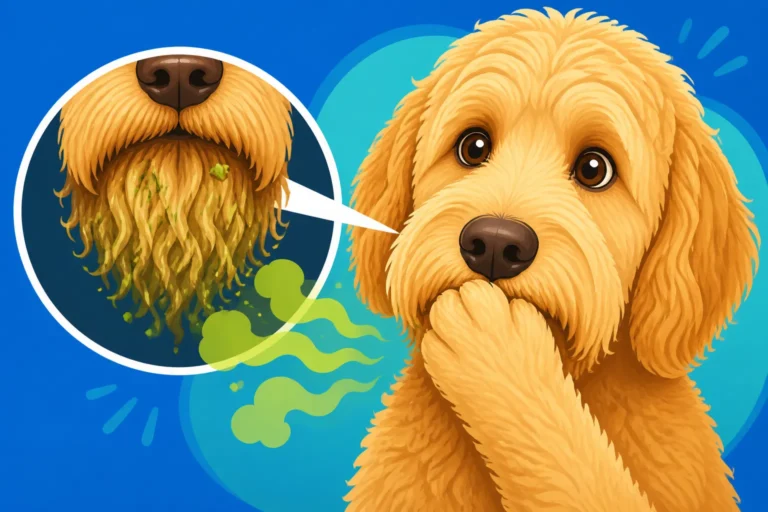
Many Goldendoodles inherit what we lovingly call "furnishings" – the longer hair on their face, eyebrows, and, of course, their magnificent beards. This isn't just fluffy aesthetic; these furnishings are typically made up of softer, often curly or wavy hair that acts like a natural sponge and trap. Unlike dogs with short, smooth muzzles, a Goldendoodle's beard hair literally hangs into their food and water bowls. Imagine dipping a feather duster into your dinner; that’s pretty much what’s happening every time your pup eats. The texture of the hair, whether it's a loose wave or a tight curl, means food particles get caught easily and then dry, creating those infamous "food dreadlocks" or crusts. The Three Goldendoodle Coat Types and How to Tell Them can offer more insight into the variations you might see.
How Eating Habits Contribute to the Mess
Let’s be honest, most Goldendoodles aren't exactly prim and proper diners. They tend to be enthusiastic eaters, often plunging their entire muzzle deep into the bowl to scoop up their kibble or lap up wet food. This natural exuberance means more than just their beard tips get soiled; sometimes food reaches right up to their cheeks and even under their chin. Fast eaters, especially, can scatter food or create a bigger splash zone as they devour their meals. It's not a sign of bad manners, just a natural consequence of their happy, often food-motivated personalities combined with that delightful, yet challenging, facial hair.
The Role of Water and Drool
Beyond just food, water is a major culprit in beard mess, especially staining. Goldendoodles often leave a trail of drips from the water bowl to their bed, and their beard hair is usually soaked. This constant dampness creates an ideal environment for yeast and bacteria, which can lead to unsightly reddish-brown staining, particularly on lighter-colored Goldendoodles. The minerals in your tap water can also contribute to this discoloration over time. Plus, let's not forget the occasional drool, which, when combined with food and water, turns into a sticky, stubborn residue that's even harder to remove once it dries. Water Bowls That Keep a Goldendoodle Beard Dry could be a game-changer for this specific issue.
The Daily Beard Cleaning Routine
Making beard cleaning a quick, non-negotiable part of your daily routine is the key to preventing major matting, staining, and odor build-up. It doesn’t have to be a big ordeal; consistency is far more important than intensity.
Gathering Your Cleaning Arsenal
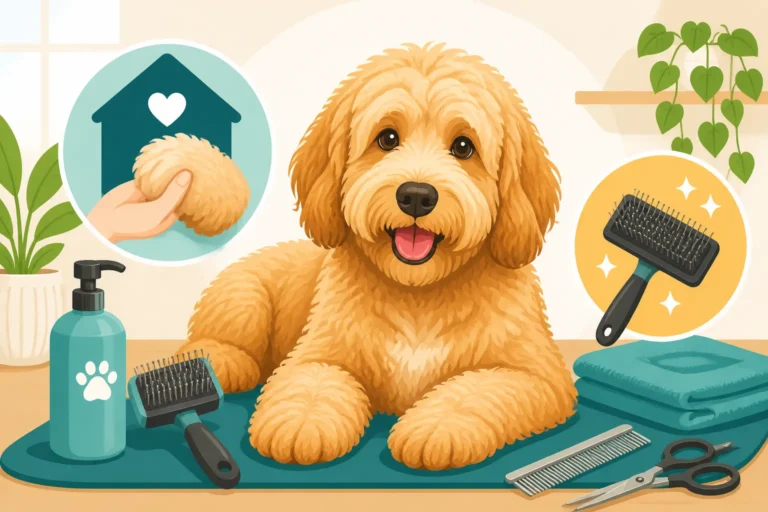
Before you even bring out the food bowl, have your cleaning supplies ready. This makes the post-meal cleanup swift and less stressful for both of you. You don't need a huge collection, just a few basics that are gentle and effective for sensitive facial areas.
| Tool/Product | Primary Use | How to Use |
|---|---|---|
| Soft Damp Cloth | Daily wipe-down, removing fresh food | Gently wipe the beard, chin, and muzzle immediately after eating/drinking. |
| Dog-Specific Wipes | On-the-go cleaning, light staining | Use for quick cleanups, especially after a park visit or a messy treat. |
| Fine-toothed Comb | Detangling small beard knots, removing dried bits | Carefully comb through dry beard hair to remove loose debris and small tangles. |
| Slicker Brush | General beard brushing, fluffing | Use for light brushing when the beard is dry to keep it free of larger mats. |
| Rinse-Free Shampoo | Light freshening, between baths | Apply a small amount to a cloth, rub into beard, then dry thoroughly. |
You can often find good quality dog-specific wipes and detangling combs on platforms like Chewy or Amazon. Look for products designed for sensitive skin or tear stains if your Goldendoodle is prone to discoloration.
Step-by-Step Daily Wipe Down
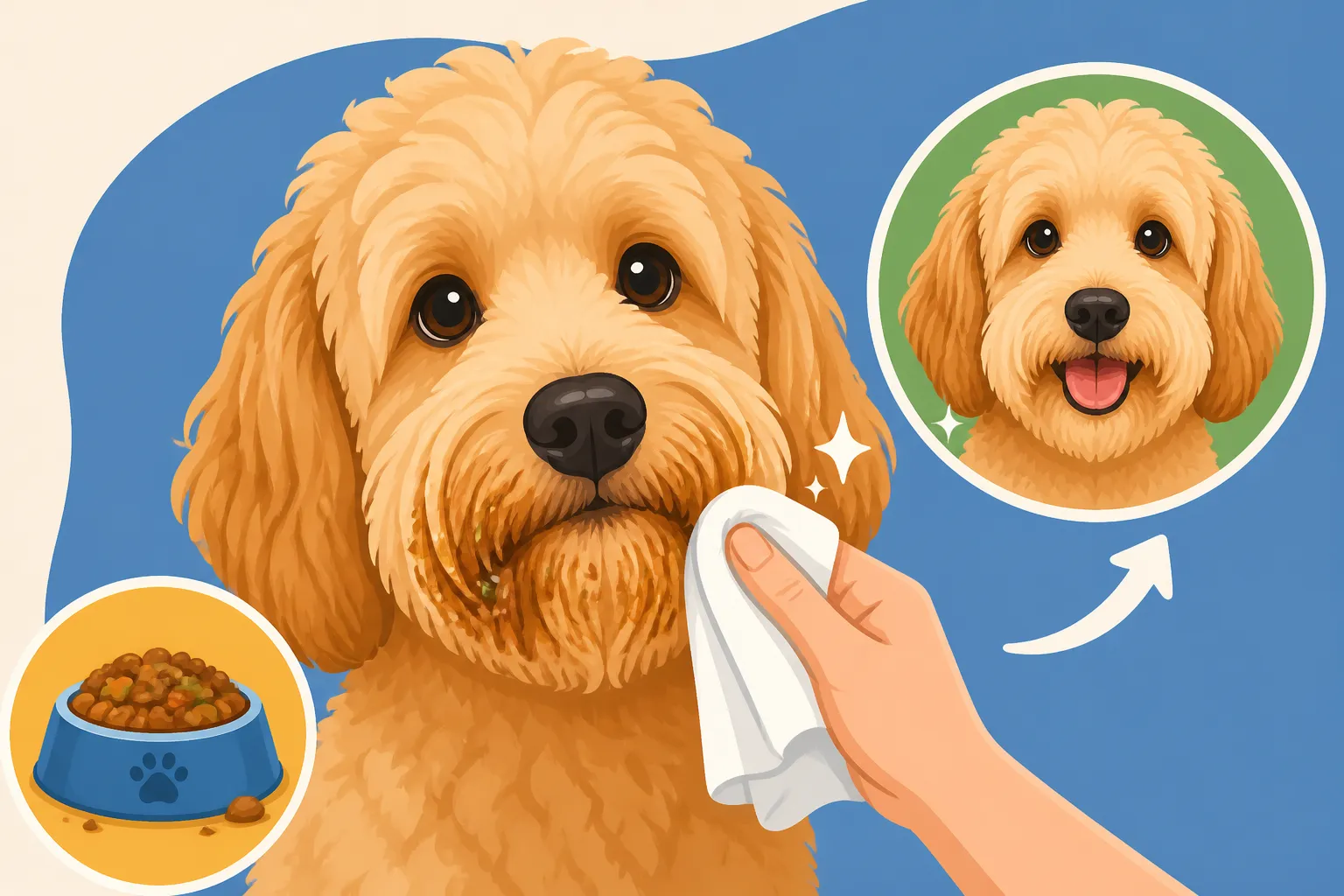
The trick to a clean beard is tackling the mess before it dries. Establish a routine where, immediately after your Goldendoodle finishes eating and drinking, you take a moment for a quick wipe-down.
- Prep Your Tools: Have a soft, damp cloth (or a dog-specific wipe) ready. You can even keep a small bowl of warm water nearby to re-dampen the cloth.
- Gentle Approach: Approach your Goldendoodle calmly. Many dogs are sensitive about their faces, so start with gentle strokes. If your dog is a puppy, this is crucial for Why Goldendoodle Grooming Training Starts Week One.
- Wipe Thoroughly: Gently wipe their entire muzzle, beard, and under their chin. Pay close attention to the areas where food tends to accumulate, like the corners of their mouth and the hair closest to their lips.
- Check for Residue: Run your fingers through their beard to feel for any remaining sticky bits. If you find any, use the damp cloth to carefully work them loose.
- Dry if Needed: For Goldendoodles prone to staining or skin irritation, a quick pat-dry with a clean, dry cloth can prevent moisture-related issues.
This whole process should take less than a minute, but its impact on beard hygiene is enormous.
Addressing Different Food Textures
Not all food messes are created equal. Wet food, for instance, tends to be more pervasive and stickier than dry kibble, requiring a slightly different approach.
- Dry Kibble Crumbs: For dry kibble, the immediate wipe-down is often enough. If any crumbs have dried and created small knots, a quick, gentle comb-through with a fine-toothed metal comb after the beard is dry can help dislodge them. Be careful not to pull on tangles.
- Wet Food and Raw Diets: These can be particularly challenging. The stickiness means the food adheres more firmly to the hair. After wiping, you might need to use a second, slightly more saturated damp cloth or a dedicated dog grooming wipe to ensure all residue is removed. If you feed a fresh food diet like Ollie, you'll find the texture can really cling, so prompt cleaning is even more essential. Sometimes, a quick rinse under a faucet (just the beard!) followed by thorough drying is the most effective solution for very messy meals. Just be sure to dry the area completely to prevent skin irritation.
Remember, the goal is to remove all food particles. Anything left behind can contribute to odors, staining, and ultimately, matting.
Preventing Future Beard Battles
While daily cleaning is essential, there are proactive steps you can take to minimize how much mess accumulates in the first place. Think of it as battlefield preparation!
Choosing the Right Food and Bowl
The tools and diet you choose can significantly impact the amount of beard mess. It's about working smarter, not harder.
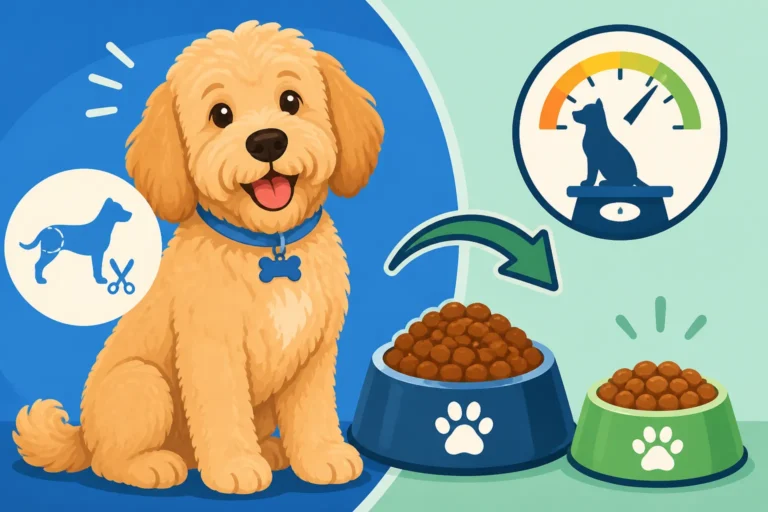
- Kibble Size and Shape: Sometimes, simply switching to a kibble with a different size or shape can make a difference. Larger kibble might be harder for them to "hoover" up, encouraging slightly neater eating.
- Slow Feeder Bowls: If your Goldendoodle is a notorious gobbler, a slow feeder bowl can help. These bowls have ridges or obstacles that force your dog to eat around them, slowing down their intake and potentially reducing the amount of food that ends up on their face. You can find many options on Amazon or Chewy.
- Elevated Bowls: For larger Goldendoodles, an elevated food bowl might reduce the angle at which they eat, possibly preventing their beard from dipping quite as deeply into the food. However, for smaller Goldendoodles, this might not be as effective, or could even exacerbate the issue if they need to reach up. Experiment to see what works best for your dog's size and eating posture.
- Specialty Water Bowls: Look for "beard saver" or "spaniel" bowls designed with narrower openings or inner rims. These force the dog to drink from a smaller surface area, keeping more of their beard dry. Water Bowls That Keep a Goldendoodle Beard Dry goes into much more detail on this!
Consider their actual diet too; sometimes a slightly less crumbly kibble or a fresh food that's more easily swallowed can help.
Teaching Mealtime Manners
Training isn't just for tricks; it can help with mealtime neatness too. While you can't stop a Goldendoodle from having a beard, you can teach them to be a little less enthusiastic with their face.
- "Gentle" Command: Teach a "gentle" command, especially if your dog tends to plunge its face in. Start by placing a small amount of food in the bowl and rewarding them for taking it gently, gradually increasing the amount.
- Waiting at the Bowl: Teaching your Goldendoodle to sit and wait patiently until you give a release command to eat can introduce a moment of calm before they dive in. This small pause can sometimes translate to slightly tidier eating. Goldendoodle Impulse Control With Food on the Floor covers similar principles that can be adapted here.
- Supervised Meals: If mess is a huge problem, simply supervising meal times allows you to intervene gently if they are being particularly sloppy or to wipe their beard immediately as they finish. This immediate cleanup is the most effective prevention.
These small behavioral adjustments can make a surprising difference in the long run.
Regular Grooming for Beard Health
While daily cleaning is about removing food, overall beard health relies on regular grooming to prevent matting and manage hair length.
- Consistent Brushing: Beyond just after meals, the Goldendoodle beard needs regular brushing to prevent tangles and mats from forming. This is especially true as their coat changes from puppy fluff to adult hair, a period where matting can become particularly aggressive. Daily Brushing Through a Goldendoodle Coat Change is a vital resource during this time. Use a slicker brush and a metal comb to work through the beard every few days, ensuring you get right down to the skin. The Slicker Brush and Comb a Goldendoodle Needs will guide you on the right tools.
- Trimming for Practicality: Don't be afraid to trim the beard hair, especially around the mouth and chin, to a more manageable length. This isn't about sacrificing their adorable look, but about practicality. A shorter beard collects less food and dries faster. You can ask your professional groomer for a "sanitary trim" around the mouth or learn to do it carefully at home with blunt-nosed scissors. Trimming a Goldendoodle's Face and Eye Hair provides helpful tips for this delicate area.
- Professional Grooming Schedule: Regular appointments with a professional groomer are crucial. They can keep the beard trimmed to a functional length and address any budding mats you might have missed. How Often a Goldendoodle Needs a Professional Groom outlines typical schedules.
A well-maintained beard is not only cleaner but also less prone to developing severe matting that can be painful for your dog.
Dealing with Stubborn Stains and Odors
Sometimes, despite your best efforts, stains and odors can set in. These require a bit more targeted attention.
Deep Cleaning Solutions for Stains
The reddish-brown staining often seen on lighter Goldendoodle beards is usually caused by yeast, bacteria, or porphyrins (pigments in tears and saliva). Removing these stains takes patience and the right products.
- Dog-Specific Tear Stain Removers: Many products are available that are specifically designed to lighten or remove tear and saliva stains. Look for ones that are gentle and safe for use around the mouth and eyes. Apply them according to the product directions, usually with a cotton pad or soft cloth. Consistency is key; these stains don't disappear overnight.
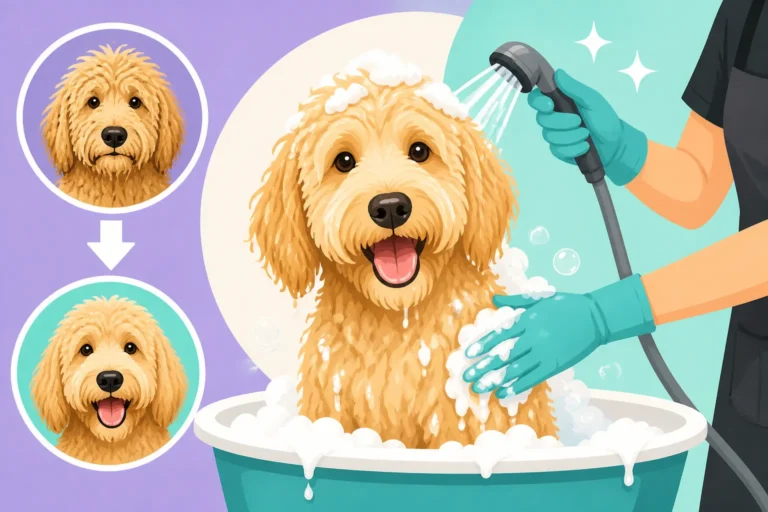
- Mild Dog Shampoo Baths: If the staining is widespread, a full face wash or even a partial bath might be necessary. Use a gentle, dog-specific shampoo. Human shampoos are not pH-balanced for dogs and can irritate their skin. Shampoo That Suits a Goldendoodle Coat can help you choose. Lather up the beard area, let it sit for a few minutes (if the shampoo allows), then rinse thoroughly. It's critical to rinse every trace of shampoo to prevent skin irritation.
- Baking Soda Paste (Use with Caution): For very stubborn stains, some owners use a very diluted paste of baking soda and water, applied sparingly and rinsed almost immediately. However, baking soda can be drying and irritating, so always do a patch test first and ensure it does not get into your dog's mouth or eyes. This is a last resort and should be used with extreme care.
No matter the method, follow up with thorough drying to prevent the return of moisture-related issues.
Tackling Persistent Odors
A smelly beard often indicates a build-up of old food, yeast, or bacteria. Addressing the odor means addressing the underlying cause.
- Thorough Cleaning is Primary: The first step is always to ensure your daily cleaning routine is truly removing all food particles and moisture. If food residue is constantly left behind, odor will inevitably return.
- Antifungal/Antibacterial Washes: If the odor is yeasty (often described as smelling like Fritos or old bread) and accompanied by staining or irritation, it might be a mild skin or yeast infection. Your vet might recommend a medicated shampoo or wipe with antifungal or antibacterial properties. These often contain ingredients like chlorhexidine or miconazole.
- Dietary Review: Sometimes, persistent odors can be linked to diet. While less common, certain ingredients might contribute to excessive drooling or skin issues that manifest as odor. Discussing your dog's diet with your vet and considering options like Novel Proteins for a Goldendoodle That Chews Its Paws could be helpful, especially if you suspect underlying allergies.
- Dental Health Check: Don't overlook dental health! Bad breath can originate from the mouth and then permeate the beard hair. Regular dental check-ups and cleanings, especially for breeds prone to dental crowding like some Goldendoodle sizes, are important. Goldendoodle Tartar and Gum Disease is a good read on this.
If the odor persists despite diligent home care, it's time to involve a professional.
When to Consult a Professional Groomer or Vet
There are times when home care simply isn't enough, and professional help is needed. Recognizing these signs can save your dog discomfort and prevent more serious issues.
- Severe Matting: If the beard has developed hard, dense mats close to the skin, attempting to remove them yourself can be painful and dangerous for your Goldendoodle. A professional groomer has the right tools and expertise to safely shave or carefully de-mat the area. Often, if mats are severe, shaving is the kindest option.
- Skin Irritation or Lesions: Redness, inflammation, bumps, sores, or hair loss in the beard area could indicate a skin infection, hot spot, or allergic reaction. These warrant a vet visit, not just a groomer. Your vet can diagnose the problem and prescribe appropriate medication. Goldendoodle Hot Spots Under a Thick Coat is a common issue that can affect the beard area too.
- Persistent Odor or Staining: If despite your best efforts, the beard remains smelly, greasy, or heavily stained, it's worth having a professional groomer assess the coat type and suggest specific products or trimming techniques. If skin issues are suspected, a veterinary consultation is essential to rule out infections, allergies, or other medical conditions.
- Changes in Behavior: If your Goldendoodle suddenly becomes resistant to having their beard touched, it could be a sign of pain or discomfort, possibly from a hidden mat, skin irritation, or dental issue. A vet check-up is advisable.
Remember, your groomer and vet are partners in your Goldendoodle's health and well-being. Don't hesitate to reach out to them when home solutions fall short. Keeping that adorable Goldendoodle beard clean doesn't have to be a battle; with the right tools, routine, and a little patience, it can be just another part of enjoying your wonderful companion.
Disclaimer
This article is for general informational purposes only and does not constitute professional advice. Laws, prices and regulations vary by location and change over time. Consult a qualified professional for guidance on your specific situation.