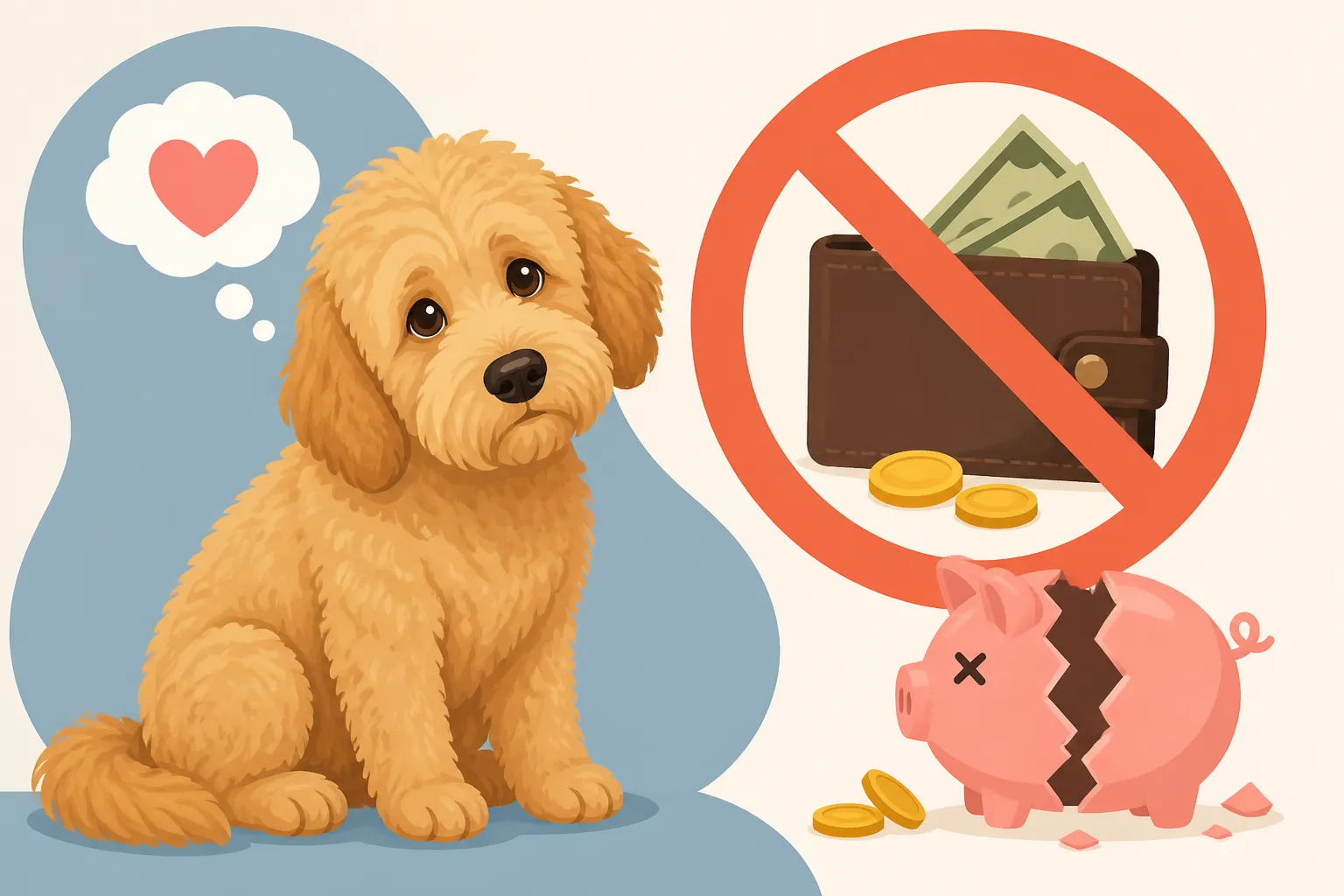
Why a Goldendoodle Is a Poor Fit on a Tight Budget
It's a common dream: bringing home that adorable, fluffy Goldendoodle puppy you've seen all over social media. They look so sweet, so friendly, so perfect. But what often gets overlooked in the excitement is the stark reality that owning one of these wonderful dogs comes with a significant financial commitment. If you're operating on a tight budget, the ongoing costs of a Goldendoodle can quickly become overwhelming, leading to stress for both you and your furry family member. This guide will meticulously break down why a Goldendoodle is likely a poor fit on a tight budget, exploring everything from initial expenses to long-term care, so you can make an informed decision that truly suits your financial reality.
The Eye-Opening Initial Investment: More Than Just a Puppy Price Tag
When people first consider a Goldendoodle, their minds often jump straight to the puppy's purchase price. And while that number alone can be quite a shocker, it's merely the tip of the iceberg. There are so many other essential initial costs that pile up almost immediately, and if you haven't budgeted for them, you're starting off on shaky financial ground.
Understanding Goldendoodle Puppy Prices and Breeder Standards
Let's be real: Goldendoodles are not cheap. You might see prices ranging from high hundreds to several thousands of dollars, and it's tempting to opt for the lower end. However, a genuinely responsible breeder invests heavily in the health and well-being of their parent dogs and puppies, which directly impacts the price. They conduct extensive health testing on both parent breeds to screen for genetic conditions like hip and elbow dysplasia, eye diseases like progressive retinal atrophy, and heart conditions. This upfront investment helps ensure you're getting a puppy with the best possible start, reducing the likelihood of costly health issues down the line. A cheap puppy often comes from a breeder cutting corners, and those "savings" typically end up as hefty vet bills later on. If you're interested in learning more about what goes into these prices, I've covered a lot on What a Goldendoodle Puppy Costs and Why.
Beyond the purchase price, reputable breeders also often include initial vaccinations, deworming, and sometimes even microchipping in their puppy package. These are critical preventative measures that would otherwise add hundreds to your immediate post-pickup expenses. So, while the sticker price might sting, it’s often a reflection of the care and due diligence that can save you heartache and money in the long run. Trying to find a Goldendoodle for a bargain price usually means inheriting someone else's skipped steps, which inevitably costs more.
Essential Gear and First Vet Visits
Once you've secured your puppy, the shopping list only grows. You'll need a appropriately sized crate, a comfortable dog bed, food and water bowls, a leash, a collar, and an assortment of toys to keep that intelligent Goldendoodle brain occupied. These aren't just "nice-to-haves" – they're necessities for safety, training, and comfort. A sturdy crate alone can be a substantial expense, especially if you buy one that will accommodate their adult size, which is a smart move to avoid buying multiple crates as they grow.
Then come the vet visits, and these are non-negotiable. Even with a breeder who has done their part, your puppy will need a full check-up within the first few days of coming home. This initial visit confirms their health and establishes a relationship with your vet. After that, they'll need a series of vaccinations to protect them from common and dangerous diseases, often spread out over several weeks. Don't forget parasite prevention, like flea, tick, and heartworm medications. These regular vet visits and preventative treatments, especially in the first year, can quickly add up to hundreds of dollars. You can dive deeper into these early medical needs in Goldendoodle Vaccination and Puppy Health Checks.
The Continuous Drain: Daily Life and Maintenance Expenses
The initial burst of spending eventually settles, but owning a Goldendoodle introduces a steady stream of ongoing costs that are often underestimated. This isn't just about throwing a bag of kibble in a bowl; it’s about providing for a dog known for its unique coat, active mind, and hearty appetite.
Grooming: The Unsung Budget Buster
I cannot stress this enough: Goldendoodle grooming is the biggest ongoing expense many new owners fail to adequately budget for. Their beautiful, low-shedding (but not non-shedding!) coats require constant attention. Whether it’s wavy, curly, or even straight, that luxurious hair mats easily, especially behind the ears, in the armpits, and under the collar. Professional grooming is essential every six to eight weeks. If you let it go longer, the mats become severe, and groomers will charge a dematting fee, or worse, have to shave your dog down to the skin, which is not only costly but can be traumatic for the dog and owner. For a full breakdown of these costs, check out Goldendoodle Grooming as the Biggest Line in the Budget.
Even if you commit to learning how to groom your Goldendoodle at home between professional visits – and many owners do to save money – you'll still need to invest in quality tools. This means a good slicker brush, a metal comb that can reach down to the skin, dog-specific shampoo and conditioner, nail clippers or a dremel, and potentially even clippers and shears. These tools represent another upfront cost, and the time commitment for daily or every-other-day brushing is significant. Skipping these steps, whether at home or professionally, almost guarantees matting, skin issues, and eventual higher grooming bills.
Food and Nutrition: Fueling a Growing (and Grown) Doodle
Goldendoodles are typically medium to large dogs, depending on their size category, and they eat a proportional amount of food. While there are budget kibbles out there, most Goldendoodle owners prefer to feed a higher-quality diet to support their dog's health, energy levels, and coat condition. Premium kibble, fresh food, or raw diets come with a significantly higher price tag than generic brands. If you're feeding a standard Goldendoodle, for instance, your monthly food bill can be quite substantial. You can get an idea of the monthly food budget for a larger dog in Monthly Food Cost for a Standard Goldendoodle.
Consider also that some Goldendoodles develop allergies or sensitivities that necessitate special diets, often prescribed by a vet. These prescription foods or novel protein diets can be considerably more expensive than regular adult formulas. Even if your Goldendoodle is healthy, you’ll likely want to include treats for training, dental chews, and possibly supplements for joint health as they age. Brands like Ollie offer fresh food delivery services that can be a fantastic option for a Goldendoodle's health, but they definitely come with a premium price point compared to traditional kibble. Don't forget that their long, often furnished faces can get messy, potentially requiring a unique water bowl to keep their beard dry, which is another small but recurring expense for cleanliness and to prevent beard staining.
Training and Socialization: Shaping a Well-Adjusted Companion
Goldendoodles are smart and eager to please, making them generally delightful to train, but that doesn't mean they don't need training. Far from it! Basic puppy classes are crucial for socialization and manners, teaching them to be confident around new people, places, and other dogs. Group classes often have a fee, and if you have specific behavioral challenges—like jumping on guests or leash pulling—you might need private training sessions or even consider a board-and-train program, which can be quite costly.
Beyond formal classes, socialization is an ongoing process. Daycare can be a fantastic way to provide exercise and social interaction, especially if you work long hours, but it's an additional weekly or monthly expense. Even dog parks, while seemingly free, come with their own risks and require a well-socialized dog to navigate safely. The investment in training and socialization is an investment in your dog's future and your peace of mind, but it requires both time and money. Without it, you could face behavioral issues that lead to more stress and potentially more financial outlay in the long run.
Preparing for the Unexpected: Health and Emergency Costs
No matter how healthy your Goldendoodle starts out, life happens. Accidents, illnesses, and age-related conditions are an inevitable part of pet ownership, and they can come with truly staggering vet bills. This is where a tight budget is most vulnerable.
Routine Vet Bills and Preventative Care
Beyond puppy vaccinations, Goldendoodles require annual wellness exams. These check-ups are vital for early detection of potential issues. During these visits, your vet will likely recommend annual boosters, regular deworming, and ongoing flea, tick, and heartworm prevention. As they get older, dental cleanings often become necessary, especially for the smaller Goldendoodles who can suffer from Goldendoodle Dental Crowding in the Smaller Sizes. Dental procedures usually require anesthesia and can be surprisingly expensive.
For Goldendoodles, specifically, ear infections are a recurring problem due to their floppy, often hairy ears. Regular cleaning can help, but if an infection takes hold, it means vet visits, medication, and possibly special ear flushes. These can become chronic and very expensive over time. I've written extensively on Goldendoodle Ear Infections as a Recurring Claim because it's such a common issue that impacts budgets. Neglecting these routine and preventative care measures to save a few dollars can lead to much more serious and costly health crises down the road.
The Big Ones: Illnesses, Accidents, and Pet Insurance
This is the area where a tight budget can completely derail Goldendoodle ownership. A sudden accident, like a broken leg from a fall, or an unexpected illness, such as a severe allergy flare-up or a bout of bloat (a risk in larger Goldendoodles), can lead to thousands of dollars in emergency vet bills. Surgeries for conditions like hip dysplasia or cruciate ligament tears, which Goldendoodles are prone to, can easily run into the high four or even five figures. You can read more about these potential costs in Goldendoodle Surgery and Emergency Vet Costs.
This is why many Goldendoodle owners opt for pet insurance. While it's an additional monthly premium, it can be a lifesaver when a major health crisis hits. However, pet insurance itself is an added expense, and it's important to understand what policies cover and what they exclude. Some policies might have waiting periods for certain conditions or may not cover pre-existing issues. Providers like Healthy Paws are popular, but even with insurance, you'll still have deductibles and co-pays. If you're on a tight budget, the monthly premium can feel like a burden, but going without it leaves you entirely exposed to potentially devastating financial blows. It's a tough balancing act, and understanding The Goldendoodle Conditions Insurers Exclude is crucial for managing expectations.
The Long Haul: Lifespan Costs and Hidden Expenses
Goldendoodles can live for 10-15 years, and while those middle years often settle into a predictable routine, the beginning and end of their lives can be the most financially demanding.
Senior Care and Special Needs
As your Goldendoodle approaches their senior years (typically after age nine), their needs will change, and often their vet bills will increase. Regular check-ups become more frequent, often bi-annually, and comprehensive senior panels—bloodwork, urinalysis—are recommended to monitor for age-related diseases like kidney disease, liver issues, or thyroid problems. Arthritis is common in older dogs, especially in larger Goldendoodles, requiring pain medication, joint supplements, or even physical therapy sessions. Discussing Senior Goldendoodle Care After the Age of Nine is vital for long-term budgeting.
They might also experience vision or hearing loss, requiring adaptations around the house. Incontinence can mean more frequent cleaning or special doggy diapers. Specialized diets for senior dogs, or those with specific organ issues, are often more expensive. Mobility aids, such as ramps, orthopedic beds, or even slings, might be necessary to help them navigate their environment comfortably. These costs, while deeply loving gestures for your aging companion, can be a significant strain on a fixed or tight budget.
Hidden Costs and Lifestyle Changes
Beyond the obvious expenses, there are many smaller, often overlooked costs that accumulate over a Goldendoodle's lifetime. Things like high-quality chew toys to prevent destructive chewing, comfortable walking harnesses (which can also mat the coat if not chosen carefully), pet-sitting or boarding fees if you travel, and even cleaning supplies for inevitable accidents or muddy paw prints. Landlords often charge pet deposits and additional monthly pet rent, which can add hundreds of dollars a year to your housing costs.
Consider the time commitment as well. While not a direct monetary cost, the time spent training, grooming, exercising, and caring for a Goldendoodle is immense. If you don't have the time, you might find yourself paying for dog walkers, daycare, or more frequent professional grooming, all of which add up. It's a symbiotic relationship: time or money, you usually need one to offset the other.
Here's a quick overview of some common Goldendoodle costs, but remember these are estimates and can vary wildly by location, size of dog, and specific needs:
| Category | Typical Annual Cost (Estimate) | Notes |
|---|---|---|
| Initial Puppy Costs | $2,000 – $5,000+ | Puppy price, initial vet, crate, bed, leash, toys |
| Professional Grooming | $700 – $1,200+ | Every 6-8 weeks, depends on coat type and size |
| Food & Treats | $600 – $1,500+ | Varies by quality, size of dog, and dietary needs. Consider Chewy for regular deliveries. |
| Routine Vet Care | $300 – $800+ | Annual exams, vaccinations, parasite prevention, dental |
| Pet Insurance Premiums | $400 – $1,000+ | Varies by coverage, deductible, and dog's age/health. Healthy Paws is one option. |
| Training (Classes/Supplies) | $150 – $500+ | Puppy classes, advanced training, puzzle toys |
| Misc. Supplies | $100 – $300+ | Shampoo, waste bags, new toys, grooming tools |
| Emergency/Illness Fund | $1,000+ (Savings) | Essential for unexpected major medical expenses |
| Senior Care (After age 9) | $1,000 – $2,500+ | Increased vet visits, medications, supplements, mobility aids |
In conclusion, a Goldendoodle brings immense joy, companionship, and laughter into a home. They are loving, intelligent, and often goofy dogs that quickly become cherished family members. However, their specific needs—especially regarding professional grooming, quality nutrition, and potential health issues inherent in larger, longer-coated breeds—make them a significant financial undertaking. If you're on a tight budget, the constant pressure of these expenses can lead to difficult choices, compromised care, and immense stress for everyone involved. It's truly a disservice to both you and the dog if you can't comfortably meet their needs. Carefully consider these financial realities before committing to bringing one of these wonderful dogs into your life, because a happy Goldendoodle is a well-cared-for Goldendoodle, and that costs money.
Disclaimer
This article is for general informational purposes only and does not constitute professional advice. Laws, prices and regulations vary by location and change over time. Consult a qualified professional for guidance on your specific situation.