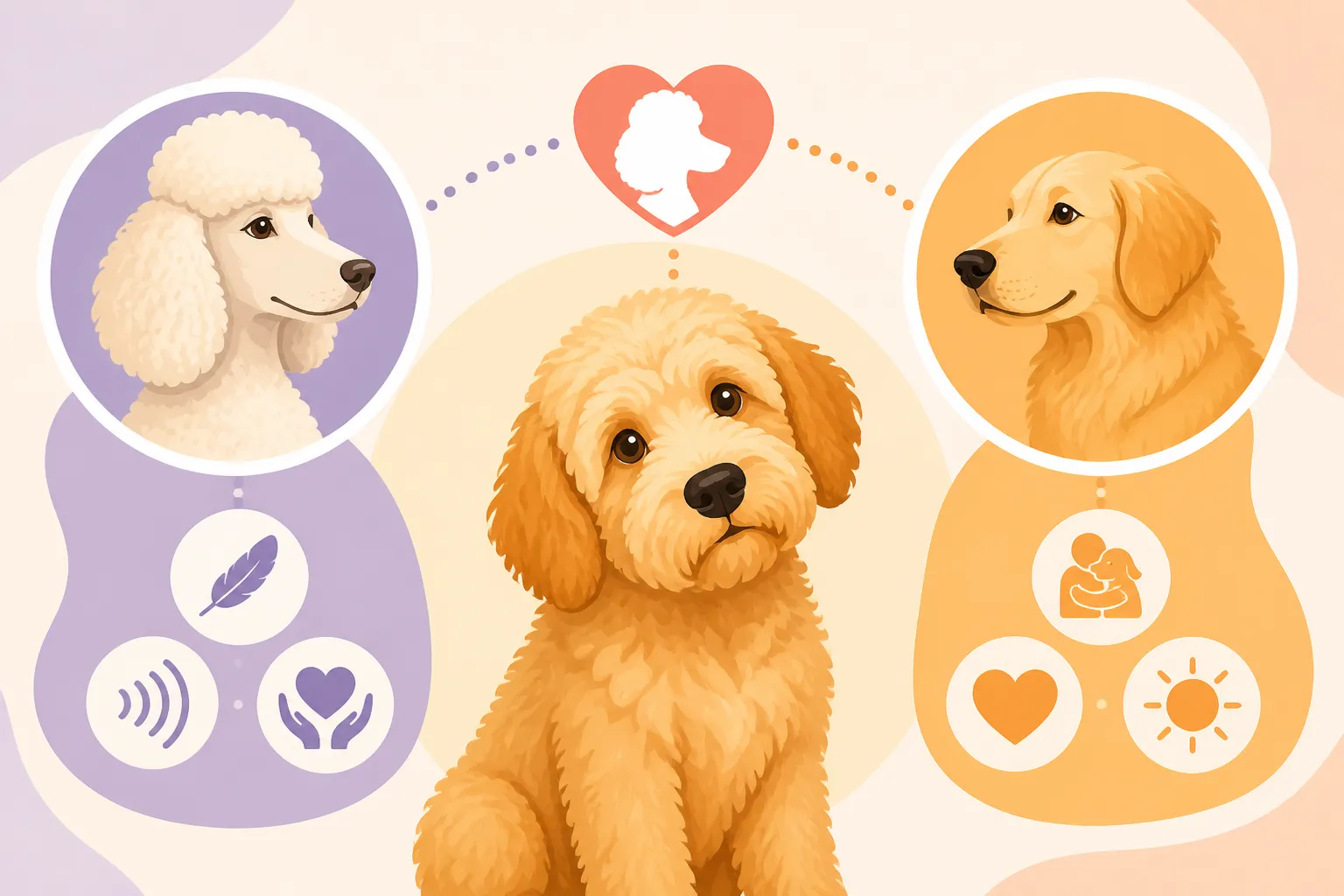
The Poodle Sensitivity a Goldendoodle Can Inherit
That delightful, intelligent, and often goofy Goldendoodle sitting at your feet or bouncing to greet you is a marvel, isn't it? We love them for their boundless energy and their unwavering affection. But sometimes, tucked beneath all that fluffy charm, there’s a deeper emotional landscape at play – a sensitivity that can sometimes be overwhelming for both them and us. This guide will help you understand the "Poodle sensitivity" your Goldendoodle might have inherited, offering insights into its manifestations and practical strategies to help your beloved companion thrive, not just survive.
Understanding "Poodle Sensitivity" in Your Goldendoodle
When we talk about "Poodle sensitivity," it's not about criticism, but rather an acknowledgment of a deeply ingrained set of traits that Poodles are known for. These traits are often admired, like their sharp intelligence and emotional depth, but they can also manifest as a heightened awareness of their environment, a strong desire for connection, and sometimes, a predisposition to anxiety or overstimulation. Many Goldendoodles inherit a significant portion of this Poodle temperament, creating a dog that is wonderfully responsive but can also be quite fragile in certain situations. It's about recognizing that your dog isn't being "naughty" or "stubborn," but rather reacting from a place of genuine feeling.
What Poodle Sensitivity Actually Means
At its core, Poodle sensitivity means your Goldendoodle might perceive and react to stimuli more intensely than other dogs. This isn't a flaw; it's simply how their brain is wired. Imagine walking into a busy coffee shop. For some, it's just background noise; for a highly sensitive person, every clatter of a cup, every burst of laughter, every conversation might feel amplified and overwhelming. That's a bit like what a sensitive Goldendoodle experiences. They are often incredibly attuned to your emotions, the smallest changes in routine, and subtle shifts in their environment.
This means they can be easily startled by sudden sounds, like a car backfiring or a dropped pan. They might become anxious when left alone, not just out of boredom, but because they feel genuinely distressed by the lack of your presence. Their strong desire to please, combined with this sensitivity, can make them incredibly eager students in training, but also highly susceptible to harsh corrections, which can quickly shut them down or even create fear responses. They thrive on consistency, gentle guidance, and a stable routine, struggling when these elements are absent.
How the Poodle's Traits Influence a Goldendoodle
The Poodle parent brings a wealth of remarkable traits to the Goldendoodle mix. Poodles are famously intelligent, often ranking among the smartest dog breeds. This intelligence translates into a quick ability to learn new commands and a strong desire for mental engagement. However, this high intelligence also means they can get bored very quickly if not adequately stimulated. A bored Poodle, or a bored Goldendoodle, is often a destructive or anxious Poodle.
Beyond intelligence, Poodles are known for their deep emotional connection to their human families. They are often described as "velcro dogs" – always wanting to be by your side, following you from room to room. While this makes for a wonderfully affectionate companion, it also lays the groundwork for potential separation anxiety. This strong bond, when coupled with sensitivity, means your Goldendoodle might struggle immensely with being alone, even for short periods. They don't just miss you; they might experience genuine panic. This is part of What a Goldendoodle Takes From the Poodle and understanding it is key to a happy life together. This combination of intelligence, emotional depth, and a desire to please can make for an extraordinary dog, but it also comes with the responsibility of understanding and nurturing their delicate emotional needs.
Common Manifestations of Sensitivity in Goldendoodles
So, how does this "Poodle sensitivity" actually look in day-to-day life with your Goldendoodle? It's not always obvious, and sometimes, owners might mistake these behaviors for defiance or a lack of training, when in reality, it's often a dog trying to cope with an overwhelming world. Recognizing these signs is the first step towards providing the right support.
Separation Anxiety and Over-Attachment
One of the most frequently observed manifestations of Poodle sensitivity in Goldendoodles is their propensity for separation anxiety. They are, by nature, highly social animals who thrive on companionship. When you leave, even for a short errand, a sensitive Goldendoodle might genuinely believe you are never coming back. This isn't manipulative; it's a deep-seated fear of abandonment or isolation.
Signs can range from mild whining and pacing to destructive chewing, inappropriate urination or defecation, excessive barking, or even self-harm through frantic attempts to escape their confinement. Imagine leaving your Goldendoodle, and when you return, you find the couch cushions shredded or a puddle on the floor, despite them being fully potty-trained. It's heartbreaking to come home to this, and even more so to know your dog has been in distress. This is often an expression of Goldendoodle Separation Anxiety From Both Parent Lines, a trait inherited from both Golden Retrievers, who are also people-oriented, and the Poodle. Building up alone time gradually and making departures and arrivals low-key can make a huge difference.
Environmental Sensitivities and Reactivity
Another common way sensitivity shows up is through exaggerated reactions to environmental stimuli. A sensitive Goldendoodle might be incredibly alert and reactive to sounds, sights, or even smells that other dogs barely notice. A sudden clap of thunder, the distant rumble of a garbage truck, or even an unfamiliar person walking past your window can trigger a strong response. This isn't always aggression, but often fear-based reactivity.
For instance, your Goldendoodle might bark frantically at every passerby outside your home, or become visibly stressed during a thunderstorm, shaking uncontrollably or trying to hide. Some sensitive Goldendoodles develop a fear of specific objects or situations, like the vacuum cleaner, car rides, or even certain types of flooring. It can be frustrating when your dog seems to "overreact" to everyday things, but for them, these stimuli are genuinely threatening or startling. Understanding phenomena like Goldendoodle Fear of Thunderstorms can help owners prepare and comfort their dogs rather than becoming frustrated.
Grooming and Handling Aversions
Given the Poodle's extensive grooming needs, it's no surprise that sensitivity can manifest during grooming and handling sessions. Goldendoodles require consistent and thorough grooming, from regular brushing to professional clips. If not properly desensitized from a young age, a sensitive Goldendoodle can quickly develop a strong aversion to being brushed, having their paws touched, or hearing the sound of clippers.
Think about trying to brush out a mat from behind your Goldendoodle's ear, and they flinch, pull away, or even snap. It's not that they don't want to be clean; it's that the sensation might be uncomfortable, or they might associate the grooming tools with past unpleasant experiences. A sensitive Goldendoodle can be particularly resistant to having their face and feet handled, areas that require frequent attention due to their furnishings. This can make routine maintenance, which is already a big part of Goldendoodle ownership, a battle for both of you. Early and positive exposure to grooming is essential to prevent these aversions from taking root, making Training a Goldendoodle Puppy for the Grooming Table a critical early step.
Managing and Supporting Your Sensitive Goldendoodle
Living with a sensitive Goldendoodle can sometimes feel challenging, but with understanding, patience, and the right approach, you can help them navigate the world with more confidence and less stress. It's all about building trust and creating an environment where they feel safe and understood.
Creating a Predictable and Calm Environment
One of the most powerful tools in helping a sensitive Goldendoodle is establishing a consistent and predictable routine. Dogs thrive on routine, and sensitive dogs especially benefit from knowing what to expect. This means feeding times, potty breaks, walks, and playtime should occur around the same times each day. Predictability helps reduce anxiety because it minimizes unexpected changes that can be overwhelming.
Beyond routine, creating a calm and secure home environment is crucial. Provide your Goldendoodle with a designated "safe space" – perhaps a cozy crate in a quiet corner with a comfortable bed, or a specific mat where they can retreat when feeling overwhelmed. This space should be their sanctuary, not a place for punishment. Minimizing loud noises, sudden movements, and chaotic situations in the home can also make a significant difference. If you know a noisy event is coming, like guests arriving or a storm brewing, prepare their safe space with calming music or familiar scents to help them cope.
Positive Reinforcement and Gentle Training Methods
For a sensitive Goldendoodle, positive reinforcement isn't just a preferred training method; it's often the only effective one. These dogs are highly attuned to their handler's tone and body language. Harsh corrections, yelling, or physical punishment will not only be ineffective but can also damage your bond and exacerbate their anxiety, leading to fear, distrust, and even reactivity. A Goldendoodle's desire to please means they respond incredibly well to praise, treats, and toys.
Focus on rewarding the behaviors you want to see, rather than punishing the ones you don't. For example, if your Goldendoodle quietly lies on their mat while guests are over, lavish them with calm praise and a special chew. If they jump, gently redirect them and reward them when all four paws are on the floor. Keep training sessions short, fun, and engaging, ending on a positive note. Remember, Why Harsh Corrections Backfire on a Goldendoodle is because their sensitive nature means they absorb negative interactions deeply, which can hinder their progress and well-being. Always choose kindness and patience.
Enriching Their Lives with Mental Stimulation
A Goldendoodle's intelligence, inherited from the Poodle side, demands regular mental exercise. A physically tired Goldendoodle who hasn't had any mental stimulation can still be anxious or destructive. Engaging their minds is just as important as walking their bodies. Think of it as brain games that tire them out in a different way.
Puzzle toys, like those you can fill with kibble or treats, can keep them occupied and thinking for extended periods. Scent games, where you hide treats around the house and encourage them to sniff them out, are fantastic for engaging their natural canine instincts. Learning new tricks, even simple ones like "spin" or "bow," provides mental challenges and builds confidence. Interactive toys from places like Chewy can be a game-changer. Consider a snuffle mat for meal times or a KONG toy stuffed with peanut butter for alone time. These activities provide a healthy outlet for their intelligence and can significantly reduce anxiety and boredom, making them a much calmer companion. Puzzle Toys That Occupy a Goldendoodle for an Hour can be a lifesaver for busy owners.
| Sensitivity Trait | Common Manifestation | Management Strategy |
|---|---|---|
| High Emotional Acuity | Over-attachment, separation anxiety | Gradual alone-time training, consistent routine |
| Environmental Awareness | Reactivity to sounds, new places, unfamiliar people | Desensitization, safe spaces, calm household |
| Physical Sensitivity | Aversion to grooming, handling, specific textures | Positive reinforcement for handling, professional guidance |
| High Intelligence | Boredom, destructive behavior if under-stimulated | Mental enrichment, puzzle toys, trick training |
When to Seek Professional Help
While understanding and implementing these strategies at home can make a significant difference, there are times when a Goldendoodle's sensitivity can escalate into more serious behavioral issues. It's important to know when you've done all you can and when it's time to call in the experts. Recognizing these thresholds is crucial for your Goldendoodle's well-being and your peace of mind.
Recognizing Signs That Require Intervention
It's one thing for your Goldendoodle to be a bit clingy or a little wary of thunderstorms, but it's another entirely when their behaviors start to severely impact their quality of life or yours. If your Goldendoodle is exhibiting extreme distress, such as panic attacks when left alone, incessant destructive behavior that poses a danger to themselves (like chewing through walls or crates), self-mutilation (licking or chewing themselves raw), or significant aggression born from fear, it’s a clear sign that professional intervention is needed.
Other red flags include a sudden and drastic change in personality, an inability to settle or relax even in familiar environments, chronic house-soiling despite being fully trained, or phobias so severe they prevent normal activities like going for walks or interacting with family members. If you find yourself constantly walking on eggshells around your dog, or if their anxiety is causing you significant stress, don't hesitate. These aren't just "quirks"; they might be symptoms of an underlying anxiety disorder or other behavioral challenges that require a specialized approach.
Finding the Right Professional
When you realize you need help, the next step is finding the right professional. This isn't always as straightforward as it seems, as the dog training and behavior world can be unregulated. Start with your veterinarian. They can rule out any underlying medical conditions that might be contributing to the behavior, such as pain or hormonal imbalances. They can also provide referrals to qualified behavior specialists or discuss medication options if anxiety is severe.
Look for a Certified Professional Dog Trainer (CPDT-KA), a Certified Dog Behavior Consultant (CDBC), or a Veterinary Behaviorist (DACVB). These professionals have extensive education and experience in animal behavior and often use fear-free, positive reinforcement methods. Avoid any trainer who suggests punitive methods or relies on intimidation, as these approaches will only worsen a sensitive Goldendoodle's anxiety. Interview prospective professionals, ask about their methods, and ensure they have experience with sensitive or anxious dogs like Goldendoodles. Finding a Trainer Who Works With Goldendoodles and understands their unique temperament can be the turning point for both you and your beloved companion. Remember, seeking help is a sign of responsible pet ownership, not failure.
Disclaimer
This article is for general informational purposes only and does not constitute professional advice. Laws, prices and regulations vary by location and change over time. Consult a qualified professional for guidance on your specific situation.