What a Goldendoodle Takes From the Poodle
Bringing a Goldendoodle into your life is an exciting journey, but many new owners find themselves surprised by just how much personality and physical traits these wonderful dogs inherit from their Poodle side. It's easy to focus on the Golden Retriever's famous friendliness, but understanding the Poodle's significant contributions is crucial for raising a well-adjusted, healthy, and happy Goldendoodle. This guide will meticulously break down the Poodle characteristics that shape your beloved companion, from their impressive intelligence to their unique coat and specific health considerations, helping you better prepare for your life together.
Decoding the Goldendoodle Mind: Poodle Intelligence and Trainability
One of the most defining characteristics a Goldendoodle inherits from its Poodle parent is a truly impressive intellect. Poodles are consistently ranked among the most intelligent dog breeds in the world, renowned for their problem-solving abilities and quick comprehension. When you combine this with the Golden Retriever's eager-to-please nature, you get a dog that is often highly receptive to training and enjoys learning new things. It's a fantastic combination that makes Goldendoodles a joy to teach, but it also comes with responsibilities for their owners.
The Poodle's Sharp Wits and Eagerness to Learn
Poodles are not just smart; they are often described as having a keen, observant intelligence. They pick up on routines, understand complex commands, and can even anticipate your next move. This isn't just about simple obedience cues; a Poodle's intelligence allows them to learn elaborate tricks, excel in dog sports like agility and obedience, and even understand abstract concepts. When this brainpower is passed to a Goldendoodle, you have a dog that thrives on engagement and mental challenges. They don't just want to do what you ask; they want to figure it out.
This inherent desire to learn means that Goldendoodles often catch onto new commands remarkably fast. You might find your puppy mastering "sit" and "stay" within just a few sessions, sometimes even surprising you with how quickly they connect a word to an action. It's not uncommon for a Goldendoodle to look at you, seemingly processing your request, and then execute it with precision. This sharp wit is a double-edged sword, however; just as easily as they learn what you want them to do, they can also learn what they can get away with if you're not consistent.
How Poodle Smarts Impact Training Success
The Poodle's intelligence makes Goldendoodles highly trainable, often excelling in everything from basic puppy classes to advanced obedience and even therapy work. They tend to respond very well to positive reinforcement methods, eagerly working for treats, praise, and toys. This willingness to engage and inherent smarts can make training a truly rewarding experience for both dog and owner. Think of them as eager students, always ready for the next lesson. Why a Goldendoodle Picks Up Cues So Quickly delves deeper into this trait.
However, Poodle intelligence also means that a Goldendoodle needs consistent and clear direction. They are smart enough to test boundaries and, if allowed, will find ways to entertain themselves that might not align with your household rules. This isn't naughtiness; it's simply a smart dog looking for something to do. If training isn't kept engaging, they can become bored, which might manifest as disinterest or even finding "alternative" activities like counter-surfing or inventive ways to open cabinets. Early and ongoing training is key to harnessing this brainpower for good.
Mental Stimulation Needs from the Poodle Side
Because of their Poodle heritage, Goldendoodles aren't just physically active; they need significant mental exercise too. A long walk around the block is great for their body, but it might not fully satisfy their active minds. Without adequate mental stimulation, these clever dogs can develop undesirable behaviors born out of boredom or frustration. This could include excessive barking, destructive chewing, or even developing obsessive habits.
Incorporating daily "brain games" into your Goldendoodle's routine is crucial. This could involve puzzle feeders, teaching new tricks, playing hide-and-seek with toys, or engaging in scent work. Even interactive toys that dispense treats can provide valuable mental engagement. Consider using some of the excellent puzzle toys available from retailers like Chewy to keep their minds sharp. Regularly challenging their intellect will not only prevent boredom but also strengthen your bond and make them a more contented companion. Goldendoodle Exercise and Mental Work Every Day provides more ideas on keeping their minds active.
The Poodle's Influence on Goldendoodle Temperament and Personality
Beyond intelligence, the Poodle contributes significantly to the Goldendoodle's overall temperament, lending a unique blend of sensitivity, affectionate devotion, and playful energy. While Goldens are known for their boundless friendliness, the Poodle adds layers of emotional depth and a strong desire for companionship that makes Goldendoodles particularly endearing and, at times, demanding of attention.
Poodle Sensitivity and Affectionate Nature
Poodles are often described as sensitive and highly empathetic dogs. They can be very attuned to their owner's moods and emotions, often responding with comfort or a gentle presence. This emotional intelligence is a beautiful trait that Goldendoodles frequently inherit, making them wonderful companions who seem to understand you without words. They love being close to their people, offering a comforting nudge or a quiet cuddle when you need it most. This sensitivity means they thrive in environments where they feel loved, secure, and are treated with kindness.
However, this Poodle-derived sensitivity also means they don't do well with harsh correction or an inconsistent household. Loud voices, impatience, or scolding can deeply upset a Goldendoodle, leading them to withdraw or become anxious. They respond far better to gentle guidance, positive reinforcement, and a consistent, calm approach. Understanding this delicate balance is key to fostering a confident and happy Goldendoodle, as their emotional well-being is closely tied to their human connections. The Poodle Sensitivity a Goldendoodle Can Inherit elaborates on this aspect of their personality.
The "Velcro Dog" Tendency and Companion Drive
Another common trait inherited from the Poodle is the strong desire for close companionship, often leading to what's affectionately known as the "Velcro dog" syndrome. Poodles were originally bred as water retrievers, working closely with their handlers, and that intense bond and focus on their human partner remain a hallmark of the breed. Goldendoodles often exhibit this trait, wanting to be wherever you are, following you from room to room, and preferring to nap at your feet rather than in another part of the house.
This strong companion drive makes them incredibly loyal and devoted pets, thriving on interaction and inclusion in family activities. However, it also means they can be prone to separation anxiety if not properly socialized and gradually accustomed to alone time. They genuinely miss their people and can become distressed if left isolated for long periods without preparation. Establishing a routine and providing plenty of enrichment when you're away is vital to prevent this affectionate trait from turning into an anxious one.
Playfulness and Energy Without Restlessness
Poodles are active, agile, and enjoy a good romp, but their energy is often described as spirited rather than hyperactive. They love to play games, retrieve toys, and engage in energetic bursts, but they are also capable of settling down quietly when the activity is over. This balanced energy level is a fantastic gift to the Goldendoodle, contributing to their joyful and often clownish nature without the incessant, high-strung energy some working breeds possess.
A Goldendoodle with a strong Poodle influence will likely enjoy structured play, such as fetching, chasing a lure, or even swimming. They'll appreciate regular opportunities to run and burn off steam, but they'll also be happy to curl up on the couch for a cuddle afterward. It's a versatile energy profile that makes them adaptable to various lifestyles, as long as their need for both physical and mental stimulation is met. Goldendoodle Play Style With Other Dogs often reflects this spirited yet balanced energy.
Understanding the Goldendoodle Coat: Poodle Genes and Hypoallergenic Claims
Perhaps one of the most talked-about contributions from the Poodle parent to the Goldendoodle is their coat. The Poodle's signature curly, low-shedding coat is a major reason why many people initially seek out a Goldendoodle, hoping for a "hypoallergenic" dog. However, the reality of coat genetics in a crossbreed is far more nuanced than many realize, and the Poodle's influence plays a critical role in shaping what your Goldendoodle's adult coat will actually be like.
The Genetic Basis for Curl and Furnishings
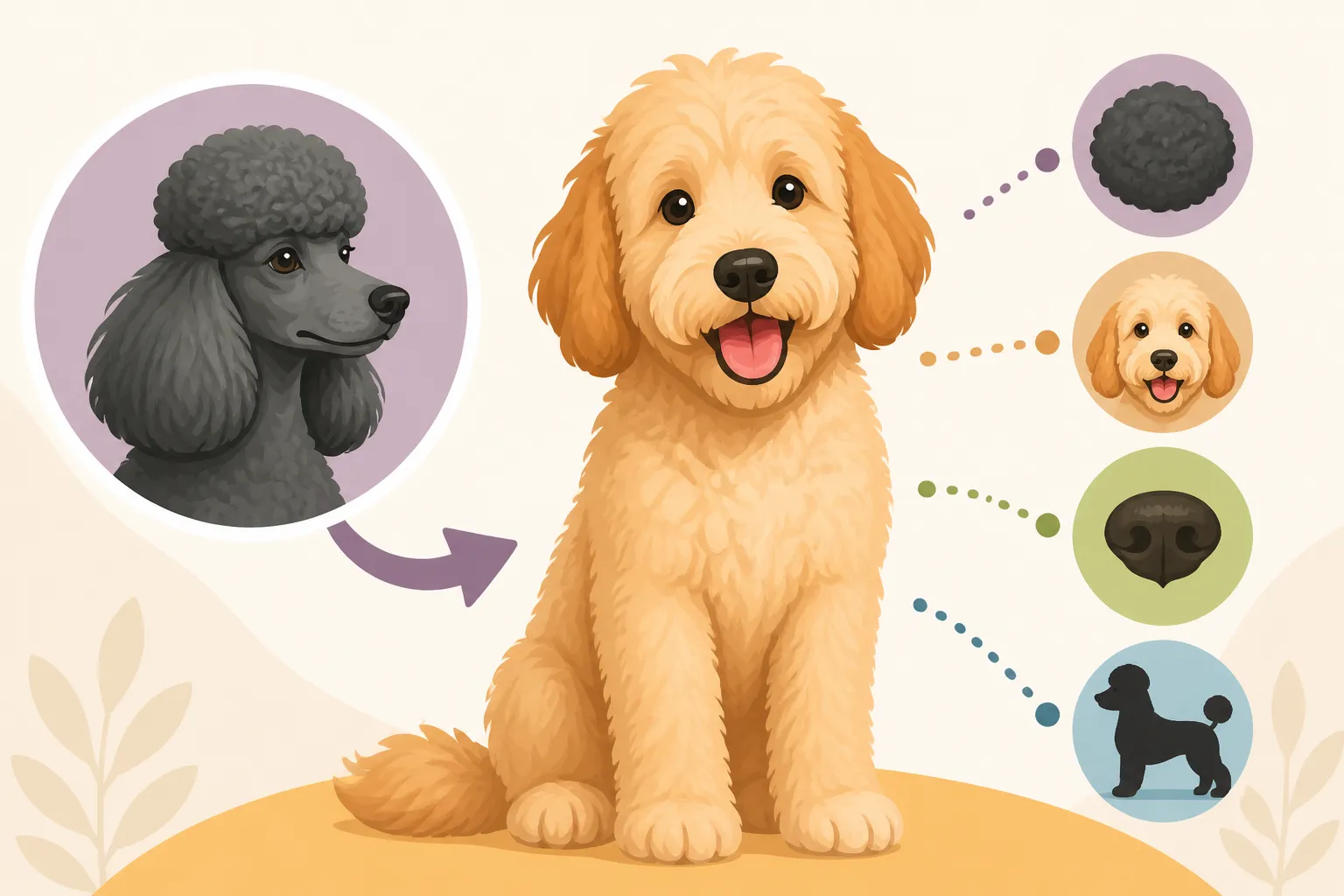
The Poodle possesses specific genes responsible for its dense, curly coat and characteristic "furnishings" – the longer hair on the face (beard, mustache, eyebrows) and legs. These furnishings are what give Goldendoodles their distinctive "doodle look" and are a direct inheritance from the Poodle. Without the furnishing gene, a dog would have a smooth face like a Golden Retriever, regardless of their Poodle parentage. The curl gene, also from the Poodle, dictates the degree of wave or curl in the Goldendoodle's coat, ranging from wavy to very curly or "wool" coats.
It's important to remember that not all Goldendoodles inherit these traits equally, especially in earlier generations like F1s (first cross). Some F1 Goldendoodles might get less of the Poodle's curl gene and end up with a straighter, wavier coat that sheds more like a Golden Retriever. Breeders often use F1b (backcross to a Poodle) or multi-generation Goldendoodles to try and increase the chances of a curlier, more Poodle-like coat, precisely because these generations have a higher percentage of Poodle genetics. The Three Goldendoodle Coat Types and How to Tell Them offers a detailed look at these variations.
Poodle Influence on Shedding and Allergens
The "hypoallergenic" claim is largely tied to the Poodle's low-shedding coat. Poodles shed hair, but they do so minimally, and their curly coat tends to trap shed hairs, preventing them from falling into the environment. This characteristic is often passed on to Goldendoodles, making many of them low-shedding. However, it's a common misconception that "low-shedding" means "non-allergenic." The primary allergens come from dander (skin flakes), saliva, and urine, not just the hair itself.
While a Goldendoodle with a curlier, Poodle-like coat will likely shed less than a Golden Retriever, there is no such thing as a truly 100% hypoallergenic dog. The Poodle's genetics reduce shedding, which in turn reduces the distribution of dander and saliva in the environment, making them better tolerated by many allergy sufferers. However, someone with severe allergies may still react. It's crucial for prospective owners to spend time with Goldendoodles to assess their personal reaction, rather than relying solely on generational claims. Why No Goldendoodle Is Truly Hypoallergenic provides more clarity on this topic.
Grooming Demands from the Poodle Coat Type
The Poodle coat, even in its Goldendoodle variations, requires significant grooming, and this is a non-negotiable aspect of Goldendoodle ownership. The dense, often curly coat is prone to matting without diligent care. Unlike a smooth-coated dog, a Goldendoodle's hair grows continuously, much like human hair, and needs regular brushing and professional trims. If left ungroomed, mats can quickly form, pulling at the skin and causing pain, skin infections, and requiring a complete shave-down.
This means a Goldendoodle owner must be prepared for regular brushing at home – ideally several times a week, down to the skin – and professional grooming appointments every six to eight weeks. The cost and time commitment for grooming are substantial and often underestimated by new owners. Investing in quality grooming tools, like a good slicker brush and a metal comb, is essential. Products from trusted brands like Chewy can help you maintain your Goldendoodle's coat between professional visits. This Poodle-inherited trait is a commitment that can easily become the biggest line item in a Goldendoodle's budget. Goldendoodle Grooming as the Biggest Line in the Budget highlights the financial aspect of this care.
Poodle-Inherited Health Concerns in Goldendoodles
While Goldendoodles are often touted for "hybrid vigor," suggesting they are healthier than their parent breeds, they still inherit genetic predispositions from both the Golden Retriever and Poodle lines. Understanding the specific health issues that can come from the Poodle side is vital for responsible ownership and proactive veterinary care.
Addison's Disease: A Serious Poodle Predisposition
One of the more serious health conditions that Goldendoodles can inherit from their Poodle lineage is Addison's Disease (hypoadrenocorticism). This is a hormonal disorder where the adrenal glands don't produce enough corticosteroid hormones, particularly cortisol and aldosterone. Symptoms can be vague and mimic other conditions, leading to delayed diagnosis. Dogs might experience lethargy, vomiting, diarrhea, increased thirst, weight loss, and muscle weakness. In severe cases, it can lead to an "Addisonian crisis," which is a life-threatening medical emergency.
Standard Poodles have a higher incidence of Addison's than many other breeds, and this risk is passed on to Goldendoodles. While not every Goldendoodle will develop it, awareness is key. If your Goldendoodle exhibits these symptoms, especially if they wax and wane, it's crucial to discuss Addison's with your vet. Early diagnosis and lifelong medication can manage the condition effectively, allowing affected dogs to live full, happy lives. Addison's Disease a Goldendoodle Gets From the Poodle offers more in-depth information.
Eye Conditions Common in Poodles
Poodles are susceptible to several eye conditions, and Goldendoodles can inherit these predispositions. Two of the most notable are Progressive Retinal Atrophy (PRA) and cataracts. PRA is a group of degenerative diseases that affect the retina, eventually leading to blindness. There are DNA tests available for certain forms of PRA, which responsible breeders should perform on their Poodle breeding stock (and Golden Retrievers, as some forms affect both).
Cataracts can also develop in Goldendoodles, either congenitally or later in life. While some cataracts are age-related, others have a genetic component. Reputable breeders should have their breeding dogs undergo annual eye examinations by a board-certified veterinary ophthalmologist to screen for these and other inherited eye diseases. Being aware of these potential issues means you can be vigilant for changes in your Goldendoodle's vision and seek prompt veterinary attention if concerns arise. Progressive Retinal Atrophy Carried by Both Goldendoodle Lines details one such condition.
Joint and Orthopedic Concerns from the Poodle Line
While hip and elbow dysplasia are often associated with the Golden Retriever, Poodles are not immune to orthopedic issues, and their contribution to a Goldendoodle's joint health should not be overlooked. Patellar luxation, or "slipping kneecaps," is more common in smaller Poodles and can be passed to Mini or Toy Goldendoodles. This condition occurs when the patella (kneecap) dislocates from its normal position.
Additionally, Poodles can be affected by Legg-Calve-Perthes disease, a condition affecting the hip joint in smaller breeds, and certain forms of elbow dysplasia. Therefore, even though the Golden Retriever often gets the spotlight for hip and elbow issues, it's vital that the Poodle parent also undergoes appropriate orthopedic health screenings, such as OFA or PennHIP evaluations, to minimize the risk of these conditions in Goldendoodle offspring. Goldendoodle Joint Health by Size Category examines how size impacts these risks.
Physical Characteristics a Goldendoodle Gets from the Poodle
Beyond the coat and temperament, the Poodle's genetics also contribute significantly to the Goldendoodle's physical appearance and structure. From their elegant build to their distinct ear shape and overall size, the Poodle leaves an unmistakable mark on these popular crossbreeds.
Body Build and Stature
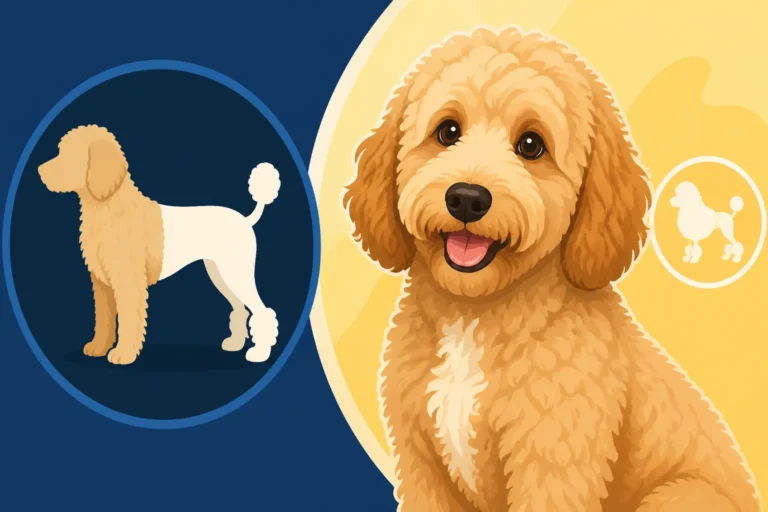
Poodles, regardless of their size variation (Standard, Miniature, Toy), typically possess a square, elegant, and athletic build. They are often described as graceful, with a proud carriage and a deep chest. This contrasts somewhat with the Golden Retriever's more robust, rectangular, and powerful build. In a Goldendoodle, you'll often see a blend of these two physiques. Dogs with a stronger Poodle influence might appear more slender, with longer legs and a more refined bone structure.
For example, a Standard Goldendoodle might have the substantial presence of a Golden Retriever, but with a more agile, high-stepping gait and a slightly less dense body composition, reflecting its Poodle parent. The overall impression is often one of balanced athleticism and grace. This blend can make them excellent companions for activities like hiking or running, as they typically possess both endurance and agility. What a Goldendoodle Inherits From Each Parent Breed offers a broader comparison.
Distinctive Poodle Ears and Their Care
One of the most recognizable physical features a Goldendoodle inherits from the Poodle is their drop ears, which hang close to the side of the head. These "furnished" ears, meaning they grow hair both on the outside and often inside the ear canal, are characteristic of the Poodle. While adorable, they also present a unique grooming and health challenge for Goldendoodle owners. The combination of being floppy (which limits air circulation) and having hair growth inside the canal creates a warm, moist environment that is a perfect breeding ground for bacteria and yeast.
This makes Goldendoodles highly prone to ear infections. Regular cleaning and careful monitoring of their ears are essential preventive measures. Some owners and groomers opt to pluck the hair from inside the ear canal to improve air flow, though this is a practice with differing opinions on its benefit and potential discomfort. Regardless, checking, cleaning, and drying your Goldendoodle's ears weekly, especially after swimming or bathing, is critical to avoid recurrent, painful infections. Goldendoodle Ear Hair and Chronic Infection dives into how to manage this specific challenge.
Size Variation: From Toy to Standard Poodle Influence
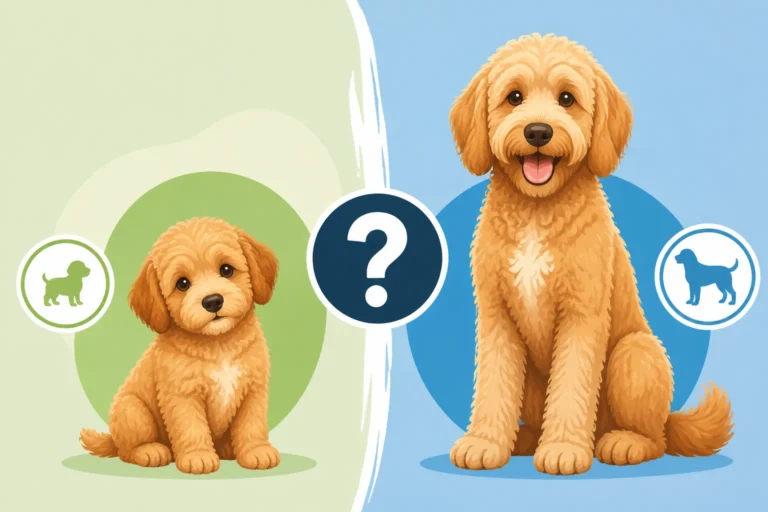
The Poodle parent largely dictates the size category of a Goldendoodle. Poodles come in three recognized sizes: Standard, Miniature, and Toy. By breeding a Golden Retriever with a Standard Poodle, you get a Standard Goldendoodle. Breeding with a Miniature Poodle typically produces a Mini Goldendoodle, and a Toy Poodle cross can result in a Toy or Teacup Goldendoodle. This intentional selection of Poodle size allows breeders to offer Goldendoodles in a wide range of adult weights and heights.
The Poodle's genetics provide the framework for these various Goldendoodle sizes. A Goldendoodle's ultimate size will be a combination of its Golden Retriever parent's genetics and the specific size of the Poodle used in the breeding. This predictable size range is one of the appealing factors for many families, allowing them to choose a Goldendoodle that fits their living situation, from apartments to larger homes. How the Poodle Parent Sets Goldendoodle Size explains this in detail.
Here's a quick look at some key Poodle contributions to the Goldendoodle:
| Trait Category | Poodle Contribution | Goldendoodle Manifestation |
|---|---|---|
| Intelligence | High intelligence, problem-solving skills, quick learning | Highly trainable, eager to please, needs mental stimulation |
| Temperament | Sensitivity, affectionate, loyal, companion-oriented | "Velcro dog" tendencies, empathetic, gentle with family |
| Coat | Curly, continuously growing, low-shedding, furnishings gene | Wavy to curly coat, beard/eyebrows, less dander dispersal |
| Health Risks | Addison's Disease, PRA, cataracts, patellar luxation | Predisposition to these conditions, requires testing |
| Physical | Elegant, square build, drop ears, size variations | Athletic build, floppy ears (prone to infection), varied size |
Disclaimer
This article is for general informational purposes only and does not constitute professional advice. Laws, prices and regulations vary by location and change over time. Consult a qualified professional for guidance on your specific situation.