Kneecap Surgery Priced for a Twenty Pound Goldendoodle
Finding out your beloved twenty-pound Goldendoodle needs kneecap surgery can be an absolute gut punch. One minute they're frolicking happily, the next they're limping, hopping, or holding up a leg, and your vet delivers the news: patellar luxation, and surgery is the best path forward. Beyond the immediate worry for your furry family member, a huge wave of panic often sets in about the cost. It’s a completely normal reaction to feel overwhelmed by the potential bills for a complex veterinary procedure. This guide is here to walk you through what to expect regarding the financial commitment for kneecap surgery for a smaller Goldendoodle, offering a realistic look at the expenses involved so you can better prepare for your pup's recovery.
Understanding Patellar Luxation in Your Goldendoodle
Before we dive into the numbers, it’s really helpful to understand exactly what patellar luxation is and why it's a common concern for smaller Goldendoodles. Knowing the condition can help you grasp why certain diagnostic steps and surgical procedures are necessary, which in turn explains the associated costs.
What is Patellar Luxation and Why Small Goldendoodles Get It
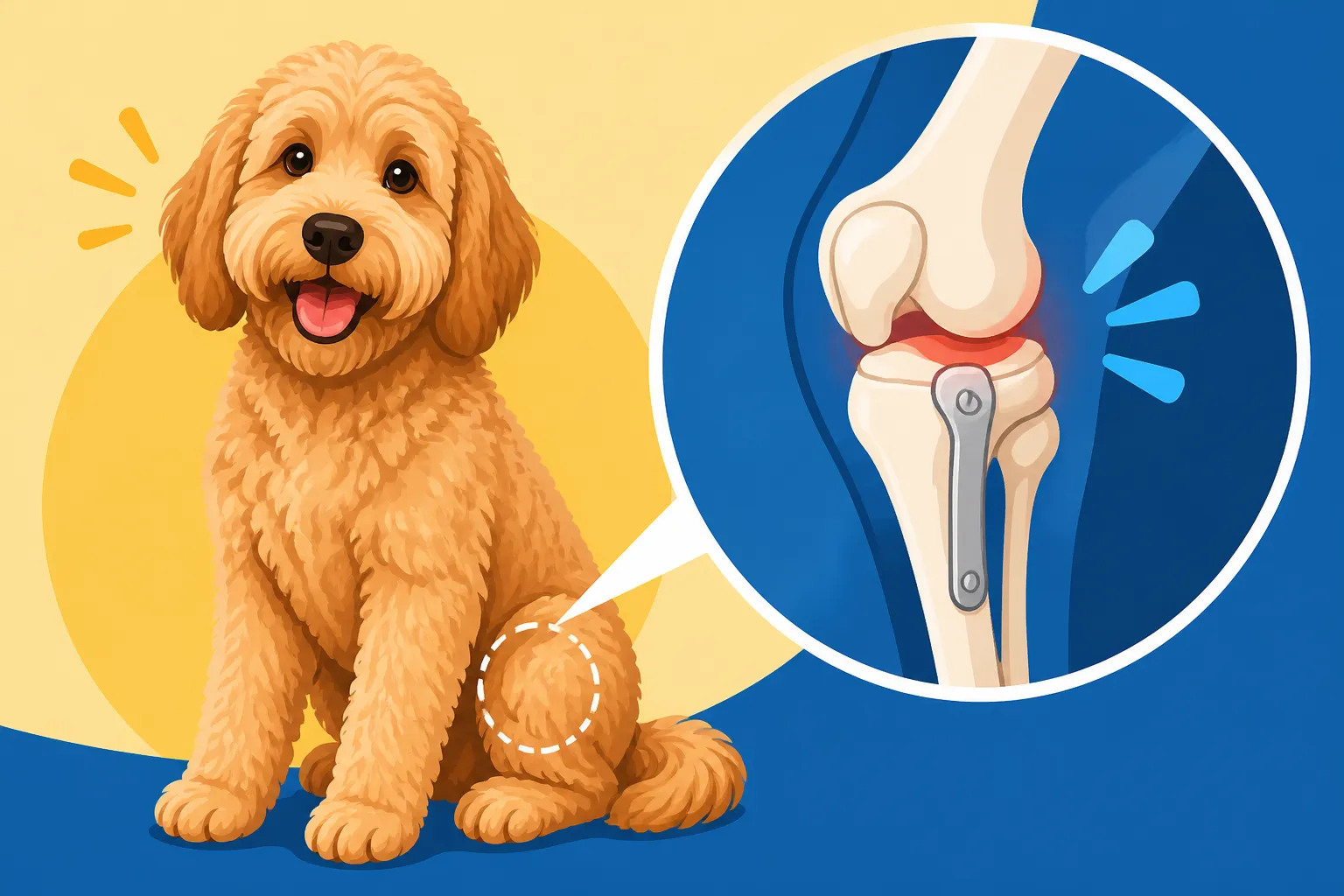
Patellar luxation essentially means your dog's kneecap (patella) slips out of its normal groove on the thigh bone (femur). Imagine a train running off its track; it’s a similar concept. This can happen periodically, causing your Goldendoodle to skip or hop, or it can be a more constant issue, leading to chronic lameness. Veterinarians grade the condition from one to four, with Grade 1 being minor and Grade 4 being severe and permanent displacement. A Goldendoodle that always seems to be limping on one front leg might actually have a knee issue, not a paw injury.
Smaller Goldendoodles, like Mini and Toy Goldendoodles, are particularly prone to this condition due to their genetic predisposition and the anatomical structure they inherit. While Goldendoodles are a mix, the Poodle side, especially the miniature and toy varieties, carries a higher risk for patellar luxation. This isn't just a random occurrence; it's often an inherited structural abnormality where the groove in the femur is too shallow, or the ligaments holding the kneecap in place aren't quite right. Understanding why small Goldendoodles slip kneecaps helps us understand the necessity of surgical correction to prevent further damage and pain. Without intervention, this can lead to painful arthritis, cartilage damage, and even cruciate ligament tears down the line.
Diagnosing Patellar Luxation
The journey to surgery typically begins with a visit to your veterinarian when you notice something isn't quite right with your Goldendoodle's gait. During the initial exam, your vet will perform a thorough physical assessment, carefully manipulating your dog's knee to feel for instability and to see if the kneecap slips. This manual examination is crucial for determining the grade of luxation. They'll also check for any pain response or discomfort your dog might be exhibiting.
Beyond the physical exam, X-rays are usually required. These radiographs help your vet assess the overall bone structure of the knee, hip, and even the tibia (shin bone) to identify any underlying skeletal abnormalities that might contribute to the luxation. While X-rays can't directly show the kneecap slipping in real-time, they provide invaluable information about the alignment of the bones and the depth of the patellar groove. Sometimes, if the case is complex or if there are concerns about other joint issues, more advanced imaging like an MRI might be recommended, though this is less common for routine patellar luxation diagnosis. All these diagnostic steps, from the consultation fee to the X-rays, contribute to the initial costs before a surgical plan is even set.
The Financial Reality of Goldendoodle Kneecap Surgery
Now, let's tackle the elephant in the room: the cost. It’s no secret that veterinary surgeries can be expensive, and kneecap repair is certainly no exception. The price can vary significantly depending on several factors, including your location, the specific vet clinic or specialist, the severity of the luxation, and any additional complications.
Breaking Down the Costs: Pre-Op, Surgery, and Post-Op
When you get an estimate for kneecap surgery, it's not just one lump sum for "the surgery." It's a comprehensive package of services that ensures your Goldendoodle's safety and successful recovery. For a twenty-pound Goldendoodle, you're generally looking at costs that can range anywhere from $2,500 to $6,000 per knee. Yes, per knee. If both knees need correction, that figure can easily double, or at least come with a slight discount for doing both simultaneously if appropriate for your dog.
Here's a typical breakdown of what those costs cover:
- Pre-operative Diagnostics: This includes blood work (to ensure your dog is healthy enough for anesthesia and surgery), additional X-rays, and potentially an ECG to check heart health. These checks are absolutely vital to minimize risks during the procedure. Expect to pay a few hundred dollars for these tests alone.
- The Surgery Itself: This is the big one. It encompasses:
- Anesthesia: Monitoring, drugs, and the time of the veterinary anesthetist.
- Surgeon's Fee: This covers the actual surgical procedure, which might involve deepening the patellar groove, repositioning the quadriceps muscle, or transposing the tibial crest to realign the kneecap. For a specialized orthopedic surgeon, this fee will be higher.
- Implants/Materials: Sometimes small pins or wires are needed to stabilize the bones during healing.
- Hospitalization: Typically, your Goldendoodle will stay overnight for pain management and observation.
- Post-operative Care: The care doesn't stop once the surgery is over.
- Medication: Pain relievers, anti-inflammatories, and possibly antibiotics are crucial for comfort and preventing infection during recovery.
- Follow-up Visits: Several recheck appointments are needed to monitor healing, remove sutures, and assess progress. X-rays might be taken again to confirm proper alignment.
- Physical Therapy: This is incredibly important for full recovery. Rehabilitation, which can include hydrotherapy, therapeutic exercises, and massage, helps strengthen the leg and restore range of motion. Think of it as a human recovering from knee surgery – physical therapy is non-negotiable for the best outcome. These sessions can add hundreds to thousands of dollars over several weeks or months.
Geographic and Clinic Variations in Pricing
The cost of kneecap surgery for your twenty-pound Goldendoodle isn't static; it's a dynamic figure influenced heavily by where you live and the type of veterinary facility you choose. In major metropolitan areas like Los Angeles, New York City, or even Dallas, veterinary costs, especially for specialized procedures, tend to be significantly higher. This is due to higher overheads, competitive salaries for specialized staff, and the advanced equipment available in these urban centers. You might find estimates leaning towards the higher end of that $4,000-$6,000 range, or even exceeding it, in these regions.
Conversely, in smaller towns or rural areas, the same procedure might come with a more modest price tag, perhaps closer to the $2,500-$4,000 range. The cost of living is lower, clinic overheads are less, and there might be less demand for highly specialized veterinary services, which can translate to lower fees.
Another crucial factor is whether you opt for a board-certified veterinary orthopedic specialist versus a general practice veterinarian who performs surgeries. A specialist, often found at a veterinary referral hospital, brings a higher level of expertise, specialized training, and cutting-edge equipment, which naturally comes with a higher price point. While a general vet may be competent, a specialist often has more experience with complex orthopedic cases and can offer the most advanced techniques, potentially leading to better outcomes for a Goldendoodle that might need more intricate correction. It's always worth discussing the pros and cons with your primary vet and getting a referral if they recommend a specialist.
Here's a general table outlining potential cost ranges:
| Expense Category | Low-End Estimate (Rural/General Vet) | High-End Estimate (Urban/Specialist) |
|---|---|---|
| Pre-operative Diagnostics | $200 – $400 | $400 – $800 |
| Surgical Procedure | $1,800 – $3,000 | $3,000 – $5,000 |
| Anesthesia/Monitoring | $300 – $600 | $600 – $1,000 |
| Medication (Post-Op) | $50 – $150 | $100 – $300 |
| Follow-up Visits | $100 – $250 | $200 – $500 |
| Physical Therapy (Initial) | $200 – $500 | $500 – $1,500 |
| Total per Knee (Estimate) | $2,650 – $4,900 | $4,800 – $9,100+ |
Please note: These are estimates and actual costs can vary significantly. Always get a detailed quote from your chosen veterinary provider.
Navigating the Bill: Funding Your Goldendoodle's Recovery
Facing a multi-thousand-dollar vet bill is daunting, but there are definitely strategies and resources available to help you manage the financial burden. You're not alone in this, and plenty of options exist to make sure your Goldendoodle gets the care they need.
The Role of Pet Insurance
Pet insurance can be an absolute lifesaver when unexpected medical emergencies like kneecap surgery arise. If you enrolled your Goldendoodle in a policy before any signs of patellar luxation appeared, there's a good chance a significant portion of the costs could be covered. Companies like Healthy Paws offer comprehensive plans that typically reimburse a percentage of your vet bills after you meet your deductible. However, it's crucial to understand that almost all pet insurance policies have waiting periods and, most importantly, exclude pre-existing conditions. This means if your Goldendoodle was diagnosed with patellar luxation (or even showed symptoms) before you got the policy or during the waiting period, that specific condition likely won't be covered.
This is why enrolling your Goldendoodle puppy in pet insurance as early as possible is so important. Even if you think your dog is perfectly healthy, issues like patellar luxation, or even unexpected illnesses, can crop up. Having a policy in place means that when something does happen, like a knee issue or perhaps even a more serious condition like Addison's Disease a Goldendoodle gets from the Poodle, you're financially buffered. Always read the policy details carefully, understand the deductibles, reimbursement percentages, and any per-incident or annual limits. Comparing Goldendoodle insurance premiums by adult weight can also help you choose the most economical plan for your twenty-pound pup.
Alternative Payment Strategies
Even if pet insurance isn't an option, or if it only covers a portion of the costs, you still have avenues to explore. Many veterinary clinics understand the financial strain of major surgeries and offer payment plans directly or work with third-party financing companies like CareCredit. These options allow you to break down the total cost into manageable monthly payments, often with low or even 0% interest for a promotional period. Don't be afraid to ask your vet's office about their financing options.
Beyond formal payment plans, building an emergency fund specifically for your pet is a wise long-term strategy. Even setting aside a small amount each month can add up. You might also look into veterinary assistance programs or charities. Organizations like The Pet Fund, RedRover, or your local humane society sometimes offer financial aid for owners facing significant vet bills, though these are often needs-based and have specific criteria.
In the meantime, consider where you can optimize your regular pet expenses. Maybe you switch to a more budget-friendly yet still high-quality food brand (like those often found on Chewy's extensive marketplace) or explore fresh food subscriptions like Ollie that can be paused or adjusted to help free up funds for the immediate surgical need. Every little bit helps when you're saving for the Goldendoodle bills nobody budgets for.
Beyond the Surgery: Long-Term Care and Prognosis
Surgery is a huge step, but it’s just one part of your Goldendoodle's journey back to full health. The recovery period is crucial, and long-term care will help ensure the best possible outcome and prevent future complications.
Post-Surgery Recovery and Rehabilitation
The weeks and months following kneecap surgery are absolutely critical for successful healing. Your Goldendoodle will need strict rest and restricted activity to allow the bones and soft tissues to mend properly. This usually means kennel rest, no jumping, no stairs, and short, leashed potty breaks only. It can be tough to keep an active twenty-pound Goldendoodle quiet, but adherence to these restrictions is paramount. Your vet will prescribe pain medication and anti-inflammatory drugs, which must be given exactly as directed to keep your dog comfortable and aid the healing process.
Physical therapy, or rehabilitation, often begins a few weeks after surgery and is incredibly important. This might involve controlled exercises to rebuild muscle strength, improve range of motion, and ensure proper gait. Hydrotherapy (underwater treadmill) is a fantastic option for Goldendoodles, as the buoyancy supports their body weight, reducing stress on the healing joint while allowing them to move their leg. A good rehabilitation program can significantly impact the long-term success of the surgery and help your Goldendoodle regain full use of their leg. This ongoing care, though an additional cost, is an investment in your dog's future comfort and mobility. Learning about physical therapy after Goldendoodle knee surgery will be key to managing expectations and facilitating a strong recovery.
Preventing Future Issues and Maintaining Joint Health
Even after a successful surgery, ongoing care and proactive measures can help maintain your Goldendoodle's joint health and reduce the risk of future problems, not just with the operated knee but with others too.
Maintaining a healthy weight is paramount. For a twenty-pound Goldendoodle, even a couple of extra pounds can put significant strain on their joints, accelerating arthritis or causing issues in other limbs. Regularly check your Goldendoodle's body condition by feeling for their ribs; you should be able to feel them easily without them being visible. If you're struggling to keep the weight off, discussing their diet and exercise with your vet is a great idea. You might need to adjust their daily calories for a twenty-pound Goldendoodle or consider specific joint support diets.
Supplements, such as glucosamine, chondroitin, and omega-3 fatty acids, can also play a supportive role in joint health, helping to reduce inflammation and support cartilage integrity. Discuss these with your vet to ensure they are appropriate for your specific dog and properly dosed to Goldendoodle size category. Controlled, regular exercise that builds muscle without excessive impact is also vital. Avoid activities that involve repetitive jumping or sudden twists, especially during the growth phases of a Goldendoodle puppy where growth plates are still developing. Understanding why a Goldendoodle should not jump off furniture, especially a smaller one, can save them from unnecessary joint strain. Regular veterinary check-ups are essential to monitor joint health, catch any nascent issues early, and adjust their care plan as they age.
Disclaimer
The information provided in this article is for general informational purposes only and does not constitute veterinary advice. Always consult with a qualified veterinarian for any health concerns or before making any decisions about your pet's medical care. Individual costs can vary significantly, and it is essential to obtain a detailed estimate from your chosen veterinary professional.