What a Goldendoodle Ophthalmologist Visit Runs
It’s a truly frightening moment when you notice something is off with your beloved Goldendoodle’s eyes – perhaps a cloudy appearance, excessive tearing, or your dog bumping into furniture. These visual changes can quickly escalate into serious worry, and the thought of specialized vet care immediately brings up concerns about the costs involved. This guide is here to walk you through what to expect financially when your Goldendoodle needs to see a veterinary ophthalmologist, helping you feel a bit more prepared for the journey ahead.
Understanding Why Your Goldendoodle Might Need an Ophthalmologist
Finding out your Goldendoodle needs to see a specialist can be daunting. You've likely started with your regular veterinarian, who might have noticed something beyond their scope, or perhaps you've observed subtle but persistent signs yourself. The eyes are incredibly delicate and complex, and just like in humans, they sometimes require the specialized expertise of a veterinary ophthalmologist to diagnose and treat conditions effectively.
Common Eye Conditions in Goldendoodles
Goldendoodles, inheriting traits from both Golden Retrievers and Poodles, can unfortunately be predisposed to a range of eye conditions. One of the most talked-about is Progressive Retinal Atrophy (PRA), which can lead to blindness over time. It's a condition that often starts with night blindness and slowly progresses, and watching your Goldendoodle navigate a darkening world is heartbreaking. Another common concern is cataracts, which cause clouding of the lens and can impair vision significantly. These can be inherited or develop with age, or even secondary to other conditions like diabetes.
Beyond these serious, often genetic issues, Goldendoodles can also suffer from more mundane but equally uncomfortable problems. Their gorgeous, shaggy coats, while charming, can sometimes lead to issues. Long facial hair can irritate the eyes, trapping debris, or even contributing to dry eye syndrome (keratoconjunctivitis sicca or KCS), where the eyes don't produce enough tears. Eyelash abnormalities, like distichiasis or ectopic cilia, where eyelashes grow in problematic directions, can constantly rub against the cornea, causing pain and potential damage. The thought of your furry friend being in constant discomfort or slowly losing their sight is enough to send any owner into a panic, especially when you know these specialized treatments come with a price tag. If you're concerned about inherited eye problems, it's worth understanding Progressive Retinal Atrophy and the Goldendoodle Eye Test and Goldendoodle Cataracts and Vision Loss.
When a Regular Vet Recommends a Specialist
Your trusted family veterinarian is wonderful for routine check-ups, vaccinations, and initial diagnoses. They're your first line of defense, and they’re often the ones who first spot a subtle eye issue during a regular exam, or when you bring up your concerns. However, just like a general practitioner doctor might refer you to an eye specialist, your vet will do the same if they encounter a complex eye problem. This isn't a sign that your vet isn't skilled; it simply means they recognize the need for someone with advanced training and specialized equipment to accurately diagnose and treat delicate ocular conditions.
When your vet suggests an ophthalmologist, it’s natural to feel a surge of anxiety. You’re worried about your dog’s health, and now you’re also facing the unknown costs of specialized care. The referral usually means your vet suspects something requiring a detailed examination with specialized tools, such as slit lamps or tonometers, that aren't typically found in a general practice. They might suspect glaucoma, a deep corneal ulcer, or an underlying retinal disease that requires an expert to confirm and manage. This referral is always in the best interest of your Goldendoodle, ensuring they receive the highest level of care for their vision.
Breaking Down the Costs of an Ophthalmologist Visit
Let's get straight to what everyone wants to know: the money. A visit to a veterinary ophthalmologist isn't usually a one-and-done, low-cost affair. The specialized training, equipment, and time involved mean the bills can add up quickly. It's not just about the initial consultation; there are often multiple diagnostic tests, follow-up visits, and potentially long-term medications or even surgery.
The Initial Consultation Fee
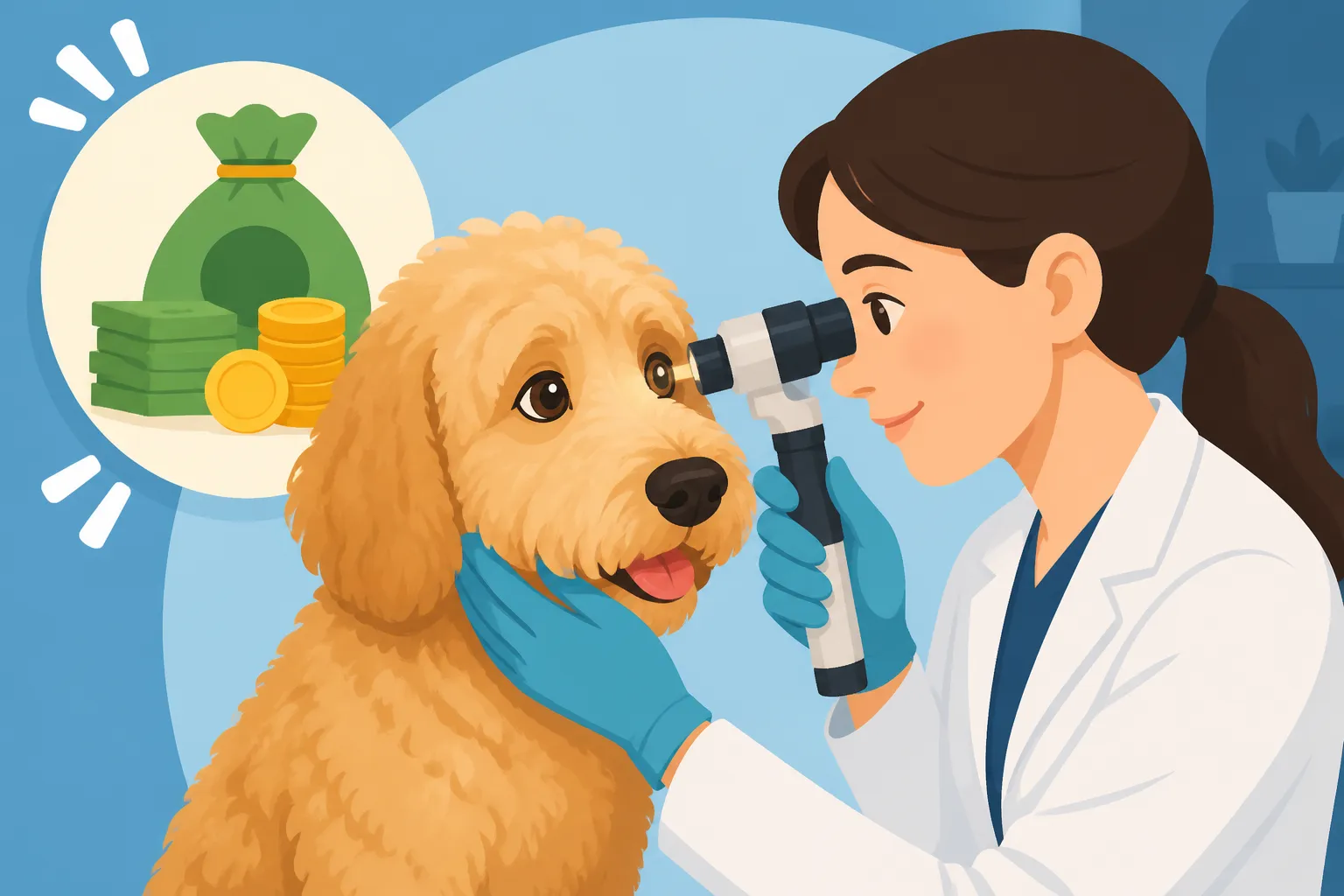
The first step in specialist care is always the consultation. This is where the ophthalmologist reviews your Goldendoodle's history, performs a thorough initial eye exam, and discusses their preliminary findings and recommended next steps. The cost for this initial visit can vary quite a bit depending on your geographic location, the clinic's reputation, and even the specific ophthalmologist's experience.
In a smaller, rural area, you might find an initial consultation ranging from $100 to $250. However, in a major metropolitan area like Los Angeles or New York City, or at a university veterinary teaching hospital, these fees can easily climb to $250 to $400 or more. This fee typically covers the ophthalmologist's time for the detailed examination, which is far more in-depth than a general vet's eye check, and the discussion of potential diagnostic pathways. It doesn’t usually include any tests or treatments, which come with their own separate charges. It's a baseline cost you absolutely need to factor in before any procedures begin.
Diagnostic Tests and Procedures
Once the initial consultation is complete, the ophthalmologist will likely recommend specific diagnostic tests to pinpoint the exact issue. These tests are crucial for accurate diagnosis and formulating an effective treatment plan, but they are also a significant part of the overall cost.
Here’s a breakdown of common tests and their estimated costs:
- Schirmer Tear Test: This simple test measures tear production and is vital for diagnosing dry eye. It's relatively inexpensive, usually $20 – $50.
- Tonometry: Used to measure the pressure inside the eye, this test is essential for detecting glaucoma. Expect to pay around $50 – $100 per eye.
- Ophthalmoscopy/Biomicroscopy (Slit Lamp Exam): This involves using specialized lights and magnifiers to examine the internal structures of the eye (retina, optic nerve, lens, cornea). It's a standard part of a thorough exam and often priced into the consultation or as an additional $75 – $150.
- Gonioscopy: A procedure to examine the drainage angle of the eye, important for assessing glaucoma risk. This might add another $100 – $200.
- Electroretinography (ERG): A more advanced test that measures the electrical responses of the cells in the retina, primarily used to diagnose conditions like PRA. This is a significant cost, often ranging from $400 to $800, as it requires sedation and specialized equipment. For conditions like PRA, genetic testing might also be recommended, and those costs can range from $100 to $300 depending on the lab and panel.
- Ocular Ultrasound: If the ophthalmologist needs to visualize structures behind a cloudy lens or cornea, an ultrasound might be used. This can cost $200 – $400.
- Fluorescein Staining: Used to detect corneal abrasions or ulcers. Usually a smaller fee, around $20 – $40.
As you can see, a full workup for a complex issue can easily run into several hundreds to over a thousand dollars just for diagnostics. It's a lot to process, especially when you're already concerned about your Goldendoodle's vision.
Medication and Treatment Plans
Once a diagnosis is made, the ophthalmologist will prescribe a treatment plan, which almost always involves medication. These can range from daily eye drops to oral medications, and the costs can vary widely.
- Eye Drops: Depending on the condition, your Goldendoodle might need medicated eye drops for infections, inflammation, tear stimulation (for dry eye), or glaucoma management. A single bottle can range from $30 to $100 or more, and some conditions require multiple types of drops applied several times a day for weeks, months, or even for life. For example, dogs with chronic dry eye often need daily cyclosporine or tacrolimus drops indefinitely.
- Oral Medications: Sometimes oral antibiotics or anti-inflammatory drugs are necessary, adding to the medication cost, typically $20 to $100 per prescription depending on size and duration.
- Long-Term Management: For chronic conditions like glaucoma or PRA, management is ongoing. This means not only continued medication but also regular follow-up visits with the ophthalmologist, often every few months. Each follow-up visit will incur another consultation fee, plus any necessary re-tests. These recurring costs truly add up over your Goldendoodle's lifespan.
When you start adding up the initial consultation, diagnostic tests, and ongoing medication, a serious eye condition for your Goldendoodle can quickly become a significant financial commitment. This doesn't even touch on surgical interventions, such as cataract surgery, which can cost several thousands of dollars per eye.
Managing the Financial Impact of Goldendoodle Eye Care
The sticker shock of specialist vet bills is a harsh reality for many pet parents. It’s not just the immediate cost, but the worry about ongoing care that can feel overwhelming. Thankfully, there are strategies and resources to help manage these expenses.
Pet Insurance and Specialist Visits
This is where pet insurance truly shines, especially for unexpected specialist visits. Many Goldendoodle owners find that a good pet insurance policy, like those offered by providers such as Healthy Paws, can significantly reduce the financial burden of specialist care. However, it's crucial to understand how pet insurance works. Most policies will cover a percentage of eligible specialist visit costs, typically after you've met your deductible.
The biggest caveat is pre-existing conditions. If your Goldendoodle had any eye symptoms or a diagnosis before you enrolled in insurance or during the waiting period, that specific condition will likely not be covered. This is why enrolling a Goldendoodle puppy as early as possible is always recommended. Always read the fine print of your policy to understand what's covered, what the waiting periods are, and what your reimbursement percentage will be. While pet insurance can't erase all costs, it can make potentially life-changing treatments, like cataract surgery, much more accessible. Learn more about Goldendoodle Pet Insurance for a Dog With No Breed Papers.
Budgeting for Unexpected Vet Bills
Even with insurance, you’ll still have out-of-pocket expenses. It's wise to start an emergency fund specifically for your Goldendoodle's health. Setting aside a small amount each month into a dedicated savings account can build up a cushion for those unexpected vet bills, whether it’s for an eye issue, an ear infection – Goldendoodles are prone to those too, by the way – or something else entirely. If you're looking into managing other costs, you might find What a Goldendoodle Costs a Year With Grooming In insightful.
If you find yourself facing a large bill without adequate savings, don't despair. Many veterinary specialty clinics offer payment plans through third-party services like CareCredit, which acts like a credit card specifically for healthcare expenses, often with deferred interest options. It's worth discussing these options with the clinic's financial coordinator. Remember, your vet team wants to help your Goldendoodle, and they can often guide you through the financial maze.
Finding Affordable Options and Resources
While an ophthalmologist visit will always be a specialized expense, there might be ways to make it more manageable.
- Veterinary Teaching Hospitals: If you live near a university with a veterinary school, their specialty clinics often offer top-tier care, sometimes at slightly lower costs than private specialty practices, or they may have programs that can assist. They are also at the forefront of research and have a wide range of experts.
- Prescription Savings: For prescription eye drops or long-term medications, exploring online veterinary pharmacies or services like Chewy's pet pharmacy can sometimes offer cost savings compared to purchasing directly from the specialist's office. Always ensure these are reputable pharmacies and that your vet approves the prescription transfer.
- Breed-Specific Rescue/Support Groups: While less common for direct financial aid, some breed-specific rescue groups or Goldendoodle communities might have resources or advice on managing chronic conditions, or know of local organizations that offer financial assistance for veterinary care.
- General Pet Health: Maintaining your Goldendoodle's overall health through proper nutrition can sometimes help prevent secondary issues that might exacerbate eye problems, though it's not a direct cure for inherited conditions. While specific diets like those offered by Ollie might support overall canine health, there's no direct dietary fix for most advanced eye conditions requiring an ophthalmologist. Regular health checks, including a DNA panel a Goldendoodle breeder should run, are crucial for prevention.
Understanding that eye care can be expensive is the first step. With a proactive approach to budgeting, exploring insurance, and knowing your options, you can better prepare for whatever your Goldendoodle's precious eyes might need.
| Service | Estimated Cost Range (USD) | Notes |
|---|---|---|
| Initial Ophthalmologist Consultation | $100 – $400+ | Varies by location and clinic. Does not include diagnostics. |
| Schirmer Tear Test | $20 – $50 | Measures tear production; crucial for dry eye. |
| Tonometry (Eye Pressure) | $50 – $100 per eye | Checks for glaucoma. |
| Ophthalmoscopy/Slit Lamp Exam | $75 – $150 | Detailed examination of eye structures. Often part of consultation or small add-on. |
| Gonioscopy | $100 – $200 | Examines eye drainage angle for glaucoma. |
| Electroretinography (ERG) | $400 – $800 | Advanced retinal function test, often requires sedation. |
| Ocular Ultrasound | $200 – $400 | Imaging internal eye structures behind opacities. |
| Fluorescein Staining | $20 – $40 | Detects corneal ulcers/abrasions. |
| Genetic Testing (for PRA, etc.) | $100 – $300 | Identifies genetic predispositions. Can be done by breeder, but sometimes recommended by specialist. |
| Prescription Eye Drops (per bottle/tube) | $30 – $100+ | Cost varies widely; chronic conditions mean recurring costs. |
| Oral Medications (e.g., antibiotics) | $20 – $100 | Depending on type, dosage, and duration. |
| Follow-up Consultation | $100 – $300 | Required for chronic conditions or post-treatment checks. |
| Total for Initial Workup (Complex Case) | $800 – $2000+ | Does not include any surgical interventions, which can run into thousands more (e.g., Goldendoodle Surgery and Emergency Vet Costs). |
Disclaimer
The information provided in this article is for general informational purposes only and does not constitute veterinary advice. Always consult with a qualified veterinarian or veterinary ophthalmologist for any health concerns or before making any decisions about your Goldendoodle's medical care. Individual costs can vary significantly based on location, clinic, specific diagnosis, and the dog's individual needs.