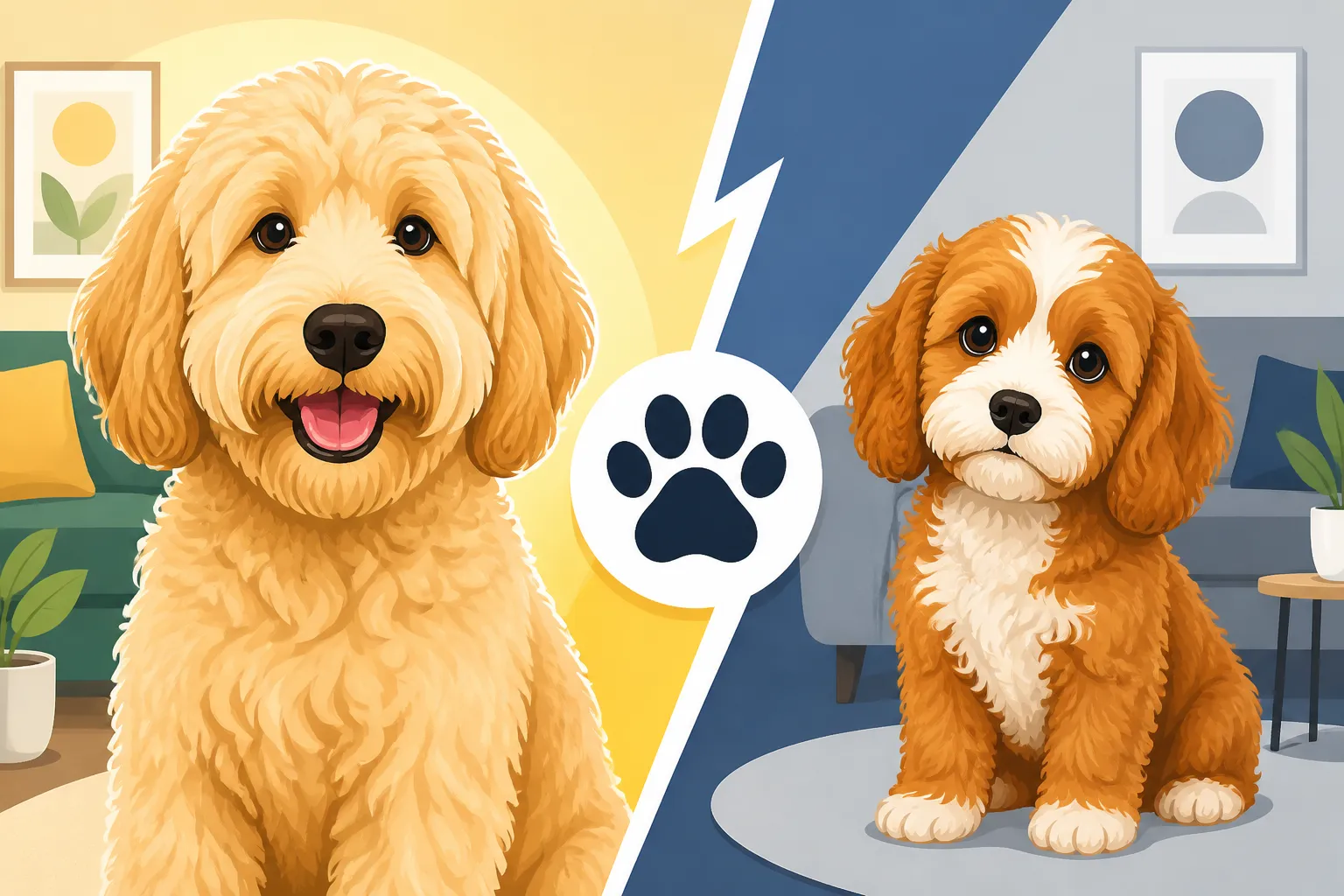
A Goldendoodle Against a Cavapoo for a Small Home
Bringing a new furry family member into a small living space, like an apartment or a cozy condo, presents a unique set of challenges. You want a dog that fits your lifestyle, not one that constantly feels cramped or under-stimulated, leading to frustrating behaviors. This guide is here to help you navigate the choice between two incredibly popular and beloved breeds often considered for smaller homes: the Goldendoodle and the Cavapoo, helping you decide which might truly thrive alongside you in a more compact environment.
Understanding the Space Constraints of a Small Home
Living in a smaller home means every square foot counts, and this extends to how your dog experiences their environment. It’s not just about the physical space, but also the management of noise, the frequency of outdoor access, and how a dog's natural energy fits into a quieter, more contained setting. Many aspiring dog owners dream of having a companion, but quickly realize that a huge, boisterous dog in a small apartment can become a source of stress for everyone involved.
The Reality of Apartment Living with a Dog
When you live in an apartment, your "yard" is often a nearby park, a communal green space, or simply the sidewalks outside your door. This means you’re relying heavily on scheduled walks and outings for potty breaks and exercise, rather than just letting your dog out into a fenced backyard. The size of your dog directly impacts these routines. A large, high-energy dog might need multiple long walks a day, rain or shine, to prevent them from bouncing off the walls indoors. Imagine trying to tire out a sizeable dog in a small living room – it's often a losing battle that can lead to chewed furniture or excessive barking.
Noise is another major consideration. Thin walls can mean your neighbor hears every bark, whine, or playful romp, potentially leading to complaints. Finding dog-friendly housing can also be a hurdle, as many landlords have weight or breed restrictions. A smaller dog, generally speaking, tends to be more universally accepted in apartments, easing the initial search for a home for both of you. Plus, let's be honest, cleaning up shedding or tracking mud in a small space feels magnified. Every stray hair or muddy paw print is more noticeable when there isn't much space to spread out.
Activity Levels and Energy Output in Confined Spaces
This is where many people get it wrong. It's not just about the size of the dog, but their inherent energy level and how well they can cope with periods of inactivity. A small dog with boundless energy might struggle more in an apartment than a larger, more mellow dog that's content to nap most of the day. The key is managed exercise – intentional play, walks, and mental stimulation that satisfies their needs without requiring a huge amount of free-roaming space.
If your dog isn't getting enough appropriate outlets for their energy, destructive boredom can quickly set in. This manifests as chewing on things they shouldn't, excessive barking, digging at carpets, or even pacing anxiously. It's a plea for engagement, a sign that their needs aren't being met. For dogs in smaller homes, mental stimulation often becomes just as crucial, if not more so, than physical exercise. Puzzle toys, training sessions, and scent games can tire out a dog's brain just as effectively as a long run, and they can be done easily in a compact living space. It's about working smarter, not necessarily harder, to keep your canine companion happy and well-behaved.
Goldendoodle Suitability for Small Homes
Goldendoodles are incredibly popular, and for good reason! They’re often seen as the perfect family dog, combining the friendly nature of the Golden Retriever with the intelligence and lower-shedding coat of the Poodle. But when it comes to small homes, not all Goldendoodles are created equal. You really need to consider their size, energy, and grooming needs carefully.
Size Variations and Their Impact
The biggest factor for a small home is undoubtedly the Goldendoodle’s size. Goldendoodles come in a wide range, often categorized as Standard, Medium, Mini, and Toy.
- Standard Goldendoodles can weigh anywhere from 50 to 90 pounds, sometimes even more. These dogs are often too large and active for a typical apartment, needing a considerable amount of space and outdoor access.
- Medium Goldendoodles typically fall in the 35-50 pound range. While smaller than a standard, they still have a significant presence and energy level that might overwhelm a tiny living area.
- Mini Goldendoodles are generally 25-35 pounds and usually stand 14-17 inches tall at the shoulder. This size starts to become much more manageable for apartment living. They're big enough to feel like a "real dog" but compact enough to navigate smaller spaces without knocking things over constantly.
- Toy Goldendoodles are the smallest, often weighing 10-25 pounds and standing under 14 inches. These are excellent candidates for small homes from a sheer size perspective. They take up less room, eat less food, and are easier to transport to parks or vet visits.
When you're looking at puppies, breeders usually have an idea of the adult size based on the parents. It's important to discuss this thoroughly, as even within a mini or toy litter, there can be size variations. Remember that Mini and Toy Goldendoodle Puppy Prices can often be higher due to the demand for smaller dogs.
Exercise Needs of a Goldendoodle in an Apartment
Regardless of size, Goldendoodles are generally energetic and intelligent dogs. They come from two working breeds, so they thrive on having a "job" to do, whether it's retrieving balls, learning new tricks, or going for long walks. Even a Toy Goldendoodle isn't a couch potato!
A Goldendoodle in an apartment absolutely needs dedicated, consistent exercise. This isn't just a quick trip around the block for a potty break. We're talking about active play, brisk walks, or even a trip to a dog park. Goldendoodle Exercise at Thirty to Sixty Minutes is often the minimum requirement for an adult, and for younger, more energetic dogs, it might be more. Without adequate physical outlets, that intelligent Goldendoodle brain will find its own entertainment, which often means destructive behaviors, incessant barking, or anxiety.
Beyond physical activity, mental stimulation is crucial. Goldendoodles are smart and can get bored easily. Incorporate puzzle toys, training sessions, and interactive games indoors. This helps burn mental energy even when physical space is limited. They also have a strong "velcro dog" tendency, meaning they love to be near their people. While endearing, this can sometimes lead to A Goldendoodle That Follows You Room to Room and potential separation anxiety if not managed with proper alone-time training. In a small space, this can be even more pronounced if they don't have enough independent activity.
Grooming and Allergen Considerations in Limited Space
One of the big draws of the Goldendoodle is often the promise of a "hypoallergenic" coat. While no dog is truly 100% hypoallergenic, many Goldendoodles do shed less than their Golden Retriever parent, particularly those with curlier, more Poodle-like coats. However, this lower shedding comes with a significant trade-off: intensive grooming.
Goldendoodle coats, especially the wavy or curly types, are prone to matting. In a small home, you'll still be dealing with some hair, even from a non-shedding Goldendoodle, as their hair can break off. More importantly, you'll be spending a lot of time brushing. Brushing a Goldendoodle Often Enough to Stop Matting means dedicated sessions several times a week, often daily, to prevent painful mats from forming. This is a commitment of time and space, as you'll need room to comfortably groom your dog. Regular professional grooming every 6-8 weeks is also essential, which is a significant cost and time investment. Read up on The First Groom and Other Week One Goldendoodle Bills to get a sense of early expenses.
The allergen factor is also worth revisiting. While a curlier coat might produce less dander, it's not a guarantee. Why a Goldendoodle is really hypoallergenic is a common misconception. People are allergic to dander, saliva, and urine, not just hair. Even a low-shedding Goldendoodle will have dander and saliva. In a small space, allergens can become more concentrated, potentially causing issues for sensitive individuals. It's always wise for allergy sufferers to spend time with the specific dog they are considering before committing.
Cavapoo Suitability for Small Homes
Now, let's turn our attention to the charming Cavapoo. This crossbreed, a mix of the Cavalier King Charles Spaniel and the Poodle, was specifically developed for companionship and often for smaller living situations. They really do shine when it comes to fitting into compact homes.
The Compact Nature of the Cavapoo
The Cavapoo is inherently a smaller dog, which gives them a distinct advantage over most Goldendoodles when space is at a premium. Cavapoos typically weigh between 10 and 25 pounds and stand around 9 to 14 inches tall. This size range means they are often comparable to, or even smaller than, a Toy Goldendoodle, but rarely reach the size of a Mini Goldendoodle.
Their compact size makes them incredibly adaptable to apartment living. They can curl up comfortably in small corners, their crates don't take up an excessive amount of floor space, and they're generally easier to manage in crowded environments like city parks or vet waiting rooms. You won't find them counter-surfing like a standard Goldendoodle, and they're less likely to accidentally knock over lamps with a wagging tail. This ease of movement and smaller physical footprint significantly reduces the daily logistical challenges that larger dogs can pose in confined quarters.
Cavapoo Exercise and Temperament for Apartment Life
One of the Cavapoo's strongest suits for small home living is their generally moderate exercise requirements and their wonderfully agreeable temperament. While they are playful and enjoy their walks, their energy levels are typically lower than a Goldendoodle's. A couple of moderate daily walks, combined with some indoor playtime, is usually sufficient to keep a Cavapoo happy and healthy. They're often quite content to snuggle on the couch with their humans after a good play session, making them less prone to destructive boredom in a small space.
The Cavalier King Charles Spaniel contributes a gentle, affectionate, and eager-to-please nature, while the Poodle brings intelligence and a playful spark. The combination often results in a dog that is highly adaptable, friendly with everyone, and less prone to intense "zoomies" or demanding exercise bursts indoors. They typically bond very closely with their families, thriving on companionship without necessarily needing constant high-octane activity. This means they are often happier spending more time indoors, as long as they get their regular outings. They tend to be less of a "velcro dog" in a demanding, anxious way, often settling contentedly nearby without needing to be in your lap every moment like A Goldendoodle That Follows You Room to Room might. They are intelligent and enjoy learning, making training a fun and engaging activity that can also serve as mental stimulation.
Cavapoo Grooming and Maintenance in a Small Environment
Like Goldendoodles, Cavapoos typically inherit the low-shedding, curly, or wavy coat from their Poodle parent. This means, again, that while shedding might be minimal, grooming is a serious commitment. Their coats are prone to matting, especially behind the ears, in the armpits, and where harnesses rub.
Regular brushing, ideally daily or every other day, is crucial to prevent painful mats. Just like with Goldendoodles, you'll need the right tools – a slicker brush and a metal comb – and the dedication to use them consistently. Professional grooming every 6-8 weeks is also a must to keep their coat healthy and manageable. While the sheer volume of hair is less than a Standard Goldendoodle, the frequency and type of grooming required are very similar. The good news is that because they are smaller, home grooming sessions might be a bit quicker to complete. For allergy sufferers, the same caveats apply: while often tolerated better, no dog is truly hypoallergenic, and direct exposure is the best test. You'll want to ensure you have a good brush and detangling spray on hand, maybe from a place like Chewy, to keep that lovely coat in top shape.
Head-to-Head Comparison: Goldendoodle vs. Cavapoo for Small Spaces
So, you've got a sense of both breeds individually. Now, let's put them side-by-side specifically through the lens of living in a compact home. This direct comparison should help clarify which aspects might sway your decision.
Key Differences in Size and Living Footprint
This is arguably the most significant differentiator. Even a Mini Goldendoodle can be twice the weight of an average Cavapoo. A Toy Goldendoodle is more comparable in size, but they aren't as common as Mini Goldendoodles.
- Goldendoodle (Mini/Toy): While significantly smaller than their Standard counterparts, Mini Goldendoodles are still substantial dogs. They need a larger crate, their dog bed takes up more floor space, and they simply occupy more general volume in a room. When they run or play indoors, they can cover more ground and potentially be more disruptive.
- Cavapoo: The Cavapoo's smaller stature means a smaller crate, a smaller bed, and less physical presence overall. They can navigate tighter spaces with ease, make less of an impact when zooming around indoors (which they do less often anyway!), and are generally easier to transport. This smaller living footprint reduces clutter and makes the home feel less overwhelmed by a dog's presence.
Think about your furniture, your hallways, and even your car. A 30-pound Goldendoodle will take up more space and be heavier to lift than a 15-pound Cavapoo in every scenario, from vet visits to road trips.
Managing Energy Levels and Mental Stimulation
Both breeds are intelligent and need mental engagement, but their innate energy levels vary.
- Goldendoodle (Mini/Toy): Descended from two active working breeds (Golden Retriever and Poodle), Goldendoodles typically have a higher drive and require more vigorous and consistent exercise. They are prone to being quite boisterous, especially in puppyhood and adolescence. If you live an active lifestyle and are committed to daily long walks, runs, or trips to the dog park, a Goldendoodle will thrive. However, if you miss a day, that pent-up energy can become problematic in a small apartment. They need significant Goldendoodle Training Sessions and How Long to Run Them to channel their intelligence constructively.
- Cavapoo: With the calmer Cavalier King Charles Spaniel contributing to the mix, Cavapoos generally have a more moderate energy level. They are playful and enjoy their exercise, but they are often more content with shorter, regular walks and indoor play. They adapt well to quieter days and are often happier to curl up for a nap. This can be a huge advantage for apartment dwellers who might not always have the time or ability for extensive outdoor excursions. They are also smart and enjoy training and puzzle toys, but the intensity of their drive is typically lower.
Grooming Demands and Allergy Management
On the surface, grooming requirements are quite similar: both breeds often have non-shedding or low-shedding coats that need regular brushing and professional grooming. However, the volume of hair on a Goldendoodle is typically much greater.
- Goldendoodle (Mini/Toy): Even a Mini Goldendoodle has a substantial coat. Brushing sessions can take longer, and detangling mats can be a more involved process due to the amount of hair. If you neglect grooming, severe matting can occur quickly, requiring a full shave down, which is not only uncomfortable for the dog but also an unexpected expense. Ensuring you have the right brushes and combs on hand, perhaps ordered from a reliable pet supply store like Chewy, is key.
- Cavapoo: While still needing daily brushing and professional grooming, the Cavapoo's smaller size means there's simply less coat to manage. Brushing sessions may be quicker, and the overall maintenance, while still a commitment, feels less daunting than tackling a larger Goldendoodle's abundant fur. For allergy sufferers, the smaller size might mean less overall dander in the environment, but it's not a guarantee. The same principles of frequent cleaning, air purifiers, and regular grooming apply to both.
Here's a quick comparison table to summarize:
| Feature | Goldendoodle (Mini/Toy) | Cavapoo |
|---|---|---|
| Typical Size | Mini: 25-35 lbs, Toy: 10-25 lbs | 10-25 lbs (often on the smaller end) |
| Exercise Needs | Moderate to high; needs daily walks, playtime, mental work | Moderate; daily walks, indoor play sufficient for many |
| Temperament | Friendly, energetic, intelligent, playful, can be "velcro" | Affectionate, gentle, playful, eager to please, calmer |
| Grooming Frequency | High; daily/every other day brushing, professional groom every 6-8 weeks | High; daily brushing, professional groom every 6-8 weeks |
| Apartment Suitability | Good for Mini/Toy if exercise/training needs are met | Excellent; adaptable to smaller spaces, lower intensity |
| Shedding/Allergens | Low to moderate shedding, can still trigger allergies | Low to moderate shedding, can still trigger allergies |
| Training Ease | Very intelligent, eager to please, responsive | Intelligent, eager to please, can be sensitive |
Making the Right Choice for Your Small Home
Choosing a dog is a deeply personal decision, and it hinges on a lot more than just physical space. It's about how your lifestyle aligns with the needs of a living, breathing companion. Both Goldendoodles and Cavapoos can make wonderful pets, but for a smaller home, you really need to be honest about your own capabilities and preferences.
Assessing Your Lifestyle and Commitment
Before you fall head over heels for an adorable puppy, take a cold, hard look at your daily routine. How much actual time do you have to dedicate to your dog, beyond feeding and quick potty breaks?
- Exercise Commitment: If you're an active person who genuinely enjoys long walks, runs, hikes, or playing fetch for extended periods, then a Mini or Toy Goldendoodle might be a fantastic fit. Their higher energy levels will match your own, and you'll both benefit from the activity. However, if your idea of exercise is a short stroll around the block or you have unpredictable work hours, a Goldendoodle's energy could become a major source of stress for both of you in a small space. The Cavapoo, with its more moderate needs, might be a better choice if you prefer a calmer companion or your schedule doesn't allow for intense daily exercise.
- Grooming Commitment: Both breeds require significant grooming. Are you prepared to brush your dog almost every day? Do you have the budget for professional grooming every six to eight weeks? Neglecting the coat for either breed leads to painful mats, skin issues, and costly vet visits or dematting charges. Consider the time you'll spend, and if that feels like a chore, you might need to rethink.
- Tolerance for High Energy Indoors: Be honest: can you handle a dog with a playful, sometimes boisterous personality in a small space? Even a Mini Goldendoodle can be quite bouncy. If you prefer a tranquil home environment and get easily frustrated by a dog that always seems to be "on," a Cavapoo's calmer demeanor might be a better match.
It’s also crucial to remember that a puppy of any breed will be more energetic and demanding than an adult. Don’t just envision the calm adult dog; think about the rambunctious, training-intensive puppy phase. You'll want to review Reading a Goldendoodle Pedigree Back Three Generations to understand potential temperaments.
Meeting the Dog Before Bringing Them Home
The absolute best advice for any prospective dog owner, especially when factoring in a small living space, is to spend time with the specific dog or a dog of that breed and size category before committing. This isn't just about admiring their cute face; it's about observing their actual temperament and energy level.
- Visit Breeders or Rescues: If you're going through a reputable breeder, ask to meet the puppy's parents if possible, or at least other adult dogs they've bred. This gives you a better sense of adult size and temperament. For Cavapoos, meeting both the Cavalier and Poodle parents can offer insights. If adopting from a rescue, foster parents can provide invaluable insight into a dog's true personality in a home environment. You might even find a wonderful Goldendoodle or Cavapoo who is already past the crazy puppy stage and whose personality is fully formed.
- Observe Energy and Interaction: Pay close attention to how the dog (or puppies) interact with you and their environment. Are they calm and curious, or are they constantly bouncing off the walls? How do they settle? Are they independent, or do they constantly demand attention?
- Consider a Trial Run (if possible): Some rescues offer foster-to-adopt programs, or breeders might allow extended visits. This can be a game-changer for evaluating compatibility with your small home. For allergy sufferers, this is critical to see if you react to the specific dog, as Spending Time With a Goldendoodle Before Buying is the only true test.
Remember that a health guarantee, like those often seen with Goldendoodle Puppies Sold With a Health Guarantee, addresses health issues, not temperament or suitability for your specific living situation. It’s up to you to do your homework and make an informed decision based on realistic expectations.
In summary, for truly small homes where space is at a premium and a more relaxed companion is desired, the Cavapoo generally has an edge due to its consistently smaller size and often lower energy needs. However, a carefully chosen Mini or Toy Goldendoodle, if you are committed to meeting its higher exercise demands and managing its larger physical presence, can absolutely thrive in a compact environment with a dedicated owner.
Disclaimer
This article is for general informational purposes only and does not constitute professional advice. Laws, prices and regulations vary by location and change over time. Consult a qualified professional for guidance on your specific situation.