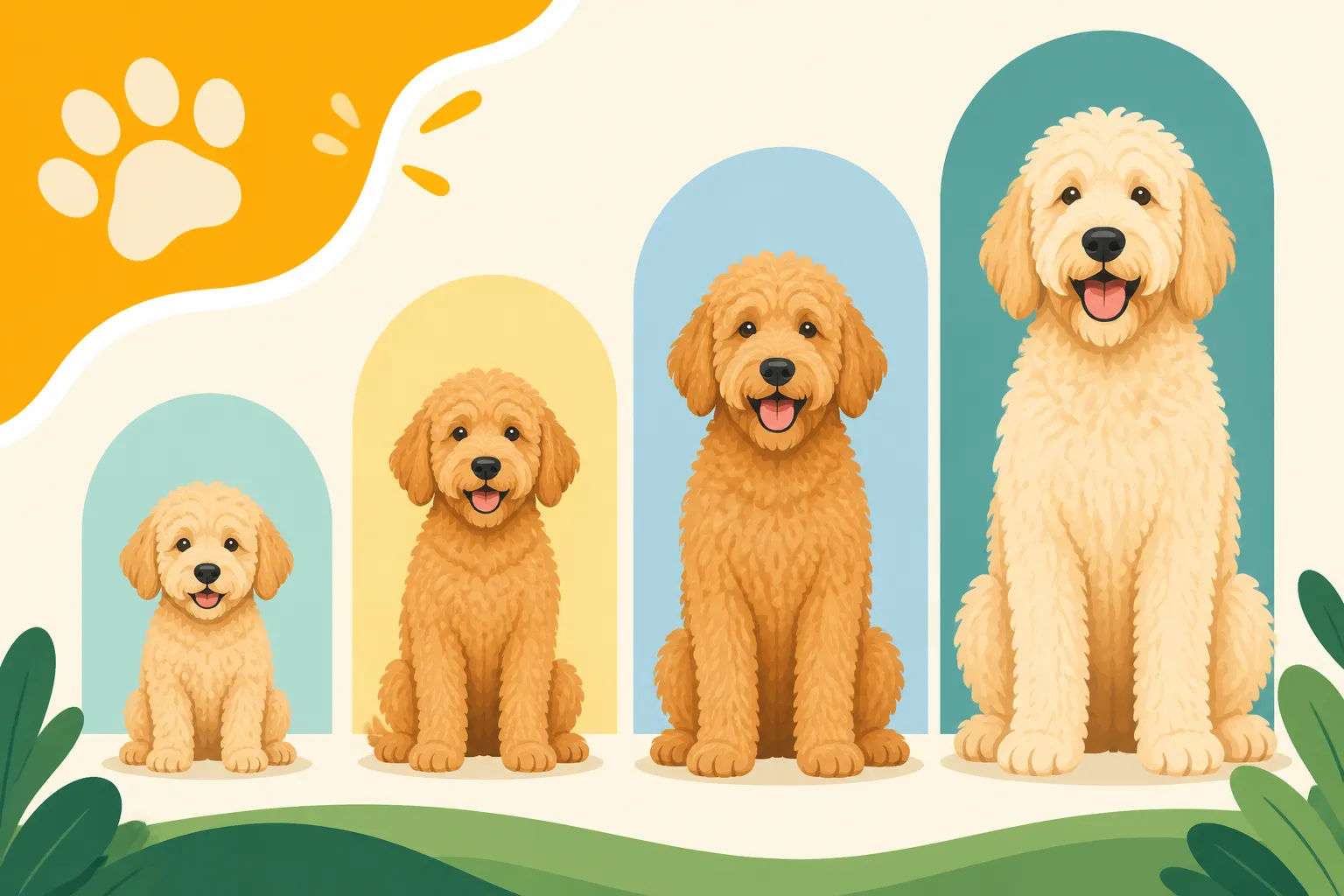
The Four Goldendoodle Sizes and How They Are Set
One of the biggest questions people have when considering a Goldendoodle is, "How big will this dog get?" It's a completely valid concern because predicting the adult size of your fuzzy companion can feel like a roll of the dice, and it significantly impacts everything from the size of crate you'll need to how much food they'll eat, and even whether they’ll be able to jump onto your sofa without a running start. This guide aims to clear up the common confusion around Goldendoodle sizing, helping you understand the factors that determine their ultimate stature and what to realistically expect when you bring one of these wonderful dogs into your home.
Understanding Goldendoodle Sizes: It's Not as Simple as "Small" or "Large"
When you dive into the world of Goldendoodles, you'll quickly realize that "Goldendoodle size" isn't a universally recognized standard like it might be for a purebred dog. There isn't an official kennel club dictating exact weight and height ranges for each category. This can be incredibly frustrating for prospective owners who just want a clear answer. Instead, breeders and the community have established general guidelines based on the size of the Poodle parent and, to a lesser extent, the Golden Retriever parent.
Why Goldendoodle Sizing Isn't Standardized
The primary reason Goldendoodle sizing lacks strict standardization is because they are a hybrid or crossbreed, not a recognized breed by major kennel clubs like the American Kennel Club (AKC). This means there's no official breed standard document that outlines precise measurements for "Toy," "Mini," "Medium," or "Standard" Goldendoodles. Each breeder often sets their own approximate ranges, and while there's general consensus, you might find slight variations from one breeder to another. One breeder's "mini" might be another's "medium," and this lack of uniformity can add to the confusion. It means that relying solely on a label without asking for specific height and weight expectations from the breeder can sometimes lead to surprises when your puppy grows up. This is also why checking health clearances on both parent dogs is so critical, as these are not officially tracked or mandated for crossbreeds.
The Influence of Parent Breeds on Size
The adult size of a Goldendoodle is overwhelmingly determined by the size of its Poodle parent, combined with the Golden Retriever contribution. Golden Retrievers are fairly consistent in size, typically weighing between 55-75 pounds and standing 21-24 inches tall at the shoulder. Poodles, however, come in four distinct size varieties: Standard, Medium (not always recognized by all kennel clubs but common in breeding), Miniature, and Toy.
- Standard Poodles are large dogs, usually over 15 inches tall and weighing 40-70 pounds, sometimes more. When a Standard Poodle is bred with a Golden Retriever, the resulting Goldendoodle is typically a Standard Goldendoodle.
- Miniature Poodles generally stand between 10-15 inches tall and weigh 10-15 pounds. Breeding a Miniature Poodle with a Golden Retriever produces a Mini Goldendoodle or a Medium Goldendoodle, depending on the size of the Poodle and the specific genetics at play.
- Toy Poodles are the smallest, usually under 10 inches tall and weighing 4-6 pounds. When a Toy Poodle is used, often through several generations of intentional down-sizing, the outcome is a Toy Goldendoodle.
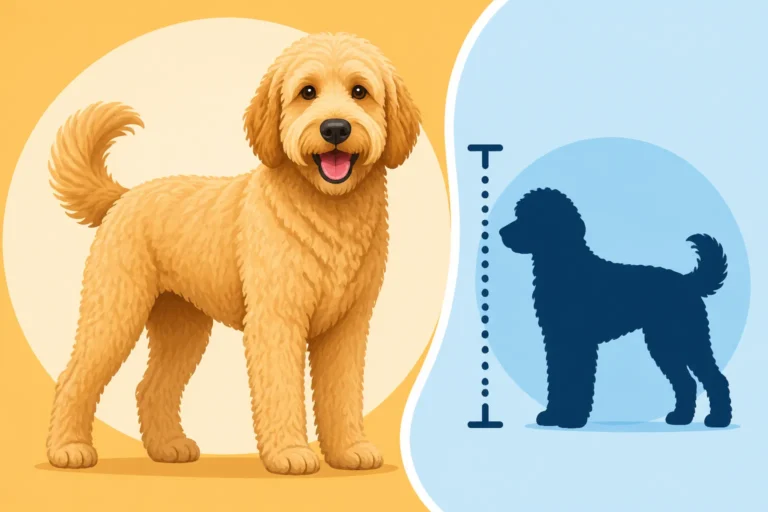
Understanding How the Poodle Parent Sets Goldendoodle Size is key. It's a common misconception that the Golden Retriever's size is the only factor, but the Poodle's genetic contribution to height and weight is paramount.
The Toy Goldendoodle: Tiny Package, Big Personality
The Toy Goldendoodle is often sought after by those living in smaller spaces or who prefer a more compact canine companion. Don't let their diminutive size fool you, though; these little dogs often pack the same lovable, energetic personality as their larger cousins.
Defining the Toy Goldendoodle's Typical Dimensions
When we talk about a Toy Goldendoodle, breeders are generally aiming for a dog that matures at a specific size. Typically, a fully grown Toy Goldendoodle will stand no more than 10-15 inches at the shoulder, with many falling closer to the 10-12 inch mark. Their weight usually ranges between 10 to 25 pounds, though you might find some that are slightly smaller or larger depending on their specific lineage and the size of the Toy Poodle parents involved in their breeding program. It's important to remember that these are averages, and individual puppies can always surprise you. When looking at puppies, ask your breeder for the estimated adult size, and remember that Toy Goldendoodle Height and Weight can vary.
For example, you might encounter a breeder who defines their Toy Goldendoodles as topping out at 18 pounds, while another might consider anything under 25 pounds to be a Toy. This slight discrepancy is why clear communication with a reputable breeder is so essential. Always ask for the projected adult size, both in height and weight, for the specific litter you are considering.
What Goes Into Breeding a True Toy Size
Achieving a consistent Toy Goldendoodle size isn't a simple process, and it often involves careful breeding practices over several generations. It typically starts with a Toy Poodle as one of the parent breeds, often bred with a smaller Miniature Poodle, or sometimes a Mini Goldendoodle is bred back to a Toy Poodle. The goal is to consistently produce puppies that fall within that smaller weight and height range. This often involves F1B (first-generation backcross) or multigen Goldendoodles, where there's a higher percentage of Poodle genetics, often from smaller Poodles.
Breeders focusing on Toy sizes will carefully select their breeding stock, ensuring that both parents come from lines that consistently produce smaller offspring. They'll also monitor puppy growth rates closely. It's not just about getting a small dog; it's about getting a healthy small dog. The smaller the dog, the more attention must be paid to certain health considerations, such as dental crowding, which can be an issue in very tiny mouths.
Living with a Toy Goldendoodle: Space and Care
Living with a Toy Goldendoodle offers unique advantages. Their compact size makes them ideal for apartment living or homes with limited yard space. They're often easier to travel with, fitting comfortably into airline-approved carriers or a smaller spot in the car. They also tend to have lower food expenses compared to their larger counterparts, though their grooming needs remain just as intensive, if not more so due to their delicate features.
Despite their small stature, Toy Goldendoodles still require regular exercise and mental stimulation. A couple of brisk walks a day, playtime in the house, or engaging with puzzle toys usually suffices. They are still Goldendoodles, after all, and possess that intelligent, eager-to-please nature. Their smaller size might mean you need to be extra vigilant about rough play with larger dogs or small children, as they can be more prone to accidental injury. You'll also find that their little paws can be quite adept at navigating tight spaces, making them excellent companions for cozy cuddles on the couch.
The Mini Goldendoodle: A Popular Mid-Range Choice
For many families, the Mini Goldendoodle strikes the perfect balance: not too big, not too small. They offer a manageable size while still retaining that characteristic Goldendoodle charm and a robust enough build for active play. This is often one of the most popular size categories, making them highly sought after.
The Mini Goldendoodle's Height and Weight Range
A Mini Goldendoodle generally stands between 13 and 20 inches tall at the shoulder. In terms of weight, you're usually looking at a dog that matures to be anywhere from 26 to 35 pounds. This range makes them significantly larger than a Toy Goldendoodle but still noticeably smaller than a Standard. The upper end of the Mini range can sometimes overlap with what some breeders might call a "petite medium" or even a "small medium," highlighting the fluidity in these classifications.
For example, a Goldendoodle standing 19 inches tall and weighing 32 pounds would comfortably fit into the Mini category, offering a substantial yet easily managed companion. This size is often a great fit for families with children who want a dog that can participate in outdoor activities without being overwhelming. To get a better sense of specific expectations, look for breeders who provide clear estimates for Mini Goldendoodle Height and Weight.
How Mini Goldendoodles Get Their Size
Mini Goldendoodles are typically the result of breeding a Miniature Poodle with a Golden Retriever. This "first generation" or F1 cross is often where you see the most variation within a litter, as the genetics from both parent breeds are expressing themselves. To achieve a more consistent Mini size or to reduce shedding potential, breeders will often create F1B (Mini Goldendoodle bred back to a Miniature Poodle) or multigen Mini Goldendoodles. This increases the Poodle percentage, which usually solidifies the smaller size range.
The careful selection of the Miniature Poodle parent is crucial here. A breeder won't just pick any Mini Poodle; they'll choose one from lines known for health, good temperament, and a consistent size that aligns with their goal for the Mini Goldendoodle offspring. The Golden Retriever parent, while more consistent in size, also contributes its genetic blueprint, and sometimes a slightly smaller Golden Retriever might be used in the breeding program to help nudge the offspring towards the Mini range.
Considerations for Mini Goldendoodle Owners
Owning a Mini Goldendoodle means you'll have a dog that's versatile enough for a variety of living situations. They adapt well to suburban homes with small yards, or even larger apartments, provided they get their daily exercise. They are sturdy enough to play vigorously with kids but not so large that they're difficult to handle on a leash for an older individual.
Their grooming needs are identical to their larger and smaller cousins: regular brushing to prevent matting, professional grooming every 6-8 weeks, and attention to their ears and dental health. Since they are still Poodle-crosses, many Mini Goldendoodles are prone to ear infections if their ears aren't cleaned regularly. Make sure you have a good quality slicker brush and comb, perhaps from a trusted brand like Chewy, to keep their coat in top condition. Their dietary needs will be less than a Standard, but more than a Toy, so be sure to monitor their weight carefully, as a thick Goldendoodle coat can easily hide extra pounds.
The Medium Goldendoodle: Often Overlooked, Just Right for Many
The Medium Goldendoodle is sometimes the forgotten middle child in the Goldendoodle family, often blending into the upper end of the Mini category or the lower end of the Standard. However, for many families, this size offers an ideal blend of robust presence and manageable dimensions.
What Constitutes a Medium Goldendoodle
Generally, a Medium Goldendoodle will stand between 17 and 21 inches tall at the shoulder. Their weight typically falls into the 36 to 50-pound range. This size makes them a solid, substantial dog, without reaching the sheer mass of a large Standard Goldendoodle. They're often seen as a comfortable "Goldilocks" size for families who find the Mini a bit too small for their lifestyle but don't want the full commitment of a Standard.
Think of it this way: a Medium Goldendoodle is roughly the size of a smaller female Golden Retriever or a larger male Standard Poodle. They have enough heft to make a confident statement, yet they can still curl up on the couch without completely displacing you. This size is particularly appealing to those who want a dog that feels substantial but isn't likely to knock over small children with an enthusiastic tail wag or when they express their Goldendoodle Jumping on Every Visitor tendencies.
The Blurry Line Between Mini, Medium, and Standard
One of the challenges with the Medium Goldendoodle category is its somewhat fluid definition. The line between a large Mini and a small Medium can be very fine, as can the distinction between a large Medium and a small Standard. This overlap is a natural consequence of hybrid vigor and the genetic variation inherent in crossbreeding. You might see a litter where some puppies are distinctly Mini, others are clearly Standard, and a few fall squarely into that Medium sweet spot, all from the same parents.
This is why understanding the parent dogs' sizes and previous litter outcomes (if available) from a reputable breeder is so important. A breeder aiming for Medium Goldendoodles might use a larger Miniature Poodle or a smaller Standard Poodle in conjunction with a Golden Retriever. The genetic contributions are a fascinating mix, and predicting exact size is an art as much as a science. Don't be afraid to ask for specific size estimates and ranges, rather than just relying on the "Medium" label.
Lifestyle Compatibility for a Medium Goldendoodle
Medium Goldendoodles are incredibly adaptable and can thrive in various living situations. They are generally well-suited for families with or without children, active singles, or even retirees who enjoy regular walks and outdoor activities. Their size makes them less fragile than a Toy, and their energy levels, while still significant, are often a bit easier to manage than a large Standard, especially during the adolescent "zoomies" phase.
These dogs still require ample exercise, likely 45-60 minutes of active play or walking per day, plus mental stimulation. Their grooming needs are on par with all Goldendoodles, meaning consistent brushing and professional trims are non-negotiable. They are a great size for bringing on adventures – whether it's a hike in the woods or a road trip, they fit into most vehicles comfortably and can handle a good amount of activity. When looking for products like travel crates or beds, consider browsing options on Chewy, which offers a wide range of sizes to perfectly accommodate a Medium Goldendoodle.
The Standard Goldendoodle: The Original and Grandest Size
The Standard Goldendoodle embodies the initial vision of the crossbreed: a friendly, intelligent, and substantial companion. This is the largest size category, showcasing the full potential of both the Golden Retriever and Standard Poodle lineages.
Typical Measurements of a Standard Goldendoodle
When you picture a Standard Goldendoodle, think big and beautiful! These dogs typically stand over 21 inches tall at the shoulder, with many reaching 22-26 inches or even a bit more. Their weight can range significantly, usually falling between 50 and 90 pounds, though some very large males can occasionally push past the 100-pound mark. This impressive size gives them a commanding presence and an abundance of fluffy charm. To compare, a Standard Goldendoodle will often put them in the same size category as A Goldendoodle Next to a Purebred Golden Retriever.
Imagine a majestic, shaggy dog happily retrieving a ball for you in the park, or standing proudly beside you on a walking trail. That's often the image of a Standard Goldendoodle. They're substantial dogs that require adequate space and a commitment to their physical and mental well-being. Their large size often correlates with a hearty appetite and a need for robust, durable toys that can withstand their enthusiastic play.
The Role of the Standard Poodle and Golden Retriever
The Standard Goldendoodle is typically the result of breeding a Standard Poodle with a Golden Retriever. This combination brings together the best of both worlds: the robust build, friendly disposition, and biddability of the Golden Retriever, coupled with the intelligence, athleticism, and lower-shedding coat (when present) of the Standard Poodle.
The genetic influence from both these noble breeds contributes to the Standard Goldendoodle's impressive stature and often robust health. Both parent breeds are known for being excellent family dogs, and their offspring typically inherit these desirable traits, scaled up to a larger size. It's important to remember that even within the Standard size, there can be variation. Some Standard Poodles are on the smaller side of the spectrum, while others are quite large, and this variation will be reflected in their Goldendoodle offspring. Similarly, a Golden Retriever's build and size can influence the Goldendoodle's ultimate frame. Knowing a bit about A Goldendoodle Next to a Standard Poodle can provide great perspective here.
Space, Exercise, and Feeding for a Standard Goldendoodle
Bringing a Standard Goldendoodle into your home requires a bit more planning than a smaller dog. They need ample space, both indoors and out. While they can adapt to apartment living if they get significant outdoor exercise, a home with a yard is often preferable. They are active dogs that require at least 60 minutes or more of vigorous exercise daily, which could include long walks, runs, hikes, or extensive play sessions. Mental stimulation is also crucial for these intelligent dogs, so don't forget puzzle toys and training sessions.
Their feeding requirements will be substantial. You'll need to budget for larger bags of high-quality dog food, and carefully monitor their portions to prevent obesity, which can put strain on their joints. Consider checking Daily Calories by Goldendoodle Size Category to help manage their diet. Regular professional grooming is non-negotiable, as their large, often curly coats can mat quickly without diligent care. This is a significant ongoing expense, often the biggest line item in the budget after food. In fact, Goldendoodle Grooming as the Biggest Line in the Budget is a common refrain among owners of all Goldendoodle sizes, but especially for Standards, due to the sheer volume of coat.
Factors That Influence Goldendoodle Size: Beyond Just Parents
While the size of the Poodle parent is the most significant determinant of a Goldendoodle's adult size, it's not the only factor at play. Genetics are complex, and several other elements can influence how big your Goldendoodle ultimately gets.
The Genetics of Growth: Predictability and Variation
Even when breeding two dogs of a specific size, there's always a degree of genetic variation within a litter. This is part of the charm and challenge of crossbreeding. You can have two puppies from the same litter, both expected to be "Mini," but one might mature at 25 pounds and 14 inches, while the other hits 35 pounds and 19 inches. This variation is a hallmark of hybrid dogs like Goldendoodles.
Predictability tends to increase with later generations, like F1Bs or Multigen Goldendoodles, especially when the breeding lines have been carefully selected for consistent size for many generations. However, an F1 Goldendoodle (direct cross between a Golden Retriever and a Poodle) can sometimes throw curveballs, as the genetic mix is a true 50/50 blend, and the expression of dominant and recessive genes can be more unpredictable. This is why Why an F1 Goldendoodle Is the Least Predictable Healthwise also applies to some extent to size. The Goldendoodle's "growth plates" also play a critical role, and understanding Goldendoodle Growth Plates by Size Category can give you insight into when your puppy's rapid growth period will end.
Nutrition and Health's Impact on Adult Size
Proper nutrition during puppyhood and adolescence is absolutely vital for healthy growth and reaching a dog's full genetic potential. Puppies need a diet specifically formulated for their growth stage, particularly large breed puppy food for Standard Goldendoodles, to ensure their bones and joints develop correctly. Overfeeding a puppy, especially a large breed, can lead to excessively rapid growth, which can put undue stress on developing joints and potentially contribute to conditions like hip or elbow dysplasia later in life.
Conversely, underfeeding or providing inadequate nutrition can stunt a dog's growth. Illnesses or parasitic infections during critical growth periods can also impact a puppy's overall size and development. A healthy, well-nourished puppy is more likely to grow to its full, genetically determined adult size. Regular vet check-ups are important to ensure your puppy is growing appropriately and to catch any health issues early.
Why Goldendoodle Size Charts Disagree
If you've spent any time researching Goldendoodles online, you've probably noticed that size charts and weight ranges can differ from one website or breeder to another. This inconsistency isn't a sign of misinformation, but rather a reflection of the lack of official breed standards for Goldendoodles. As a hybrid, there's no single governing body setting these parameters.
Each breeder or Goldendoodle enthusiast group might establish their own working definitions based on their experience and breeding goals. One breeder might consider a dog "Mini" up to 30 pounds, while another might push that to 35 pounds. This means you really have to do your homework. Instead of just accepting a label, ask for specific measurements and weight ranges when you are discussing a puppy with a breeder. Don't be shy about asking for photos of the parent dogs and even previous litters to get a visual sense of what their puppies mature into. This helps clarify Why Goldendoodle Size Charts Disagree and helps you manage your expectations.
Predicting Your Goldendoodle Puppy's Adult Size
While no one has a crystal ball, there are several methods and cues that can help you get a reasonably accurate estimate of your Goldendoodle puppy's adult size. It's an exciting part of puppy ownership, imagining what your little fluffball will grow into!
Early Indicators and Growth Rate
One of the most common ways to estimate a Goldendoodle's adult size is by looking at their growth curve during puppyhood. Goldendoodles, like most dogs, go through rapid growth spurts. Generally, they will do about 80% of their growing in the first 6-8 months, with larger breeds taking a bit longer to fully mature.
- Paw Size: While not an exact science, looking at a puppy's paws can offer a clue. Larger, somewhat "oversized" paws for their current body usually indicate more growing to do.
- Weight at 8 or 16 Weeks: Some breeders and owners use general rules of thumb. For many dogs, their weight at 16 weeks (4 months) can be roughly doubled to estimate their adult weight. For toy and mini Goldendoodles, some might multiply their 8-week weight by 4. These are very rough estimates, but they can give you a ballpark figure.
- Puppy Growth Charts: There are generic puppy growth charts available online that can give you a visual representation of how different sizes of puppies grow. While not specific to Goldendoodles, they can help you understand growth patterns.
Remember, these are just indicators. Growth can be uneven, and sometimes a puppy will hit a growth spurt later than expected. The most reliable information will always come from your breeder.
Consulting Your Breeder for Size Estimates
Your breeder is your best resource for predicting your Goldendoodle's adult size. They have intimate knowledge of the parent dogs, their lineage, and the sizes of previous litters. A good breeder will be able to provide you with an informed estimate based on several factors:
- Parent Sizes: They can tell you the exact height and weight of the sire (father) and dam (mother).
- Pedigree Research: They know the sizes of grandparents and other close relatives.
- Previous Litters: If the parents have had previous litters, the breeder can share the adult sizes of those offspring, which is often the most accurate predictor.
- Puppy's Current Growth: They track the puppy's weight and development from birth, giving them a good sense of its trajectory.
Don't hesitate to ask your breeder for a written estimate of the projected adult height and weight for your specific puppy. This transparency is a hallmark of a responsible breeder and can greatly ease your mind. This information is key to Predicting a Goldendoodle Puppy's Adult Size.
Accepting the Range: Surprises Happen!
Despite all the careful predictions and estimates, it's crucial to approach Goldendoodle sizing with a healthy dose of flexibility. Surprises do happen. Sometimes a "Mini" might grow to be on the larger side of the Medium range, or a "Standard" might end up being a smaller, more athletic 50-pound dog. This is simply the nature of genetics and hybrid vigor.
It’s important to love your Goldendoodle for who they are, regardless of whether they precisely match the predicted size. After all, their personality, health, and bond with you are far more important than a few inches or pounds. Prepare for a range, not an exact measurement, and be ready to adjust your expectations slightly if your furry friend decides to color outside the lines of their predicted growth chart. The joy they bring will undoubtedly outweigh any minor size discrepancies.
The Practical Implications of Goldendoodle Size
The size of your Goldendoodle isn't just a number; it has tangible impacts on nearly every aspect of their care and your daily life together. From the practicalities of living space to the costs involved, size plays a significant role.
Impact on Living Space and Travel
A Toy or Mini Goldendoodle can be an excellent companion for apartment dwellers or those with smaller homes. They don't require vast amounts of indoor space and are often content curling up in a corner or on a dedicated dog bed. Their compact size also makes them much easier to travel with. A Toy Goldendoodle might fit comfortably in a soft-sided carrier under an airline seat, while a Mini can often travel happily in a larger crate in the car without taking up the entire back seat.
A Standard Goldendoodle, on the other hand, demands more room. They need space to stretch out, play, and navigate without constantly bumping into furniture or people. While they can adapt to apartment living, it requires a significant commitment to daily, vigorous outdoor exercise. Traveling with a Standard Goldendoodle often means a large crate in the cargo area of an SUV or van, or a dedicated area in an RV. Even a simple trip to the vet can be different; fitting a large dog into a small car is a challenge many Standard Goldendoodle owners face.
Grooming, Feeding, and Vet Care Differences
The size of your Goldendoodle directly correlates with several ongoing expenses and care requirements:
- Grooming: Larger Goldendoodles have more hair, which means professional grooming sessions take longer and generally cost more. A Standard Goldendoodle groom, for example, will almost always be more expensive than a Toy Goldendoodle groom, even with the same cut. The time you spend brushing at home will also increase with the volume of coat.
- Feeding: This is perhaps the most obvious difference. A 15-pound Toy Goldendoodle will eat significantly less food than an 80-pound Standard Goldendoodle. This impacts your monthly budget for dog food. You'll buy smaller bags of food less frequently for a tiny dog, and large, frequent bags for a big one. You can find all sizes of dog food, bowls, and even automatic feeders for different sized dogs on Chewy.
- Vet Care: While routine vet visits might have similar examination fees, medication dosages (like flea and tick preventatives, heartworm medication, or antibiotics) are typically dosed by weight. This means larger dogs generally require more medication, leading to higher costs. Procedures like anesthesia or surgery can also sometimes be more expensive for larger dogs due to increased medication needs and the physical demands of handling a larger patient.
Understanding What a Goldendoodle Puppy Costs and Why is vital, and a large part of that equation depends on their eventual adult size.
Exercise Needs Across Sizes
While all Goldendoodles are active and intelligent dogs that require regular exercise and mental stimulation, the intensity and duration of that exercise will vary significantly by size.
- Toy Goldendoodles: Need daily walks and playtime, but their smaller legs mean they tire more quickly. Short, brisk walks (20-30 minutes) combined with indoor play and puzzle toys are often sufficient.
- Mini and Medium Goldendoodles: Require moderate to vigorous exercise. Aim for 45-60 minutes of active exercise daily, which could include longer walks, fetch in the yard, or a trip to the dog park. They have more stamina than Toys but might not need the extreme endurance of a Standard.
- Standard Goldendoodles: These are active, athletic dogs that need substantial daily exercise to stay happy and well-behaved. An hour or more of vigorous activity, such as running, hiking, swimming, or extensive fetch sessions, is usually necessary. Without enough exercise, a large Goldendoodle can become restless, destructive, or develop behavioral issues.
No matter the size, consistent training and mental enrichment are crucial. A tired Goldendoodle is a good Goldendoodle, and that applies whether they're 15 pounds or 85 pounds.
Disclaimer
This article is for general informational purposes only and does not constitute professional advice. Laws, prices and regulations vary by location and change over time. Consult a qualified professional for guidance on your specific situation.