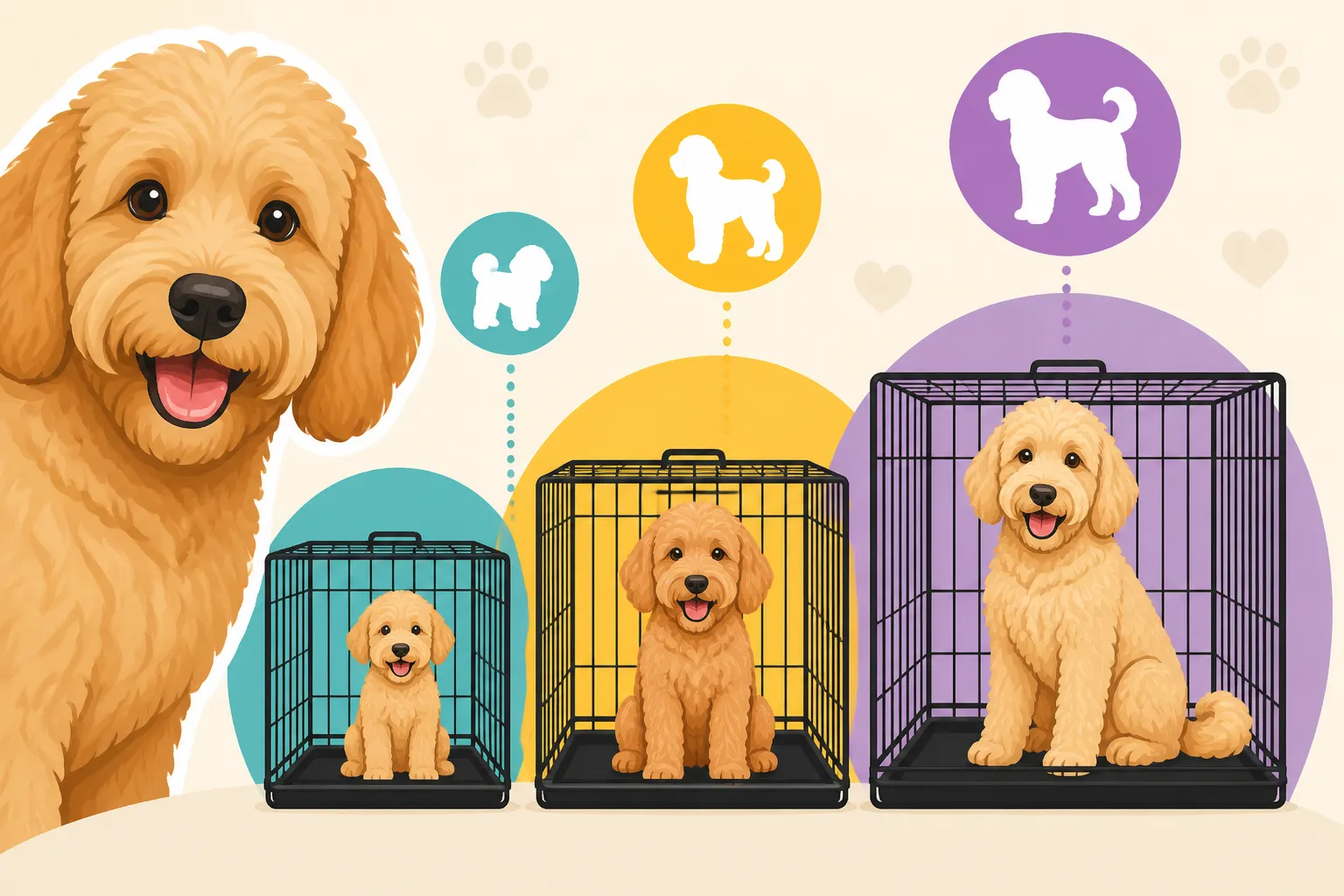
Crate Size Set by Goldendoodle Size Category
Bringing a Goldendoodle into your home is an incredibly exciting time, but one common hurdle new owners face is figuring out the perfect crate size for a dog that seems to grow at warp speed. It’s not just about finding a box they can fit into; it’s about providing a safe, comfortable, and appropriately sized den that aids in training and prevents potential issues. This guide will walk you through everything you need to know about choosing the right crate for your Goldendoodle, ensuring it suits them from their rambunctious puppy days right through to their calm adult years, considering their specific size category and needs.
Understanding Why Crate Size Isn't One-Size-Fits-All for Goldendoodles
It's tempting to think bigger is always better when it comes to a dog's space, especially when you see those adorable Goldendoodle puppies, but with crates, that's often not the case. The "just right" size is crucial for both effective training and your dog's long-term well-being. Getting it wrong can lead to setbacks and discomfort.
The Importance of a Snug, Not Spacious, Fit for Puppies
When you first bring home a Goldendoodle puppy, their crate is going to be one of your most valuable tools for house training. This is where a snug fit truly shines. If a crate is too large, your clever little puppy might decide to use one end as a sleeping area and the other end as a potty spot. They'll quickly figure out they don't have to hold it, which completely defeats the purpose of crate training for bladder control. The goal is for the crate to be just big enough for them to stand up, turn around, and lie down comfortably – mimicking a natural den where they wouldn’t want to soil their sleeping area.
Many wire crates come with adjustable dividers for this very reason. You can purchase a crate sized for your Goldendoodle's full adult weight and use the divider to make it smaller for their puppy phase. As they grow, you simply expand the usable space, saving you from buying multiple crates. This also plays into their innate denning instinct; a smaller, enclosed space feels safer and more secure to a young pup than a vast, open area. This sense of security can be particularly important during their first few weeks in a new home, offering a quiet retreat from the hustle and bustle.
The Impact of Crate Size on Comfort and Safety for Adults
Once your Goldendoodle is fully grown, the crate still needs to be appropriately sized, though for different reasons. An adult dog needs to be able to comfortably stand without hunching, turn around easily, and stretch out when lying down. A crate that's too small for a full-grown Goldendoodle isn't just uncomfortable; it can be unsafe. Imagine trying to spend hours in a cramped space—it can lead to stiffness, muscle strain, or even pressure sores over time. For active breeds like Goldendoodles, joint health is already a consideration, so providing ample space to shift positions and stretch is key to avoiding unnecessary strain. Proper Goldendoodle Joint Health by Size Category starts with appropriate living spaces.
Conversely, a crate that's excessively large for an adult dog, beyond allowing comfortable movement, doesn't offer the same secure "den" feeling. While it might seem harmless, some dogs can feel less secure in an overly spacious crate. It also means they might have too much room to pace or fidget if they're a bit anxious, which can make the crate less effective as a calming tool. The right size balances freedom of movement with the cozy, secure environment that makes a crate a positive place for your Goldendoodle.
Matching Crate Dimensions to Your Goldendoodle's Predicted Adult Size
Goldendoodles come in a delightful array of sizes, from dainty Toys to robust Standards, and their adult dimensions will dictate the crate size you ultimately need. It's crucial to consider their genetic background and the typical size ranges for each category when making your selection. This also ties into important conversations about their overall health, as their size category will also impact things like their Goldendoodle Growth Plates by Size Category and even their Goldendoodle Weight and the Load on Its Joints.
Standard Goldendoodles: The Big Ones Need Big Homes
Standard Goldendoodles are the largest of the bunch, typically weighing anywhere from 50 to 90 pounds, sometimes even more, and standing tall at 20 to 24 inches or more at the shoulder. For these magnificent dogs, you're going to need a substantial crate. Generally, a 42-inch or 48-inch crate is appropriate.
Let’s break down what those dimensions mean:
- 42-inch crate: Often measures about 42”L x 28”W x 30”H. This size is usually good for Goldendoodles in the 60-80 pound range.
- 48-inch crate: Typically measures about 48”L x 30”W x 33”H. This is ideal for Goldendoodles pushing 80-90+ pounds.
When choosing, remember that a Golden Retriever parent can contribute to a larger, more robust build, while a Standard Poodle parent can lean towards a leaner, but still tall, frame. Always aim for the upper end of the suggested range if your Goldendoodle puppy's parents were on the larger side, or if they're expected to be particularly fluffy. Reputable brands like Midwest and Frisco (available on Chewy, for example) offer a wide selection of these larger, durable wire crates that can withstand the energy of a full-sized Goldendoodle.
Medium Goldendoodles: Finding the Balance
Medium Goldendoodles typically fall into the 30 to 50-pound range and stand about 17 to 20 inches tall. They're a popular choice for families who want a substantial dog but perhaps don't have the space for a full Standard. For these Goldendoodles, a 36-inch or 42-inch crate is usually the sweet spot.
- 36-inch crate: Around 36”L x 24”W x 26”H. This size is often suitable for Goldendoodles in the 30-40 pound range.
- 42-inch crate: As mentioned above, this larger option can also work for a fluffier or slightly larger Medium Goldendoodle, especially if they are at the higher end of the weight range (e.g., 45-55 pounds).
When selecting for a Medium Goldendoodle, pay close attention to the predicted adult size, which can be somewhat variable depending on whether they are an F1, F1b, or Multigen. Understanding The Four Goldendoodle Sizes and How They Are Set is key. If you're unsure, it's often better to go slightly larger (like the 42-inch) and use a divider if needed during the puppy phase, rather than buying one that might quickly become too small.
Mini and Toy Goldendoodles: Smaller Doesn't Mean Tiny
Mini Goldendoodles typically weigh 15 to 30 pounds and stand 13 to 16 inches tall, while Toy Goldendoodles are even smaller, usually under 15 pounds and under 13 inches tall. These delightful smaller companions still need a crate that allows them to move comfortably.
- 24-inch crate: Often measures 24”L x 18”W x 20”H. This is generally suitable for Toy Goldendoodles and smaller Mini Goldendoodles (e.g., 10-20 pounds).
- 30-inch crate: Around 30”L x 19”W x 21”H. This size works well for larger Mini Goldendoodles (e.g., 20-30 pounds).
Even though they're small, Mini and Toy Goldendoodles are still Goldendoodles—active, playful, and needing their space. Don't underestimate their need for a crate that allows them to stretch out fully. For puppies, the divider is still incredibly helpful. When considering a small Goldendoodle, you might also be looking at specific health considerations, such as a tendency for Dental Crowding in a Toy Goldendoodle Mouth, which is a unique aspect of their smaller size. While this isn't directly crate-related, it highlights that size impacts all aspects of their care. You can use this handy table to get a general idea of crate sizes:
| Goldendoodle Size Category | Typical Adult Weight (lbs) | Typical Adult Height (inches) | Recommended Crate Length (inches) | Example Crate Dimensions (L x W x H) |
|---|---|---|---|---|
| Toy | 10-15 | < 13 | 18-24 | 24" x 18" x 20" |
| Mini | 15-30 | 13-16 | 24-30 | 30" x 19" x 21" |
| Medium | 30-50 | 17-20 | 36-42 | 36" x 24" x 26" or 42" x 28" x 30" |
| Standard | 50-90+ | 20-24+ | 42-48 | 42" x 28" x 30" or 48" x 30" x 33" |
Note: These are general guidelines. Always measure your individual dog and consult breeder predictions for accurate sizing.
Beyond Wire: Types of Crates and Their Practicality
While wire crates are incredibly popular and often the go-to for many Goldendoodle owners, they're not the only option on the market. Different types of crates offer various benefits and drawbacks, making it worth exploring what might best suit your lifestyle, your Goldendoodle's personality, and your home aesthetics.
Wire Crates for Ventilation and Training Flexibility
Wire crates are by far the most common type, and for good reason. Their open design provides excellent ventilation, which is crucial for Goldendoodles, especially those with thicker, curlier coats that can easily overheat. The visibility also allows your Goldendoodle to see what's going on around them, which can be comforting for some dogs and help them feel less isolated. This visibility can be particularly useful for keeping an eye on a new puppy during those critical early weeks of training, allowing you to gauge if they're getting restless or need a potty break.
One of the biggest advantages of wire crates, as discussed, is the ability to use a divider. This means you can buy one crate that will last your Goldendoodle from puppyhood right through to adulthood. They're also relatively easy to clean—a quick wipe-down for small messes, and they can be hosed down outside for bigger ones. You can find a vast selection of wire crates, from basic models to heavy-duty options, on sites like Chewy, making it easy to compare features and prices. However, some Goldendoodles, particularly those prone to anxiety, might not feel as secure in such an open environment, and a determined dog might try to bend the wires or escape if not properly introduced.
Plastic Crates for Travel and Den-Like Security
Plastic crates, often called "airline-approved" or "travel crates," offer a more enclosed, den-like environment. Many dogs feel incredibly secure in these types of crates because they offer fewer visual distractions and a more private space. This can be a huge benefit for Goldendoodles who might be easily overstimulated or those who prefer a cozier retreat. The solid sides also prevent them from seeing everything happening around them, which can promote calm and relaxation, especially in busy households.
These crates are excellent for travel, as their sturdy construction provides a safe containment option for car rides and even air travel (always check airline regulations). They're generally lighter than wire crates of comparable size, making them more portable if you need to move them frequently. However, plastic crates do have some downsides. They typically offer less ventilation than wire crates, which means you need to be mindful of airflow, especially in warmer weather. Cleaning can also be a bit more cumbersome since they don't fold flat and have more enclosed surfaces. And unlike wire crates, most plastic crates don't come with dividers, so you might need to purchase different sizes as your Goldendoodle grows.
Furniture-Style Crates for Blending into Your Home
For owners who want their dog's crate to integrate seamlessly into their home decor, furniture-style crates are a fantastic solution. These crates are designed to look like end tables, console tables, or even decorative cabinets, effectively camouflaging the crate while providing a functional piece of furniture. They often come in attractive finishes and materials like wood, MDF, or metal with decorative elements, elevating the look beyond a standard wire or plastic kennel.
The main advantage here is aesthetic appeal. You don't have to hide the crate in a back room; it can become a focal point or blend right into your living space. For Goldendoodles, these can still provide that cozy den feeling, depending on the design. However, furniture-style crates are typically the most expensive option. They are also generally less portable due to their weight and construction, and most do not feature adjustable dividers, meaning you'd likely need to buy a puppy-sized crate and then a larger furniture-style one for adulthood. While they look great, always prioritize ventilation and ease of cleaning when selecting one, as these factors are crucial for your Goldendoodle's health and hygiene.
Setting Up and Acclimating Your Goldendoodle to Their New Den
Getting the right crate size is just the first step; making it a positive and welcoming space for your Goldendoodle is equally, if not more, important. A crate should never be seen as a punishment, but rather a safe haven, a quiet retreat where your dog feels secure and content. This positive association is critical for successful crate training and for your Goldendoodle's overall well-being.
Making the Crate a Positive Space
From the moment your Goldendoodle puppy arrives, the crate needs to be introduced as a wonderful place to be. Start by placing it in a high-traffic area of your home, like the living room, so they don't feel isolated. Fill it with soft, comfortable bedding—something machine-washable is always a good idea, especially with puppies. Add a few safe, engaging toys, like a Kong stuffed with peanut butter or a puzzle feeder with some of their daily kibble. You can even consider some of the nutritious dog food options like those offered by Ollie, as special treats for crate time. The goal is to make every interaction with the crate positive and rewarding.
Never force your Goldendoodle into the crate. Instead, use treats and praise to lure them in. Let them explore it on their own terms. Feed meals inside the crate with the door open. Gradually, you can close the door for short periods while they're eating, slowly increasing the duration. The more positive experiences they have in the crate, the more they will see it as their personal, happy space. This positive reinforcement is key to avoiding issues like separation anxiety, which can impact Goldendoodles from both parent lines. A good resource for understanding their initial adjustment is "Settling a Goldendoodle Puppy Into Its First Week."
Gradual Introduction and Training Steps
Crate training is a process, not a one-time event. It requires patience and consistency. Start with very short periods, even just a few minutes, while you're still in the room. Give them a special treat or toy only when they're in the crate. As they become comfortable, gradually extend the time. Once they're relaxed in the crate for longer stretches, you can start leaving the room for a few minutes, then returning. Slowly build up to longer periods alone.
One common frustration for new owners is a Goldendoodle puppy that cries or barks in the crate. It's tough, but it's important not to give in immediately, as this teaches them that crying gets your attention. Wait for a moment of silence before opening the door or interacting. If you're struggling with a puppy that's protesting loudly, you might find valuable insights in "Crate Training a Goldendoodle That Screams." Consistency is key, and enrolling in a good puppy class can also provide professional guidance on making the crate a positive experience. Remember to always provide potty breaks before and immediately after crate time to prevent accidents and reinforce good habits.
Essential Accessories for Crate Comfort and Cleanliness
Beyond the crate itself, a few accessories can significantly enhance your Goldendoodle's comfort and make crate management easier for you.
- Crate Bedding: Opt for a comfortable, durable, and machine-washable bed or mat. Chewy offers a wide variety of orthopedic, cooling, and plush beds perfect for Goldendoodles of all sizes. For puppies, a simpler, more chew-resistant mat might be better until they're past the Goldendoodle Puppy Biting and Mouthing phase.
- Water Bowl: A water bowl that attaches to the crate bars is essential, especially for longer crate durations. This prevents spills and keeps water easily accessible without taking up floor space.
- Safe Toys: Always include a few safe, non-consumable toys to keep your Goldendoodle entertained and to help redirect any chewing instincts. Rotate toys to keep them novel and exciting.
- Cover (Optional): Some dogs prefer a den-like atmosphere that's darker. A crate cover can help create this cozy environment, reducing visual distractions and promoting sleep. Make sure it still allows for adequate ventilation.
Maintaining cleanliness is also paramount. A clean crate is a comfortable crate, and it’s especially important for Goldendoodles, who can be prone to certain issues if their environment isn’t kept tidy. Regular cleaning of bedding helps prevent skin irritations and keeps unpleasant odors at bay. Furthermore, maintaining good hygiene around your Goldendoodle’s ears, especially those floppy, furnished Goldendoodle ears, is essential. While not directly crate-related, a dirty environment can contribute to issues like Goldendoodle Ear Infections That Return Every Month, which can be a recurring problem if not managed with diligence. Finally, consider pet insurance from providers like Healthy Paws; while it won't prevent crate accidents, it can certainly help with the unexpected vet bills that sometimes arise from owning an active Goldendoodle.
Disclaimer
This article is for general informational purposes only and does not constitute professional advice. Laws, prices and regulations vary by location and change over time. Consult a qualified professional for guidance on your specific situation.