Feeding an Old Goldendoodle With Worn Teeth
It's heartbreaking to see your once-vibrant Goldendoodle start slowing down, especially when mealtimes, which were once a joyous event filled with enthusiastic tail wags and happy chomping, become a struggle. As our beloved Goldendoodles reach their golden years, it's common for their bodies to show the wear and tear of a happy life, and their teeth are often among the first places to really feel it. This guide is all about helping you navigate those challenges, offering practical, empathetic advice on how to adjust your senior Goldendoodle's diet and feeding methods so they can continue to enjoy their food comfortably and get the nutrition they need.
Understanding Why Worn Teeth Are a Problem for Senior Goldendoodles
Those pearly whites that once shredded toys and crunched kibble with gusto aren't as robust as they used to be. For many senior Goldendoodles, worn teeth become a significant barrier to comfortable eating, and it's a frustration many owners face. It's not just about cosmetic changes; it's about genuine discomfort that can impact their overall health and happiness.
The Natural Progression of Dental Wear
Think about how much work your Goldendoodle's teeth have done over the years! From puppyhood, gnawing on everything in sight, to a lifetime of chewing crunchy kibble, play-biting toys, and maybe even a few forbidden objects (we’ve all been there!), those teeth have been put through their paces. Just like our own teeth, canine teeth experience cumulative wear and tear. Over time, the enamel can erode, leading to flatter, smoother surfaces, and sometimes even exposing the more sensitive dentin underneath.
This natural progression means that what was once a strong, efficient chewing apparatus might now be a source of discomfort. Goldendoodles, with their Poodle and Golden Retriever genetics, often have a strong desire to chew and mouth objects, which, while healthy in younger years, can contribute to significant dental wear by the time they’re seniors. Imagine trying to eat a hard cracker with a sensitive tooth – that’s often what our older pups are going through at mealtime. It's a silent struggle that can be easily missed if we're not paying close attention.
Beyond Just Wear: Other Dental Issues in Older Dogs
Worn teeth rarely act alone. As dogs age, they are incredibly prone to developing other serious dental issues that compound the problem. The most prevalent is gum disease, which can range from mild gingivitis (inflammation of the gums) to severe periodontitis, where the supporting structures of the teeth are damaged. This can lead to incredibly painful infections, bone loss, and even tooth loss. You might notice your Goldendoodle has particularly bad breath, which isn't just unpleasant; it's often a tell-tale sign of active infection in their mouth. For more on this, you might want to read Goldendoodle Tartar and Gum Disease.
Beyond gum disease, worn teeth are also more susceptible to chipping or breaking, especially if your Goldendoodle still tries to chew on hard items. A broken tooth, or one that has become loose due to bone loss from periodontal disease, can expose the pulp, leading to agonizing pain and the risk of abscesses. Sometimes, the issue isn't just wear but also overcrowding, which can lead to plaque and tartar buildup in hard-to-reach places, as detailed in Dental Crowding in a Toy Goldendoodle Mouth (even if your Goldendoodle isn't a toy size, the principles of dental crowding and its issues can apply). It’s crucial to understand that these problems aren't just an inevitable part of aging; they're treatable and manageable conditions that significantly impact your dog's quality of life.
Recognizing the Signs Your Goldendoodle's Teeth Are Causing Eating Issues
Our Goldendoodles are masters at hiding discomfort, a trait inherited from their wild ancestors. They might not yelp every time their tooth hurts, but subtle changes in their behavior can signal that their worn teeth are making mealtime a painful ordeal. Learning to spot these clues is the first step toward helping them.
Behavioral Clues at Mealtime
One of the most obvious signs that your senior Goldendoodle is struggling with worn teeth is a change in their mealtime behavior. What once was an eager, gobbling pup might now approach their bowl with hesitation. You might notice them:
- Reluctance to eat: They might sniff their food but walk away, or take a long time to start eating.
- Dropping food: They pick up a piece of kibble, but it falls out of their mouth before they can chew it. This can be due to pain or difficulty grasping.
- Chewing on one side: If one side of their mouth is more painful, they’ll naturally favor the other, leading to an uneven chewing pattern.
- Whining or yelping: While rare, a sudden sharp pain can cause them to vocalize during chewing.
- Taking longer to eat: They might chew very slowly, carefully, or pause frequently during a meal that used to be devoured in minutes.
- Leaving food behind: Even if they finish some, they might leave pieces of food they once loved.
- Preference for softer foods: You might observe them eagerly accepting soft treats but refusing hard kibble or chews.
These subtle shifts are their way of telling you something isn't right. It's not about being picky; it's about pain.
Physical Indicators of Dental Discomfort
Beyond changes at the food bowl, there are physical signs that can point to dental distress. A regular peek into your Goldendoodle’s mouth (if they’ll allow it comfortably) can reveal a lot, but even outward signs are important.
- Bad breath: This is probably the number one overlooked sign. That distinct "dog breath" isn't normal; it's almost always a symptom of bacterial overgrowth from plaque and tartar, indicating infection and gum disease.
- Pawing at the mouth or rubbing face: Your Goldendoodle might try to alleviate discomfort by pawing at their mouth, or rubbing their face along furniture or the floor.
- Visible tartar buildup: Yellow or brown crust on the teeth, especially near the gum line, is a clear sign of dental disease.
- Red, swollen, or bleeding gums: Healthy gums should be pink, not red or inflamed. Any bleeding, even slight, is a warning sign.
- Weight loss: If eating is painful, your dog might eat less, leading to unintentional weight loss. Keeping track of their body condition is vital for older dogs, especially when their beautiful Goldendoodle coat can hide changes.
- Changes in personality: Chronic pain can make any dog irritable, withdrawn, or less enthusiastic about activities they once enjoyed. A noticeable shift in temperament could be linked to dental pain.
If you observe any of these signs, it's time to talk to your veterinarian. Early intervention can make a world of difference. Regular check-ups are especially important as our dogs age, and addressing dental concerns should always be part of those conversations. For a more comprehensive look at routine senior care, consider reading Senior Goldendoodle Vet Visits After Nine.
Adjusting the Diet: Softening Food and Exploring Alternatives
Once you suspect or confirm that worn teeth are an issue, the good news is there's a lot you can do to make mealtime comfortable again. The primary goal is to provide nutrition in a way that minimizes chewing and pain.
Making Kibble More Palatable
If your Goldendoodle has spent their life on dry kibble, the easiest transition is often to soften what they already know and like. This approach maintains the familiarity of their food while removing the painful crunch.
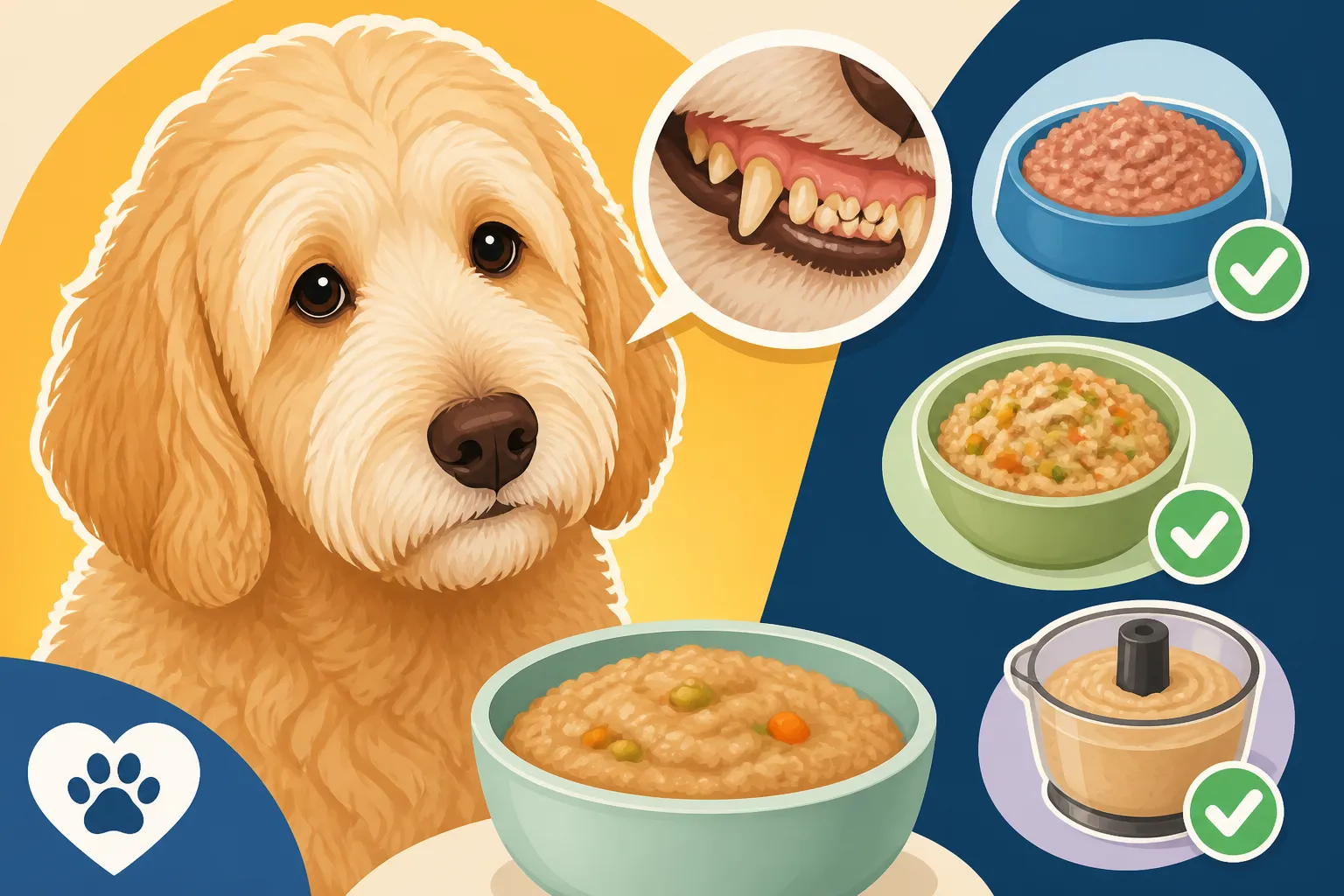
- Soaking kibble: The simplest method is to add warm water or low-sodium chicken or beef broth to their regular kibble. Let it sit for 10-20 minutes, or even longer, until it becomes soft and mushy. The amount of liquid will depend on the desired consistency; some dogs prefer a soup-like texture, while others like a thicker mash. Just ensure it's not too hot. Broth adds extra flavor, which can entice a reluctant eater. You can find a good variety of broths and supplements on Chewy that can help soften kibble and make it more appealing.
- Blending kibble: For dogs with very severe dental pain or missing teeth, you can blend soaked kibble into a smooth paste or slurry. This eliminates all chewing. You can use a regular blender or a food processor. Add a little extra liquid to achieve the desired consistency.
- Maintaining nutritional completeness: When soaking or blending, you're not changing the nutritional content of the kibble itself, which is great. Just make sure the liquid you add is canine-safe and doesn't introduce too many extra calories or sodium.
Exploring Wet and Fresh Food Options
Sometimes, soaking kibble isn't enough, or your Goldendoodle might just prefer a completely different texture. This is where wet or fresh food options come into play, often proving to be a godsend for dogs with sensitive mouths.
- Canned dog food: This is a fantastic option. Canned foods are high in moisture, soft, and usually very palatable, making them incredibly easy for dogs with worn teeth to eat. They come in various textures, from pâtés to chunky stews, so you can find one that your Goldendoodle loves. They also help with hydration, which is a bonus for older dogs.
- Fresh food diets: These have become increasingly popular for a good reason – they often use human-grade ingredients, are gently cooked, and provide soft, easily digestible meals. Brands like Ollie deliver pre-portioned, cooked fresh food directly to your door, offering a convenient and tooth-friendly solution. Many senior Goldendoodles thrive on these diets, and their soft texture is perfect for painful mouths. For more insights into these options, you might find Fresh Food Delivery Priced for a Goldendoodle helpful.
- Homemade diets: If you're considering cooking for your Goldendoodle, it's crucial to consult with a veterinary nutritionist to ensure the diet is completely balanced. While the intention is good, an unbalanced homemade diet can lead to serious nutritional deficiencies over time. Cooked lean meats, soft vegetables, and appropriate grains (like cooked rice or oatmeal) can form the base, but getting the right vitamin and mineral balance is complex.
The transition to a new food, even a softer one, should always be gradual to avoid digestive upset. Start by mixing a small amount of the new, soft food with their old, softened kibble, slowly increasing the proportion over several days.
Supplements and Additions for Senior Dental Health
While diet changes primarily address comfort, certain supplements can support overall health and potentially mitigate some of the inflammation associated with dental issues. Always discuss any supplements with your vet first, as they can interact with medications or existing conditions.
- Omega-3 fatty acids: Found in fish oil, these are powerful anti-inflammatories. They can help reduce inflammation not only in the gums but also in joints, which is beneficial since many senior Goldendoodles also grapple with arthritis.
- Joint supplements: Even if the immediate problem is dental, many older Goldendoodles suffer from joint pain, as highlighted in Joint Diets for a Senior Goldendoodle. Supplements like glucosamine and chondroitin can help support cartilage health, making it more comfortable for them to stand at the bowl.
- Probiotics: Any dietary change can sometimes upset a sensitive senior digestive system. A good probiotic can help maintain gut health and improve nutrient absorption.
Remember, supplements are not a substitute for proper veterinary care or a balanced diet but can be a valuable addition to your senior Goldendoodle's routine.
Practical Feeding Strategies and Environmental Adjustments
Beyond what you feed your senior Goldendoodle, how and where you feed them can make a huge difference in their comfort and willingness to eat. These small adjustments can reduce strain and make mealtime a more pleasant experience.
Feeding Bowls and Position
The right bowl can genuinely improve your senior Goldendoodle's mealtime experience. Consider these adjustments:
- Elevated bowls: For larger Goldendoodles, bending down to eat from a bowl on the floor can be uncomfortable, especially if they have arthritis in their neck, back, or hips. An elevated bowl can alleviate this strain, allowing them to eat in a more natural, upright position. There's some debate about bloat risk with elevated bowls, so always discuss this with your vet, especially if your Goldendoodle is a standard size.
- Wider, shallower bowls: These can be easier for your Goldendoodle to access without having to push their nose too deep into the bowl, which can be difficult with a sore mouth. They also help keep their furnished beard cleaner, preventing food from getting matted in the hair. If you struggle with a wet or messy beard after meals, Goldendoodle Water Bowls and a Wet Beard offers great tips that can apply to food bowls too.
Meal Frequency and Consistency
Just like humans, older dogs often benefit from smaller, more frequent meals rather than one or two large ones.
- Smaller, more frequent meals: Instead of two large meals, try offering three or four smaller meals throughout the day. This can be easier on their digestive system and less daunting for a dog with a painful mouth. It also ensures a more consistent intake of nutrients.
- Maintaining a consistent schedule: Dogs thrive on routine. Feeding your Goldendoodle at the same times each day provides predictability and can reduce anxiety, making them more likely to eat.
- Monitoring food intake closely: With soft foods, it can be harder to gauge exactly how much your dog is eating. Monitor their bowl closely to ensure they're consuming enough. If your Goldendoodle has started to refuse meals or eat significantly less, this can quickly lead to weight loss, which further strains their aging body. Addressing An Old Goldendoodle That Stops Finishing Meals promptly is critical.
Managing Treats and Chews
Treats are an important part of life for Goldendoodles, providing joy and enrichment. However, hard chews can be dangerous for worn or compromised teeth.
- Switching to soft treats: Say goodbye to hard biscuits and dental chews that might cause pain or even fracture a tooth. Instead, opt for soft, chewy training treats, small pieces of cooked chicken or sweet potato, or even special senior-formulated soft treats. You can often find a wide array of soft, senior-friendly treats on Amazon that your Goldendoodle will love.
- Avoiding hard chews: Bones, antlers, hooves, and very hard dental chews are an absolute no-go for senior dogs with worn teeth. These items pose a significant risk of fracturing already weakened teeth, leading to severe pain and expensive veterinary procedures. Even if your Goldendoodle loved them as a youngster, it’s not worth the risk now. Consider softer, digestible chews like certain types of jerky that are easier on the mouth. If you have concerns about treats getting stuck in your Goldendoodle's beard, take a look at Treats That Do Not Stick in a Goldendoodle Beard.
The Importance of Regular Vet Check-ups and Dental Care
While adjusting their diet is paramount, it's vital to understand that these changes are primarily supportive and management strategies. They address the symptom (difficulty eating due to pain) but don't necessarily fix the underlying dental issues. This is where your veterinarian comes in, becoming an even more crucial partner in your senior Goldendoodle's care.
Beyond Dietary Changes: Professional Dental Care
Even with the softest diet, plaque and tartar will continue to build up, and gum disease can progress. Regular professional dental assessments and cleanings are the cornerstone of good senior dental health.
- Veterinary dental exams: Your vet can perform a thorough oral exam, often requiring sedation or anesthesia for a complete assessment. This allows them to identify loose teeth, abscesses, severe gum disease, and fractured teeth that might be hidden. They can recommend a treatment plan that goes beyond simply softening food.
- Professional dental cleanings: Just like us, dogs benefit from professional scaling and polishing to remove plaque and tartar above and below the gum line. This is typically done under general anesthesia. Many owners are apprehensive about anesthesia for older dogs, and that's a valid concern. However, with modern anesthesia protocols and thorough pre-anesthetic blood work, urinalysis, and sometimes even chest X-rays or an ECG, the risks can be significantly minimized. For a more detailed discussion, you might explore Anesthesia Risk for a Toy Goldendoodle (the principles apply to all sizes of Goldendoodles). Your vet will assess your Goldendoodle's overall health to determine if they are a good candidate for the procedure. Often, the benefits of pain relief and improved health far outweigh the risks.
- Extractions: If teeth are severely diseased, fractured, or causing chronic pain, extraction might be the best option. Removing a painful tooth can dramatically improve your Goldendoodle's quality of life, allowing them to eat comfortably again. Dogs manage remarkably well without all their teeth, especially when on a soft diet.
When to Seek Immediate Veterinary Attention
While dietary adjustments and routine vet visits are important, some signs warrant immediate professional attention. Don't wait if you notice:
- Sudden refusal to eat or drink: This could indicate severe pain, an infection, or another serious health issue.
- Excessive drooling, especially if it's bloody or discolored: This is a strong indicator of a serious oral problem, such as an abscess or severe gum inflammation.
- Visible swelling around the face, jaw, or under the eye: This could signal an abscessed tooth that needs urgent treatment.
- Signs of severe pain: Persistent pawing at the face, vocalizing in pain, or a sudden change in temperament where your dog becomes withdrawn or even aggressive when you approach their head.
Ignoring these signs can lead to worsening pain, systemic infections, and a significant decline in your Goldendoodle's well-being. Keeping an eye on their overall health, including their weight, is also crucial. While we're making food softer, it's still important to monitor caloric intake to prevent issues like Goldendoodle Weight Gain and the Strain on Joints as a result of less activity. Your vet is your best resource for ensuring your cherished senior Goldendoodle remains as comfortable and healthy as possible in their golden years, supporting their overall well-being as detailed in Senior Goldendoodle Care After the Age of Nine.
Comparing Food Textures for Senior Goldendoodles
Here's a quick overview of different food textures and how they stack up for a senior Goldendoodle dealing with worn teeth.
| Food Type | Texture | Suitability for Worn Teeth | Notes |
|---|---|---|---|
| Dry Kibble (unmodified) | Hard, crunchy | Poor – can cause pain, difficulty chewing, further wear | Generally avoid. |
| Soaked Kibble | Softened, mushy | Good – easier to chew, less abrasive | A great first step, use warm water or low-sodium broth. |
| Canned Wet Food | Soft, pâté-like or chunky in gravy | Excellent – very easy to eat, high moisture content | Often highly palatable; aids hydration. |
| Fresh/Cooked Food | Soft, easily mashed, varied | Excellent – gentle on teeth, often highly digestible | Consult vet for homemade recipes; consider commercial fresh options. |
| Soft Treats | Chewy, pliable | Excellent – provides positive reinforcement without dental strain | Choose treats specifically designed to be soft and easy to chew. |
| Hard Chews/Bones | Very hard, abrasive | Poor – high risk of fracture, pain, or discomfort for worn teeth | Avoid completely to prevent serious damage and pain. |
Caring for a senior Goldendoodle with worn teeth is an act of love, requiring patience, observation, and proactive adjustments. It’s about recognizing their changing needs and making their golden years as comfortable and joyful as possible. By softening their food, making small environmental changes, and working closely with your veterinarian, you can ensure your beloved companion continues to look forward to mealtime, savoring every bite despite their age. Their comfort and quality of life are truly what matters most.
Disclaimer
This article is for general informational purposes only and does not constitute professional advice. Laws, prices and regulations vary by location and change over time. Consult a qualified professional for guidance on your specific situation.