Senior Goldendoodle Vet Visits After Nine
It’s a bittersweet milestone when your lively Goldendoodle, once a whirlwind of puppy energy, starts showing those telltale signs of gray around the muzzle. Suddenly, their boundless enthusiasm might be tempered by a slow rise, or their playtime cut short by a nap. When your beloved Goldendoodle hits the nine-year mark, their needs undeniably shift, and figuring out what those changes mean for their veterinary care can feel overwhelming. This guide is here to walk you through the essential adjustments to senior Goldendoodle vet visits after the age of nine, helping you navigate this new chapter with confidence and compassion.
Why Senior Goldendoodle Vet Visits Become More Frequent
As your Goldendoodle crosses into their senior years, typically around age nine for larger Doodles and a bit later for minis, the rhythm of veterinary care naturally changes. Gone are the days of annual shots and quick check-ups as the primary focus. Instead, these visits become more frequent, often shifting to every six months, to proactively address the subtle (and sometimes not-so-subtle) changes that come with aging. This isn't just about catching problems early; it's about optimizing their comfort and quality of life as they age.
The Shift from Puppy Check-ups to Geriatric Care
Remember those first few puppy visits? They were all about vaccinations, deworming, and ensuring proper growth. It was a whirlwind of new experiences, often driven by strict schedules to build immunity. Now, with a senior Goldendoodle, the game changes entirely. Instead of preventing infectious diseases, the emphasis pivots to preventing, delaying, or managing age-related conditions. This means your vet will be looking closely at their organ function, joint health, cognitive abilities, and overall comfort. It's a much more holistic approach, recognizing that the body of a nine-year-old Goldendoodle isn't quite as resilient as that of a two-year-old. They might not bounce back from minor ailments as quickly, and what might have been a fleeting issue in youth could become a chronic concern in their golden years. This proactive shift is critical for maintaining their well-being.
Common Health Concerns Emerging in Goldendoodles After Nine
Just like with people, aging brings a higher likelihood of certain health issues in Goldendoodles. After nine, you might start noticing subtle shifts that indicate underlying problems. One of the most common issues is joint discomfort, leading to changes in their gait or reluctance to jump, which can often be attributed to conditions like arthritis. We've talked extensively about specific joint issues, and understanding Goldendoodle Arthritis After the Age of Eight can give you a head start on what to look for. Beyond mobility, organ function can begin to decline. Kidney disease, liver issues, and heart conditions are not uncommon in older dogs. You might also start to see changes in their appetite, thirst, or bathroom habits.
Cognitive dysfunction, often described as canine Alzheimer's, can also become apparent. This might manifest as confusion, altered sleep cycles, or house-soiling accidents. Vision and hearing naturally decline as well; an old Goldendoodle might start bumping into furniture in dim light, indicating Vision Loss in an Old Goldendoodle. Furthermore, the risk of various cancers increases significantly with age. While Goldendoodles are generally robust, they can inherit predispositions from their parent breeds, so knowing The Cancer Types Both Goldendoodle Parents Pass Down is incredibly important for early detection. Many of these conditions might not be immediately obvious at home, which is precisely why those more frequent vet visits are so crucial.
What to Expect During Senior Goldendoodle Vet Appointments
Stepping into the vet's office with your senior Goldendoodle will feel different than past visits. The conversations will be deeper, the examinations more thorough, and the diagnostic tools more frequently employed. These appointments are designed to give your vet a comprehensive snapshot of your dog's health, allowing them to catch nascent issues before they become major problems.
Comprehensive Physical Exams and Baseline Testing
At your senior Goldendoodle's bi-annual check-ups, the physical exam goes far beyond a quick once-over. Your vet will meticulously check everything from nose to tail, paying close attention to their teeth – considering that Goldendoodle Dental Crowding in the Smaller Sizes can lead to earlier dental issues. They'll palpate joints, assess muscle mass (which can atrophy with age), listen carefully to heart and lungs for murmurs or irregularities, and check their eyes and ears for any signs of cataracts, glaucoma, or chronic infections.
Beyond the physical, a "senior panel" of diagnostic tests becomes standard. This usually includes blood work, which provides insights into organ function (kidney, liver, thyroid), checks for anemia, and monitors blood sugar levels. A urinalysis is also crucial, offering a window into kidney function and detecting urinary tract infections or early signs of diabetes. These tests establish a baseline, allowing your vet to track subtle changes over time, even if your Goldendoodle isn't showing obvious symptoms. For instance, The Senior Panel a Goldendoodle Should Have at Nine specifically targets these age-related markers. Your vet might also recommend blood pressure checks, especially if there's any concern about kidney or heart disease. These comprehensive screenings are your best defense against insidious diseases that often progress silently.
Monitoring Chronic Conditions and Pain Management
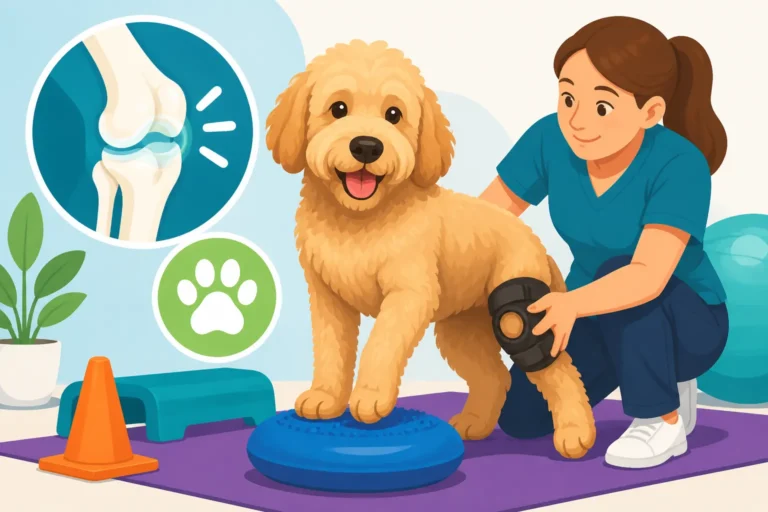
If your Goldendoodle has already been diagnosed with a chronic condition, such as arthritis, thyroid disease, or allergies, these senior visits are vital for ongoing management. For an arthritic Goldendoodle, the vet will likely assess their pain levels, discuss their current medication regimen (if any), and explore other options for Senior Goldendoodle Mobility and Arthritis. This could include supplements, physical therapy referrals, or even specific pain relief injections. The goal is to keep them as comfortable and mobile as possible.
For conditions like Thyroid Disease and a Goldendoodle Losing Coat, regular blood tests are necessary to ensure medication dosages are correct. Managing these conditions is often a delicate balance, and your vet will work with you to fine-tune treatments. They'll also be asking you about any subtle changes you've noticed at home – perhaps they're a little slower to get up, or they've started showing signs of confusion or disorientation, which might indicate Cognitive Decline in a Goldendoodle Past Ten. These discussions are critical, as your observations provide invaluable context for the clinical findings. It's a partnership between you and your vet to ensure your senior Goldendoodle maintains the best possible quality of life.
| Common Senior Goldendoodle Concerns (9+ Years) | Typical Vet Interventions & Monitoring |
|---|---|
| Arthritis / Joint Pain | Physical exam, X-rays, NSAIDs, joint supplements, laser therapy, weight management |
| Kidney Disease | Blood work (creatinine, BUN), urinalysis, diet change, fluid therapy |
| Liver Disease | Blood work (liver enzymes), diet change, supportive medications |
| Heart Disease (e.g., murmurs, congestive heart failure) | Auscultation, X-rays, echocardiogram, cardiac medications |
| Dental Disease | Oral exam, professional cleaning, extractions, antibiotics |
| Hypothyroidism | Thyroid blood panel, hormone replacement medication |
| Cancer (various types) | Physical exam (lumps/bumps), biopsies, imaging (ultrasound, X-rays), chemotherapy, surgery |
| Cognitive Dysfunction (CDS) | Behavioral history, ruling out other causes, cognitive supplements, diet, medication |
| Vision Loss (e.g., cataracts, glaucoma) | Ophthalmic exam, eye drops, possible surgery, managing environment |
| Weight Changes (gain/loss) | Dietary adjustments, ruling out underlying disease, exercise recommendations |
Preparing for Your Senior Goldendoodle's Vet Visits
Senior vet visits can sometimes be longer and involve more detailed conversations, making preparation key. You are your Goldendoodle's best advocate, and the more information you can provide, the more effective your vet can be. Taking a few proactive steps before each appointment can make a world of difference.
Tracking Changes and Symptoms at Home
You live with your Goldendoodle every single day, which makes you the expert on their normal behavior. Before each senior vet visit, it's incredibly helpful to keep a running log of anything out of the ordinary, no matter how minor it seems. This includes changes in appetite (eating more or less), thirst (drinking more water can be a sign of kidney issues or diabetes), bathroom habits (accidents, straining, changes in stool consistency), and activity levels (more lethargic, reluctant to play). Have they been showing any signs of discomfort, like limping or difficulty getting up? What about their sleep patterns – are they restless at night, or sleeping more during the day? Are they showing any new anxieties or confusion, as discussed in A Goldendoodle That Stops Recognizing the House?
Even seemingly unrelated observations, such as a duller coat despite regular grooming, or unexplained Goldendoodle Weight Gain and the Strain on Joints, could be important clues. Jot down when these changes started and how frequently they occur. Don't be shy about recording even the smallest details; what seems insignificant to you might be a crucial piece of the puzzle for your veterinarian. A detailed account allows your vet to home in on potential issues much faster than a vague "he's just slowing down."
Financial Planning and Insurance Considerations
Let's be realistic: increased vet visits and potential treatments for age-related conditions can add up. It’s a common frustration that while our love for our pets is endless, our wallets often are not. Proactive financial planning is a huge stress-reducer during your Goldendoodle's senior years. If you don't already have pet insurance, it might be worth exploring, though many policies have age restrictions for new enrollments or exclude pre-existing conditions. However, some providers like Healthy Paws offer coverage for unexpected illnesses and accidents even for older pets, though it’s always best to check their specific terms. Having a robust policy from a company like Healthy Paws can truly alleviate the burden of unexpected costs, like those associated with major surgeries or long-term medication for a newly diagnosed condition.
Consider setting aside a dedicated "senior pet fund" if insurance isn't an option or if you want to cover things insurance might not. Even putting away $50-$100 a month can build a significant buffer over a few years, giving you more options when difficult decisions arise. Discuss potential costs with your vet, especially if your Goldendoodle has a chronic condition. They can often provide estimates for long-term medications or treatments. Knowing what to expect financially empowers you to make decisions that prioritize your Goldendoodle's health without undue stress during an already emotional time.
Beyond the Exam Room: Ongoing Care Between Visits
Senior Goldendoodle vet visits are undoubtedly crucial, but the quality of life for your aging companion is largely determined by the daily care they receive at home. Your commitment to their comfort, nutrition, and mental well-being between appointments is paramount to ensuring their golden years are truly golden.
Supporting Joint Health and Mobility
As we've touched upon, joint health often becomes a primary concern for Goldendoodles as they age. Conditions like arthritis can significantly impact their mobility and overall happiness. Beyond medication prescribed by your vet, there's so much you can do at home. Consider adding ramps to help them get on and off furniture or into the car, reducing strain on their joints. Orthopedic beds provide better support and cushioning, easing pressure points. Keeping their nails trimmed short and the hair between their paw pads neat can also improve traction and stability, especially on slippery floors.
Controlled, gentle exercise is still important, but the intensity and duration will need to be adjusted. Short, frequent walks rather than one long strenuous one are often better. Canine massage and even warm compresses on sore joints can offer relief. We have a detailed guide on Senior Goldendoodle Care After the Age of Nine which dives deeper into these daily routines. Your vet might also recommend specific joint supplements containing ingredients like glucosamine and chondroitin, or omega-3 fatty acids, to support cartilage health and reduce inflammation. These can make a noticeable difference in their comfort and willingness to move.
Nutritional Adjustments and Hydration for Older Doodles
Just like humans, a senior Goldendoodle's nutritional needs change. Their metabolism slows down, and they might become less active, meaning they require fewer calories to maintain a healthy weight. Conversely, some older dogs might lose appetite or struggle to absorb nutrients, leading to unintended weight loss. Your vet can help you determine the ideal body condition for your Goldendoodle, as it can be tricky to tell with their fluffy coats. Adjusting their diet to a high-quality senior formula, which typically has lower calories but higher protein to maintain muscle mass, is often recommended. These diets might also include ingredients beneficial for joint health or cognitive function.
Hydration is also incredibly important, especially if kidney function is a concern. Ensure fresh water is always available and consider adding a little water or low-sodium broth to their food to increase fluid intake. Sometimes, feeding smaller, more frequent meals can be easier on an older Goldendoodle's digestive system. If your Goldendoodle has any specific health issues, your vet might recommend a prescription diet tailored to support conditions like kidney disease or heart health. Paying close attention to their diet can significantly impact their energy levels, coat quality, and overall health in their later years.
Disclaimer
This article is intended for informational purposes only and does not constitute medical advice. Always consult with a qualified veterinarian for any health concerns or before making any decisions about your Goldendoodle's medical care.