Goldendoodle Tartar and Gum Disease
It’s easy to get lost in the sheer joy of a Goldendoodle's floppy ears, expressive eyes, and that incredibly soft, curly coat. But beneath all that charm, there’s a common, often silent, battle many Goldendoodle parents face: the insidious creep of tartar and gum disease. This isn't just about bad breath; it's a serious health issue that can lead to pain, infection, and even impact vital organs. This guide is here to walk you through everything you need to know about keeping your Goldendoodle's pearly whites healthy and their breath fresh, tackling this challenge head-on.
Understanding Goldendoodle Dental Anatomy and Predispositions
When we talk about Goldendoodle dental health, it’s not just about one simple picture. These wonderful dogs are a mix of two distinct breeds, and that blend can create some unique dental quirks that make them particularly susceptible to issues like tartar buildup and gum disease. It’s important to understand these underlying factors so you can be proactive.
Dental Crowding in Smaller Goldendoodles
One of the biggest contributors to dental problems in Goldendoodles, especially the smaller varieties, is dental crowding. Imagine trying to fit all your teeth into a mouth that's just a little too small – that’s often what happens with a Mini or Toy Goldendoodle. They might inherit the larger teeth size from their Golden Retriever lineage but a smaller jaw structure from their Poodle side. This mismatch means teeth are packed in tightly, sometimes even rotated or overlapping.
This crowding creates tiny nooks and crannies where food particles, bacteria, and plaque love to hide. It's incredibly difficult for your dog's tongue or even a toothbrush to reach these spots effectively, making them prime real estate for tartar to form. Once tartar hardens, it becomes an abrasive surface that irritates the gums, providing an even better environment for bacteria to flourish, leading straight into the first stages of gum disease. If you have a smaller Goldendoodle, it's particularly important to be vigilant about their oral hygiene. You can learn more about this specific challenge in our guide on Dental Crowding in a Toy Goldendoodle Mouth.
The Role of Breed Lines in Dental Health
Both parent breeds, the Golden Retriever and the Poodle, have their own predispositions when it comes to dental health. Golden Retrievers, while generally having robust teeth, can be prone to certain periodontal diseases as they age. Poodles, particularly the smaller varieties, are often cited for having issues with retained puppy teeth and dental crowding due to their finer bone structure and often conical-shaped snouts. When these two genetic blueprints combine in a Goldendoodle, you get a mixed bag, and not always in a good way for their teeth.
This genetic lottery means your Goldendoodle could inherit the best of both worlds, or unfortunately, a predisposition to some of the common dental ailments from both sides. For instance, a Goldendoodle might be more likely to have retained puppy teeth, which are baby teeth that don't fall out naturally, making room for adult teeth. These retained teeth can lead to misalignment and further crowding, compounding the issues described above. A good breeder should be checking for these things in puppies, but as owners, we need to be aware throughout their lives. This is especially relevant for puppies where you might find that Retained Puppy Teeth in a Mini Goldendoodle can be a concern.
Common Misconceptions About Goldendoodle Dental Health
Many Goldendoodle owners, myself included at first, fall into the trap of thinking certain things about their dog's dental health that simply aren't true. One common misconception is that dental chews or hard kibble are enough to keep teeth clean. While these can offer some mechanical abrasion, they are rarely sufficient to prevent plaque and tartar buildup, especially in those crowded areas. They simply don't get into all the crevices that bacteria colonize.
Another myth is that if your dog isn't visibly in pain or refusing to eat, their teeth must be fine. Dogs are masters at hiding pain, an instinct from their wild ancestors to avoid showing weakness. They might continue to eat, play, and seem happy even with significant dental discomfort or infection. By the time you notice obvious signs like dropping food or a complete refusal to eat, the disease is often quite advanced and much more challenging (and expensive) to treat. Therefore, a proactive approach is crucial, not a reactive one.
Recognizing the Early Signs of Tartar and Gum Disease
It’s easy to miss the early warning signs of dental problems in our Goldendoodles, especially with their endearing personalities distracting us. However, becoming attuned to subtle changes can make all the difference in catching issues before they escalate into painful, costly complications.
The Unpleasant Truth About Bad Breath
Let’s be honest, dog breath is rarely minty fresh, but there’s a big difference between normal "doggy breath" and truly foul, putrid bad breath, known as halitosis. If your Goldendoodle’s breath has suddenly become offensive, smelling like something rotten, it’s a huge red flag. This stench isn't just unpleasant; it's a direct indicator of bacterial overgrowth in their mouth, a hallmark of plaque and tartar accumulation and the early stages of gum disease.
This bacterial buildup releases volatile sulfur compounds, causing that distinct rotten odor. Don't dismiss it as just a quirk of your dog; it's a sign that microscopic invaders are setting up shop and wreaking havoc. While an occasional treat that sticks in the teeth might cause temporary bad breath, persistent halitosis means it’s time to take a closer look at their mouth or schedule a vet visit. It's a key indicator that their oral hygiene needs immediate attention, often much more pressing than a simple dietary change might suggest.
Visible Signs on Teeth and Gums
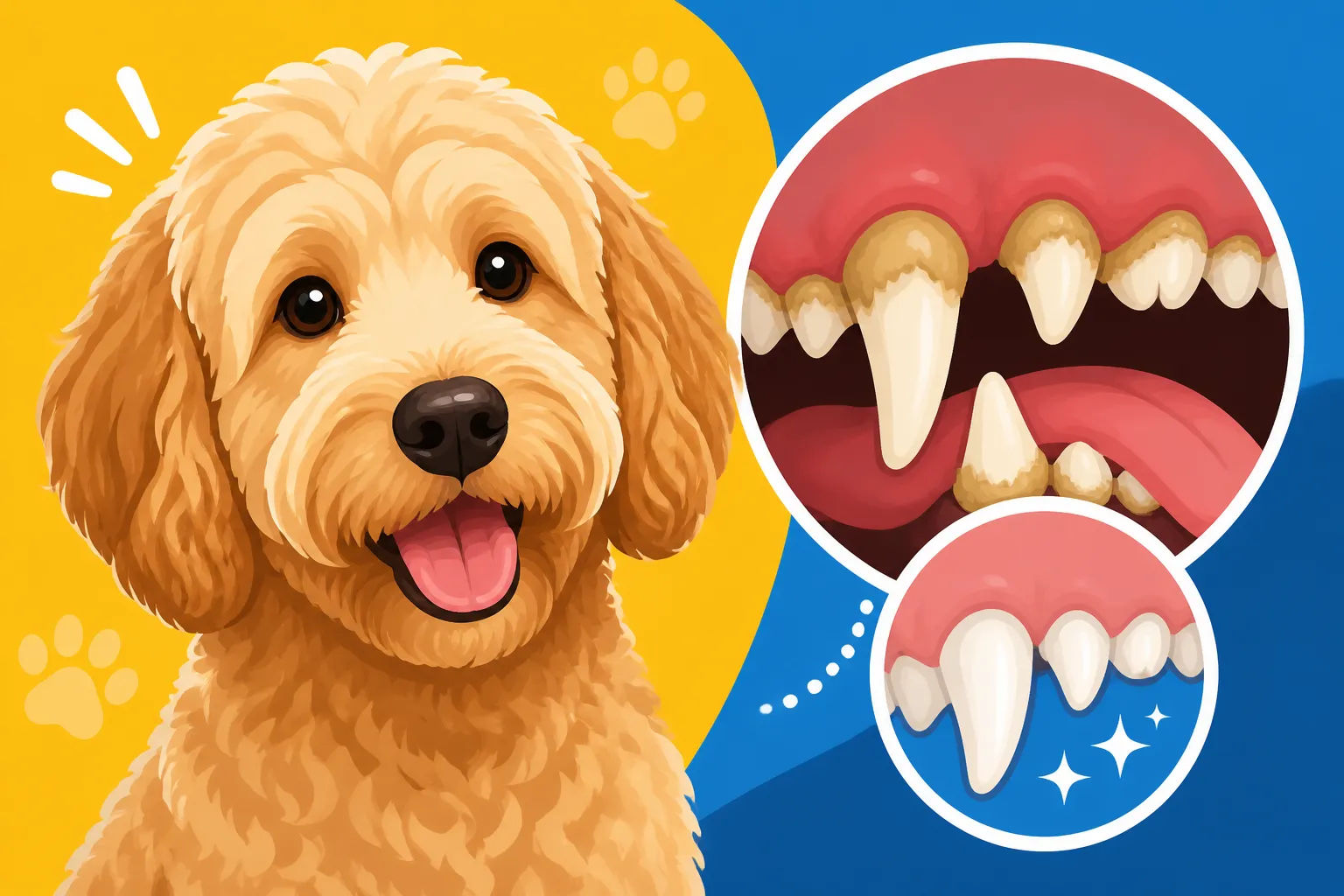
Taking a peek inside your Goldendoodle’s mouth might seem daunting, especially if they’re not used to it, but it’s a crucial habit to develop. What are you looking for? Start with their teeth. Healthy teeth should be a pearly white or off-white, with smooth surfaces. If you see yellowish, brownish, or even blackish deposits accumulating near the gum line, especially on the back teeth, that's tartar. It's essentially hardened plaque, and once it's there, you can't brush it off.
Next, examine the gums. They should be a healthy bubblegum pink, smooth, and firm against the teeth. Any signs of redness, swelling, or bleeding when you gently touch them are indicators of gingivitis, the earliest stage of gum disease. You might also notice that the gum line seems to be receding, exposing more of the tooth root. In more severe cases, you might even spot pus around the gum line or loose teeth. Sometimes, the issue isn't obvious, but your dog might be pawing at their mouth, reluctant to chew on hard toys, or even showing signs of discomfort, such as avoiding certain types of food. These visual cues, coupled with bad breath, paint a clear picture that professional intervention is needed.
Behavioral Changes Indicating Discomfort
Because dogs are so stoic, dental pain often manifests as subtle behavioral shifts rather than overt yelps. Your usually enthusiastic Goldendoodle might start to show less interest in their favorite chew toys or raw carrots. They might become pickier about their food, preferring softer options over their usual kibble, or even dropping food from their mouth while eating. If they once devoured their meals, and now they’re slow eating or approaching the bowl hesitantly, this could be a sign.
You might also notice them tilting their head to one side while eating, trying to favor a less painful area of their mouth. Excessive drooling, lip smacking, or pawing at their face can also signal oral discomfort. In more advanced stages, dental infections can even cause facial swelling, particularly under an eye, which indicates an abscess. These subtle behavioral changes are your Goldendoodle's way of telling you something isn't right. Ignoring them can lead to chronic pain, spread of infection throughout the body, and a diminished quality of life. It’s important to address these concerns quickly, as sometimes dental pain can even mimic other illnesses, making a vet visit essential for accurate diagnosis.
Preventative Care: Keeping Your Goldendoodle's Mouth Healthy
Preventing tartar buildup and gum disease is far easier, less painful, and less expensive than treating advanced dental problems. The good news is that with a consistent routine, you can make a huge difference in your Goldendoodle's oral health and overall well-being.
The Importance of Regular Brushing
This is the gold standard for dental care, hands down. Just like with humans, daily brushing is the most effective way to remove plaque before it hardens into tartar. I know, I know, the thought of wrestling a toothbrush into your Goldendoodle's mouth might sound like a nightmare, but it gets easier with patience and positive reinforcement. Start slow, using a pet-specific toothbrush and enzymatic toothpaste (never human toothpaste!). Let them taste the toothpaste, then gently rub it on a few teeth. Gradually increase the duration, aiming for at least 30 seconds per side, focusing on the outside surfaces where tartar builds up most.
The key is consistency. Even brushing a few times a week is better than nothing, but daily is ideal. Make it a positive experience with praise and treats, and your Goldendoodle will likely learn to tolerate, if not enjoy, their "brushy time." This regular mechanical action disrupts the plaque biofilm, preventing it from calcifying. You'll find that incorporating this into your daily routine early on, perhaps even while they're still a puppy and you're focusing on their general health like Goldendoodle Puppy Vaccination Timing, sets them up for a lifetime of better dental health.
Dental Chews, Water Additives, and Diet
While brushing is king, other tools can supplement your efforts. High-quality dental chews can help scrape plaque off teeth as your Goldendoodle chews. Look for Veterinary Oral Health Council (VOHC) approved products, which have been scientifically proven to reduce plaque and/or tartar. Be mindful of sizing; a chew too small can be a choking hazard, and one too hard can fracture teeth. Always supervise your dog with chews.
Water additives contain enzymes or other ingredients designed to reduce bacteria in the mouth and freshen breath. They are simply added to your dog’s drinking water. While they won't replace brushing, they can be a helpful addition, especially if brushing is a struggle. Diet also plays a role; while kibble isn't a magical tooth cleaner, some specially formulated dental diets have larger kibble sizes or unique textures designed to create a scrubbing action on the teeth as your dog chews. Always discuss dietary changes with your vet, especially if your Goldendoodle has other health considerations or allergies. Remember, even with these aids, nothing beats the physical removal of plaque through brushing.
The Essential Role of Veterinary Check-ups
Even with diligent home care, regular veterinary check-ups are non-negotiable for assessing your Goldendoodle’s dental health. Your vet can spot early signs of trouble that you might miss, such as receding gums, hidden pockets of infection, or retained deciduous (puppy) teeth. These annual or semi-annual exams often include a quick look inside your dog’s mouth, which helps determine if a professional dental cleaning is needed.
During these visits, your vet can also discuss your Goldendoodle’s specific predispositions and tailor advice for their needs. For example, if your Goldendoodle has significant Dental Crowding in a Toy Goldendoodle Mouth, your vet might recommend more frequent cleanings or specific dental products. They can also perform a more thorough oral examination under sedation if necessary, which allows for a better view of all teeth, including those at the back, and probing for gum pockets. Early detection through these routine visits is critical for maintaining long-term oral health and preventing painful, expensive complications down the line. It's an investment in their comfort and longevity, just like ensuring they get their Goldendoodle Exercise for Body and Mind every day.
Professional Dental Cleanings and Managing Advanced Disease
Despite our best efforts with home care, most Goldendoodles will eventually need a professional dental cleaning under anesthesia. It’s a necessary procedure that goes far beyond what we can achieve with a toothbrush at home.
Why Anesthesia is Non-Negotiable for Professional Cleanings
I know the word "anesthesia" can be scary for any pet parent. It certainly gave me pause when my Goldendoodle, Gus, needed his first cleaning. However, for a thorough, safe, and humane dental cleaning for your Goldendoodle, anesthesia is absolutely essential. Here's why: it allows the veterinary team to perform a comprehensive oral exam, scaling, and polishing, including surfaces below the gum line where most of the damaging bacteria reside.
Without anesthesia, your Goldendoodle wouldn't tolerate the instruments needed to meticulously remove tartar from all tooth surfaces, inside and out, and especially under the gum line. Imagine a dental hygienist trying to clean your teeth with you awake and squirming! Anesthesia ensures they are still, pain-free, and stress-free. During this time, the vet can also take dental X-rays to check for issues beneath the gum line, such as abscesses, bone loss, or unerupted teeth – things that are invisible to the naked eye but can cause significant pain. Modern veterinary anesthesia protocols are very safe, involving pre-anesthetic blood work, intravenous fluids, and continuous monitoring of vital signs by a dedicated veterinary nurse. The risks are minimal compared to the significant health benefits of a clean, pain-free mouth.
The Process of a Professional Dental Cleaning
When your Goldendoodle goes in for a professional cleaning, it's a much more involved process than just a quick brush. After pre-anesthetic blood work and initial sedation, an IV catheter is placed for fluids and medication. Once under anesthesia, the veterinary team performs a full oral examination. This includes charting any existing dental disease, probing gum lines for pockets, and taking full-mouth X-rays. These X-rays are critical because about 60% of dental disease lies below the gum line, hidden from view.
Next, a special ultrasonic scaler is used to remove plaque and tartar from the tooth surfaces, both above and below the gum line. This is followed by hand scaling for any stubborn areas. Once all the crud is gone, the teeth are polished to smooth out any microscopic etches left by the scaling, making it harder for new plaque to adhere. If any teeth are severely diseased, fractured, or infected, extractions might be performed at this stage. Post-procedure, your Goldendoodle will be carefully monitored as they recover from anesthesia. They'll likely go home a bit sleepy but with a much healthier, cleaner mouth. These procedures can be costly, and while routine cleanings aren't usually covered, having pet insurance like Healthy Paws can be incredibly beneficial for unexpected extractions or follow-up treatments related to advanced gum disease.
Managing Advanced Periodontal Disease
If your Goldendoodle's dental issues have progressed beyond simple gingivitis to advanced periodontal disease, the treatment becomes more complex. This stage involves significant bone loss around the tooth roots, deep gum pockets, and often painful infections. At this point, extractions are frequently necessary to eliminate sources of chronic pain and infection. Diseased teeth that are mobile or have compromised support structures are removed, and the extraction sites are meticulously cleaned and sutured.
After extractions, your Goldendoodle will likely be prescribed pain medication and antibiotics to manage discomfort and prevent infection. You'll need to feed them soft food for a period, and follow-up care is crucial to ensure proper healing. While dental surgery can seem daunting, removing painful, infected teeth provides immense relief and significantly improves your dog's quality of life. Left untreated, advanced periodontal disease can lead to systemic health problems, as bacteria from the mouth can travel through the bloodstream and affect vital organs like the heart, kidneys, and liver. This is where comprehensive pet insurance like Healthy Paws truly shines, helping to mitigate the financial burden of these significant medical interventions, which can quickly climb into the thousands. Maintaining good oral health is a lifelong commitment, from preventing simple tartar buildup to managing the more severe consequences of gum disease. You want to make sure your Goldendoodle lives a full and comfortable life, and that includes a healthy mouth.
Goldendoodle Dental Care Action Plan
| Action Area | Recommended Frequency | Key Steps & Considerations | Why It Matters |
|---|---|---|---|
| Daily Oral Hygiene | Daily (ideally) or 3-4x/week | Use pet-specific toothbrush & enzymatic toothpaste. Focus on outer surfaces near gum line. | Prevents plaque from hardening into tartar, reduces bacteria. |
| Dental Chews/Treats | Daily | Choose VOHC-approved products. Supervise chewing. Ensure appropriate size/hardness. | Provides mechanical abrasion, supplements brushing. |
| Water Additives | Daily | Follow product instructions. Use as a supplement, not a replacement for brushing. | Reduces oral bacteria, freshens breath. |
| Home Mouth Check | Weekly | Lift lips, check for bad breath, redness, swelling, visible tartar. Note any changes. | Early detection of problems you can address or report to your vet. |
| Veterinary Exams | Annually (or semi-annually) | Professional oral exam, discussion of home care, assessment for professional cleaning. | Vet can spot subtle issues, recommend professional cleaning. |
| Professional Cleaning | As recommended by vet | Involves anesthesia, scaling, polishing, X-rays. May include extractions if needed. | Essential for removing subgingival tartar and addressing hidden disease. |
| Diet Considerations | Ongoing | Discuss dental diets or special chews with your vet, especially for crowded mouths. | Certain foods can help mechanically clean, but are not a standalone solution. |
| Insurance Review | Annually | Understand what your pet insurance (e.g., Healthy Paws) covers for dental issues (pre-existing vs. accident/illness). | Helps manage unexpected costs of advanced dental treatments, surgeries. |
Disclaimer
The information provided in this article is for general informational purposes only and is not a substitute for professional veterinary advice. Always consult with a qualified veterinarian regarding any health concerns or before making any decisions about your Goldendoodle's medical care.