Goldendoodle Food Allergies Showing on the Skin
It’s heartbreaking to see your beloved Goldendoodle constantly scratching, licking, or chewing at their skin, leaving behind raw patches, scabs, or a dull, unhealthy coat. You wash them, you brush them, you try all sorts of topical treatments, but nothing seems to make a lasting difference. Often, the root cause isn't just something on the surface, but something much deeper – their food. This guide will walk you through understanding, identifying, and managing Goldendoodle food allergies that manifest right on their beautiful skin.
Understanding Goldendoodle Food Allergies and Skin Symptoms
When your Goldendoodle starts developing persistent skin issues, it can feel like a never-ending cycle of worry and vet visits. You might wonder if it’s fleas, dry skin, or just a bad reaction to their shampoo. But for many Goldendoodles, the problem originates from within, specifically from ingredients in their daily diet that their immune system mistakenly identifies as a threat.
The Frustration of Itchy, Irritated Goldendoodle Skin
Let's be honest, few things are as distressing as a dog who can't find relief from their own itch. You see them rubbing their face on the carpet, frantically scratching behind their ears, or relentlessly licking their paws until they're red and swollen. For Goldendoodle owners, this can be particularly frustrating because their thick, often curly coats can hide a lot of the initial irritation. By the time you spot visible signs, like hair loss or scabbing, the problem might have been brewing for a while.
It’s not just about comfort; chronic itching can lead to secondary infections. All that scratching and licking breaks the skin barrier, creating open wounds where bacteria and yeast, normally present on the skin, can thrive and cause even more misery. You might be dealing with recurring ear infections or hot spots, wondering why they keep coming back no matter how diligently you clean and treat them. This constant discomfort can also lead to behavioral changes, making your otherwise happy-go-lucky Goldendoodle more irritable or restless. You might even notice your Goldendoodle Paw Licking and What It Means, which is a common indicator of underlying allergies, not just boredom or anxiety.
How Food Allergies Manifest on a Goldendoodle's Body
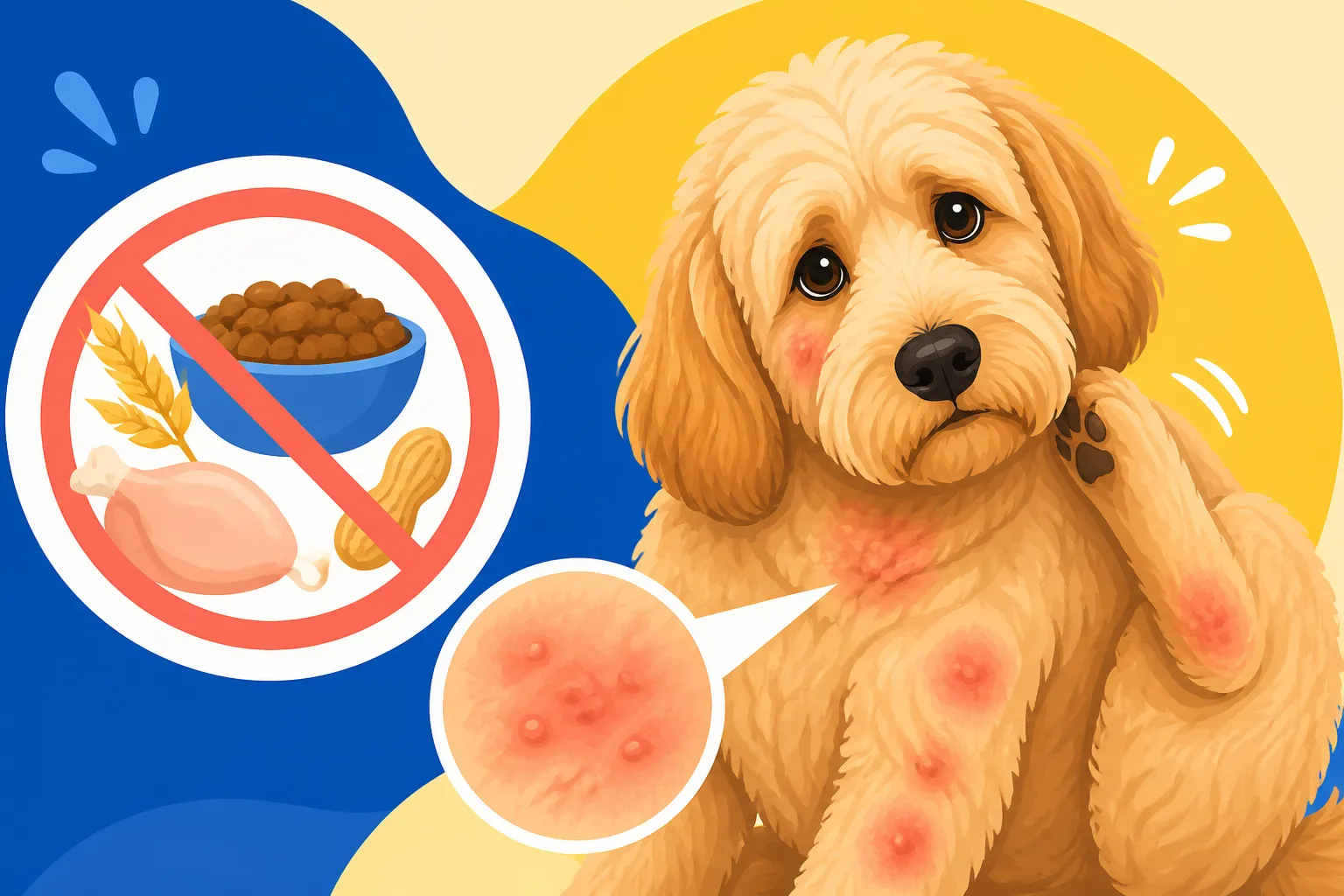
Unlike a sudden bee sting, food allergies typically present as a chronic, non-seasonal itch that affects various parts of the body. The most common areas to see these skin-related symptoms in a Goldendoodle include:
- Paws: Obsessive licking and chewing of the paws, often leading to redness, swelling, and sometimes brown staining from saliva.
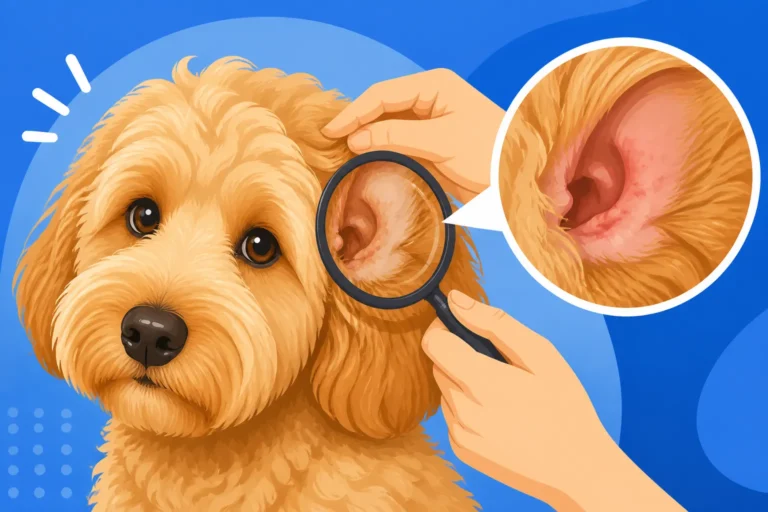
- Ears: Chronic ear infections, characterized by redness, foul odor, discharge, and head shaking. This is particularly prevalent in Goldendoodles due to their floppy, furnished ears that can trap moisture and allergens. You might find yourself constantly cleaning a Goldendoodle Ear Before It Gets Infected, only to have the infection return.
- Abdomen and Groin: Red, bumpy, or rash-like skin.
- Armpits: Similar to the groin, these moist areas can become irritated.
- Muzzle and Eyes: Rubbing of the face, inflammation around the eyes or mouth, and sometimes facial swelling.
- Tail Base: Although less common than environmental allergies, some dogs will chew or scratch at their tail base.
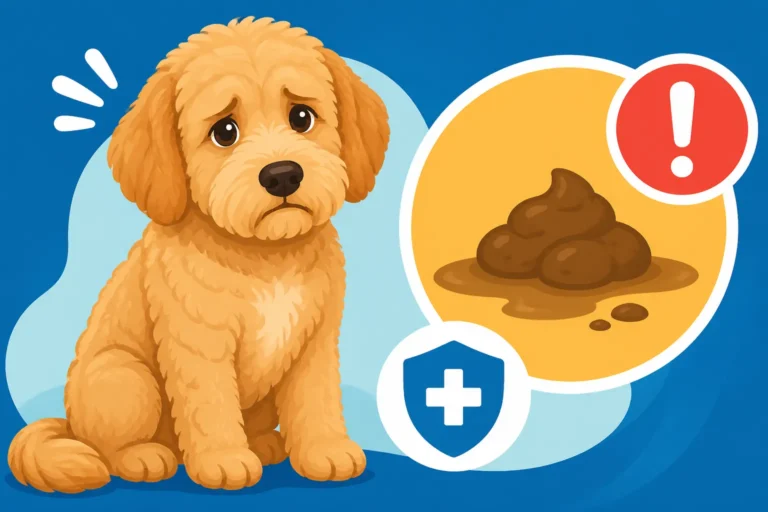
Beyond these localized areas, you might observe a generalized dullness or greasiness to the coat, excessive shedding, or even areas of hair loss, especially if your Goldendoodle has been scratching intensely. Occasionally, gastrointestinal symptoms like vomiting or diarrhea might accompany the skin issues, but it's important to remember that food allergies can exist purely as dermatological problems. It's often difficult to differentiate these symptoms from other issues like environmental allergies, making diagnosis tricky.
Distinguishing Food Allergies from Other Skin Issues
Before jumping to conclusions about food, it’s crucial to understand that many skin conditions can mimic the signs of a food allergy. Your veterinarian will likely want to rule out other common culprits first.
For example, parasitic infestations, most notably fleas, are often the first thing a vet will check. Even if you don't see fleas, a single bite can trigger a significant reaction in a sensitive dog. Scabies or mites can also cause intense itching. A skin scraping or physical examination can typically confirm or rule out these pests.
Environmental allergies, also known as atopy, are another huge contender. These are reactions to allergens like pollen, dust mites, or molds, and often follow a seasonal pattern, though they can be year-round in some regions. The symptoms – itchy paws, ears, and belly – are almost identical to food allergies. Distinguishing between the two often comes down to the timing and response to treatment. For a deep dive into common triggers, you might want to read about Goldendoodle Allergies and Itchy Skin.
Bacterial or yeast infections are frequently secondary to underlying allergies. The itching from an allergy weakens the skin's defenses, allowing these opportunistic organisms to overgrow. You might see pustules, crusts, or a greasy, smelly coat, particularly in skin folds or under the Goldendoodle's thick coat where air circulation is limited. Conditions like Goldendoodle Hot Spots Under a Thick Coat are often a direct result of relentless licking and chewing triggered by an allergy. Additionally, it's always wise to consider other potential health concerns that can impact skin health, such as Thyroid Disease and a Goldendoodle Losing Coat, which can present as thinning hair and skin problems not directly related to allergies.
A careful and methodical diagnostic process with your vet is the only way to get to the bottom of your Goldendoodle's persistent skin woes.
Diagnosing Food Allergies in Your Goldendoodle
Diagnosing food allergies isn't as straightforward as a simple blood test, though you might encounter clinics offering them. The reality is, the most reliable method is a structured and often challenging process that requires dedication and patience from pet parents.
The Gold Standard: The Elimination Diet
The absolute best way to diagnose a food allergy in your Goldendoodle is through an elimination diet, also known as a food trial. This involves feeding your dog a novel protein and carbohydrate source, or a hydrolyzed protein diet, for a strict period of 8-12 weeks.
- Novel Protein Diet: This means selecting a protein source your Goldendoodle has never eaten before. Common choices include venison, duck, rabbit, or even kangaroo. The carbohydrate source must also be novel, such as sweet potato or green peas. The idea is to introduce ingredients that are completely new to your dog's immune system, thus avoiding any existing allergic reactions.
- Hydrolyzed Protein Diet: These prescription diets contain proteins that have been broken down into such tiny molecules that the dog's immune system doesn't recognize them as allergens. Brands like Hill's Z/D, Royal Canin Hypoallergenic, or Purina HA are often recommended by veterinarians. These are fantastic options because they remove the guesswork of finding a truly "novel" protein, especially for dogs who have eaten a wide variety of foods in their lifetime.
During this trial period, your Goldendoodle can eat nothing else – no treats, no table scraps, no flavored medications, not even the tiny bits of kibble they might pick up off the floor. This extreme strictness is absolutely critical for success. If your Goldendoodle's skin symptoms improve significantly during this period, it strongly suggests a food allergy. To confirm, your vet might then recommend a "challenge" phase, reintroducing old ingredients one by one to see which one triggers a reaction. For a comprehensive look at the process, explore What a Goldendoodle Elimination Trial Involves.
Navigating the Challenges of an Elimination Trial
Let's be real, an elimination diet is tough. It demands an incredible amount of vigilance and discipline from you, the owner. Here are some of the hurdles you might face:
- Strictness is paramount: This cannot be stressed enough. One rogue treat, one dropped piece of cheese, and you've potentially derailed weeks of effort. Every family member needs to be on board, and visitors need to be briefed. If your dog goes to daycare or spends time with a pet sitter, clear instructions are vital.
- Patience: Eight to twelve weeks is a long time, especially when your Goldendoodle is still itchy for the first few weeks as the old allergens clear from their system. Don't expect instant results. Many owners give up too soon, mistakenly believing the diet isn't working.
- Palatability: Some novel protein diets or hydrolyzed foods might not be as enticing as your Goldendoodle's previous food. You might need to experiment with different brands or presentation (e.g., warming the food slightly).
- Cost: Prescription diets can be more expensive than regular kibble. It's a significant investment, but one that can pay off immensely in your dog's long-term comfort and health. When facing these ongoing veterinary expenses, having pet insurance can be a huge help. Many pet parents find policies from providers like Healthy Paws invaluable for covering a portion of these specialized food costs or diagnostic tests.
- Treats: You'll need to find single-ingredient treats that match the novel protein source of their diet or use bits of their prescription kibble as rewards. Freeze-dried duck or venison can often work if they align with the chosen novel protein.
Despite these challenges, if you suspect food allergies are at play, this trial is truly your best shot at getting definitive answers and giving your Goldendoodle lasting relief. Don't forget that if symptoms improve, the reintroduction of individual ingredients can be an equally challenging, but necessary, step to pinpoint the specific allergen.
The Role of Your Vet and Specialist Input
Your general practice veterinarian is your first and most crucial partner in this journey. They will help rule out other conditions, guide you through the elimination diet, and monitor your Goldendoodle's progress. They can recommend specific prescription diets or advise on appropriate novel protein options.
However, if your Goldendoodle's skin issues are particularly severe, complex, or don't respond to initial treatments or a properly executed food trial, your vet might refer you to a veterinary dermatologist. These specialists have advanced training in skin conditions and can offer further diagnostic tools and treatment plans. They might suggest additional tests, such as intradermal skin testing (similar to allergy tests in humans) for environmental allergies, or biopsies if other skin diseases are suspected.
Remember, a blood test for food allergies is often seen as unreliable by veterinary dermatologists. While convenient, these tests frequently produce false positives, leading owners to unnecessarily restrict their dog's diet. Stick with the elimination diet as the gold standard for diagnosis. Your vet might also want to do blood work to rule out other internal issues like a Goldendoodle Hypothyroidism and Weight Gain, which can sometimes present with skin and coat changes.
Managing Goldendoodle Food Allergies for Skin Health
Once you've successfully identified the problematic ingredients through an elimination diet, the next step is long-term management. This means carefully selecting your Goldendoodle's diet and providing supportive care to keep their skin healthy and comfortable.
Choosing the Right Diet After Diagnosis
After pinpointing the specific allergen, the goal is to consistently avoid that ingredient. This sounds simple, but it requires diligent label reading and potentially some lifestyle adjustments.
- Avoid Known Allergens: If you discover your Goldendoodle is allergic to chicken, for example, then every food, treat, and chew they receive must be completely free of chicken and chicken by-products. This extends to things you might not immediately think of, like joint supplements that use chicken cartilage, or flavored toothpastes. This is where researching Novel Proteins for a Goldendoodle That Chews Its Paws can be incredibly helpful in finding suitable alternatives.
- Single-Ingredient or Limited-Ingredient Diets (LID): Many commercial diets are formulated as LID foods, using fewer ingredients to minimize potential allergens. Look for foods that prominently feature a protein source your dog tolerates well, such as duck, lamb, or fish, and pair it with a single carbohydrate like sweet potato or rice. Always read the ingredient list meticulously, as sometimes "limited ingredient" doesn't mean "hypoallergenic."
- Home-Cooked Diets: For some owners, a home-cooked diet overseen by a veterinary nutritionist offers the most control. This ensures you know exactly what goes into your Goldendoodle's bowl. However, it's critical to work with a professional to ensure the diet is nutritionally complete and balanced, as deficiencies can lead to other health problems down the line.
- Prescription Maintenance Diets: If your Goldendoodle responded well to a hydrolyzed diet during the trial, your vet might recommend staying on that food long-term, especially if multiple allergies are suspected or if you find commercial novel protein diets don't fully resolve symptoms. The cost can be managed with assistance from pet insurance plans like those offered by Healthy Paws, which can alleviate the financial burden of specialized food prescriptions.
The key is consistency. Even a small amount of the allergen can trigger a flare-up, undoing weeks or months of careful management.
Supplementing for Skin Barrier Support
Beyond diet, certain supplements can play a supportive role in improving your Goldendoodle's skin health and strengthening their natural skin barrier, making them less susceptible to irritation and secondary infections.
- Omega-3 Fatty Acids: Supplements containing EPA and DHA, derived from fish oil, are excellent for reducing inflammation and supporting skin barrier function. They can improve coat quality, reduce dryness, and potentially lessen the severity of allergic reactions. Look for high-quality fish oil supplements that are third-party tested for purity. Many Goldendoodle owners swear by adding Omega Oils for a Goldendoodle Coat to their routine, regardless of allergies.
- Probiotics: A healthy gut microbiome can significantly influence overall immune function and skin health. Introducing a good probiotic can help rebalance the gut, which in turn may reduce inflammatory responses throughout the body, including the skin.
- Antihistamines: While not a long-term solution, your vet might recommend antihistamines during flare-ups to help manage the itching and provide some immediate relief. These are usually used in conjunction with other treatments, not as a standalone solution for food allergies.
- Topical Treatments: Medicated shampoos, conditioners, or sprays containing ingredients like chlorhexidine or miconazole can help manage secondary bacterial or yeast infections, providing relief while the dietary changes take effect. Your vet can guide you on which products are safe and effective for your Goldendoodle's specific condition.
Always consult your veterinarian before adding any new supplements or medications to your Goldendoodle's regimen to ensure they are appropriate and won't interact with other treatments.
Ongoing Care and Preventing Flare-Ups
Managing food allergies is a lifelong commitment. Regular veterinary check-ups are essential to monitor your Goldendoodle's skin health and adjust their care plan as needed.
- Diligent Grooming: Regular brushing and proper bathing with hypoallergenic shampoos are still important, even with a perfect diet. A Goldendoodle's coat is prone to matting, which can trap allergens and moisture, exacerbating skin issues. For general coat and skin health, you can explore the information on Goldendoodle Skin and Coat Disease.
- Environmental Control: While the primary issue is food, minimizing exposure to environmental allergens can also help reduce the overall "allergen load" on your dog's immune system, potentially leading to less severe food allergy reactions. This means regular vacuuming, washing bedding, and using air purifiers.
- Regular Ear Cleaning: Because Goldendoodles are prone to ear infections, and these often accompany food allergies, a consistent ear cleaning routine is crucial. Discuss with your vet the best cleaning solution and frequency for your dog.
- Emergency Preparedness: Even with the best management, flare-ups can happen. Keep any prescribed medications for itching or secondary infections on hand, and know when to contact your vet. Having pet insurance, like a plan from Healthy Paws, can provide peace of mind that you’ll be able to cover emergency vet visits or sudden changes in medication needs without financial strain.
- Educate Others: Make sure anyone who interacts with your Goldendoodle, from pet sitters to neighbors, understands the importance of their restricted diet. A single bite of the wrong food can set back your progress considerably.
By consistently adhering to a strict diet, providing appropriate supportive care, and maintaining open communication with your veterinarian, you can significantly improve your Goldendoodle's quality of life and turn that itchy, uncomfortable pup into a happy, healthy companion once more.
| Common Food Allergens (and where they hide) | Novel Protein / Alternative Options | Notes for Goldendoodle Owners |
|---|---|---|
| Chicken (most common, often in 'meat meal') | Duck, Lamb, Venison, Rabbit, Fish (salmon, whitefish) | Found in many treats, chews, and "chicken broth" flavorings. Read labels carefully. |
| Beef (also very common) | Pork, Bison, Kangaroo | Can be in beef-flavored dental chews or rawhides. |
| Dairy (cheese, yogurt) | Goat's Milk (lactose-free alternatives), Coconut Milk | Often given as treats or mixed with medication. Look for dairy-free alternatives. |
| Wheat / Gluten (fillers, binders) | Rice, Oats, Sweet Potato, Quinoa | Widespread in commercial kibble and many biscuits. Seek "grain-free" or single-grain options if confirmed. |
| Soy (protein filler, vegetable oil) | Lentils, Peas, Chickpeas, other plant proteins | Less common allergen but found in some kibbles and treats. Often listed as "soybean meal" or "soy oil." |
| Eggs (protein source, binder) | No direct protein swap; focus on avoiding | Can be in some high-protein foods or homemade treats. |
Disclaimer
The information provided in this article is for general informational purposes only and is not a substitute for professional veterinary advice. Always consult with a qualified veterinarian for any health concerns or before making any decisions related to your Goldendoodle's diet, health, or medical care.