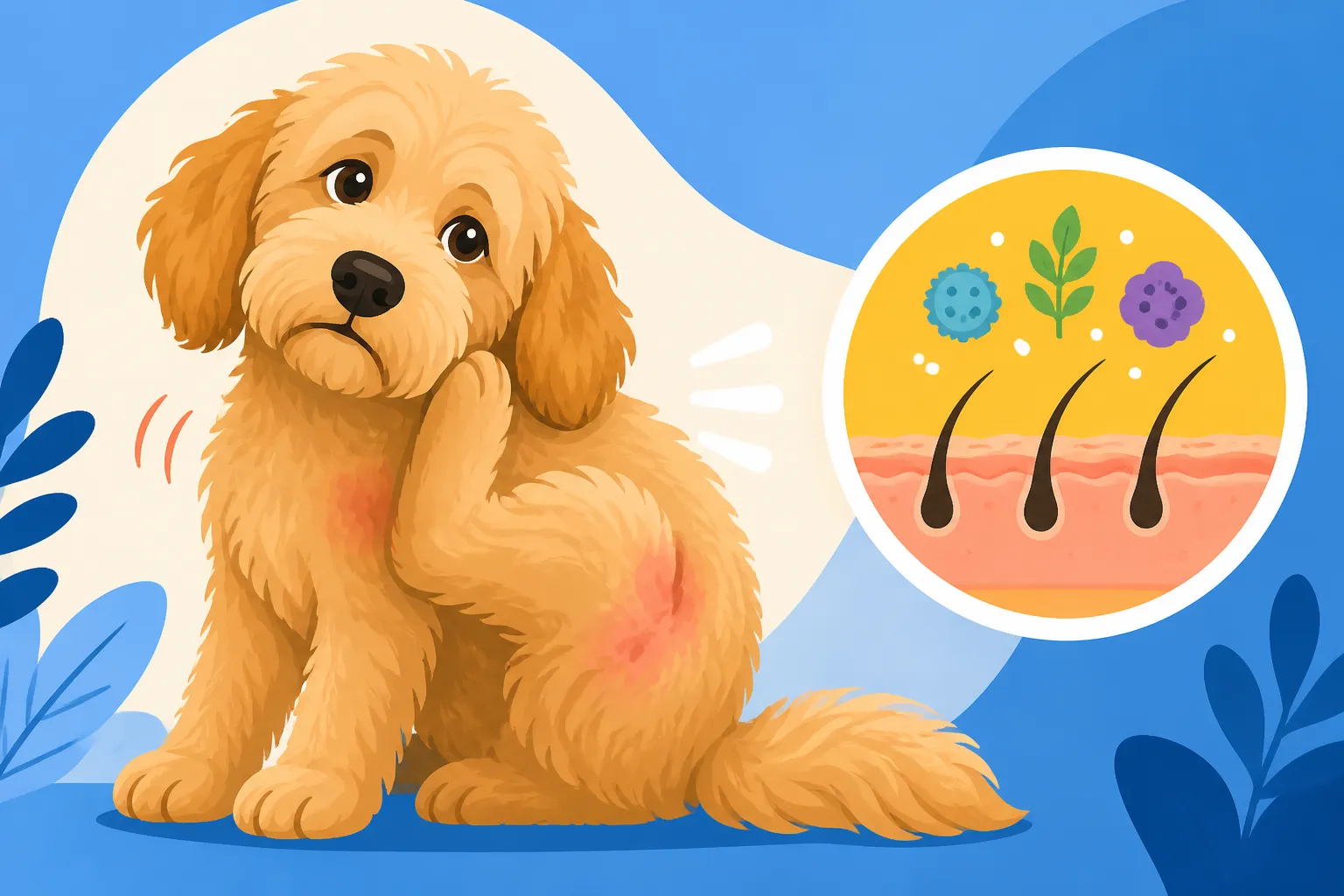
Goldendoodle Allergies and Itchy Skin
Many Goldendoodle owners face the heartbreaking and relentless challenge of a dog constantly scratching, licking, and generally miserable due to itchy skin. It’s not just annoying; it signals underlying issues that need attention, and finding the root cause can feel like a frustrating detective mission. This comprehensive guide will walk you through the various types of Goldendoodle allergies, how to pinpoint their triggers, and the most effective strategies to bring your beloved companion lasting relief, turning that incessant itch into contented calm.
Understanding Goldendoodle Allergies and Their Types
It's truly a mystery sometimes, isn't it? One day your Goldendoodle is perfectly fine, and the next they're scratching like there's no tomorrow, leaving you wondering what in the world changed. Goldendoodles, beloved for their charming personalities and often "hypoallergenic" coats, can still be prone to a variety of allergies that manifest primarily as itchy skin. This isn't just a minor annoyance; it’s a genuine source of discomfort for them, and chronic irritation can lead to more serious health concerns if not addressed. Understanding the different types of allergies is the first crucial step in helping your furry friend.
Environmental Allergies Atopy
Environmental allergies, often referred to as atopy or atopic dermatitis, are incredibly common in Goldendoodles, much like they are in their Golden Retriever and Poodle parent breeds. These are typically seasonal, flaring up when specific pollen counts are high, or year-round if your dog is sensitive to indoor allergens like dust mites, mold, or dander from other animals. Imagine having constant hay fever, but instead of just a runny nose, your skin is also incredibly itchy! That's what many Goldendoodles experience.
The signs usually appear on the parts of their body that come into contact with the ground or where allergens tend to settle, such as their paws, belly, armpits, and ears. If your Goldendoodle is constantly chewing their paws after a walk in the park, or rubbing their face on the carpet more than usual, environmental allergens might be the culprit. These allergies are a genetic predisposition, meaning some Goldendoodles are simply born with a greater likelihood of developing them. Unfortunately, their lush, often curly coats can also trap these allergens close to the skin, exacerbating the problem.
Food Sensitivities and Allergies
Beyond environmental factors, food can also be a significant trigger for itchy skin in Goldendoodles. While true food allergies, which involve an immune system response, are less common than food sensitivities, both can cause immense discomfort. Food allergies typically manifest as non-seasonal itching, often accompanied by gastrointestinal upset like vomiting or diarrhea. They occur when your dog's immune system mistakenly identifies a harmless food protein as a threat.
Common culprits often include proteins like beef, chicken, dairy, wheat, and soy, but any ingredient can potentially be an allergen. Food sensitivities, on the other hand, might not involve an immune response but still cause digestive distress and skin issues. It's truly tricky to distinguish without careful observation and a diagnostic process. If your Goldendoodle's itching seems to have no seasonal pattern and is accompanied by a sensitive stomach or frequent loose stools, it's definitely worth exploring a potential food-related issue. You'll find more information on Goldendoodle Food Allergies Showing on the Skin in another one of our deep dives.
Contact and Other Irritants
Sometimes, the itching isn't due to an ingested food or airborne particle, but something your Goldendoodle's skin physically touches. Contact dermatitis occurs when your dog comes into direct contact with an irritating substance. This could be anything from certain chemicals in household cleaners, lawn treatments, shampoos, or even some types of bedding materials. The reaction is usually localized to the area of contact, making it a bit easier to pinpoint.
Fleas and other parasites are also a massive cause of itchiness, though technically not an "allergy" in the same vein as atopy or food reactions. However, many dogs develop an allergic reaction to flea saliva, meaning even a single flea bite can set off an intense, widespread itch that lasts for days. This often results in frantic scratching, biting, and even open sores. Mites, such as sarcoptic or demodectic mange, can also cause severe itching and skin irritation. Never underestimate the power of these tiny pests to cause major discomfort! Regular parasite prevention is absolutely critical for all Goldendoodles.
Common Symptoms and How to Spot Them
When your Goldendoodle is itchy, they aren't going to tell you with words, but they'll certainly show you with their actions! As a Goldendoodle owner, you become an expert observer, constantly looking for subtle clues that indicate discomfort. It's often a gradual escalation, starting with a little extra scratching here and there, eventually turning into a full-blown assault on their own skin. Catching these signs early can make a huge difference in treatment and preventing secondary issues.
The Tell-Tale Signs of Itchiness
The most obvious sign, of course, is scratching. But it’s not just the casual scratch behind the ear. We're talking about relentless, focused scratching with their back legs, often accompanied by vigorous licking and chewing. You might notice your Goldendoodle constantly grooming a particular area, or gnawing at their paws as if they’re trying to get something out. This constant self-trauma is distressing to watch and even more so for your dog to endure.
Beyond direct scratching, pay attention to where and when your dog is doing this. Are they paw licking after every trip outside? Do they scratch more after a bath with a new shampoo? Are their ears constantly flapping and shaking? These observations are vital clues for your veterinarian. Redness, bumps, or small scabs can appear on the skin, especially in areas of persistent licking. The hair in these spots might also start to look discolored or stained, often turning a rusty brown from the saliva. If you're seeing a lot of paw licking, our article on Goldendoodle Paw Licking and What It Means offers more insights.
Secondary Infections and Complications
The skin is a natural barrier, but when it's constantly scratched, licked, and chewed, that barrier breaks down. This creates a perfect environment for bacteria and yeast, which are normally present on the skin in small numbers, to overgrow and cause secondary infections. These infections dramatically increase the itchiness, creating a vicious cycle that's incredibly hard to break. The most common secondary infections are bacterial (pyoderma) and yeast (Malassezia dermatitis).
You’ll recognize a secondary bacterial infection by the presence of red pustules, crusty lesions, hair loss in patches, and often a foul, yeasty smell emanating from the skin. Yeast infections typically present as greasy skin, a strong musty odor, and thickened, darkened skin, particularly in skin folds or between paw pads. Left untreated, these infections can spread, cause significant pain, and make your Goldendoodle utterly miserable. Addressing the underlying allergy is essential, but treating these secondary infections simultaneously is crucial for providing immediate relief. Chronic ear infections, too, are often a symptom of underlying allergies, which we discuss in Goldendoodle Ear Infections That Return Every Month.
Behavioral Changes Due to Discomfort
Chronic itching isn't just a physical ordeal; it takes a significant toll on your Goldendoodle's mental and emotional well-being. Imagine feeling an uncontrollable itch all day, every day – it would wear anyone down. Dogs suffering from chronic allergies can become irritable, withdrawn, or even aggressive due to their constant discomfort. They might lose interest in playtime, become restless at night, or seek out excessive attention, often trying to get you to scratch them.
Their sleep patterns can be disrupted as the itch keeps them awake. You might notice them pacing, panting, or generally unable to settle down. This constant state of agitation affects their overall quality of life and your bond with them. If your usually happy-go-lucky Goldendoodle suddenly seems grumpy, anxious, or just "off," and you've noticed any of the physical signs of itching, it's a strong indicator that discomfort is playing a major role. Getting to the bottom of their allergies isn't just about their skin; it's about restoring their cheerful personality and improving their overall happiness.
Diagnosing the Root Cause of Your Goldendoodle's Itch
Alright, so you've noticed the scratching, the licking, maybe even some funky smells or red patches. Your Goldendoodle is clearly uncomfortable, and you're ready to find answers. This is where your veterinarian becomes your best ally. Diagnosing allergies in dogs can be a multi-step process, often requiring patience and a bit of detective work. It’s not always a quick fix, but a thorough diagnostic journey is key to long-term success.
The Vet Visit and Initial Assessment
Your first step, without question, is a trip to the vet. Don't try to self-diagnose or treat with over-the-counter remedies without professional guidance, especially if secondary infections are suspected. Your vet will start with a comprehensive physical examination, meticulously checking your Goldendoodle’s skin, coat, ears, and paws. They’ll be looking for signs of fleas, mites, bacterial infections, or yeast overgrowth. This initial assessment is crucial because often, treating these secondary issues first provides immediate relief and allows a clearer picture of the underlying allergy to emerge.
They'll likely take skin scrapings to check for mites, and possibly samples for cytology (looking at cells under a microscope) to identify bacterial or yeast infections. Be prepared to provide a detailed history: when did the itching start? Is it seasonal? What food do you feed? Have you changed anything recently (shampoo, laundry detergent, cleaning products)? All this information helps your vet narrow down the possibilities and decide on the next diagnostic steps. This thorough intake is vital, as Goldendoodle skin and coat disease can manifest in many ways.
Allergy Testing: Skin vs. Blood
Once secondary infections are under control and parasites ruled out, your vet might suggest allergy testing if environmental allergies are suspected. There are two primary types of tests for atopy: intradermal skin testing and blood (serum) testing. Intradermal skin testing is considered the gold standard and is typically performed by a veterinary dermatologist. It involves shaving a patch of hair and injecting small amounts of common allergens under the skin, then observing for a reaction, much like human allergy testing.
Blood testing, on the other hand, involves taking a blood sample and sending it to a lab to measure antibodies to various environmental allergens. While less invasive, its accuracy can be debated, and results may not always perfectly correlate with clinical signs. Both types of tests aim to identify specific environmental triggers, allowing for targeted immunotherapy (allergy shots or oral drops) to desensitize your Goldendoodle to those allergens. Keep in mind that Goldendoodle Allergy Testing and Shot Costs can vary significantly depending on the type of test and your location.
Navigating Food Elimination Trials
If food allergies or sensitivities are suspected, an allergy test for food is generally not recommended as they are often unreliable. The most accurate way to diagnose a food allergy is through a strict food elimination trial. This is a commitment, but it's the gold standard for a reason. It involves feeding your Goldendoodle a novel protein and carbohydrate source (one they've never eaten before, like venison and potato, or duck and pea) or a hydrolyzed protein diet (where the proteins are broken down so small the immune system doesn't recognize them as allergens) for 8 to 12 weeks.
During this period, absolutely nothing else can enter their mouth – no treats, no table scraps, no flavored medications, no flavored toothpaste. This strict adherence is paramount. If the itching resolves on the elimination diet, you then gradually reintroduce old ingredients one by one to see which ones trigger a reaction. It's a challenging process, requiring immense discipline on your part, but it's the only reliable way to pinpoint specific food culprits. More detailed guidance can be found in our article on What a Goldendoodle Elimination Trial Involves.
Managing Environmental Allergies
Once you’ve got a handle on whether environmental factors are playing a role, the real work of management begins. It’s rarely about eliminating allergies entirely, but rather about significantly reducing symptoms and improving your Goldendoodle’s comfort. This often involves a multi-faceted approach, combining environmental control, medications, and careful grooming.
Minimizing Exposure to Triggers
Knowing your Goldendoodle's specific environmental triggers through allergy testing is a huge advantage. If pollen is the culprit, limiting outdoor time during peak pollen counts, especially in the morning and early evening, can help. Wiping down your dog’s paws and coat with a damp cloth or pet wipe after coming inside can remove a surprising amount of allergens before they get absorbed into the skin or spread around your home.
For indoor allergens like dust mites, frequent vacuuming (preferably with a HEPA filter), washing your dog's bedding in hot water weekly, and using air purifiers can make a difference. Consider wiping down surfaces and even bathing your dog more frequently during peak seasons to rinse allergens off their coat. It sounds like a lot of work, but every little bit helps to lessen their allergic load and provide some relief. Remember, we also have specific insights on Goldendoodle Environmental Allergies by Season that might be helpful.
Medications and Immunotherapy
For many Goldendoodles with environmental allergies, medication becomes a necessary part of management. Your vet might prescribe antihistamines for mild cases, though they are often not strong enough for severe itching. Steroids (like Prednisone) are powerful anti-inflammatories that provide rapid relief, but they come with potential side effects with long-term use. Newer, more targeted medications such as Apoquel and Cytopoint have revolutionized allergy management. Apoquel is an oral tablet that targets specific pathways involved in the itch response, offering quick relief with fewer side effects than steroids. Cytopoint is an injectable antibody therapy that provides itch relief for 4 to 8 weeks by neutralizing a key itch-triggering protein.
Immunotherapy, also known as allergy desensitization, is another fantastic long-term option, especially for moderate to severe cases. Once specific allergens are identified through skin or blood testing, a custom vaccine or oral drops are formulated to gradually expose your Goldendoodle to increasing amounts of these allergens. The goal is to reprogram their immune system to stop reacting to them. This isn’t a quick fix – it can take 6-12 months to see full effects – but it’s often the best chance for long-term reduction of symptoms and potentially reducing the need for other medications. It's an investment, but many owners find it truly life-changing for their Goldendoodles.
Grooming Strategies for Allergen Control
Your Goldendoodle’s beautiful coat, while charming, can also be a magnet for allergens. Regular and proper grooming is absolutely essential for managing environmental allergies. Bathing your Goldendoodle with a hypoallergenic or medicated shampoo can help wash away pollen, dust mites, and other irritants from their skin and coat. Your vet might recommend shampoos containing ingredients like chlorhexidine for bacterial infections or miconazole for yeast, or soothing oatmeal shampoos for simple itch relief.
The key is to use lukewarm water and ensure you rinse all the shampoo out thoroughly, as residue can cause further irritation. Follow up with a good conditioner to moisturize the skin barrier. The frequency of bathing will depend on the severity of the allergies and your vet's recommendation, but often a weekly or bi-weekly bath is beneficial. Also, don't forget the importance of regular brushing, which can help remove loose hair and allergens, and keep their coat from matting, which can trap even more irritants. Our detailed guide on Brushing a Goldendoodle Often Enough to Stop Matting offers crucial insights into maintaining coat health.
Addressing Food Allergies and Sensitivities
If your food elimination trial has successfully identified dietary triggers, the next step is a long-term strategy for managing your Goldendoodle's diet. This involves careful selection of ingredients, ensuring complete nutrition, and potentially incorporating supplements to support their gut and skin health. It can feel daunting at first, but with consistency, it becomes second nature.
Choosing the Right Diet
Once you've identified the specific ingredients your Goldendoodle reacts to, the goal is to completely avoid them. This means meticulously reading ingredient labels on all dog food, treats, and even supplements. Look for "limited ingredient diets" (LIDs) that feature a novel protein and carbohydrate source that your dog has not previously been exposed to or reacted to. Many commercial brands now offer excellent options for dogs with food sensitivities.
It's crucial to select a diet that is nutritionally complete and balanced for your Goldendoodle's life stage. If you're considering a home-cooked diet, it must be formulated by a veterinary nutritionist to ensure it meets all their dietary needs; otherwise, you risk serious nutritional deficiencies. Remember, consistency is king. Even small amounts of an allergen can trigger a reaction, so be vigilant about preventing accidental exposure. This includes educating family members and guests about your dog's dietary restrictions.
Supplements for Gut and Skin Health
Supporting your Goldendoodle’s gut health is often overlooked but incredibly important for managing both food and environmental allergies. A healthy gut microbiome can positively influence the immune system and reduce inflammatory responses throughout the body, including the skin. Probiotics, which introduce beneficial bacteria into the gut, can be a valuable addition to your Goldendoodle's diet. Look for high-quality, canine-specific probiotic supplements.
Omega-3 fatty acids, particularly EPA and DHA, are powerful natural anti-inflammatories. They work by reducing the body's inflammatory response, which can significantly improve skin barrier function and reduce itchiness. These are commonly found in fish oil supplements. Always choose a reputable brand and discuss appropriate dosing with your vet. We dive deeper into this topic in our article Omega Oils for a Goldendoodle Coat. Zinc and Vitamin E can also be beneficial for skin health, though these should only be supplemented under veterinary guidance to avoid toxicity.
Long-Term Dietary Management
Managing a Goldendoodle with food allergies is a lifelong commitment. The good news is that once you identify the problem ingredients and establish a suitable diet, many dogs see a dramatic improvement in their skin and overall well-being. However, vigilance is key. It's not uncommon for dogs to develop new sensitivities over time, so if symptoms recur, be prepared to revisit the elimination trial process.
Regular check-ups with your vet are important to monitor their skin health and adjust their diet or supplements as needed. It's also wise to keep a food diary, noting what your Goldendoodle eats and any reactions they might have. This detailed record will be invaluable if you ever need to troubleshoot new symptoms. While it takes effort, seeing your Goldendoodle finally comfortable and itch-free makes all the careful management worthwhile. For more on dietary factors, check out Keeping a Goldendoodle Lean When the Coat Hides It.
Holistic Approaches and Everyday Care
While veterinary intervention is often necessary for severe allergies, many holistic approaches and daily care routines can complement conventional treatments, providing additional comfort and support for your itchy Goldendoodle. These strategies focus on supporting overall skin health, reducing inflammation, and creating a less allergenic home environment.
Topical Treatments and Soothing Baths
Sometimes, immediate relief for itchy skin can come from topical applications. Your vet might suggest medicated wipes or sprays for localized "hot spots" – those intensely red, moist, and painful areas that often flare up quickly from constant licking and chewing. Our article Goldendoodle Hot Spots Under a Thick Coat covers this specific issue in more detail. These typically contain antiseptic and anti-inflammatory ingredients to calm the skin and prevent further infection.
Soothing baths are another wonderful way to provide relief. Colloidal oatmeal shampoos are widely available and can be incredibly calming for irritated skin. Some owners find success with apple cider vinegar rinses (highly diluted, applied after shampooing and rinsing thoroughly, then rinsed again) for its antimicrobial and pH-balancing properties, but always test on a small area first and consult your vet. Epsom salt soaks for paws can also help draw out impurities and reduce inflammation. Just be sure your Goldendoodle doesn't drink the water! Always ensure whatever you use is specifically formulated and safe for dogs.
Environmental Control in Your Home
Beyond managing what your Goldendoodle touches outdoors, controlling their indoor environment is paramount for those with year-round environmental allergies. Just as you might use air purifiers, it’s beneficial to regularly clean all bedding, especially your dog’s bed, which can harbor dust mites and dander. Using washable covers on dog beds is a smart move. Consider switching to hypoallergenic bedding for your Goldendoodle, if you suspect certain fabrics are irritants.
Vacuuming frequently with a HEPA filter vacuum can capture airborne allergens that settle on floors and carpets. Wiping down hard surfaces regularly also helps. Some owners even invest in specialized allergen-reducing sprays for carpets and upholstery. If you have indoor plants, be aware that some can harbor mold spores, which might exacerbate allergies. The goal isn't sterile perfection, but rather a conscious effort to minimize potential triggers your Goldendoodle encounters daily.
Probiotics and Omega Fatty Acids
We touched on these earlier for gut and skin health, but they deserve a special mention as fundamental parts of a holistic, everyday care plan. High-quality canine-specific probiotics, administered daily, can bolster your Goldendoodle's gut microbiome, which in turn supports a robust immune system and reduces systemic inflammation. Think of it as nurturing the internal ecosystem that impacts their entire body, including their skin.
Similarly, consistent supplementation with omega-3 fatty acids (EPA and DHA) is critical. These aren't just for treating active flare-ups; they are essential for maintaining a healthy skin barrier and reducing baseline inflammation over the long term. A strong skin barrier is less permeable to allergens, offering a layer of defense. Discuss with your veterinarian the best brands and appropriate dosages for your Goldendoodle's size and specific needs. Many Goldendoodle owners find that including Supplements That Actually Help a Goldendoodle Coat makes a noticeable difference in their dog’s overall comfort and coat quality.
Financial Considerations for Allergy Management
Dealing with Goldendoodle allergies isn't just an emotional drain; it can be a significant financial one too. The cost of diagnostics, medications, specialized foods, and ongoing care can quickly add up, leaving many owners feeling overwhelmed. It's important to be realistic about these expenses and explore options to make allergy management sustainable for your family and your beloved pet.
Understanding the Costs Involved
The journey to diagnosing allergies often begins with vet visits, skin scrapes, cytology, and potentially blood work, which can range from a few hundred dollars to over a thousand depending on the extent of the testing. If environmental allergy testing (intradermal or blood) is pursued, those costs can easily be another several hundred dollars. A strict food elimination trial, while not requiring expensive tests, necessitates specialized or hydrolyzed diets that are often more costly than conventional dog food, potentially adding hundreds to your monthly grocery bill.
Ongoing treatment costs are where the real long-term expense lies. Medications like Apoquel or Cytopoint can cost anywhere from $50-$150+ per month, depending on your dog’s size and dosage. Immunotherapy, while a long-term investment, also has an upfront cost for the serum/drops, followed by maintenance expenses. Then there are specialized shampoos, conditioners, ear cleaners, and supplements that become part of your regular budget. It's a lot, and it's completely understandable to feel the pinch.
Here's a simplified look at potential costs:
| Item/Service | Estimated Initial Cost (USD) | Estimated Monthly/Annual Cost (USD) | Notes |
|---|---|---|---|
| Vet Exam & Initial Diagnostics | $100 – $400 | – | Skin scrapes, cytology, ear swabs |
| Environmental Allergy Testing | $300 – $800+ | – | Blood test or intradermal skin test |
| Specialized/Hydrolyzed Food | – | $80 – $200+ | For elimination diets & long-term management |
| Apoquel | – | $50 – $150+ | Oral medication for itch control |
| Cytopoint | – | $150 – $300+ (per injection) | Injectable; lasts 4-8 weeks |
| Immunotherapy (Allergy Shots) | $500 – $1000 (initial) | $50 – $100+ | Long-term desensitization; maintenance shots/drops |
| Medicated Shampoos/Wipes | $20 – $50 | $15 – $30 | Depending on frequency of use |
| Omega-3 Supplements | $20 – $60 | $15 – $40 | High-quality fish oil |
| Probiotics | $20 – $50 | $15 – $40 | Canine-specific formulation |
| Recheck Vet Visits | – | $80 – $150 (as needed) | To monitor progress and adjust treatment |
Note: These are estimated ranges and can vary significantly based on location, vet clinic, Goldendoodle size, and specific product choices.
The Role of Pet Insurance
Given the potentially high costs of managing chronic conditions like allergies, pet insurance can be a lifesaver. Many owners wisely enroll their Goldendoodles early, as policies typically don't cover pre-existing conditions. If your Goldendoodle develops allergies after you've enrolled them and completed any waiting periods, your policy could cover a significant portion of diagnostic tests, vet visits, medications, and even specialized food (if medically prescribed).
Companies like Healthy Paws are popular choices among Goldendoodle owners for their comprehensive coverage and straightforward claims process. When looking at policies, pay close attention to what's covered for chronic conditions and whether there are any annual limits or exclusions. A good policy can ease the financial burden considerably, allowing you to focus on getting your Goldendoodle the best possible care without constant worry about the bills. It's truly something worth researching.
Budgeting for Ongoing Care
Even with pet insurance, you'll likely have deductibles and co-pays, and some aspects of allergy care might not be fully covered. This is why budgeting for ongoing care is essential. Set aside a monthly amount specifically for your Goldendoodle’s allergy-related expenses, whether it’s for special food, regular medications, or supplemental products. Think of it as a fixed cost, much like their regular food or grooming.
Don't be afraid to talk openly with your veterinarian about costs. They can often help you prioritize treatments, suggest more affordable alternatives, or even work out payment plans. Sometimes, making the investment in immunotherapy upfront, for example, can reduce long-term medication costs, proving to be a more budget-friendly approach in the long run. Being proactive and prepared can alleviate a lot of stress associated with managing a Goldendoodle with allergies. The upfront cost of Goldendoodle Allergy Testing and Shot Costs might feel high, but it can pay off immensely.
Preventative Measures and Daily Routines
Beyond addressing active flare-ups and managing symptoms, establishing a solid routine of preventative measures and daily care can go a long way in minimizing allergic reactions and keeping your Goldendoodle’s skin healthy. Consistency is the magic word here; small, regular efforts add up to significant improvements in their comfort.
Consistent Grooming and Skin Care
We've already touched on bathing, but let's emphasize how crucial a consistent grooming schedule is. For Goldendoodles, their coat type can vary widely, but most require regular brushing to prevent matting, which can trap allergens and moisture, leading to skin irritation and infections. Line brushing down to the skin several times a week, as described in Brushing a Goldendoodle Often Enough to Stop Matting, is ideal.
Regularly cleaning your Goldendoodle's ears is also paramount, especially if they are prone to ear infections, which are often a sign of underlying allergies. Use a vet-approved ear cleaner at least weekly, or as recommended by your vet, to remove wax and debris that can harbor yeast and bacteria. Pay special attention to the hair within the ear canal; some owners choose to have this hair plucked by a groomer or vet to improve airflow. For more on this, consult Goldendoodle Ear Hair and Chronic Infection and Chronic Goldendoodle Ear Care Adding Up Yearly.
Environmental Management at Home
Maintaining a clean home environment is an ongoing battle, but it's a critical one for allergic Goldendoodles. Regularly vacuuming, especially areas where your dog spends a lot of time, helps reduce dust mites and outdoor allergens tracked inside. Washing your Goldendoodle's bedding, blankets, and plush toys weekly in hot water can significantly decrease allergen load.
Consider using hypoallergenic cleaning products and detergents for your home, especially on floors and any fabrics your dog comes into contact with. If seasonal allergies are a major issue, keeping windows closed during high pollen counts and using air conditioning or air purifiers with HEPA filters can make a noticeable difference in indoor air quality. Small changes can make a big impact on their comfort.
A Holistic Approach to Wellness
Finally, remember that your Goldendoodle's overall health plays a huge role in their ability to cope with allergies. A strong immune system, supported by good nutrition, appropriate exercise, and a low-stress environment, can help modulate allergic responses. Ensure your Goldendoodle is on a high-quality, balanced diet suitable for their needs, and maintain a healthy weight to reduce stress on their body.
Consider incorporating stress-reduction techniques if your Goldendoodle is prone to anxiety, as stress can sometimes exacerbate skin conditions. Provide ample opportunities for mental enrichment and appropriate physical exercise. A healthy Goldendoodle, both physically and mentally, is better equipped to manage chronic conditions like allergies. It truly is a comprehensive approach that looks at the whole dog, not just the itchy spots on their skin.
Disclaimer
The information provided in this article is for educational purposes only and is not a substitute for professional veterinary advice. Always consult with a qualified veterinarian for any health concerns or before making any decisions about your Goldendoodle's care or treatment plan.