Goldendoodle Hot Spots Under a Thick Coat
It's incredibly frustrating when you know your Goldendoodle isn't feeling quite right, but their beautiful, thick, often curly coat hides all the clues. Hot spots, those nasty, rapidly spreading skin infections, are a particular nightmare for Goldendoodle owners because they can fester unnoticed beneath all that hair until they become a big, painful problem. This comprehensive guide will walk you through everything you need to know about spotting, treating, and preventing hot spots, helping you keep your furry companion comfortable and healthy.
Understanding What a Hot Spot Actually Is
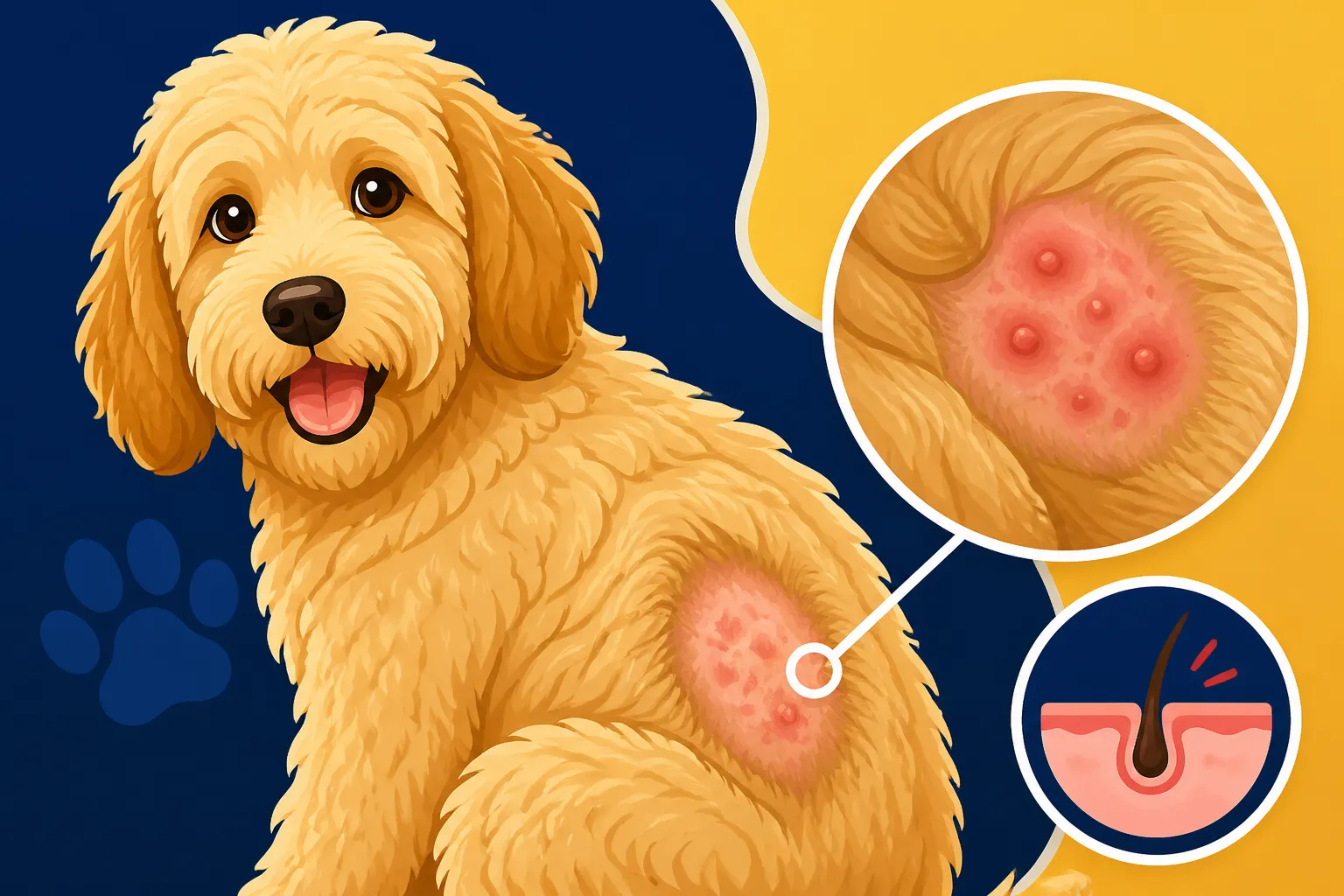
When we talk about a "hot spot," we're not just referring to a red patch of skin. We're actually describing a specific type of superficial skin infection known as acute moist dermatitis. It’s essentially a localized infection that develops incredibly quickly, often within a matter of hours, and can become quite severe if not addressed promptly. The skin becomes inflamed, red, raw, and often oozes, and it's usually very painful and itchy for your dog. Because Goldendoodles have such dense coats, these spots often go undetected until they've grown quite large or you catch a whiff of that tell-tale yeasty, sickly sweet smell that indicates an infection is brewing.
The Vicious Cycle of Itch and Scratch
The name "hot spot" is quite literal; the area becomes hot to the touch due to the inflammation. But how does it start? Usually, it begins with something that irritates the skin, causing your Goldendoodle to start scratching, licking, or chewing obsessively at a particular spot. This initial irritation could be anything from a flea bite, an allergic reaction, a burr caught in their fur, or even just boredom or stress leading to excessive licking. The problem is, once they start, it's incredibly hard for them to stop.
The continuous licking and chewing traumatizes the skin, breaking down its natural barrier and introducing bacteria (often Staphylococcus bacteria, which are naturally present on canine skin). This warmth and moisture create a perfect breeding ground for bacteria to multiply, leading to a rapid infection. The infection then makes the spot even itchier, which causes your Goldendoodle to scratch and lick even more, perpetuating a vicious cycle that quickly escalates the problem from a minor irritation to a full-blown, painful hot spot. It's a rapid downward spiral that can leave both you and your dog feeling miserable.
Why Goldendoodles Are Prone to Hot Spots
It's no secret that Goldendoodles, with their luxurious and often dense coats, seem to be hot spot magnets. There are several reasons why our beloved Doodles are particularly susceptible. Firstly, their thick, sometimes curly, and often waterproof-like coats, while beautiful, can trap moisture against the skin. Whether it's from a swim in the lake, a rainy walk, or even just humidity, that dampness creates an ideal environment for bacteria to thrive. This is particularly true if the coat isn't dried thoroughly after getting wet.
Secondly, Goldendoodles inherit genes from both Golden Retrievers and Poodles, both of which can be prone to various skin issues. Golden Retrievers are known for their susceptibility to allergies, which can manifest as itchy skin, and Poodles can also have sensitive skin. When you combine these genetic predispositions with a coat that can easily conceal problems, you've got a recipe for hot spots. Underlying conditions like allergies (food or environmental), flea bite hypersensitivity, or even ear infections can also trigger the initial itch that leads to a hot spot. It’s important to remember that hot spots are often a symptom of an underlying issue, not the root cause itself. You might want to explore articles like Goldendoodle Skin and Coat Disease and Goldendoodle Allergies and Itchy Skin to understand other related skin challenges.
Recognizing the Early Warning Signs of a Hidden Hot Spot
Catching a hot spot early is absolutely crucial for a quicker, less painful recovery. The challenge with Goldendoodles, though, is that their dense fur acts like a perfect camouflage. What might be obvious on a short-haired breed can be completely hidden on your Doodle until it’s become a significant problem. That’s why you need to become a detective, paying close attention to subtle behavioral cues and making regular, thorough checks of their skin.
The Subtle Clues You Might Miss
Before you even see a physical lesion, your Goldendoodle might be trying to tell you something is amiss through their behavior. One of the most common early indicators is excessive licking, chewing, or scratching at a particular area, especially if it seems targeted and relentless. They might be licking their paw, their hip, or a spot on their side more than usual. This isn't just a casual lick; it's an insistent, almost obsessive action. You might also notice them rubbing against furniture or the carpet more frequently in an attempt to relieve an itch that you can't yet see.
Another subtle sign is a change in their coat texture or appearance in a specific area. While hot spots typically involve moist, oozing skin, the surrounding fur might become matted or discolored from constant licking, even before the skin breaks down. You might also notice a slight dampness or a distinct, unpleasant odor emanating from a certain spot when you get close. This smell is often yeasty or sickly sweet, a clear indicator that bacteria and potentially yeast are overgrowing on the skin. Don't underestimate your nose; it can be one of your best tools for early detection.
Locating Hot Spots Under a Dense Goldendoodle Coat
Finding these insidious spots requires a hands-on approach. The trick is to systematically part your Goldendoodle's fur and examine their skin directly. Start by running your hands all over their body during your daily petting or grooming sessions. Pay particular attention to areas where hot spots commonly occur: behind the ears, on the neck (especially under a collar), hips, outer thighs, and near the base of the tail. These are areas that dogs can easily reach with their mouths or paws, or where moisture can get trapped.
When you feel any warmth, dampness, or stickiness, or if your dog reacts with a wince or a sudden movement of their head, gently part the fur to get a good look at the skin underneath. You might need to use both hands to effectively separate the dense curls. What you're looking for is a circular lesion that's red, inflamed, possibly swollen, and often oozing pus or serum. The hair in the center of the lesion might be gone, or it might be matted down to the skin. The edges of the hot spot can be tricky to define initially, but the skin will be angry and irritated. Don't be surprised if the spot is much larger than you initially estimated – they spread quickly! Remember to check their ears too, as issues like Goldendoodle Ear Infections Under a Furnished Ear can lead to scratching around the face and neck.
First Aid and Immediate Steps for Goldendoodle Hot Spots
Once you've identified a hot spot, it's vital to act quickly to prevent it from worsening. The immediate goal is to stop the cycle of licking and scratching, dry out the lesion, and begin the healing process. While severe cases will always require a vet visit, there are crucial first aid steps you can take at home to provide immediate relief and prepare the area for treatment.
Clearing the Area and Initial Cleaning
The very first and most critical step is to get rid of the hair covering the hot spot. This might feel daunting, especially if your Goldendoodle is in pain, but it's non-negotiable. The thick fur traps moisture, creates a breeding ground for bacteria, and prevents air from reaching the lesion, hindering healing. Using electric clippers (a 10-blade is often recommended for sensitive skin, but any quiet, sharp clippers will do), carefully trim the hair from the entire affected area and about an inch or two beyond its visible edges. You’ll likely be shocked at how much larger the hot spot is once the fur is gone. Be gentle, as the skin will be very tender. If you're nervous or your dog is distressed, this is definitely a job for your vet or a professional groomer who is skilled in this.
After clipping, gently clean the hot spot with a mild antiseptic solution. A diluted povidone-iodine solution (like Betadine, diluted to a weak tea color with water) or a chlorhexidine-based wipe or spray are excellent choices. Avoid using harsh rubbing alcohol, which can sting and further irritate the raw skin. Pat the area dry with a clean cloth or paper towel. The key here is to remove any pus, crust, and debris, and to disinfect the surface without causing more trauma. Repeat this cleaning several times a day, ensuring the area stays clean and dry.
Soothing the Skin and Preventing Further Irritation
Once the area is clean and dry, the next step is to soothe the inflammation and prevent your Goldendoodle from continuing to lick or chew at it. Topical treatments designed for hot spots can be very effective. Look for sprays or creams that contain hydrocortisone (to reduce inflammation and itch) and/or antibiotics (to combat bacterial infection). Some popular over-the-counter options include Vetericyn Plus Hot Spot Spray or a similar product containing chlorhexidine. Apply these treatments thinly and according to package directions. Always consult your vet before using any human-grade medications on your dog.
The biggest challenge will be stopping your Goldendoodle from licking the treated area. An Elizabethan collar (e-collar or "cone of shame") is almost always necessary. While they might hate it, an e-collar is the most effective way to break the lick-scratch cycle and allow the medication to work. Without it, your dog will simply lick off any topical treatment you apply and continue to irritate the skin. You might also find relief by using cool compresses on the area for a few minutes several times a day to further reduce inflammation and provide comfort.
When to Seek Veterinary Intervention
While immediate home care can provide crucial first aid, it's important to recognize when a hot spot warrants a trip to the veterinarian. In truth, for Goldendoodles, it’s often best to involve your vet sooner rather than later, especially due to their dense coats making early detection difficult. You should definitely schedule a vet visit if the hot spot is:
- Large or rapidly spreading: If it's bigger than a quarter or growing noticeably quickly, it needs professional attention.
- Deeply infected: Signs like excessive pus, a foul odor that doesn't improve with initial cleaning, or if the skin looks very raw and painful.
- Not improving within 24-48 hours: If your home efforts aren't making a difference, or it seems to be getting worse, veterinary help is needed.
- Causing systemic symptoms: If your Goldendoodle seems lethargic, has a fever, or is otherwise unwell, the infection might be spreading beyond the skin.
- Recurrent: If your Goldendoodle gets hot spots frequently, there's likely an underlying issue like allergies or parasites that needs to be diagnosed and treated by a vet.
Your vet might prescribe oral antibiotics to tackle the infection from the inside out, stronger topical medications, or even steroids to reduce severe inflammation and itch. They can also help identify and treat any underlying causes, preventing future occurrences. This is where pet insurance, like a plan from Healthy Paws, can be incredibly helpful for managing unexpected vet bills, especially if your Goldendoodle is prone to these recurring issues.
Preventing Hot Spots: A Proactive Approach
The old adage "an ounce of prevention is worth a pound of cure" couldn't be more true when it comes to Goldendoodle hot spots. Given their natural predisposition, establishing a proactive care routine is the best defense. This involves a multi-faceted approach that addresses grooming, underlying health issues, and environmental factors.
Consistent Grooming as Your First Line of Defense
Regular and thorough grooming is paramount for Goldendoodles. Their unique coats, whether wavy or curly, are prone to matting and can easily trap moisture, creating the perfect conditions for hot spots. This means committing to frequent brushing, ideally daily or at least three times a week, to prevent mats and ensure air circulation to the skin. Pay special attention to "hot spot zones" like behind the ears, armpits, and under the collar. Our guide on Brushing a Goldendoodle Often Enough to Stop Matting offers detailed tips.
Professional grooming every 6-8 weeks is also essential. A professional groomer can trim the coat to a manageable length, ensuring areas prone to dampness (like the sanitary areas and paw pads) are kept short, and can spot potential skin issues you might miss. After baths or swims, make sure to completely dry your Goldendoodle's coat, down to the skin, using a high-velocity dryer if possible. Leaving any dampness trapped can quickly lead to skin irritation. Consider a shorter haircut during hot, humid months to aid in ventilation. This might be covered more in Goldendoodle Grooming as the Biggest Line in the Budget.
Addressing Underlying Causes Like Allergies and Parasites
Hot spots are often just the tip of the iceberg, signaling an underlying issue that needs attention. Allergies are a huge culprit for chronic itching in Goldendoodles. This could be environmental allergies (like pollen, dust mites, or grass) or food allergies. If your Goldendoodle is constantly itchy, consult your vet about allergy testing or an elimination diet to pinpoint the triggers. Managing allergies through medication, diet changes, or immunotherapy can significantly reduce the incidence of hot spots. For more detailed information, consider reading Goldendoodle Food Allergies Showing on the Skin or Goldendoodle Environmental Allergies by Season.
Parasite control is another non-negotiable aspect of prevention. Flea bites are one of the most common initial irritants that trigger hot spots. Even one flea bite can set off a severe allergic reaction in sensitive dogs. Ensure your Goldendoodle is on a year-round, veterinarian-approved flea and tick preventative, regardless of the season. Don't forget to regularly check their coat for any signs of pests, especially after outdoor adventures, as discussed in Checking a Goldendoodle for Ticks Under Curls. Mites can also cause intense itching, so regular vet check-ups are key to catching these silent offenders.
Environmental Management and Moisture Control
Your Goldendoodle's environment plays a significant role in their skin health. During humid weather, or if your dog enjoys swimming, extra vigilance is required. As mentioned, always thoroughly dry their coat after any water exposure. If you live in a very humid climate, consider using dehumidifiers indoors. Ensure their bedding is clean and dry, as damp bedding can harbor bacteria and irritants.
Beyond moisture, consider other environmental factors that might irritate their skin. Are there certain plants in your yard that they rub against? Is their shampoo irritating? Choosing gentle, hypoallergenic shampoos and conditioners specifically formulated for dogs can make a big difference. Regular vacuuming and cleaning can also reduce environmental allergens like dust mites and pollen inside your home. By controlling these external factors, you remove potential triggers that initiate the dreaded lick-scratch cycle.
Long-Term Management and Support for Hot Spot Prone Goldendoodles
For Goldendoodles prone to hot spots, managing their skin health is an ongoing commitment. It's not just about treating the immediate lesion, but about implementing a holistic strategy that keeps their skin robust and resilient. This includes dietary considerations, consistent veterinary care, and practical financial planning for potential health challenges.
Dietary Considerations and Supplements
What your Goldendoodle eats can have a profound impact on their skin and coat health. A high-quality, balanced diet rich in essential fatty acids is fundamental. Look for dog foods that list omega-3 and omega-6 fatty acids (like fish oil, flaxseed oil) in their ingredients, or consider adding supplements. Omega fatty acids are known to support skin barrier function, reduce inflammation, and promote a healthy, less itchy coat. Many Goldendoodle owners find success with supplements specifically formulated for skin and coat health, often containing a blend of omegas, vitamins E and A, and sometimes biotin.
If your Goldendoodle suffers from recurrent hot spots, especially those accompanied by other symptoms like gastrointestinal upset or persistent itching, a food allergy could be the culprit. Working with your vet on an elimination diet using a novel protein or hydrolyzed protein diet can help identify and remove dietary triggers. This process can be lengthy but is invaluable for dogs suffering from chronic skin issues. A robust immune system, supported by good nutrition, is better equipped to fend off skin infections.
Regular Vet Check-ups and Preventative Care
Consistent communication with your veterinarian is key for Goldendoodles who are susceptible to hot spots. Regular check-ups allow your vet to monitor your dog's overall skin health, address any emerging concerns, and perform preventative screenings. They can help you stay on top of parasite control, review your grooming routine, and make recommendations for topical products or supplements tailored to your Goldendoodle's specific needs.
If your Goldendoodle has a history of hot spots, discuss a preventative strategy with your vet. This might include having certain medicated shampoos or sprays on hand for early intervention, or even a standing prescription for oral anti-inflammatories or antibiotics if flare-ups are frequent and severe. Early detection during these routine visits is invaluable. For example, your vet might spot early signs of a yeast infection or bacterial overgrowth before it escalates into a full-blown hot spot, saving your dog discomfort and you potential emergency vet bills.
Considering Pet Insurance for Recurring Issues
Let's be realistic: managing recurring hot spots, especially if they stem from underlying allergies or require frequent vet visits, can become quite expensive. Diagnostic tests, specialized medications, medicated shampoos, and repeated vet consultations can add up quickly. This is where pet insurance can be a real lifesaver for Goldendoodle owners.
Companies like Healthy Paws offer comprehensive pet insurance plans that typically cover accidents and illnesses, including conditions like hot spots, allergies, and the treatments associated with them. Having a policy in place means you won't have to make difficult financial decisions when your Goldendoodle needs care. Instead, you can focus on getting them the best possible treatment without worrying about the cost. While preventative grooming and diet can reduce the risk, having a safety net like pet insurance provides peace of mind, ensuring your Goldendoodle's health care is covered, even for those unpredictable, fast-spreading hot spots. A little research into Goldendoodle Pet Insurance for a Dog With No Breed Papers might also be helpful.
| Hot Spot Management Strategy | Pros | Cons | Best For |
|---|---|---|---|
| Clipping Hair | Essential for air, drying, and treatment. | Can be stressful; requires caution. | Immediate first aid on visible hot spots. |
| Antiseptic Cleaning | Reduces bacteria, aids healing. | Must be done gently; some solutions can sting. | Initial and ongoing cleaning. |
| E-collar / Cone | Stops licking/scratching, allows healing. | Goldendoodles often dislike it; impacts mobility. | Essential to break the itch-scratch cycle. |
| Topical Sprays/Creams | Direct treatment to the lesion, reduces itch. | Easily licked off without e-collar; may need vet Rx. | Mild to moderate hot spots; early intervention. |
| Oral Antibiotics/Steroids | Treats severe infection/inflammation systemically. | Requires vet visit; potential side effects. | Severe, spreading, or deeply infected hot spots. |
| Consistent Grooming | Prevents mats, promotes air circulation. | Time-consuming; requires specific tools/skills. | Preventative for all Goldendoodles. |
| Allergy Management | Addresses root cause, reduces recurrence. | Can be lengthy (diagnosis) and costly (treatment). | Goldendoodles with recurrent hot spots/itching. |
| Parasite Control | Prevents flea/mite bite triggers. | Requires consistent application; potential cost. | Essential preventative for all dogs. |
| Dietary Supplements | Supports skin barrier, reduces inflammation. | Results can take time; not a standalone cure. | Long-term skin health support for prone dogs. |
Disclaimer
The information provided in this article is for general informational purposes only and is not a substitute for professional veterinary advice, diagnosis, or treatment. Always seek the advice of your veterinarian or other qualified animal health provider with any questions you may have regarding a medical condition or treatment. Never disregard professional veterinary advice or delay in seeking it because of something you have read in this article.