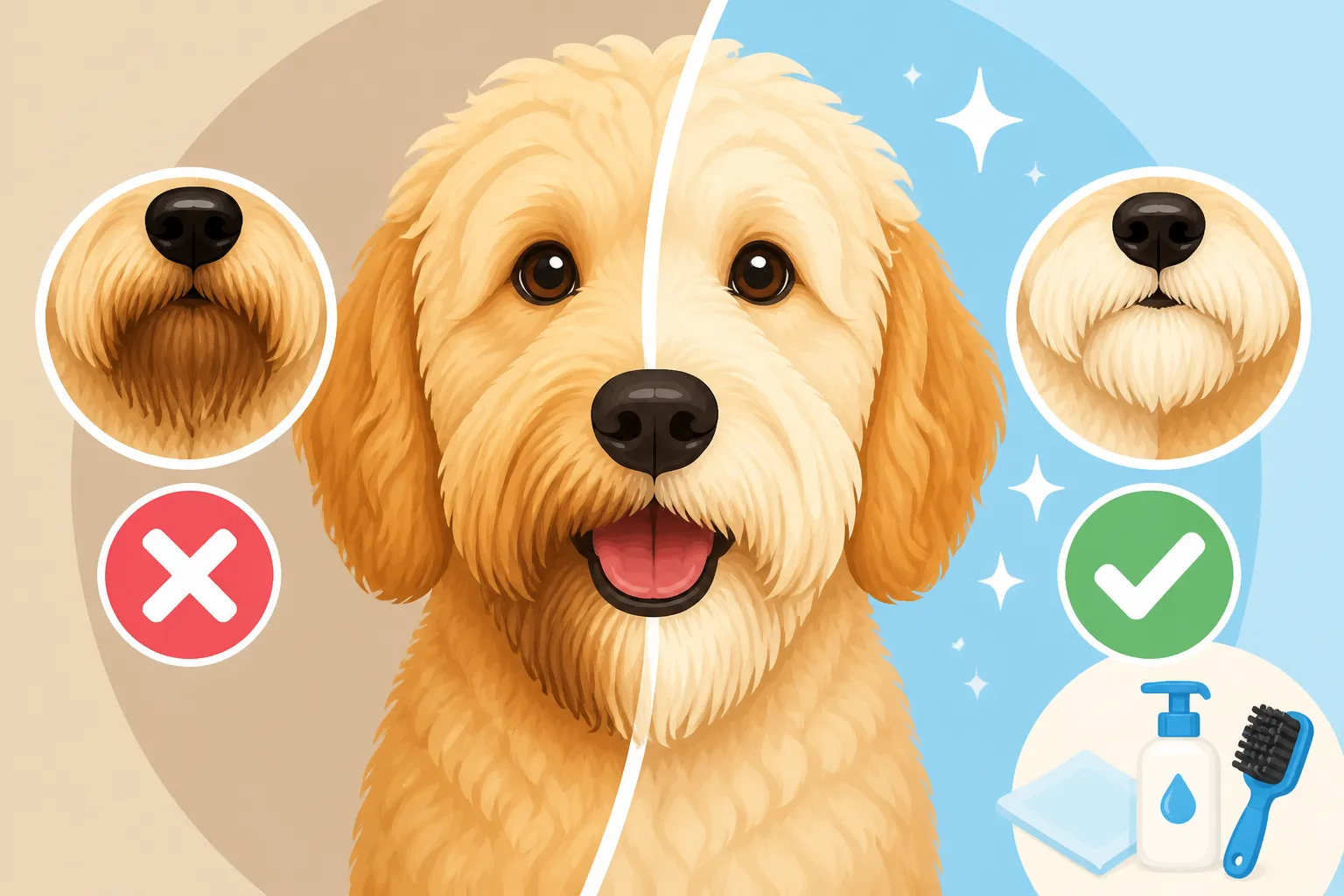
Keeping a Goldendoodle Beard From Staining
It’s a common sight for Goldendoodle parents, and a source of endless frustration: that lovely, soft, fluffy beard, once pristine, now stained an unsightly reddish-brown. This isn't just about aesthetics; those stains can indicate underlying issues or lead to skin irritation if not managed. This comprehensive guide will walk you through the various culprits behind beard staining and, more importantly, equip you with actionable strategies to prevent and tackle those stubborn discolorations, keeping your Goldendoodle looking and feeling fresh.
Understanding Why Your Goldendoodle's Beard Stains
Before we dive into solutions, it’s really helpful to understand why your Goldendoodle’s beautiful beard gets stained in the first place. It often feels like it happens overnight, or you might find yourself constantly scrubbing with little long-term success. The truth is, it's usually a combination of factors, some visible and some hidden.
The Usual Suspects: Food, Water, and Saliva
Think about it: your Goldendoodle's face is right in the thick of things during mealtime and drink breaks. Every time they dip their muzzle into the food bowl or slurp water, tiny particles and moisture get trapped in their luxurious beard. Over time, these can build up and lead to discoloration.
Food, especially kibble with artificial colors or high iron content, can leave a reddish tint. Even natural ingredients like beet pulp, commonly found in many dog foods for fiber, can contribute to a reddish-pink stain. When water is involved, particularly if your home has hard water with high mineral content like iron, those minerals can oxidize on the hair, leading to a rusty discoloration. Saliva, too, plays a significant role. Just like human tears can stain clothes, canine saliva contains porphyrins, which are iron-containing proteins that turn reddish-brown when exposed to light and air. When your Goldendoodle licks their chops, or if they have a tendency to chew on their paws and then touch their face, that saliva gets worked into the beard, setting the stage for staining. The longer these substances sit on the hair, the deeper and more noticeable the stain becomes. It’s a constant battle against daily doggy life!
Underlying Health Issues That Contribute
Sometimes, beard staining isn't just about messy eating; it can be a subtle sign that something else is going on with your Goldendoodle's health. Issues like allergies, dental problems, or even certain medications can increase drooling or make your dog more prone to licking and rubbing their face, exacerbating the staining. For instance, if your Goldendoodle has food allergies, they might experience increased facial itchiness, leading to more pawing and licking, which in turn means more saliva on the beard. Similarly, dental pain or gum disease can cause excessive drooling, which then pools in the beard area.
Yeast infections, often secondary to moisture and warmth in the folds of the skin or around the mouth, can also cause a reddish-brown discoloration, accompanied by a distinct, often unpleasant odor. If you notice a strong, yeasty smell along with the staining, or if your dog is scratching and rubbing their face more than usual, it’s definitely worth a trip to the vet. This isn't something a specialized shampoo alone can fix; it requires addressing the root cause. Without properly identifying and treating any underlying health conditions, you might find yourself constantly battling stains that just keep coming back.
Daily Habits to Prevent Beard Staining
The best offense is a good defense, and when it comes to Goldendoodle beard staining, that means establishing some solid daily habits. Consistency is key here! You'll be surprised what a few small changes can do to keep that fluffy face pristine.
Smart Feeding Practices
How and what your Goldendoodle eats can make a huge difference. First, consider the food itself. Opt for high-quality kibble that avoids artificial dyes and excessive beet pulp if you suspect it's contributing to the staining. Some owners find that switching to a fresh food diet, like those offered by services such as Ollie, can significantly reduce staining because these often contain fewer processed ingredients and artificial colors. If you’re considering a major diet change, remember to introduce new foods gradually to avoid upsetting your dog's stomach. For those who cook for their Goldendoodle, ensure the diet is balanced and doesn't contain ingredients known to cause discoloration.
Beyond the food itself, the way your dog eats matters. Use a narrow, deep bowl for kibble to encourage them to eat from the center, minimizing contact between their beard and the food. After every meal, make it a habit to wipe your Goldendoodle’s beard with a damp cloth or a pet-safe facial wipe. This simple step can remove food particles and saliva before they have a chance to set in and stain. Think of it as brushing your teeth after a meal – essential preventative care! This is a perfect example of why Cleaning a Goldendoodle Beard After Every Meal is so crucial.
Hydration Station Upgrades
Water, as we discussed, is a major contributor to beard staining, especially if it’s hard water or if your dog is a particularly splashy drinker. The good news is, there are several easy fixes for this. First, if your tap water is hard, consider providing filtered water for your dog. A simple pitcher filter or a filter attachment on your tap can make a noticeable difference in reducing mineral deposits on their fur. You don't necessarily need a fancy pet fountain, although some of those do come with filters.
Next, let's talk about the water bowl itself. Wide, shallow bowls are notorious for getting Goldendoodle beards drenched. Instead, look for bowls designed to keep long-eared or long-bearded dogs cleaner. These often have a narrower opening or a raised center that limits how much of your dog's face can get wet. There are also specific "slobber stopper" bowls available through retailers like Amazon or Chewy that have a floating disk, allowing only a small amount of water to come through at a time. This forces your dog to lap more carefully, minimizing splashing and beard soaking.
| Water Bowl Type | Pros | Cons | Best for Goldendoodles |
|---|---|---|---|
| Wide, Shallow Bowl | Easy to clean, readily available | Beard gets soaked, more splashing | Not recommended for bearded dogs; choose with caution |
| Narrow Opening Bowl | Limits beard submersion | Can be harder to clean | Good for reducing general beard wetness |
| Elevated Bowl | Good for posture, less bending | Still allows beard to dip | Can be combined with narrow opening for best results |
| Slobber Stopper/Floating Disk Bowl | Significantly reduces wetness & splashing | Requires training, may need frequent refills | Excellent for reducing beard staining from water |
| Water Fountain (Filtered) | Encourages drinking, fresh water, filtration | Can be noisy, requires power, some splashing | Good if filtration is key, but choose one with a narrower well |
As you can see, choosing the right bowl is a game-changer. For more specific insights, you might find Water Bowls That Keep a Goldendoodle Beard Dry very helpful.
Regular Face Cleaning Rituals
This is perhaps the most hands-on but also one of the most effective prevention strategies. Consistency is truly your best friend here. Beyond wiping after meals, establishing a daily or even twice-daily cleaning routine for your Goldendoodle's face can halt stains in their tracks. Use pet-safe, tearless facial wipes or a soft, damp cloth. Some owners even use a damp paper towel with a tiny drop of pet-friendly shampoo. Gently wipe around their mouth, under their eyes (where tear stains often start), and through the beard. The goal is to remove any food residue, saliva, or moisture before it has a chance to oxidize and cause discoloration.
For persistent staining or if your dog is prone to a greasy beard, a gentle facial wash designed for dogs can be incorporated into their bath routine. Just make sure it’s tearless and formulated for sensitive skin. Remember, Goldendoodle coats can get messy, and keeping their face clean isn't just about looks; it's about hygiene. This regular attention can also help you spot any early signs of skin irritation or yeast buildup before it becomes a bigger problem, preventing issues like those discussed in Goldendoodle Skin and Coat Disease.
Addressing Existing Stains and Stubborn Discoloration
So, you've got some existing stains. Don't despair! While prevention is key, there are definitely ways to lighten and remove those stubborn discolorations. It takes patience and consistency, but a brighter beard is achievable.
Gentle Cleaning Products and Methods
When dealing with established stains, you'll need to step up your cleaning game beyond just a damp cloth. There are many pet-safe stain removers on the market, often found at pet stores or online retailers like Chewy and Amazon. Look for products specifically designed for tear and beard stains that are non-irritating and free of harsh chemicals or bleaches. Many contain gentle oxidizers or enzymes that break down the porphyrins and other staining agents without harming your dog's skin or coat. Always test any new product on a small, inconspicuous area first to ensure your Goldendoodle doesn't have an adverse reaction.
For application, gently massage the product into the stained areas, following the manufacturer's instructions carefully. You might need to let it sit for a few minutes before wiping or rinsing. For very stubborn stains, you may need daily application over a period of days or weeks to see significant improvement. A common home remedy many swear by is a dilute solution of apple cider vinegar (1 part vinegar to 10 parts water), applied with a cotton ball, though always be extremely careful to avoid getting it in your dog's eyes. Another method involves making a paste with a small amount of cornstarch and water, applying it, letting it dry, and then brushing it out. The starch helps absorb moisture and lift the stains. Remember, the goal is gradual lightening, not instant bleaching, which can damage the hair or irritate the skin.
When to Consult a Professional or Vet
Sometimes, despite your best efforts, those stains just won't budge, or they seem to get worse. This is a clear sign it's time to bring in the experts. A professional groomer can offer invaluable assistance. They have specialized tools and products that can effectively address stubborn stains, often as part of a full groom. They can also provide a deeper clean and trim away heavily stained hair, giving you a fresh start. Regular grooming appointments, perhaps every six to eight weeks, can be immensely helpful in managing the Goldendoodle coat, especially around the face. The cost of a good groomer might seem like a lot, but it’s an investment in your dog’s hygiene and appearance. You might find Goldendoodle Grooming Every Six Weeks Adds Up an interesting read for budgeting purposes.
More importantly, if the staining is accompanied by a foul odor, redness, irritation, scratching, or excessive licking, a visit to your veterinarian is crucial. As mentioned earlier, persistent staining can be a symptom of underlying health issues like yeast infections, skin allergies, or dental problems. Your vet can accurately diagnose the cause and prescribe appropriate treatment, whether it’s a medicated wash, antibiotics, antifungals, or even a diet change to address potential allergies. Ignoring these signs could lead to more serious discomfort or health complications for your beloved Goldendoodle. Getting to the root cause is always the most effective long-term solution.
Long-Term Solutions and Lifestyle Adjustments
Beyond the daily wipes and occasional deep cleaning, thinking about the bigger picture—your Goldendoodle's diet, overall grooming, and ongoing health monitoring—will give you the best chance at keeping that beard clean and bright for years to come.
Diet's Role in Overall Coat Health
What goes into your Goldendoodle's body has a direct impact on the quality of their coat and skin, and yes, even on beard staining. A diet rich in high-quality protein, essential fatty acids (like Omega-3s and -6s), and appropriate vitamins and minerals supports healthy skin and a robust coat, which can be more resistant to staining. Conversely, a diet with fillers, artificial additives, or ingredients your dog is sensitive to can lead to systemic inflammation, increased tear production, drooling, and skin irritation – all contributing to stains.
Consider if your Goldendoodle might have a mild food sensitivity or allergy. These can manifest in many ways, and chronic beard staining, along with paw licking or ear infections, can be a clue. Discuss with your vet if an elimination diet trial might be beneficial. This involves feeding a novel protein and carbohydrate source for several weeks to see if symptoms improve. You can learn more about this process in What a Goldendoodle Elimination Trial Involves. Brands like Ollie often focus on single-source proteins and limited ingredients, which can be helpful in identifying sensitivities. Ensuring your Goldendoodle maintains a healthy weight is also important, as obesity can impact overall health and skin folds, making them more prone to issues.
Grooming for Prevention
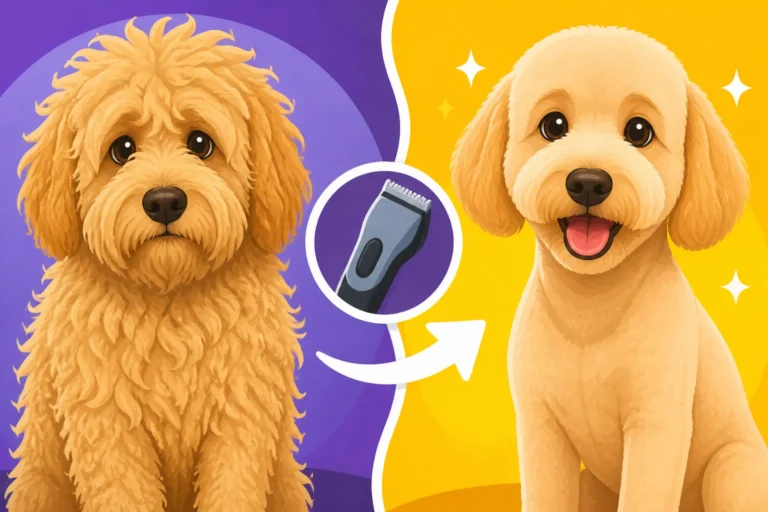
Regular, professional grooming is one of the best long-term strategies for managing your Goldendoodle’s beard and preventing staining. A good groomer understands Goldendoodle coat types and can expertly trim the hair around the muzzle and eyes to keep it short and manageable. Shorter hair means less surface area for food and water to cling to, and it’s easier to clean thoroughly. Discussing specific lengths and styles for the face with your groomer can make a huge difference. For example, a "puppy cut" style that keeps facial hair shorter can be a fantastic way to minimize staining.
Between professional grooms, consistent at-home maintenance is still vital. This includes regular brushing, as detailed in Brushing a Goldendoodle Often Enough to Stop Matting, to ensure there are no mats or tangles where moisture and food can get trapped. Also, don't forget to pay attention to other areas prone to staining, such as around the eyes, which are covered in Trimming a Goldendoodle's Face and Eye Hair. Incorporating these grooming practices from puppyhood can help your Goldendoodle become accustomed to the routine, making future cleanings and trims much easier for everyone involved.
Monitoring for Recurring Issues
Even with the best preventative measures, some Goldendoodles are simply more prone to staining than others. The key is vigilant monitoring and quick action. Make it a habit to regularly inspect your Goldendoodle’s beard, looking for any signs of new discoloration, odor, or irritation. Catching a problem early can prevent it from becoming a major issue. Keep a log if you notice patterns—does it get worse after certain foods, or during specific seasons when allergies might flare up? This information can be invaluable for your vet or groomer.
If you find stains returning frequently, reassess your current routine. Are you being consistent enough with daily wiping? Is their water bowl truly effective? Could their food be changed? Sometimes, it's a matter of tweaking one element. For some Goldendoodles, especially those with very sensitive skin or chronic health issues, ongoing management in conjunction with your veterinarian will be a lifelong commitment. Don't get discouraged! With patience, consistent care, and a proactive approach, you can keep your Goldendoodle’s beard looking its best and ensure their overall comfort and health.
Disclaimer
This article is for general informational purposes only and does not constitute professional advice. Laws, prices and regulations vary by location and change over time. Consult a qualified professional for guidance on your specific situation.