Mats Under a Goldendoodle Harness Strap
There’s nothing quite as frustrating as brushing your Goldendoodle every other day, thinking you’re doing everything right, only to discover a painful, dense mat lurking right under their harness strap. It’s a common heartache for doodle parents, and it often feels like a betrayal after all your hard work. This guide will walk you through exactly why these sneaky mats form, how you can prevent them, and what to do if you find one, ensuring your Goldendoodle stays comfortable and tangle-free.
The Unseen Battle: Why Harness Straps Cause Mats
It's a perplexing problem, isn't it? You put a harness on your Goldendoodle for safety and comfort during walks, but then it seems to create a whole new headache with matting. The truth is, that innocent-looking strap is a major culprit in creating painful tangles, especially for dogs with those glorious, yet high-maintenance, Goldendoodle coats. It’s a perfect storm of friction, pressure, and the very nature of their hair.
Friction is the Enemy of a Goldendoodle Coat
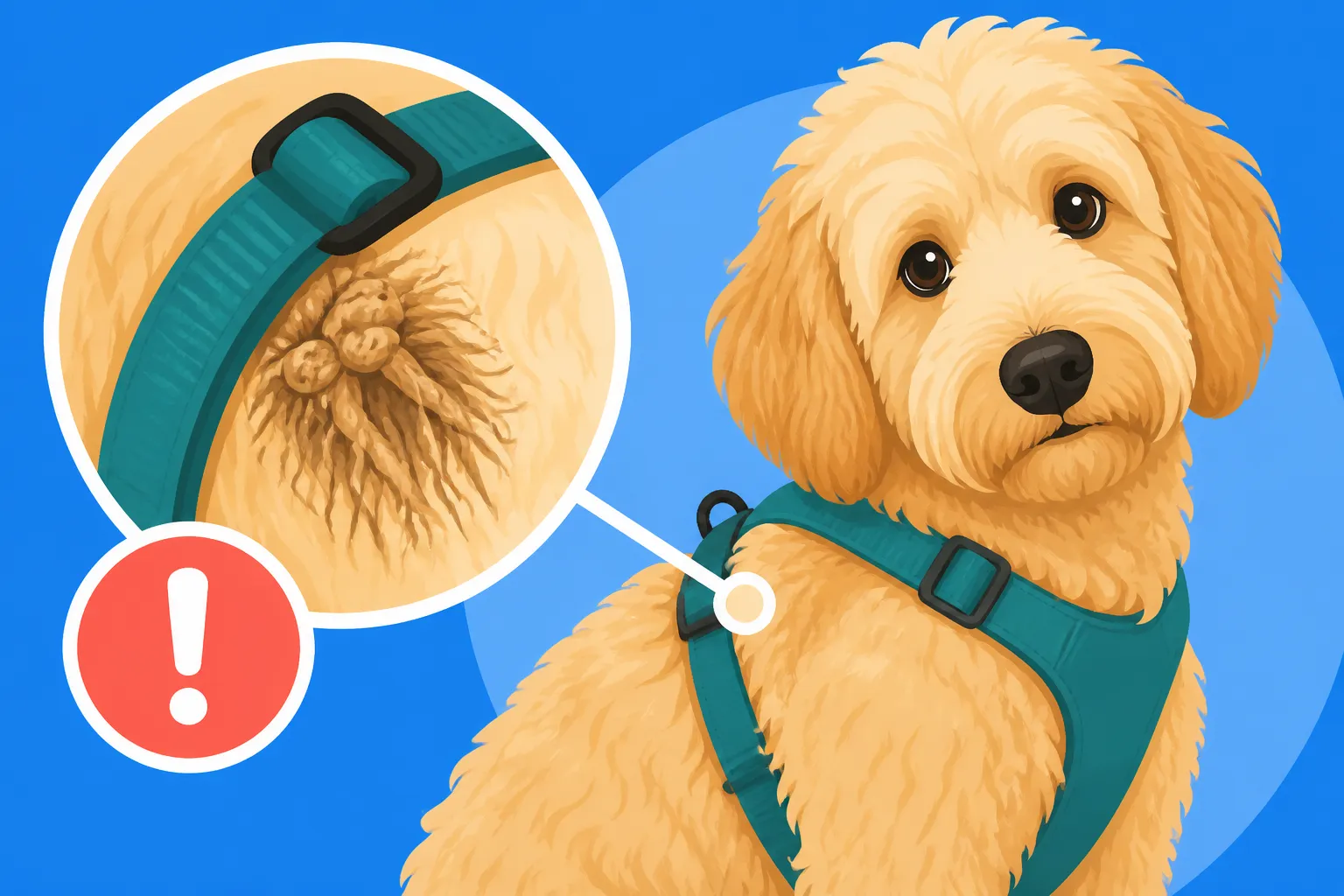
Think about wearing a backpack or a bra strap against your own skin for hours. Even with smooth fabric, you'd feel some rubbing, right? Now imagine that rubbing against a Goldendoodle's soft, curly, or wavy coat. Every step your Goldendoodle takes, every wiggle, every lean into the leash—it all creates friction between the harness strap and their hair. This constant rubbing isn’t just an annoyance; it’s actively knotting the hair together. Unlike short, coarse fur that might just get a little ruffled, the Goldendoodle’s longer, finer hair catches on itself, twisting and tangling into tiny, then larger, knots. Over time, these small tangles become dense, unforgiving mats that pull on the skin and can be incredibly painful. This is particularly true in areas where the harness sits snug, like behind the armpits, across the chest, and along the back.
Pressure Points and Compressed Hair
Beyond just friction, the harness straps exert constant pressure on specific areas of your Goldendoodle's body. Where the straps sit, the hair underneath gets compressed. This compression prevents air circulation and also pushes individual hair strands closer together, making it easier for them to interlock and form mats. Imagine trying to comb through a section of hair that's been flattened under a heavy object. It's much harder, isn't it? The same principle applies here. When the hair is constantly pressed down, it's less likely to move freely and more likely to tangle. This is why you often find the worst mats directly beneath the widest parts of the straps, or where buckles and rings sit, creating extra pressure. Owners often find themselves wondering Why a Harness Can Mat a Goldendoodle's Chest specifically because of this exact combination of friction and pressure.
The Goldendoodle Coat Type Factor
Let's be honest, those beautiful Goldendoodle coats are a big part of their appeal, but they come with a grooming commitment. Depending on whether your Goldendoodle has a wavy fleece, curly wool, or even a straighter coat, they can be more or less prone to matting. The curlier, denser wool coats, in particular, are notorious mat magnets. These coats have a higher density of hair per square inch and a tighter curl pattern, which means the individual hairs are already predisposed to intertwining. Add in the friction and compression from a harness, and you’ve got a recipe for disaster. Even a wavy fleece coat, which might seem less prone, will still mat under these conditions because the softness of the hair makes it easily tangled. It's crucial to understand The Three Goldendoodle Coat Types and How to Tell Them because it will directly impact your grooming strategy around harness wear.
Proactive Strategies: Preventing Harness Mats
The good news is that with a bit of vigilance and the right routine, you can significantly reduce the risk of harness-related matting. It’s all about integrating a few extra steps into your daily Goldendoodle care, rather than waiting for a problem to appear. Prevention truly is easier (and much less painful for your dog) than cure when it comes to Goldendoodle mats.
Daily Brushing is Non-Negotiable
This is hands down the most critical step. If your Goldendoodle wears a harness regularly, you simply cannot skip daily brushing, especially in the areas where the harness sits. This means behind the armpits, across the chest, and along the back and sides where straps might rub. A quick brush over the top won't cut it. You need to line brush down to the skin to make sure every single hair strand is free of tangles. Before putting the harness on, give those areas a good brush. After taking it off, immediately brush those areas again. This removes any nascent tangles before they have a chance to solidify into mats. For a deeper dive, check out Brushing a Goldendoodle Often Enough to Stop Matting.
Here’s a quick guide to harness area brushing:
| Area | Brushing Frequency | Tools Needed | Key Technique |
|---|---|---|---|
| Armpits | Daily, after harness removal | Slicker brush, Metal comb | Gently lift leg, brush from skin out, then comb through. |
| Chest | Daily, after harness removal | Slicker brush, Metal comb | Brush upwards against hair growth, then downwards, then comb. |
| Back/Sides | Daily, after harness removal | Slicker brush, Metal comb | Use short, firm strokes, sectioning hair, ensuring brush reaches skin. |
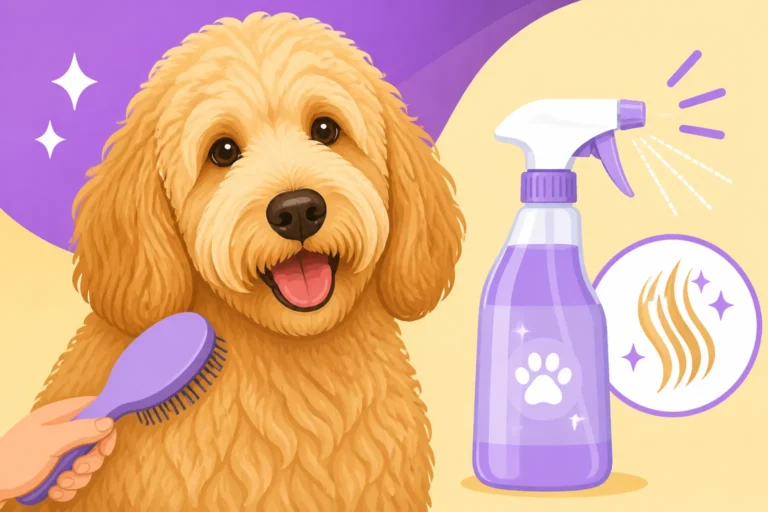
You’ll want to invest in good quality tools. A sturdy slicker brush and a metal comb with both wide and narrow teeth are essential. Many great options can be found on Amazon or Chewy. The slicker brush will get out the loose hair and surface tangles, but the metal comb is your mat detector – if the comb can’t glide through the hair easily, there’s a tangle brewing. A detangler spray can also be a helpful ally, especially if your Goldendoodle's coat is prone to static or knots easily. Detangler Sprays That Help a Goldendoodle can make a huge difference in the ease of brushing.
Choosing the Right Harness for Your Goldendoodle
Not all harnesses are created equal, especially for Goldendoodles. The design, material, and fit of the harness can make a significant difference in mat prevention.
Consider these factors:
- Material: Look for harnesses made from smooth, soft materials that are less likely to snag on hair. Neoprene, padded nylon, or fleece-lined harnesses can be kinder to the coat than rough, thin webbing. Avoid anything with excessive seams or stitching that could cause friction.
- Fit: A properly fitted harness is paramount. It should be snug enough not to shift and rub excessively, but not so tight that it compresses the coat or restricts movement. Measure your Goldendoodle carefully and adjust the straps so there's enough room to slide two fingers comfortably under each strap, but no more. A harness that's too loose will chafe and rub, creating more mats, while one that's too tight will create intense pressure points.
- Design: Some harness designs are better than others. Chest plate harnesses, which distribute pressure over a wider area, can sometimes be less problematic than those with thin, multiple straps. However, even with a chest plate, the edges can still cause matting. Consider designs that minimize straps in known problem areas like the armpits. It might take some trial and error, but finding Harnesses That Suit a Goldendoodle Coat is worth the effort.
Strategic Harness Usage
It might sound obvious, but the less time your Goldendoodle spends in a harness, the less chance there is for matting.
- Remove immediately after walks: Don't leave the harness on for extended periods once you're back home. Treat it like outerwear; once inside, it comes off.
- Alternate with collars for potty breaks: For quick trips to the yard, if your dog is reliably leash-trained and safe on a collar, consider using a regular flat collar instead of putting the harness back on. This gives the coat a break.
- Consider a vest-style harness for specific activities: For longer hikes or car rides where a harness is essential, a vest-style harness made of breathable, smooth fabric might offer more coverage and less concentrated friction than thin straps. However, remember that even these can cause matting if not combined with diligent brushing.
Regular Professional Grooming
Even with the best home care, professional grooming is a Goldendoodle necessity. A groomer can not only keep the coat in a manageable length but also identify and safely remove small tangles before they become major problems. They also have the tools and expertise to properly dry and brush the coat, which is vital for preventing mats. Schedule regular appointments, ideally every 6-8 weeks. This allows the groomer to keep the coat in top condition and address any potential matting issues before they get out of hand. For more on this, look into Booking a Goldendoodle Groom Every Six to Eight Weeks.
Dealing with Existing Harness Mats
Okay, so despite your best efforts, you've found a mat. Don't panic! It happens to the best of us. The key is to address it quickly and gently to avoid causing your Goldendoodle pain or skin irritation. Rushing in with scissors or pulling aggressively will only make things worse.
Assessing the Mat
First, take a deep breath and gently feel the mat. Is it small and superficial, or is it a dense, tight patch right against the skin? Can you see skin through it, or is it completely intertwined? Understanding the severity will guide your approach.
- Small, loose tangles: These can often be worked out at home with patience.
- Tight, felted mats: If the mat is hard, pulling on the skin, and you can't easily see skin underneath, it's a more serious issue that might require professional help. Never try to cut a mat close to the skin with scissors, as it's incredibly easy to cut your dog's skin. Goldendoodle skin is very thin and loose, making accidental nicks a real danger.
The Dematting Process at Home (for minor mats)
If the mat is small and not too tight, you can attempt to work it out yourself. This requires immense patience and gentleness.
- Gather your tools: You’ll need a slicker brush, a metal comb (with varying tooth widths), a good quality detangling spray or conditioning spray, and possibly a blunt-nosed mat splitter or dematting rake (use with extreme caution). You can find these at pet supply stores like Chewy or on Amazon.
- Spray liberally: Apply the detangling spray directly to the mat, making sure to saturate it. Let it sit for a few minutes to help loosen the hair.
- Start at the edges: Never try to brush through the entire mat at once. Instead, start at the very edge of the mat, working small sections of hair free, strand by tiny strand. Use the tips of your slicker brush or the wide-toothed end of your comb.
- Hold the skin: This is crucial! Always place your hand between the mat and your Goldendoodle's skin, holding the skin taut. This prevents the pulling sensation that causes pain and makes your dog resistant to grooming.
- Pick, don't pull: Use a picking motion with your comb or brush, gently teasing apart the tangled hairs. Work slowly and methodically. If you encounter resistance, don't force it. Add more detangling spray and try again.
- Break it up: For slightly larger mats, you might be able to carefully use a mat splitter or the narrow end of your metal comb to divide the mat into smaller sections. Again, always ensure you have a finger or comb guard between the tool and the skin.
- Comb through: Once you've picked the mat apart, use your metal comb to gently comb through the now-separated hair. If the comb glides through, you're done!
Remember, this process can take time. If your Goldendoodle shows signs of discomfort or stress, take a break. Push too hard, and you’ll create a negative association with grooming, making future sessions even tougher.
When to Call a Professional Groomer
For tight, dense, or extensive mats, a professional groomer is your best friend. They have specialized tools and techniques to remove mats safely and with minimal stress to your dog.
- Skin-tight mats: If the mat is right against the skin and pulling, it's best left to a professional. Trying to cut these yourself almost guarantees a trip to the vet for stitches.
- Large, multiple mats: If your Goldendoodle is covered in several mats, the dematting process can be extremely painful and prolonged. A groomer can assess if dematting is even humane, or if shaving is the kindest option.
- Sensitive areas: Mats in delicate areas like armpits, behind ears, or near genitalia are particularly tricky and prone to injury if handled improperly.
- Dog’s temperament: If your Goldendoodle is already sensitive or reactive to grooming, a professional has the experience to handle them safely and reduce their anxiety.
A good groomer will always prioritize your dog's comfort and safety. Sometimes, the most humane option for severe matting is a full shave down, even if it’s not the haircut you envisioned. This frees the skin, allows it to breathe, and gives the coat a fresh start. Don't be ashamed if this is necessary; it shows you're putting your dog's well-being first. It's often the case that When a Goldendoodle Mat Has to Be Shaved it's for their comfort and health.
Choosing the Right Harness for Goldendoodles
Selecting the perfect harness for your Goldendoodle isn't just about fashion; it's a critical part of preventing uncomfortable mats and ensuring their overall well-being. With so many options on the market, it can feel overwhelming, but focusing on a few key characteristics will help you make the best choice.
Harness Types and Their Goldendoodle Suitability
Let's break down the common types of harnesses and how they stack up for a Goldendoodle's unique coat and physique.
- Back-Clip Harnesses: These are arguably the most common type, with the leash attaching on the dog's back. They are generally comfortable and don't put pressure on the throat, which is great. However, because the leash attachment is on the back, it can encourage pulling, and the straps often sit directly in the 'armpit' area and across the chest, which are prime matting zones. For Goldendoodles, choose those with wider, padded straps to minimize friction.
- Front-Clip Harnesses: The leash attaches to a ring on your dog's chest. These are excellent for discouraging pulling, as it redirects their momentum to the side. For Goldendoodles, the advantage is that the chest strap often sits lower, potentially reducing matting in the sensitive armpit area. However, the front strap itself can still create friction on the chest, and if not fitted correctly, it can rub the front legs. Look for designs that are well-padded and distribute pressure evenly.
- Dual-Clip Harnesses: These offer the best of both worlds, with clips on both the back and chest. You can choose where to attach the leash depending on your needs, or even use a double-ended leash for maximum control. This versatility is fantastic for Goldendoodles, allowing you to adapt based on their pulling tendencies and coat condition.
- Vest/Step-In Harnesses: These often involve more fabric, creating a "vest" that your dog steps into. While they can look bulky, the wider distribution of fabric sometimes means less concentrated pressure and friction from thin straps. However, the edges of the vest can still rub, and the extra material means more surface area for potential matting if not kept meticulously clean and brushed. They can also be warmer in hot climates.
Materials Matter More Than You Think
The material of your Goldendoodle's harness directly impacts its matting potential.
- Smooth, Soft Fabrics: Prioritize materials like neoprene, fleece lining, or soft, high-quality nylon webbing. These materials glide over the coat more easily than rough, stiff fabrics, significantly reducing friction. Some harnesses incorporate mesh panels, which can be good for breathability but ensure the mesh itself isn't scratchy.
- Padding: Padding is your friend! Well-padded straps, especially in the armpit and chest areas, provide a barrier between the rough harness material and your Goldendoodle's delicate coat. This not only makes the harness more comfortable but also helps prevent hair from getting caught and matted.
- Avoid Rough Edges and Seams: Inspect the harness for any rough stitching, exposed seams, or sharp edges that could snag hair. High-quality harnesses will have smooth finishes and well-constructed seams.
The Importance of a Proper Fit
An ill-fitting harness, regardless of its type or material, is a matting disaster waiting to happen.
- Too Loose: If the harness is too loose, it will shift and rub excessively with every movement, creating constant friction. It also increases the risk of your dog backing out of it.
- Too Tight: A harness that's too tight will press the hair firmly against the body, compressing it and making it much more prone to matting. It can also cause chafing, skin irritation, and restrict movement.
- Measure Accurately: Before you buy, measure your Goldendoodle's chest girth (around the widest part of their rib cage, behind the front legs) and neck circumference. Compare these measurements to the manufacturer's sizing chart.
- Adjust and Test: Once you have the harness, adjust it so you can comfortably slide two fingers under each strap (neck, chest, and girth). Walk your Goldendoodle around the house to observe how it sits and moves with them. There shouldn't be any gapping or rubbing, and they should be able to move their legs freely without interference.
Remember that Goldendoodles come in a wide range of sizes, from toy to standard. A harness that fits a standard Goldendoodle perfectly might be completely wrong for a mini. Take your time to measure and fit carefully, and don't hesitate to try a few different styles to see what works best for your individual dog. Many pet supply retailers, like Chewy and Amazon, offer detailed sizing guides and hassle-free returns, making it easier to find that perfect fit.
Grooming Routine Adjustments for Harness Wearers
Wearing a harness, even the best-fitted one, requires a slight adjustment to your regular Goldendoodle grooming routine. It’s not just about brushing more; it’s about brushing smarter and integrating other proactive steps that keep their coat healthy and mat-free.
The "Before and After" Brushing Rule
As mentioned, this is paramount. Every single time you put the harness on, give your Goldendoodle a quick brush over the areas where the straps will sit. This ensures there are no existing tangles to get compressed and tightened by the harness. More importantly, immediately after taking the harness off, perform a thorough line brush of those same areas. This catches any new, nascent tangles that might have formed from friction before they have a chance to solidify into painful mats. It literally takes just a few extra minutes but can save you hours of painful dematting work down the line.
Frequent Trims for Problem Areas
While you might love the longer look on your Goldendoodle, keeping the hair a bit shorter in high-friction areas can be incredibly helpful. Talk to your professional groomer about shaving or trimming the hair shorter specifically in the armpit areas, on the underside of the chest, and even a little along the sides where the harness straps lay. A groomer can use a shorter blade length in these specific zones while keeping the rest of the coat longer. This reduces the amount of hair available to tangle and lessens the impact of friction. This is especially true if your Goldendoodle wears a harness daily for multiple walks or activities. This simple adjustment can make a world of difference.
The Power of Leave-In Conditioners and Detangling Sprays
These products are not just for aesthetics; they are powerful mat-prevention tools for Goldendoodles. Before putting on the harness, or as part of your "after" brushing routine, spritz a leave-in conditioner or detangling spray onto the areas prone to matting. These products create a slicker surface on the hair shaft, making it harder for individual hairs to catch and intertwine. They also help to moisturize the coat, preventing dryness and brittleness that can make hair more prone to breakage and tangling. There are many excellent brands available from Chewy and Amazon. Just be sure to choose one that's dog-specific and free of harsh chemicals or heavy perfumes.
Keeping the Harness Clean
Believe it or not, a dirty harness can also contribute to matting. Dirt, debris, and oil from your dog’s coat can build up on the harness straps. This grime can make the material rougher, increasing friction, and also act as an adhesive, helping hair to stick and tangle. Periodically wash your Goldendoodle's harness according to the manufacturer's instructions. A clean harness is a smoother harness, which means less friction and less matting. This simple step is often overlooked but can be surprisingly effective.
By integrating these routine adjustments, you’re not just managing a problem; you’re creating a healthier, happier environment for your Goldendoodle’s coat. It’s a commitment, but one that ensures their beautiful fur remains comfortable and mat-free, no matter how many adventures you share with their harness on.
Disclaimer
This article is for general informational purposes only and does not constitute professional advice. Laws, prices and regulations vary by location and change over time. Consult a qualified professional for guidance on your specific situation.