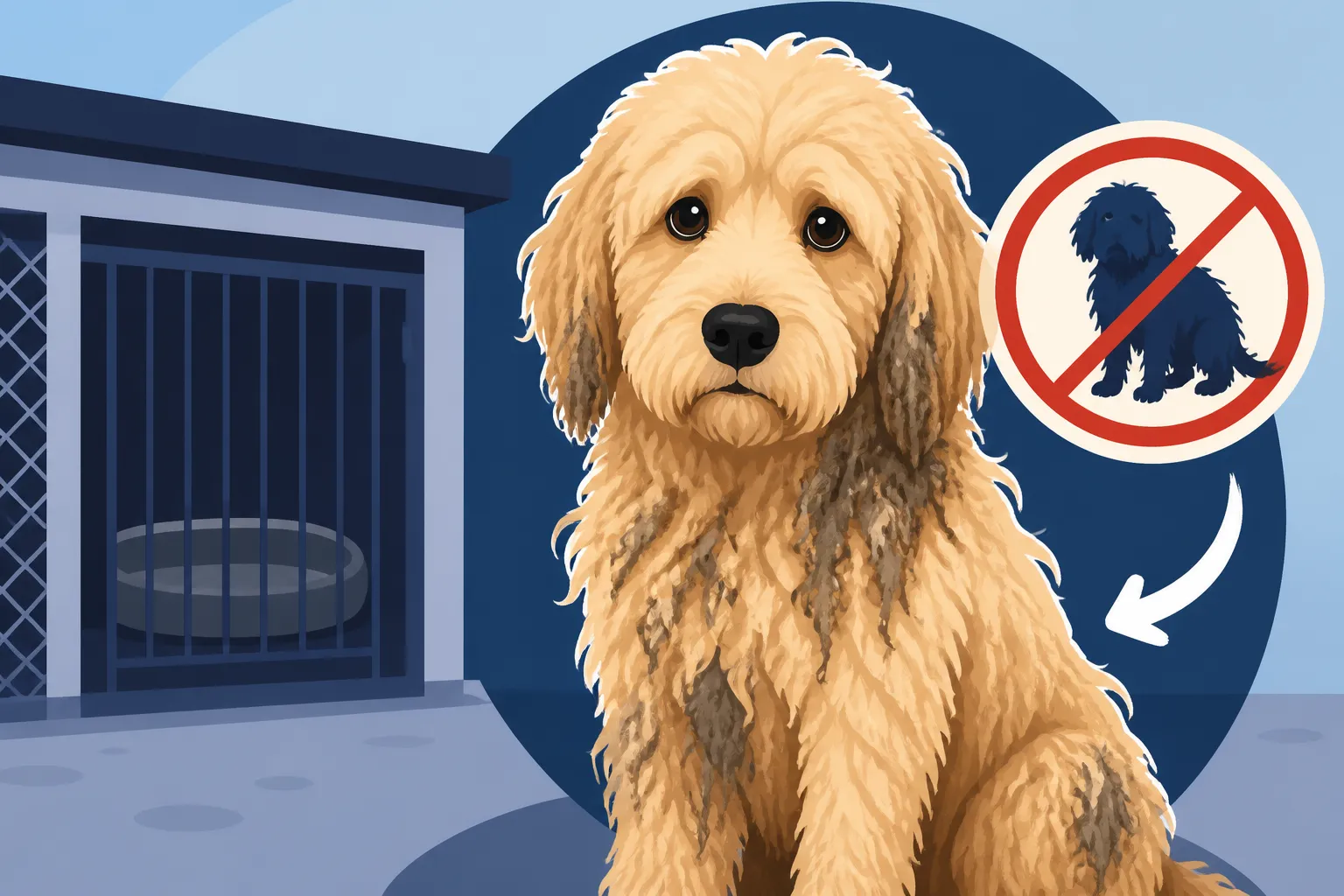
Kennels That Send a Goldendoodle Home Matted
You’ve finally found the perfect Goldendoodle, the one with the soft, fluffy coat you adore. You pour countless hours into brushing, conditioning, and regular trips to the professional groomer. Then, you head out of town, drop your beloved companion at a trusted kennel, only to pick them up a week later looking like a matted, tangled mess. It’s absolutely heartbreaking, infuriating, and unfortunately, a far too common reality for Goldendoodle owners. This guide is here to help you understand why this happens, how to prevent it, and what steps to take if your Goldendoodle comes home from boarding with a coat that’s a painful puzzle of mats.
The Heartbreaking Reality of Kennel Matting
Picking up your Goldendoodle from a kennel and finding them matted isn't just a cosmetic issue; it's a sign of discomfort and potential health problems. This isn't just bad luck; it's often a result of a combination of factors related to the Goldendoodle's unique coat and the realities of a kennel environment.
Why Matting Occurs So Quickly in Kennels
Goldendoodles are known for their beautiful, often non-shedding, coats. However, this very trait – the "furnishings" (the longer hair on the face, beard, and legs) and the curly or wavy texture – makes their coats incredibly prone to matting. Unlike a smooth-coated dog where loose hair simply falls out, a Goldendoodle's hair gets trapped within the existing curls and waves, quickly forming tangles that, if left unchecked, will spiral into dense mats. It’s like trying to comb through a shag carpet that’s been felted.
The issue is compounded in a kennel setting where daily, thorough grooming is rarely a standard practice. Kennel staff are often focused on feeding, potty breaks, and general supervision. They simply don't have the time, the tools, or often the specialized training required to properly line brush a Goldendoodle’s complex coat down to the skin. A quick run-through with a brush on top might make a dog look tidier, but it does nothing to prevent the deep mats from forming closer to the skin, which are the most painful and problematic.
Furthermore, the kennel environment itself contributes significantly. Dogs move, roll, play, and rub against bedding, other dogs, and kennel surfaces. This constant friction is a matting machine for a Goldendoodle. Add in moisture from drinking, drooling, or playing in water, and you have the perfect storm. Damp fur dries into a tighter, more stubborn mat, making a bad situation exponentially worse in a very short amount of time. Even a few days can be enough for a beautifully groomed Goldendoodle to become severely matted.
The Difference Between a Knot and a Mat
It’s important to distinguish between a simple knot and a true mat, though in a Goldendoodle, the line can quickly blur. A knot is typically a small tangle that can be found with a comb and usually worked out with a slicker brush and detangling spray without too much fuss. You might find these in areas of high friction, like behind the ears or under the collar, if you've missed a day or two of brushing. They're annoying, but manageable.
A mat, on the other hand, is a dense, compacted mass of tangled hair that has often fused together, forming a solid, felt-like pad. These aren't just surface-level tangles; they pull tightly on the skin, often hiding beneath the top layer of the coat. If you try to lift a mat, you’ll likely see the skin underneath being stretched and tented, indicating the discomfort your dog is experiencing. They can be large or small, but once they form, they are incredibly difficult, if not impossible, to brush out without causing significant pain.
The rapid progression from knot to mat is particularly pronounced in Goldendoodles. Because their hair doesn't shed like a typical dog's, any loose hair that would normally fall out instead gets interwoven with the surrounding curls. A small knot that might have taken a week to form in a Golden Retriever could become a tight, painful mat on a Goldendoodle in just a day or two, especially in high-movement areas like the armpits, groin, tail, and behind the ears. Ignored for even a few days, especially in an active kennel environment, these small tangles can quickly become a full-body pelt.
Health Risks Associated with Severe Matting
Beyond the aesthetic concerns, severe matting poses significant health risks to your Goldendoodle. One of the most common issues is skin irritation and infection. Mats trap dirt, debris, and moisture against the skin, creating a breeding ground for bacteria and yeast. This can lead to painful skin conditions like Goldendoodle Hot Spots Under a Thick Coat, which are red, inflamed lesions that can quickly worsen if not addressed. The constant pulling of the mats on the skin itself can cause raw areas and sores, even without an underlying infection.
Mats also create a perfect hiding place for parasites. Fleas, ticks, and other external pests can burrow deep into the matted fur, making them incredibly difficult to detect and remove. This can lead to further skin irritation, allergic reactions, and even the transmission of diseases. Imagine having a tick embedded in a thick mat that you can't even feel, let alone see.
The physical discomfort is immense. Mats restrict your Goldendoodle's movement, making it painful to walk, run, or even lie down comfortably. The constant pulling can cause joint pain, especially in areas like the hips and elbows, and can even alter their gait, leading to muscle soreness and stiffness. In extreme cases, deep mats can cut off circulation to limbs or digits, leading to severe tissue damage. This isn't just about a bad hair day; it’s about your dog’s overall well-being and physical comfort.
And let's not forget the ears. Goldendoodles often have long, floppy, furnished ears, which are already prone to issues. When the hair inside or around the ear canal mats, it traps moisture and debris, creating an ideal environment for infections. This is why Goldendoodle Ear Hair and Chronic Infection are such common complaints. The mats can also pull painfully on the sensitive skin of the ear, making the dog scratch and shake their head, which can lead to further damage, like ear hematomas.
Preventing Matting Before Your Goldendoodle Goes to the Kennel
The best offense is a good defense, especially when it comes to Goldendoodle coats and kennels. You really have to be proactive to ensure your dog doesn't come home looking like a forgotten mop.
Pre-Kennel Grooming Essentials
Your Goldendoodle needs a professional groom before they ever set paw in a kennel, not as a recovery measure afterward. Think of it as preparing them for a marathon, not picking them up from the finish line. Schedule a full bath, blow-dry, and haircut with your regular groomer a few days before their kennel stay. This ensures their coat is knot-free, clean, and at a manageable length, giving them the best possible starting point for resisting mat formation. A well-groomed coat is always easier to maintain, even if only briefly brushed by kennel staff.
If your Goldendoodle is going for a longer stay, say more than a few days, seriously consider a shorter haircut. While you might love their fluffy, long look, practicality must take precedence. Discuss with your groomer the optimal Blade Lengths for a Goldendoodle Haircut that will protect their skin but keep their coat short enough to resist severe matting for the duration of their stay. A shorter cut, like a half-inch or even quarter-inch all over, significantly reduces the surface area for tangles to form and makes it easier for any kennel staff (or even you, if you visit) to do a quick brush.
Leading up to the kennel drop-off, step up your home grooming routine. Dedicate time each day to thorough line brushing, ensuring you get down to the skin, especially in common matting zones like behind the ears, armpits, groin, and tail. This isn’t just a quick surface brush; it's a methodical process of brushing small sections of hair at a time. The goal is to ensure absolutely no tangles are present when they enter the kennel, giving them the maximum buffer against matting. The cleaner and more detangled their coat is, the longer it will take for new mats to form.
Choosing the Right Kennel: Questions to Ask
Not all kennels are created equal, especially when it comes to accommodating breeds with high-maintenance coats like Goldendoodles. Before booking, ask very specific questions about their staff training and experience with "doodle" breeds. Do they have staff members specifically trained in canine grooming? What is their staff-to-dog ratio? A lower ratio often means more individualized attention, which might include a quick brush if requested. Look for kennels that demonstrate an understanding of furnished coats, not just general dog care.
Inquire about their grooming services offered during the stay. Some higher-end kennels, or those specializing in long-haired breeds, might offer add-on services like daily brush-outs, conditioning sprays, or even full mini-grooms. While these come at an extra cost, it could be a worthwhile investment to prevent the pain and expense of severe matting. Ask about their policy if a dog starts to mat – will they contact you? Do they have an in-house groomer who can address it?
It’s also crucial to ask about their policy on matted dogs upon pickup. Some kennels might have a clause stating they are not responsible for matting that occurs during the stay. If they offer to "brush out" your dog before you pick them up, politely decline; aggressive brushing on matted fur is painful and damaging. Instead, ask if you can provide your own grooming tools. Though they might not use them, it signals your commitment to their coat care. Also, ask about the type of bedding they provide. Rough blankets or damp surfaces can exacerbate matting, so a kennel that offers clean, soft, dry bedding is preferable.
Packing Smart for Your Goldendoodle's Stay
Even if the kennel staff promises to brush your Goldendoodle, it’s always a good idea to pack your own reliable slicker brush and metal comb. While there's no guarantee they’ll use them, having them available means that if a staff member does have a spare moment and the inclination, they’ll have the right tools for the job. It also sends a clear message that you are serious about your dog's grooming and expect a certain level of care for their coat.
If the kennel allows it, consider bringing your Goldendoodle’s own comfortable, non-friction bedding. A soft, smooth fleece blanket or a well-fitting bed can reduce the rubbing and friction that contribute to matting, especially in the armpits and belly where dogs spend a lot of time lying down. Avoid anything made of rough materials or anything that could easily bunch up and create friction points. Again, this is about creating the best possible environment to mitigate matting risks.
Beyond grooming supplies, remember that a kennel stay can be stressful. Familiar items from home, like their favorite toy or their usual food (many owners get supplies from places like Chewy or even fresh food services like Ollie to maintain consistency), can help ease anxiety. While this doesn't directly prevent matting, a less stressed dog might move less frantically, which could indirectly reduce friction on their coat. Always discuss with the kennel what personal items are allowed, as some facilities have strict rules for hygiene and safety.
What to Do If Your Goldendoodle Comes Home Matted
Despite all your best efforts, sometimes you still pick up your Goldendoodle only to find a disaster lurking beneath their fluffy exterior. It's a truly deflating moment, but how you react and what you do next are critical for your dog's comfort and future well-being.
Immediate Steps Upon Pickup
That moment you realize your Goldendoodle is matted, perhaps as you run your hand over their back or try to greet them with a hug, can be shocking. Your heart sinks. Before anything else, take a deep breath. Then, immediately start documenting the matting with photos and videos, focusing on the density and location of the mats, especially around the ears, armpits, and groin. This visual evidence is crucial for any discussions you might have with the kennel afterward, and also for your groomer or vet.
Once you’ve documented the situation, calmly, but firmly, communicate your concerns to the kennel staff or manager before you leave the premises. Show them the matting you've found and express your disappointment and worry. Ask for an explanation. While they may offer apologies or excuses, it’s important to establish that you are aware of the condition your dog is in and that you are not satisfied. Get their name and contact information, and if possible, ask about any existing policies regarding damages or dissatisfaction with services.
As soon as you get your Goldendoodle home, do a more thorough, but gentle, visual and tactile check. Look for any signs of skin redness, irritation, or sores that might have been hidden by the mats. Gently palpate their body for any signs of pain or tenderness. Matting can be so severe that it restricts movement, so observe if they are limping or favoring any limbs. This initial assessment will help you determine the urgency of professional grooming and whether a vet visit is immediately necessary.
Seeking Professional Dematting and Care
The very first thing you need to do is contact your regular professional groomer immediately. Explain the situation and emphasize the severity of the matting. You’ll need an emergency appointment, as these mats will only get worse and more painful with time. Do not attempt to brush out severe mats yourself. It will be incredibly painful for your Goldendoodle and could damage their skin, leading to a much worse outcome. A professional groomer has the right tools, knowledge, and experience to handle matted coats with as little discomfort as possible.
Be prepared for the difficult truth: your Goldendoodle will likely need a full shave-down. When mats are severe and tight against the skin, brushing them out is simply not humane or feasible. The groomer's priority will be to remove the painful mats and relieve your dog's discomfort, which often means using clippers to go underneath the matting, resulting in a very short cut. This isn't a stylistic choice but a necessity, as detailed in articles like When a Goldendoodle Mat Has to Be Shaved. It can be shocking to see your fluffy dog transformed, but remember it's for their health and comfort.
The financial impact of severe matting can be substantial. Groomers typically charge a Dematting Surcharges on a Goldendoodle on top of their regular grooming fee, due to the extra time, specialized equipment, and difficulty involved. These surcharges can range from $20 to over $100, depending on the severity and duration of the dematting process. In some cases, groomers may even refuse to work on a severely matted dog, referring you to a veterinarian to have them sedated for the shave-down, which adds even more to the cost. As discussed in How Matting Adds Hundreds to a Goldendoodle Year, these unexpected costs can quickly pile up. If your Goldendoodle develops skin infections or other health issues due to the matting, be sure to keep all vet bills. Pet insurance providers, like Healthy Paws, may cover these unexpected vet costs, so check your policy.
Finally, if during your initial inspection, or after the shave-down, you find any raw skin, open sores, or signs of infection, a vet visit is imperative. The veterinarian can provide pain relief, antibiotics for bacterial infections, or antifungal medication for yeast. They can also check for any underlying issues that might have been exacerbated by the matting, such as ear infections that flared up due to trapped moisture beneath matted ear hair.
Addressing the Aftermath: Skin and Behavioral Recovery
After a severe shave-down, your Goldendoodle's skin will be exposed and highly sensitive. It's crucial to monitor their skin closely for any irritation, redness, or signs of sunburn, especially if they have lighter skin. Your vet or groomer might recommend soothing shampoos or topical balms to help heal any raw areas. For the first few weeks, keep baths gentle and ensure their skin is completely dry afterward. If you live in a sunny climate, consider a lightweight doggie shirt or keeping them in the shade during peak sun hours to prevent sunburn.
Beyond the physical, there's often an emotional and behavioral recovery process. A traumatic dematting experience can make your Goldendoodle fearful or anxious about grooming tools and being handled. They might flinch at the sight of a brush or resist being touched in certain areas. It's vital to approach future grooming sessions with extreme patience and positive reinforcement. Use high-value treats and gentle praise to create positive associations. Even just holding the brush near them and giving a treat, without actually brushing, can help rebuild trust.
Rebuilding trust after a painful grooming experience takes time. Start with very short, gentle sessions, focusing on areas they tolerate, and gradually increase the duration and intensity. The goal is to make grooming a positive, low-stress experience again. If your dog continues to show significant fear or aggression towards grooming, consider consulting with a professional positive reinforcement trainer or a veterinary behaviorist. Their expertise can be invaluable in helping your Goldendoodle overcome their trauma and accept necessary coat care in the future.
Learning from the Experience and Moving Forward
A matted Goldendoodle coming home from a kennel is a hard lesson, but it's one you can learn from to prevent future occurrences. It's not just about addressing the immediate issue but also about re-evaluating your choices and establishing better preventative measures.
Reviewing Kennel Policies and Practices
Once your Goldendoodle is on the mend, take time to reflect on the kennel experience. Was the communication clear about their grooming practices? Did they offer any solutions or take responsibility? Use the photos and videos you took as evidence for a constructive conversation with the kennel management. Your feedback can be invaluable not only for them to improve their services but also for other pet parents.
Consider writing honest, detailed online reviews of the kennel on platforms like Google, Yelp, or local pet care directories. Mention the specific issues with matting and the lack of appropriate coat care. While it might feel uncomfortable, your experience can serve as a warning or a guide for other Goldendoodle owners in your area, helping them make more informed decisions. Conversely, if you find a kennel that does prioritize coat care, be sure to sing their praises!
Ultimately, you need to decide if this kennel is suitable for future stays. If they were unresponsive, dismissive, or clearly unprepared for Goldendoodle coat needs, it's probably best to find an alternative. Look for kennels that openly advertise specialized grooming services, have dedicated groomers on staff, or explicitly state their experience with "doodle" breeds. The peace of mind that comes from knowing your dog's coat won't be neglected is priceless.
Establishing a Robust Home Grooming Routine
This experience should reinforce just how crucial consistent home grooming is for a Goldendoodle. Their coats, whether straight, wavy, or curly, demand daily attention to prevent matting. As explained in Why Goldendoodle Matting Is Almost Always Preventable, most matting happens due to a lack of routine, not due to bad luck. Make brushing a non-negotiable part of your daily routine, even if it's just 10-15 minutes. It's far easier to prevent a mat than to remove one.
Ensure you have the right tools. A high-quality slicker brush and a sturdy metal comb are non-negotiable. The slicker brush helps detangle and remove loose hair, while the metal comb is essential for finding and working out smaller knots and confirming you've brushed down to the skin. You can find excellent grooming tools from reputable online retailers like Chewy, which often provide detailed descriptions and customer reviews to help you choose. Investing in good tools makes the job easier and more effective. For a deeper dive, check out The Slicker Brush and Comb a Goldendoodle Needs.
Beyond daily home care, regular professional grooming appointments are indispensable. Schedule your Goldendoodle for a full groom every six to eight weeks, without fail. This consistent maintenance keeps their coat healthy, clean, and at a manageable length. Your professional groomer is your partner in coat care, and they can catch potential issues before they become severe mats. Remember, Booking a Goldendoodle Groom Every Six to Eight Weeks isn't a luxury; it's a necessity for Goldendoodles.
Considering Alternatives to Traditional Boarding
If traditional kennels aren't meeting your Goldendoodle's grooming needs, it might be time to explore alternative care options. In-home pet sitters are a fantastic choice, as your dog stays in the comfort of their own home and maintains their routine. A good pet sitter can also be specifically instructed to perform daily brush-outs, ensuring their coat stays tangle-free. This option can be particularly beneficial for Goldendoodles prone to separation anxiety, as they avoid the stress of a new environment.
Another excellent alternative is an in-home dog boarder who takes in only a few dogs at a time. These individuals often run their businesses out of their own homes, providing a more personalized, home-like environment. Many specialize in doodle breeds and understand their unique grooming needs, often including daily brushing in their service. Ask for references and ensure they are insured and licensed. A referral from your veterinarian or trusted friends is a great starting point for finding such a service.
Finally, if you have trusted friends or family members who are experienced with dogs and willing to take on the responsibility of daily Goldendoodle grooming, this can be a wonderful, low-stress option. Ensure they understand the importance of brushing and are equipped with the right tools. Offering to provide all necessary supplies and even paying them for their time can make this a more feasible and appealing option for them, ensuring your Goldendoodle receives the meticulous care their coat demands while you're away.
A Comparison of Kennel Grooming Services
Navigating the world of dog boarding can be tricky, especially for Goldendoodle owners who face unique grooming challenges. Understanding the different levels of service available can help you make a more informed choice and avoid the heartbreak of a matted dog.
Basic Boarding vs. Grooming-Inclusive Options
Most standard kennels offer what's essentially "basic boarding." This typically includes a secure place to sleep, regular feeding, and scheduled potty breaks. While your Goldendoodle will be safe and their fundamental needs met, specialized coat care is almost never included in the base price. Staff might do a quick visual check, but thorough brushing down to the skin, which is vital for Goldendoodles, is simply not part of the package. They are structured for general dog care, not for high-maintenance coats.
On the other end of the spectrum are kennels that offer grooming-inclusive packages or "Doodle Spa" services. These facilities recognize the specific needs of breeds like Goldendoodles and often employ trained groomers or offer specific add-on services like daily brush-outs, conditioning treatments, and even mini-grooms during the stay. They might have designated grooming areas and staff whose job it is to prevent matting. These services come at a premium, sometimes significantly increasing the daily boarding rate, but they can offer immense peace of mind.
The choice between basic and grooming-inclusive options often comes down to balancing cost versus peace of mind. While the extra expense for a specialized facility might seem high upfront, consider the cost of professional dematting and potential vet bills if your Goldendoodle comes home severely matted from a cheaper, basic kennel. As we've discussed, How Matting Adds Hundreds to a Goldendoodle Year is a real concern. Investing in a kennel that understands and addresses Goldendoodle grooming needs can often be the more economical choice in the long run, not to mention the kinder option for your dog.
| Feature | Basic Boarding Kennel | Grooming-Inclusive / Doodle-Friendly Kennel |
|---|---|---|
| Core Services | Food, water, potty breaks, secure enclosure | All basic services, plus specialized care |
| Grooming Included? | No; minimal or no brushing | Yes, often includes daily brush-outs |
| Staff Expertise | General dog handlers | Staff trained in grooming & doodle coats |
| Cost | Lower daily rates | Higher daily rates, often with add-ons |
| Matting Risk | High | Significantly lower |
| Health Issue Support | Basic monitoring for illness | Proactive matting prevention; quicker identification of skin issues |
| Ideal For | Dogs with low-maintenance coats, short stays | Goldendoodles, long-haired breeds, long stays |
The Role of Staff Training and Specialization
The single biggest differentiator in how your Goldendoodle's coat fares at a kennel is the training and specialization of the staff. A general kennel attendant, no matter how much they love dogs, might not understand the intricacies of a furnished Goldendoodle coat. They might attempt to brush with the wrong tools, or worse, only brush the top layer of hair, pushing developing mats closer to the skin, making them even harder to detect and remove. They may not recognize the early signs of matting or the specific areas where Goldendoodle coats are most prone to tangles.
Kennels that invest in staff training specifically for "doodle" breeds or long-haired dogs will have a much better outcome. These staff members understand that a Goldendoodle's coat isn't just fluffy; it's dense, prone to felting, and requires methodical line brushing. They know how to identify nascent knots, how to gently work them out, and which areas need extra attention. They also understand the importance of keeping coats dry and clean to prevent matting and skin issues.
When interviewing kennels, don't hesitate to ask about staff certifications or specific grooming training. Do they have a certified groomer on staff, even if just part-time? Can they describe their protocol for preventing matting in dogs with complex coats? Their answers will tell you a lot about their level of preparedness and expertise. A kennel that can confidently explain their approach to Goldendoodle coat care is far more likely to send your dog home healthy and mat-free.
Your Rights as a Pet Parent
As a pet parent, you have certain expectations and rights when entrusting your Goldendoodle to a boarding facility. A matted Goldendoodle coming home is not just an inconvenience; it can be a sign of neglect of their specific care needs. If your dog returns with severe matting that leads to pain, skin infections, or requires costly emergency grooming/vet care, you have grounds to address this with the kennel.
First, rely on your documentation. The photos and videos you took upon pickup are your most powerful tools. Present them to the kennel management along with any receipts for dematting services or veterinary care related to the matting. Clearly articulate how their service failed to meet reasonable standards of care for a dog with a Goldendoodle's coat type. Ask for a refund for the boarding services, reimbursement for grooming and vet bills, or other forms of compensation.
If the kennel is unresponsive or refuses to take responsibility, you may consider reporting the incident to local animal welfare organizations, consumer protection agencies, or even your local Better Business Bureau. While legal action might be an extreme step for matting alone, these organizations can mediate disputes and, in cases of severe neglect, ensure the facility is properly investigated. Always keep thorough records of all communications, expenses, and actions taken. Knowing your rights and having the evidence to back up your claims empowers you to advocate for your Goldendoodle's well-being.
Disclaimer
Please remember that the information provided in this guide is for educational purposes only and should not replace professional veterinary advice. Always consult with a qualified veterinarian or professional groomer regarding your Goldendoodle's specific health and grooming needs.