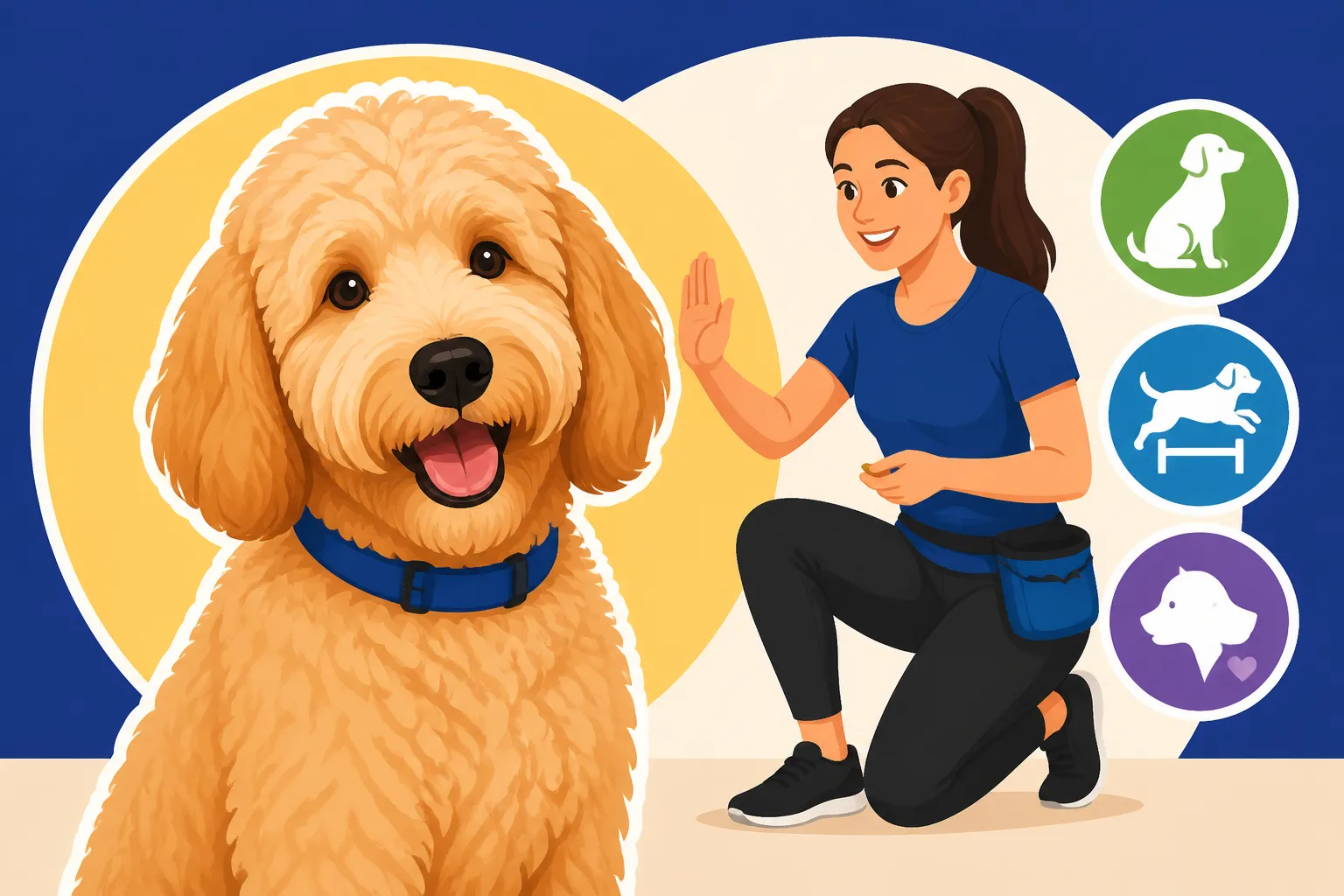
Private Trainers for a Goldendoodle
It's incredibly frustrating when you've put in the effort with group puppy classes, only to find your Goldendoodle still struggling with specific behaviors at home, or perhaps developing new challenges that a general class just can't address. You're not alone in feeling overwhelmed, wondering if there's a more personalized approach. This comprehensive guide will walk you through everything you need to know about private trainers for Goldendoodles, from understanding when to seek specialized help to the costs involved and how to find the perfect fit for your beloved companion.
When Group Classes Aren't Cutting It Anymore
Goldendoodles are often intelligent, eager-to-please dogs, but that doesn't mean they're immune to behavioral challenges, or that a one-size-fits-all group class will solve every issue. Sometimes, the bustling environment of a class can even exacerbate certain tendencies, making you feel like you're not getting the tailored support you truly need.
The Limitations of a Standard Puppy Class
Think back to those early puppy classes. They're fantastic for basic obedience, socialization, and getting your Goldendoodle used to being around other dogs and people in a controlled setting. They teach foundational cues like sit, stay, and come, and introduce polite leash walking. But let's be realistic: a classroom environment with multiple puppies and their owners is designed to address common denominators, not the unique quirks and challenges of your specific dog and your home environment.
For a Goldendoodle, whose temperament combines the intelligence of a Poodle with the biddability of a Golden Retriever, they often pick up basic cues quickly. However, this intelligence can also lead to them being easily distracted or developing sophisticated ways to test boundaries. A group setting often doesn't allow for the deep dive needed to tackle specific issues like excessive barking at the doorbell, counter surfing, or intense pulling on a leash when faced with a specific trigger. The trainer's attention is divided, and the curriculum moves at a pace designed for the average dog, not the one who needs extra help with Goldendoodle Jumping and the Impulse Control Problem or who has developed a severe case of Goldendoodle Separation Anxiety From Both Parent Lines. You might find yourself leaving class feeling like you still haven't gotten the answers for your dog's particular struggles.
Recognizing When Your Goldendoodle Needs More Individual Attention
So, how do you know if it's time to graduate beyond group classes and consider a private trainer? It usually comes down to specific behaviors that are persistent, problematic, or unique to your home life. If your Goldendoodle consistently struggles with things like incessant barking at every passerby outside your window, digging up your prize-winning petunias, or refusing to come when called in your sprawling backyard despite acing "come" in class, that's a huge sign.
Another common indicator is if your Goldendoodle exhibits fear, anxiety, or reactivity in specific situations that a group class simply can't simulate or manage effectively. Maybe they're perfect in a dog park, but completely melt down when the vacuum cleaner comes out, or perhaps they're wonderful with people they know but become overly excited and jumpy with new visitors. These are issues deeply tied to your dog's individual personality, past experiences, and your home environment. A private trainer can observe these behaviors firsthand in context, allowing them to formulate a targeted plan. This personalized approach is crucial for addressing the nuances of Goldendoodle Behavior Problems That Start in Puppyhood before they become deeply ingrained habits.
Understanding Private Training Options for Goldendoodles
Once you've decided that private training is the way to go, you'll discover there isn't just one type. Each option offers distinct advantages and disadvantages, and choosing the right one depends heavily on your lifestyle, your Goldendoodle's specific needs, and your budget.
One-on-One Sessions in Your Home
In-home private training is often the first choice for many Goldendoodle owners. The biggest benefit is that the trainer comes to you. This means they can observe your Goldendoodle in their natural environment, where most of the problematic behaviors occur. If your Goldendoodle is jumping on guests, the trainer can see it happen. If they're counter surfing, the trainer can set up a scenario to address it directly. This context is invaluable.
During these sessions, the trainer works directly with you and your Goldendoodle, teaching you how to implement the training techniques. It's less about the trainer "fixing" your dog and more about empowering you with the skills to manage and modify your Goldendoodle's behavior consistently. These sessions are highly tailored, focusing on your specific goals, whether it's getting your Goldendoodle to Teaching a Goldendoodle to Stand Still for Grooming, improving their house manners, or refining their Goldendoodle Recall and the Retriever Half in your local park. The sessions typically last an hour or two, and you'll often be given "homework" to practice between visits. This ongoing involvement from you is critical for long-term success.
| Training Type | Pros | Cons | Typical Cost Range (per hour/session) |
|---|---|---|---|
| In-Home Sessions | Highly personalized; real-world context; owner education | Requires owner consistency; can be slower for severe issues; trainer travel time | $100 – $300 |
| Board and Train | Intensive, fast results; professional handles all training | Expensive; dog is away from home; owner still needs follow-up training | $1,500 – $6,000+ (per 2-4 weeks) |
| Virtual Consultations | Accessible anywhere; often more affordable; convenient | Lacks hands-on correction; relies heavily on owner's observation skills; less effective for complex physical behaviors | $75 – $150 |
Board and Train Programs for Intensive Support
A "board and train" program is where your Goldendoodle goes to live with a professional trainer for an extended period, typically two to four weeks, sometimes longer. The idea is that the dog receives intensive, consistent training every day from an expert, away from the distractions and ingrained habits of their home environment. For some owners, especially those with busy schedules or very challenging behavioral issues, this can seem like a magical solution.
The results can often appear dramatic and quick because the trainer has full control over the environment and can dedicate significant time to training throughout the day. However, it's crucial to understand that while your Goldendoodle might come back knowing a lot of new cues, you still need to learn how to maintain those behaviors. The trainer will typically include "go-home" sessions where they teach you how to handle your "newly trained" Goldendoodle and how to generalize these skills back into your home life. Without your consistent follow-through, the training can quickly unravel.
While a board and train might seem like an excellent fix for a Goldendoodle that has, for instance, a significant Goldendoodle Separation Anxiety From Both Parent Lines issue, it's important to consider that removing them from their anxiety-inducing environment might not fully address the root cause, only the symptoms in a new setting. It's often best for specific obedience goals or for dogs whose owners are truly struggling with consistency. These programs are often the most expensive option, but can be worth it for owners who need a significant jumpstart. Look for trainers who use positive reinforcement and ethical methods, avoiding those who promise instant fixes through harsh corrections, as this can be detrimental to a sensitive Goldendoodle.
Virtual Training and Remote Consultations
In our increasingly connected world, virtual training has become a viable and often more affordable option. This involves video calls with a professional trainer who guides you through techniques, observes your Goldendoodle (via your camera), and provides feedback. It's perfect for owners who live in remote areas without local trainers, or for those on a tighter budget.
Virtual training can be incredibly effective for many behavioral issues, especially those rooted in communication misunderstandings or fear-based responses. For example, if your Goldendoodle barks excessively at the mail carrier or guards certain items, a virtual trainer can watch these interactions and coach you on real-time interventions and environmental management. They can also help you with Goldendoodle Puppy Biting and Mouthing or establishing a solid foundation for polite greetings. You can also get expert advice on sourcing appropriate training aids from places like Chewy, whether it's specific high-value treats (like those from Ollie for their palatability) or puzzle toys to provide mental stimulation.
However, virtual training does have limitations. It's less effective for behaviors that require hands-on physical intervention or precise leash handling, such as complex leash reactivity or aggression, although a skilled virtual trainer can still provide guidance on management and desensitization. It also relies heavily on your ability to accurately describe and demonstrate your Goldendoodle's behavior and your capacity to implement the techniques correctly. Despite these limitations, it's a fantastic resource for ongoing support and for addressing many common Goldendoodle challenges without the logistical constraints of in-person visits.
Breaking Down the Costs of Private Goldendoodle Training
Let's be honest, the cost of dog ownership, especially with a Goldendoodle, extends far beyond the initial Goldendoodle Puppy Prices From $2,000 to $5,000. Private training is an investment, and understanding what influences the price can help you budget realistically and make an informed decision.
Hourly Rates vs. Package Deals
Most private trainers offer their services in one of two ways: hourly rates for individual sessions or package deals that include a set number of sessions. Hourly rates typically range from $100 to $300 per session. This is often a good option if you have a very specific, minor issue you want to address, or if you're not sure how much training you'll ultimately need. For example, you might book a single session to get advice on Goldendoodle House Training Week by Week or to address a specific nuisance behavior like jumping on the couch.
However, for more complex or multiple issues, package deals almost always offer better value. A package might include 3-5 sessions for $400-$1000, or even more for extensive programs. Trainers often structure these packages to ensure enough time to make significant progress and address root causes rather than just symptoms. For instance, a trainer might offer a "New Puppy Package" with three in-home visits over several weeks, covering everything from potty training to polite greetings, or a "Leash Manners Masterclass" with five sessions. When considering the overall What It Costs to Train a Goldendoodle Out of Jumping, a package deal is usually the most cost-effective path to lasting results.
Geographical Differences in Training Fees
Just like pretty much everything else, the cost of private dog training varies significantly depending on your location. Trainers in major metropolitan areas, such as New York City, Los Angeles, or even bustling suburban areas surrounding cities like Dallas or Atlanta, will almost invariably charge more than those in rural or less densely populated regions. This reflects the higher cost of living, business expenses, and demand in these areas.
For example, an hourly session for a private trainer in Manhattan might easily hit the $250-$350 mark, whereas the same service in a smaller town in, say, rural Ohio, could be $75-$150. If you're looking for Hourly Rates for a Goldendoodle Behavior Consult, prepare for these price disparities. Sometimes, trainers in high-demand areas may also have longer waiting lists. It's always a good idea to research average rates in your specific community to set realistic expectations. Don't be afraid to call a few different trainers in your region for quotes and compare their services and experience levels.
Unexpected Costs and Long-Term Commitments
When budgeting for private training, it's easy to focus only on the session fees, but there can be other costs to consider.
- Equipment: A good trainer might recommend specific tools to aid in training, such as a different harness (e.g., a front-clip harness for leash pulling), a long line for recall practice, or specialized grooming tools if you're working on cooperative care for your Goldendoodle. While these aren't exorbitant, they add up.
- Follow-Up Support: While a package aims to resolve issues, behavioral changes are rarely linear. You might find you need an occasional "tune-up" session months down the line, or perhaps access to a trainer's online resources or support group. Factor in the possibility of ongoing, albeit less frequent, support.
- Medication/Veterinary Intervention: In some cases, a private trainer might identify that your Goldendoodle's behavioral issues (e.g., severe anxiety, aggression, or sudden shifts in behavior like A Goldendoodle That Snaps During Grooming) have an underlying medical component or require the expertise of a veterinary behaviorist. This would involve additional costs for vet visits, diagnostic tests, and potentially Anxiety Medication for a Goldendoodle or other prescriptions. A responsible trainer will always recommend a vet check if they suspect a medical issue. Consider pet insurance providers like Healthy Paws for these kinds of unexpected veterinary expenses, as early enrollment can help with coverage for unforeseen conditions.
Finding the Right Private Trainer for Your Goldendoodle
Choosing a private trainer isn't like picking a service from a menu; it's about finding a partner who understands your Goldendoodle and your family. The right trainer can make all the difference, while the wrong one can set you back.
Qualifications and Certifications to Look For
The dog training industry is largely unregulated, which means anyone can call themselves a "dog trainer." This makes it vital for you to do your homework. Look for trainers who have professional certifications from reputable organizations. These certifications indicate that the trainer has met specific standards of knowledge, experience, and ethical practice.
Key certifications to look for include:
- CPDT-KA (Certified Professional Dog Trainer – Knowledge Assessed): This certification, offered by the Certification Council for Professional Dog Trainers (CCPDT), means the trainer has passed an exam demonstrating knowledge of animal learning, training techniques, and instruction skills.
- KPA-CTP (Karen Pryor Academy Certified Training Partner): Trainers with this certification have completed an intensive program focused exclusively on positive reinforcement, clicker training, and science-based methods.
- Fear Free Certified Professional: This certification shows a commitment to reducing fear, anxiety, and stress in animals during veterinary visits, grooming, and training. This is particularly valuable for sensitive Goldendoodles.
- IAABC (International Association of Animal Behavior Consultants): Professionals with certifications from IAABC (like CDBC – Certified Dog Behavior Consultant) often have a deeper understanding of complex behavioral issues and may work closely with veterinary professionals.
It's also crucial to ask about their training philosophy. A responsible trainer, especially for a generally soft and eager-to-please breed like the Goldendoodle, will emphasize positive reinforcement, force-free methods, and LIMA (Least Intrusive, Minimally Aversive) principles. Avoid trainers who advocate for harsh corrections, shock collars, prong collars, or physical intimidation, as these methods can damage your Goldendoodle's trust, create fear, and often suppress behaviors without truly resolving the underlying issue. When you're looking for someone to help with issues like A Goldendoodle That Snaps During Grooming due to fear, a gentle, positive approach is absolutely paramount.
Interviewing Potential Trainers
Once you've identified a few potential trainers with appropriate qualifications, don't hesitate to interview them. Most reputable trainers offer a free phone consultation or an initial assessment for a nominal fee. This is your chance to ask critical questions and assess their approach.
Here are some questions to consider asking:
- "What is your training philosophy and methodology?" Listen for terms like positive reinforcement, force-free, science-based, and LIMA.
- "What experience do you have with Goldendoodles or similar breeds?" While every dog is an individual, experience with the breed can be helpful.
- "Can you provide references from past clients?" A good trainer will be happy to connect you with satisfied clients.
- "What is your approach to [specific behavioral issue your Goldendoodle has]?" Get them to explain their plan of action for your unique challenges.
- "How do you measure success?" It's not just about stopping a behavior, but often about teaching an alternative.
- "What kind of support do you offer between sessions?" Do they respond to emails or texts, or offer follow-up calls?
- "What are your policies for rescheduling or cancellations?"
- "Can I observe a session (if not in-home) or see videos of your training?"
Pay attention to how they interact with you during the interview. Do they listen carefully? Do they communicate clearly and make you feel comfortable? Red flags include trainers who guarantee instant results, badmouth other trainers, or pressure you into signing up immediately. Trust your gut feeling – you're looking for someone you can comfortably work with over time. This process is key to Finding a Trainer Who Works With Goldendoodles and truly understands them.
Matching Training Philosophy to Your Goldendoodle's Needs
Goldendoodles are known for their sensitive and intelligent nature. They respond incredibly well to positive reinforcement, where desired behaviors are rewarded with treats, praise, or toys. This builds a strong, trusting relationship between you and your dog, making them want to work with you. A Goldendoodle that is constantly criticized or subjected to harsh corrections can quickly become shut down, fearful, or even aggressive.
Consider a Goldendoodle that's a bit anxious around new people. A positive reinforcement trainer might teach them a "place" cue, rewarding them heavily for staying calmly on their mat when guests arrive, gradually increasing the challenge. A trainer using aversive methods might correct them with a leash pop or an e-collar for trying to greet. The former builds confidence and teaches an appropriate alternative, while the latter only suppresses the greeting, potentially creating more anxiety about strangers.
For Goldendoodles with their thick coats and long ear furnishings, issues like Goldendoodle Ear Hair and Chronic Infection or needing regular grooming for Goldendoodle Skin and Coat Disease are common. A trainer who specializes in cooperative care can help desensitize your Goldendoodle to grooming tools and handling, making routine care much less stressful for both of you. The philosophy should always center on building confidence and strengthening the human-animal bond, not on dominance or fear.
Making the Most of Your Private Training Investment
Hiring a private trainer is a significant investment in your Goldendoodle's future and your peace of mind. To truly reap the benefits, you need to be an active participant in the process, committed to consistency and ongoing effort.
Your Role in the Training Process
This is perhaps the most crucial aspect: private training is not a magic wand. The trainer provides the expertise and the roadmap, but you are the one driving the car. Your Goldendoodle lives with you, learns from you, and responds to your consistency (or lack thereof). During and after private sessions, your "homework" is paramount. This means practicing the exercises daily, reinforcing desired behaviors, and consistently applying the management strategies the trainer recommends.
For example, if your Goldendoodle struggles with Goldendoodle Jumping on Every Visitor, the trainer will teach you specific cues and management techniques, like keeping a leash on them when guests arrive or rewarding a "four paws on the floor" behavior. If you only implement these strategies during the trainer's visit, or inconsistently, your Goldendoodle will be confused, and the behavior won't improve. You are your Goldendoodle's most important teacher. Embrace that role, ask questions, take notes, and communicate openly with your trainer about your progress and any challenges you face.
Integrating Training into Daily Life
The ultimate goal of training isn't just for your Goldendoodle to perform cues perfectly in a sterile training environment, but for them to be a well-behaved companion in the chaos of real life. This concept is called "generalization." Your trainer will help you understand how to practice commands and behaviors in different environments, with varying distractions, and around different people.
For instance, if you're working on "stay," you'll start in a quiet room, then move to the living room with the TV on, then outside in the yard, then at a park. Each step builds on the last, helping your Goldendoodle understand that "stay" means "stay" no matter where they are or what's happening around them. Similarly, if you're addressing specific issues like Goldendoodle Counter Surfing at Standard Height, the training needs to be integrated into your daily routine. This means being mindful of what's left on counters, practicing "leave it" in relevant situations, and rewarding your Goldendoodle for keeping all four paws on the floor in the kitchen, perhaps with a high-value treat from Ollie or a favorite Chewy snack. This consistent application ensures that the behaviors become second nature, not just a parlor trick.
When to Seek Veterinary or Behaviorist Input
While private trainers are incredibly skilled at addressing a wide range of behavioral issues, there are times when a Goldendoodle's challenges might stem from or be exacerbated by underlying medical conditions or more severe psychological factors. A responsible trainer will recognize these signs and recommend that you consult with your veterinarian or a board-certified veterinary behaviorist.
Signs that might warrant a vet visit include sudden changes in behavior, increased irritability, unexplained aggression, excessive fear, or house soiling after being reliably house-trained. These could indicate pain, neurological issues, hormonal imbalances (like Thyroid Disease and a Goldendoodle Losing Coat), or other medical problems. Your vet can perform a thorough examination and diagnostic tests to rule out any physical causes.
For complex behavioral conditions such as severe separation anxiety, generalized anxiety, true aggression, or obsessive-compulsive behaviors, a board-certified veterinary behaviorist is the specialist you need. These are veterinarians with advanced training in animal behavior and often work in conjunction with trainers. They can diagnose and treat behavioral disorders, prescribe medication (such as Anxiety Medication for a Goldendoodle if necessary), and develop a comprehensive treatment plan that combines behavioral modification with medical management. It's not about choosing between a trainer and a vet behaviorist; it's about building a team that provides your Goldendoodle with the most holistic and effective support possible.
Disclaimer
The information provided in this article is for general informational purposes only and is not a substitute for professional veterinary advice, diagnosis, or treatment. Always seek the advice of your veterinarian or other qualified health provider with any questions you may have regarding a medical condition or before making any decisions about your pet's health or care.