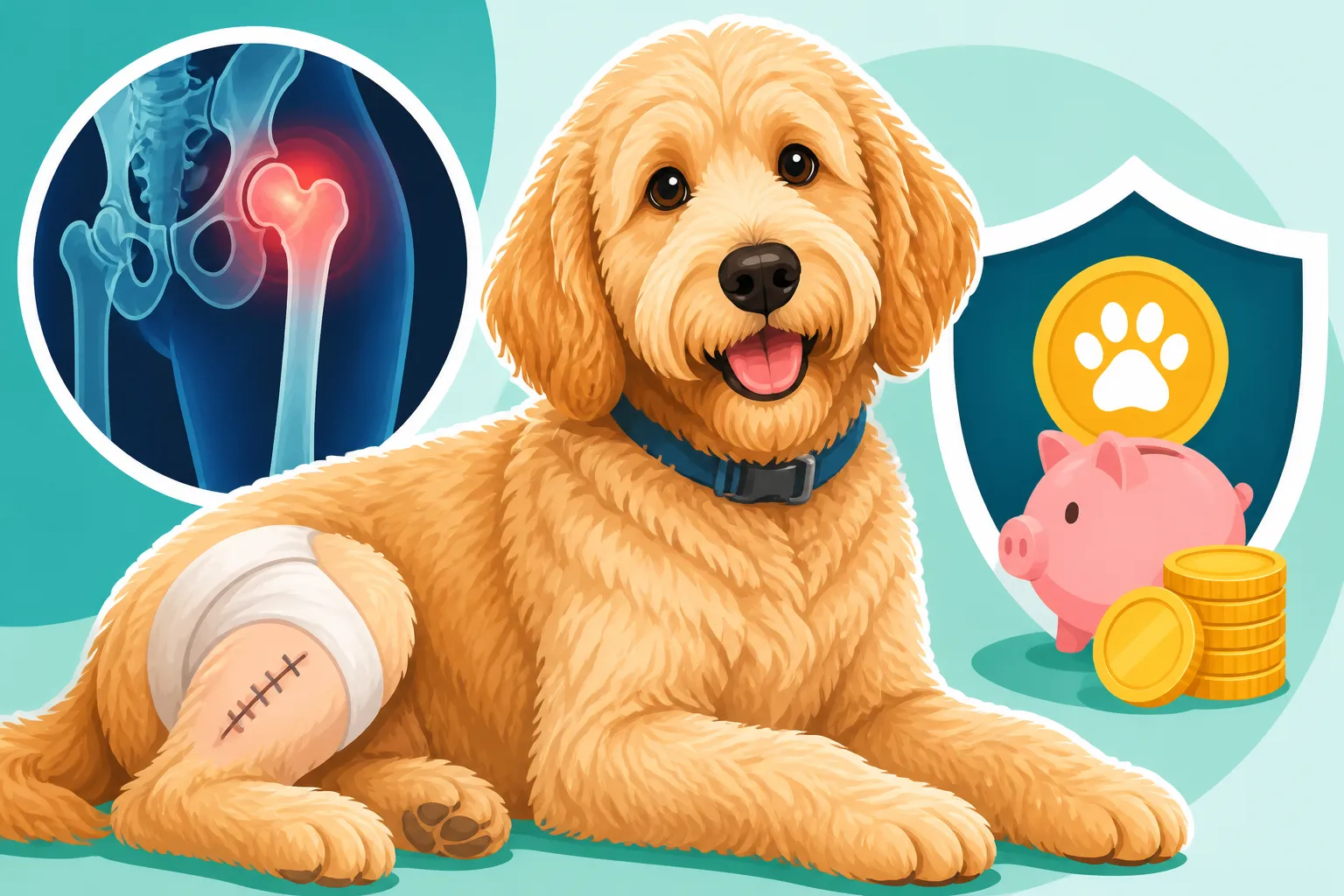
Goldendoodle Hip Surgery Costs
Finding out your beloved Goldendoodle is suffering from hip dysplasia can feel like a punch to the gut. The immediate worry isn't just about their pain, but also the daunting prospect of what treatment might entail, especially financially. This comprehensive guide will walk you through everything you need to know about Goldendoodle hip surgery costs, from understanding the condition itself to exploring all your treatment and financing options.
Understanding Goldendoodle Hip Dysplasia
Hip dysplasia is a frustratingly common condition in larger dog breeds, and unfortunately, Goldendoodles are no exception. It's not just a simple ache; it's a developmental issue that can lead to significant pain and mobility problems if left unaddressed.
What is Hip Dysplasia?
At its core, hip dysplasia is a condition where the ball and socket of the hip joint don't fit together properly. Instead of smoothly gliding, the joint components rub and grind, leading to gradual deterioration over time. Imagine a door hinge that isn't quite aligned; every time you open and close the door, it catches and wears down faster. That's essentially what's happening in a dysplastic hip. This abnormal fit causes laxity in the joint, the formation of scar tissue, and eventually, degenerative joint disease, or osteoarthritis. It’s primarily a genetic condition, meaning it’s passed down from parents to puppies, but environmental factors like rapid growth, excessive exercise in puppyhood, and diet can certainly exacerbate its development. For more details on the prevalence, you might find our article on Goldendoodle Hip Dysplasia at 15 to 20 Percent helpful.
The long-term consequences of hip dysplasia can range from mild discomfort to crippling lameness. Puppies might show signs early on, or they might not develop noticeable symptoms until they're older, as the wear and tear accumulates. The body tries to stabilize the loose joint by laying down new bone, which unfortunately only makes the problem worse, creating painful bone spurs and further limiting the joint's range of motion. It's a progressive disease, meaning it tends to get worse over time without intervention.
Goldendoodle Specific Risk Factors
Goldendoodles inherit their genetics from two parent breeds, the Golden Retriever and the Poodle, both of which are unfortunately predisposed to hip dysplasia. Golden Retrievers are notorious for it, and while Poodles tend to have a slightly lower incidence, it's still a concern. This means a Goldendoodle puppy can inherit genes for hip dysplasia from either side of their family tree, or both. The combined genetic pool means that even with "hybrid vigor" claims, the risk remains significant. You can delve deeper into the statistics and what the screening results mean in our discussion about Goldendoodle Hip Dysplasia and the OFA Numbers.
Larger Goldendoodles, specifically standard and even some medium sizes, are at a higher risk compared to mini or toy Goldendoodles. Their greater body weight puts more stress on developing joints. Think about a larger person carrying a heavier backpack; the strain on their joints is naturally greater. Additionally, factors such as over-exercising a growing puppy before their growth plates close, feeding an improper diet that encourages too-rapid growth, or obesity can significantly worsen the expression of hip dysplasia in a genetically predisposed Goldendoodle. This is why understanding Goldendoodle Joint Health by Size Category is so crucial for owners.
Recognizing the Signs and Getting a Diagnosis
Catching hip dysplasia early can make a huge difference in managing the condition and improving your Goldendoodle's quality of life. As a dedicated owner, being observant of subtle changes in their behavior and movement is key.
Early Warning Signs in Goldendoodles
One of the first things you might notice is a change in your Goldendoodle's gait. They might start "bunny hopping" when they run, using both back legs simultaneously, as if trying to minimize discomfort in their hips. You might see a subtle limp, especially after exercise or first waking up, which often improves as they warm up. Your dog might also be reluctant to do things they once loved, like jumping into the car, going up stairs, or engaging in strenuous play. A young, active Goldendoodle suddenly slowing down or showing signs of pain after a short walk is a red flag. Owners often dismiss these signs as simple "growing pains" or fatigue, but it's important to consult your vet.
Other indicators can include a decreased range of motion in their hips, noticeable muscle loss in their hindquarters (atrophy), or even an audible "click" or "pop" from the hip joint during movement. Sometimes, the pain manifests as irritability or even aggression, as the dog tries to protect their sore areas. Observing your dog carefully in their everyday activities, noting when and how their discomfort appears, can provide invaluable information to your veterinarian during the diagnostic process. This includes noticing if they're struggling to stand up after lying down, or if they seem unusually stiff after a long nap.
The Diagnostic Process
Diagnosing hip dysplasia typically begins with a thorough physical examination by your veterinarian. They'll manipulate your Goldendoodle's hips to check for pain, laxity (looseness), and range of motion. This might involve the Ortolani sign, where the vet gently pushes on the knee to test for joint looseness and a characteristic "clunk" as the femoral head slips into and out of the socket. The physical exam alone can often give a strong suspicion of hip dysplasia.
The definitive diagnosis, however, relies on radiographs (X-rays) of the hips. For accurate X-rays, your Goldendoodle will often need to be sedated or anesthetized. This ensures they are perfectly still and relaxed, allowing the vet to position their hips correctly to get clear, diagnostic images. These images allow the vet to assess the shape of the femoral head and acetabulum (socket), the depth of the socket, the degree of joint laxity, and any signs of osteoarthritis. In some cases, specialized orthopedic consultations or further imaging like CT scans might be recommended to fully understand the extent of the condition and plan the best course of action. You may also be curious about what specific DNA tests are available, and our article on The DNA Panel a Goldendoodle Breeder Should Run delves into those details.
Non-Surgical Management Options for Hip Dysplasia
While surgery might be the gold standard for severe cases, many Goldendoodles can find significant relief and improved quality of life through conservative, non-surgical management, especially if the condition is caught early or is not severely debilitating.
Lifestyle Adjustments and Pain Management
One of the most critical aspects of managing hip dysplasia non-surgically is weight control. Excess weight puts immense strain on already compromised joints, accelerating wear and tear and increasing pain. Working with your vet to achieve and maintain a lean body condition for your Goldendoodle is paramount. This might involve adjusting their diet to a high-quality, calorie-controlled food. Brands like Ollie offer fresh, customized meal plans that can help manage weight effectively and provide excellent nutrition. Regular, moderate exercise is also important to maintain muscle mass around the joints, but it needs to be carefully managed. Avoid high-impact activities like aggressive fetching, jumping, or long runs on hard surfaces. Instead, opt for controlled leash walks, swimming, or gentle, consistent play. Our guide on Why a Goldendoodle Should Not Jump Off Furniture offers more insights into protecting their joints.
Pain management typically involves non-steroidal anti-inflammatory drugs (NSAIDs) prescribed by your veterinarian. These medications help reduce inflammation and pain, allowing your Goldendoodle to move more comfortably. It's crucial to follow your vet's dosing instructions carefully, as long-term use can have side effects. Other oral medications, such as gabapentin, might be used to target neuropathic pain, or amantadine for chronic pain. In some cases, your vet might recommend corticosteroid injections directly into the joint for temporary relief, though this is less common for long-term management due to potential side effects.
Physical Therapy and Supplements
Physical therapy can play a transformative role in managing hip dysplasia. A certified canine rehabilitation therapist can develop a tailored program for your Goldendoodle, focusing on strengthening the muscles surrounding the hip joint, improving flexibility, and maintaining range of motion. Techniques often include hydrotherapy (underwater treadmill or swimming), therapeutic exercises, massage, stretching, and even modalities like laser therapy or acupuncture. These treatments can reduce pain, build crucial supporting muscle, and improve overall mobility without putting excessive stress on the joints. Think of it like physical therapy for humans recovering from an injury; it's about rebuilding strength and function safely. For more ideas on rehabilitation, you could check out our post on Physical Therapy After Goldendoodle Knee Surgery, which shares many transferable principles.
Joint supplements are another cornerstone of conservative management. Ingredients like glucosamine, chondroitin sulfate, MSM, and omega-3 fatty acids are widely used to support cartilage health, reduce inflammation, and promote joint lubrication. While supplements aren't a cure, they can significantly help slow the progression of osteoarthritis and improve comfort. There are many reputable brands available, and your vet can guide you on the best options and appropriate dosages for your Goldendoodle's size and condition. For instance, Chewy offers a wide selection of these supplements, making it easy to find what your vet recommends. It’s vital to remember that not all supplements are created equal, so always choose high-quality products recommended by your vet to ensure effectiveness. For comprehensive advice on what might be beneficial, our article Joint Support Dosed to Goldendoodle Size Category provides excellent guidance.
The Various Surgical Interventions and Their Costs
When conservative management isn't enough to provide a good quality of life, surgical intervention becomes the next logical step. There are several surgical options, each with its own indications, complexities, and, of course, associated costs.
Femoral Head Ostectomy (FHO) – When and What It Costs
A Femoral Head Ostectomy (FHO) is a salvage procedure, meaning it's often considered when other options aren't feasible or affordable, or for dogs who are not ideal candidates for more complex surgeries. In an FHO, the surgeon removes the head and neck of the femur (the "ball" part of the hip joint). The body then forms a "false joint" out of scar tissue, allowing the hip to move without the painful bone-on-bone grinding. It essentially eliminates the painful contact point.
This procedure is generally recommended for smaller, lighter dogs (under 40-50 pounds) because their lighter body weight means the scar tissue joint can support them more effectively. While it can be performed on larger dogs, the functional outcome might not be as good, and they may still experience some lameness. Recovery involves a period of controlled exercise and physical therapy to build up muscle support. The cost of an FHO can range significantly, typically from $1,500 to $4,500 per hip, depending on the veterinary practice, the surgeon's experience, geographical location, and the complexity of the individual case. This fee usually covers the surgery itself, anesthesia, and initial post-operative care, but rehabilitation costs are almost always extra.
Triple/Double Pelvic Osteotomy (TPO/DPO) – Ideal for Younger Dogs
A Triple Pelvic Osteotomy (TPO) or Double Pelvic Osteotomy (DPO) is a corrective surgery primarily performed on young dogs (typically under 10-12 months of age) who have hip laxity but haven't yet developed significant osteoarthritis. The goal of these procedures is to rotate the pelvic bone to improve the coverage of the femoral head by the acetabulum, essentially creating a tighter, more stable hip joint. In a TPO, three cuts are made in the pelvis, while in a DPO, two cuts are made, making it slightly less invasive but with a similar outcome.
These surgeries are highly effective when performed on the right candidate – a dog with minimal to no degenerative changes and good bone quality. The recovery period is substantial, involving strict crate rest for several weeks followed by a gradual return to activity, often with physical therapy. Because it's a more complex orthopedic procedure, the costs are considerably higher than an FHO. You can expect a TPO or DPO to range from $3,000 to $6,000 per hip, again varying based on location, specialist fees, and hospital charges. The early intervention nature of these surgeries aims to prevent the onset of severe arthritis later in life.
Total Hip Replacement (THR) – The Gold Standard
Total Hip Replacement (THR) is widely considered the "gold standard" for treating severe hip dysplasia, particularly in larger breeds and mature dogs with significant osteoarthritis, including many Goldendoodles. Just like in humans, this surgery involves replacing both the ball (femoral head) and the socket (acetabulum) components of the hip joint with artificial implants, typically made of medical-grade metal and polyethylene. The aim is to create a fully functional, pain-free joint.
THR offers the best chance for a full return to normal activity and eliminates pain entirely for most dogs. It's a highly specialized and intricate surgery, requiring an experienced board-certified veterinary orthopedic surgeon and a well-equipped facility. The success rates are very high, often exceeding 90-95%. However, due to its complexity, the specialized implants, and the extensive post-operative care required, THR is the most expensive option. A single Total Hip Replacement can cost anywhere from $6,000 to $10,000 or even more per hip. This figure usually encompasses the surgery, anesthesia, hospitalization, and often the immediate post-op X-rays. Full recovery can take several months, involving strict activity restrictions and a comprehensive rehabilitation program. For a deeper dive into the price specifics for larger dogs, our article Hip Replacement Priced for a Standard Goldendoodle might be particularly relevant.
Breaking Down the Total Cost of Goldendoodle Hip Surgery
Understanding the sticker price for hip surgery is just the beginning. The actual total cost encompasses a range of expenses, from initial consultations to long-term rehabilitation, all of which need to be factored into your budget.
Pre-Surgery Expenses
Before your Goldendoodle even gets to the operating table, there will be several diagnostic and preparatory costs. It starts with your primary veterinarian visits, where the initial lameness is assessed. These consultation fees typically range from $50 to $150 per visit. If hip dysplasia is suspected, X-rays will be necessary for a definitive diagnosis and to assess the severity. As mentioned, these X-rays often require sedation or anesthesia, adding to the cost. Expect to pay anywhere from $200 to $500 for diagnostic X-rays, including sedation.
Following the diagnosis, you'll likely be referred to a board-certified veterinary orthopedic surgeon for a specialized consultation. This specialist will review the X-rays, perform their own examination, discuss surgical options, and provide a detailed estimate. Specialist consultation fees can range from $150 to $400. Before any surgery, pre-anesthetic blood work is crucial to ensure your Goldendoodle is healthy enough to undergo anesthesia safely. This typically costs $100 to $300, depending on the comprehensiveness of the panel. All these preliminary steps, though seemingly small, quickly add up to a significant sum before the surgery itself.
The Surgery Itself
The cost of the actual surgery is the largest single component of the total expense. This figure covers a multitude of services and materials. It includes the surgeon's professional fees, which reflect their specialized training and expertise. Anesthesia is another major component, encompassing the drugs used, the monitoring equipment, and the time of the veterinary anesthetist. The operating room itself incurs charges, as do all the sterile supplies, drapes, and instruments used during the procedure.
For complex surgeries like Total Hip Replacement, the cost of the implants (the artificial joint components) is substantial and is typically included in the overall surgical fee. These specialized parts are designed for longevity and biocompatibility, contributing significantly to the high cost. Depending on the type of surgery and the facility, this core surgical cost, as detailed in the previous section (e.g., $1,500-$4,500 for FHO, $3,000-$6,000 for TPO/DPO, or $6,000-$10,000+ for THR), usually covers the procedure from the moment they are prepped for surgery until they are recovering in a recovery ward. It's important to get a detailed breakdown from your vet or surgeon to understand what exactly is included.
Post-Operative Care and Rehabilitation
The journey doesn't end when the surgery is over; post-operative care and rehabilitation are critical for a successful outcome and account for a significant portion of the total cost. Immediately after surgery, your Goldendoodle will require pain medication, antibiotics, and anti-inflammatory drugs, which can easily run from $50 to $200 for the initial prescriptions. There will be multiple follow-up vet visits to check incision sites, remove sutures, and monitor healing, with each visit costing between $50 and $150.
The most extensive post-operative expense is typically physical therapy and rehabilitation. This is not optional; it's essential for regaining strength, range of motion, and proper gait. A full course of rehabilitation can involve weekly or bi-weekly sessions over several months. Each session, whether it's hydrotherapy, therapeutic exercises, or laser therapy, can cost $50 to $150 per session. Over a period of three to six months, these costs can easily add up to $1,000 to $3,000 or more. Don't forget potential costs for special equipment like orthopedic beds, ramps, or harnesses to aid mobility during recovery. This long-term commitment is vital for ensuring your Goldendoodle recovers fully and enjoys a pain-free life after surgery.
Financing Goldendoodle Hip Surgery
Faced with a potential bill of several thousands of dollars, many Goldendoodle owners feel overwhelmed. Thankfully, there are several avenues to help manage the financial burden of hip surgery.
The Role of Pet Insurance
Pet insurance can be an absolute lifesaver when faced with an expensive surgery like hip replacement. If you enroll your Goldendoodle before any signs of hip dysplasia appear, a good comprehensive pet insurance policy will typically cover a significant portion of the surgical costs, including diagnostics, surgery fees, hospitalization, and even rehabilitation. Reimbursement rates usually range from 70% to 90% after your deductible is met. However, it's crucial to understand that pet insurance typically does not cover pre-existing conditions. This means if your Goldendoodle has already been diagnosed with hip dysplasia, or even shown symptoms, before you enroll or during the waiting period, that condition will likely be excluded from coverage.
Different providers have different policies and waiting periods, so it's vital to read the fine print. For instance, companies like Healthy Paws offer comprehensive plans, but it's essential to understand their waiting periods for orthopedic conditions, which can sometimes be longer than for accidents or illnesses. Enrolling your Goldendoodle when they are young and healthy is the best strategy to ensure coverage for potential future conditions like hip dysplasia. Our detailed guide on Goldendoodle Insurance Premiums by Size can help you understand the potential monthly costs of a policy.
Payment Plans and Veterinary Aid
If pet insurance isn't an option or doesn't cover enough, many veterinary hospitals and specialist centers offer payment plans directly or through third-party financing companies. CareCredit is a popular option that acts like a credit card specifically for healthcare expenses, often offering deferred interest periods if the balance is paid within a certain timeframe. Many clinics are familiar with CareCredit and can help you apply. It's always worth discussing payment options with your veterinary team; they often want to help you provide the best care for your pet and might have flexible solutions.
Additionally, some non-profit organizations offer financial aid for pet owners facing expensive veterinary bills. While less common for routine surgeries, if you are experiencing severe financial hardship, groups like The Pet Fund, RedRover, or breed-specific rescues might provide grants or assistance. While Goldendoodles don't have a recognized breed club, doodle rescues often provide support for dogs in their care or offer advice on finding assistance. These resources can be invaluable in bridging the gap between what you can afford and the necessary treatment.
Budgeting for the Unexpected
The reality of owning a Goldendoodle, or any dog, is that unexpected health issues can arise, and they often come with a hefty price tag. Proactive budgeting is one of the most effective ways to mitigate the financial shock of a major surgery. Consider setting aside a dedicated emergency fund specifically for your pet's healthcare. Even saving a modest amount each month can accumulate into a substantial safety net over time.
Think about dedicating a high-yield savings account just for your Goldendoodle, or even considering a separate line item in your monthly budget for "pet emergencies." This financial preparedness allows you to make decisions based on your dog's health needs, rather than solely on immediate cost concerns. It’s also wise to understand all potential lifetime costs, and our article on Saving for the Goldendoodle Bills Nobody Budgets can offer a more holistic view of financial planning for your furry friend.
Disclaimer
This article is for general informational purposes only and does not constitute professional advice. Laws, prices and regulations vary by location and change over time. Consult a qualified professional for guidance on your specific situation.