Lifelong Medication for an Addisonian Goldendoodle
Receiving an Addison's disease diagnosis for your beloved Goldendoodle can feel incredibly overwhelming, often coming after a confusing period of vague symptoms that might have left you feeling helpless. The good news is that with dedicated care and, yes, lifelong medication, your Goldendoodle can absolutely thrive and enjoy a full, happy life. This guide is here to walk you through everything you need to know about managing Addison's disease with medication, from understanding the treatments to integrating them seamlessly into your daily routine.
Understanding Addison's Disease in Goldendoodles
Addison's disease, officially known as hypoadrenocorticism, is one of those conditions that can sneak up on you and your vet. It's often dubbed "the Great Pretender" because its symptoms are so non-specific, mimicking a host of other common ailments. But once diagnosed, it’s a condition that we, as Goldendoodle owners, must manage diligently for life.
The Basics of Adrenal Gland Dysfunction
At its heart, Addison's disease is a problem with the adrenal glands, two small but mighty glands located near your Goldendoodle's kidneys. These glands are responsible for producing vital hormones, primarily cortisol and aldosterone. Cortisol, a glucocorticoid, is a stress hormone that helps regulate metabolism, immune response, and inflammation. Aldosterone, a mineralocorticoid, is crucial for maintaining electrolyte balance—specifically sodium and potassium—which in turn regulates blood pressure and kidney function.
In an Addisonian Goldendoodle, these adrenal glands simply don't produce enough of these essential hormones. This deficiency leads to a cascade of problems throughout the body. Without enough cortisol, your dog struggles to cope with stress, its immune system might not function optimally, and its energy levels can plummet. The lack of aldosterone is particularly dangerous, as it can cause life-threatening imbalances in sodium and potassium, leading to dehydration, heart issues, and profound weakness. It’s worth remembering that your Goldendoodle gets this susceptibility from its Poodle lineage, as we discuss further in "Addison's Disease a Goldendoodle Gets From the Poodle."
Diagnosing Addison's: A Critical Step
Because the early signs of Addison's can be so subtle and mimic other illnesses, getting a definitive diagnosis is incredibly important. You might notice your Goldendoodle is lethargic, has a poor appetite, experiences intermittent vomiting or diarrhea, or just isn't quite himself. These are precisely the kinds of vague complaints that often lead owners down a frustrating path of multiple vet visits and tests without clear answers, making it feel like "Why Addison's Hides in a Goldendoodle for Months".
The gold standard for diagnosing Addison's is the ACTH (Adrenocorticotropic Hormone) stimulation test. This isn't just a simple blood draw; it involves taking a baseline blood sample, then administering a synthetic ACTH injection, and taking another blood sample an hour or two later. This test directly measures the adrenal glands' ability to produce cortisol. If the glands don't respond by significantly increasing cortisol production after the ACTH stimulation, it confirms the diagnosis of Addison's disease. Before this test, your vet might have run general blood work that shows abnormal electrolyte levels (high potassium, low sodium) or kidney values, which often serve as strong indicators that an Addison's test is warranted. For a deeper dive into the specifics of this crucial diagnostic step, you can explore "The ACTH Test for a Goldendoodle".
Lifelong Medication Options and Their Administration
Once diagnosed, the focus shifts to lifelong management. This isn't a cure, but rather a replacement of the hormones your Goldendoodle's body can no longer produce sufficiently. The good news is that with consistent medication, most Goldendoodles with Addison's lead completely normal, active lives. It’s all about consistency and understanding the medications.
Glucocorticoid Replacement: Prednisone
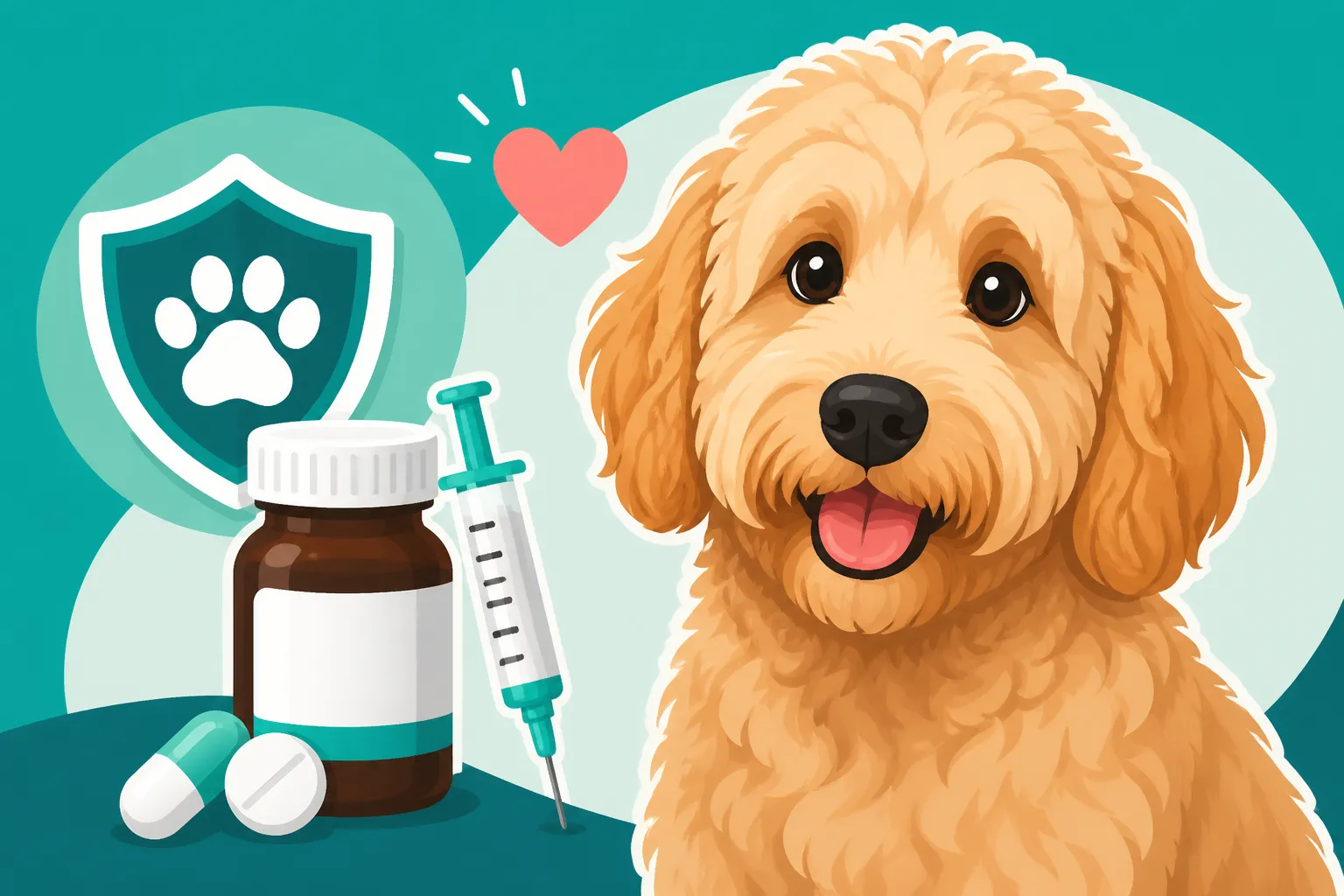
The first part of the puzzle is replacing the missing cortisol. This is typically done with a daily oral medication called prednisone (or prednisolone). Prednisone is a synthetic glucocorticoid that mimics the action of natural cortisol. It helps your Goldendoodle manage stress, maintain energy levels, and keep their immune system functioning properly.
Administering prednisone is usually straightforward: it's an oral tablet, often given once a day. The dosage will be carefully determined by your veterinarian, starting with a slightly higher dose to stabilize your dog, and then tapering to the lowest effective maintenance dose. You might notice some common side effects, especially in the initial stages or if the dose is a bit high. These can include increased thirst, leading to more frequent urination, and an increased appetite. My Goldendoodle, for instance, turned into a bottomless pit when we first adjusted his prednisone, hovering around the kitchen constantly! It's important to keep an eye on these signs and communicate them to your vet, as they indicate the need for a dosage adjustment. The goal is to find that sweet spot where symptoms are controlled with minimal side effects. Remember, this isn't a temporary fix; prednisone will be a part of your Goldendoodle's daily routine for the rest of their life.
Mineralocorticoid Replacement: Percorten-V and Florinef
The second, and arguably most critical, component of Addison's treatment is replacing the mineralocorticoid, aldosterone. This hormone is vital for maintaining the delicate balance of electrolytes (sodium and potassium) in your Goldendoodle's body. Without it, your dog is at risk of a life-threatening Addisonian crisis. There are two primary medications for this: Percorten-V (desoxycorticosterone pivalate, or DOCP) and Florinef (fludrocortisone acetate).
Percorten-V (DOCP) is an injectable medication that is typically administered by your veterinarian every 25 to 30 days. This offers incredible convenience for many owners, as you don't have to worry about daily dosing. The dose is calculated based on your Goldendoodle's weight and adjusted over time. While it requires regular vet visits for the injection, it often means more stable electrolyte levels between doses.
Florinef (fludrocortisone acetate), on the other hand, is an oral tablet given daily. It provides both mineralocorticoid and some glucocorticoid activity, meaning some Goldendoodles on Florinef might not need additional prednisone. However, Florinef often requires more frequent monitoring of electrolyte levels, especially when first starting or adjusting the dose. For some owners, the daily commitment can be a challenge, but for others, it’s preferred over monthly injections.
Choosing between Percorten-V and Florinef often comes down to your Goldendoodle's specific needs, your lifestyle, and financial considerations. Percorten-V injections can be more expensive per dose, but the regularity of monthly vet visits ensures consistent professional oversight. Florinef might be cheaper per pill, but managing daily compliance and potentially more frequent blood tests adds up. Discuss both options thoroughly with your vet to determine the best fit for your family and your Goldendoodle.
| Medication | Type | Administration | Frequency | Primary Action | Side Effects | Cost Consideration |
|---|---|---|---|---|---|---|
| Prednisone | Glucocorticoid | Oral tablet | Daily | Replaces cortisol, manages stress, immune response | Increased thirst, urination, appetite, panting | Generally affordable |
| Percorten-V (DOCP) | Mineralocorticoid | Injection | Every 25-30 days | Replaces aldosterone, electrolyte balance | Injection site reaction (rare), electrolyte imbalance if dose incorrect | Higher per dose, but less frequent vet visits |
| Florinef (Fludrocortisone) | Mineralocorticoid/Glucocorticoid | Oral tablet | Daily | Replaces aldosterone (and some cortisol) | Electrolyte imbalance if dose incorrect, increased thirst/urination | More affordable per pill, but daily compliance |
The Importance of Regular Monitoring and Adjustments
Lifelong medication for an Addisonian Goldendoodle isn't a "set it and forget it" situation. Regular monitoring is absolutely crucial for your dog's well-being. This means consistent follow-up veterinary visits, especially in the first few months after diagnosis. Your vet will conduct blood tests to check electrolyte levels (sodium and potassium) and kidney values. These numbers provide a clear picture of how well the mineralocorticoid medication is working.
Dosage adjustments are an expected part of the process. If electrolyte levels are still off, your vet might increase or decrease the dose of Percorten-V or Florinef. Similarly, if your Goldendoodle still seems excessively stressed, lethargic, or, conversely, shows pronounced side effects like panting or excessive hunger, the prednisone dose might need tweaking.
A key aspect of managing an Addisonian Goldendoodle is understanding that stress increases the body's need for cortisol. Since your dog can't produce extra cortisol naturally, you might need to give an additional dose of prednisone during stressful periods. Think about situations like vet visits, especially if your dog gets anxious, travel, boarding, or even changes in routine. For instance, my Goldendoodle needs a slightly higher prednisone dose on days we go to the groomer, which can be quite a busy experience for him. Planning for potential stress, even for things like their "Goldendoodle Puppy Vaccination Timing" or "Goldendoodle Behavior at the Vet", can proactively prevent symptoms from flaring up. Always discuss these potential stress doses with your vet beforehand, so you have a clear plan.
Living with an Addisonian Goldendoodle: Practicalities and Support
Managing Addison's disease becomes a part of your daily life, but it doesn't have to be daunting. With proper preparation and support, your Goldendoodle can continue to be the joyous, energetic companion you know and love.
Managing Stress and Routine for Your Dog
One of the most powerful tools in managing an Addisonian Goldendoodle, alongside medication, is minimizing stress. Since their bodies can't produce extra cortisol to cope, external stressors can quickly overwhelm them and potentially trigger an Addisonian crisis. Establishing a consistent daily routine can make a huge difference. Regular feeding times, walks, and bedtimes provide a sense of predictability and security.
When anticipating stressful events, proactive steps are key. If you know your Goldendoodle will be going to the vet for their monthly Percorten-V injection, discuss with your veterinarian if a small extra dose of prednisone a few hours before or the day of the appointment would be beneficial. For travel, holidays, or even houseguests, consider increasing the prednisone for a few days around the event, again, always under veterinary guidance. Creating a calm, predictable environment at home is also vital. This might mean providing a quiet den space, using calming pheromones, or ensuring they have plenty of enrichment to reduce boredom and anxiety. Learning to recognize early signs that your Goldendoodle isn't coping well – subtle lethargy, a slight drop in appetite, or unusual quietness – can help you intervene quickly by contacting your vet for potential medication adjustments.
Financial Considerations and Pet Insurance
Let's be realistic: lifelong medication and regular vet visits for Addison's disease can add up. The cost of prednisone is generally quite low, but Percorten-V injections or Florinef tablets, coupled with frequent blood tests to monitor electrolyte levels, represent a significant ongoing expense. For a standard Goldendoodle requiring higher doses, these costs can range from hundreds to over a thousand dollars annually, not including regular check-ups or unexpected health issues.
This is where pet insurance can be a literal lifesaver. If you enrolled your Goldendoodle in a pet insurance plan before the Addison's diagnosis, it could significantly offset these costs. Many reputable providers, like Healthy Paws, offer comprehensive plans that cover chronic conditions, including Addison's disease. However, remember that pet insurance typically operates on an "unexpected illness" model, meaning pre-existing conditions are usually not covered. This underscores the importance of enrolling your Goldendoodle when they are young and healthy. Even if Addison's is a pre-existing condition, some policies may still cover future, unrelated health issues. Understanding options like "Goldendoodle Pet Insurance for a Dog With No Breed Papers" or "Insuring a Goldendoodle That No Registry Recognizes" can be very helpful for Goldendoodle owners navigating the world of pet health coverage. It’s also wise to check what chronic conditions, such as "Goldendoodle Ear Infections as a Recurring Claim," a potential policy might cover, as this can affect overall budgeting for your furry friend's health.
Building a Strong Veterinary Partnership
Having a strong, trusting relationship with your veterinarian is paramount when managing a chronic condition like Addison's. Ideally, you want a vet who is experienced with Addison's disease and who you feel comfortable communicating with openly. Don't hesitate to ask questions—about medication side effects, dosage adjustments, when to administer stress doses, or what emergency signs to watch for.
You are your Goldendoodle's primary advocate. Keeping detailed records of their symptoms, medication schedule, and any changes you observe can be invaluable information for your vet. Many owners find it helpful to keep a small journal or use an app to track these details. Regular vet visits, beyond just medication injections, are crucial for long-term health monitoring. These check-ups, similar to "Senior Goldendoodle Vet Visits After Nine," ensure that not only is the Addison's well-managed, but also that any other potential health concerns for your Goldendoodle are caught early. Your vet is your partner in this journey, and together, you can ensure your Goldendoodle receives the best possible care.
Long-Term Outlook for Goldendoodles with Addison's
The initial diagnosis can be scary, but it's important to focus on the incredibly positive long-term outlook for Goldendoodles with Addison's disease once they are on appropriate lifelong medication.
Quality of Life on Medication
This is the truly encouraging part: with consistent medication and proper management, Goldendoodles with Addison's disease typically go on to live full, happy, and otherwise normal lives. Once their hormones are balanced, you'll see a remarkable transformation. The lethargy will disappear, their appetite will regulate, and they'll regain their playful, affectionate Goldendoodle personality. My friend's Goldendoodle, Daisy, was diagnosed at two years old after weeks of unexplained vomiting and weight loss. Once on her monthly injections and daily prednisone, she transformed back into the bouncy, energetic dog she was meant to be, chasing squirrels and cuddling on the couch without a second thought. The goal of lifelong medication is to bring your dog back to their baseline health, allowing them to enjoy every aspect of their life without the shadow of adrenal insufficiency.
Potential Complications and What to Watch For
While the prognosis for well-managed Addison's is excellent, it's crucial for owners to remain vigilant. The primary concern is always the risk of an Addisonian crisis, even when on medication. A crisis can occur if medication doses are missed, if the dose is no longer adequate, or if your Goldendoodle experiences an acute, severe stressor without a corresponding increase in prednisone.
Signs of an impending crisis can include severe lethargy, collapse, profuse vomiting and diarrhea, extreme weakness, and even seizures. These are emergency situations that require immediate veterinary attention. Knowing these signs and having an emergency plan with your vet is vital. Beyond crises, simply monitoring your dog's overall well-being and quickly addressing any return of vague symptoms—like a drop in energy, reduced appetite, or digestive upset—is key. Sometimes, these subtle signs can indicate that a medication adjustment is needed, especially if your Goldendoodle's weight has changed or they're going through a period of increased activity or stress. Regular check-ups and open communication with your vet are your best tools for keeping your Addisonian Goldendoodle healthy and happy for many years to come.
Disclaimer
The information provided in this article is for educational purposes only and should not be considered a substitute for professional veterinary advice. Always consult with a qualified veterinarian regarding your Goldendoodle's health, diagnosis, and treatment plan.