Why Goldendoodle Hybrid Vigor Fades After F1
It’s a common and often disheartening experience to discover that the promises made about a dog’s health, especially for popular crossbreeds like Goldendoodles, don't always hold up over time or across generations. Many Goldendoodle owners are drawn to the breed by the idea of "hybrid vigor" and the expectation of a healthier dog, only to find that this supposed advantage can diminish rapidly after the initial F1 generation. This guide will walk you through the science behind hybrid vigor, why it’s most prominent in F1 Goldendoodles, and why it tends to fade in subsequent generations, helping you understand what to truly expect regarding your Goldendoodle's health.
Understanding Hybrid Vigor in Goldendoodles
The concept of hybrid vigor, also known as heterosis, is often touted as a major benefit of crossbreeding, especially for designer dogs like the Goldendoodle. It suggests that first-generation crosses are generally healthier and more robust than either of their purebred parents. But what exactly does this mean in practical terms for your furry family member?
What Hybrid Vigor Really Is
At its core, hybrid vigor is the increased fitness that results from crossing two genetically dissimilar parents. Think of it like this: every dog, whether purebred or mixed, carries a certain number of recessive genes that, if inherited from both parents, can lead to genetic health conditions. Purebred dogs, due to their smaller gene pools and generations of selective breeding for specific traits, are more likely to have these same recessive genes "doubled up" when two related individuals breed. This increases the probability of offspring inheriting two copies of a problematic recessive gene, leading to the expression of a genetic disease.
Hybrid vigor works by masking these recessive disease genes. When you cross two entirely different purebred dogs, like a Poodle and a Golden Retriever, it’s less likely that they will carry the exact same recessive disease genes. If one parent carries a gene for a condition like progressive retinal atrophy and the other parent doesn’t, or carries a different recessive gene for a different condition, the offspring will inherit one "good" copy and one "bad" copy of that gene. Since most genetic diseases are recessive, having just one healthy copy means the dog won't express the disease, effectively masking the problematic gene. This increased genetic diversity acts like a protective shield, leading to a generally healthier and more resilient animal. This is why you often hear claims about Goldendoodle lifespan and what a cross really buys you.
The Genetic Foundation of Health
The effectiveness of hybrid vigor hinges entirely on the genetic diversity of the parents. Imagine a diverse library of genes. Purebred lines, through generations of careful selection (and sometimes inbreeding to fix desired traits), tend to prune down their library, focusing on specific "books" (genes) that define the breed standard. This makes them predictable in appearance and temperament, but also concentrates certain less desirable genetic "typos" (recessive disease genes) within that smaller library.
When you breed two distinct purebred lines, you're essentially combining two different, well-established libraries. The chances of these two libraries having the exact same typo in the exact same book are relatively low. So, while both Golden Retrievers and Poodles might carry genes for conditions like hip dysplasia or certain cancers, the specific genetic markers and prevalence rates can differ. For instance, while both breeds can suffer from hip and elbow issues, the specific genetic pathways might not always align perfectly between the two. Diseases Both Goldendoodle Parent Breeds Share are a critical consideration, but hybrid vigor can still offer some protection against those conditions where the genetic basis differs. This blending of two different genetic blueprints reduces the likelihood of offspring inheriting two copies of the same deleterious recessive gene, thereby enhancing overall health and vigor in the first generation.
The F1 Goldendoodle and Peak Hybrid Vigor
The F1 Goldendoodle is often celebrated as the epitome of hybrid vigor, and for good reason. This first-generation cross represents the maximum genetic diversity achievable from breeding two purebred parents, a Golden Retriever and a Poodle.
The "Fifty-Fifty" Genetic Mix
An F1 Goldendoodle is the direct result of breeding a purebred Golden Retriever with a purebred Poodle. This means their genetic makeup is approximately 50% Golden Retriever and 50% Poodle. This equal blend is crucial for maximizing hybrid vigor. Each parent contributes a unique set of genes, and because they are from two distinct breeds, the likelihood of them carrying identical recessive genes for health conditions is significantly lower compared to breeding within the same purebred line.
For example, if a Golden Retriever parent carries a recessive gene for a specific type of heart defect common in Goldens, and the Poodle parent doesn't carry that exact gene, the F1 Goldendoodle puppy will only inherit one copy. Since that gene is recessive, the puppy won't express the heart defect. The same principle applies to many other conditions. This "masking" effect is what makes the F1 generation typically robust and, in many cases, healthier than its purebred parents on average. This is the essence of What Hybrid Vigor Means for a Goldendoodle.
Why an F1 is the Least Predictable
While F1 Goldendoodles benefit immensely from hybrid vigor in terms of health, it's also important to understand that they are often the least predictable generation in terms of physical traits and even some behavioral characteristics. This might sound contradictory, but it makes perfect sense when you consider the genetics at play.
When you cross two distinct breeds, the puppies inherit a wide array of traits from both sides. Some F1 Goldendoodles might have a shaggier coat resembling a Golden Retriever, while others might lean more towards the Poodle's curly, low-shedding coat. Their size can vary, even within the same litter, depending on which genes for height and weight they inherit. The same goes for temperament; some might exhibit more of the Golden Retriever's laid-back nature, while others might inherit the Poodle's higher energy and quick wit. This unpredictability extends to traits like shedding levels and even the specific "doodle" look many people desire. This is why Why an F1 Goldendoodle Is the Least Predictable Healthwise is a crucial topic for potential owners. While their health might be enhanced, their appearance and coat type are far from guaranteed, making the F1 generation a bit of a genetic lucky dip in terms of aesthetics.
The F1b Goldendoodle: The Start of Dilution
Once you move beyond the F1 generation, the magic of hybrid vigor begins to diminish. The F1b Goldendoodle is a perfect example of this dilution, even though it's often marketed as the "most hypoallergenic" or "least shedding" option.
Backcrossing and Genetic Similarity
An F1b Goldendoodle is created by breeding an F1 Goldendoodle (50% Golden, 50% Poodle) back to one of the parent breeds, almost always a purebred Poodle. This means the genetic makeup of an F1b Goldendoodle typically shifts to approximately 75% Poodle and 25% Golden Retriever. While this backcross is specifically done to increase the Poodle's desirable non-shedding coat traits, it comes at a cost to genetic diversity.
By breeding back to a Poodle, you are reintroducing a significant amount of Poodle genetics into the line. This increases the genetic similarity within the breeding pair (F1 Goldendoodle x Purebred Poodle are now more related than Purebred Golden x Purebred Poodle). As the genetic diversity decreases, the protective masking effect of hybrid vigor also begins to weaken. The chances of offspring inheriting two copies of recessive genes that are common in Poodles (and now more concentrated in the F1b's genetic pool) become higher. This is the primary reason Why an F1b Goldendoodle Loses Some Hybrid Vigor. While the intention is good (reducing shedding), the biological consequence is a reduction in the broad genetic protection that the F1 generation enjoyed.
Increased Risk of Poodle-Specific Conditions
As the genetic contribution from the Poodle parent increases in F1b Goldendoodles, so does their predisposition to Poodle-specific health conditions. While an F1 Goldendoodle might have had some protection against these issues due to the Golden Retriever’s genetic input, an F1b puppy, with its 75% Poodle heritage, will inherently have a higher risk profile for these particular ailments.
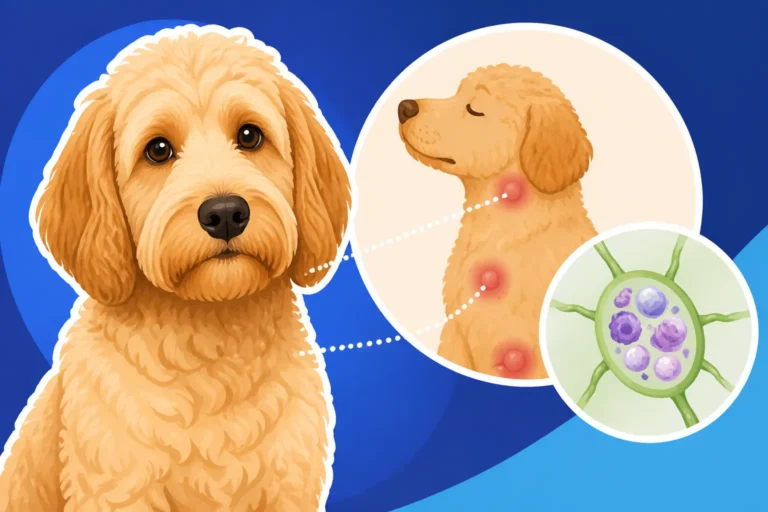
Conditions such as Addison's Disease, Progressive Retinal Atrophy (PRA), and Sebaceous Adenitis are more prevalent in Poodles. An F1b Goldendoodle has a greater statistical chance of inheriting two copies of the recessive genes responsible for these conditions if the Poodle parent carries them and the F1 parent also passed on the Poodle's gene for that condition. For example, if the purebred Poodle used in the backcross carries the gene for Addison's Disease a Goldendoodle Gets From the Poodle, and the F1 Goldendoodle parent also carries it (having inherited it from its Poodle parent), then the F1b offspring are at a higher risk. Similarly, for eye conditions like Progressive Retinal Atrophy Carried by Both Goldendoodle Lines, if the Poodle parent in the F1b cross carries the recessive gene, and the F1 parent also passed on the Poodle's contribution, the risk is elevated compared to an F1. It becomes critically important to ask about thorough health testing for both parents of an F1b litter, going beyond just the standard hip and elbow clearances, to include DNA tests for breed-specific conditions of the Poodle.
F2 and Multigen Goldendoodles: Further Complexities
Moving beyond F1b, the genetic landscape of F2 and multigen Goldendoodles becomes even more intricate, and the concept of hybrid vigor often becomes a distant memory.
The Unpredictability of F2 Generations
An F2 Goldendoodle is typically the result of breeding two F1 Goldendoodles together. On the surface, you might think "50% Golden, 50% Poodle" should remain consistent. However, genetics doesn't work that way. When two F1s breed, their offspring can inherit any combination of genes from their diverse F1 parents. This leads to a massive range of outcomes within a single F2 litter.
Some F2 puppies might end up genetically closer to a purebred Golden Retriever, exhibiting significant shedding and a very Golden-like coat. Others might lean heavily towards the Poodle side, with a curly, non-shedding coat. And some might land squarely in the middle, resembling an F1. This wide variability means that in an F2 litter, you can see huge differences in coat type, shedding levels, size, and even temperament, making them incredibly unpredictable. The critical factor here is that any recessive disease genes that were masked in the F1 parents now have a 25% chance of being expressed in the F2 offspring if both F1 parents happened to carry the same recessive gene for a given condition. This makes The Goldendoodle Hybrid Vigor Claim and Where It Breaks particularly relevant for F2 generations, as the genetic lottery gets more complex and less predictable in terms of health benefits.
Multigenerational Goldendoodles and Genetic Bottlenecks
Multigenerational (Multigen) Goldendoodles are those beyond the F2 generation, where Goldendoodle is bred to Goldendoodle for several generations. The goal of many multigen breeders is often to "fix" desired traits like the low-shedding coat or specific temperaments. While this can lead to greater predictability in coat type, it inevitably comes at the cost of genetic diversity.
As breeders continue to breed Goldendoodle to Goldendoodle, particularly if they are drawing from a limited pool of breeding stock, the gene pool effectively shrinks. This creates a genetic bottleneck, where certain genes become more common throughout the line. When this happens, any recessive disease genes present in the foundational Goldendoodles become more likely to be passed down and, crucially, doubled up in subsequent generations. This means that the offspring are more likely to express these recessive conditions, even if the parents themselves didn't show symptoms. The very mechanism that hybrid vigor uses to protect against disease (genetic diversity) is systematically reduced. The "benefits" of hybrid vigor, therefore, practically disappear in carefully line-bred multigen Goldendoodles, as the genetic differences between the contributing lines become less pronounced with each successive generation of Goldendoodle x Goldendoodle breeding. This necessitates even more rigorous health testing in these lines.
The Absolute Necessity of Parent Health Testing
Given the way hybrid vigor diminishes after the F1 generation, relying on the "hybrid" label alone is a grave mistake. For any Goldendoodle generation, from F1 to multigen, the single most important factor for predicting your puppy's health is the comprehensive health testing of both parent dogs.
Beyond the "Hybrid" Promise
It’s easy to get swept up in the idea that a Goldendoodle is inherently healthier just because it's a crossbreed. However, as we’ve explored, this broad generalization only holds significant truth for the F1 generation, and even then, it's not a guarantee against all health issues. Beyond F1, the supposed health advantages of hybrid vigor quickly erode, making the "hybrid" promise a weak foundation for future health.
The reality is that Goldendoodles are susceptible to many of the same genetic conditions that plague their parent breeds, Golden Retrievers and Poodles. The risk for these conditions doesn't vanish simply because a dog is a cross. Instead, the specific risks will depend heavily on the genetic health of the individual parent dogs and how those genes combine. This is where a proactive approach to breeder selection, focusing on rigorous health testing, becomes absolutely non-negotiable. Don't be fooled by breeders who use "hybrid vigor" as an excuse to forgo expensive and time-consuming health clearances. True health comes from responsible breeding practices, not just a label.
The Specific Tests Goldendoodle Parents Need
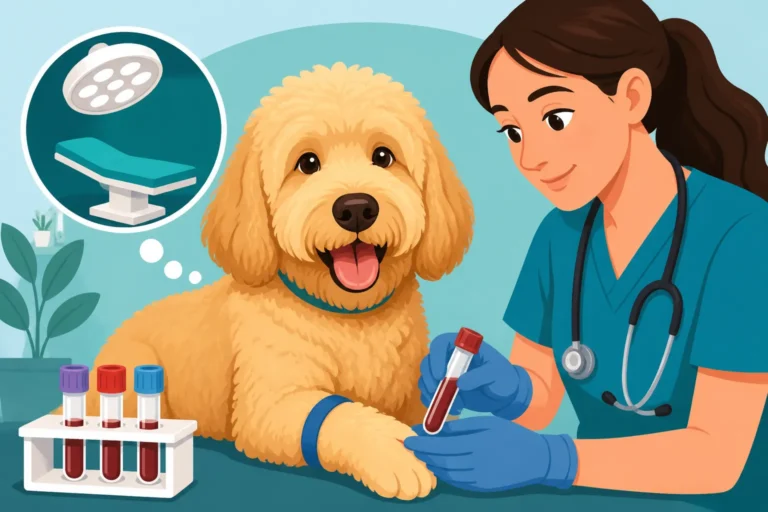
Responsible breeders of Goldendoodles, regardless of the generation they are breeding, should be conducting a comprehensive panel of health tests on their breeding stock. This isn't just a recommendation; it's a necessity to mitigate the risk of passing on debilitating genetic diseases.
Here's a breakdown of the critical health clearances parents should have:
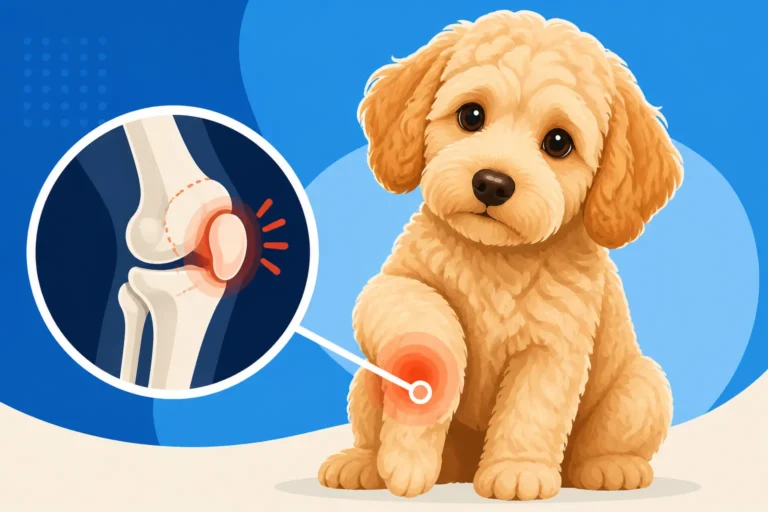
- Orthopedic Evaluations (OFA/PennHIP): Both Golden Retrievers and Poodles are prone to hip and elbow dysplasia. OFA (Orthopedic Foundation for Animals) evaluates hips and elbows for structural integrity. PennHIP offers another method for hip evaluation, focusing on laxity. You'll want to see "Good" or "Excellent" hip scores and "Normal" elbow scores. Goldendoodle Hip Dysplasia and the OFA Numbers can give you a better understanding of what to look for.
- Eye Certifications (OFA CAER/CERF): Both breeds can carry genes for various eye conditions, including Progressive Retinal Atrophy (PRA), cataracts, and other inherited eye diseases. Parents should have annual eye exams by a board-certified veterinary ophthalmologist. Progressive Retinal Atrophy and the Goldendoodle Eye Test is a specific test to ask for.
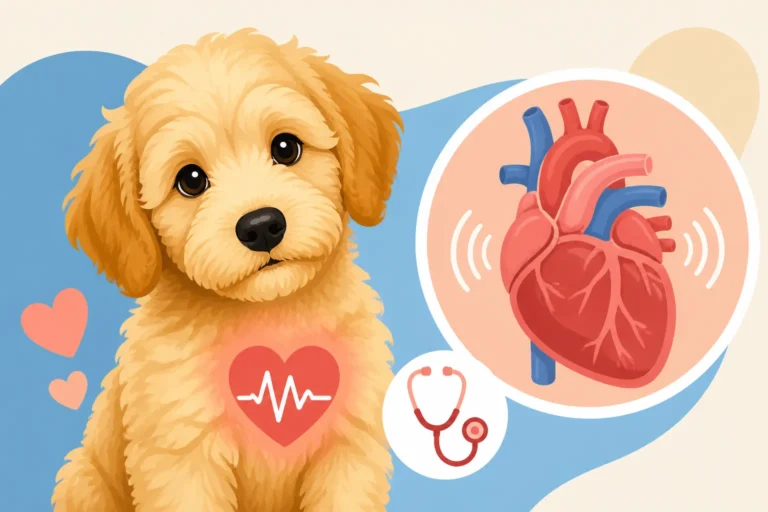
- Cardiac Clearances (OFA Cardiac): Golden Retrievers, in particular, can be prone to certain heart conditions like Subvalvular Aortic Stenosis (SAS). A cardiac examination by a veterinary cardiologist is important. The Heart Defect a Goldendoodle Gets From the Golden Line is something to be aware of.
- DNA Panels: This is where modern science truly shines for Goldendoodles. A comprehensive DNA panel can screen for dozens of genetic conditions common in Golden Retrievers and Poodles, including:
- Progressive Retinal Atrophy (PRA-prcd): Essential for both lines.
- Von Willebrand Disease (vWD): A bleeding disorder, more common in Poodles.
- Degenerative Myelopathy (DM): A neurological disorder.
- Ichthyosis: A skin condition common in Golden Retrievers.
- Neonatal Encephalopathy with Seizures (NEwS): A severe neurological condition in Poodles.
- Addison's Disease: While complex, genetic markers are being researched.
Breeders should be transparent with these results, showing you the certificates. Remember, a "carrier" status on a DNA test isn't necessarily a dealbreaker if the mate is "clear." The DNA Panel a Goldendoodle Breeder Should Run is crucial information to ask for. Having pet insurance, like a policy from Healthy Paws, can offer a safety net for unexpected conditions, regardless of genetic precautions, but thorough health testing remains your first line of defense.
The Dangers of Unscreened Parents
The unfortunate truth is that many Goldendoodles are bred by individuals more interested in profit than health. These breeders often skip expensive health testing, relying solely on the "hybrid vigor" myth to market their puppies. The consequences for unsuspecting buyers can be devastating.
Puppies from unscreened parents are essentially a genetic roll of the dice. You could end up with a wonderful, healthy dog, or you could find yourself with a puppy that develops severe, costly, and heartbreaking genetic conditions early in life. Common issues include debilitating hip and elbow dysplasia, progressive blindness from PRA, chronic allergies or skin issues, and even certain cancers that Goldendoodles can inherit from the Golden side.
These conditions not only cause immense suffering for the dog but can also lead to enormous veterinary bills and emotional strain for the family. Imagine your beautiful Goldendoodle limping by its first birthday due to severe hip dysplasia, requiring expensive surgeries, or losing its sight by age five. While pet insurance providers like Healthy Paws can help with the financial burden of such unexpected illnesses and accidents, preventing them through responsible breeding and health testing is always the ideal first step. Always insist on seeing verifiable health clearances for both parents. If a breeder cannot or will not provide them, walk away. It's a clear red flag that they are not prioritizing the health and well-being of their puppies.
Managing Expectations: Health Realities for All Goldendoodles
Understanding the nuances of hybrid vigor and genetic predispositions empowers you to make informed decisions. No dog is guaranteed perfect health, but you can significantly improve the odds.
A Realistic Outlook on Health Claims
It’s easy to be enchanted by marketing claims of "designer dogs" being inherently healthier, smarter, or more hypoallergenic. However, a realistic outlook is crucial. While F1 Goldendoodles often benefit from hybrid vigor, leading to a generally robust first generation, it's not a magical shield against all ailments. And as we've discussed, this benefit significantly diminishes in subsequent generations.
Every Goldendoodle, regardless of generation, is a mix of two breeds, each with its own set of genetic predispositions. This means that your Goldendoodle could potentially inherit health challenges from either side of its family tree. For example, while hybrid vigor might reduce the overall incidence of conditions common to both breeds, it doesn't eliminate the possibility. A Goldendoodle could still suffer from Goldendoodle Hip Dysplasia at 15 to 20 Percent or Goldendoodle Ear Infections Under a Furnished Ear – issues common to both parent breeds or exacerbated by their combined traits. Therefore, it's vital to focus on the individual health of the parent dogs and their documented clearances rather than relying on broad, often misleading, claims about hybrid superiority. Even with the best breeding practices, health issues can arise, making a robust pet insurance plan like those offered by Healthy Paws a wise investment for peace of mind.
The Role of Environment and Lifestyle
Beyond genetics, your Goldendoodle's health and longevity are profoundly influenced by environmental factors and lifestyle choices. Even a genetically sound Goldendoodle needs proper care to thrive.
Consider these aspects:
- Nutrition: A high-quality diet appropriate for their age, size, and activity level is foundational. Overfeeding and rapid growth in puppies, especially large standards, can exacerbate orthopedic issues like hip and elbow dysplasia, even if they have good genes.
- Exercise: Goldendoodles are energetic dogs. They require regular, appropriate exercise to maintain a healthy weight, build strong muscles, and provide mental stimulation. However, over-exercising growing puppies can stress developing joints. Find a balance that suits your dog's individual needs.
- Weight Management: Obesity is a massive contributor to health problems in dogs, increasing the risk of joint issues, diabetes, and heart disease. Given their thick coats, it can be easy to miss gradual weight gain in a Goldendoodle, so regular checks are essential. Goldendoodle Weight and the Load on Its Joints is a crucial consideration.
- Preventive Care: Regular veterinary check-ups, vaccinations, parasite prevention, and dental care are non-negotiable. Many serious conditions can be caught early with routine vet visits, leading to better outcomes.
- Grooming: Goldendoodles have coats that require significant upkeep. Neglecting grooming can lead to painful matting, skin infections, and ear problems. Regular brushing and professional grooming appointments are essential. Goldendoodle Ear Hair and Chronic Infection is a very common problem that can be largely prevented with diligent care.
By providing excellent care throughout their life, you can significantly contribute to your Goldendoodle’s overall well-being, potentially extending their healthy years and truly realizing the potential of Goldendoodle Lifespan and What a Cross Really Buys You.
Whether a Goldendoodle Lives Longer Than a Purebred
The question of whether a Goldendoodle truly lives longer than a purebred is complex and doesn't have a simple "yes" or "no" answer. While hybrid vigor can contribute to increased longevity in the F1 generation, particularly by buffering against recessive diseases common in both parent lines, this benefit isn't universally guaranteed, nor does it necessarily persist in later generations.
The average lifespan for Golden Retrievers is typically 10-12 years, and for Standard Poodles, it's often 12-15 years. Goldendoodles generally fall within this range, often cited as 10-15 years. The genetic diversity in F1 Goldendoodles might help them avoid some of the specific genetic weaknesses of each parent breed, theoretically giving them a slight edge in overall resilience and a lower chance of developing two copies of specific recessive diseases from either line.
However, factors like size (larger dogs generally have shorter lifespans), inherited predispositions to common complex diseases (like cancer, which is a significant concern in Golden Retrievers, and can affect Goldendoodles), and the quality of care they receive, play equally, if not more, significant roles. A well-bred, well-cared-for purebred can certainly live longer and healthier than a poorly bred Goldendoodle. Therefore, while hybrid vigor can contribute positively to a Goldendoodle's health, it's far from the only determinant of a long, healthy life. Focusing on responsible breeding, comprehensive health testing, and excellent daily care will have a much greater impact than simply relying on the "hybrid" label. This is further explored in Whether a Goldendoodle Really Lives Longer Than a Purebred.
Disclaimer
This article is for general informational purposes only and does not constitute professional advice. Laws, prices and regulations vary by location and change over time. Consult a qualified professional for guidance on your specific situation.