The First Call After a Goldendoodle Eats Something
Goldendoodle ingestion emergencies require identifying the toxic substance and quantity, then observing the dog for distress symptoms.
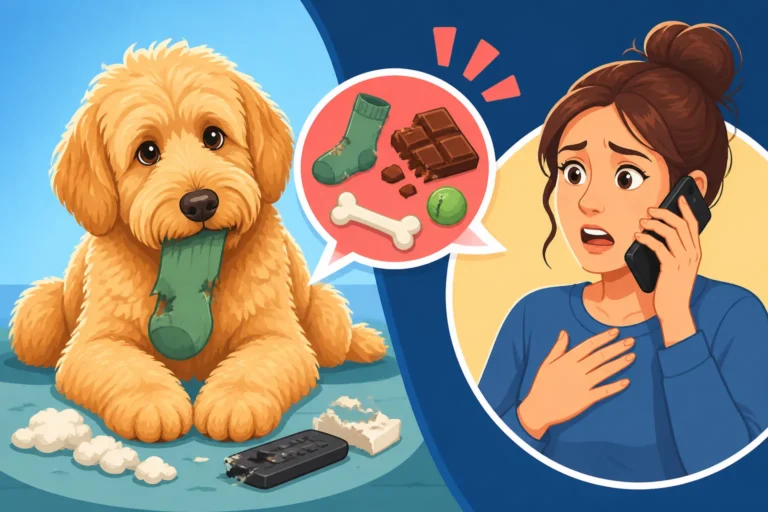
Goldendoodle ingestion emergencies require identifying the toxic substance and quantity, then observing the dog for distress symptoms.
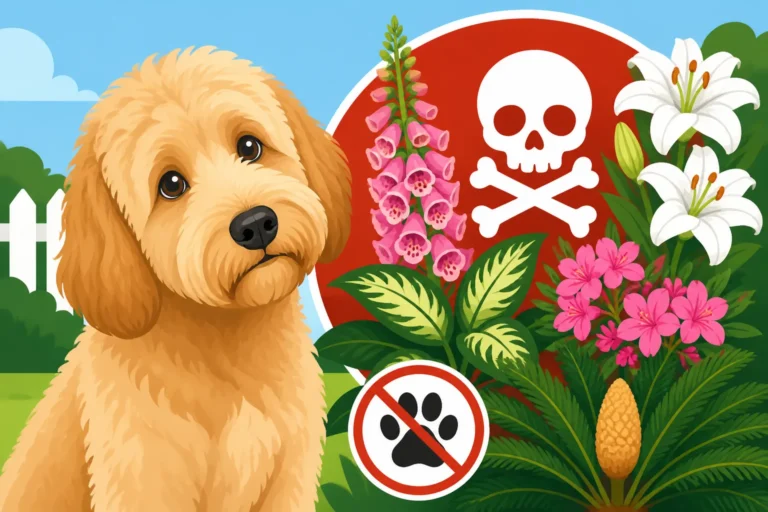
Common yard plants toxic to Goldendoodles and poisoning signs are explained to create safer outdoor spaces for pups.
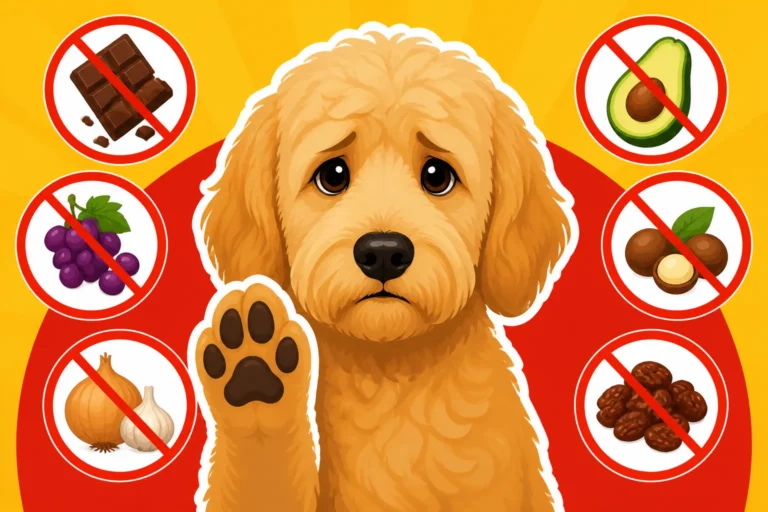
Common human foods like chocolate, xylitol, and onions poison Goldendoodles, causing severe health emergencies and fatal reactions.
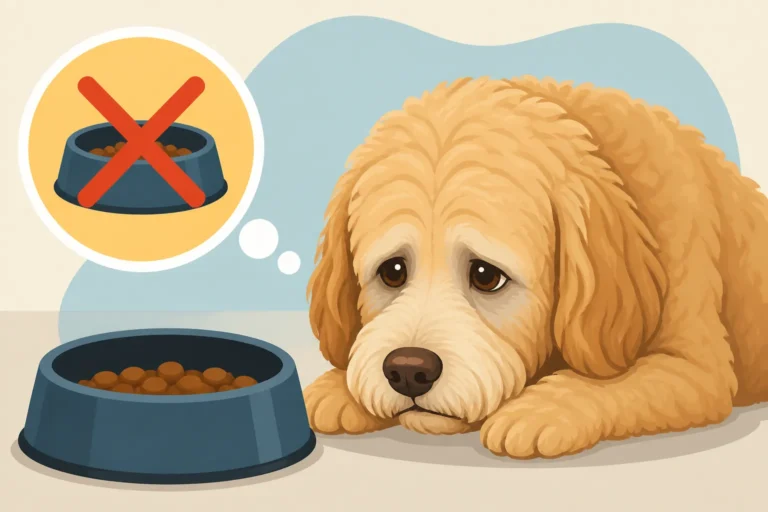
Senior Goldendoodle appetite loss involves slower metabolism, dental disease, declining kidney function, and dulled senses.
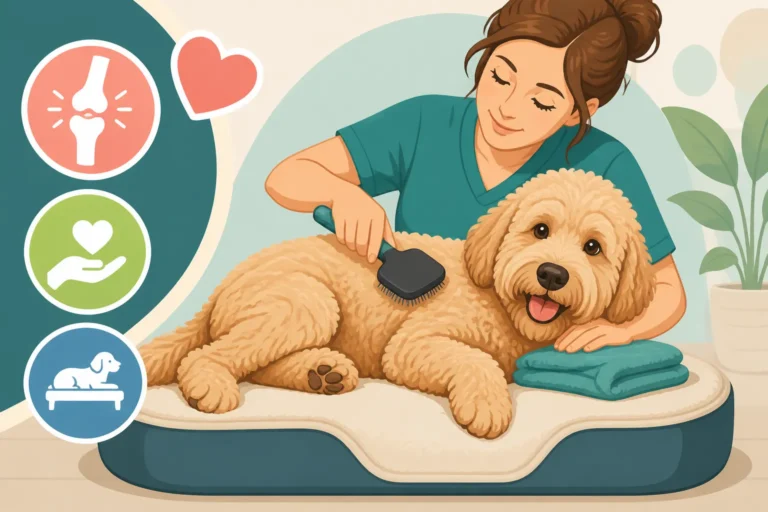
Arthritic Goldendoodle grooming strategies reduce joint pain during brushing and bathing while protecting the hips, elbows, and spine.

Senior Goldendoodle joint diets and canine osteoarthritis management strategies help ease hip pain and improve mobility.
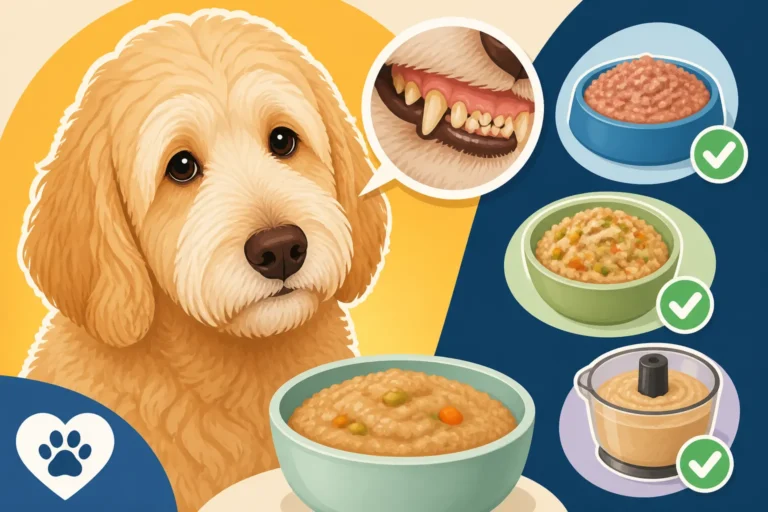
Senior Goldendoodle dental wear and gum disease adjustments for diet and feeding methods to ensure comfortable meals and nutrition.

Senior Goldendoodle calorie reduction helps aging dogs maintain joint health, mobility, and overall wellness past age nine.
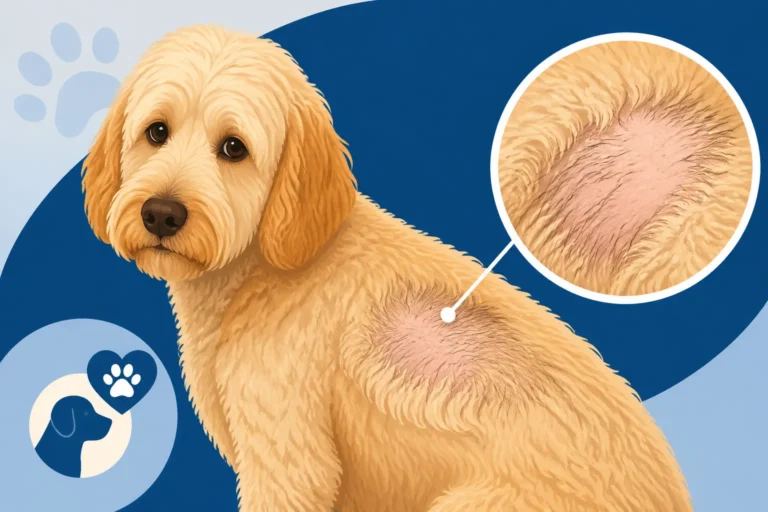
Senior Goldendoodle coat thinning explains normal aging changes, texture shifts, and health issues like hypothyroidism causing hair loss.
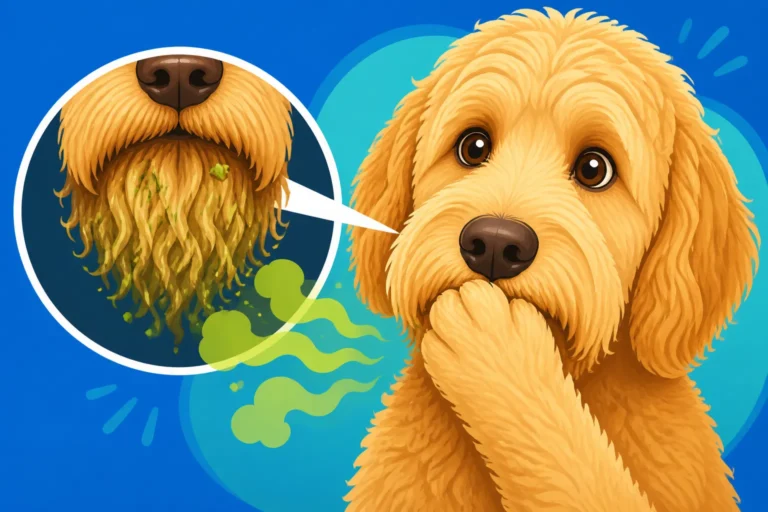
Goldendoodle bad breath originating from facial hair rather than dental decay creates a musty odor requiring specific grooming care.