Bad Breath From a Goldendoodle Beard, Not the Teeth
Oh, the Goldendoodle beard! It’s such a charming, distinguishing feature, isn't it? That fluffy, expressive face is often the first thing we fall in love with. But let's be real, sometimes that adorable beard can become a real source of, shall we say, olfactory challenges. You’ve sniffed around, checked their teeth (best you can!), and still, that funky smell persists, leaving you wondering if your sweet pup secretly ate a skunk. More often than not, it's not their pearly whites causing the stink, but rather the very hair around their mouth. This guide is here to help you pinpoint if your Goldendoodle's bad breath is truly a beard problem and, most importantly, how to tackle it head-on so you can get back to those close-up cuddles without holding your nose.
The Beard: A Hidden Culprit for Goldendoodle Breath
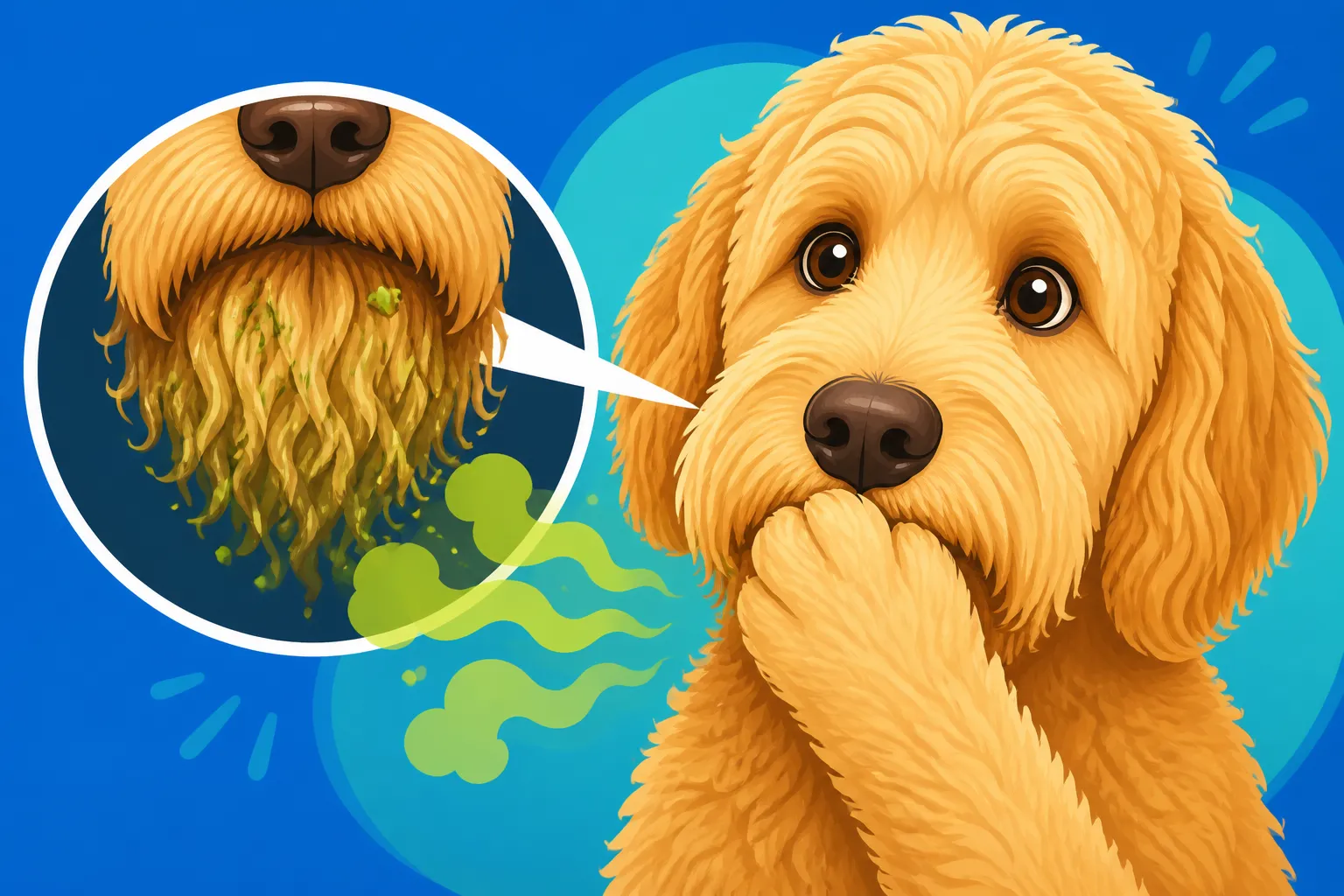
It’s a common misconception that bad breath always points to dental decay. While dental hygiene is absolutely crucial for your Goldendoodle's overall health, many Goldendoodle owners discover that the real source of a less-than-fresh scent is right there on their dog's face – the beard! That wonderful 'furnished' face, characteristic of most Goldendoodles, is a magnet for all sorts of smells, food debris, and moisture.
The Furnished Face: A Goldendoodle Trait
Most Goldendoodles inherit a gene from their Poodle side that gives them what breeders call "furnishings." This means they have longer hair on their face, including eyebrows, a mustache, and that signature beard. It's what makes them look like a cuddly teddy bear rather than a smooth-faced Golden Retriever. This genetic trait is often celebrated because it's linked to the lower-shedding coats many Goldendoodle owners desire. However, it comes with its own unique set of grooming challenges. The texture of this facial hair can vary, from wavy to truly curly, and each type presents its own difficulties when it comes to keeping it clean. Owners who thought they were just getting a cute, fluffy dog quickly learn that this facial hair requires dedicated attention.
The "Wet Dog" Smell Originating from the Face
You know that unmistakable "wet dog" smell? It’s not always from a full bath or a romp in the rain. Often, with a Goldendoodle, a localized version of this damp odor can emanate directly from their beard. Why? Because the beard acts like a sponge, constantly getting wet from drinking water, drooling, or even just humidity in the air. This perpetually damp environment, especially with trapped food particles, creates a perfect breeding ground for bacteria and yeast. Just like a damp towel left in a gym bag, the beard can develop a stale, musty, or even sour odor that’s distinct from typical bad breath caused by plaque and tartar. It's a smell that can hit you from across the room, far before you even consider opening their mouth. Many people don't realize that this isn't just "dog smell" but a specific grooming issue related to their Goldendoodle's unique coat.
Distinguishing Beard Breath from Dental Issues
Before you jump to conclusions about painful dental problems, it’s important to try and differentiate between beard-related odors and actual tooth decay or gum disease. A quick sniff test can often give you the first clue. If the smell is generally emanating from the outside of their mouth, particularly the fluffy areas around their chin and cheeks, it's likely a beard issue. If, however, the smell is distinctly coming from inside their mouth, perhaps even when their mouth is closed but you lift their lip, then you might be looking at dental problems.
Here’s a simple comparison table to help:
| Odor Source & Characteristics | Beard-Related Smell | Dental-Related Smell |
|---|---|---|
| Location of Odor | Primarily from facial hair, outside the mouth | Directly from inside the mouth, even when lips are closed |
| Type of Smell | Musty, sour, damp, stale, "wet dog" | Fishy, rotten, sulfur-like, sickly sweet, like decaying matter |
| Associated Symptoms | Beard staining, matted hair, food debris on whiskers | Red/swollen gums, visible tartar (yellow/brown crust on teeth), loose teeth, difficulty eating, pawing at mouth |
| Impact on Appetite | Usually none | May decrease appetite due to pain |
| Response to Cleaning | Improves significantly with beard washing | Minimal improvement with external cleaning, requires dental care |
Even with this distinction, if you suspect dental issues, a vet visit is always warranted. Goldendoodles can sometimes have dental crowding, especially the smaller varieties, which makes them more prone to tartar buildup. You might want to read more about Goldendoodle Dental Crowding in the Smaller Sizes or Goldendoodle Tartar and Gum Disease if you have concerns beyond the beard.
Why Your Goldendoodle's Beard Gets So Gross (and Smelly)
So, what exactly turns that beautiful, fluffy beard into a stinky mess? It’s a combination of factors, many of which are completely unavoidable given a Goldendoodle's enthusiastic approach to life. Understanding these culprits is the first step toward effective prevention and management.
Food Traps: The Mealtime Mess
Imagine eating a messy meal, like spaghetti, and not being able to wipe your face. That's essentially what happens to your Goldendoodle every time they eat. Their long facial hair, particularly the beard and mustache, acts like a net, catching bits of kibble, wet food, and whatever else might have dropped into their bowl. Gravy, crumbs, sticky bits – it all gets embedded deep within those curls.
Think about it: a Goldendoodle dives head-first into their breakfast, slurping up every last morsel. When they lift their head, they bring half their meal with them, clinging to their beard. If this food isn't removed promptly, it starts to decay, leading to a strong, unpleasant odor. This is particularly true with wet or fresh food diets, which leave behind more residue than dry kibble. And it's not just the smell; these food particles can also lead to skin irritation and even infections if left untouched. It’s a real challenge, especially for those with very fluffy or curly Goldendoodle coats, as the food can get truly entangled.
Moisture Retention: A Breeding Ground for Bacteria
The Goldendoodle beard's biggest enemy is often water. Every time your Goldendoodle drinks, their beard becomes thoroughly soaked. And because their coat is often dense and curly, it takes a long time to air dry. This constant dampness creates a warm, moist environment—the absolute perfect conditions for bacteria and yeast to flourish. These microorganisms thrive in such conditions, producing volatile organic compounds that we perceive as unpleasant smells. It’s the same reason your Goldendoodle's ears can get infected if not dried properly after swimming – the furnished ears trap moisture just as the beard does. You can learn more about Goldendoodle Ear Hair and Chronic Infection if that's a recurring battle.
Even seemingly innocent activities, like playing in dew-covered grass or licking their chops after a tasty treat, contribute to this perpetual dampness. Over time, this chronic moisture can also lead to skin issues like "beard funk" or even yeast infections on the skin underneath the hair, which can contribute to the overall odor. It's a never-ending cycle of wetness and subsequent microbial growth that can leave you wondering if your dog just got back from a swim every hour of the day.
Environmental Odors and Debris
Beyond food and water, your Goldendoodle's beard is also exposed to a myriad of environmental odors and debris that can cling to its absorbent texture. Have you ever noticed your dog sniffing every bush, rolling in mysterious patches of grass, or greeting other dogs with a thorough face-to-face investigation? All these activities expose their beard to external elements. Pollen, dust, dirt, lingering scents from other animals, or even just the smell of your backyard compost can all become trapped in those lovely curls.
Imagine if you wore a scarf all day, rubbing it against various surfaces, then came home and left it unwashed. It would pick up all sorts of smells, wouldn't it? The Goldendoodle beard is no different. It's on the front lines of their sensory exploration, constantly collecting information (and smells!) from the world around them. These external odors combine with the food and moisture-related funk, creating a truly unique and often offensive aroma that becomes distinctly "beard breath."
Daily Rituals to Banish Beard-Related Bad Breath
The good news is that much of Goldendoodle beard-related bad breath is completely preventable and manageable with consistent daily care. It’s not a huge chore once you get into the swing of things, and the payoff in fresh-smelling cuddles is absolutely worth it.
Post-Meal Cleaning: The Essential Step
This is perhaps the most critical step to prevent food particles from lingering and decaying. Immediately after your Goldendoodle finishes eating, take a moment to clean their beard.
Here’s how to do it effectively:
- Wipe Down: Use a damp washcloth, an unscented baby wipe, or a specialized pet wipe (brands like Earthbath or Petkin are widely available on Amazon and Chewy) to gently wipe down their entire beard and mustache area. Pay close attention to the hair around their mouth and under their chin where food often collects. Be gentle but thorough, making sure to get down to the skin to remove any sticky residue.
- Rinse (Optional but Recommended): For a really messy eater, or if they’ve had wet food, a quick rinse under the faucet might be necessary. Just cup water in your hand or use a small spray bottle to wet the beard, then gently rub it to dislodge any stubborn bits.
- Dry Thoroughly: This step is crucial to prevent moisture buildup. Use a clean, dry towel to pat and rub their beard until it's as dry as possible. You can also use a low-heat pet-specific dryer if your dog tolerates it, or even your own hairdryer on a cool setting. Remember, damp equals funk!
- Consider a Snood: For extreme cases, or while eating, a "snood" (a fabric tube worn over the ears and beard) can keep their facial hair completely out of their food and water. You can find many cute and practical options on Amazon.
This routine, ideally after every meal, will drastically reduce the chances of food-related odors building up. This is truly the most impactful thing you can do for a fresh-smelling Goldendoodle face! You can find more specific tips on Cleaning a Goldendoodle Beard After Every Meal.
Regular Washing and Drying Routines
Beyond the daily post-meal wipe, regular, thorough beard washing is essential. Think of it as washing your own hair – you wouldn't go weeks without doing it, especially if it was constantly getting wet and dirty!
How to implement a consistent beard washing routine:
- Weekly Mini-Wash: At least once a week, give their beard a more thorough wash. You don’t need a full bath every time. Use a gentle, dog-specific shampoo (look for brands like Earthbath, TropiClean, or even an oatmeal-based shampoo available on Chewy). Lather up the beard, paying attention to working the shampoo down to the skin. Rinse thoroughly, making sure no soap residue is left behind, as this can irritate the skin and actually contribute to odor.
- Conditioning: Just like the rest of their coat, a conditioner can help keep the beard hair soft, prevent matting, and make it easier to clean. Apply a dog-safe conditioner after shampooing, let it sit for a minute, then rinse well. You might find some helpful suggestions in Conditioner and Why a Goldendoodle Needs It.
- Drying Power: This is where many owners fall short. After washing, towel dry vigorously, then use a force dryer or a human hairdryer on a cool/low setting to ensure the beard is completely dry. Lift sections of hair to ensure the skin underneath is also dry. If you’re not drying down to the skin, you’re just inviting that damp smell back in. If you're looking for drying solutions, check out Force Dryers for Home Goldendoodle Grooming.
- Water Bowl Choice: Invest in a "water-friendly" bowl that keeps the beard drier. Options include bowls with a narrow opening, a floating disk, or elevated bowls that encourage a cleaner drinking posture. This small change can make a big difference in reducing constant beard dampness throughout the day.
Strategic Trimming for Better Hygiene
Sometimes, no amount of washing or wiping can fully combat a beard that's simply too long or dense. Strategic trimming can significantly improve hygiene and reduce odor.
Consider these trimming strategies:
- Sanitary Trim Around the Mouth: Ask your groomer, or if you're comfortable, carefully trim the hair directly around your Goldendoodle's mouth and lips. This reduces the surface area where food and moisture can cling. You want it short enough to be functional, but not so short that it looks unnatural or exposes delicate skin.
- Beard Length Management: Discuss with your groomer a manageable beard length. A shorter beard (think a couple of inches, rather than four or five) is much easier to keep clean and dry. While you might love the long, flowing beard look, it's often a trade-off for hygiene. Your groomer can give your Goldendoodle a "puppy cut" or a "teddy bear cut" that often includes a shorter, more practical beard.
- Trimming Under the Chin: Don’t forget the hair right under their chin and on their neck. This area often gets wet from drinking and can also collect food. Keeping it a little shorter helps it dry faster and reduces the hiding spots for grime.
- Regular Groomer Visits: Even if you do some home grooming, regular appointments with a professional groomer every 6-8 weeks are vital. They can perform these detailed trims safely and ensure the coat is free of mats, which can also trap odors. A good groomer understands Goldendoodle coats and can offer advice on maintaining a healthy, fresh-smelling beard. For more on this, check out Trimming a Goldendoodle's Face and Eye Hair and Booking a Goldendoodle Groom Every Six to Eight Weeks.
When to Suspect Something More Than Just the Beard
While beard hygiene is a huge factor, it's important to remember that bad breath can be a sign of other health issues. If you’ve been diligent with beard care and the smell persists, or if you notice other symptoms, it’s time to look beyond the beard.
Beyond the Beard: Other Causes of Bad Breath
If your Goldendoodle’s breath still smells unpleasant despite your best beard-cleaning efforts, it’s time to consider other potential culprits. Bad breath, or halitosis, can be a symptom of various underlying health problems.
Common non-beard related causes of bad breath include:
- Dental Disease: This is by far the most common cause. Plaque buildup hardens into tartar, leading to gingivitis (gum inflammation) and periodontal disease. Bacteria associated with these conditions produce foul odors. Look for red, swollen gums, brown tartar on teeth, or loose teeth. Even if you're diligently cleaning the beard, the inside of the mouth needs attention. Goldendoodle Tartar and Gum Disease is a crucial read here.
- Dietary Habits: What your Goldendoodle eats can affect their breath. Some foods, especially those with strong odors like certain fish or organ meats, can linger. Also, if your dog is eating things they shouldn’t (like cat poop, garbage, or decaying items outside), their breath will reflect it. You might want to brush up on What a Goldendoodle Should Never Eat.
- Gastrointestinal Issues: Digestive problems, acid reflux, or other stomach upsets can lead to bad breath. If your dog is also showing signs like vomiting, diarrhea, or a decreased appetite, these could be connected.
- Kidney Disease: A strong ammonia or urine-like smell can indicate kidney problems. This happens when the kidneys aren't effectively filtering toxins from the blood.
- Liver Disease: Very sweet, sickly-sweet, or musty breath can be a sign of liver disease. Other symptoms might include lethargy, yellowing eyes/gums, or changes in appetite.
- Diabetes: Uncontrolled diabetes can cause a distinct sweet, fruity smell on the breath due to ketones. This would typically be accompanied by increased thirst and urination.
- Oral Tumors or Growths: Less common but serious, growths in the mouth can become infected and produce foul odors.
- Foreign Objects: Sometimes, a small stick, bone, or piece of toy can get lodged in the mouth or between teeth, leading to infection and a terrible smell.
It’s easy to get tunnel vision when you’re battling a specific problem like beard funk, but a comprehensive approach means keeping an eye out for these other, more serious health indicators.
The Importance of Regular Vet Checks
A Goldendoodle with persistent bad breath that doesn't resolve with diligent beard care needs a veterinary check-up. Your vet can perform a thorough oral examination, often requiring sedation to get a good look at all the teeth and gums, including those in the back. They can assess for periodontal disease, fractured teeth, oral masses, or foreign bodies that you might not be able to see.
Beyond the mouth, your vet can run blood work and urine tests to check for systemic diseases like kidney or liver problems, or diabetes. Catching these conditions early is vital for effective treatment and improving your Goldendoodle’s quality of life. Don't dismiss persistent bad breath as just a minor inconvenience; it could be your Goldendoodle trying to tell you something important about their health. Even if you manage the beard perfectly, a vet visit is the only way to rule out deeper issues.
When to Seek Professional Grooming Help
Sometimes, despite your best efforts at home, the beard can become too matted, stained, or simply overwhelming to manage on your own. This is where a professional groomer, especially one experienced with Goldendoodles, becomes an invaluable partner.
When to call in the pros:
- Stubborn Matting: If the beard hair is heavily matted close to the skin, it’s often too painful and difficult for you to remove safely at home. Professional groomers have the tools and expertise to demat or, if necessary, shave the matted areas without causing injury. Matted hair traps moisture and debris even more effectively, making the smell worse.
- Deep Staining: While some staining is normal, if the beard is deeply discolored and stained from food or yeast, a professional groomer can often do a better job with specialized shampoos and techniques to lighten it.
- Fear of Trimming: Many owners are understandably nervous about using clippers or scissors near their dog’s face. A professional groomer can give your Goldendoodle a clean, safe trim that improves hygiene without causing anxiety or injury. They also know exactly which blade lengths work best for a healthy, functional beard.
- Chronic Odor Despite Home Care: If you’re cleaning diligently and the smell still lingers, a professional groomer might be able to identify underlying skin issues in the beard area that you’ve missed, such as yeast overgrowth or dermatitis, which often have their own distinct, pungent odor. They can then recommend a medicated wash or direct you back to your vet.
- General Overwhelm: It's okay to admit that the Goldendoodle coat is a lot of work! If you feel overwhelmed by the constant grooming demands, let a professional take some of the burden. Regular professional grooms ensure your Goldendoodle stays comfortable, clean, and smelling fresh, especially around that magnificent beard.
Working closely with both your vet and a skilled groomer ensures that your Goldendoodle's beard remains a source of charm, not a source of stink.
Disclaimer
This article is for general informational purposes only and does not constitute professional advice. Laws, prices and regulations vary by location and change over time. Consult a qualified professional for guidance on your specific situation.