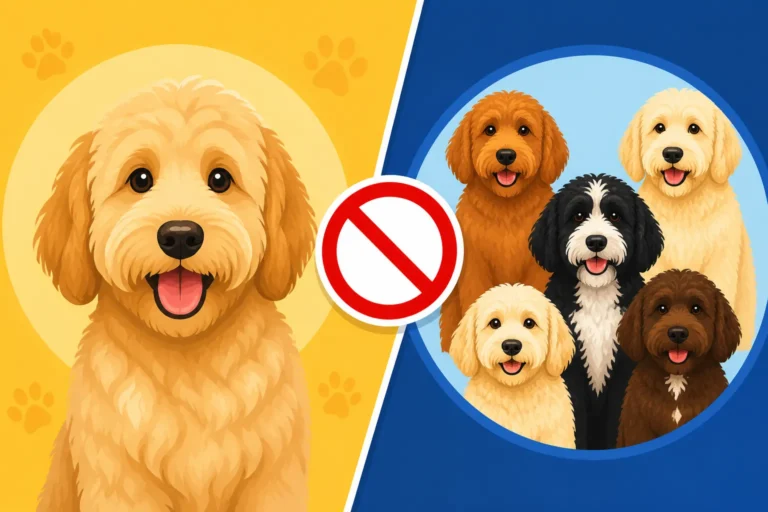
The Mini Goldendoodle at Twenty-Six to Thirty-Five Pounds
It’s easy to feel lost in a sea of adorable Goldendoodle pictures, especially when breeders throw around terms like "Mini," "Moyen," and "Petite" without always giving you a clear picture of what that means for your future furry family member. If you’re trying to understand what a Mini Goldendoodle truly entails, particularly one that falls into the 26 to 35-pound range, you've landed in the right spot. This guide is dedicated to shedding light on this specific size category, helping you understand their characteristics, care needs, and what to expect when welcoming one into your life.
Decoding Goldendoodle Sizes and the 26-35 Pound Mini
The world of Goldendoodles can be delightfully varied, and their sizing is one of the most common points of confusion for new owners. Unlike purebreds with strict breed standards, Goldendoodles, being a crossbreed, have a more fluid sizing system. This is especially true for the "Mini" designation, which can cover quite a broad spectrum.
Where the 26-35 Pound Range Fits
When we talk about Goldendoodles, we usually break them down into a few general size categories:
- Standard Goldendoodle: Typically over 50 pounds, sometimes reaching 90 pounds or more.
- Medium Goldendoodle: Generally between 36 and 50 pounds.
- Mini Goldendoodle: This is where things get interesting, often defined as being between 15 and 35 pounds.
- Toy/Petite Goldendoodle: Usually under 15 pounds.
So, a Mini Goldendoodle weighing 26 to 35 pounds sits right at the higher end of the Mini category, sometimes overlapping with what some might consider a smaller "Medium" or "Moyen" Goldendoodle. This specific range often results from breeding a miniature Poodle with a smaller Golden Retriever, or perhaps an F1 Goldendoodle back to a Miniature Poodle for an F1b litter. It’s a lovely size – small enough to be portable and not take up too much space, yet robust enough for active play without being overly fragile. You can often find a lot of discussion about Why Goldendoodle Size Charts Disagree because of these overlapping definitions.
The Influence of Parentage on Size
The adult weight of any Goldendoodle, and especially a Mini, is heavily influenced by the genetics of its parents. A Goldendoodle is a mix of a Golden Retriever and a Poodle, and the size of the Poodle parent is usually the biggest determinant for the eventual adult size of the Goldendoodle offspring.
For a Goldendoodle to fall into the 26-35 pound range, the Poodle parent is almost always a Miniature Poodle. If a Standard Poodle were used, you’d be looking at a much larger Goldendoodle. Sometimes, a smaller Golden Retriever might be used in the pairing, or perhaps one of the parents is already a smaller Goldendoodle (like in F2 or Multigen crosses) that inherited a smaller stature. It’s truly a genetic lottery to some extent, which is why Predicting a Goldendoodle Puppy's Adult Size can sometimes feel like guesswork, even with good breeder estimates. Reputable breeders will always show you the parents and their weights to give you a clearer idea of what to expect.
What to Expect: Characteristics of a 26-35 Pound Goldendoodle
Once you've zeroed in on this specific size, it's natural to wonder how it translates into their everyday life and needs. The 26-35 pound Mini Goldendoodle strikes a fantastic balance, often combining the best traits of both smaller and larger dogs.
Temperament and Energy Levels
In general, Goldendoodles are known for their friendly, intelligent, and eager-to-please temperaments. A 26-35 pound Mini Goldendoodle will typically carry these traits forward. They tend to be highly social, enjoying interaction with family members and often getting along well with children and other pets. The smaller size means they might be less prone to accidentally knocking over toddlers than a rambunctious 70-pound Standard, making them an excellent choice for families.
Energy-wise, this size of Goldendoodle is still active and playful. They aren't couch potatoes, despite their smaller stature. You can expect them to need a good 30-60 minutes of daily exercise, which could include walks, playtime in the yard, or trips to the dog park. They'll enjoy fetching, learning tricks, and going on adventures. Because of their Poodle heritage, they also have a keen mind that needs stimulation. Puzzle toys, training sessions, and interactive games are all excellent ways to keep their brains engaged and prevent boredom, which can sometimes lead to unwanted behaviors. This sweet spot of size often makes them incredibly adaptable to various lifestyles, from city living to suburban homes, provided their exercise and mental needs are met. Many owners find their pups benefit from various enrichment toys and foods from pet retailers like Chewy.
Suitability for Various Living Situations
A 26-35 pound Goldendoodle hits that sweet spot where they are substantial enough to feel like a "real dog" but compact enough to fit comfortably into smaller living spaces. They generally do well in apartments or condos, as long as they receive adequate daily exercise outdoors. They don't necessarily need a huge backyard, though one is certainly a bonus for burning off steam. The key is consistent physical and mental engagement, regardless of your housing situation.
Their moderate size also makes them excellent travel companions. They're often small enough to fit comfortably in a car for road trips, and many airlines have weight limits for in-cabin travel that a smaller Mini Goldendoodle might meet (though always check specific airline policies, as these can vary). This portability is a huge plus for families who love to include their dog in their adventures. Remember, even with their adaptability, they are still prone to Goldendoodle Separation Anxiety From Both Parent Lines if left alone for excessively long periods without proper training and preparation.
Specialized Care for Your Mid-Size Mini Goldendoodle
While all Goldendoodles require dedicated care, the specific size of your Mini Goldendoodle can influence certain aspects of their daily routine, particularly when it comes to grooming and diet.
Grooming Considerations for This Size
The Goldendoodle coat is famous for its low-shedding qualities (though no dog is truly hypoallergenic), but it demands significant grooming attention. A 26-35 pound Mini Goldendoodle will have a coat that can be straight, wavy, or curly, inherited from their Golden Retriever and Poodle lineage. All these coat types are prone to matting if not brushed regularly.
For a dog of this size, you'll still need to commit to brushing at least every other day, and daily if they have a very curly or dense coat. Mats can form quickly behind the ears, under the collar, in the armpits, and on the legs. Professional grooming will be a recurring expense, typically every 6-8 weeks, to keep their coat trimmed and mat-free. You'll discuss with your groomer desired lengths, from a short "puppy cut" to a longer "teddy bear cut." Many groomers find it easier to manage a 26-35 pound dog on the table compared to a giant Standard, which might make their appointments a bit quicker, but the intricacies of the coat remain the same. Home grooming tools, like slicker brushes and metal combs, are essential, and you can find a vast array of high-quality options from retailers like Chewy to keep your pup looking sharp between professional visits. Understanding Goldendoodle Grooming as the Biggest Line in the Budget is critical for owners.
Dietary Needs and Weight Management
The dietary needs of a 26-35 pound Goldendoodle are proportionate to their size and activity level. You'll want to feed a high-quality dog food formulated for medium-sized breeds or all life stages, depending on their age. Calorie intake is crucial to monitor to prevent obesity, which can put extra strain on their joints.
Here’s a general guideline, but always consult your veterinarian for specific recommendations based on your dog's individual metabolism, activity, and health status:
| Size Category | Adult Weight Range (approx.) | Daily Calorie Needs (approx.) | Food Portions (cups dry food) |
|---|---|---|---|
| Toy Goldendoodle | < 15 lbs | 300-500 | 0.75 – 1.25 |
| Mini Goldendoodle (Small) | 15-25 lbs | 500-750 | 1.25 – 1.75 |
| Mini Goldendoodle (Mid) | 26-35 lbs | 750-1000 | 1.75 – 2.5 |
| Medium Goldendoodle | 36-50 lbs | 1000-1400 | 2.5 – 3.5 |
| Standard Goldendoodle | 51-90+ lbs | 1400-2000+ | 3.5 – 5+ |
Note: These are approximations. Consult your dog food packaging and veterinarian for precise amounts.
Splitting their daily food into two meals is often recommended to aid digestion and help manage hunger. Regular weight checks are important; it can be surprisingly difficult to feel ribs on a Goldendoodle under all that fluffy coat, so keep an eye on their waistline and energy levels. Overfeeding can lead to rapid weight gain, which can exacerbate conditions like Goldendoodle Hip Dysplasia and the OFA Numbers.
Health Considerations for the 26-35 Pound Goldendoodle
While Goldendoodles are often touted for their "hybrid vigor," they can still inherit health conditions from both the Golden Retriever and Poodle sides of their family tree. Being a mid-range Mini Goldendoodle influences the prevalence or severity of some of these conditions.
Orthopedic Concerns
Both Golden Retrievers and Poodles can be prone to orthopedic issues, meaning Goldendoodles can inherit them too. For a 26-35 pound Mini Goldendoodle, the risks for conditions like hip and elbow dysplasia are generally lower than in larger Standard Goldendoodles, simply because less weight is being carried on their joints. However, they are still a concern. Reputable breeders should conduct health testing on their breeding stock for these conditions.
Another orthopedic concern, particularly for smaller dogs, is patellar luxation (slipped kneecap). While more common in smaller Toy Goldendoodles, a 26-35 pound Mini can still be susceptible. Keeping your dog at a healthy weight and ensuring they don't engage in excessive jumping off high furniture can help mitigate the risk of injury. Remember that Patellar Luxation in a Mini Goldendoodle can be painful and may require surgical intervention in severe cases.
Eye and Ear Health
Eye conditions like Progressive Retinal Atrophy (PRA) are a concern for Goldendoodles, as both parent breeds can carry the gene. A responsible breeder will have DNA tested their breeding dogs for PRA. Progressive Retinal Atrophy and the Goldendoodle Eye Test is something you should definitely ask your breeder about. While a 26-35 pound Goldendoodle won't have a different risk of inheriting PRA due to size, the impact of vision loss on a smaller dog might be somewhat easier to manage in a home environment compared to a very large dog.
Ear infections are a common bane for Goldendoodle owners across all sizes. Their floppy, furnished ears create a warm, moist environment that's perfect for yeast and bacteria to thrive. This problem is consistent whether your Goldendoodle is 15 pounds or 75 pounds. Regular cleaning, especially after swimming or bathing, is crucial. You'll want to check and clean their ears weekly, using a vet-approved ear cleaner. Trimming or plucking hair from inside the ear canal can also help improve airflow, though this should be done carefully or by a professional groomer. If your Goldendoodle gets recurrent ear infections, it can lead to more serious issues like hematomas from excessive head shaking. You can learn more about Goldendoodle Ear Infections Under a Furnished Ear to better understand this common ailment.
Other Health Conditions
Other health conditions to be aware of, which aren't size-dependent but are relevant to Goldendoodles, include Addison's Disease (more common in Poodles), Von Willebrand's Disease (a bleeding disorder), and certain types of cancer (especially from the Golden Retriever side). While the 26-35 pound Mini Goldendoodle is less likely to experience bloat than their Standard counterparts, it's still a good idea to understand the warning signs of this life-threatening condition. Always purchase your Goldendoodle from a breeder who performs comprehensive health testing and is transparent about their dogs' health history. This diligence can significantly reduce the likelihood of inheriting these potential problems.
Training and Exercise for Your Mid-Size Goldendoodle
The intelligence and biddability of Goldendoodles make them generally a joy to train, and a 26-35 pound Mini is no exception. However, their specific size can influence how you approach their training and exercise routines.
Tailoring Training to Their Size
A Goldendoodle in the 26-35 pound range is perfectly sized for many forms of training. They're not so small that you worry about them being underfoot, nor so large that managing their physical strength becomes a major issue during leash training. Their intelligence, inherited from both parent breeds, means they pick up commands quickly. Positive reinforcement methods work best, as Goldendoodles are sensitive and thrive on praise and rewards.
Early socialization is crucial. Ensure your Mini Goldendoodle puppy meets a variety of people, sights, sounds, and other vaccinated, well-behaved dogs before they are 16 weeks old. This helps prevent fear or reactivity later in life. Consistent training for basic obedience cues like "sit," "stay," "come," and "leave it" will lay a strong foundation. Given their friendly nature, impulse control training, especially around guests or other dogs, is particularly important to prevent jumping or over-excitement. For training tools and treats, options available on platforms like Chewy offer a great variety suitable for their size and training needs. If you are struggling with specific behaviors, consider looking for local trainers or resources on Finding a Trainer for a Goldendoodle.
Optimal Exercise and Mental Stimulation
As mentioned, a 26-35 pound Mini Goldendoodle is an active dog. They need a good 30-60 minutes of dedicated exercise daily. This isn't just a leisurely stroll; it should be vigorous enough to get their heart rate up and burn off some energy. Examples include:
- Brisk walks or jogs: A good 2-3 mile walk can be ideal.
- Play sessions: Fetch, tug-of-war, or chase games in a securely fenced yard.
- Dog park visits: If well-socialized, they usually enjoy playing with other dogs.
- Swimming: Many Goldendoodles love water, thanks to their retriever heritage.
- Hiking: They make excellent companions on moderate trails.
Beyond physical activity, mental stimulation is just as important. These smart cookies need to use their brains! Incorporate puzzle feeders, scent work, trick training, or even dog sports like agility or obedience. A tired dog, both physically and mentally, is a well-behaved dog. Failing to provide enough mental engagement can lead to boredom-driven behaviors like excessive barking, chewing, or digging. While they are a great size for Goldendoodle Agility and Whether It Suits Them, always ensure any strenuous exercise is appropriate for their age and joint health.
Living with a 26-35 Pound Mini Goldendoodle
Bringing a Goldendoodle of any size into your home is a commitment, but understanding the specific nuances of the 26-35 pound Mini can help you better prepare for a fulfilling life together.
Family Integration and Social Dynamics
The moderate size of this Goldendoodle makes them particularly well-suited for family life. They are generally robust enough to handle the playful antics of children without being easily injured, yet not so large as to pose an accidental tripping hazard to smaller kids. Their friendly and outgoing nature means they usually integrate well into households with multiple people and often other pets.
However, like any dog, early and consistent training is key to ensuring they understand boundaries and behave appropriately around all family members. Supervision is always recommended when dogs and young children are together, and teaching children how to interact respectfully with a dog is paramount. They thrive on being part of the family action and generally do not do well if left isolated for extended periods.
Long-Term Commitment and Planning
Adopting a Goldendoodle is a commitment that can span 10 to 15 years, and budgeting for their long-term care is essential. For a 26-35 pound Mini Goldendoodle, this includes regular vet check-ups, vaccinations, parasite prevention, and unexpected medical emergencies. Their lifelong grooming needs are a significant financial and time commitment. Food costs will be moderate, especially compared to a larger dog, but still a regular expenditure.
Considering pet insurance can be a wise decision to help offset unforeseen veterinary costs, especially since Goldendoodles can be prone to certain genetic conditions. Even though they don't have a traditional breed registry, many insurance providers offer coverage for mixed breeds. As they age, their needs might change, requiring more frequent vet visits, joint supplements, or specialized diets, so planning for Senior Goldendoodle Care After the Age of Nine is a responsible step for any owner. This size Goldendoodle offers a wonderful blend of companionship, manageability, and playful energy that makes them a cherished member of many families.
Disclaimer
This article is for general informational purposes only and does not constitute professional advice. Laws, prices and regulations vary by location and change over time. Consult a qualified professional for guidance on your specific situation.